
Chef Jeong-sun
Doraji-namul (Sautéed Bellflower Root)
Pale bellflower root softened by salt, rinsing, and a brief sauté, the white doraji namul that belongs beside rice and on the rite table.
Recipe Archive
Side dishes should earn their place at the table. These recipes focus on contrast, seasoning, and supporting flavors that make the whole meal better.
1006 recipes
A cooking platform built around craft, culture, and the stories behind what we eat.
Chef Jeong-sun
Pale bellflower root softened by salt, rinsing, and a brief sauté, the white doraji namul that belongs beside rice and on the rite table.

Chef Jeong-sun
Firm tofu, browned first so it will not crumble, then braised with soy, garlic, scallion, and gochugaru until the sauce clings like a proper weeknight banchan.

Chef Jeong-sun
The first angelica shoots of spring, trimmed carefully, blanched stem-first, and served warm with chojang so their clean bitterness stays clear and alive.
Chef Takumi
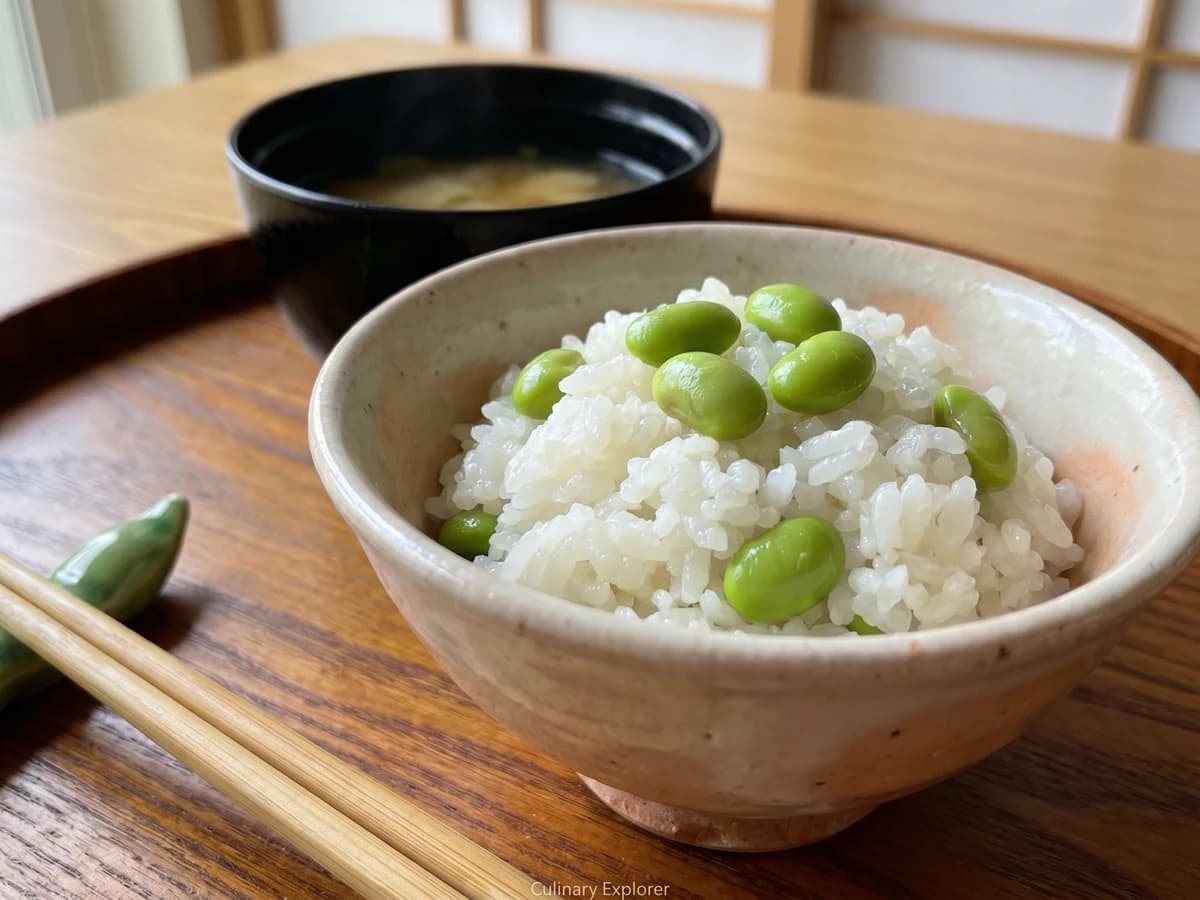
Summer edamame rice asks for restraint: short-grain rice cooked plain, beans salted in their pods, then folded in while the rice is hot so their green sweetness stays clear.
Chef Lupita
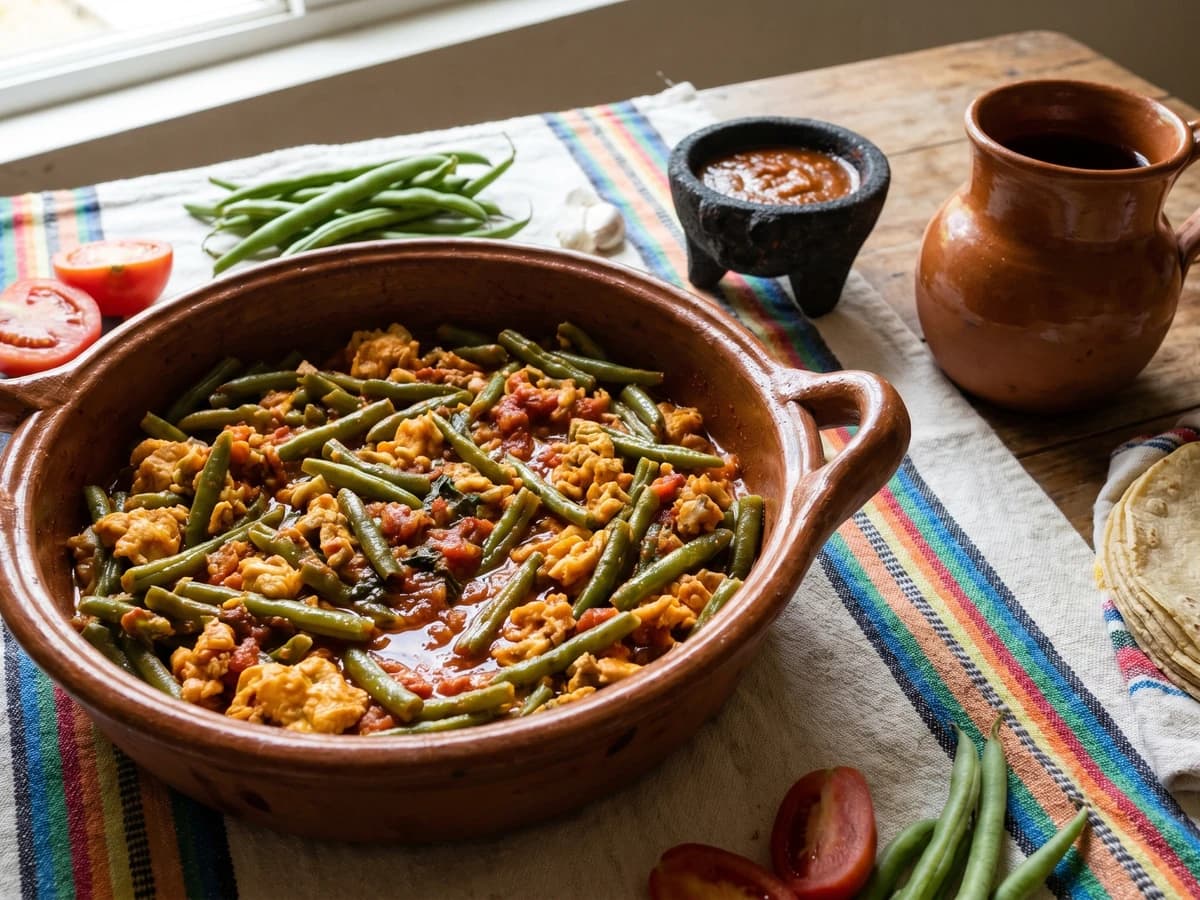
Oaxacan ejotes braised in fried tomato and white onion, then folded into soft scrambled egg with epazote. The plate a Valles Centrales cook makes when the milpa is generous and lunch is in twenty minutes.

Chef Lupita
Sinaloa's ranch-style green beans, blanched and folded into a lard-built tomato sofrito with serrano, cumin, and oregano. The side dish that lands on the table next to the carne asada every week of summer.

Chef Lupita
Ciudad de México's market-kitchen green beans, simmered in a dark pasilla chile sauce until the ejotes stay tender but still remember the field.

Chef Lupita
Tlaxcala's milpa corn roasted in its own totomoxtle over charcoal, then opened at the table and dressed with lime, salt, and, if the cook insists, a pinch of chile piquín.

Chef Jeong-sun
The lunchbox banchan that forgives beginners: sliced fish cake, onion, and carrot cooked fast in a soy glaze until sweet-savory, chewy, and ready for rice.

Chef Elsa
Thin-sliced waxy potatoes layered with garlic-steeped cream and baked low and slow until the top turns golden brown and the kitchen smells like the kind of cooking that makes people wander in from the next room.

Chef Elsa
Silky Viennese mashed potatoes pressed through a ricer, enriched with cold butter and warm milk, finished with a whisper of nutmeg. The quiet side dish that makes the whole plate work.

Chef Elsa
Yesterday's boiled potatoes, coarsely grated and torn in a hot pan with too much butter until the edges go golden and crisp. Farmhouse cooking at its most honest, served straight from the skillet.

Chef Elsa
Upper Austria's silky potato dumplings, rolled by hand and simmered until they float, the quiet companion that makes every Schweinsbraten complete.

Chef Klaus
The Ore Mountain potato pancake that works only if the grated potato is wrung dry first; leave the water in and you get steam, not a crisp edge.

Chef Klaus
The Erzgebirge potato bake that makes a meal from stored roots, sour buttermilk, bacon fat, and patience, with the crust doing the talking.
Chef Lupita
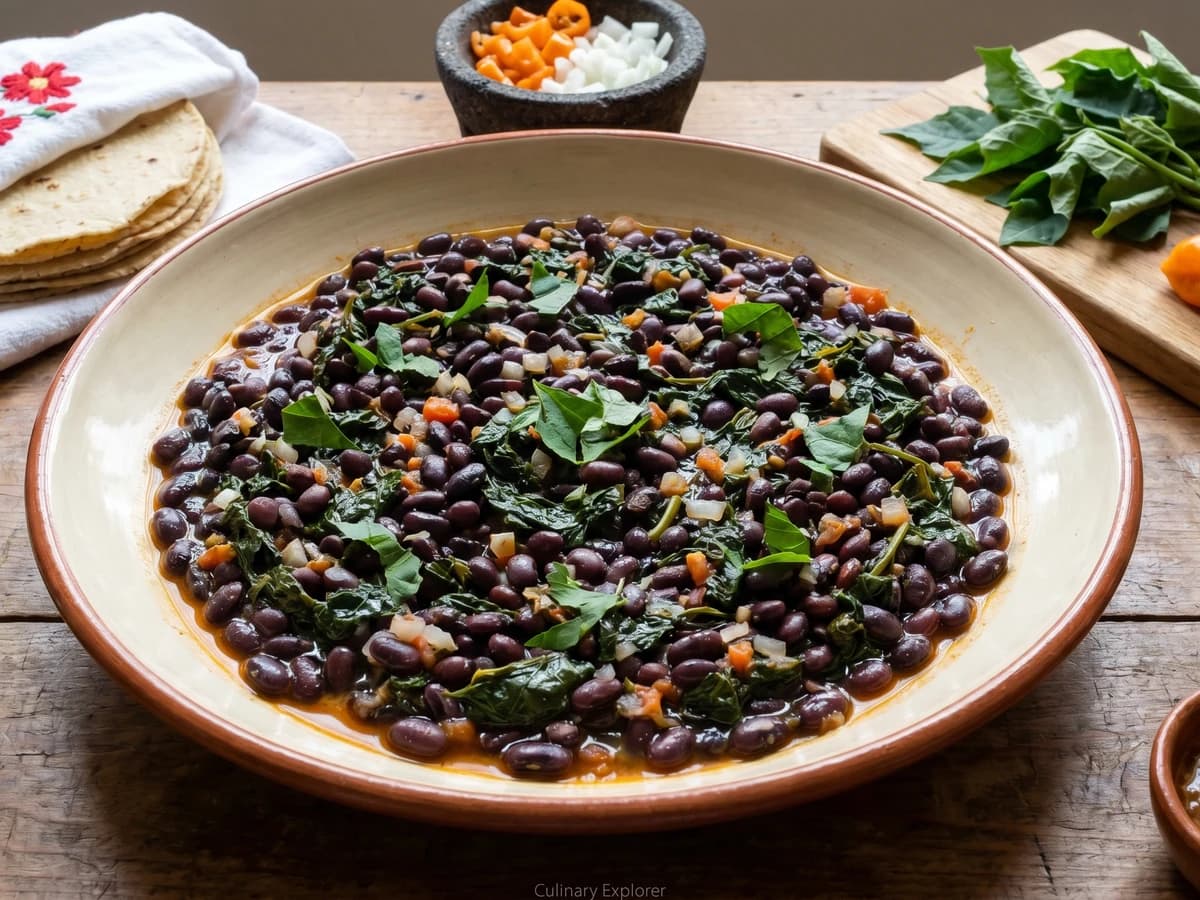
Yucatán's espelón, the native black-eyed cowpea of the milpa, sautéed with chaya, white onion, habanero, and pimienta gorda in lard. A Maya pairing the peninsula has cooked for centuries.
Chef Lupita
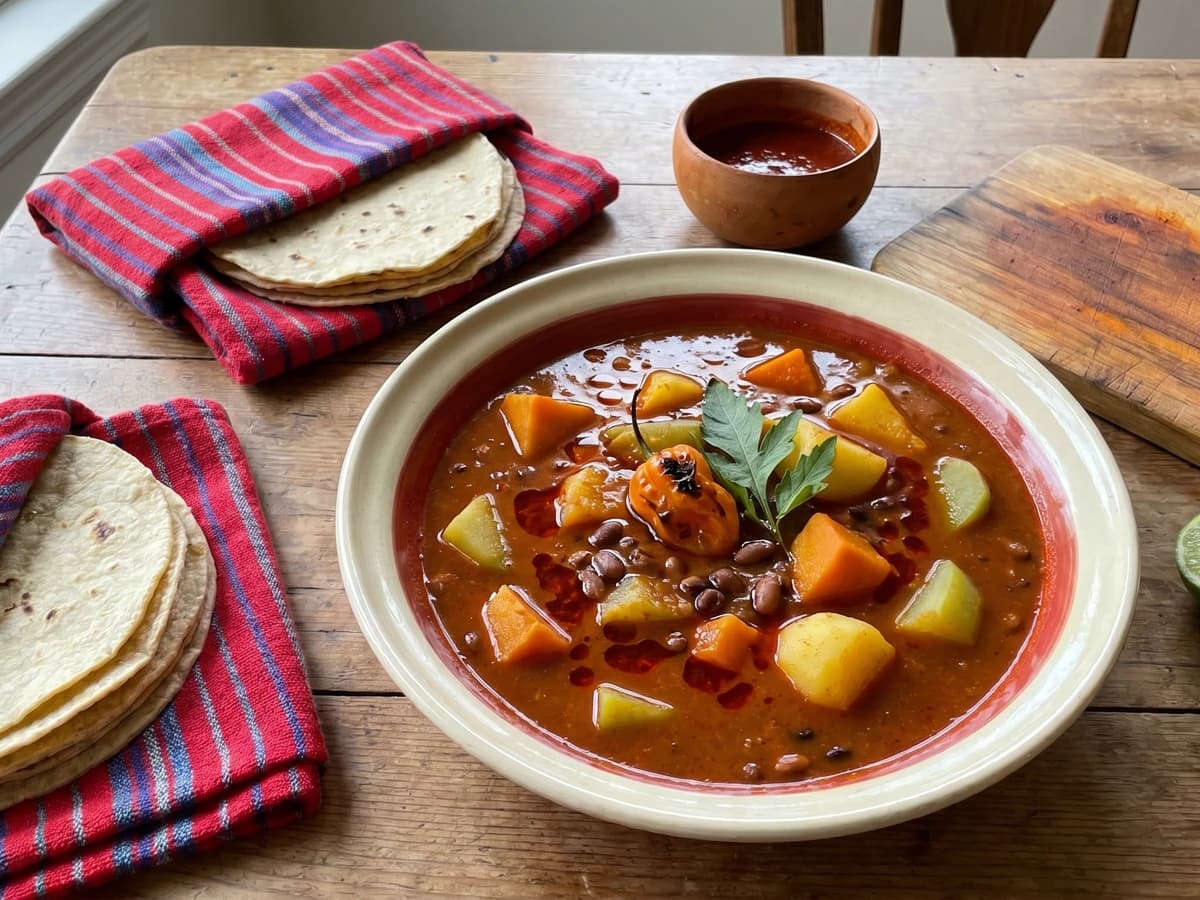
Yucatán's Sunday potaje of tender espelón cowpeas, calabaza, chayote, papa, and repollo, built on a sofrito of tomate, chile dulce, and recado rojo, perfumed with charred habanero and epazote.

Chef Juliana
You don't need meat to earn a place on the churrasqueira. Cut the vegetables evenly, season with real garlic and lime, and let the coals turn them sweet, soft, and smoky.

Chef Lupita
Sonora and Chihuahua's version of the corn cup: kernels stewed in butter and manteca, finished with crema, crumbled queso fresco, lime, and a hot pinch of crushed chiltepin salt. No epazote. The north skips it.
Chef Makoa
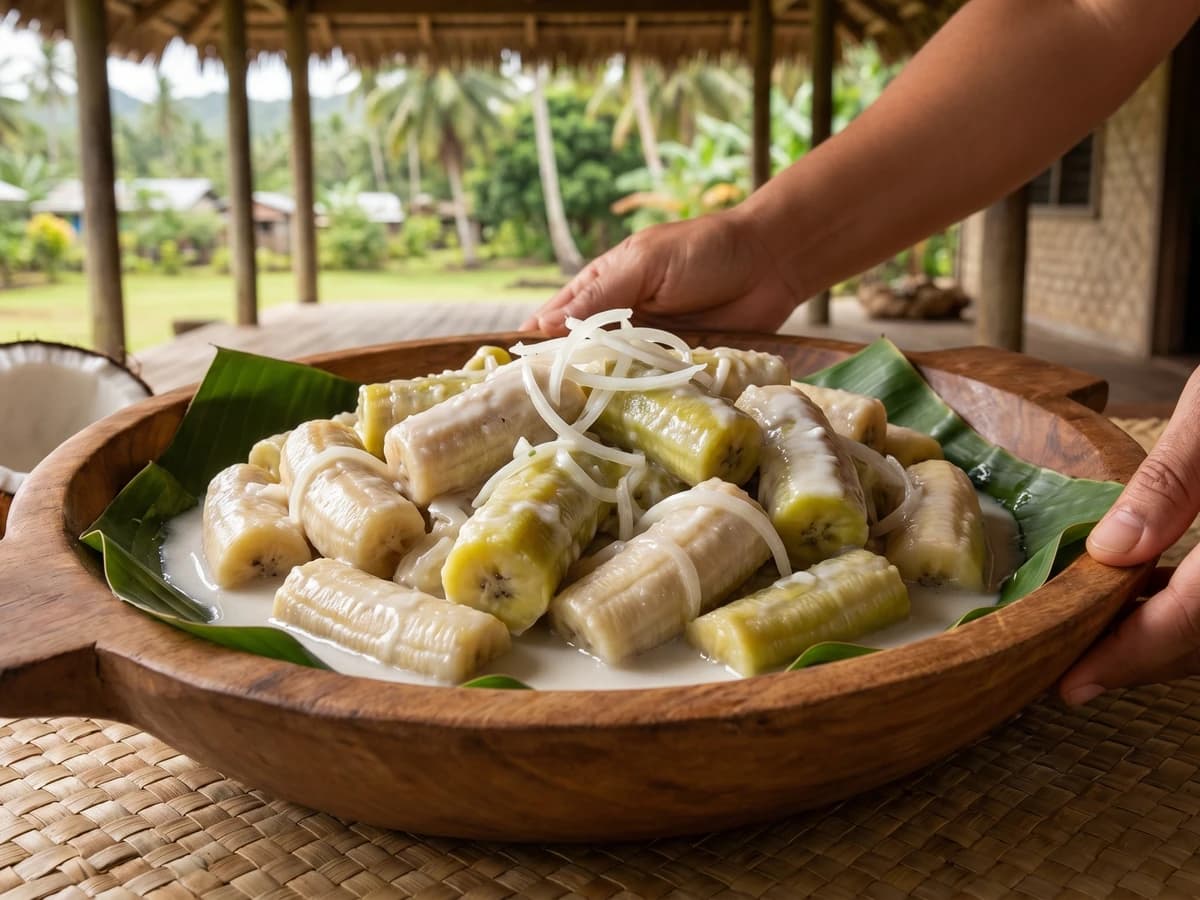
Sāmoa's everyday faʻalifu faʻi takes green cooking bananas, firm from the pot, and lets salted peʻepeʻe (coconut cream) settle around them with onion. Simple food, canoe-crop comfort, ready for a weeknight table.
Chef Makoa
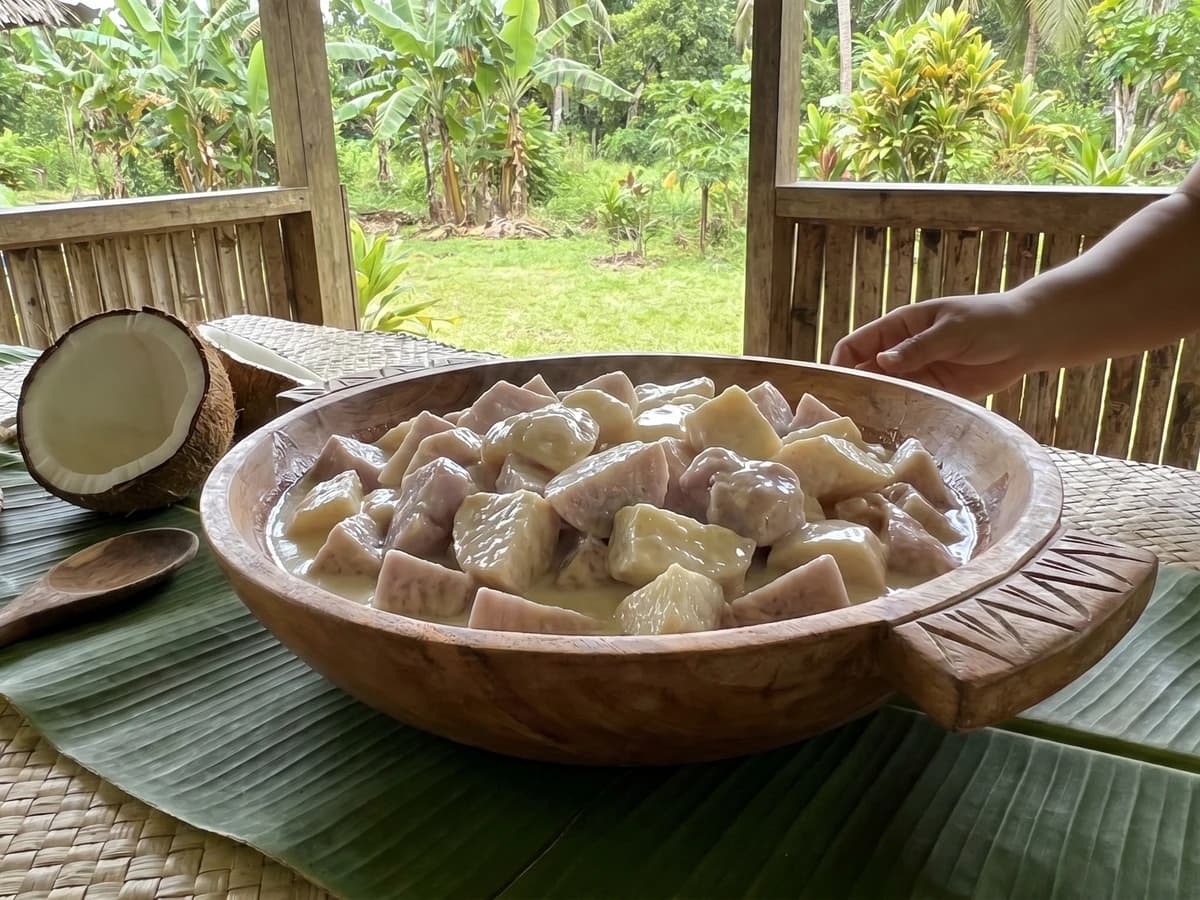
Sāmoa’s talo, peeled and simmered until it gives, then folded through salted coconut cream until every piece drinks deep and shines.
Chef Makoa
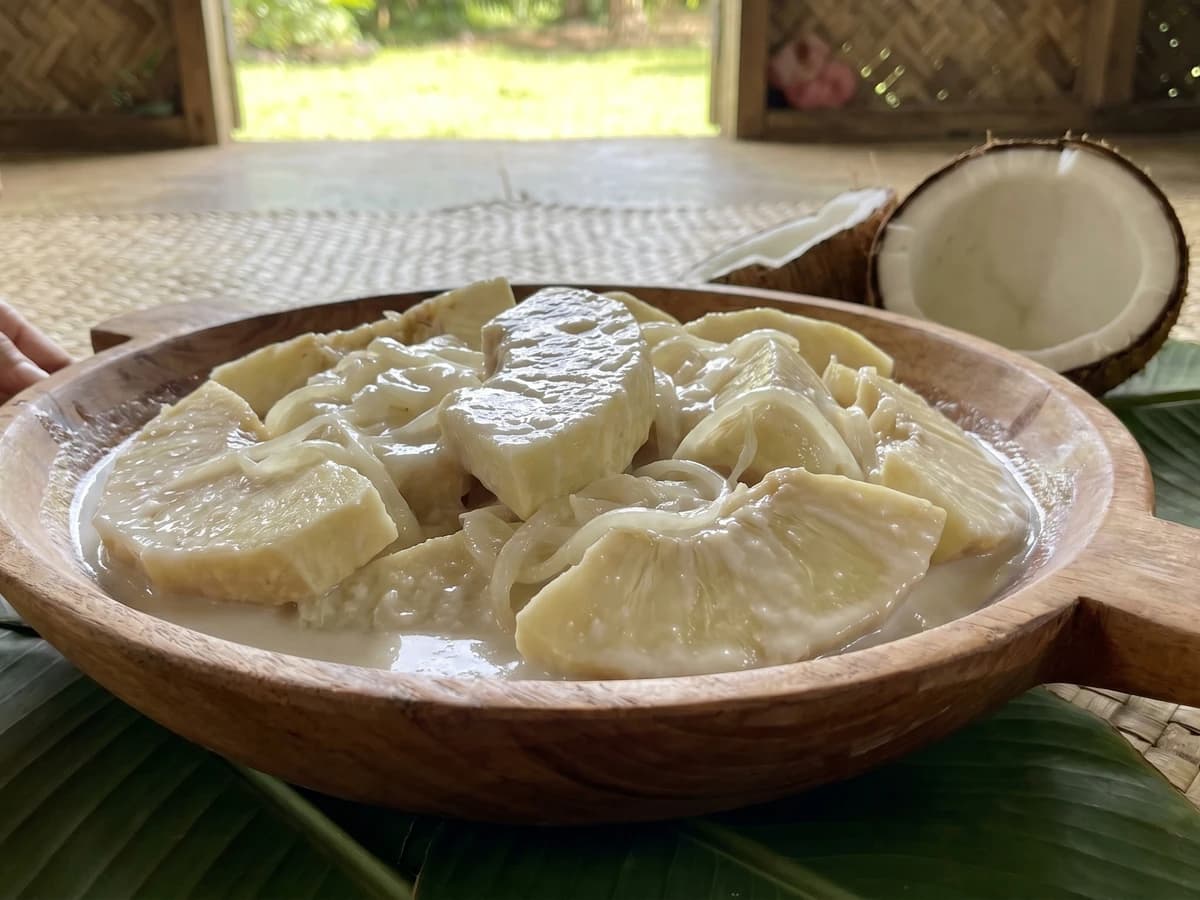
Sāmoa’s ʻulu, breadfruit, cut into soft wedges and simmered faʻalifu style in salted coconut cream and onion until the sauce clings rich and white.
Chef Makoa
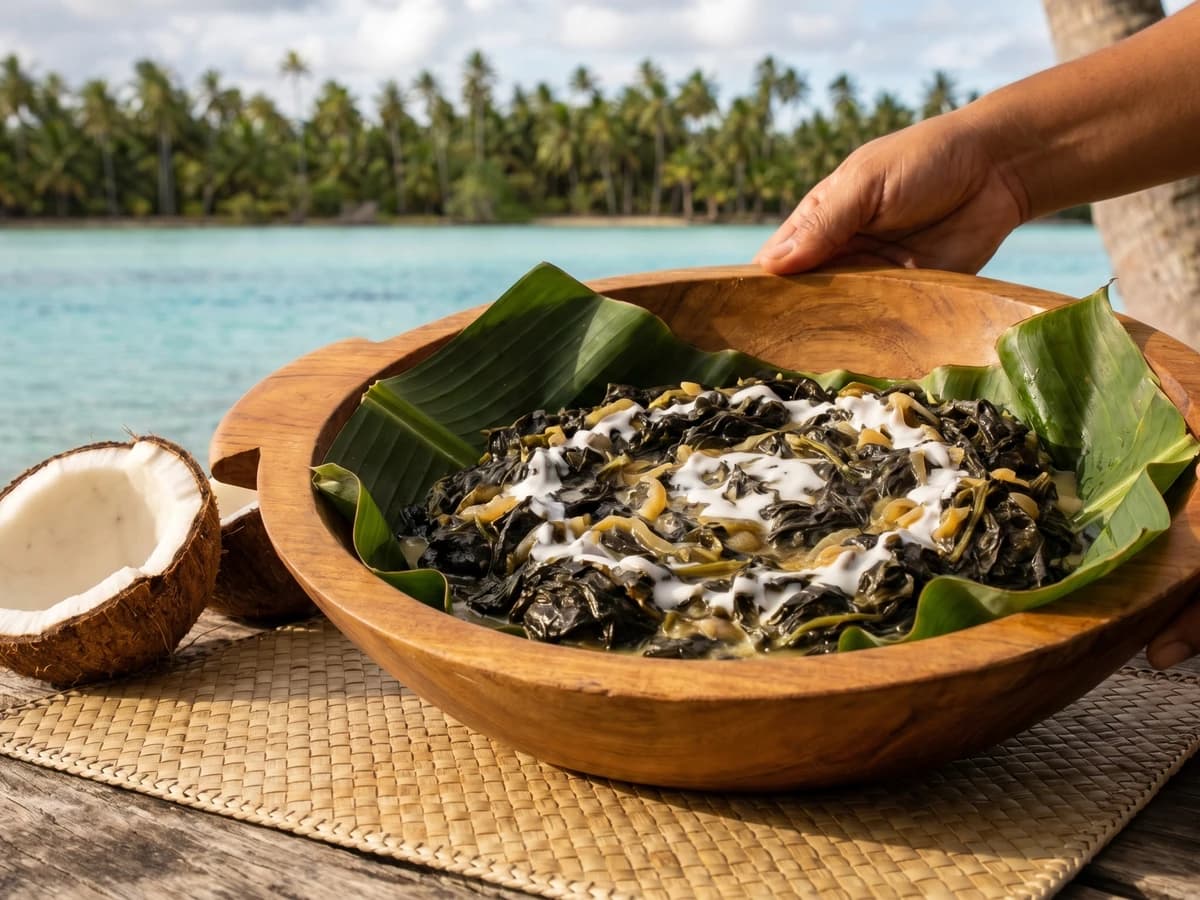
Tahiti's fāfā cooks young taro leaves down with onion and coconut cream until they turn dark, silky, and rich enough to feed the whole table.

Chef Graziella
The beans of Tuscany, braised with sage and tomato in the manner used for small game birds. Four ingredients, no complications, and the quiet confidence of food that needs nothing more.
Culinary guides, cultural storytelling, and the editorial depth that makes cooking meaningful.
Discover Culinary Explorer