
Chef Takumi
Nagoya Tebasaki (手羽先, glazed fried chicken wings)
These wings are not complicated. Fry them bare, glaze them lightly, and let black pepper do its sharp work against soy, mirin, and crisp chicken skin.

Updated June 2, 2026
The skewered grill tradition of the Japanese counter. Yakitori chicken cuts taken one part at a time, pork and vegetable skewers (kushiyaki), Osaka's deep-fried kushikatsu with the no-double-dip rule, and Nagoya's famous tebasaki wings. One ingredient, one fire, tare or salt that finishes it.
A cooking platform built around craft, culture, and the stories behind what we eat.
Kushiyaki is the Japanese tradition of skewer-grilling: bite-size pieces of meat, seafood, or vegetables threaded onto skewers (kushi) and grilled over high heat, finished with either salt (shio) or a sweet-savory tare glaze. Yakitori, grilled chicken skewers, is the best-known member of the kushiyaki family.
Yakitori is a type of kushiyaki: every yakitori skewer is kushiyaki, but kushiyaki covers far more than chicken.
| Kushiyaki | Yakitori | |
|---|---|---|
| Meaning | "Grilled on a skewer": the umbrella term for all skewer-grilled food | "Grilled bird": specifically chicken skewers |
| Main ingredients | Pork, beef, seafood, and vegetables | Chicken cuts taken one part at a time: thigh, skin, liver, meatball (tsukune) |
| Seasoning | Shio (salt) or tare (sweet-savory glaze) | Shio (salt) or tare (sweet-savory glaze) |
| Where you find it | Izakaya and kushiyaki counters; Osaka's fried kushikatsu is a cousin | Dedicated yakitori-ya built around the chicken |
Say yakitori when you mean chicken skewers; say kushiyaki when the skewer holds anything else. Japanese menus often use both words on the same page.
Chef Takumi
These wings are not complicated. Fry them bare, glaze them lightly, and let black pepper do its sharp work against soy, mirin, and crisp chicken skin.
Chef Takumi
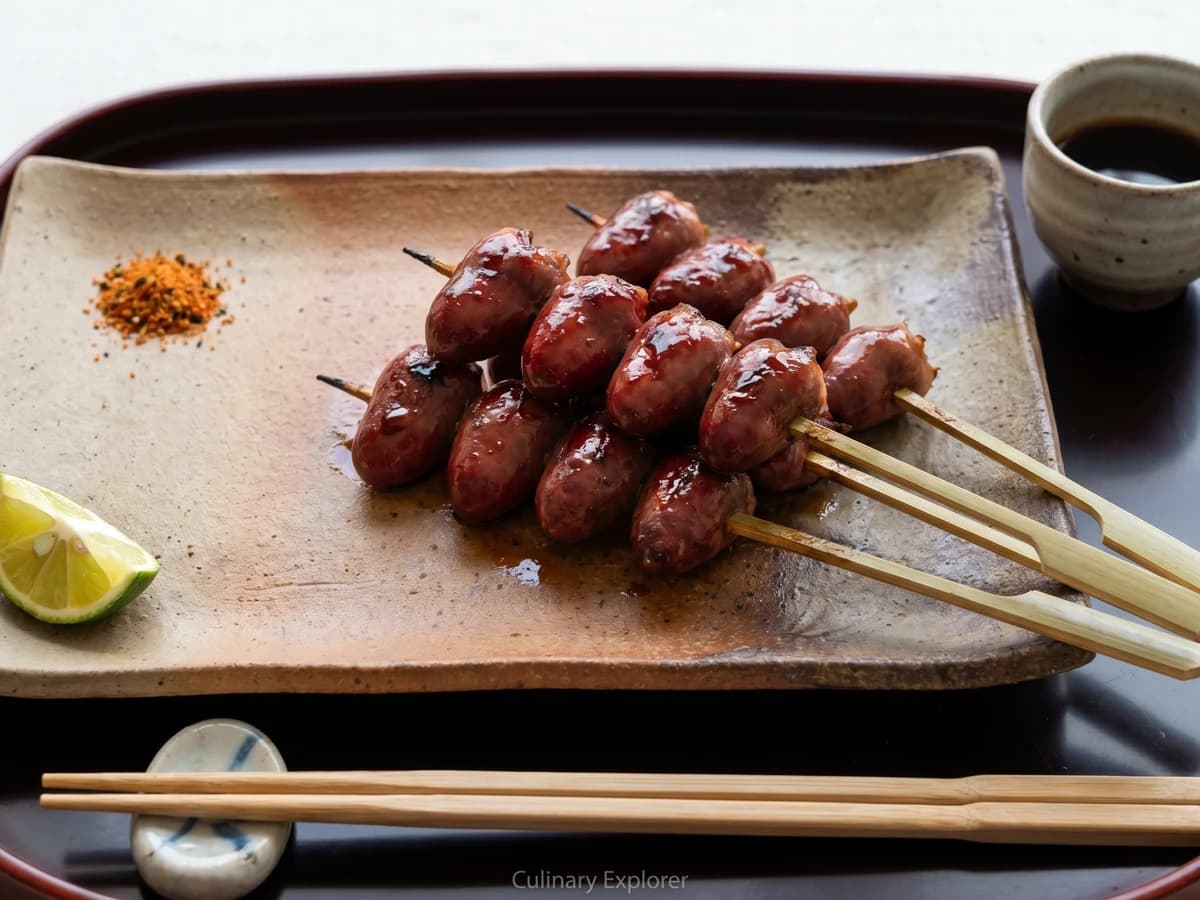
Chicken heart sounds severe until it meets a hot grill. Clean it well, skewer it whole, then cook it fast with salt or tare until the outside shines and the bite stays firm.
Chef Takumi
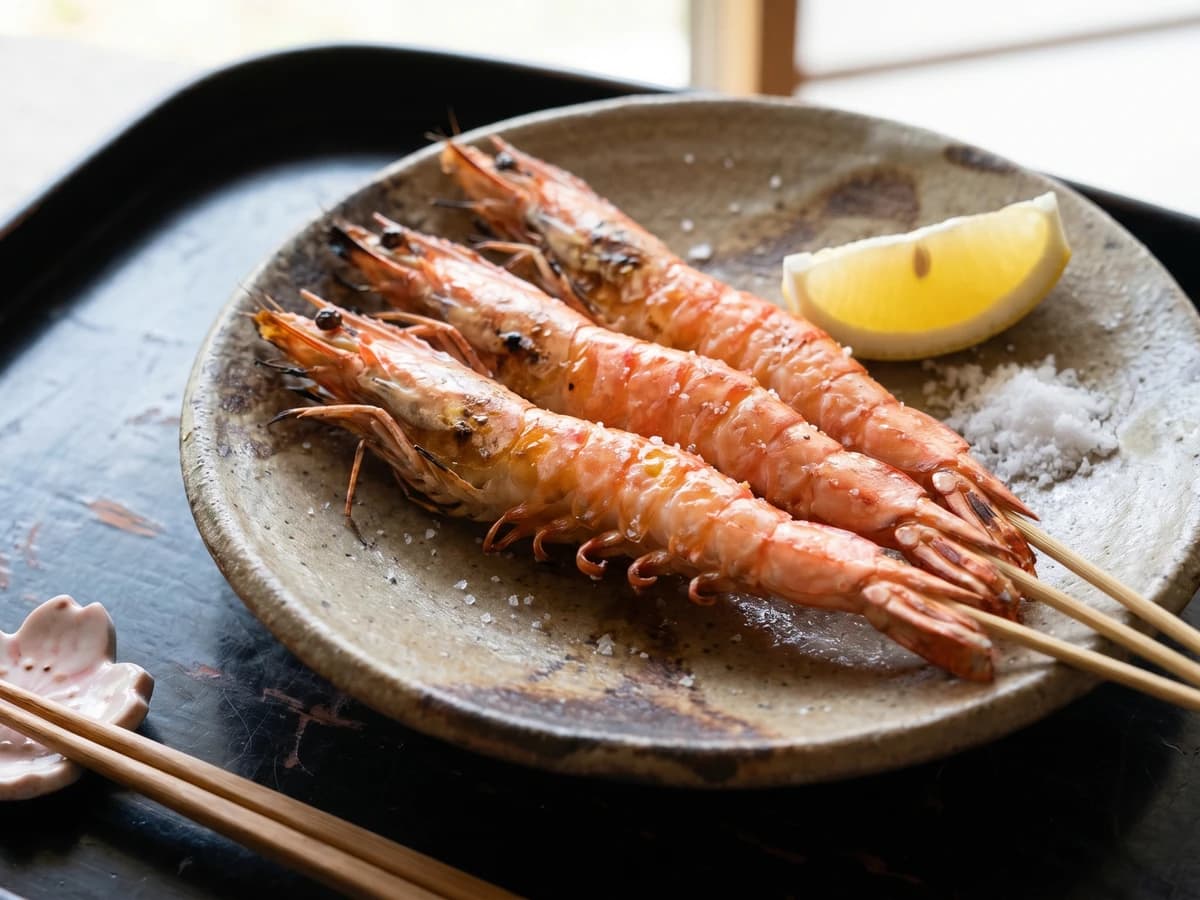
Head-on shrimp need very little help: a skewer to keep them straight, a hot grill to crisp the shell, and salt sharp enough to let the sweetness show.
Chef Takumi
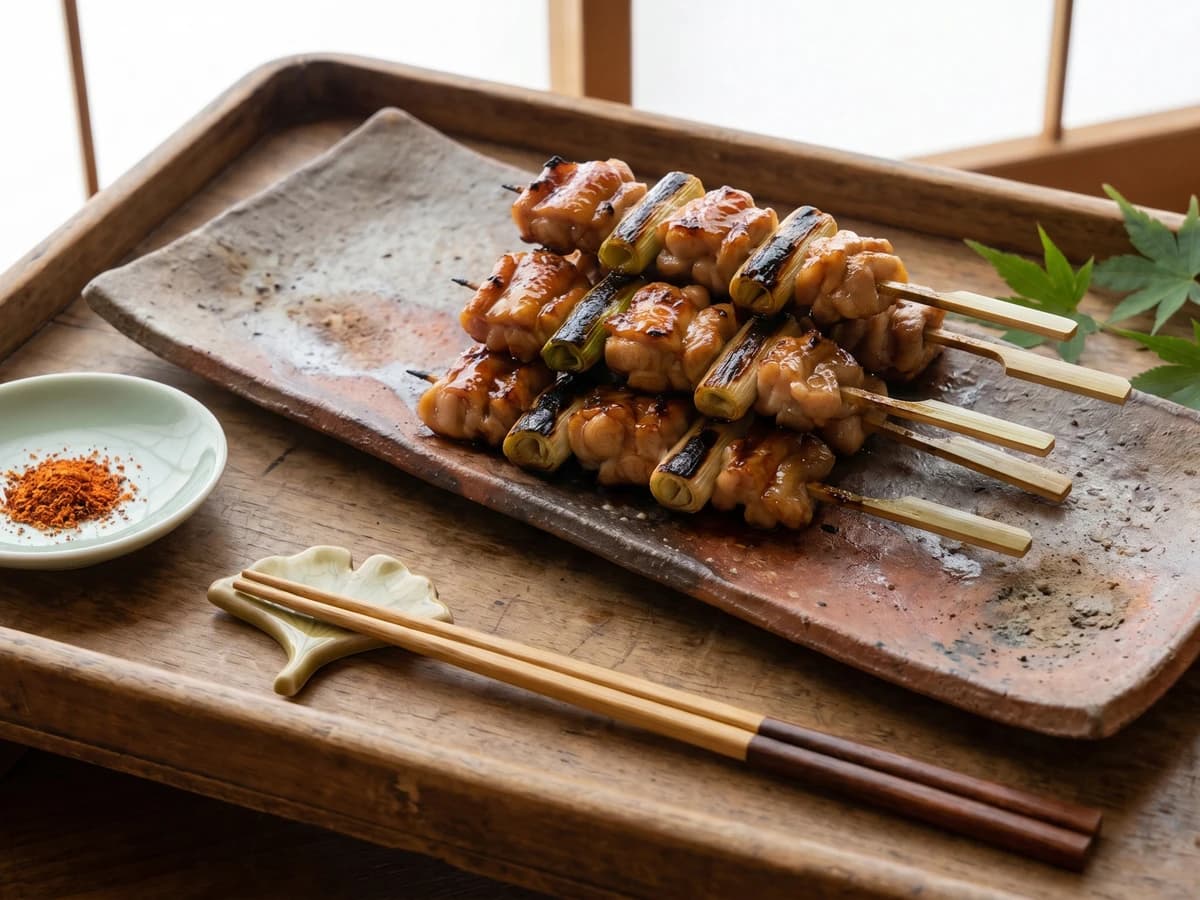
Negima is yakitori at its clearest: chicken thigh, thick Japanese leek, a patient grill, and tare brushed only when the meat has begun to take color.

Chef Takumi
This is Osaka street food at its plainest and best: good beef cut small, a thin batter, fine panko, hot beef tallow, and one clean dip in sauce.

Chef Takumi
Thick slices of lotus root make the finest vegetable kushikatsu: crisp panko outside, tender inside, and those clean holes showing you did nothing more complicated than cut it well.
Chef Takumi
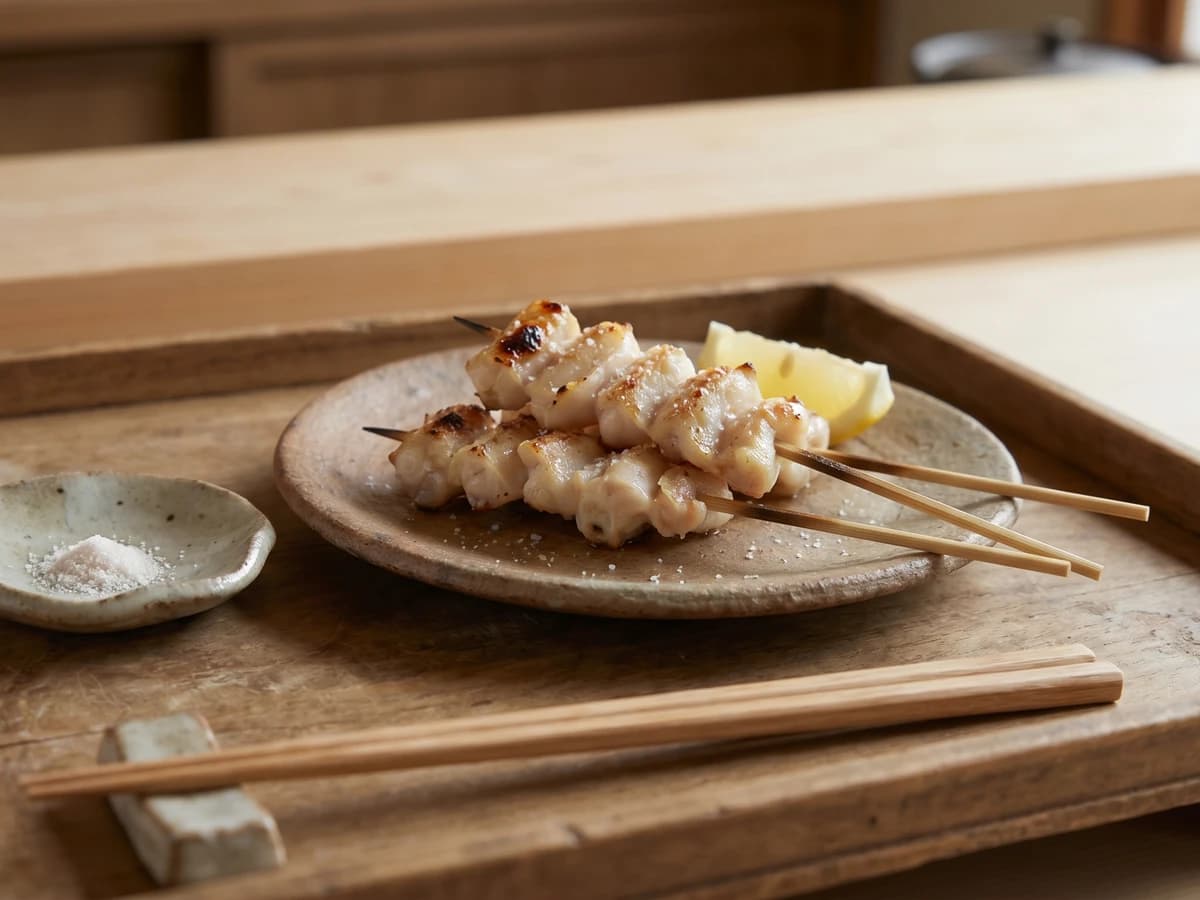
Nankotsu is yakitori stripped to its snap: good chicken cartilage, a little salt, hot coals, and the patience to brown the meat without softening the crunch.
Chef Takumi
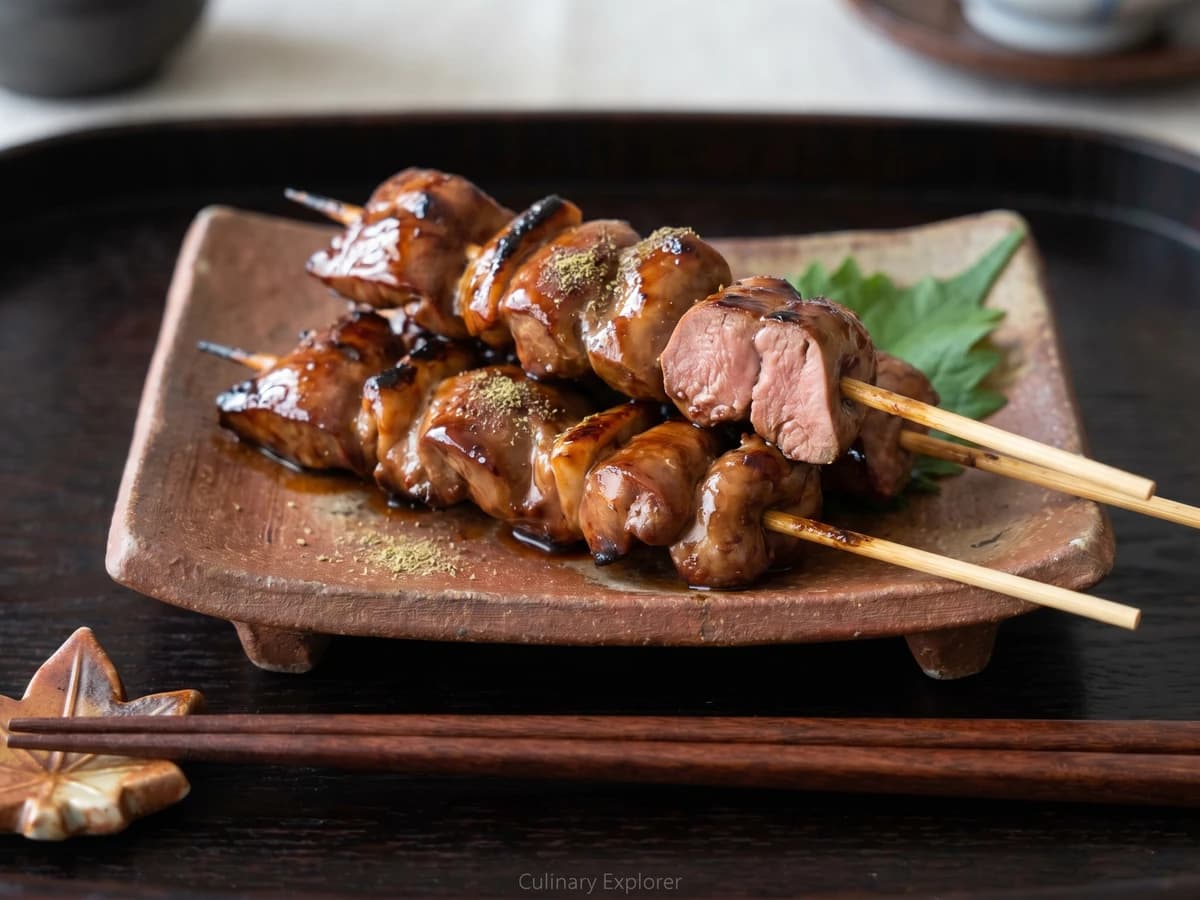
Chicken liver asks for confidence, not fuss. Buy it glistening fresh, trim it cleanly, grill it hot and fast, and let sweet soy tare steady the iron note.
Chef Takumi
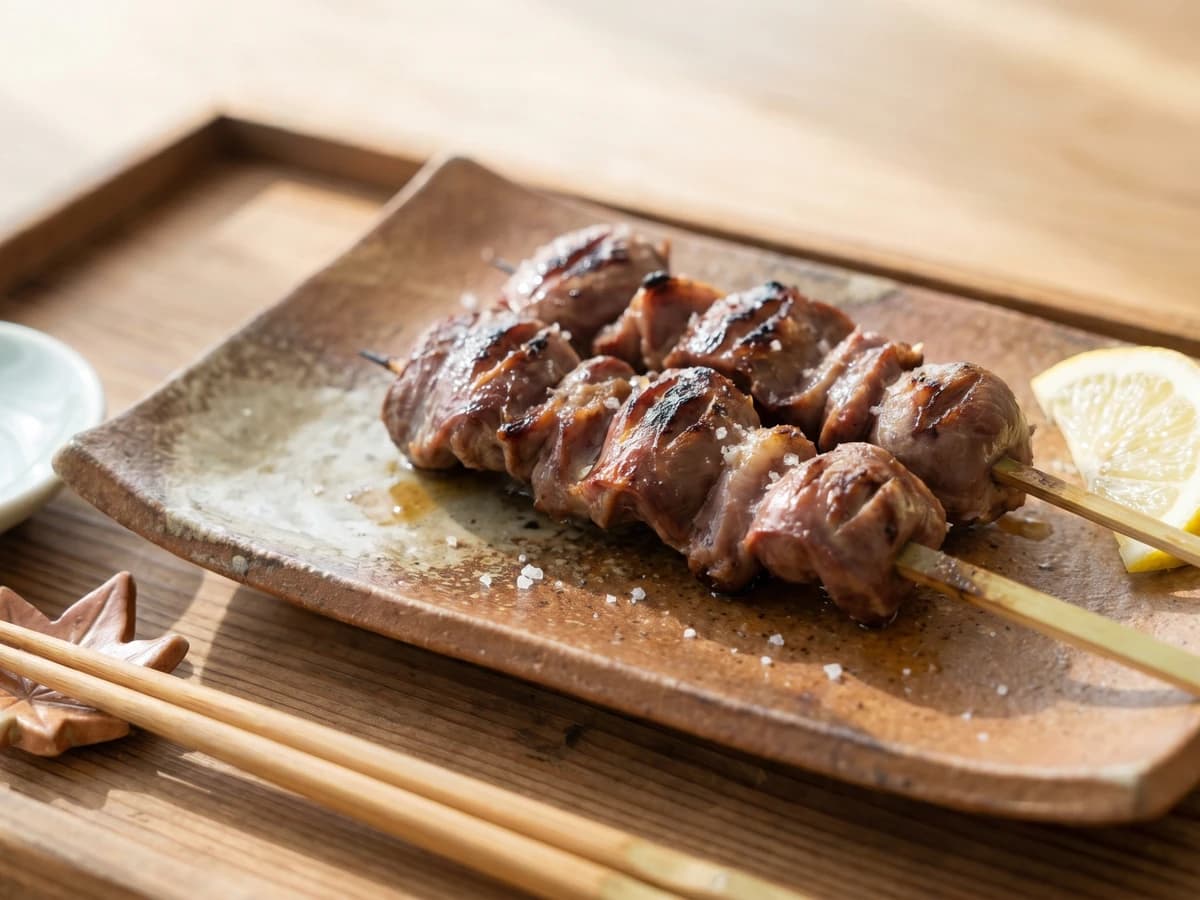
Sunagimo asks for courage only until you trim one. Salt, strong heat, and a clean cut give crisp edges, a springy center, and the plain pleasure yakitori is built to show.
Chef Takumi
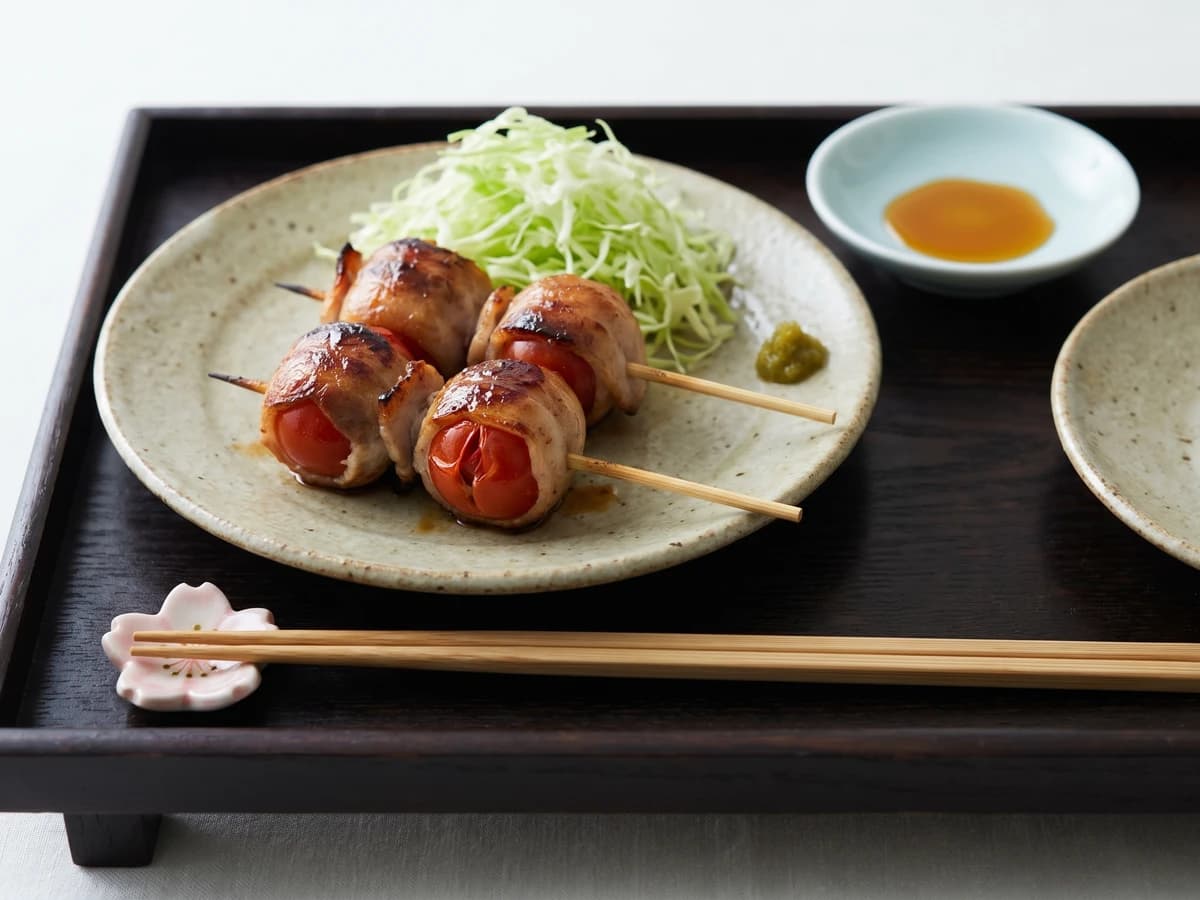
Cherry tomatoes, thin pork belly, and a hot grill: tomato-maki asks for almost no cleverness. The secret is snug wrapping, so the pork browns before the tomato loses its nerve.
Chef Takumi
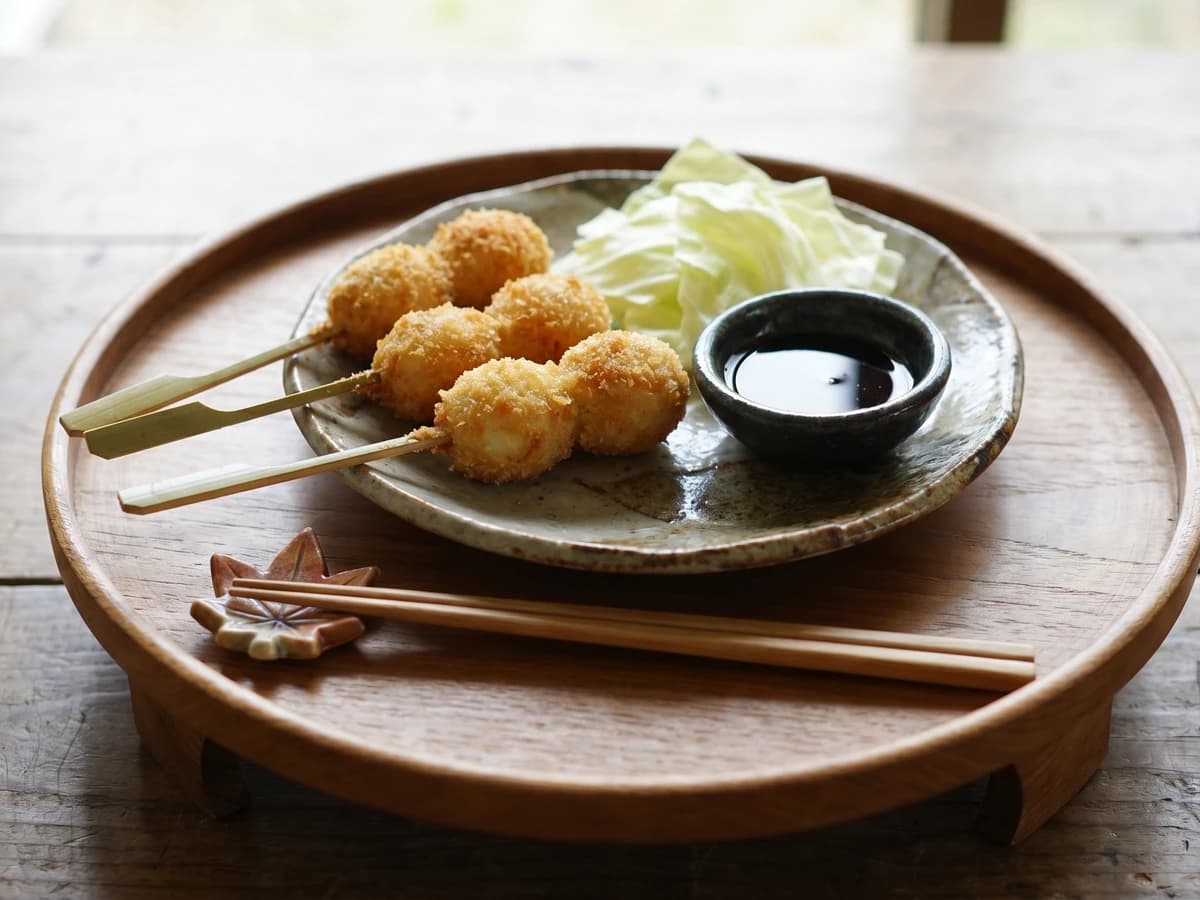
Quail eggs look like a trick, but kushikatsu asks only for firm eggs, a thin batter, clean panko, and oil held steady until each skewer turns crisp and golden.
Chef Takumi
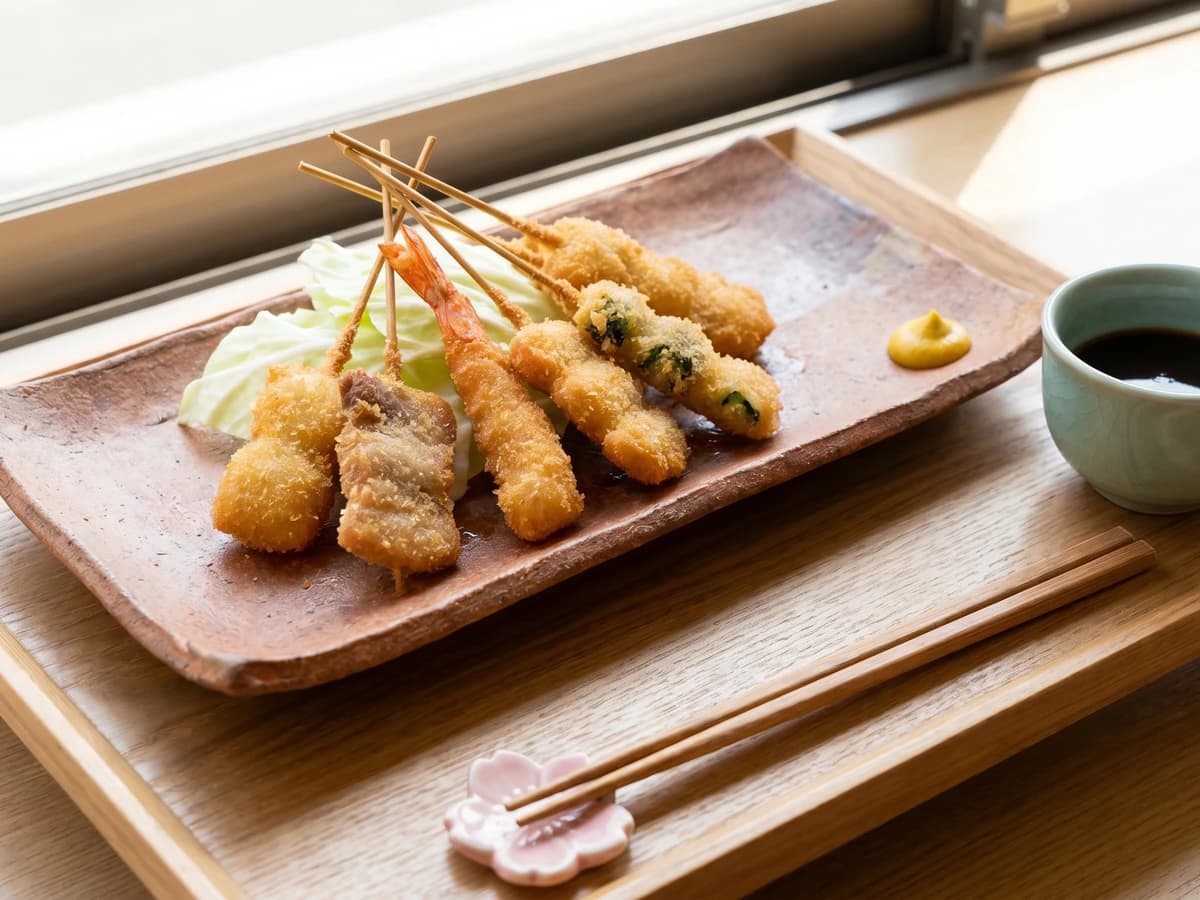
Osaka kushikatsu is one small ingredient at a time, crumbed lightly, fried clean, and dipped once in a dark, tangy sauce. The rule is simple because the table is shared.

Chef Takumi
Buta-bara is not a trick of the grill. Good pork belly, even cutting, steady heat, and the patience to let the fat turn glossy do most of the work.

Chef Takumi
Aspara-bacon is late-spring asparagus treated with common sense: thin bacon, hot grill, and a last brush of shōyu and mirin so the spear stays sweet while the wrap crisps.

Chef Takumi
Hotate kushiyaki asks for one good scallop, hot fire, and restraint. Brush the butter-shōyu glaze only at the end, then stop when the center turns milky white.
Chef Takumi
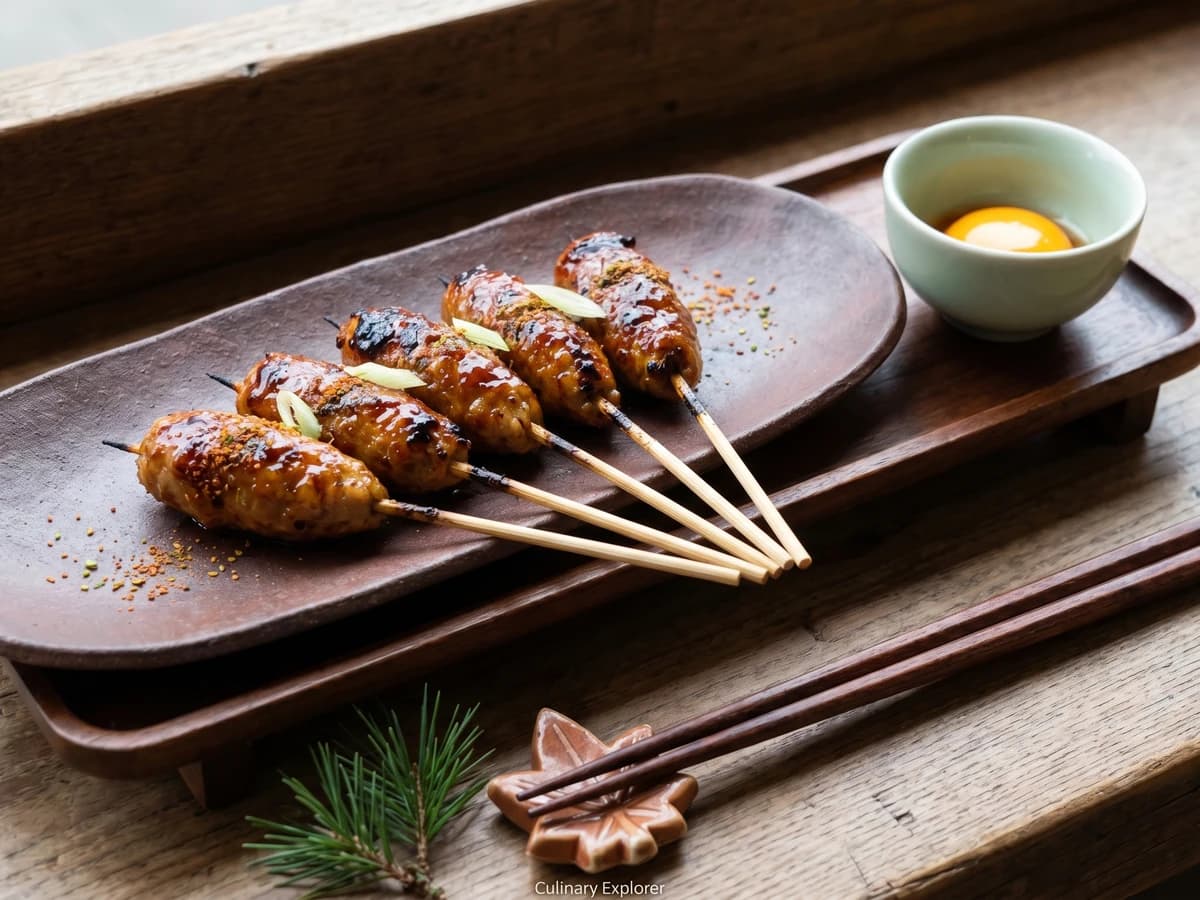
Tsukune looks like the clever skewer at the yakitori counter, but the secret is plain: knead the chicken until sticky, chill it well, and glaze it only after the meat has set.
Chef Takumi
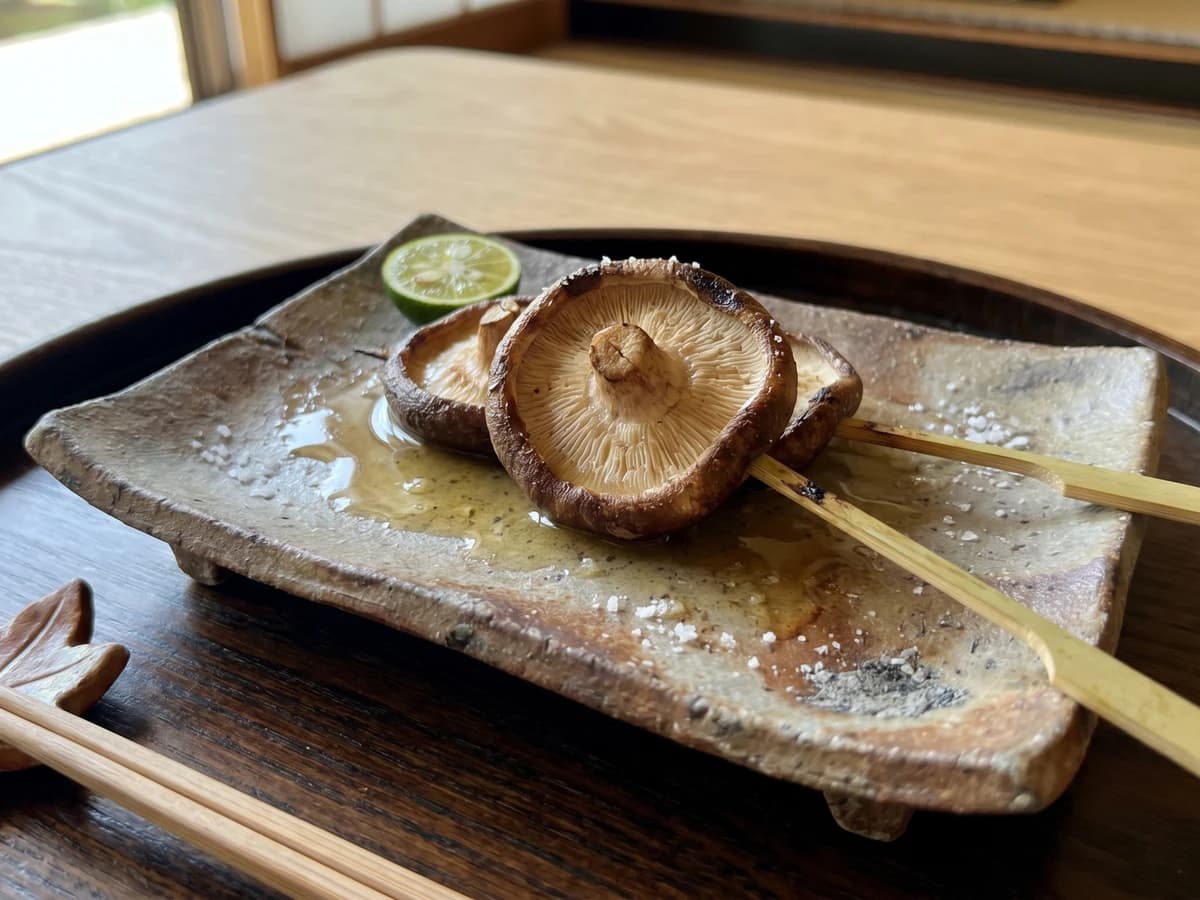
Fresh shiitake need almost no help: skewer them cap-up, grill until their own juice gathers in the gills, then salt and eat before that little broth is lost.
Chef Takumi
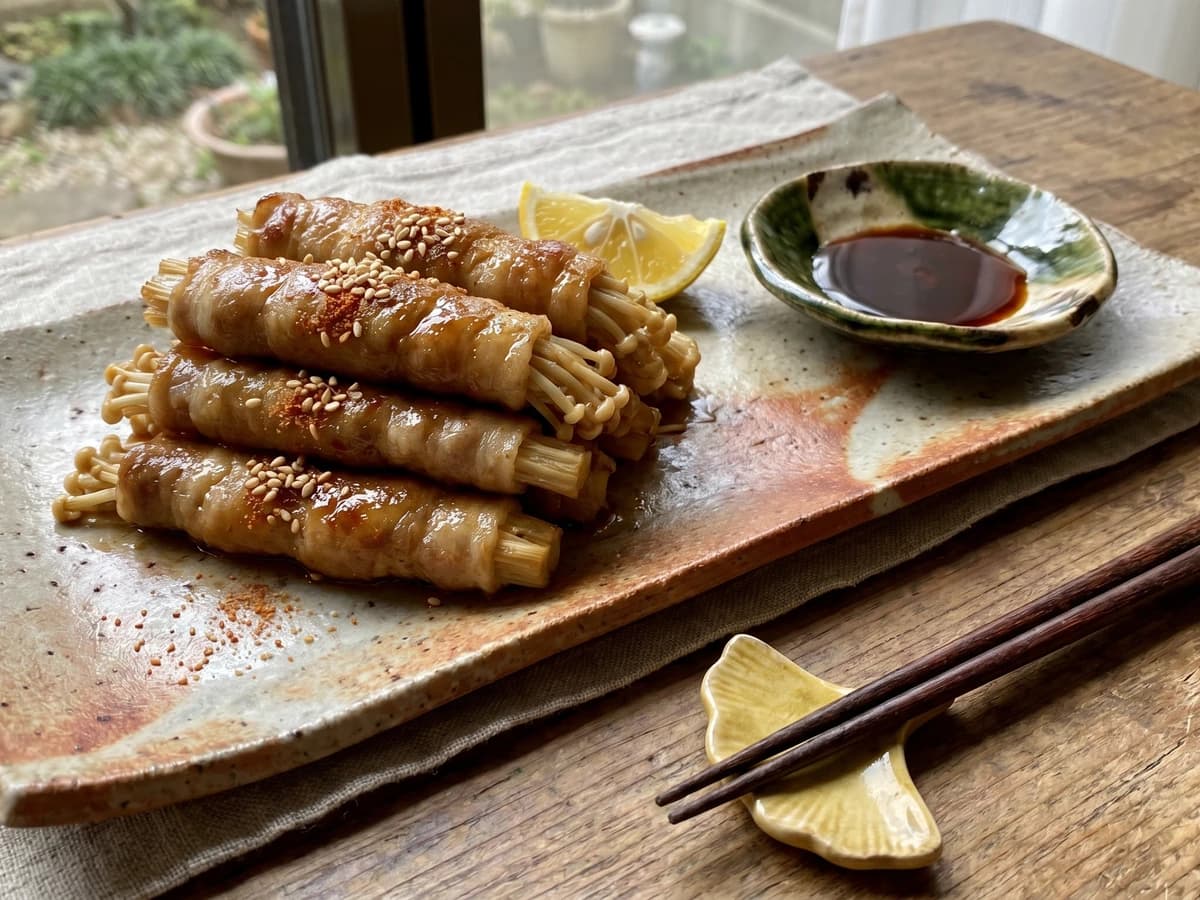
A tight bundle, a hot grill, and restraint: enoki softens inside its pork wrapper while the outside browns, so the finish is either salt or a light tare, not a disguise.
Chef Takumi
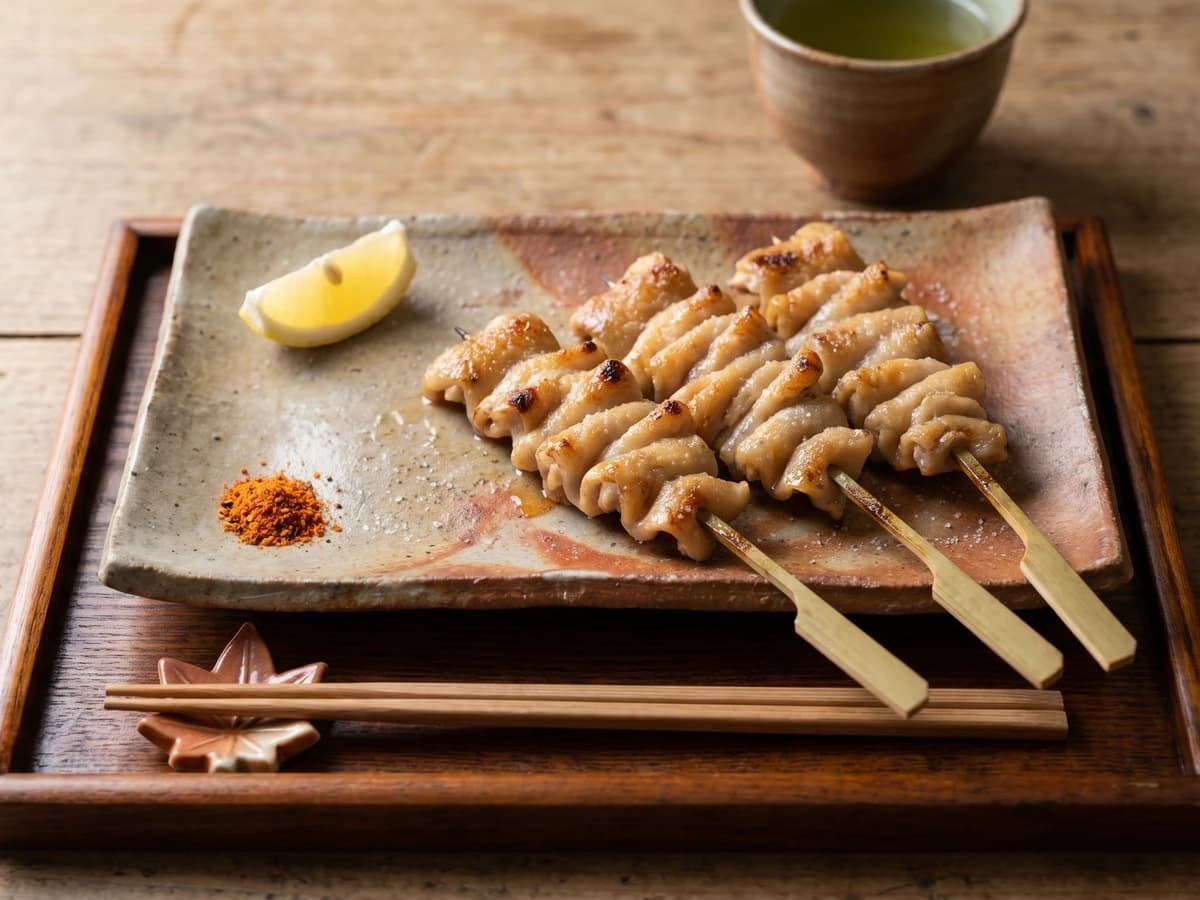
Kawa is not a trick of sauce. It is chicken skin, salt, and patient heat, grilled until the fat leaves and the surface becomes crisp under your teeth.
Chef Takumi
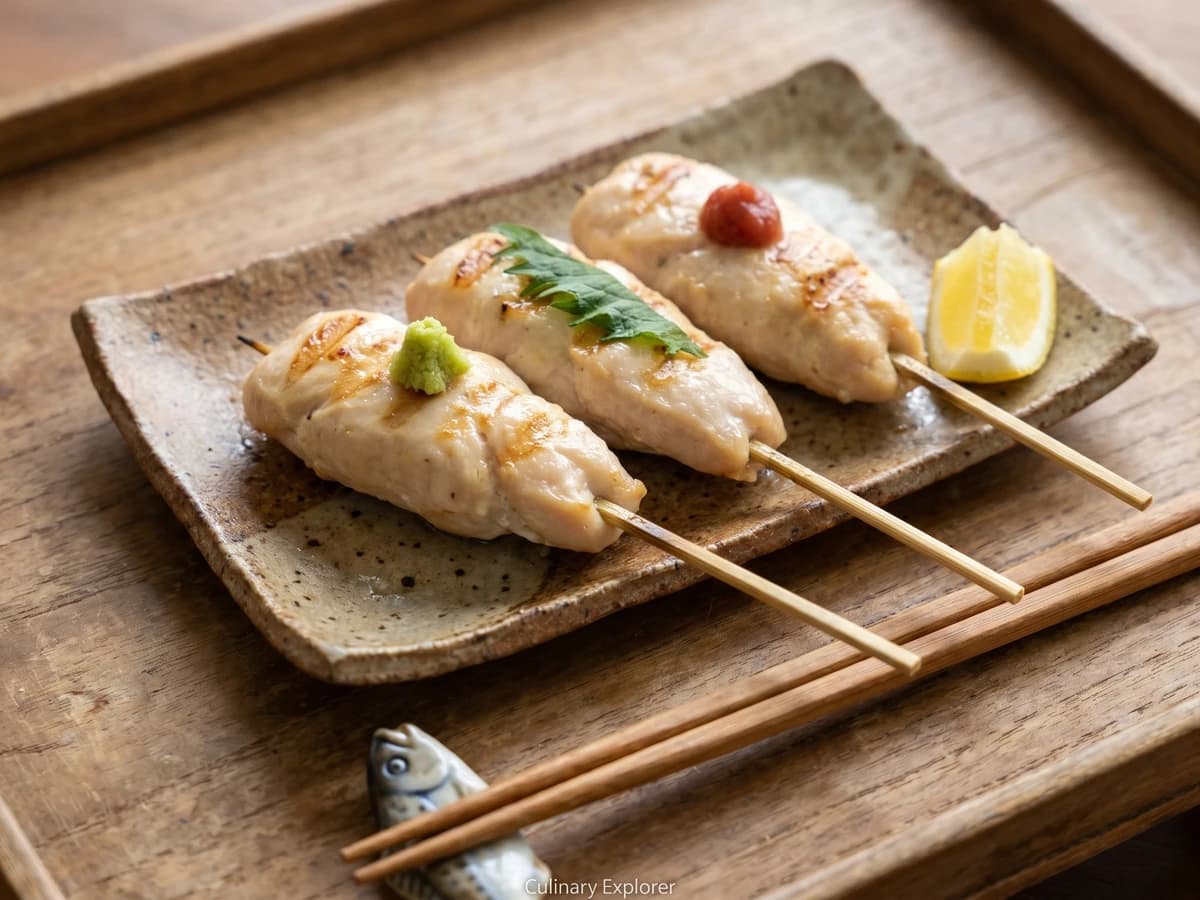
Sasami asks for restraint: good chicken, a clean skewer, brief heat, and a cool finish of shiso, wasabi, or umeboshi that keeps the lean meat honest.
Chef Takumi
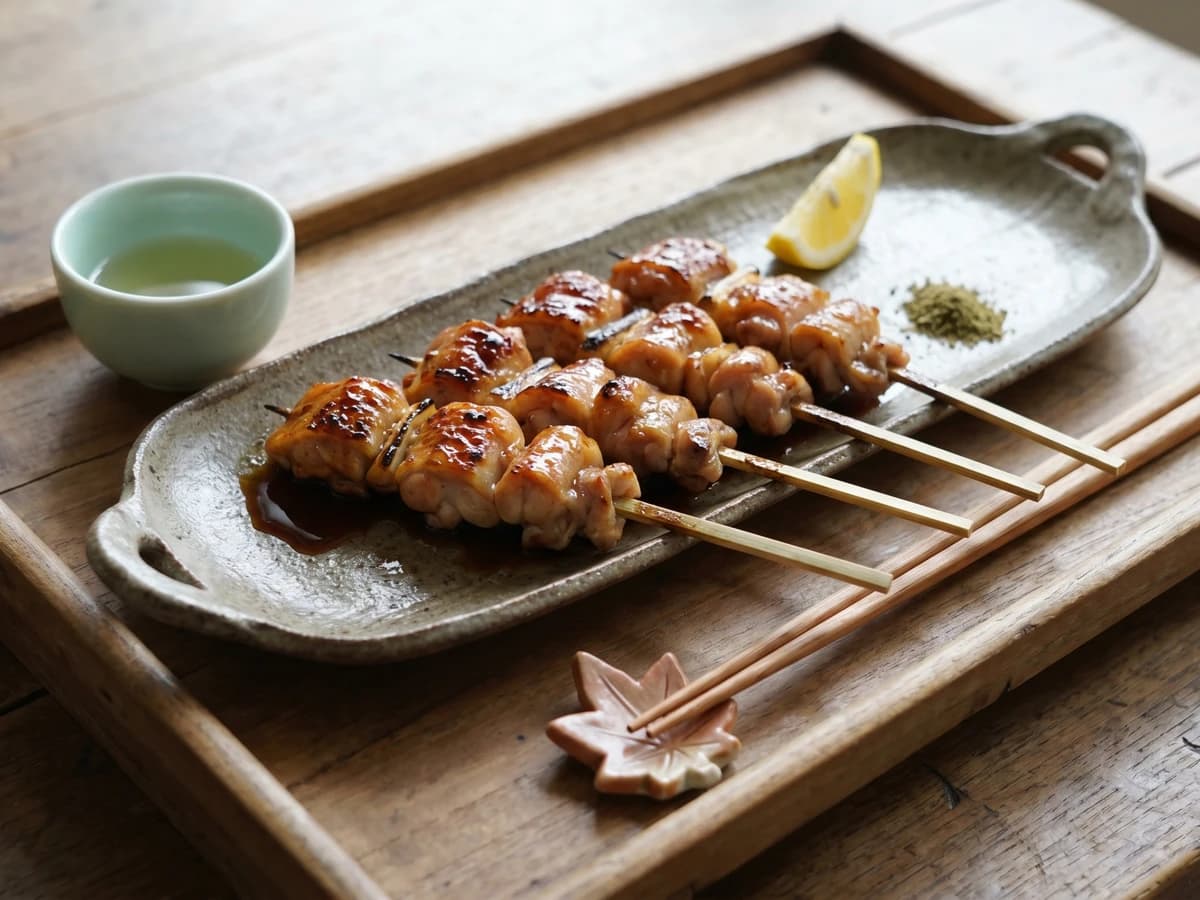
Momo is the forgiving yakitori skewer: dark chicken thigh, cut evenly, grilled close to the fire, and turned often enough that the outside glosses before the inside gives up its juice.
Chef Takumi
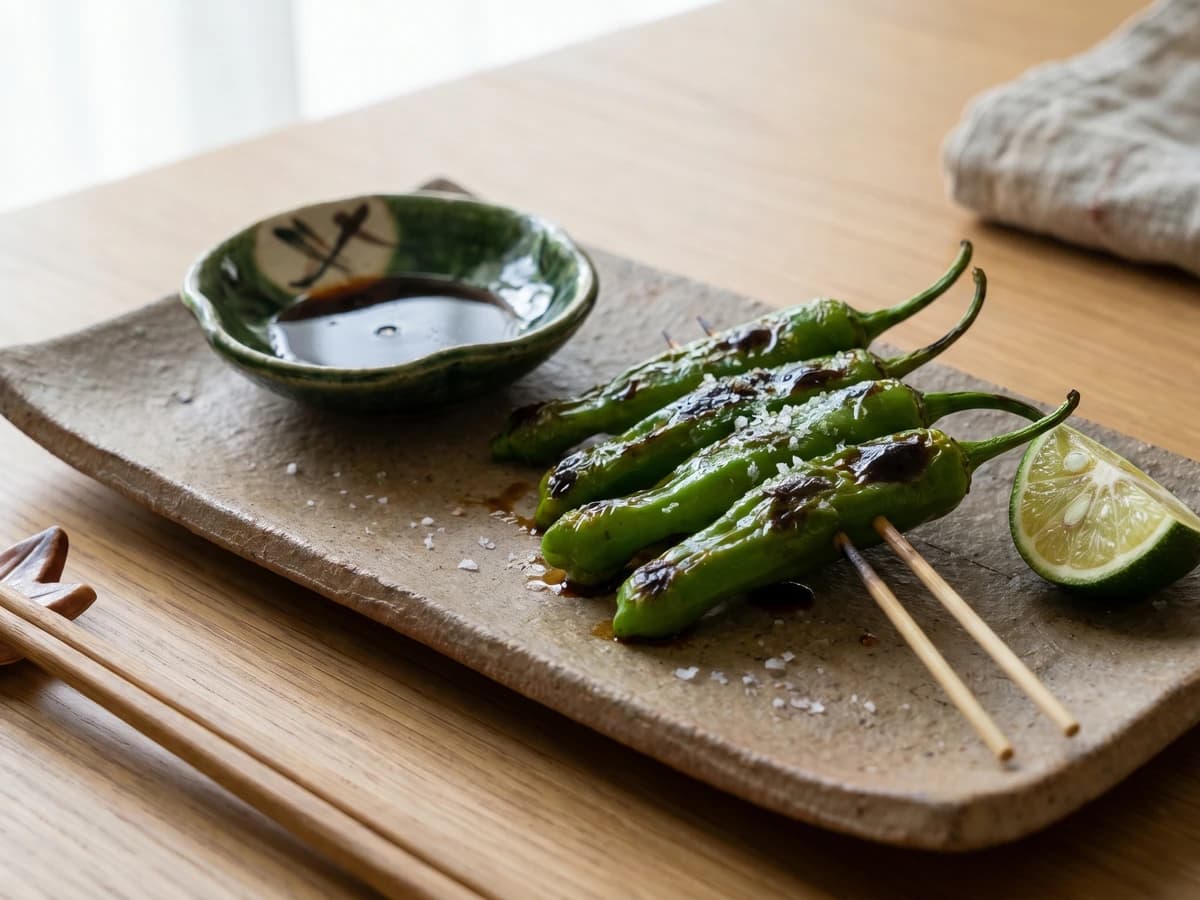
Shishito kushiyaki is almost all ingredient and fire: small green peppers, blistered quickly over hot coals, finished plainly so their sweetness and occasional bite stay honest.
Culinary guides, cultural storytelling, and the editorial depth that makes cooking meaningful.
Discover Culinary ExplorerChef Takumi is a fictional culinary guide to Japanese Washoku Cuisine, based on extensive culinary research.