
Chef Takumi
Agedashi Tofu (揚げ出し豆腐)
Agedashi tofu looks like a fryer test. It is only drained tofu, potato starch, clean oil, and a hot dashi broth waiting nearby.
A cooking platform built around craft, culture, and the stories behind what we eat.
Created by
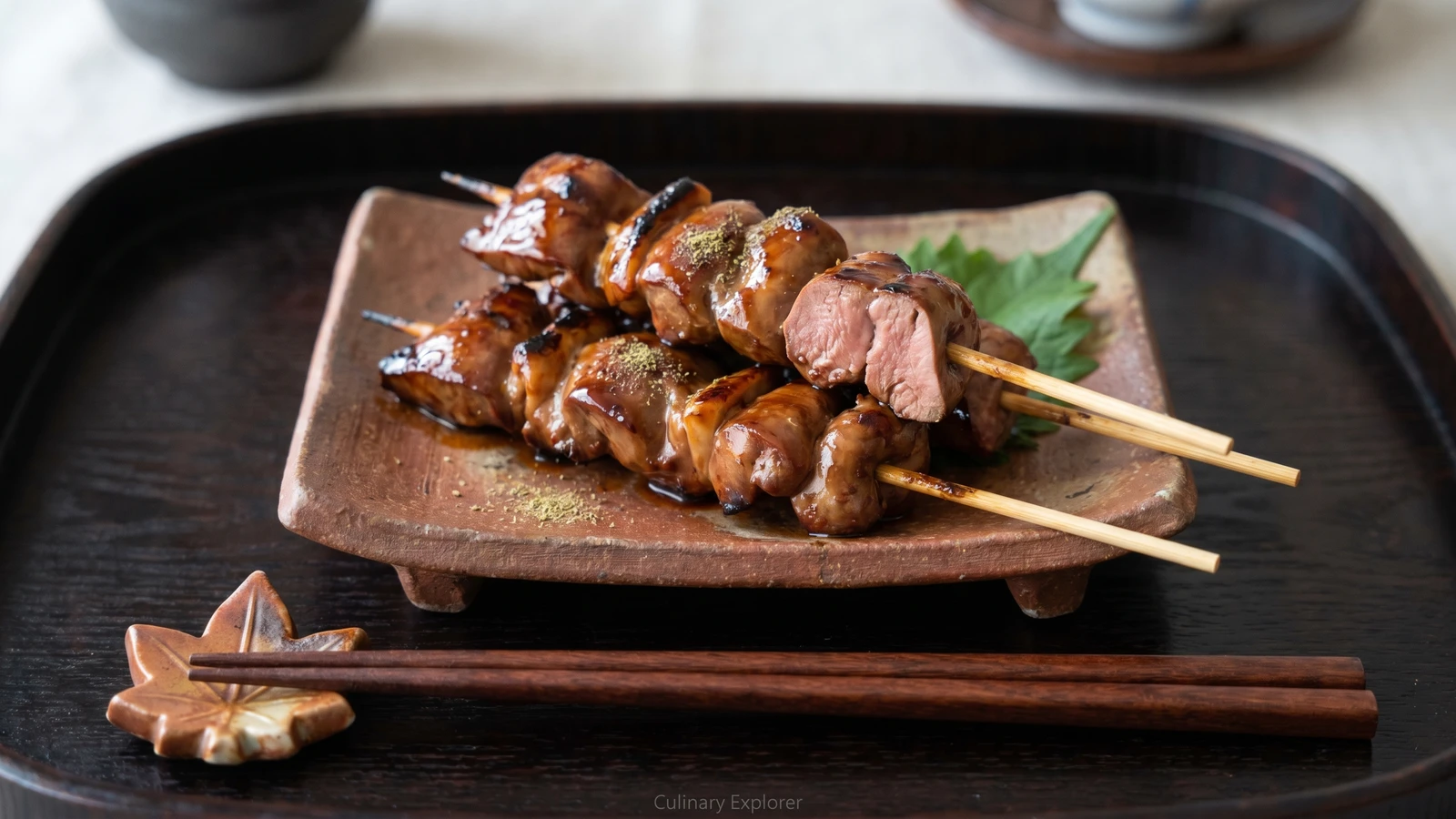
Chicken liver asks for confidence, not fuss. Buy it glistening fresh, trim it cleanly, grill it hot and fast, and let sweet soy tare steady the iron note.
Chicken liver makes some cooks hesitate. Fair enough. It has an iron note, it can turn chalky when abused, and nobody wants a skewer that tastes like a dare. But reba is one of the gentlest pieces on a yakitori grill when you treat it plainly: fresh liver, a clean trim, high heat, and no wandering off.
The one detail that decides it is timing. Liver wants fierce heat on the outside and a tender center that stays pink and creamy. Cook it too long and the moisture leaves quickly, as if offended. Grill it just until the edges firm and the tare turns glossy, and the flavor becomes round, rich, and surprisingly quiet.
Tare is not there to hide poor liver. Nothing hidden. It is the old soy, mirin, sake, and sugar balance, sweet enough to soften the iron, salty enough to wake the meat, and reduced just until it clings. Buy the liver glistening fresh, trim away the greenish spots and connective threads, and soak briefly in salted water to clear the blood without washing away the character.
On the Japanese table, yakitori is method more than menu: small parts of the chicken, cut to suit the fire, each skewer cooked for what it is. Reba belongs early, while the grill is lively and the cook is paying attention. Leave it room on the plate. Three skewers, a little tare shine, and a pinch of sanshō are plenty.
Yakitori grew as an urban grilled-chicken food in the Meiji and Taishō periods, when chicken became more available in cities and small street stalls could cook skewers quickly over charcoal. Liver, gizzard, heart, and skin were prized because yakitori shops treated the whole bird as useful, not only the breast and thigh. The two classic finishes remain tare, a soy-based glaze often seasoned by years of use, and shio, plain salt, with liver commonly served either way depending on the shop.
Quantity
450g
trimmed of greenish spots, sinew, and large blood clots
Quantity
2 cups
Quantity
1 teaspoon
for soaking
Quantity
8
soaked in water for 30 minutes
Quantity
1/2 cup
Quantity
1/2 cup
Quantity
1/4 cup
Quantity
2 tablespoons
Quantity
1 small piece
lightly crushed
Quantity
as needed
for the grill grates
Quantity
a small pinch
| Ingredient | Quantity |
|---|---|
| fresh chicken liverstrimmed of greenish spots, sinew, and large blood clots | 450g |
| cold water | 2 cups |
| fine sea saltfor soaking | 1 teaspoon |
| bamboo skewerssoaked in water for 30 minutes | 8 |
| soy sauce | 1/2 cup |
| mirin | 1/2 cup |
| sake | 1/4 cup |
| sugar | 2 tablespoons |
| fresh gingerlightly crushed | 1 small piece |
| neutral oilfor the grill grates | as needed |
| sanshō pepper (optional) | a small pinch |
Choose chicken livers that look glossy, dark reddish brown, and clean-smelling, never dull, sticky, or sour. Trim away greenish patches, sinew, and large blood clots with the tip of a sharp knife. Those bitter green marks come from bile, and no tare will politely cover them.
Dissolve the salt in the cold water and soak the livers for 10 minutes, then drain and pat them very dry. This short soak loosens surface blood and softens the iron note. Don't leave them there for an hour, or you wash the liver into blandness.
Combine the soy sauce, mirin, sake, sugar, and crushed ginger in a small pan. Bring to a lively simmer and cook 6 to 8 minutes, until the bubbles look a little thicker and the sauce lightly coats a spoon. The alcohol cooks off, the sugar helps the glaze cling, and the soy stays sharp enough to balance the richness.
Cut the livers into pieces about 3cm across and thread them onto soaked bamboo skewers, 3 or 4 pieces each. Leave a little space between pieces so heat can reach the sides. Crowded liver steams against itself, and reba wants the grill, not a bath.
Heat a charcoal grill, konro, or broiler until very hot, then oil the grate lightly. Grill the skewers for about 2 minutes on the first side, turn, and grill 1 to 2 minutes more, until the outside firms and the edges color. High heat sets the surface quickly while the center stays tender.
Brush the skewers with tare, turn them, brush again, and grill 30 to 60 seconds more, just until the glaze turns shiny and soy-dark. Don't add the tare too early, because the sugar scorches before the liver is cooked. Finish with a small pinch of sanshō if you like, and serve at once.
1 serving (about 135g)
Culinary guides, cultural storytelling, and the editorial depth that makes cooking meaningful.
Discover Culinary ExplorerChef Takumi
Agedashi tofu looks like a fryer test. It is only drained tofu, potato starch, clean oil, and a hot dashi broth waiting nearby.

Chef Takumi
Aspara-bacon is late-spring asparagus treated with common sense: thin bacon, hot grill, and a last brush of shōyu and mirin so the spear stays sweet while the wrap crisps.

Chef Takumi
This is Osaka street food at its plainest and best: good beef cut small, a thin batter, fine panko, hot beef tallow, and one clean dip in sauce.

Chef Takumi
Buta-bara is not a trick of the grill. Good pork belly, even cutting, steady heat, and the patience to let the fat turn glossy do most of the work.