
Chef Lupita
Jalisco Clay-Cup Cooler (Cantarito Tapatio)
Jalisco's cantarito tapatio is blanco tequila, fresh citrus, salt, and grapefruit soda poured over ice in porous clay barro that keeps the drink cold and earthy.

Updated May 29, 2026
No region of Mexico drinks like the west. From the agave highlands of Jalisco to the coconut coast of Colima and Nayarit, the Purepecha lakes of Michoacan, and the cacao-rich Costa Chica of Guerrero, this is a cup-by-cup map of five states: tequila clay-cup coolers and fermented-corn tejuino, coconut tuba and chan-seed bate, the cold cacao chilate, Comala's cream punches, Purepecha atoles, and the high-grown coffee of the volcanoes.
A cooking platform built around craft, culture, and the stories behind what we eat.
Chef Lupita
Jalisco's cantarito tapatio is blanco tequila, fresh citrus, salt, and grapefruit soda poured over ice in porous clay barro that keeps the drink cold and earthy.

Chef Lupita
Colima's coastal version of the creamy torito, thick with chilled milks, roasted peanut or strong coffee, and cane aguardiente, served frappe before a serious seafood table.

Chef Lupita
Jalisco's Paloma is tequila blanco, grapefruit soda, lime, salt, and ice, built in the glass without ceremony because the point is refreshment, not performance.
Chef Lupita
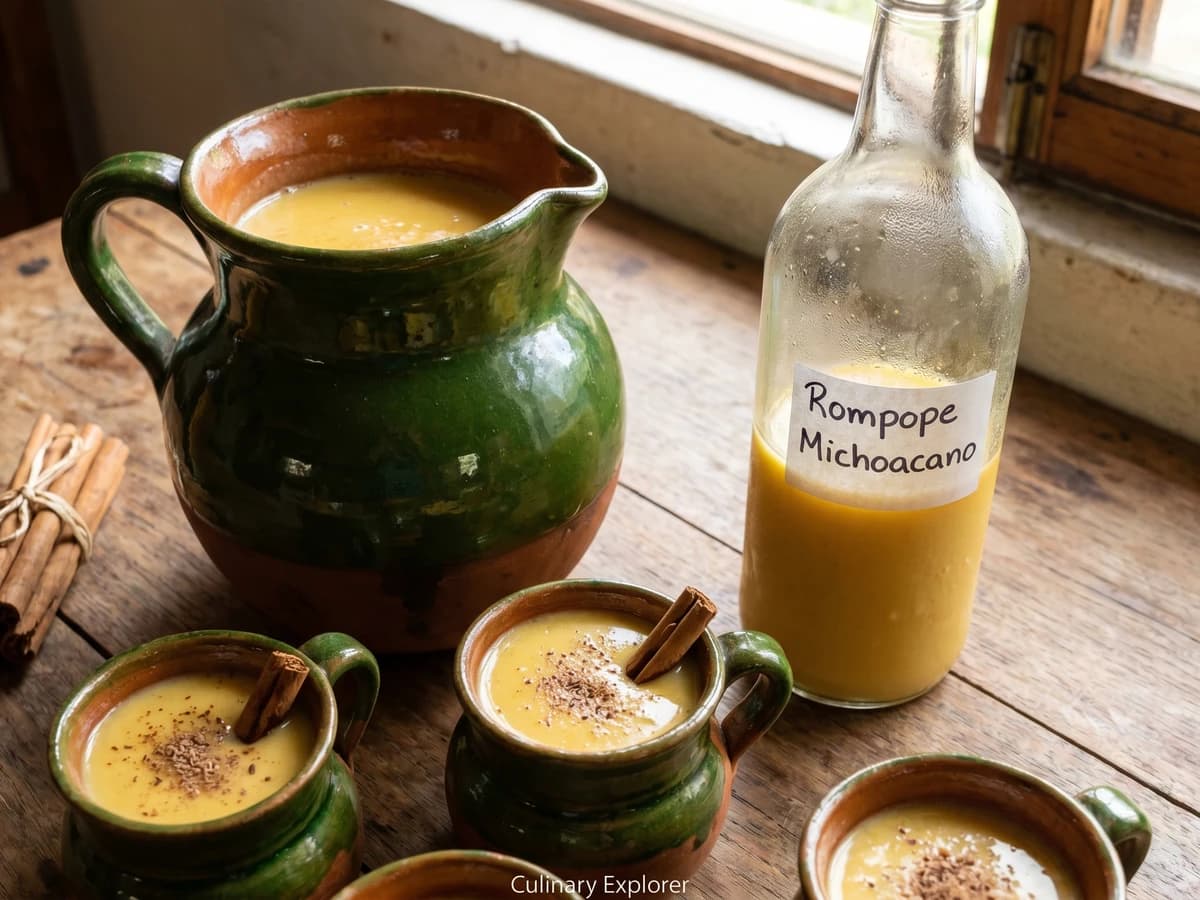
Pátzcuaro's Christmas rompope, slow-cooked with milk, egg yolks, canela, almond, vanilla, and charanda, belongs to the convent kitchen and the cold nights of Michoacán's lake country.

Chef Lupita
Michoacan's old Purépecha celebration drink, fresh pulque cured with piloncillo, canela, clove, and pineapple until lightly fizzy, tangy, and cold enough for a feast table.

Chef Lupita
Jalisco's communal tequila bowl, built in a wide clay cazuela with fresh citrus, pineapple, salt, and grapefruit soda for the patio table.

Chef Lupita
Colima's Comala ponche is a cold cream liqueur, blended with toasted peanut, pistachio, milk, and tuxca, then poured in small glasses for fiestas and long tables.

Chef Lupita
Jalisco's Batanga is a cantina-built drink from the town of Tequila: blanco tequila, lime, Mexican cola, salt, and the knife that cut the lime.

Chef Lupita
Colima's café de Comala is dark coffee from the volcanic highlands, brewed in an olla de barro with piloncillo and canela, the kind served in the plaza when the afternoon turns cool.

Chef Lupita
Uruapan's café de olla is high-grown Michoacán arabica steeped in a barro pot with piloncillo, Mexican canela, clove, and orange peel, made for cold mornings and Christmas kitchens.

Chef Lupita
Michoacán's lake-region savory atole, built from tender corn kernels, masa, anisillo, and serrano, then finished at the table with lime and fresh chile perón.

Chef Lupita
Uruapan's black atole, darkened with charred corn silk and toasted cacao husk, thickened with masa, sweetened with piloncillo, and served in clay jarritos for Noche de Muertos.

Chef Lupita
Guerrero's chocolate atole starts with corn masa toasted golden on the comal, then simmered with Mexican chocolate, piloncillo, and canela until thick enough to coat the spoon.

Chef Lupita
Colima's Pacific fruit atole, made with tamarind pulp, piloncillo, and masa, gives you a sweet-sour cup that belongs to the tropical market, not the chocolate pot.

Chef Lupita
Guerrero's hibiscus water, made with flor de jamaica from Tecoanapa, steeped dark with Mexican canela and clavo de olor, then served cold over ice for the coastal heat.

Chef Lupita
Costa Chica nanche steeped with sugar, salt, and cold water until the fruit perfumes the jar. Tart, floral, inexpensive, and made for drinking outside.

Chef Lupita
Nayarit's coastal barley cooler, toasted until nutty, simmered with canela, sweetened lightly with condensed milk, and served cold over ice beside ceviche, pescado zarandeado, or a mercado plate of mariscos.

Chef Lupita
Jalisco's street-corner tejuino, made from lightly fermented nixtamalized corn and piloncillo, served cold with lime, sea salt, and a scoop of nieve de limon.

Chef Lupita
Guadalajara's vaca blanca is a cold refresqueria glass of nieve de limon and lemon-lime soda, fizzy, foamy, sharp with Mexican lime, and made for hot afternoons.

Chef Lupita
Colima's coastal tuba compuesta, made with fresh coconut-palm sap tinted pink with betabel, then served cold with chopped apple and toasted peanuts.

Chef Lupita
Guerrero's Costa Chica cacao drink, built from toasted cacao, rice, cinnamon, and patient grinding, then poured high until the foam rises in the jicara.

Chef Lupita
Nayarit's pineapple tepache is a market drink made from piña rinds, piloncillo, canela, and clove, fermented for two days until tart, lightly fizzy, and ready for a table full of ice.

Chef Lupita
Nayarit's piznate is toasted field corn ground into a dark, fragrant drink with piloncillo and canela, served cold over ice for heat, work, and long afternoons outside.

Chef Lupita
Colima's cold bate is toasted chan seed beaten with water until thick and frothy, then sweetened with piloncillo syrup, the kind of market drink that proves not all Mexican beverages need fruit.
Chef Lupita
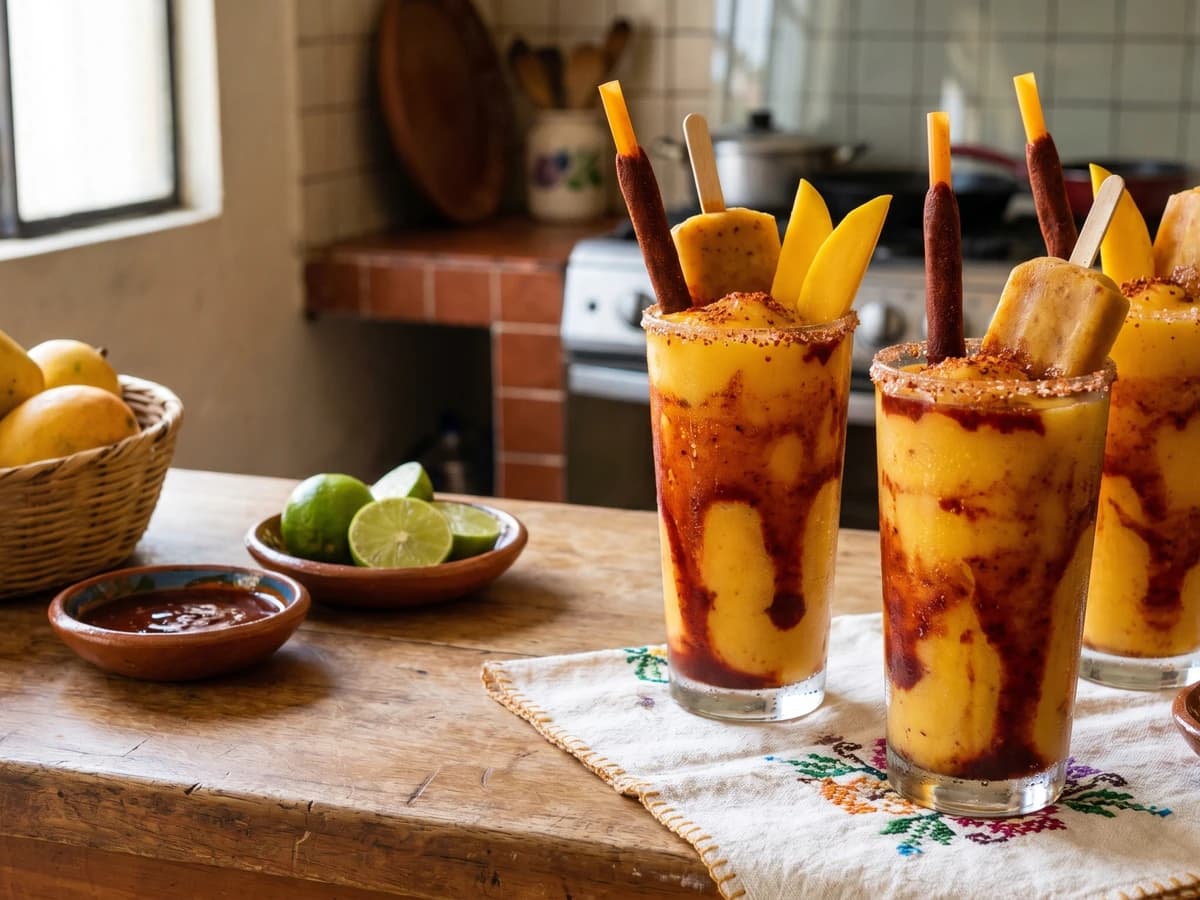
Colima's street-corner frozen mango drink, layered with glossy chamoy, lime, chile piquin, tamarind candy, and enough ice to stand up to a Manzanillo afternoon.

Chef Lupita
Guerrero's home remedy tea, fresh toronjil steeped with Mexican canela and a little piloncillo, made for nervios, sleep, and the fright people still call susto.

Chef Lupita
Michoacán's Purépecha highland infusion, made with fresh wild nurite steeped gently until the cup smells of mint, oregano, and the damp soil of the meseta.
Culinary guides, cultural storytelling, and the editorial depth that makes cooking meaningful.
Discover Culinary ExplorerChef Lupita is a fictional culinary guide to Regional Mexican Cuisine, written with the assistance of AI.