Chef Juliette
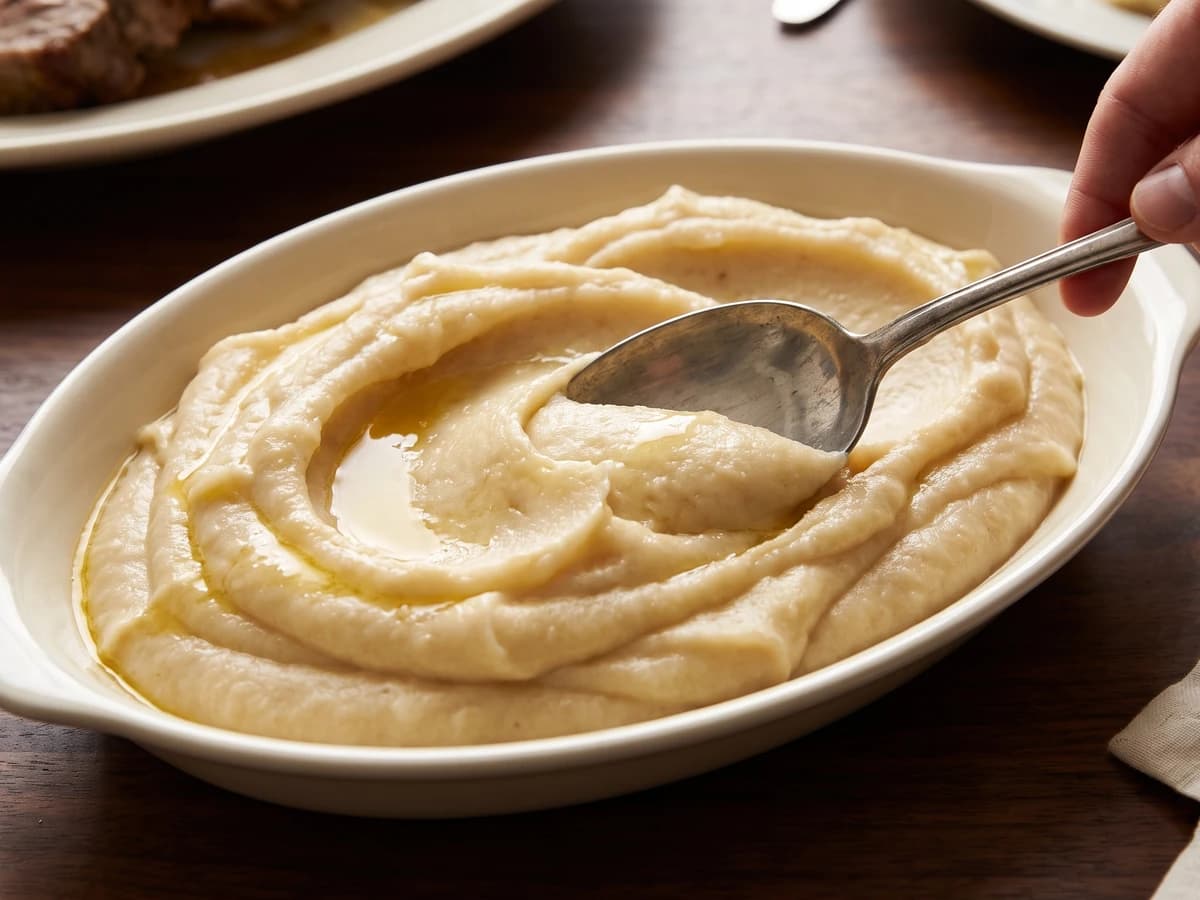
Purée de Topinambours
Purée de topinambours teaches the architecture of a proper vegetable purée: butter gives silk, potato gives backbone, and boiling milk brings both together without letting the spoonful slump.

Recipe Archive
Side dishes should earn their place at the table. These recipes focus on contrast, seasoning, and supporting flavors that make the whole meal better.
1006 recipes
A cooking platform built around craft, culture, and the stories behind what we eat.
Chef Juliette
Purée de topinambours teaches the architecture of a proper vegetable purée: butter gives silk, potato gives backbone, and boiling milk brings both together without letting the spoonful slump.

Chef Juliette
Soufflé de Topinambours turns an earthy root into a proud, butter-gold rise: cream enriches the purée, yolks give it body, and glossy beaten whites provide every bit of lift.
Chef Juliette
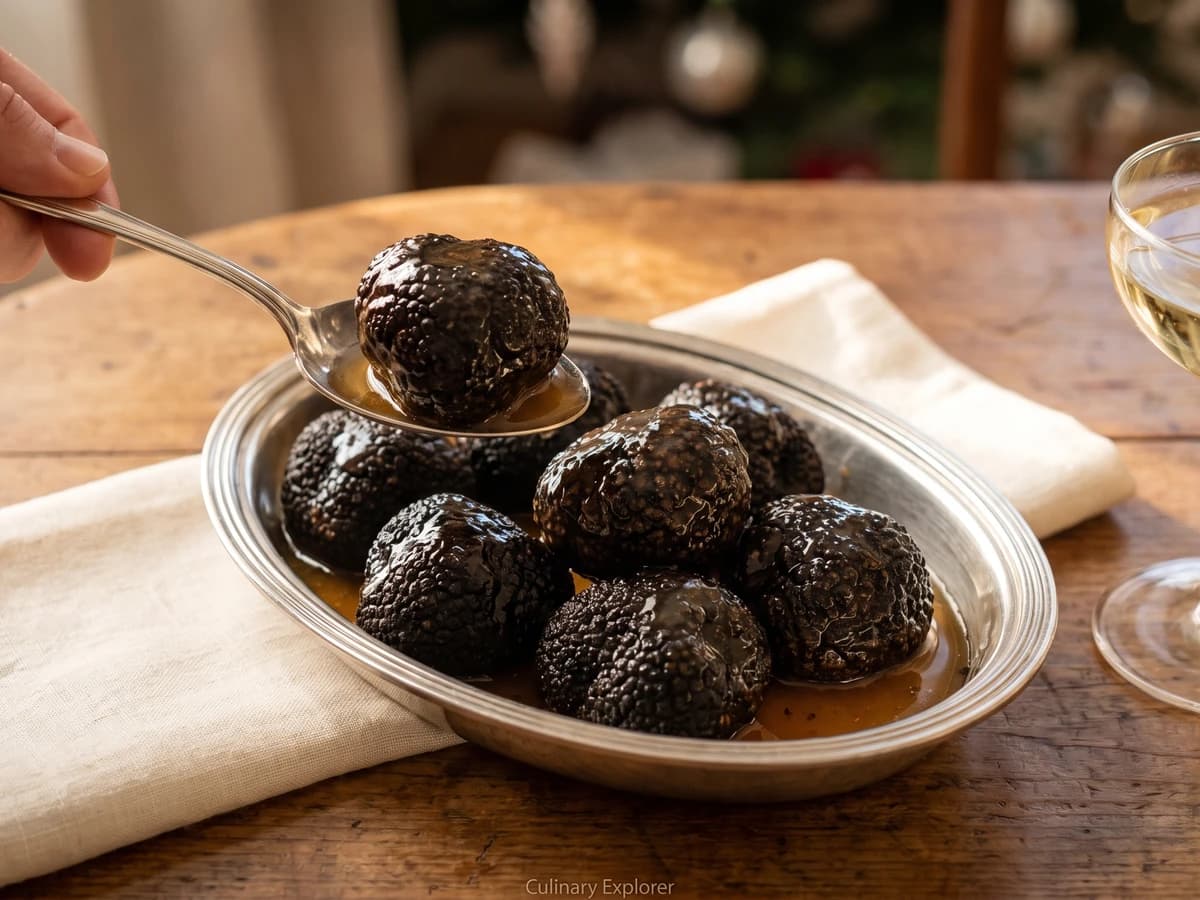
Whole black truffles, gently cooked under Champagne and bathed in a clear veal-stock sauce, teach the most luxurious lesson in restraint: reduce bravely, then guard their perfume with heat kept below a boil.
Chef Juliette
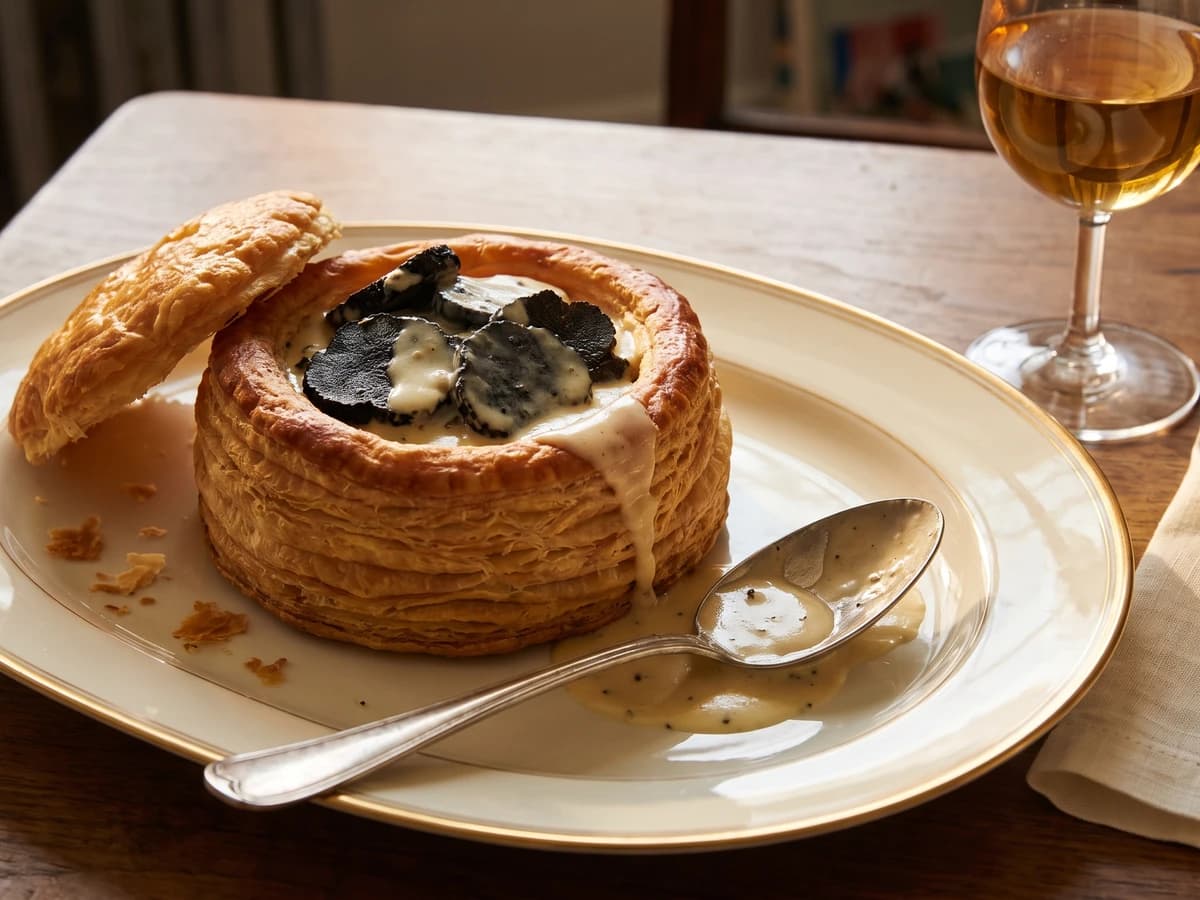
Truffes à la Crème gathers thick slices of black truffle, their butter-rich cooking liquor, and reduced cream inside a crisp vol-au-vent, a lesson in preserving every fragrant drop.
Chef Juliette
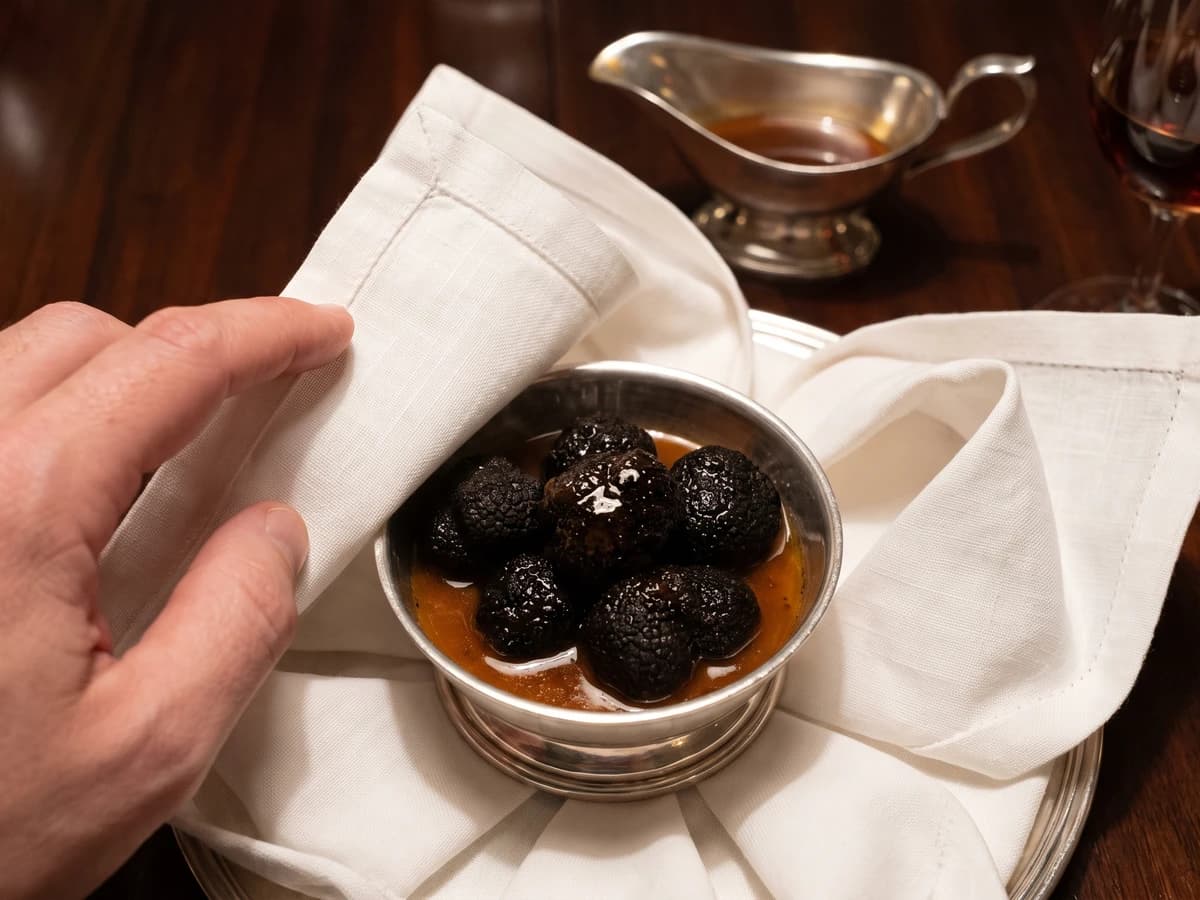
Truffes à la Serviette gathers whole black truffles, Madeira, and butter beneath warm linen, where gentle covered cooking protects their perfume and the folded napkin turns table ceremony into useful technique.
Chef Juliette
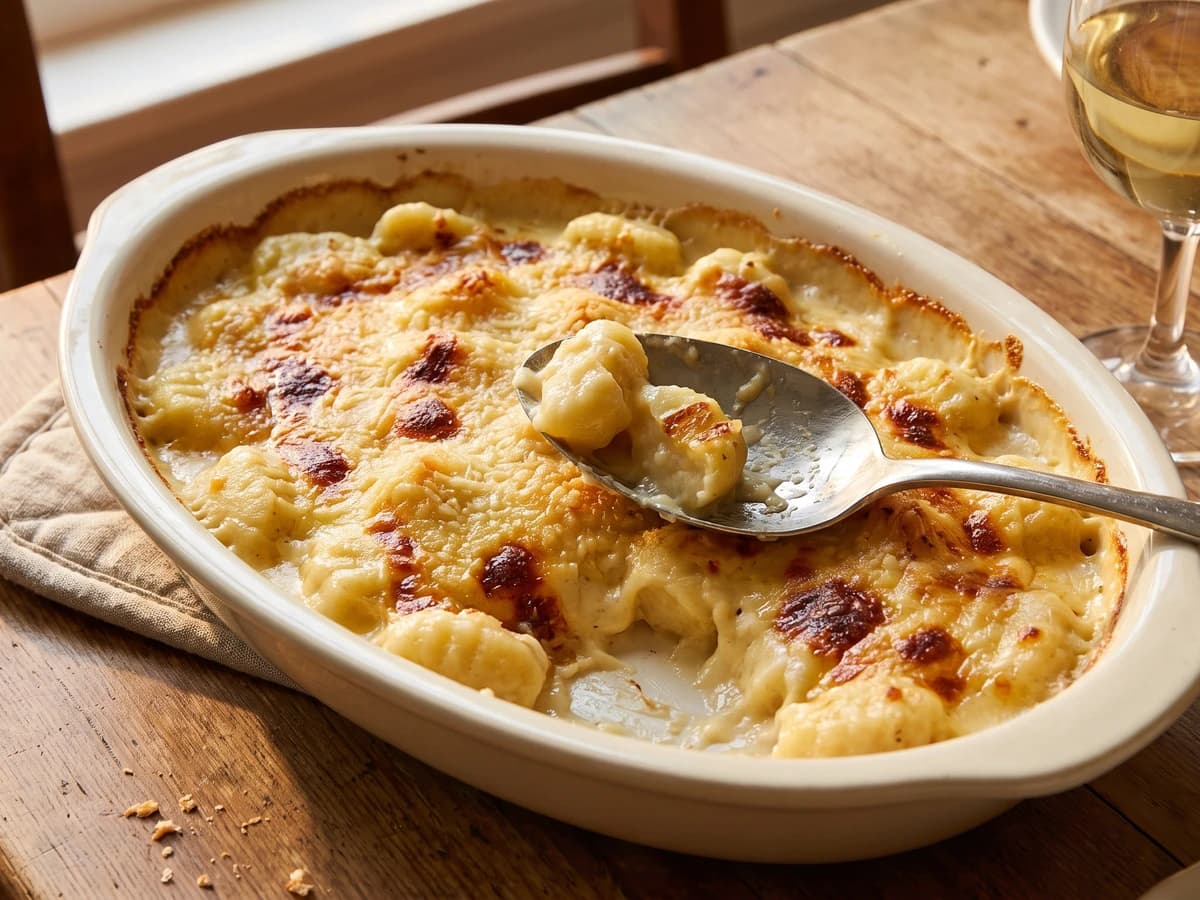
Walnut-size Parisian pâte à choux dumplings rise in the poaching pot, then settle beneath glossy Mornay and Parmesan until their edges are bronzed and their centers answer the finger with a spring.
Chef Juliette
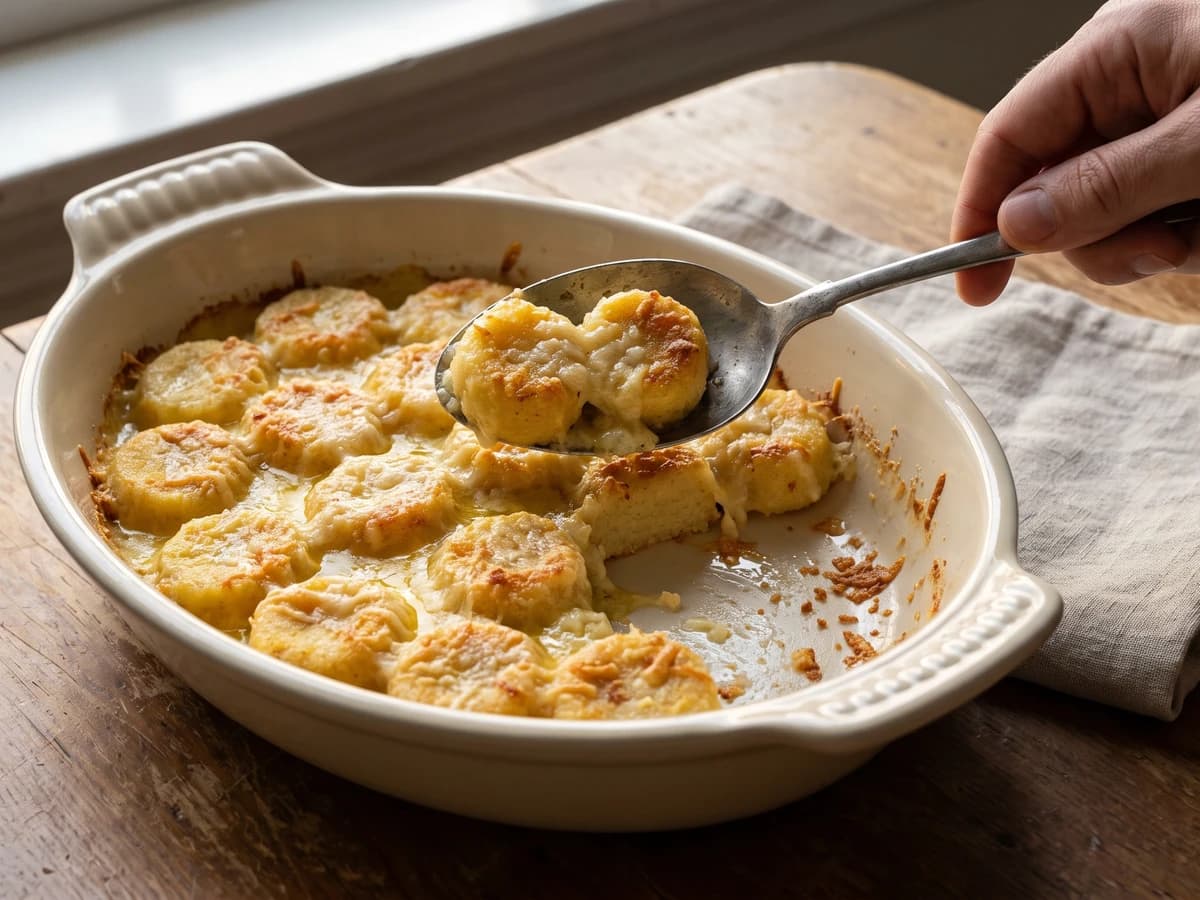
Gnochi à la Romaine turns milk and semolina into tender rounds beneath a bronzed cheese crust. Cook the paste stiff, chill it completely, and the tray cuts cleanly for supper.
Chef Juliette
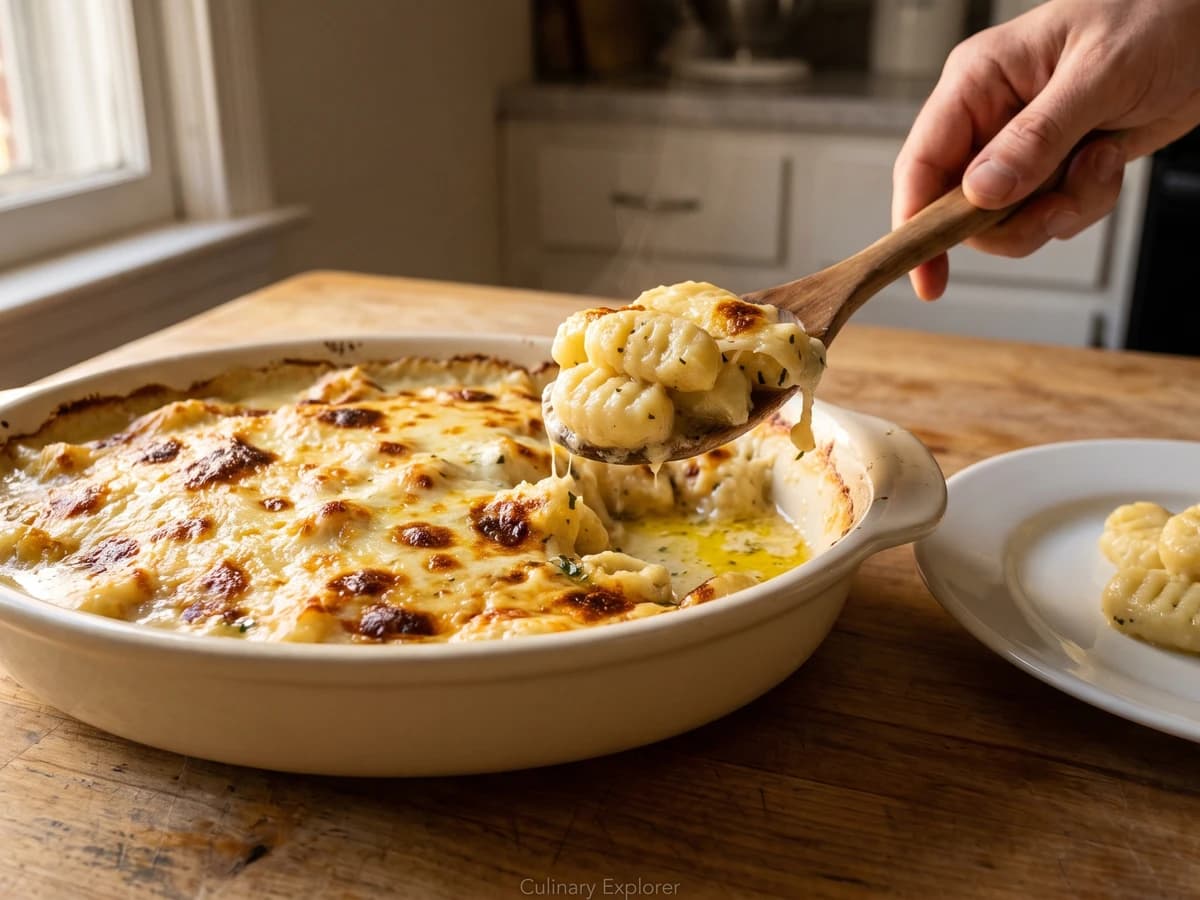
Hot potato, butter, egg, and flour become fork-marked gnochi, poached until light, then layered with Gruyère and melted butter beneath a bronzed gratin. Work fast, because cold potato drinks flour.
Chef Juliette
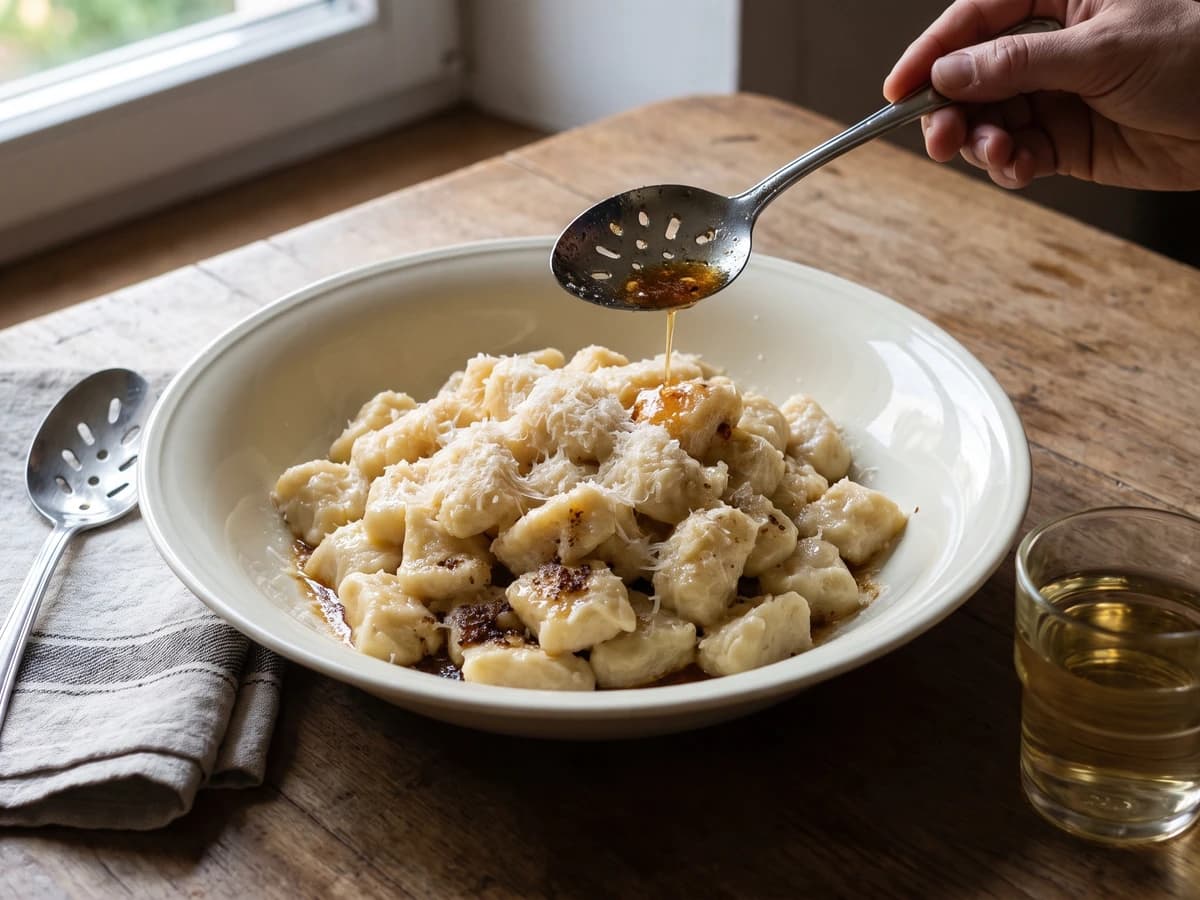
Noques au Parmesan turn a warm butter-and-flour base, eggs, and one stiff white into tender Alsatian dumplings, poached small and brought to the table under Parmesan and glossy beurre noisette.

Chef Juliette
Macaroni au jus drinks in the concentrated flavor of a beef braise, turning a modest pantry staple glossy and savory. The secret is stopping while the pasta still has a firm heart.

Chef Juliette
The quiet layer that keeps coulibiac crisp: coarse yellow semolina swelled in consommé, dried without browning, then passed through a coarse sieve until every grain lies loose and ready for the pastry.
Chef Juliette
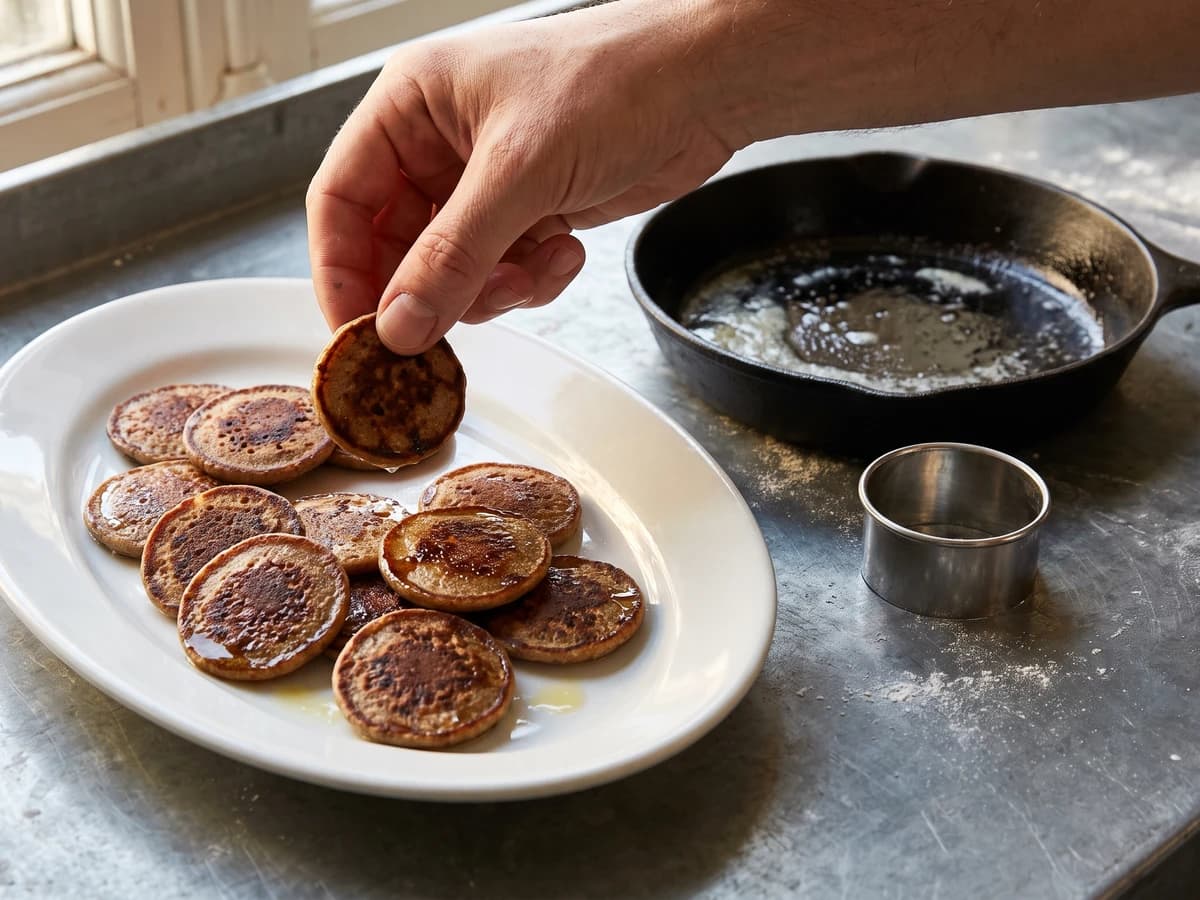
Buckwheat baked until tender, stripped of its crust, buttered while hot, chilled, stamped into small roundels, and browned in clarified butter: a modest garnish with real spine for the soup bowl.

Chef Juliette
Polenta teaches one clean lesson: rain the maize slowly against a moving spoon, cook it fully, then let butter and Parmesan turn humble grain supple, savory, and generous.

Chef Juliette
Soufflé Piémontais rises from a Parmesan-rich maize paste into a tender golden crown, proving that a sturdy base can still fly when three stiff whites are folded with restraint and baked without delay.

Chef Juliette
Soufflé au Parmesan rises on one discipline: a perfectly smooth panade. Pass it through the tamis, fold without fuss, and the oven gives you a bronzed crown and a tender, even crumb.
Chef Juliette
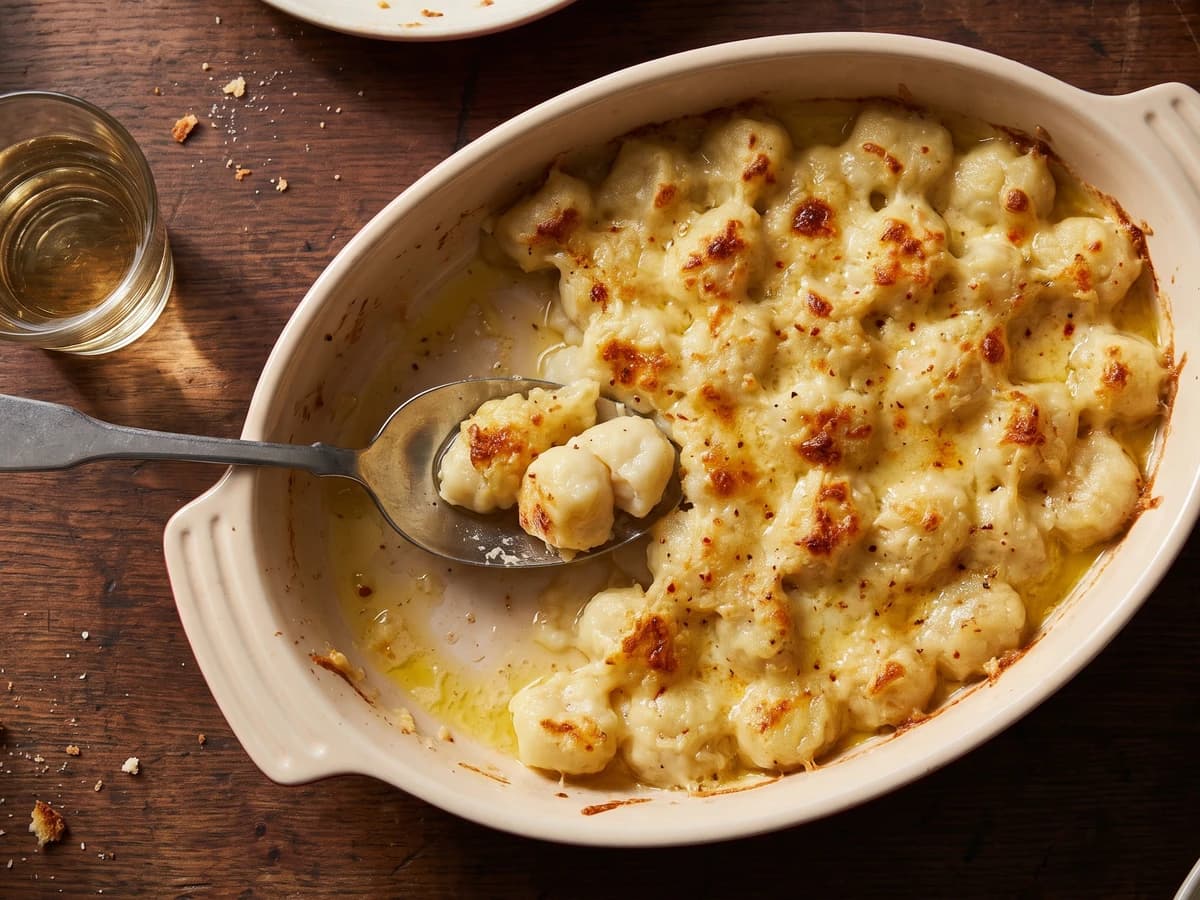
Tiny poached gnocchi, tender at heart and bronzed under Gruyère with a pinprick of cayenne, teach the essential rule of a rapid gratin: top heat waits for the table.
Chef Juliette
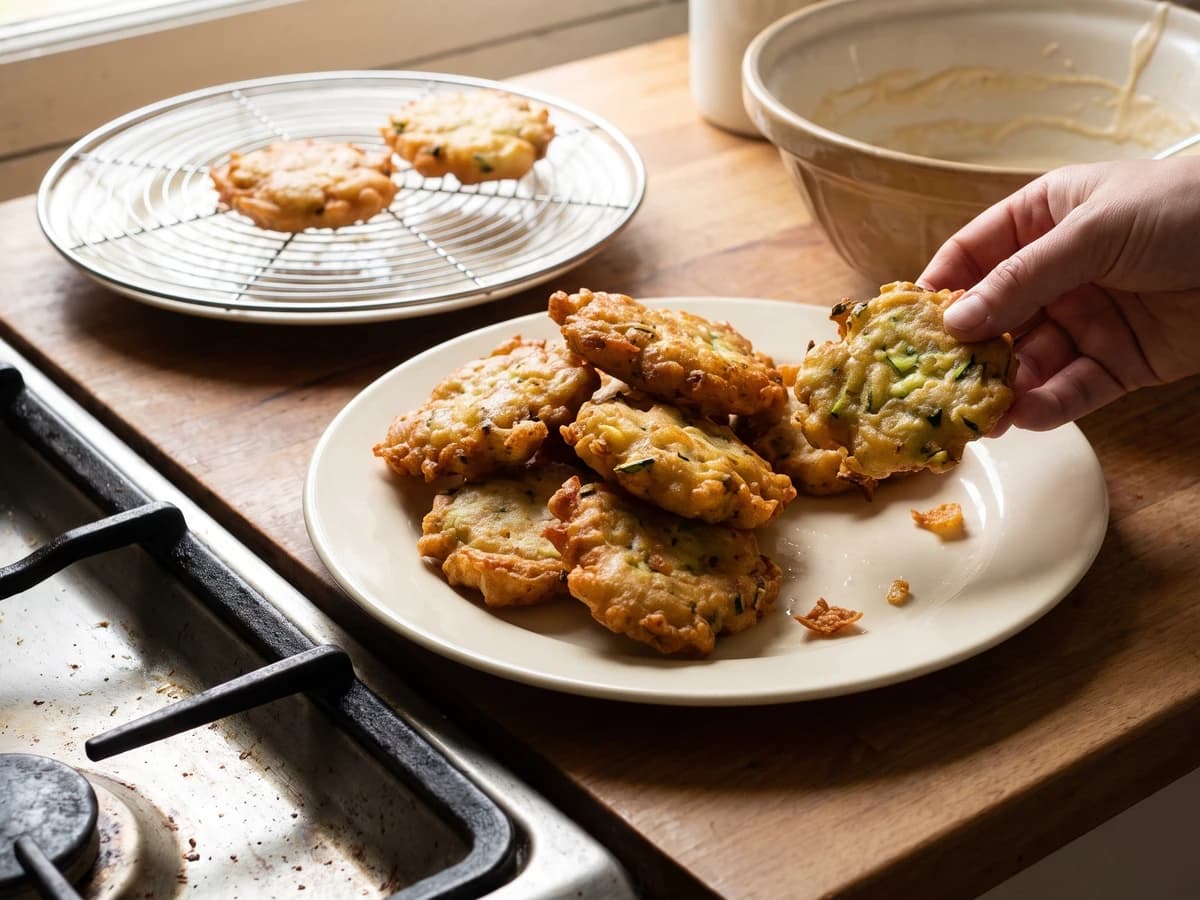
Pâte à frire should cling as a translucent veil, not a coat of plaster: cold water, a restrained hand, and a long untouched rest give modest vegetables crisp golden edges.
Chef Juliette
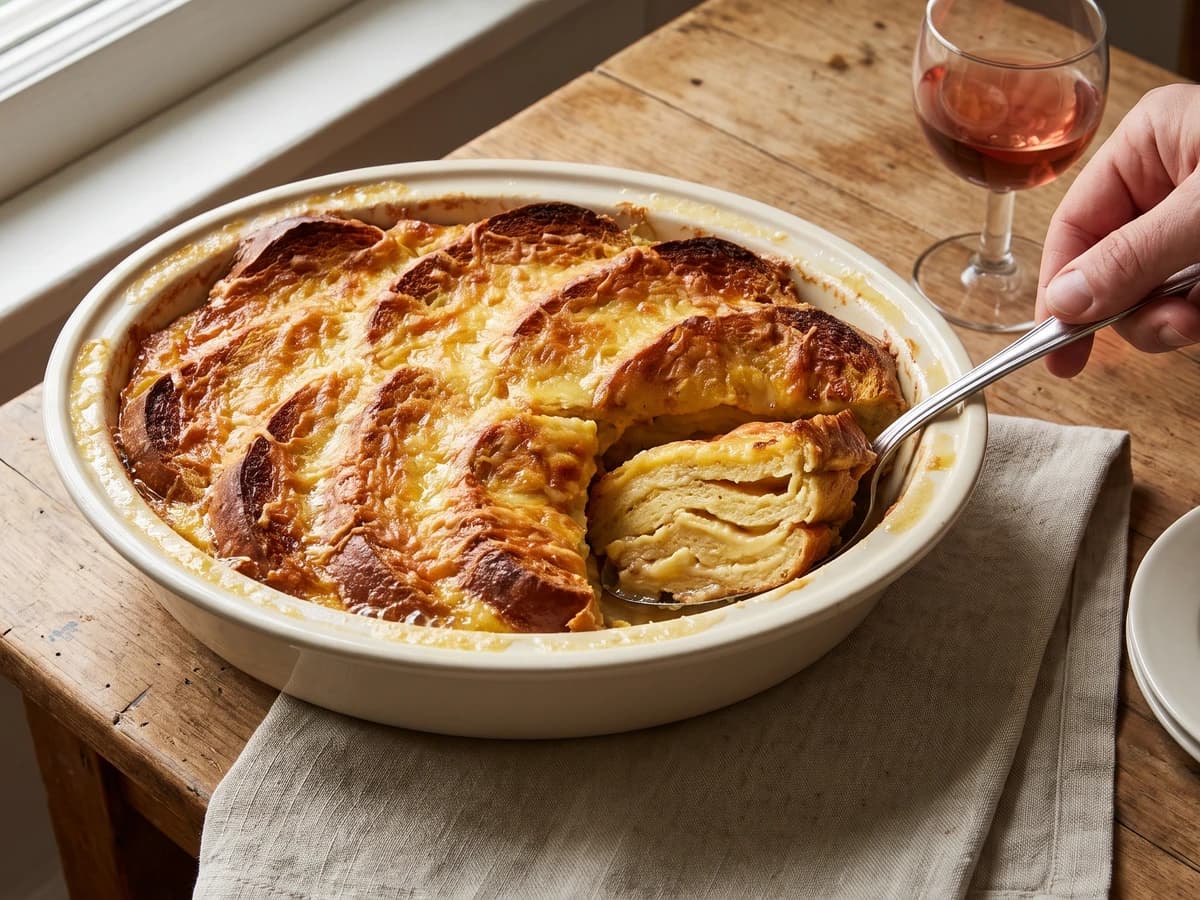
Pudding de Fromage au Pain turns stale bread, butter, Comté, yolks, and broth into a bronzed weeknight gratin, proving that thrift at the French table is a discipline, not a compromise.

Chef Juliette
One potato, four classical gratin forms, and one lesson: the food beneath must be ready when the top heat strikes, because a fine crust cannot rescue a cold or undercooked centre.

Chef Juliette
Raw potatoes, duxelle sauce, and buttered chapelure meet the oven together, then finish as one: tender slices below, a properly reduced border, and a bronzed crust that stays crisp.

Chef Juliette
Gratin rapide proves that gratin is the crust, not the casserole: hot cauliflower, mushroom-rich duxelle sauce, fine bread raspings, and butter, bronzed under fierce heat in minutes.

Chef Juliette
Gratin léger proves that a gratin is first a crust: macaroni, Gruyère, fine crumbs, and butter browned gently until the cheese melts into one even, crisp-edged golden lid.

Chef Juliette
Two classical finishes, one decisive lesson: coat already-cooked food with butter-rich sauce or Mornay and cheese, then use fierce top heat to make a golden film before the sauce can boil.

Chef Juliette
One awkward term, three distinct operations: firm sweetbreads gently, tame celery before its butter braise, and cook green beans fully à l’Anglaise. The timing, not the cold water, decides each result.
Culinary guides, cultural storytelling, and the editorial depth that makes cooking meaningful.
Discover Culinary Explorer