Chef Isabel
Adobo Andaluz (Andalusian Marinade)
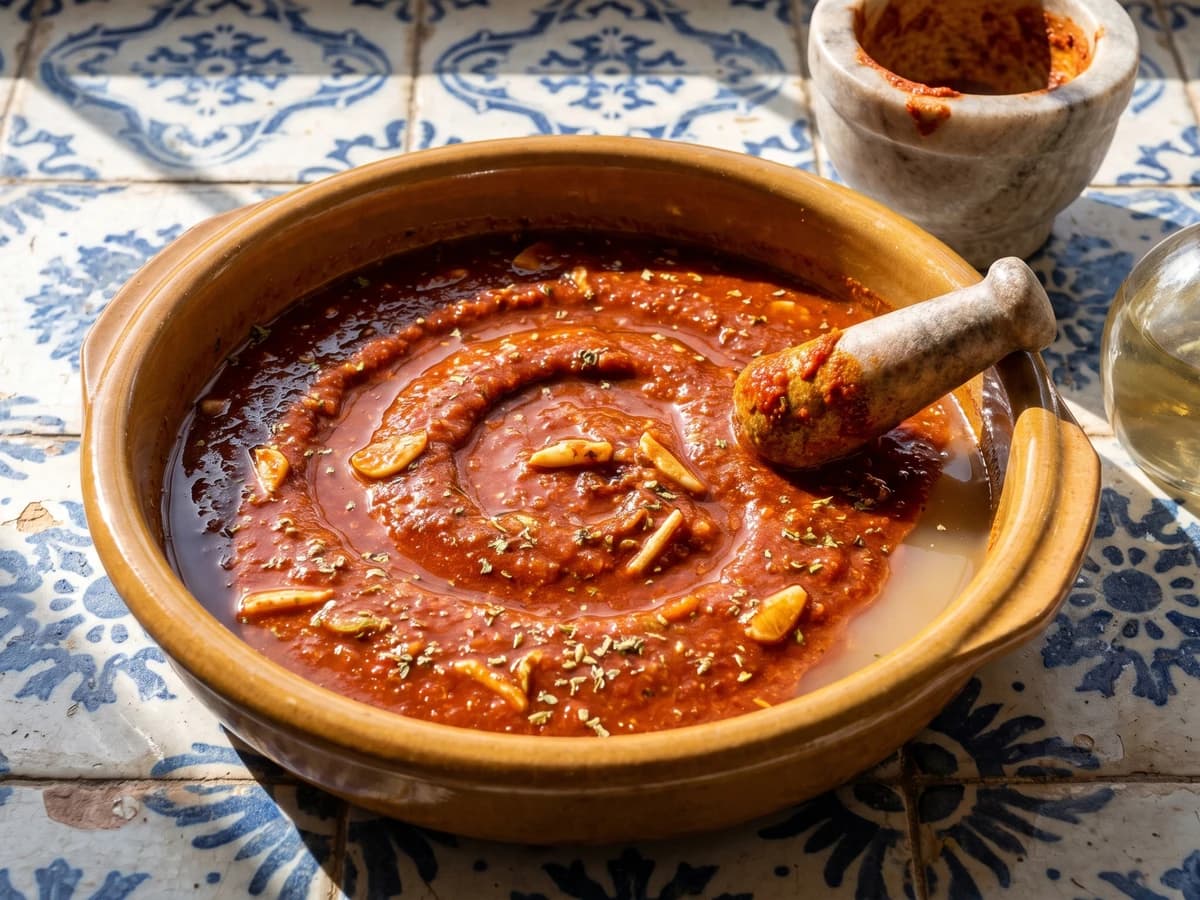
Andalucía's sharp, brick-red marinade brings vinegar, garlic, oregano, cumin and pimentón to fish and pork; pound the seasonings first, then give the acid time to carry them through.
Recipe Archive
Sauces and condiments carry a surprising amount of technique. Find dressings, marinades, stocks, gravies, relishes, and finishing sauces with clear purpose.
1005 recipes
A cooking platform built around craft, culture, and the stories behind what we eat.
Chef Isabel
Andalucía's sharp, brick-red marinade brings vinegar, garlic, oregano, cumin and pimentón to fish and pork; pound the seasonings first, then give the acid time to carry them through.
Chef Isabel
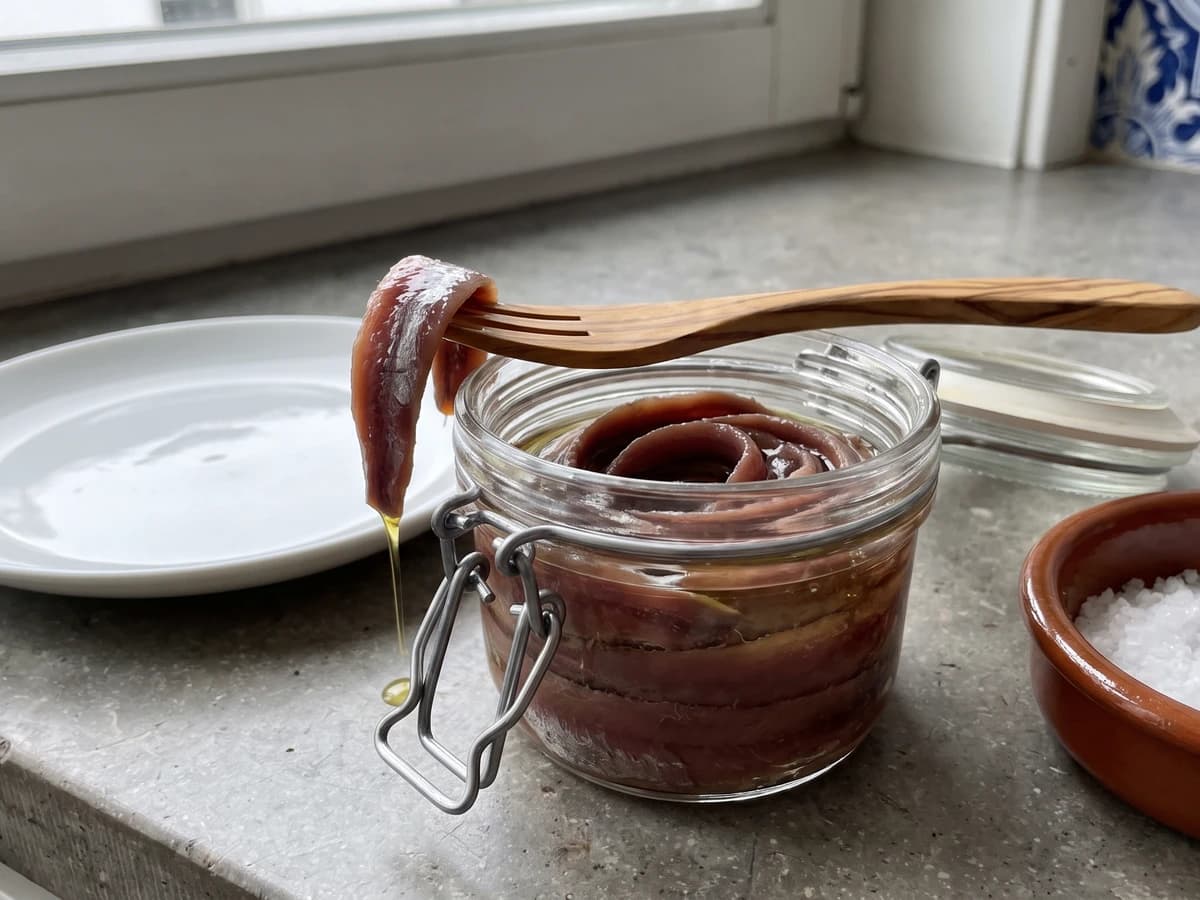
Cantabria's spring bocarte becomes anchoa through salt, pressure, and eight quiet months: keep every fish beneath its brine, then clean each fillet by hand and cover it with olive oil.
Chef Isabel
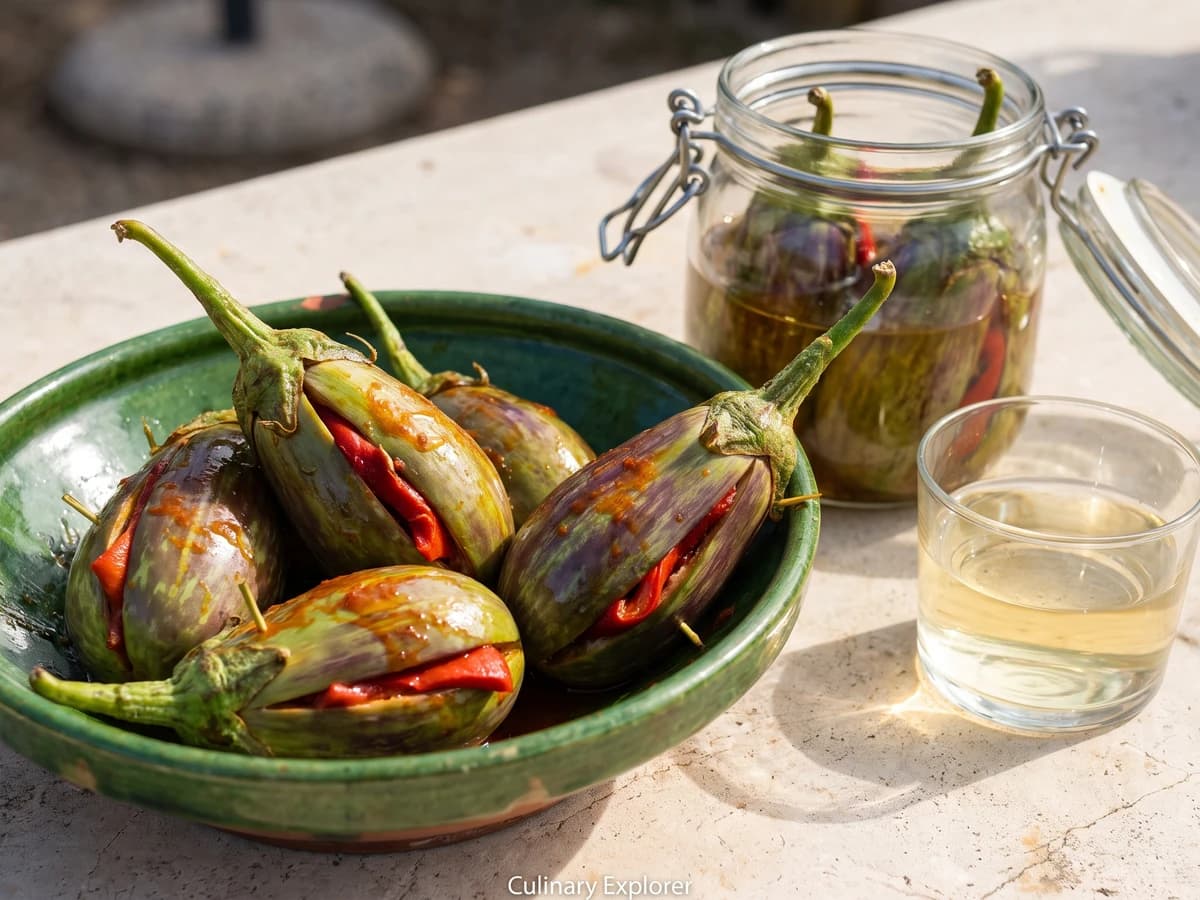
Campo de Calatrava's tiny aubergines stay firm beneath their leafy caps, filled with roasted pepper and sharpened by wine vinegar, garlic, cumin, fennel and sweet pimentón.
Chef Isabel
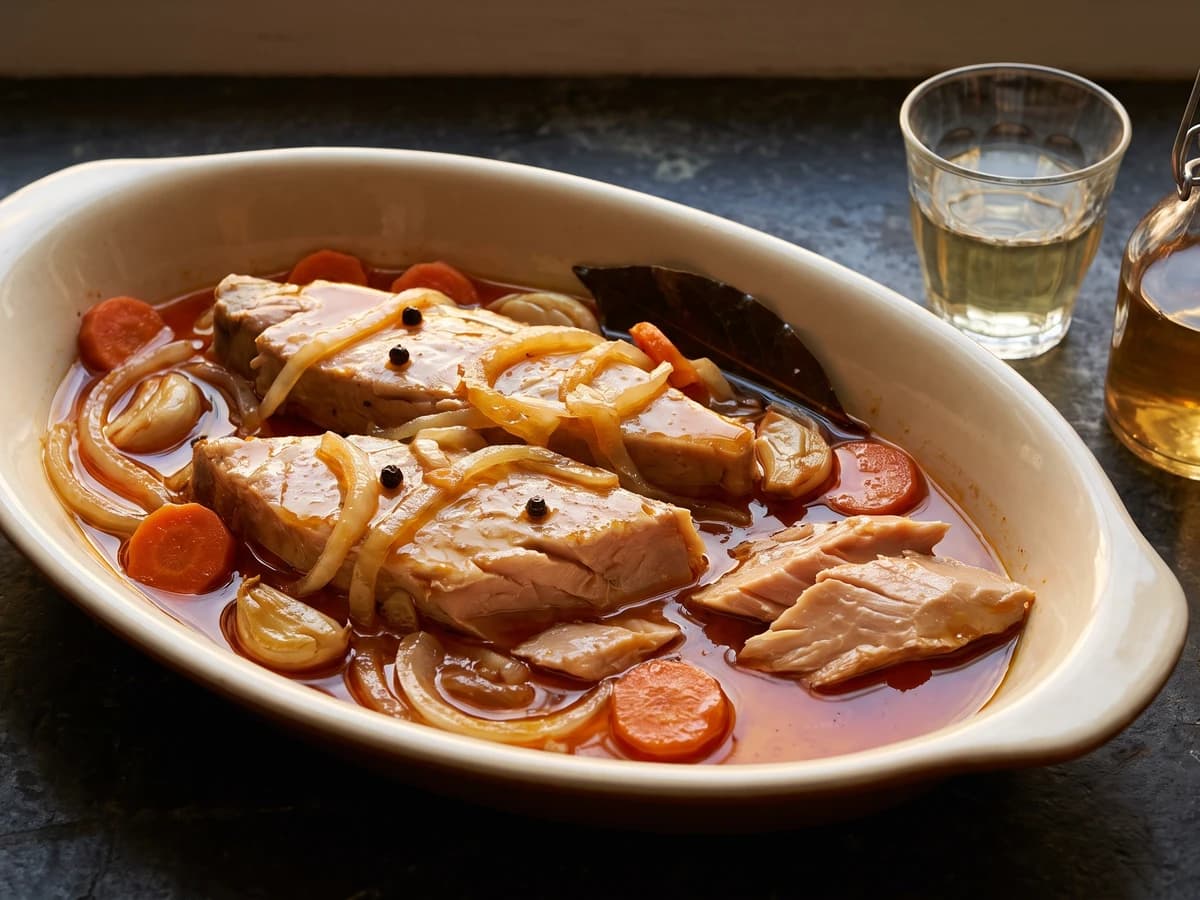
Riojan bonito en escabeche is gently poached albacore steeped for two days in olive oil, wine vinegar, garlic, bay and pimentón, a make-ahead dish whose flavour improves while you leave it alone.
Chef Isabel
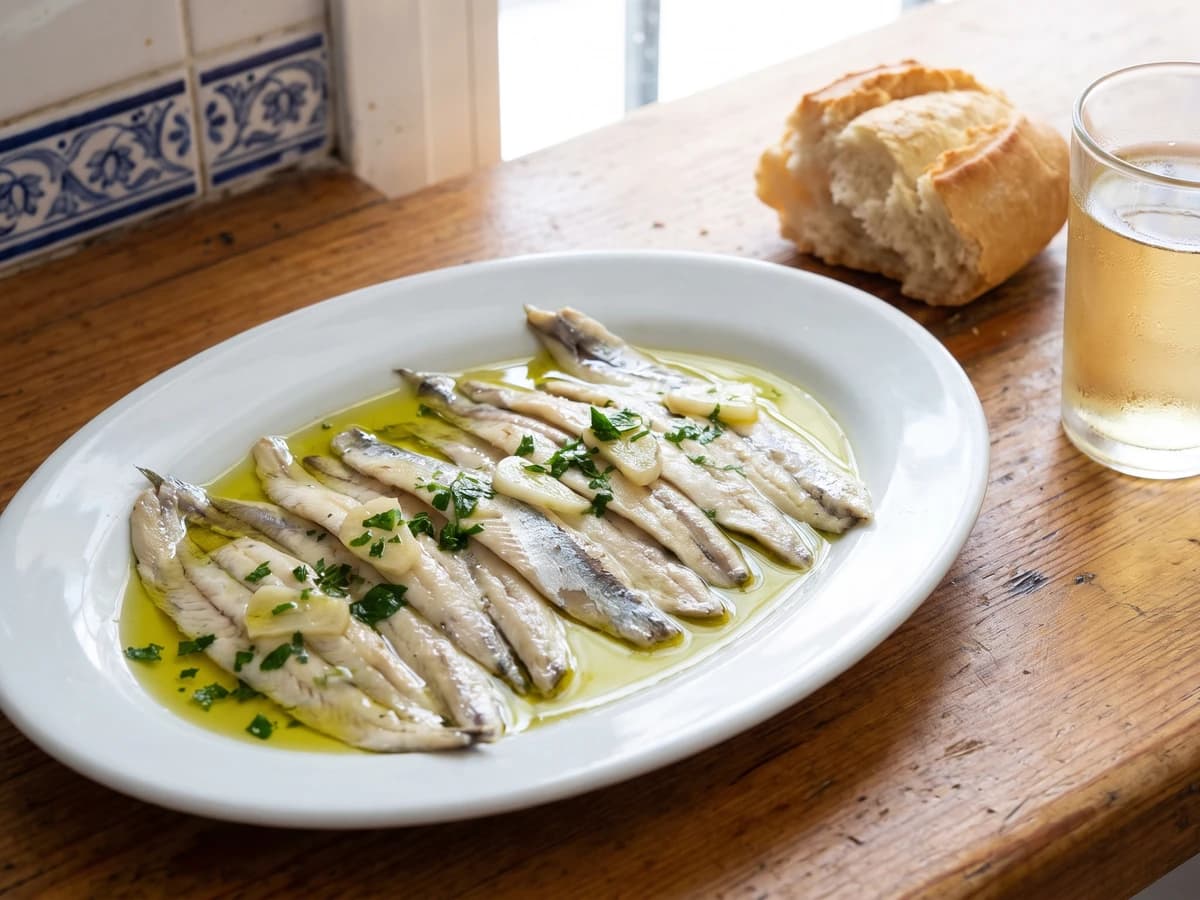
Málaga’s pale, firm boquerones take their clean bite from a cold vinegar cure, then soften under garlic, parsley and green-gold olive oil. Freeze the anchovies first, because vinegar does not make raw fish safe.
Chef Isabel
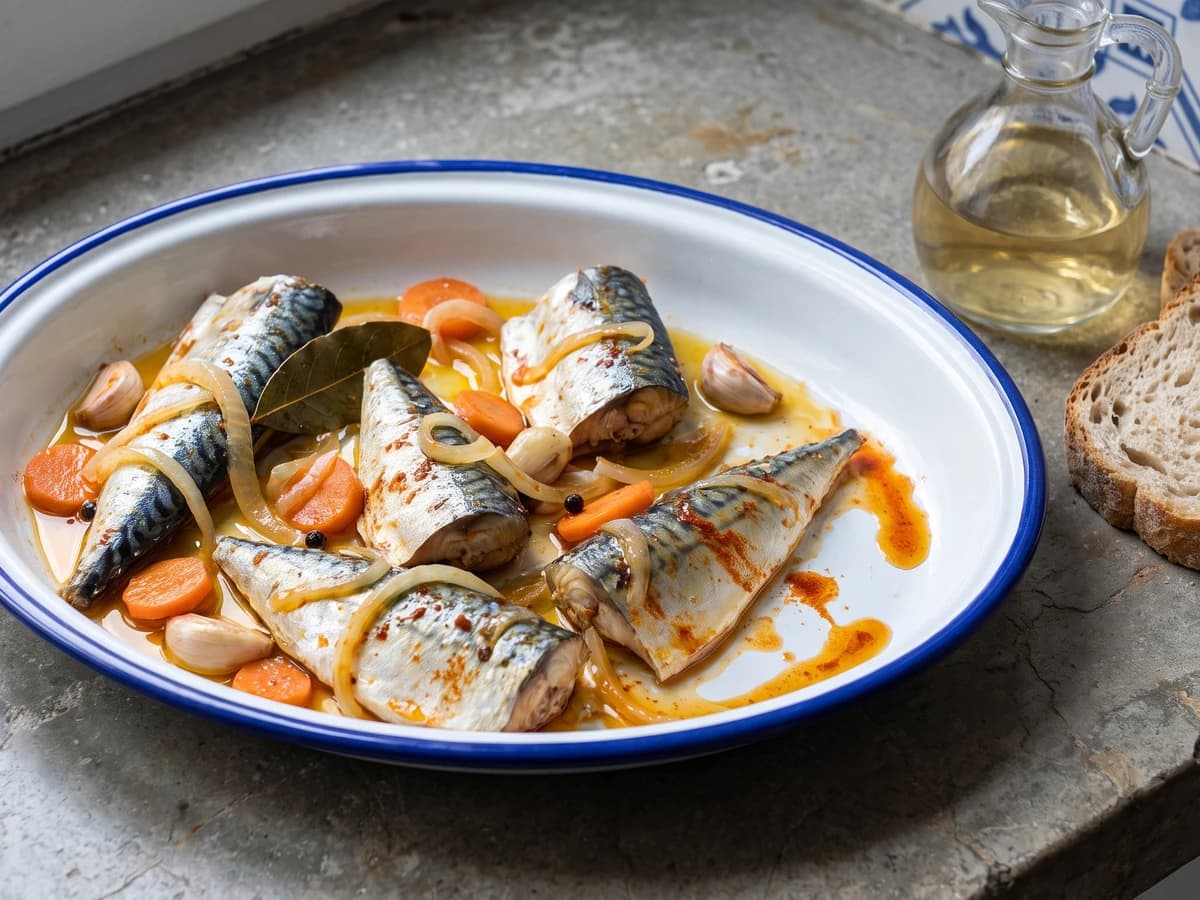
Caballa en escabeche from the Cantabrian coast is lightly fried mackerel rested under carrot, garlic, bay and pimentón in a sharp oil-and-vinegar pickle, made today for tomorrow's table.
Chef Isabel
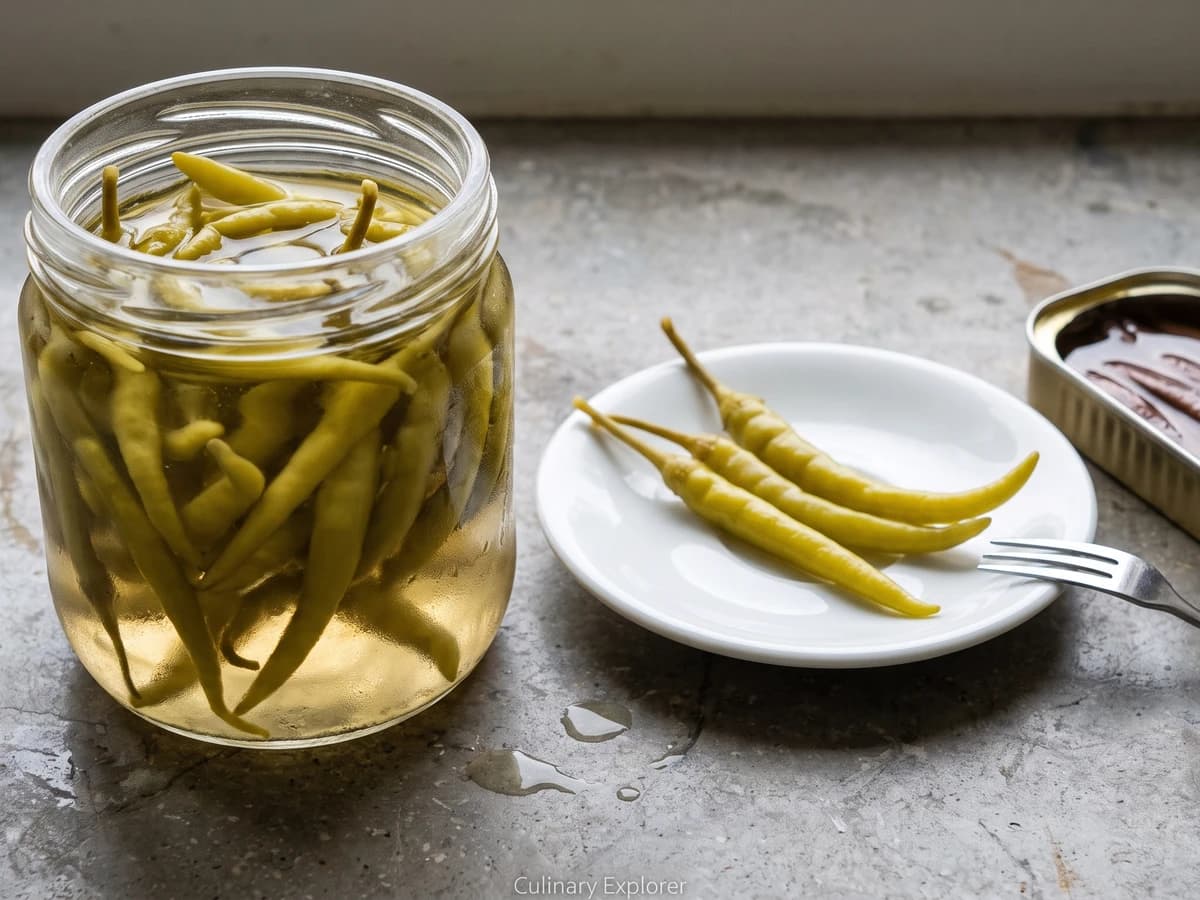
Ibarra's slender green piparras, packed raw under cool white wine vinegar brine, stay mild, firm and gently tangy, exactly what a proper Donostia Gilda needs.
Chef Isabel
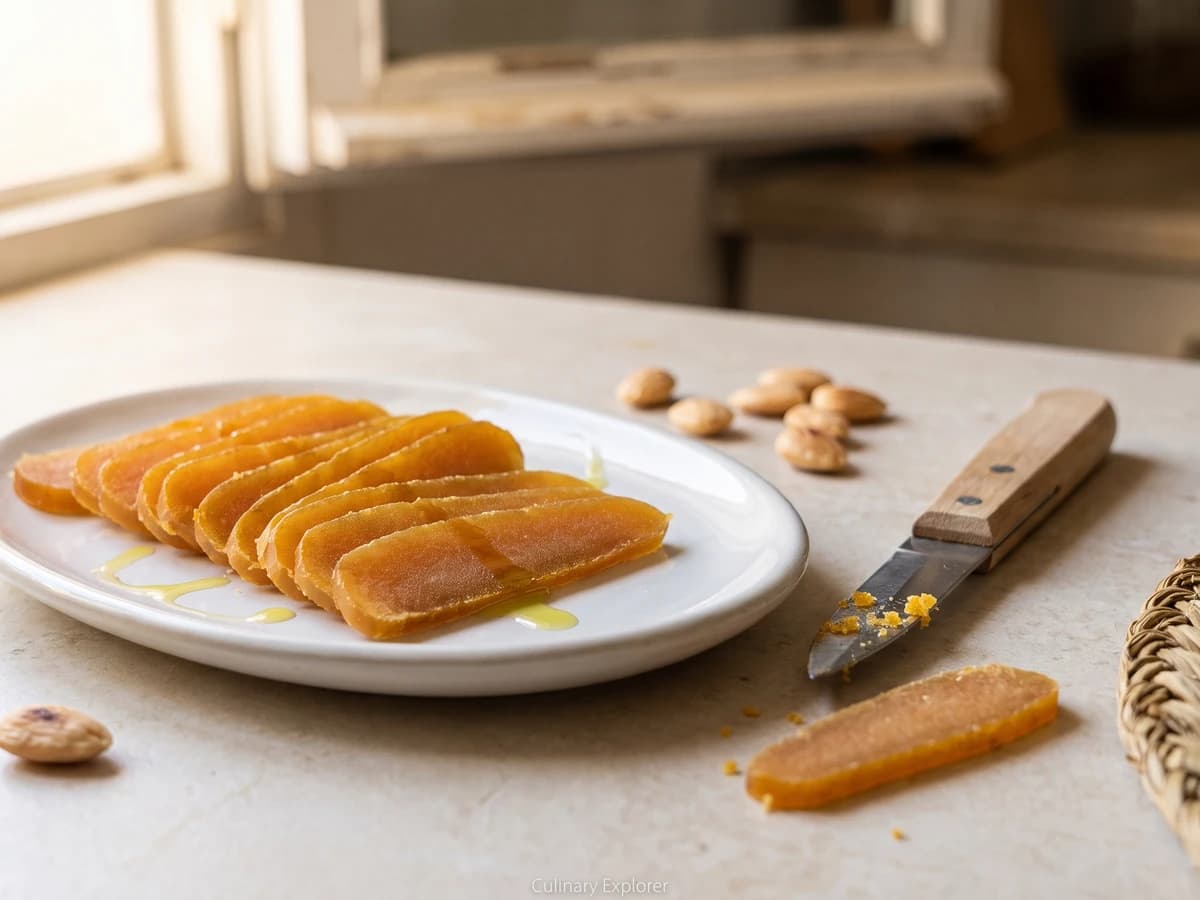
Murcia's Mar Menor turns whole grey mullet roe into a firm amber salazón with salt, gentle pressure, and a slow cold dry, ready for thin slices, olive oil, and almonds.
Chef Isabel
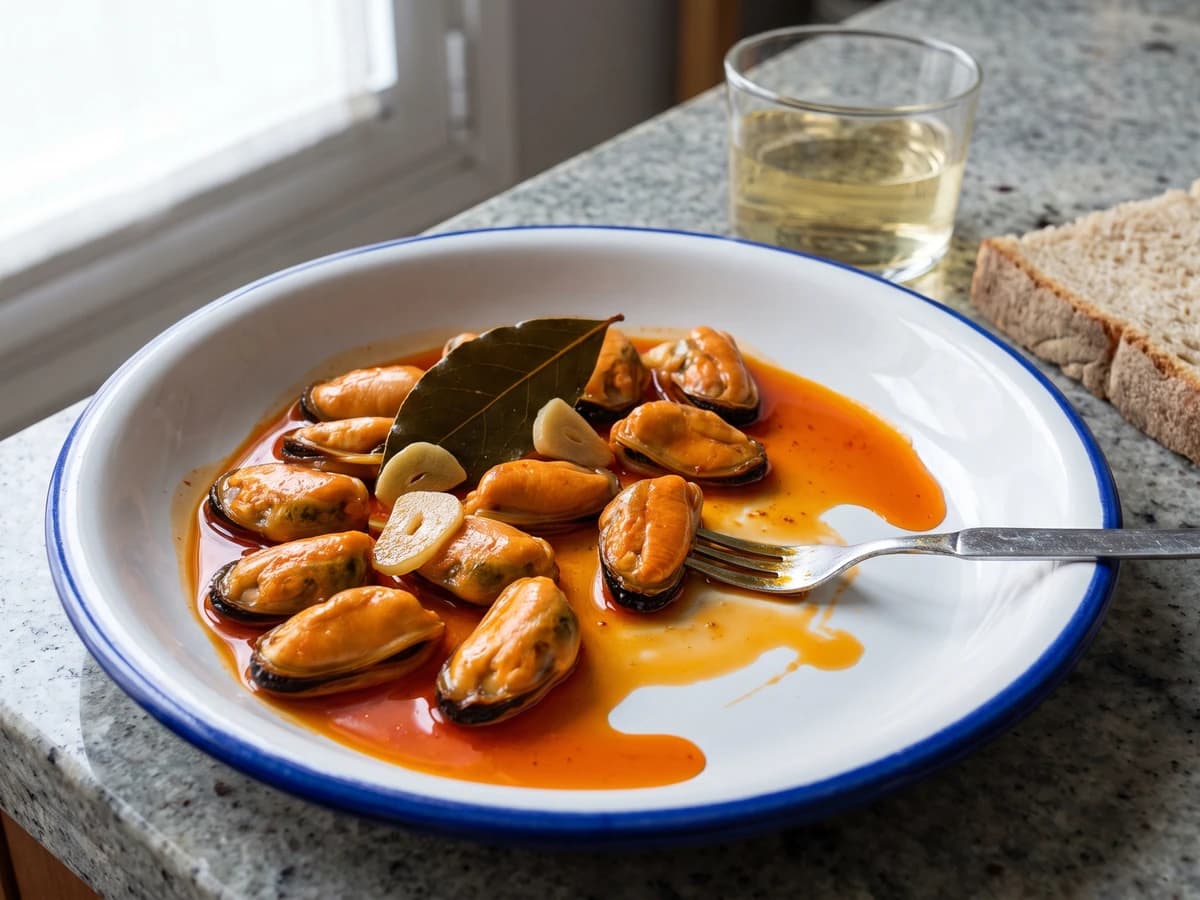
Galician mejillones en escabeche are plump mussels steeped in a brick-red marinade of wine vinegar, olive oil, pimentón, garlic, and bay, the beloved conserva made plainly in a home kitchen.
Chef Isabel
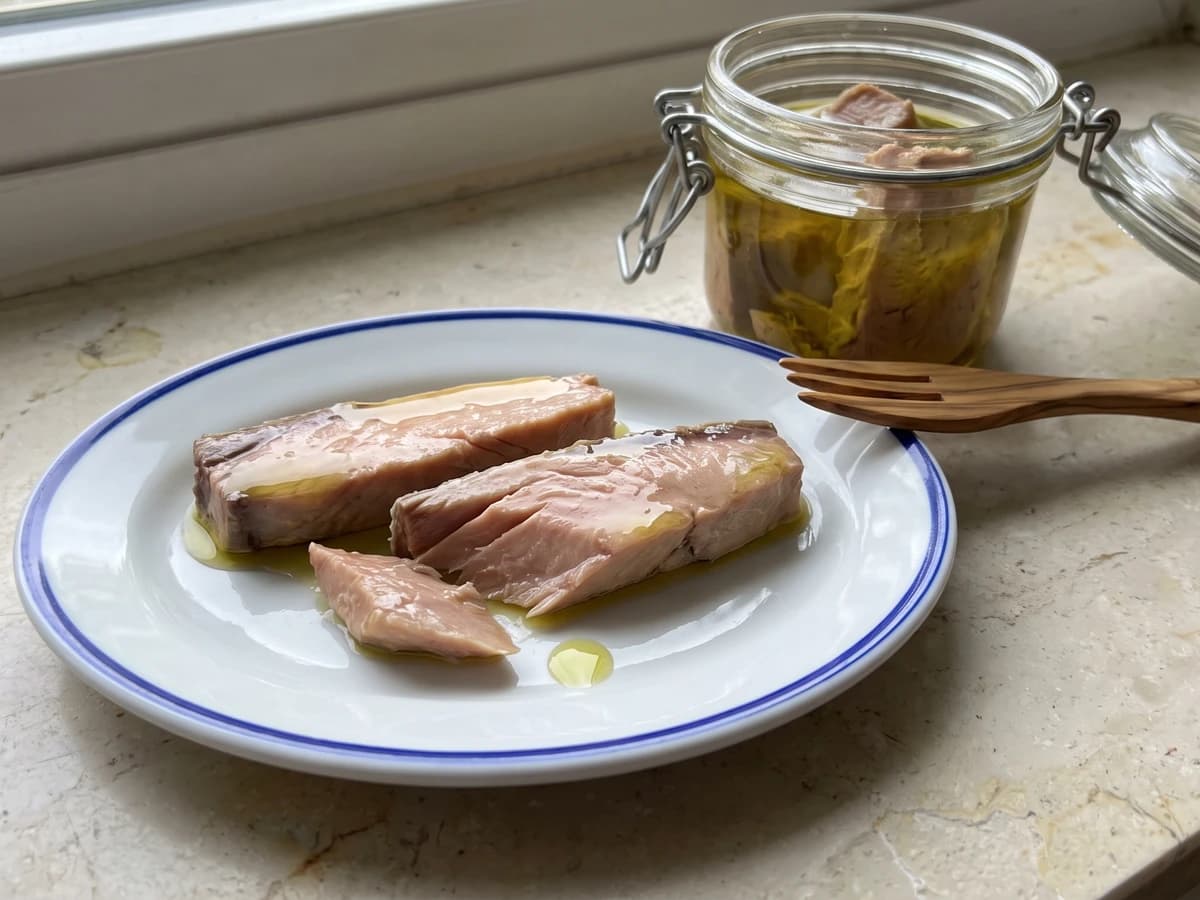
On Andalucía's coast, humble melva is gently cooked, cleaned while warm, dried well, and covered with olive oil, an everyday conserva whose clear flavor depends on keeping water out of the jar.
Chef Isabel
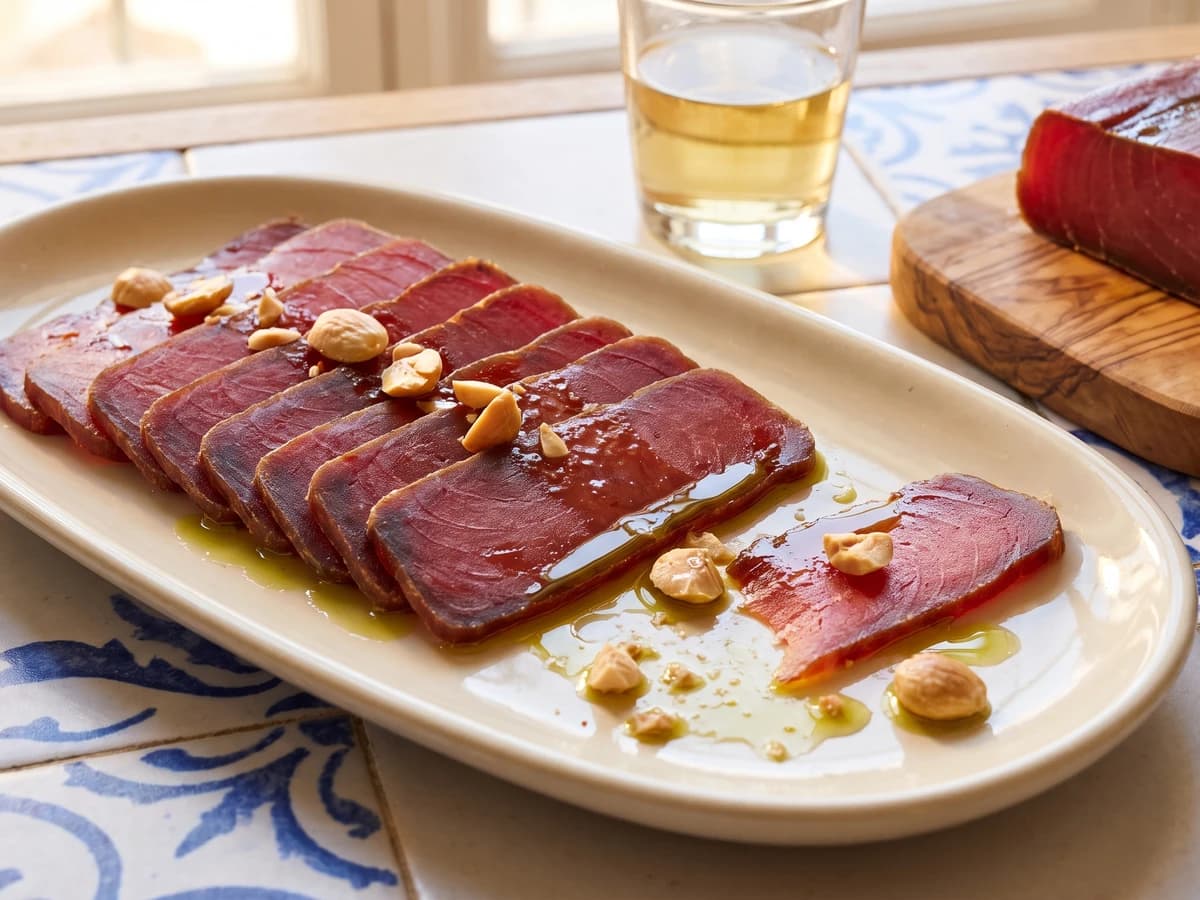
Mojama gaditana is Cádiz's salt-cured tuna loin, firm, mahogany-dark and cut almost transparent. Pack it evenly in sea salt, then dry it cold until it has lost 35 percent of its starting weight.
Chef Isabel
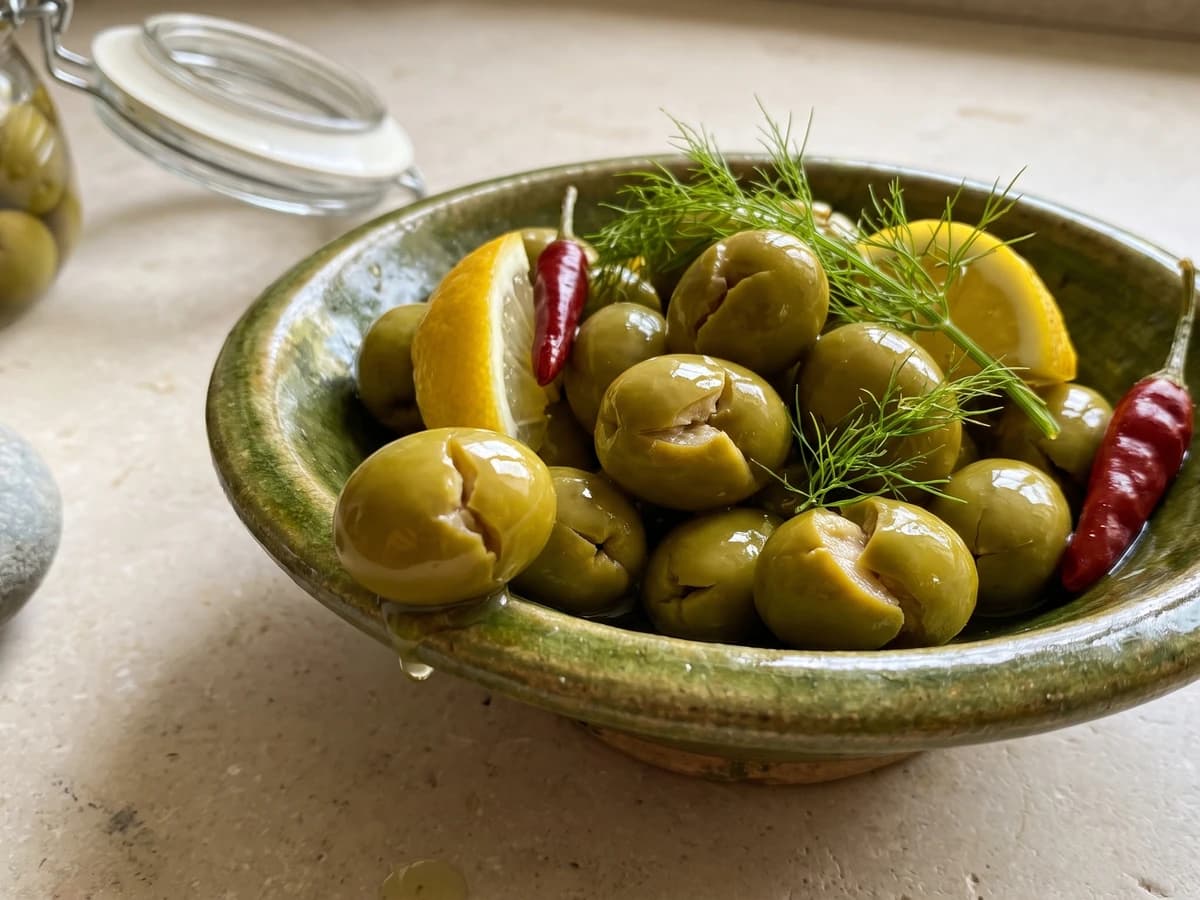
Balearic olives trencades are green olives cracked once, soaked clean of their fiercest bitterness, then packed with wild fennel, lemon and hot pepper in a brine that keeps their bite.
Chef Isabel
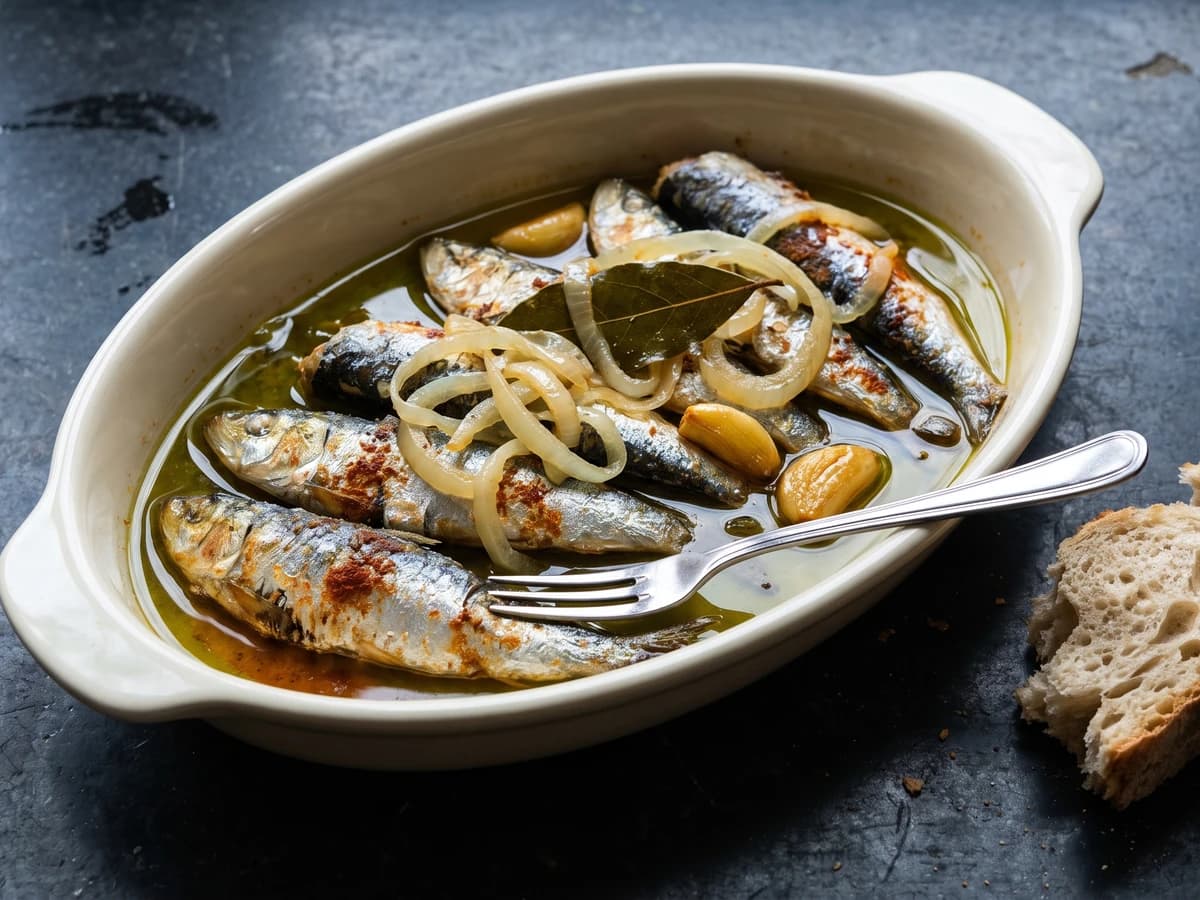
On the Cantabrian coast, sardines are lightly floured and fried, then rested overnight beneath onion, garlic, bay, olive oil and sharp vinegar until the flesh turns firm, fragrant and properly seasoned.
Chef Isabel
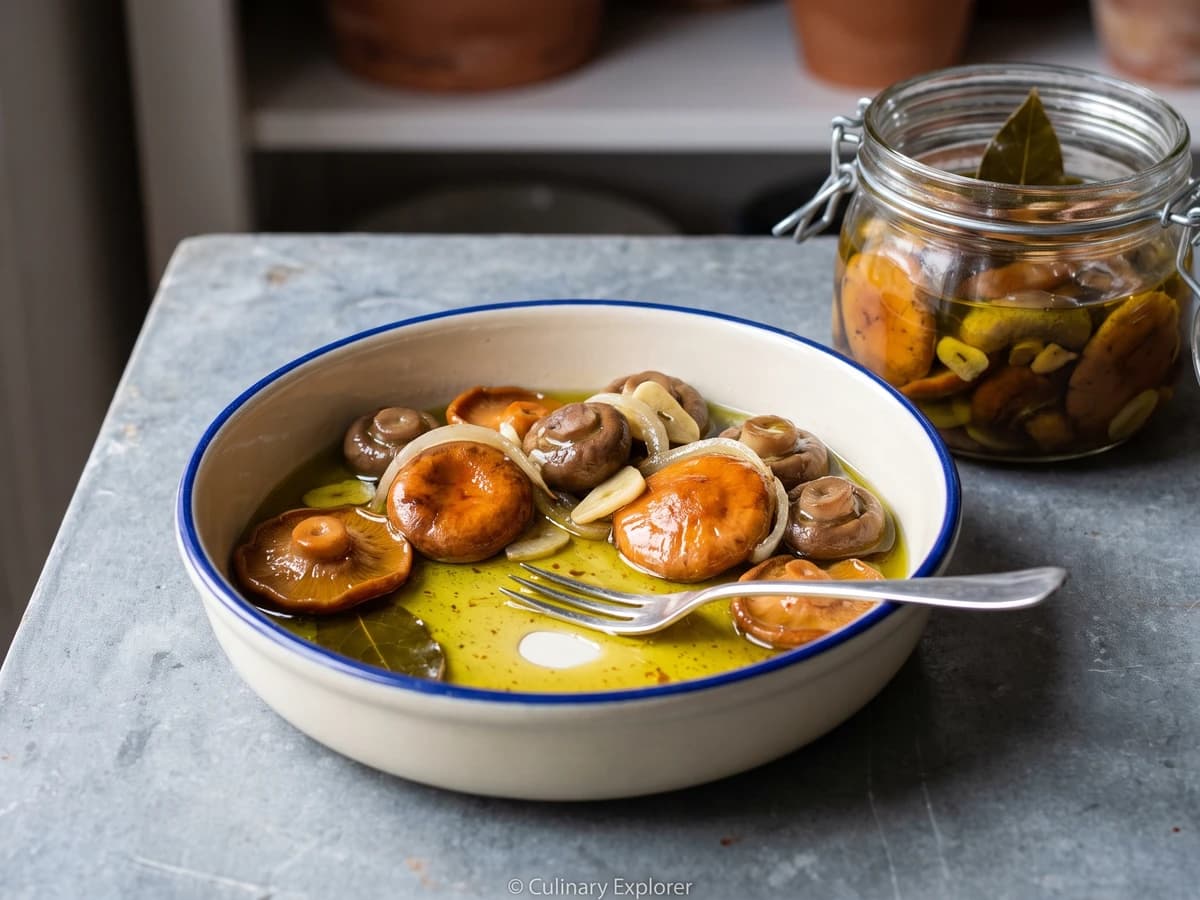
Castile's autumn mushrooms are browned until their water is gone, then given two quiet days in a mild escabeche of olive oil, wine vinegar, garlic, and bay.
Chef Isabel
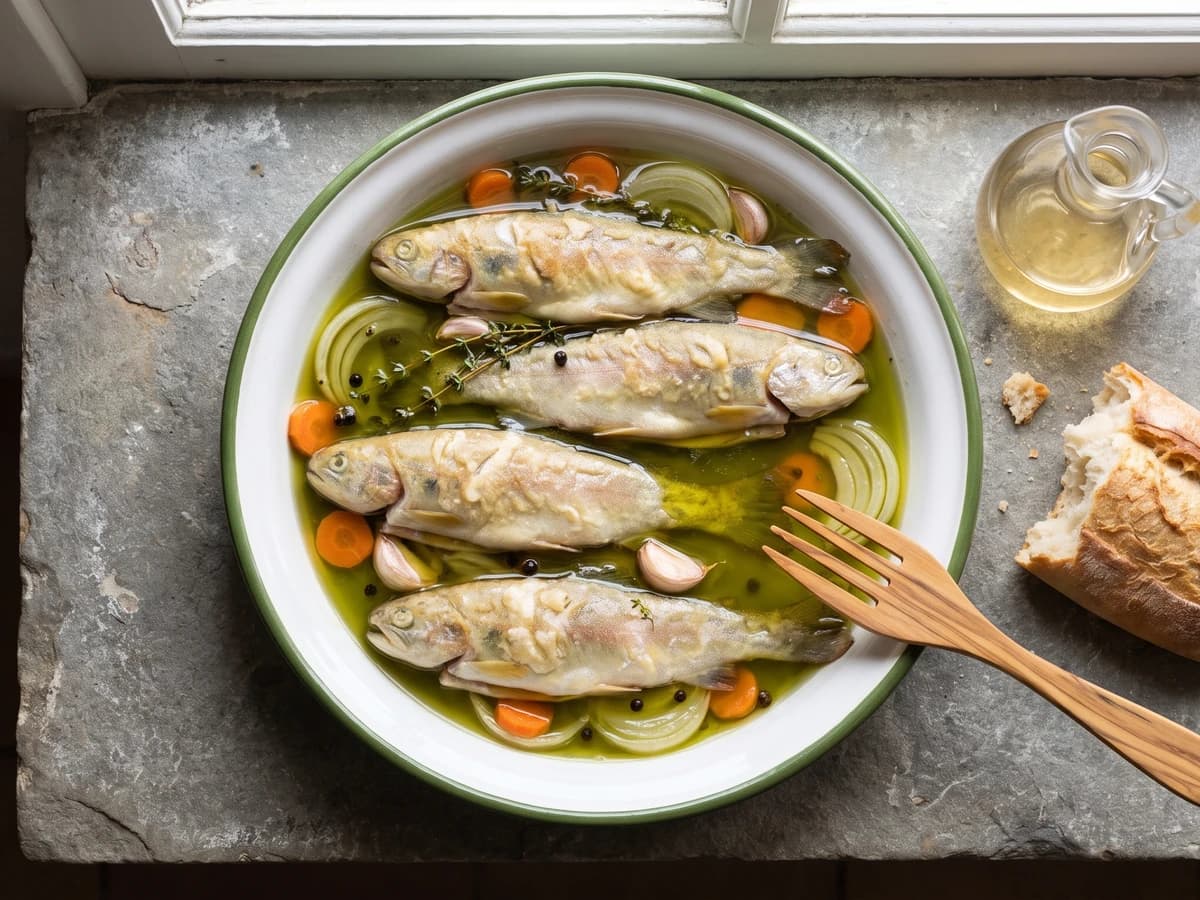
Navarra and León turn river trout into larder food: fry it gently, cover it with warm vinegar, olive oil, garlic and thyme, then leave it a full day for the sharp edges to soften.
Chef Isabel
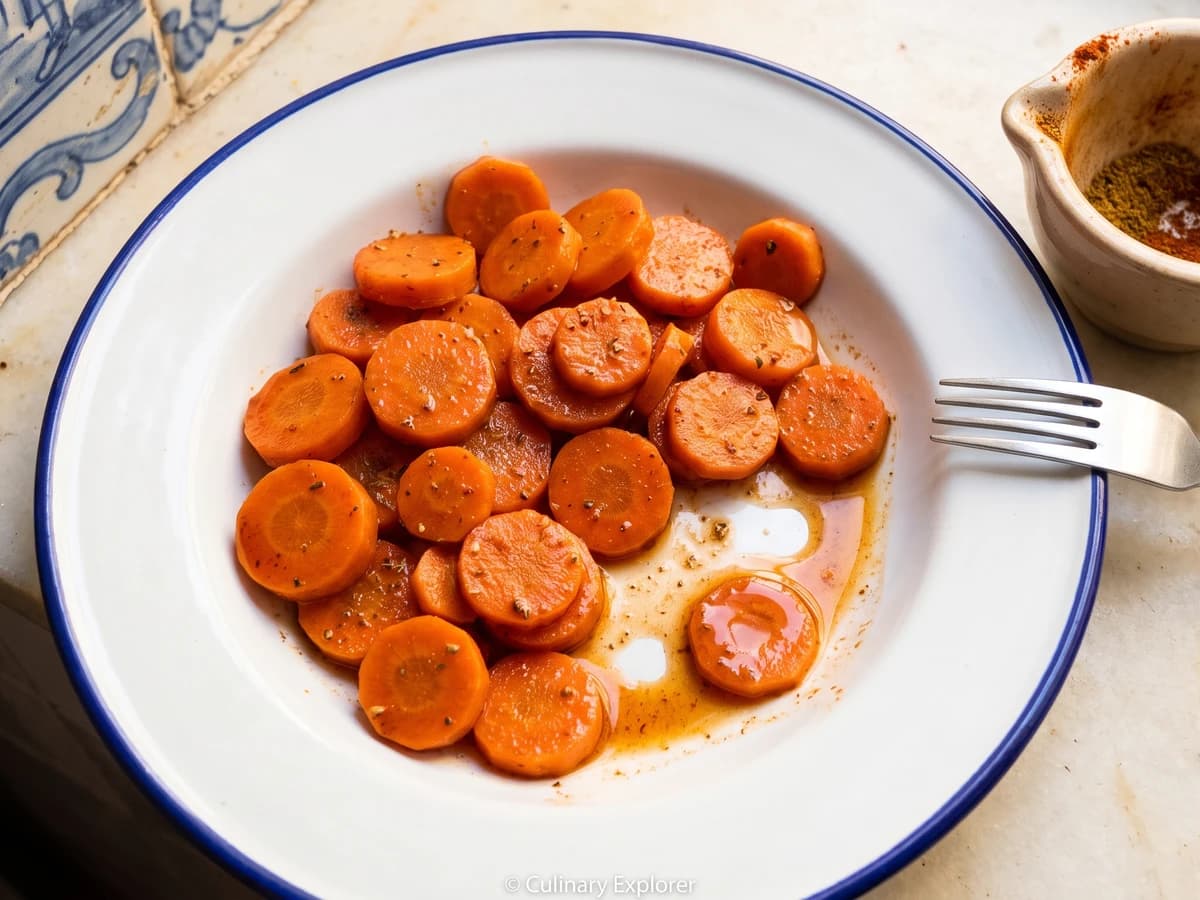
Cádiz gives boiled carrots their proper bite: thick coins marinated with a mortar-pounded aliño of garlic, cumin, oregano, sweet pimentón, and sherry vinegar, then left overnight until sharp and fragrant.
Chef Juliette
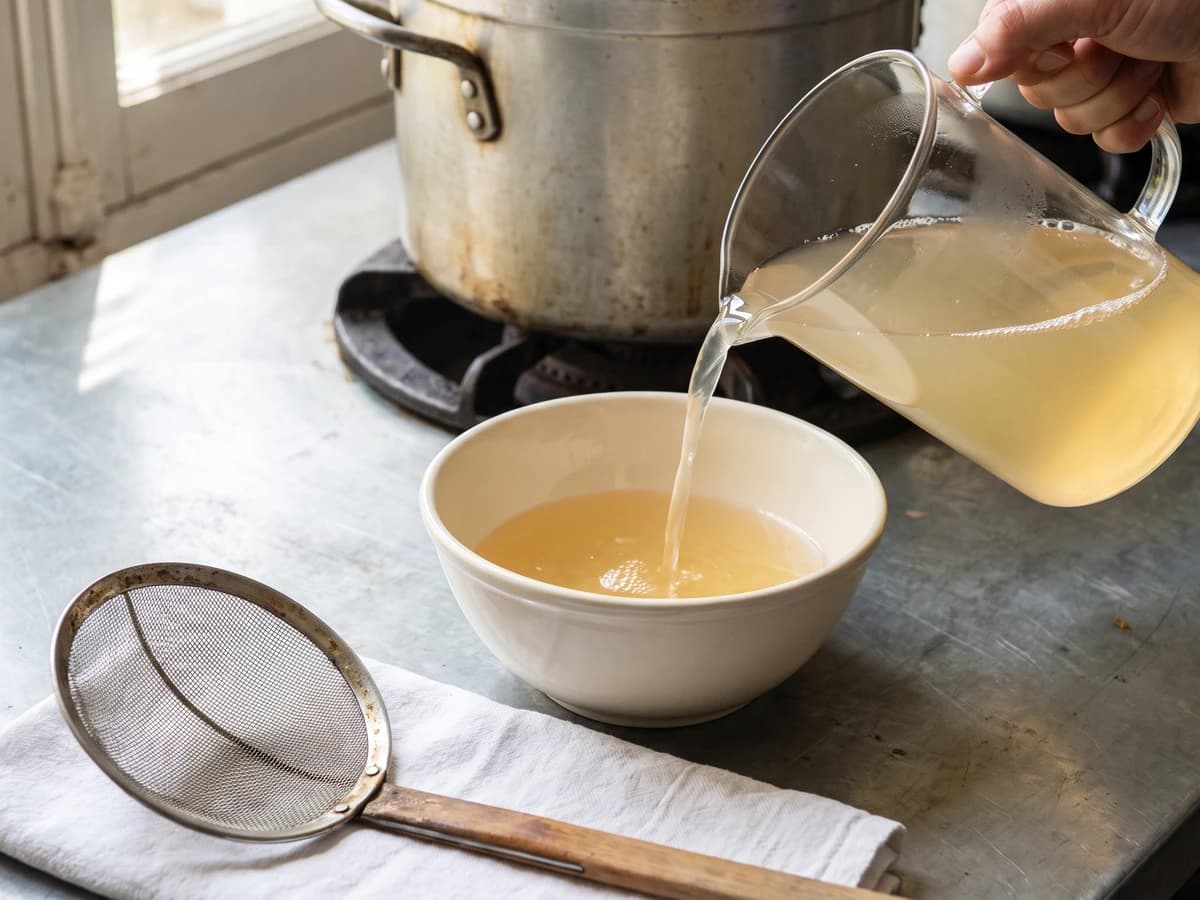
Beef shin, lean beef, and fowl begin in cold water and rise slowly toward a tremble. Skim before the boil, and you learn the quiet discipline that gives every clear French broth its backbone.
Chef Juliette
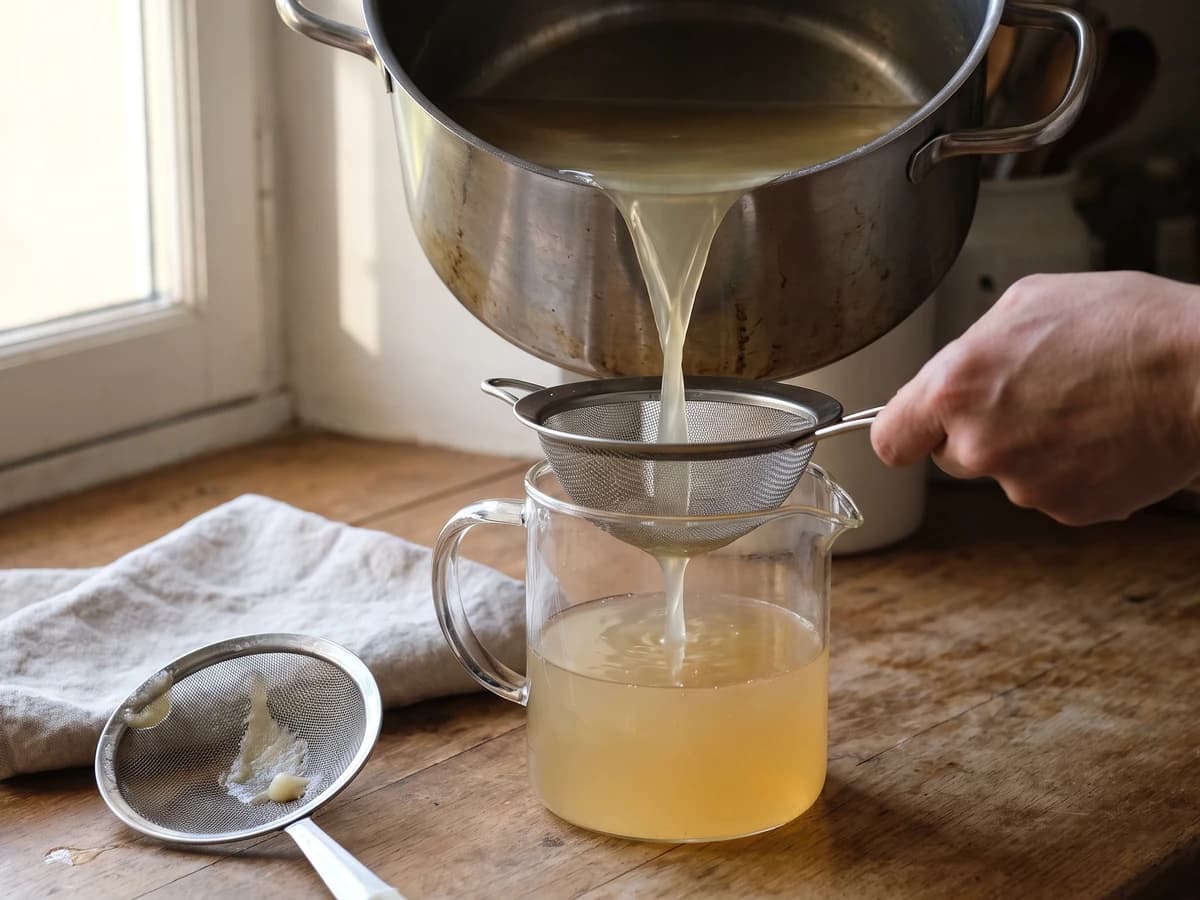
Break the veal bones small, then give them eight hours at a bare tremble. This pale, gelatinous fond becomes the quiet foundation beneath velouté, blanquette, and every sauce that must stay light.
Chef Juliette
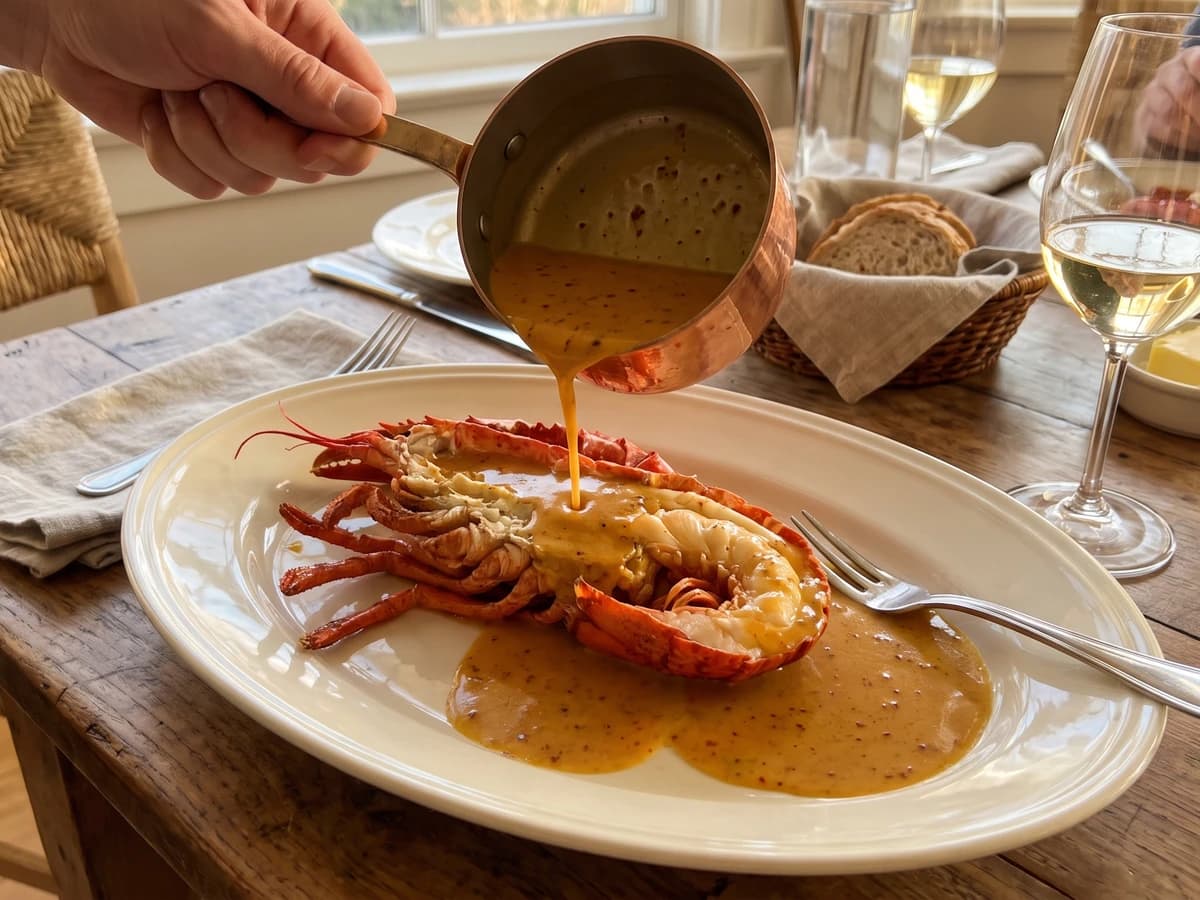
Sauce Orientale concentrates lobster-rich American Sauce with curry, then folds in cream away from the fire: a glossy, gently spiced derivative made for lobster, crayfish, and firm fish.
Chef Juliette
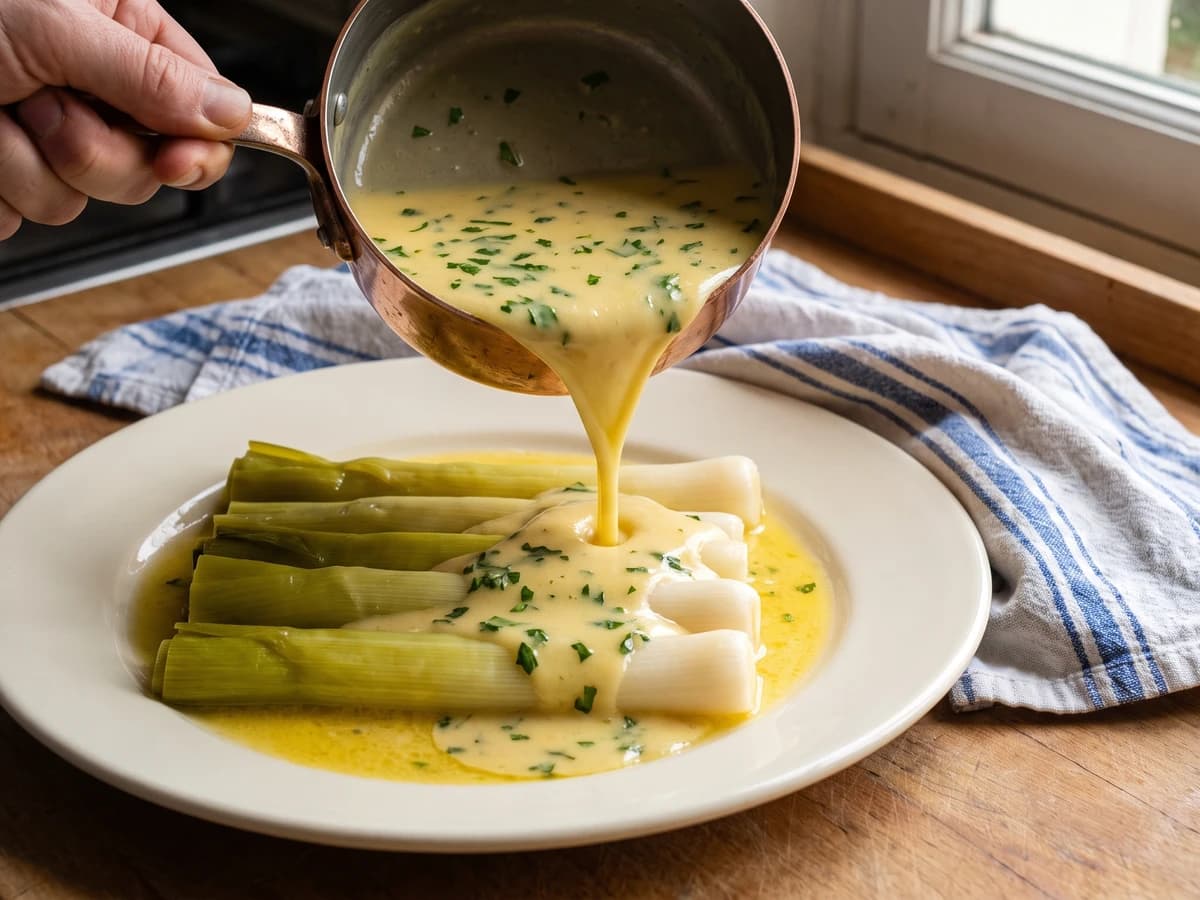
An old lesson in sauce families: Sauce Allemande takes mushroom liquor, then butter, lemon, and parsley, becoming a glossy Poulette for sheep's trotters, leeks, cauliflower, and anything needing gentle richness with a bright edge.
Chef Juliette
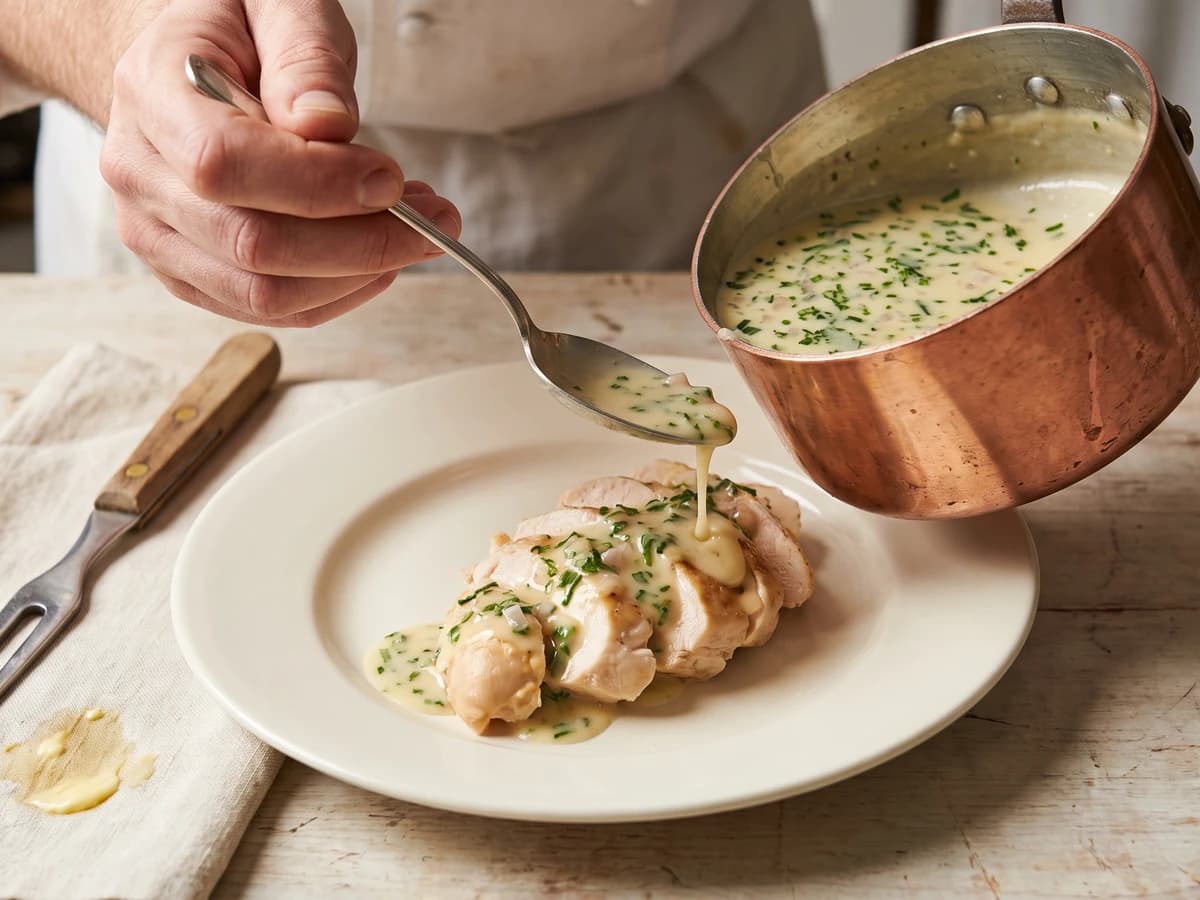
Sauce ravigote turns a calm velouté lively with white wine, vinegar, shallot butter, and three fresh herbs, a sharp green finish made for boiled poultry and the pale richness of white abats.
Chef Juliette
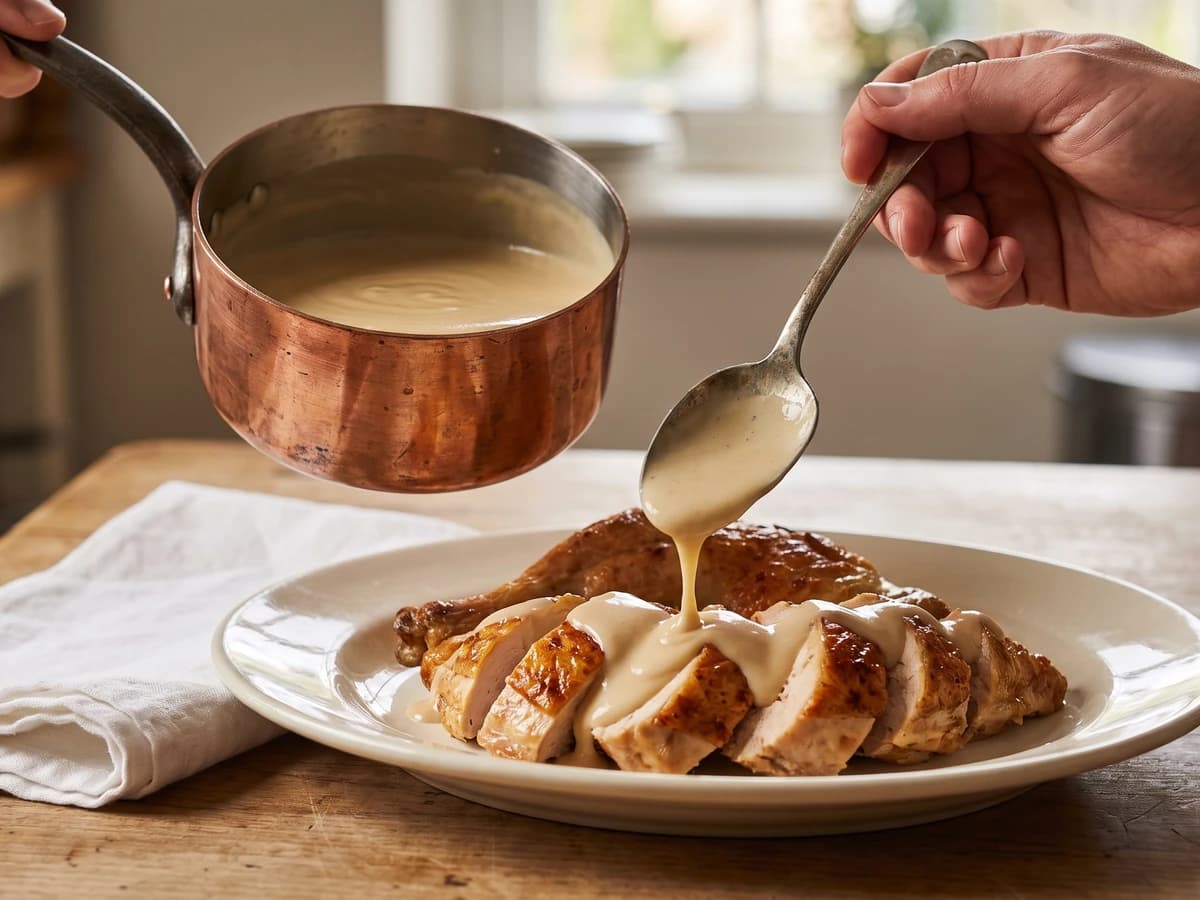
Sauce Régence turns a finished velouté into a deep, silken accompaniment through mushroom, truffle, and concentrated glaze, proving that gentle reduction, not ornament, gives a derivative sauce its authority.
Chef Juliette
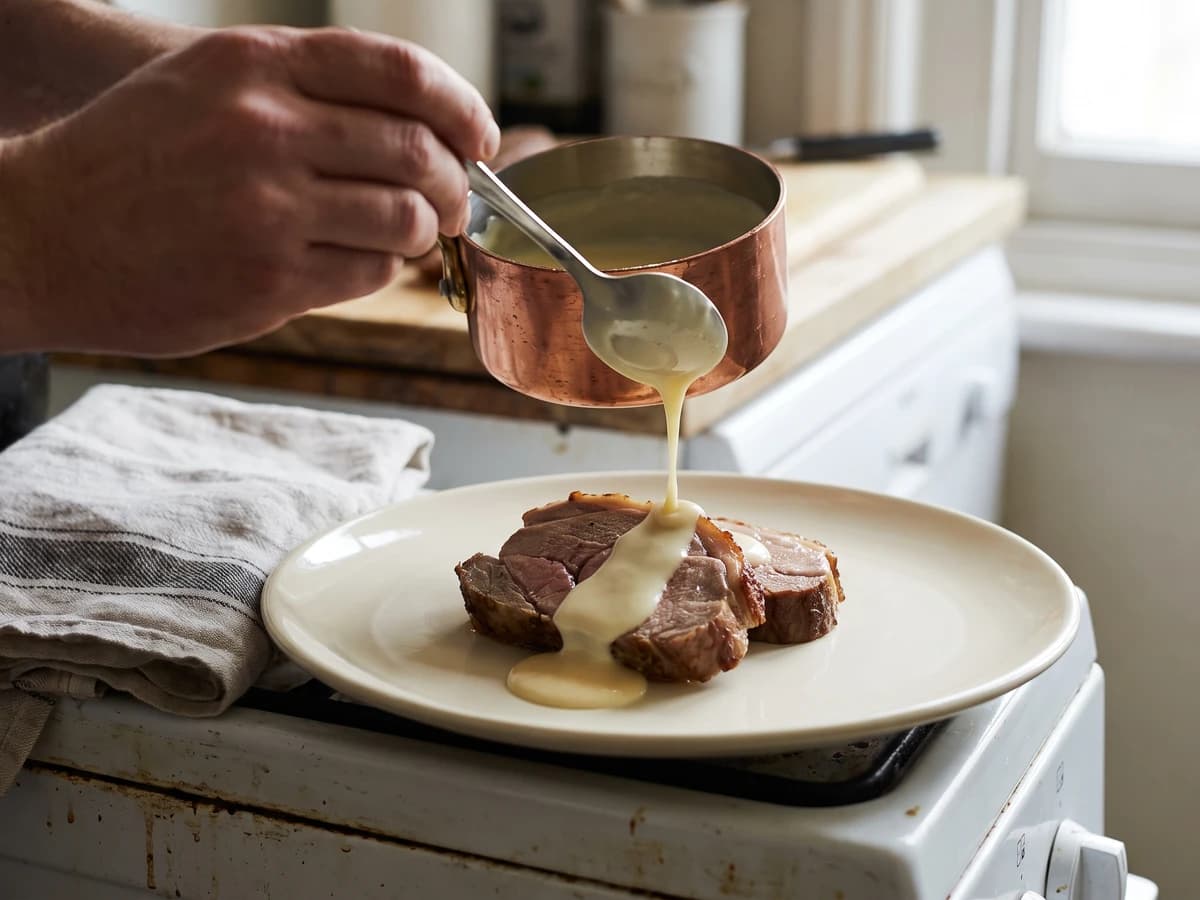
Onions softened without colour, bound with Béchamel, strained, and mounted with cream and butter: Sauce Soubise proves that the slow stew, not sweetness or browning, gives this classical sauce its quiet depth.
Chef Juliette
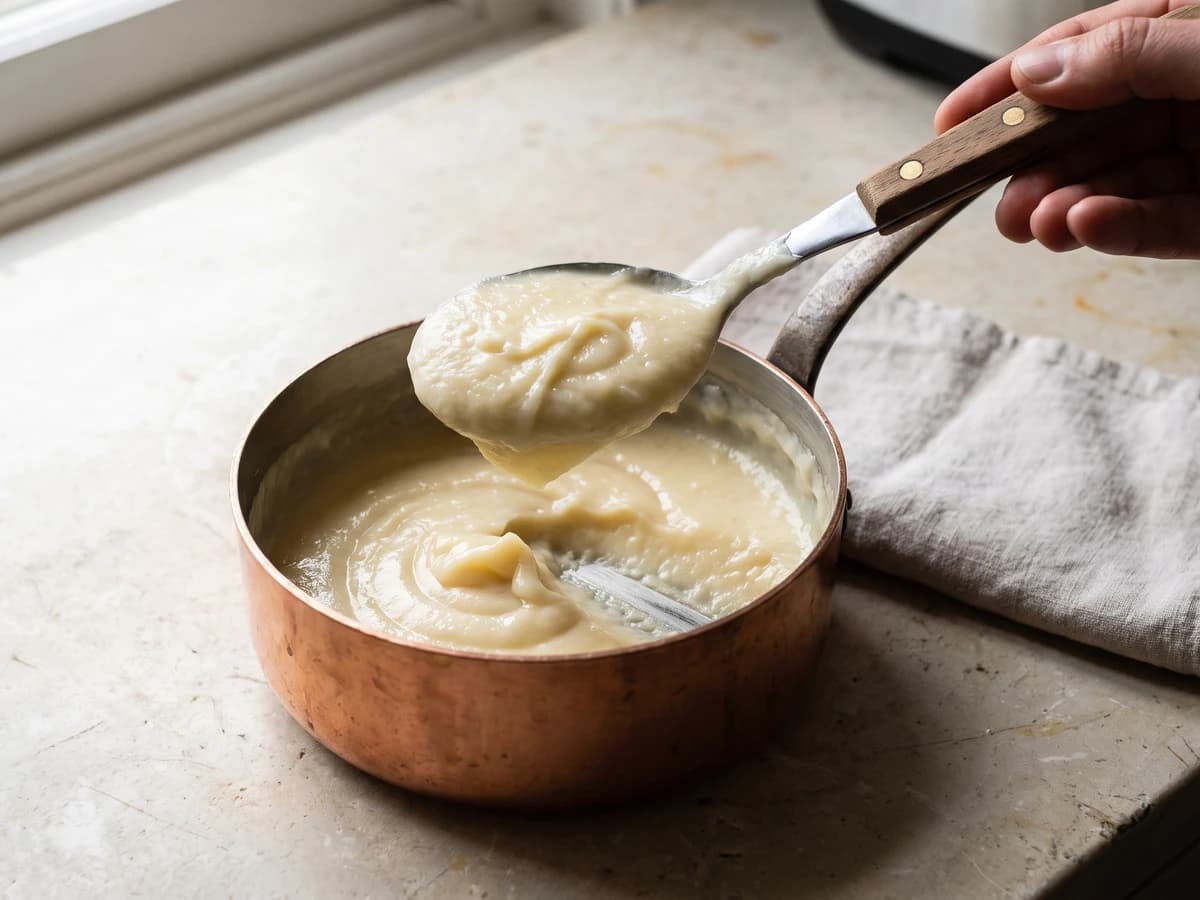
Sauce Soubise au Riz turns blanched onions, Carolina rice, white consommé, cream, and butter into a satin-thick purée: gentle cooking and a fine sieve make it both sauce and generous garnish.
Culinary guides, cultural storytelling, and the editorial depth that makes cooking meaningful.
Discover Culinary Explorer