Chef Juliette
Ordinary or White Consommé
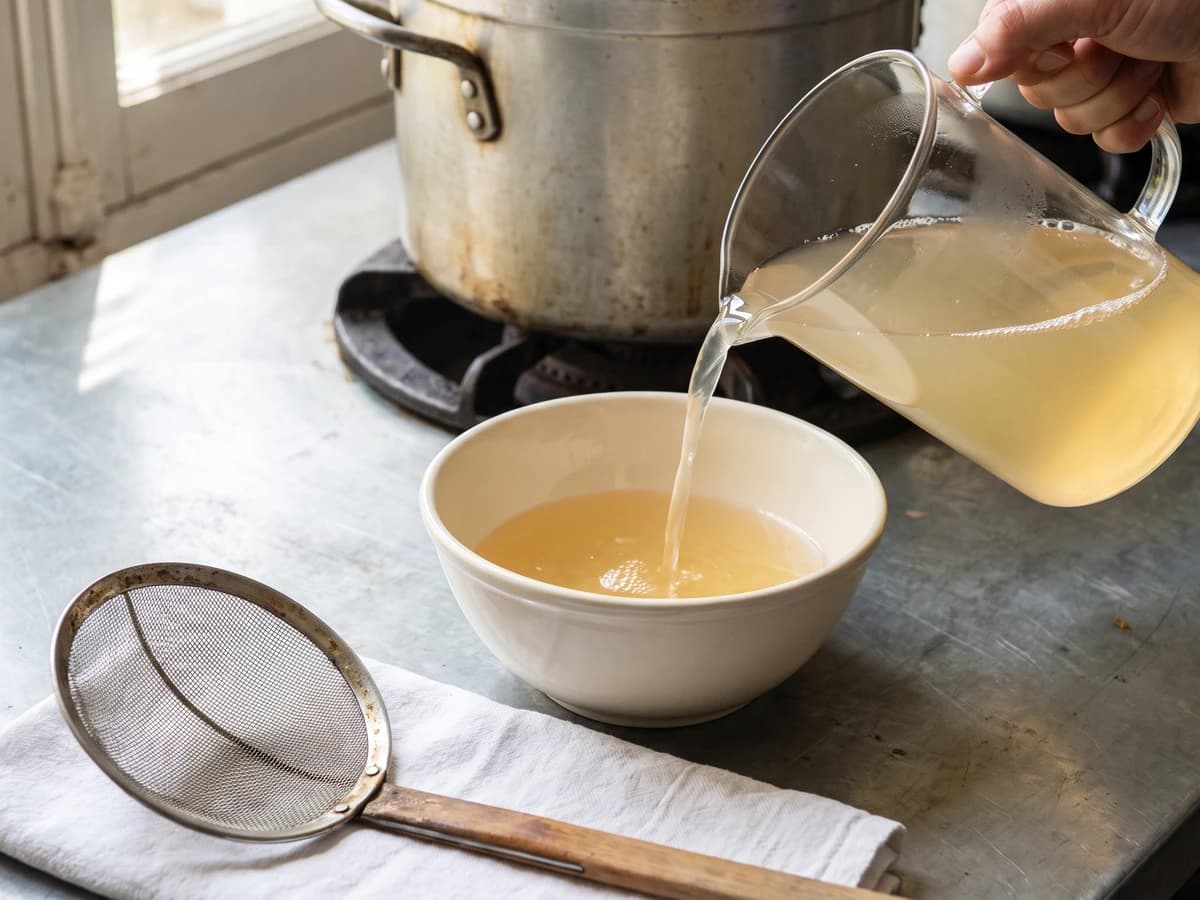
Beef shin, lean beef, and fowl begin in cold water and rise slowly toward a tremble. Skim before the boil, and you learn the quiet discipline that gives every clear French broth its backbone.
A cooking platform built around craft, culture, and the stories behind what we eat.
Created by
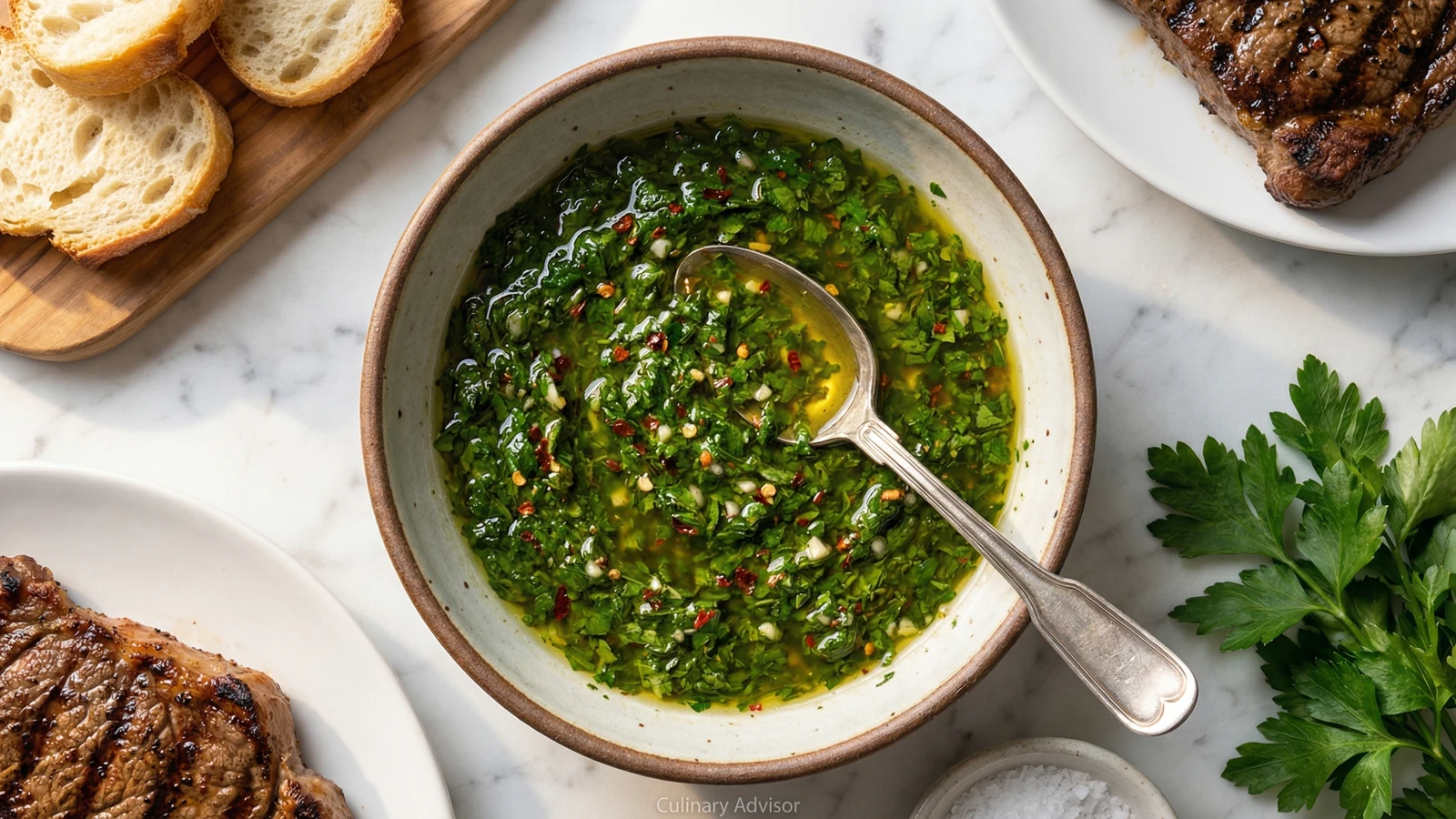
The uncooked green sauce that conquered the Argentine pampas and belongs on every grilled steak, chicken thigh, and crusty bread that crosses your table. Bold, bright, and unapologetically garlicky.
Chimichurri is what happens when you treat herbs with the respect they deserve. This Argentinian condiment has sustained gauchos on the pampas for generations, spooned over fire-grilled beef that would make any Texas rancher weep with envy. The sauce requires no cooking, no special equipment, and about ten minutes of your time. What it demands is good ingredients and the confidence to use them generously.
The foundation is flat-leaf parsley, and plenty of it. Italian parsley, the kind with the flat, deeply lobed leaves, not that curly decorative nonsense that tastes like lawn clippings. Fresh oregano if you can find it, though dried works admirably here. Raw garlic in quantities that would alarm a cardiologist. Red wine vinegar for acid. Good olive oil to bind everything together.
I've watched American cooks timidly spoon this sauce as if rationing wartime supplies. That misses the point entirely. Chimichurri should pool on your plate, mixing with the meat juices to create something greater than either component alone. Make a full batch. You'll use it faster than you expect.
Quantity
1 cup packed
leaves and tender stems
Quantity
1/4 cup
Quantity
2 tablespoons
Quantity
6 cloves
peeled
Quantity
1/2 cup
Quantity
3 tablespoons
Quantity
1/2 teaspoon
Quantity
1 teaspoon
Quantity
1/2 teaspoon
freshly ground
Quantity
2 tablespoons
| Ingredient | Quantity |
|---|---|
| fresh flat-leaf parsleyleaves and tender stems | 1 cup packed |
| fresh oregano leaves | 1/4 cup |
| dried oregano (optional) | 2 tablespoons |
| garlicpeeled | 6 cloves |
| extra virgin olive oil | 1/2 cup |
| red wine vinegar | 3 tablespoons |
| crushed red pepper flakes | 1/2 teaspoon |
| kosher salt | 1 teaspoon |
| black pepperfreshly ground | 1/2 teaspoon |
| warm water | 2 tablespoons |
Wash the parsley and oregano thoroughly, then dry them completely in a salad spinner or by rolling in clean kitchen towels. Moisture is the enemy of chimichurri. Wet herbs will dilute your sauce and shorten its shelf life. Strip the parsley leaves from their stems, keeping only the most tender upper stems. Discard anything woody.
Place the garlic cloves on your cutting board and crush each one firmly with the flat of your knife blade. This ruptures the cell walls and releases the allicin that gives garlic its bite. Sprinkle the crushed cloves with half the salt and mince finely, using the salt as an abrasive to help break down the garlic into a paste. You want it nearly pureed, with no large chunks that will overwhelm a single bite.
Gather the parsley and oregano into a tight pile on your cutting board. Run your knife through them in a rocking motion, turning the pile ninety degrees every few passes, until finely chopped but not pulverized. The texture should be visible and distinct, like coarse green confetti. A food processor works in a hurry, but hand-chopping produces superior texture with more character.
Transfer the chopped herbs and garlic paste to a medium bowl. Add the remaining salt, black pepper, and red pepper flakes. Stir to distribute the seasonings evenly through the herbs. The mixture will look dry and compact. This is correct.
Pour in the red wine vinegar and stir vigorously. The acid will begin extracting flavor from the herbs immediately. Let this sit for two minutes. Now add the olive oil in a steady stream, stirring constantly to create an emulsion. Finally, add the warm water, which helps the flavors meld and loosens the sauce to spoonable consistency.
Cover the bowl and let the chimichurri rest at room temperature for at least thirty minutes, preferably two hours. The flavors need time to marry. Fresh chimichurri tastes sharp and disconnected. Rested chimichurri tastes like it was born as a single entity. Taste and adjust salt and acid before serving. The sauce should be bright but not puckeringly sour, with a garlic presence that announces itself without dominating.
1 serving (about 40g)
Culinary guides, cultural storytelling, and the editorial depth that makes cooking meaningful.
Discover Culinary ExplorerChef Juliette
Beef shin, lean beef, and fowl begin in cold water and rise slowly toward a tremble. Skim before the boil, and you learn the quiet discipline that gives every clear French broth its backbone.
Chef Juliette
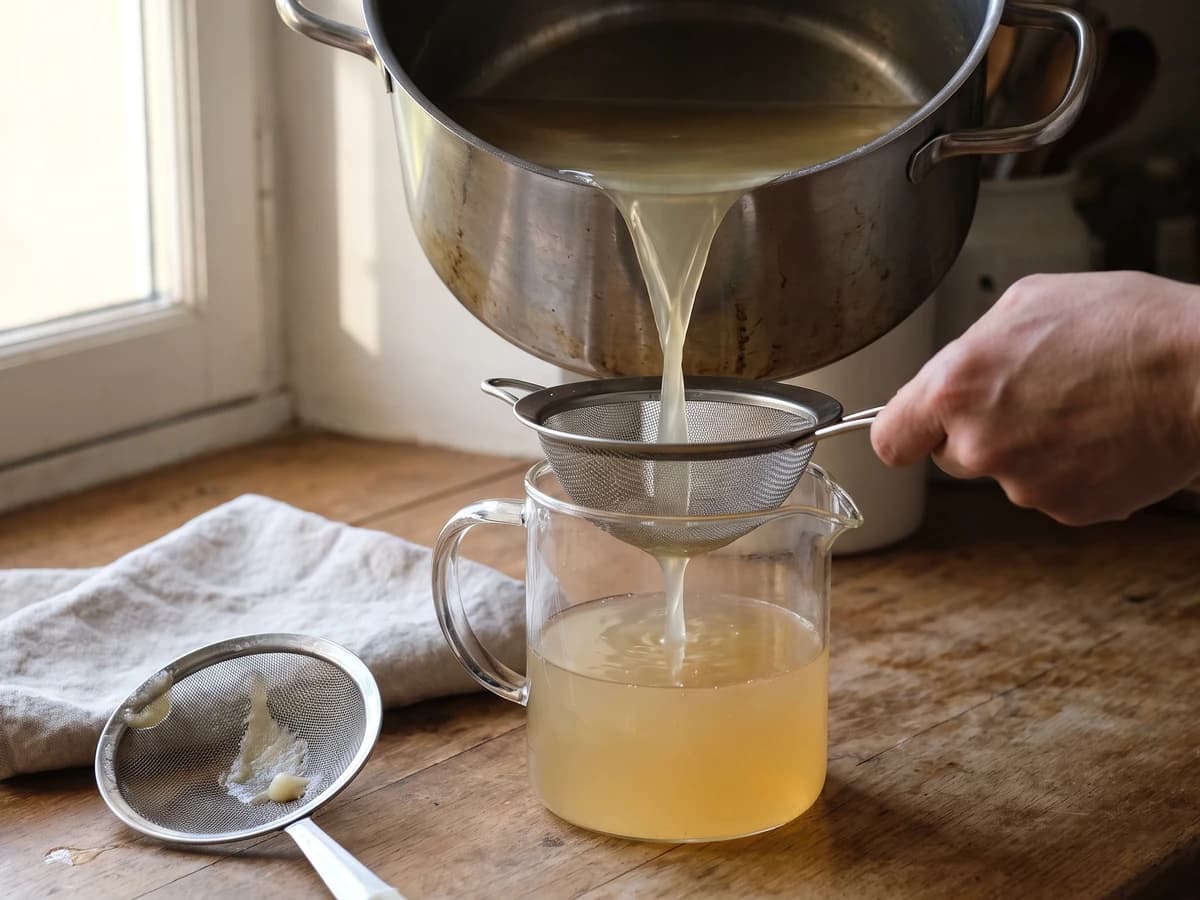
Break the veal bones small, then give them eight hours at a bare tremble. This pale, gelatinous fond becomes the quiet foundation beneath velouté, blanquette, and every sauce that must stay light.
Chef Juliette
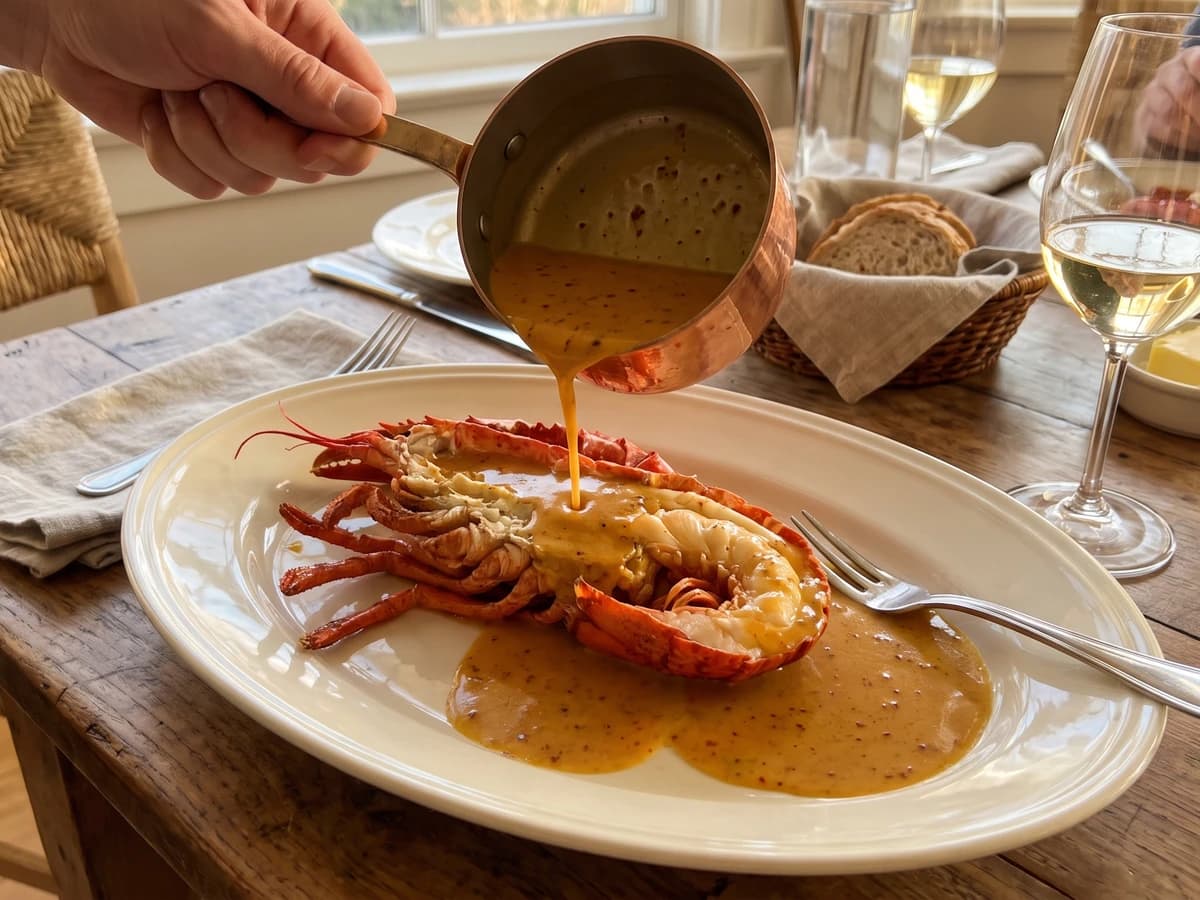
Sauce Orientale concentrates lobster-rich American Sauce with curry, then folds in cream away from the fire: a glossy, gently spiced derivative made for lobster, crayfish, and firm fish.
Chef Juliette
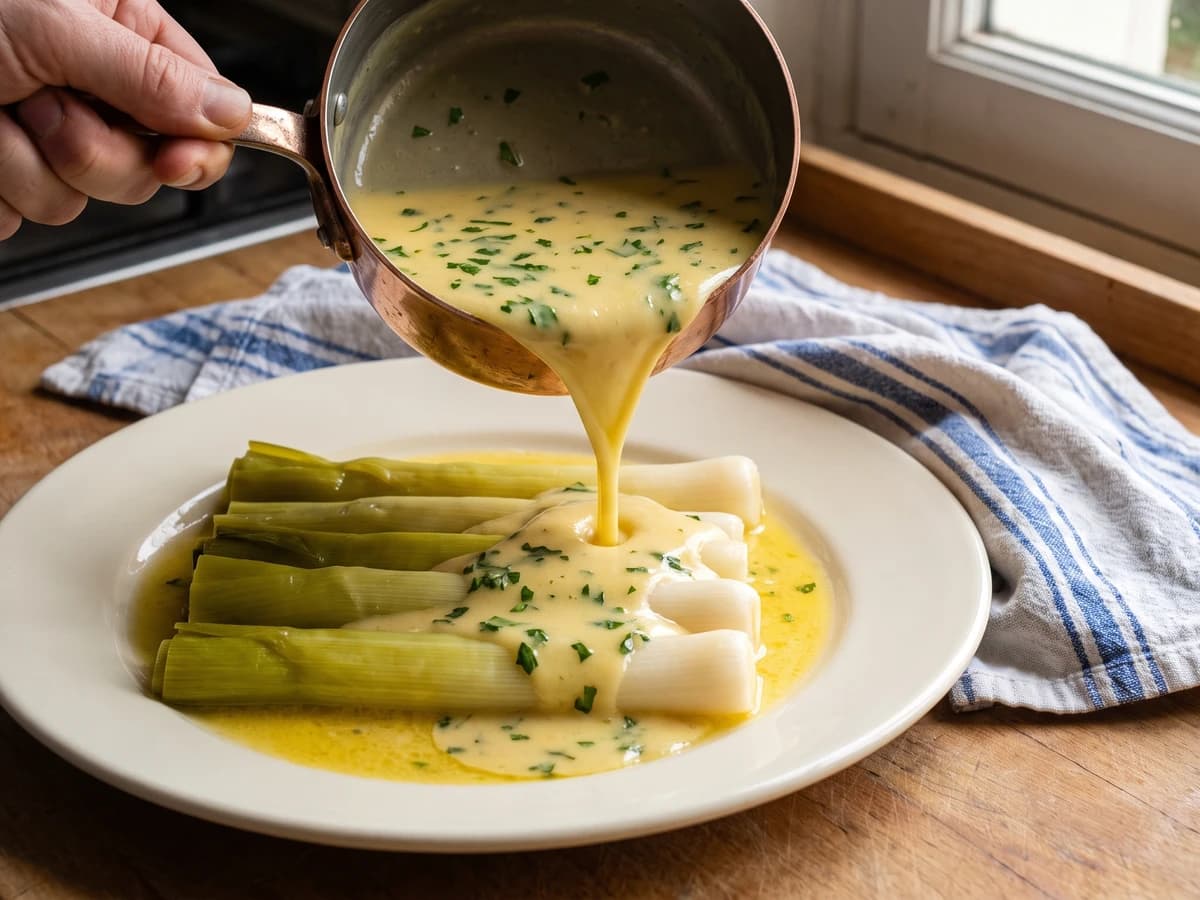
An old lesson in sauce families: Sauce Allemande takes mushroom liquor, then butter, lemon, and parsley, becoming a glossy Poulette for sheep's trotters, leeks, cauliflower, and anything needing gentle richness with a bright edge.