
Chef Dean
Chicago-Style Hot Giardiniera
The fiery, oil-packed vegetable relish that defines Chicago's Italian beef sandwich, loaded with sport peppers, crisp celery, and cauliflower in a garlicky, oregano-laced bath of pure heat.
A cooking platform built around craft, culture, and the stories behind what we eat.
Created by
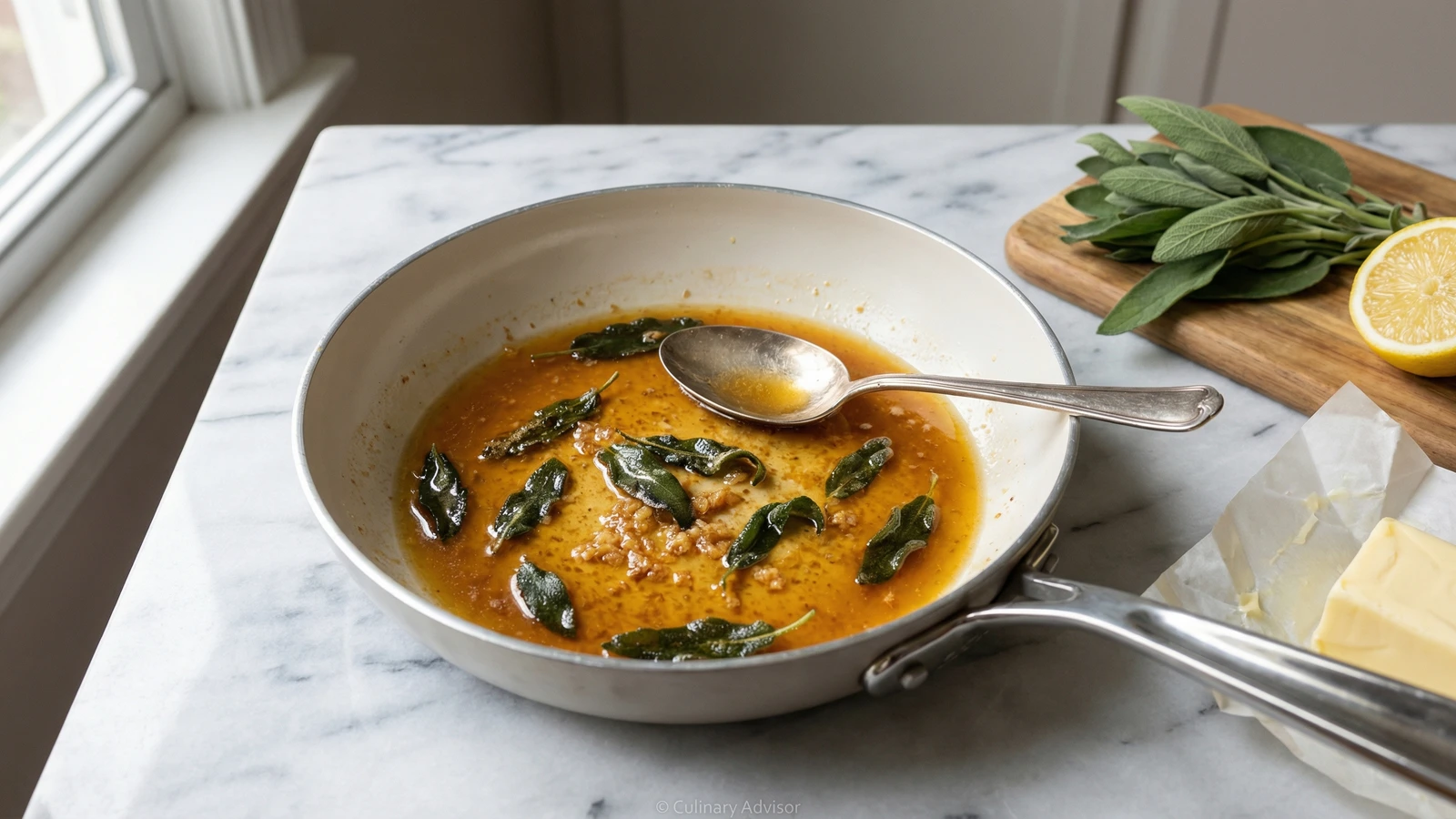
Golden butter cooked until it smells of hazelnuts and autumn, studded with shatteringly crisp sage leaves and brightened with lemon. Five ingredients, ten minutes, infinite applications.
The Italians call it burro e salvia. Butter and sage. Four words that underscore everything I believe about cooking: great food needs neither complexity nor pretension. It needs quality ingredients treated with respect and a cook paying attention.
Brown butter is nothing more than whole butter cooked past melting until the milk solids toast and the fat takes on the color of hazelnuts. The transformation happens quickly and the window between nutty perfection and bitter char is narrow. This is cooking that rewards attention. Stand at your stove. Watch the foam rise and fall. Listen for the crackling to quiet. Smell the shift from dairy to something deeper, almost caramel-like. Your senses will tell you when it's ready if you're present to receive the message.
The sage leaves fry in that hot fat until they turn brittle and translucent, concentrating their flavor while shedding their vegetal rawness. A squeeze of lemon at the end cuts through the richness and wakes everything up. That's the whole trick. The Italians have been doing this for centuries because it works, because it's honest, and because nothing else tastes quite the same ladled over fresh pasta or roasted squash.
Quantity
8 tablespoons (1 stick/113g)
cut into tablespoon-sized pieces
Quantity
20-24 leaves
washed and thoroughly dried
Quantity
1 tablespoon
about half a lemon
Quantity
1/4 teaspoon, plus more to taste
Quantity
to taste
freshly cracked
| Ingredient | Quantity |
|---|---|
| unsalted buttercut into tablespoon-sized pieces | 8 tablespoons (1 stick/113g) |
| fresh sage leaveswashed and thoroughly dried | 20-24 leaves |
| fresh lemon juiceabout half a lemon | 1 tablespoon |
| flaky sea salt | 1/4 teaspoon, plus more to taste |
| black pepperfreshly cracked | to taste |
Before you touch the stove, have everything ready and within arm's reach. This sauce moves fast once you begin. Arrange your sage leaves in a single layer on a clean kitchen towel and blot them bone dry. Any moisture will cause the butter to spatter violently and prevent the leaves from crisping properly. Squeeze your lemon into a small bowl and have your salt nearby.
Place the butter pieces in a light-colored skillet or saucepan over medium heat. A light interior is essential here because you need to see the butter change color. Dark pans hide the browning until it's too late. Let the butter melt completely, swirling occasionally. It will foam vigorously as the water content evaporates, hissing and crackling like something alive.
Continue cooking as the foam rises, peaks, and begins to subside. The crackling will quiet. Swirl the pan gently and watch the bottom. You'll see golden flecks forming: these are the milk solids toasting. The butter will progress from pale yellow to golden to the color of hazelnuts. The aroma shifts dramatically, from plain dairy to something nutty, toasty, almost caramel-like. This transformation takes four to six minutes. Stay present. The line between browned and burnt is a matter of seconds.
The moment the butter reaches hazelnut brown, add all the sage leaves at once in a single layer. They will sizzle aggressively. Do not be alarmed. Let them fry undisturbed for thirty to forty-five seconds until the sizzling calms and the leaves turn darker green, slightly translucent, and begin to curl at the edges. They should be crisp enough to shatter when cool. Remove the pan from heat immediately.
With the pan off the heat, carefully add the lemon juice. It will sputter and protest as it hits the hot fat, so stand back and avert your face. Swirl to incorporate. The acid arrests the cooking, brightens the sauce, and prevents the milk solids from darkening further. Season with salt and pepper. Taste a drop on a spoon and adjust. The sauce should be nutty, herbaceous, and balanced.
Spoon the warm sauce over fresh ravioli, gnocchi, butternut squash, or any pasta you please. Distribute the sage leaves so each portion receives its share. If the sauce has cooled and tightened, warm it gently over low heat for thirty seconds while swirling. Add a splash of pasta cooking water to emulsify if serving over pasta. The starch binds everything into a silky coating.
1 serving (about 35g)
Culinary guides, cultural storytelling, and the editorial depth that makes cooking meaningful.
Discover Culinary ExplorerChef Dean
The fiery, oil-packed vegetable relish that defines Chicago's Italian beef sandwich, loaded with sport peppers, crisp celery, and cauliflower in a garlicky, oregano-laced bath of pure heat.

Chef Dean
A perfectly balanced Italian dressing where sweet aged balsamic and fruity olive oil unite through the magic of mustard emulsion, ready to transform any salad, grilled vegetable, or chunk of crusty bread into something worth savoring.
Chef Ally
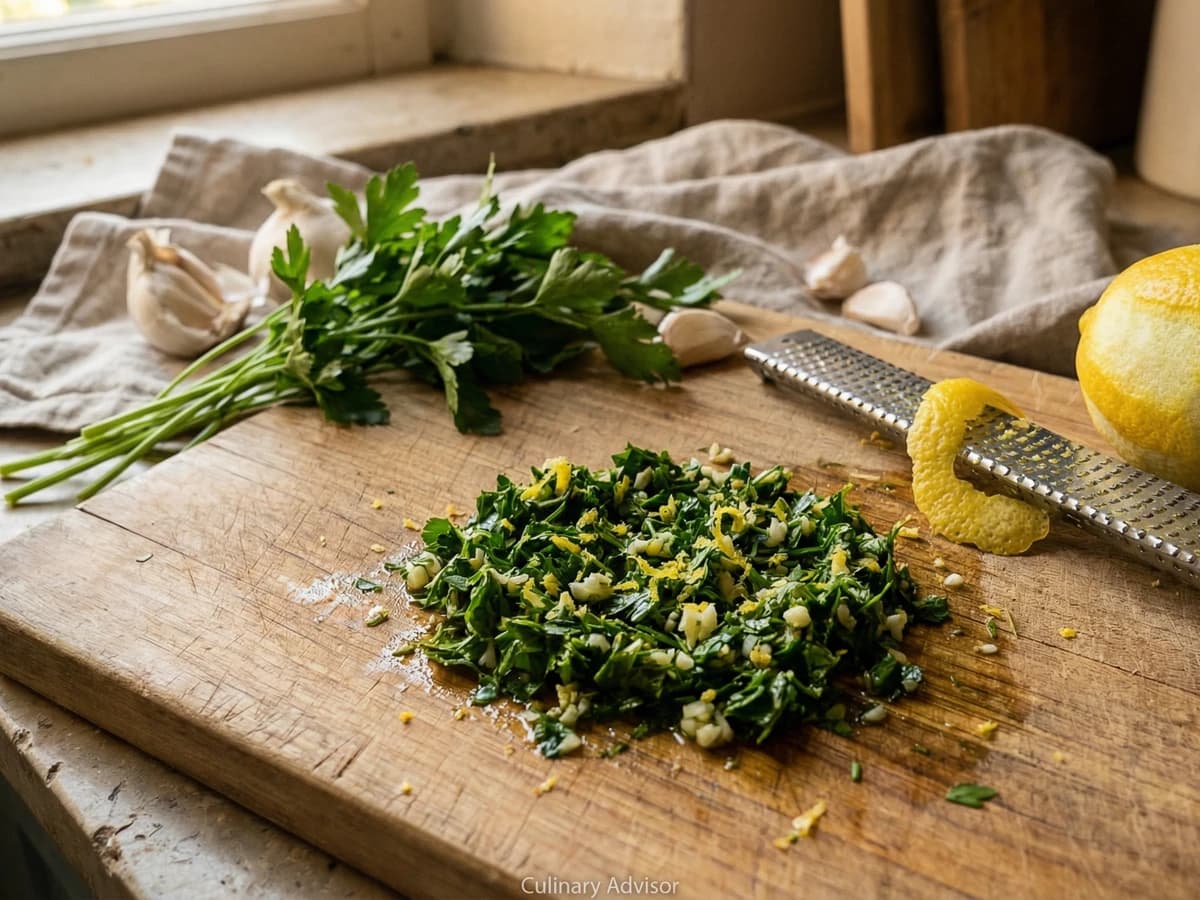
Three ingredients that prove restraint is a form of respect: bright lemon zest, pungent raw garlic, and fresh parsley chopped together to scatter over anything that needs waking up.

Chef Ally
A vibrant, bracing sauce of hand-chopped parsley, capers, and anchovy bound with good olive oil. The kind of preparation that proves perfect ingredients need almost nothing done to them.