Chef Lupita
Huasteca Pickled Hearts of Palm (Palmito en Escabeche)
Veracruz's Huasteca palmito cured in vinegar with chiles gueros, onion, garlic, bay, and oregano, made ahead in clay jars for the table.

Updated May 30, 2026
The sauce hand of the Gulf coast, where the Spanish olive met the native chile and the Afro-Veracruzan peanut. Salsa a la veracruzana of jitomate, aceituna, and alcaparra; the sweet pasta de mole de Xico; pascal of the Huasteca built on sesame and pumpkin seed; salsa bruja in the bottle on every seafood table in the port; jalapeños en escabeche from Xalapa and chipotles adobados from the home pantry; sierra and palmito en escabeche kept for the next day. La Tercera Raíz on one plate: indigenous chile, Spanish brine, and the African line carried up from Sotavento. Cada estado, su propia cocina.
A cooking platform built around craft, culture, and the stories behind what we eat.

Chef Lupita
Veracruz's Huasteca palmito cured in vinegar with chiles gueros, onion, garlic, bay, and oregano, made ahead in clay jars for the table.

Chef Lupita
Veracruz's Gulf-coast stock, built from white fish bones, shrimp shells, epazote, garlic, and bay leaf, the quiet foundation behind arroz a la tumbada, chilpachole, and every serious jarocho caldo.

Chef Lupita
Veracruz's central highland mole verde, built with tomatillo, jalapeno, epazote, hierba santa, and pumpkin seed, then fried in lard and spooned over tender pork.

Chef Lupita
Veracruz's Gulf table sauce, a sharp bottle of vinegar, chile de arbol, garlic, bay, thyme, oregano, and spices left to infuse until it wakes up seafood.

Chef Lupita
Veracruz's jarocho peanut salsa, built from toasted cacahuate, chile chipotle, garlic, and water, is the Gulf coast's African line made visible on the plate.

Chef Lupita
Veracruz's Gulf-side adobo, built from toasted guajillo, ancho, chipotle, vinagre de manzana, garlic, and dried herbs for the chicken and pork that feed a Jarocho table.

Chef Lupita
Central Veracruz's brown salsa for picadas, built from toasted chile comapeno, roasted garlic, salt, and hot lard, a dry Gulf chile paste that clings to pinched masa.

Chef Lupita
Veracruz's highland jalapeno, born around Xalapa, pickled with carrot, onion, garlic, vinegar, bay, thyme, and Mexican oregano for the jar every sensible kitchen keeps ready.

Chef Lupita
Veracruz's tomato, olive, caper, and chile guero sauce, built in olive oil with bay leaf and oregano, the Gulf coast base that turns fish, eggs, chicken, or rice into comida de puerto.

Chef Lupita
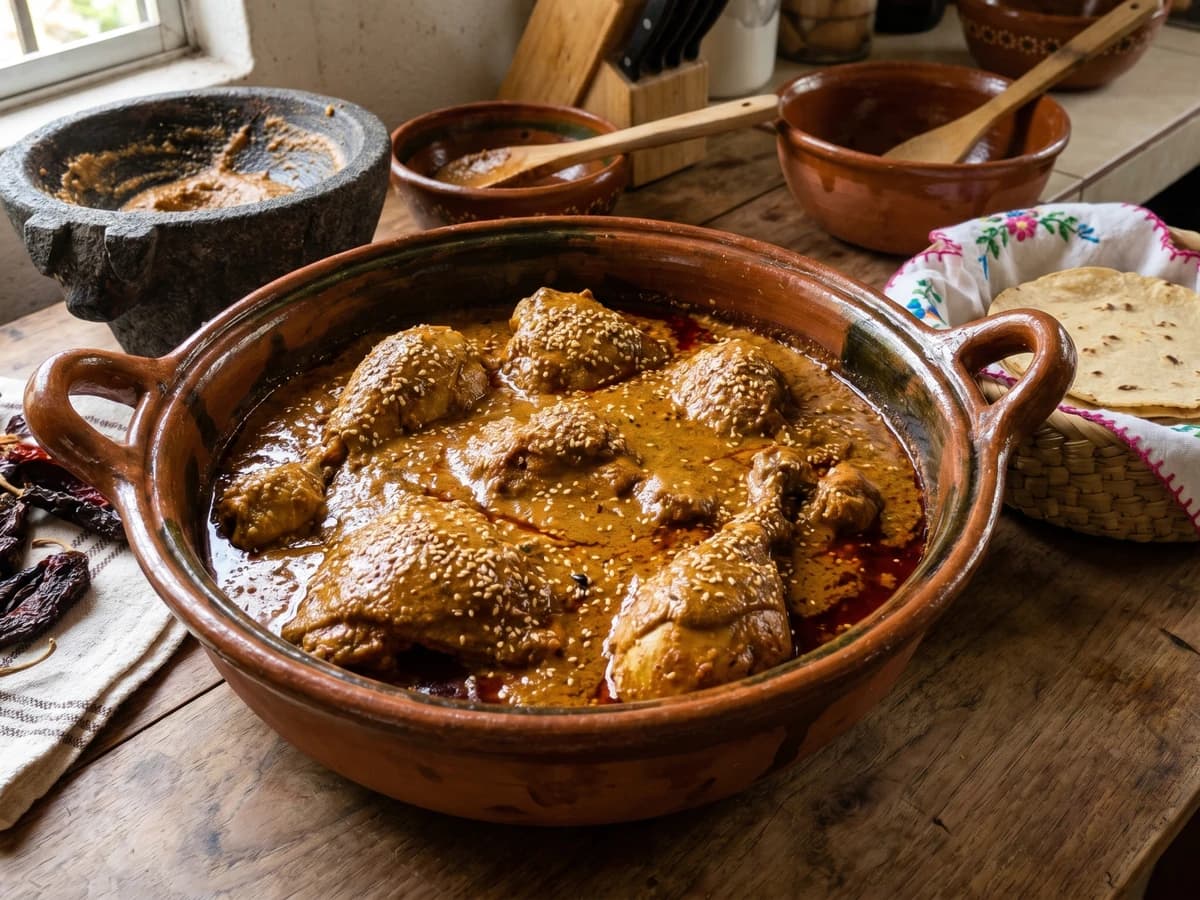
Veracruz Huasteca's holiday seed sauce, toasted ajonjoli and pepita ground thick with chile ancho, chipotle seco, epazote, and lard, then spooned over chicken or turkey for the table.

Chef Lupita
Veracruz's Huasteca salsa from Tihuatlan, tiny wild chiltepines fried in manteca de cerdo with ripe jitomate and garlic, then ground in the molcajete until the table pays attention.
Chef Lupita
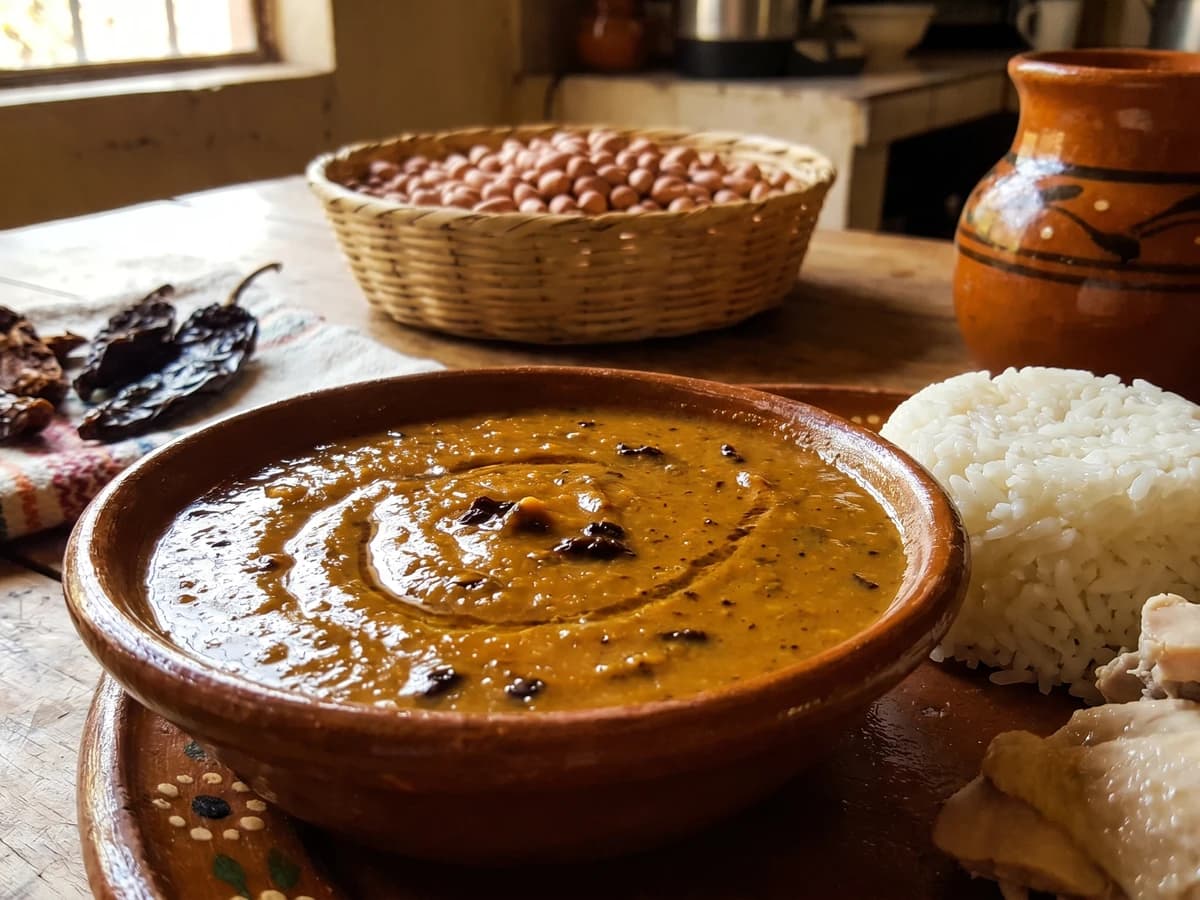
Veracruz's mountain-town mole paste from Xico, dark and glossy with chile ancho, mulato, plantain, chocolate, almonds, raisins, sesame, piloncillo, and the slow patience of festival kitchens.

Chef Lupita
Veracruz's Gulf coast ajillo, built with olive oil, slow-gold garlic, chile guajillo strips, vinegar, and fish fumet, made to wake up huachinango without burying it.

Chef Lupita
Veracruz's pantry chipotles, smoked jalapenos simmered whole in vinegar, piloncillo, garlic, chile ancho, and herbs until the adobo turns dark, glossy, sweet, sharp, and useful.

Chef Lupita
From the Huasteca Veracruzana, a chile ancho and chipotle seco paste fried in manteca, sharpened with vinegar, and built to stain the masa martajada and meat of zacahuil.

Chef Lupita
Veracruz's Gulf stock made from shrimp heads, garlic, chile guajillo, tomato, and epazote, the economical broth that gives seafood rice, fideo, and coastal moles their spine.

Chef Lupita
Veracruz's Sotavento fish escabeche, sierra fried until firm, then rested overnight in cane vinegar with jalapeño, onion, laurel, thyme, olives, and capers until the Gulf speaks clearly.
Culinary guides, cultural storytelling, and the editorial depth that makes cooking meaningful.
Discover Culinary Explorer