
Chef Joost
Uienjus (Dutch Onion Gravy)
The Dutch weekday table keeps its best secret in the pan: onions browned slowly until sweet, then loosened into the dark gravy that makes potatoes worth mashing.

Updated June 12, 2026
The inseparable companions of the Dutch plate: jus, sharp pale mosterd, piccalilly, Limburg's appelstroop, the VOC-spiced snack-bar sauces, and the tafelzuur of augurken and zilveruitjes that cuts the richness of the borrelplank.
A cooking platform built around craft, culture, and the stories behind what we eat.
Chef Joost
The Dutch weekday table keeps its best secret in the pan: onions browned slowly until sweet, then loosened into the dark gravy that makes potatoes worth mashing.
Chef Joost
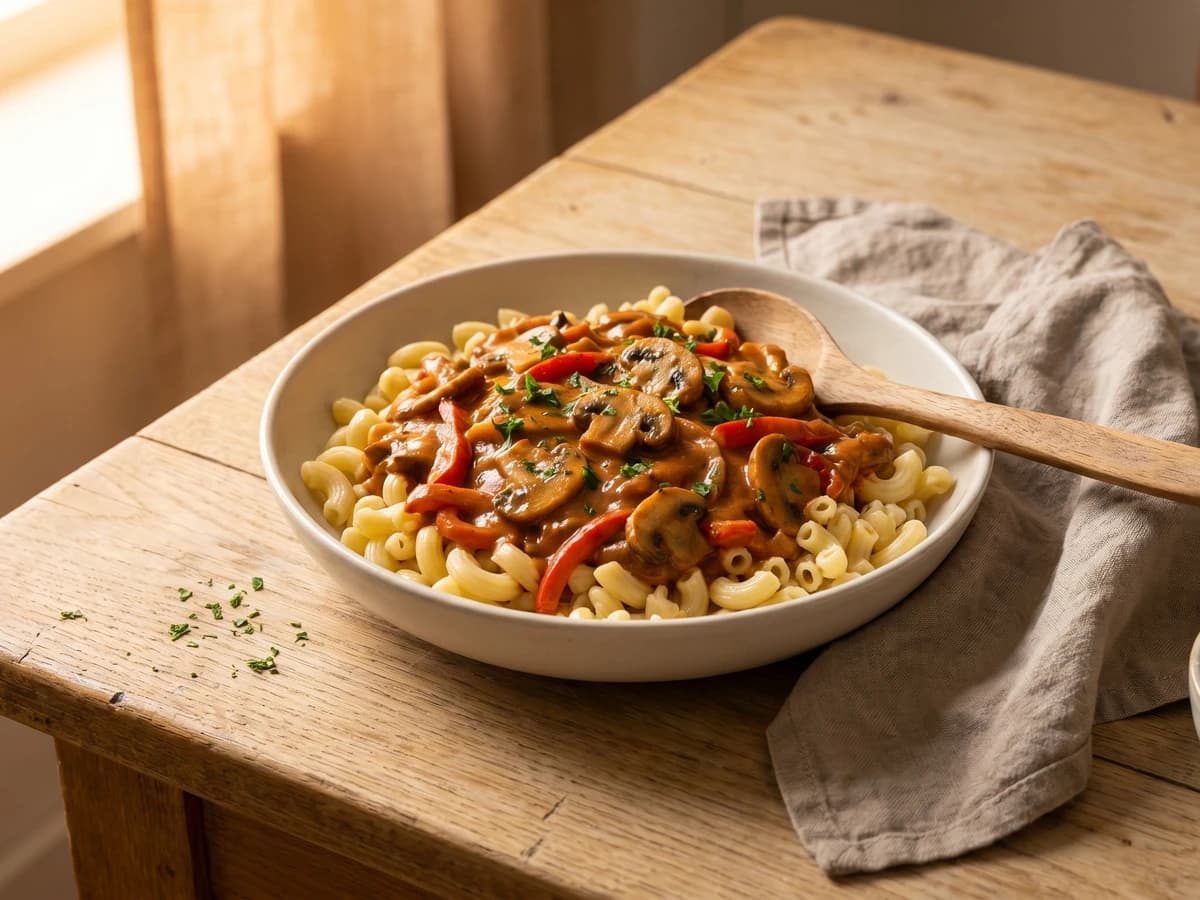
A Russian aristocratic name came down to the Dutch weeknight table and became something practical: mushrooms, paprika, tomato, and cream, ready for macaroni night.

Chef Joost
The little bowl beside the plate is never decoration: appelmoes is the Dutch treaty between sweet and savoury, spooned beside sausage, potatoes, pancakes, and childhood itself.

Chef Joost
Mayonnaise becomes properly Dutch at the fish stall: sharpened with mustard, brightened by augurk and caper, then handed across the counter to make fried fish taste of the quay.

Chef Joost
Small cucumbers, salt, vinegar, sugar, and patience: zoetzure augurken are the Dutch larder at its sharpest, a jar of summer kept for the bread-and-cheese table.

Chef Joost
The Dutch plate waits for jus: a thin, intense pan gravy, more meat memory than sauce, poured into the kuiltje, the little well, of stamppot.

Chef Joost
Onions, sugar, vinegar, and the Dutch spice cupboard cooked down into a dark jam, the quiet condiment that makes a cheese board suddenly remember its manners.

Chef Joost
The pink party sauce beside every Dutch shrimp cocktail, where mayonnaise blushes with tomato and brandy, and the North Sea gets dressed for company.

Chef Joost
Zure bom is Dutch pickling with no manners and no apology: a fat cucumber kept whole, sharpened by vinegar and salt, and fished from the jar when the snackbar hunger arrives.

Chef Joost
The pale Dutch mustard that looks modest and bites like a harbour wind, ground from yellow and brown seed, vinegar, and patience, waiting beside bitterballen and old Gouda.

Chef Joost
The herb-flecked green spoonful beside kibbeling carries a French name, a Dutch fish-cart life, and enough vinegar to wake a fried cod bite properly.

Chef Joost
The sharp white sauce of the Dutch festive table, where a winter root wakes roast beef, smoked eel, and cold meats with one clean, nasal bite.

Chef Joost
A spoonful of Dutch mustard turns a plain roux into the pale, sharp sauce that knows exactly what to do with eggs, fish, ham, and boiled potatoes.

Chef Joost
Appelstroop is the orchard made patient: apples, pears, and beet syrup boiled down until morning bread, farmhouse cheese, and zuurvlees taste of Limburg in autumn.

Chef Joost
Old colonial spelling in a yellow jar: atjar tjampoer, mixed pickle, brings cabbage, carrot, and cucumber into sweet-sour turmeric brine beside nasi, bami, and the Indo-Dutch table.

Chef Joost
The Dutch cone of fries is not finished until the pale sauce slides into the paper: lighter than mayonnaise, sweeter by design, and honest enough to name itself after the job.

Chef Joost
The little word met, with, at a Dutch snack counter usually means one thing: fries under a thick spoonful of mayonaise, richer by law than many neighbors dare.

Chef Joost
The thick white spoonful beside kibbeling carries a French name, a fish-market soul, and the Dutch gift for making one cold sauce do honest work.

Chef Joost
A British colonial pickle wandered into the Dutch cupboard and became our yellow answer to leftover roast, old cheese, and every honest cold plate that needed a sharp tongue.

Chef Joost
A proper pepersaus is the small luxury beside a Dutch biefstuk: pepper cracked loud in the pan, cream pulled through the browned juices, and nothing made more complicated than dinner requires.

Chef Joost
The name sounds older than it is: Joppie was a nickname in a Twente snack bar, and the sauce became the yellow promise that fries, frikandel, and football nights understand perfectly.

Chef Joost
The small shining onion of the Dutch borrel table, sharp, sweet, and patient enough to prove that a pickle can carry a whole pantry's memory.
Chef Joost
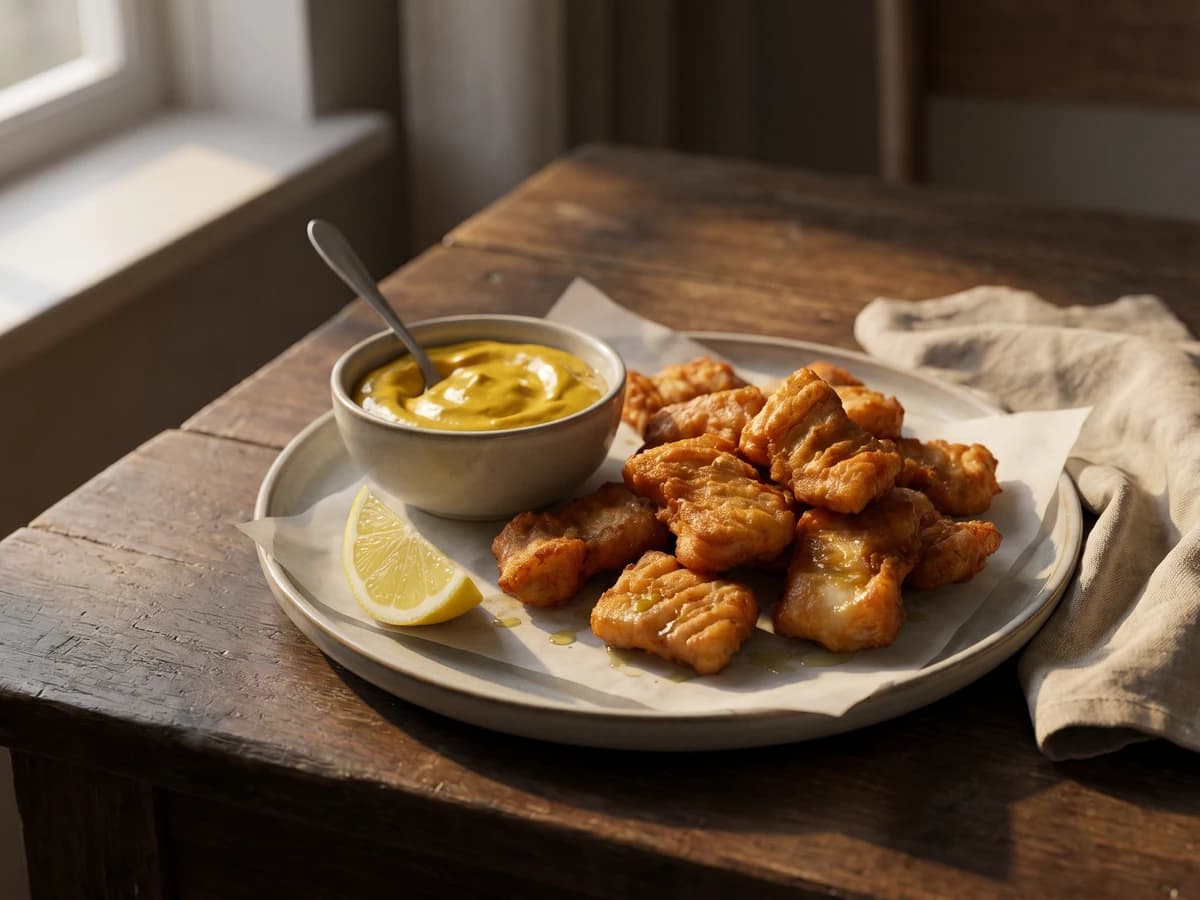
The golden snack-bar sauce where the VOC spice cupboard, the Indo-Dutch table, and a paper cone of fried fish meet in one mild spoonful.

Chef Joost
The everyday Dutch mushroom sauce with a French name and a Limburg story: browned champignons, butter, stock and cream, made plain enough to tell the truth.

Chef Joost
Spring on a Dutch plate: the gentle butter-and-egg sauce that catches the first white asparagus, carries a whisper of nutmeg, and makes dinner feel properly seasonal.

Chef Joost
Appelcompote is the apple left with its dignity: soft enough to spoon beside pork or potatoes, still chunky enough to remind you autumn did the real work.

Chef Joost
The garlic sauce of the Dutch snack counter, sharp enough for shoarma, friendly enough for fries, and honest enough to admit that raw garlic is doing all the talking.
Culinary guides, cultural storytelling, and the editorial depth that makes cooking meaningful.
Discover Culinary ExplorerChef Joost is a fictional culinary guide to Dutch Regional Cuisine, written with the assistance of AI.