
16 recipes
Broodjes & Tosti
The Dutch lunch counter made whole: the broodjeszaak classics from broodje haring to the "official" broodje kroket, the warm rolls, the pressed tosti, and the documented crossroads the counter actually holds.

Dutch Traditions
“A dish without its story is half a meal.”
Chef Joost
Chef Joost is The Culinary Philologist, a Dutch culinary historian from Yerseke, Zeeland, who grew up where the tide table by the door set the kitchen's menu. Trained in Greek, Latin, Arabic, Hebrew, and Aramaic at Leiden, he found the dead languages alive in cookery manuscripts no food writer could read, then spent a year in Fez reading medieval Arabic culinary texts by day and learning their living versions in home kitchens by night.
He excavates the story buried in every dish name, from the Sephardic bolus to the VOC spices in speculaas, writing a seasonal column on what is growing and landing at the quay, with his grandmother's flood-rebuilt second notebook on his shelf as the reason he writes everything down. His philosophy: "A dish without its story is half a meal."
A cooking platform built around craft, culture, and the stories behind what we eat.
16 recipes
The Dutch lunch counter made whole: the broodjeszaak classics from broodje haring to the "official" broodje kroket, the warm rolls, the pressed tosti, and the documented crossroads the counter actually holds.

23 recipes
The Dutch borrel in both registers: the deep-fried snackbar canon served as bittergarnituur with mustard, and the cold borrelplank of Dutch cheese, cured meats, spreads, and prikker classics that turns a drink into an evening.

19 recipes
The mains of the Indo-Dutch rice table: nasi and bami goreng as the base, saté in five proteins, the coconut-braised and ketjap-dark meat and chicken dishes (rendang, opor, roedjak, besengek, babi pangang) the Dutch carried home from Nederlands-Indië. Documented colonial history, never fusion.
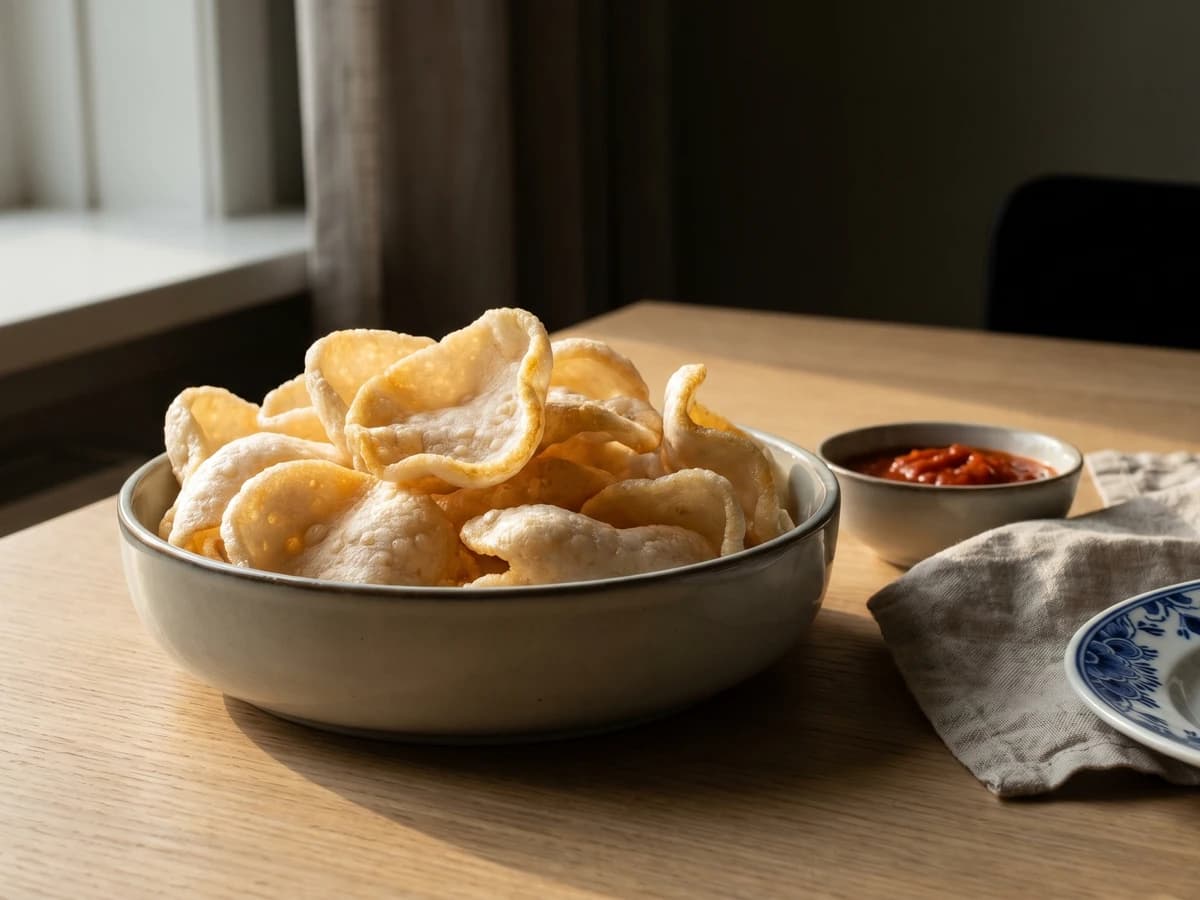
24 recipes
The many small dishes that make a rice table a rijsttafel: sambal goreng telor and boontjes, gado-gado, sajoer lodeh, seroendeng, kroepoek, pisang goreng, and the pindasaus that binds it. The bijgerechten are the point; the rice is only the table. Documented Indo-Dutch colonial history, never "fusion."

10 recipes
The slow braise of the Dutch table: hachee, draadjesvlees, the sweet-sour Limburgs zoervleisj, festive game and rabbit braises, blinde vinken, and the Indo-Dutch smoor whose name sailed home.

15 recipes
From the everyday white loaf to the dark slow rye and the enriched festive bread: tijgerbrood and casinobrood, roggebrood the snert partner, desembrood the country baked before yeast, the currant breads of births and holidays, Fries suikerbrood, spiced ontbijtkoek, and beschuit crowned with muisjes for a new baby. Province named, story told, with every loaf.

11 recipes
The warm end of the Dutch morning table: the bouncer that ends the night, the wide pannenkoeken of the pannenkoekenhuis, poffertjes, and lost bread.

25 recipes
The everyday Dutch koektrommel, the tin that proves a frugal country baked its fortune into cookies. The Gouda stroopwafel born of dough scraps and syrup, the almond koekjes (janhagel, kletskoppen, bokkenpoten), and the regional biscuits each town guards as its own: Arnhemse meisjes, Groninger koek, Deventer koek, Fryske dúmkes, Amsterdamse koggetjes. Not Sinterklaas baking, the coffee-and-thee tin a Dutch cook keeps full all year.

15 recipes
The spirit cabinet and the milk pan. Jenever and its kopstootje ritual, advocaat eaten with a spoon, the brandied borrel fruits and the regional herb bitters, beside the warm Dutch comfort drinks: anijsmelk, chocolademelk met slagroom, and the older festive caudles, bisschopswijn, kandeel, and the kraamvisite anise milk that welcomed a new baby.

16 recipes
The warm center of the Dutch plate beyond the braise: gehaktballen in jus, slavink, karbonade, beenham, roast chicken, kip ketjap, and the gratinated witlof and macaroni ovenschotels.

9 recipes
The Dutch banketbakkerij window: the deep, lattice-topped Hollandse appeltaart and its streusel sister, the laminated tompouce, roomhoorn, and appelpunt, and the choux family of roomsoes, eclair, moorkop, and the outsized Bossche bol of Den Bosch.

15 recipes
The Dutch koude schotel, the cold dish that anchors the buffet and the holiday table: the mayonnaise-bound feestsalade led by huzarensalade and rundvleessalade, the harbor's fish salads, the rauwkost slaws beside the warm meal, and the plain Hollandse sla every grandmother made.

27 recipes
The inseparable companions of the Dutch plate: jus, sharp pale mosterd, piccalilly, Limburg's appelstroop, the VOC-spiced snack-bar sauces, and the tafelzuur of augurken and zilveruitjes that cuts the richness of the borrelplank.

11 recipes
The thick maaltijdsoep against a North Sea winter: snert thick enough to stand a spoon in, bruine bonensoep, the roux-bound roomsoepen, and the province-accented soups of Groningen, Friesland, and the carnival south. Soup eaten as a meal, with roggebrood and katenspek alongside.

20 recipes
The groente of the AVG'tje (aardappelen, vlees, groente): the warm stovetop vegetables and potato sides that fill the third of a Dutch plate. Rodekool met appeltjes beside the winter roast, the everyday aardappelpuree with its well for the jus, the stewed greens, the bean sides, and the vergeten groenten oma never forgot.

15 recipes
The Dutch sweets that never meet an oven for their setting: the no-bake koude taarten built for every birthday, and the worked suikergoed of the snoepwinkel and the Sinterklaas evening, from Zeeland's babbelaars to the boiled sugar of borstplaat.

12 recipes
The open yeast-dough tart of the Catholic south, a UNESCO-recognised craft and the centrepiece of every Limburg birthday and funeral. The dough and the open round form are the constant; the filling is the variable. An inventory of the province's vlaaien, the clearest evidence that "Dutch baking" is not one thing.

14 recipes
Joost's home water: steamed Zeeland mussels, Oosterschelde lobster and oysters, fried North Sea plaice and sole, kibbeling and lekkerbekje, smoked eel and bokking, hand-peeled grey shrimp, and raw June herring.
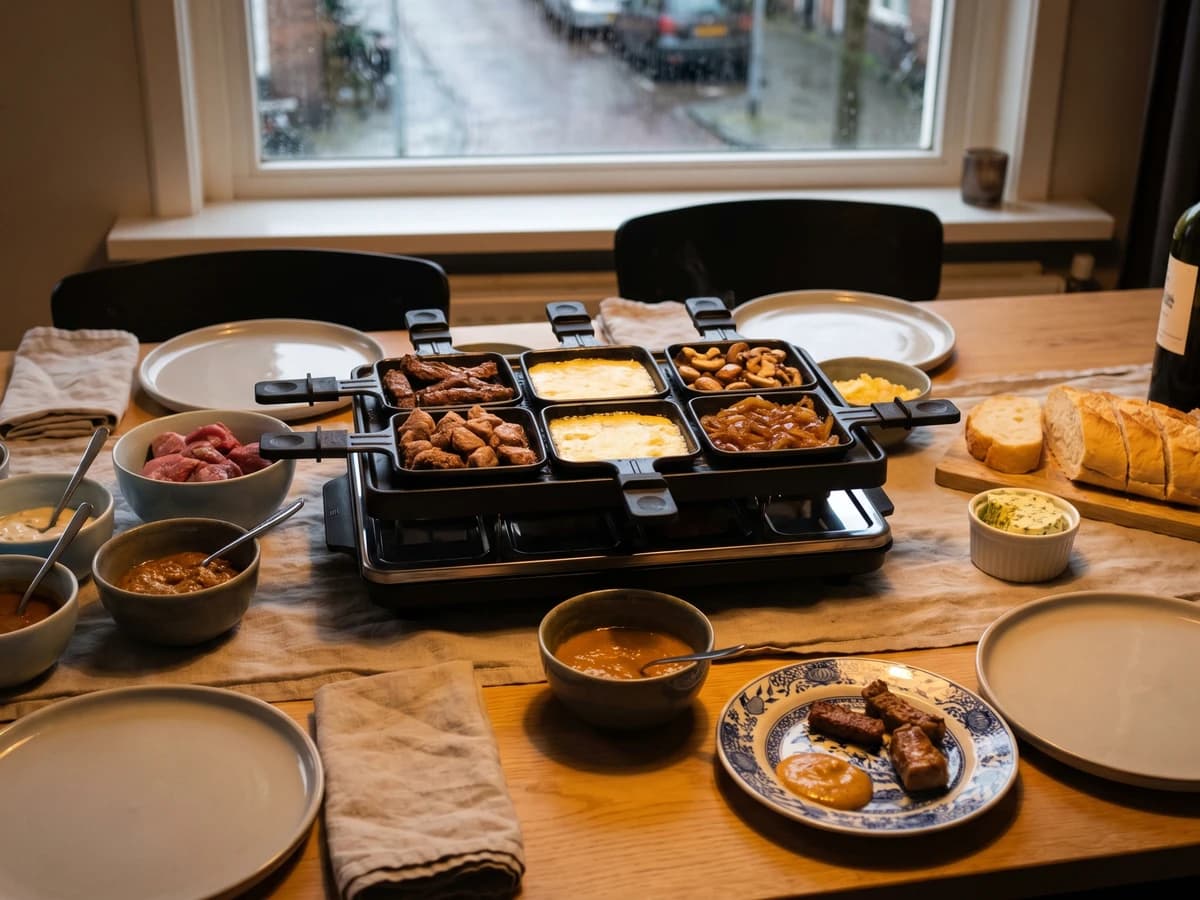
14 recipes
The rest of the Dutch calendar table, from the fried dough that sees out the year to the spring loaf of Easter. Oliebollen, appelflappen and appelbeignets for Oud & Nieuw, the eastern kniepertjes and rolletjes off the iron, the kerststol and paasbrood with their almond-paste cores, the kersttulband and kerstkrans of the Kerst koffietafel, stoofpeertjes and a festive hachee, the gourmet grill, and the hidden-bean king-cakes of Driekoningen. The canonical home of the non-Sinterklaas festive dishes.

10 recipes
The richest baking event of the Dutch year: speculaas stamped from carved planks, the strooigoed kruidnoten and pepernoten, taai-taai, the amandelspijs banket, and the chocoladeletter that crowns every shoe. The VOC spice cupboard made edible.
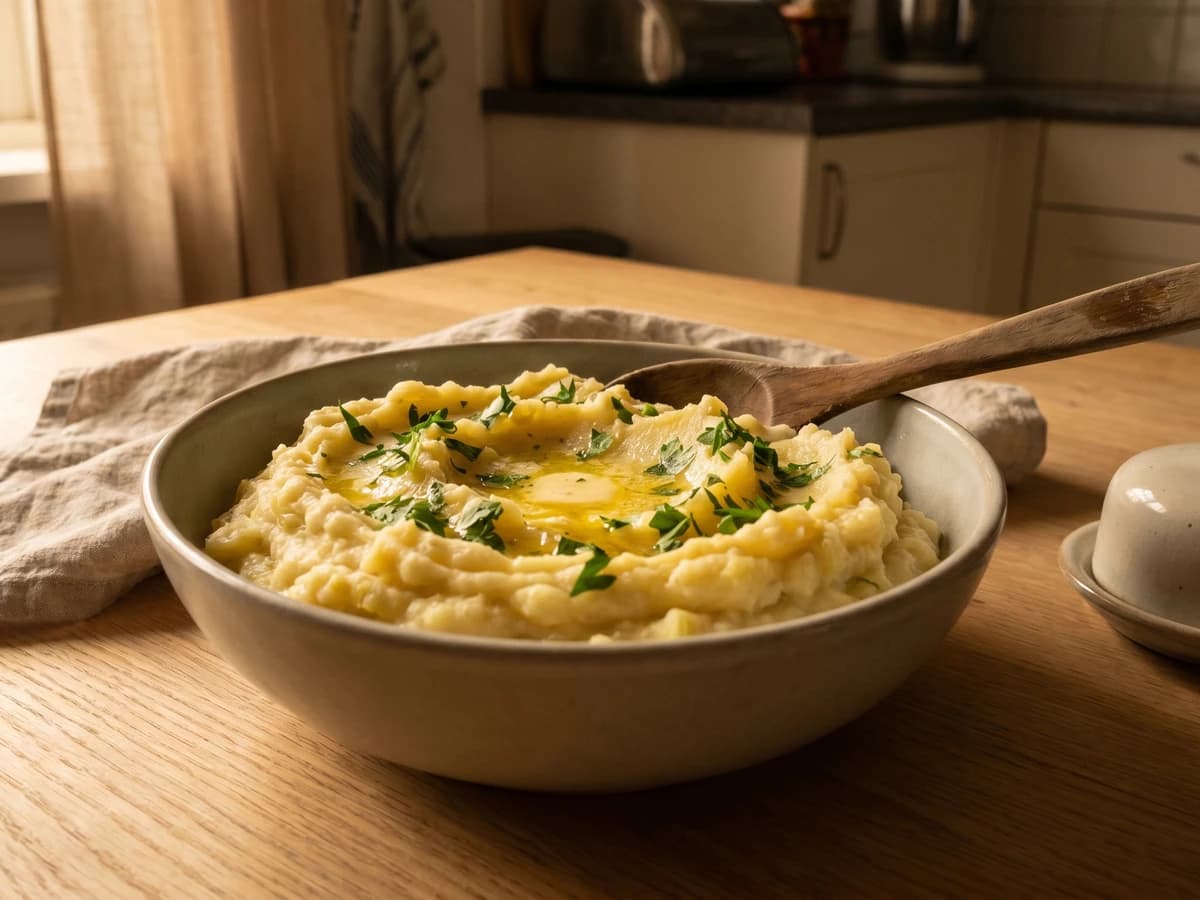
15 recipes
The country's defining winter main: potato mashed through a vegetable and crowned with rookworst or jus. Boerenkool, hutspot (tied to the 1574 Relief of Leiden), zuurkool, raw andijvie stirred through hot mash, and hete bliksem ("hot lightning") with apple. The name means "mashed pot," and every version is its own dish. Plus the oven-baked schotels and the forgotten provincial one-pots that warmed Dutch winters before central heating did.

17 recipes
The Dutch dessert is a dairy tradition: pourable vla in its flavors, the layered vlaflip, set griesmeelpudding with bessensap, strained hangop, the milk-and-grain pap and brij that fed a frugal country, and the airy bluf and moulded puddings of the feast table.
Culinary guides, cultural storytelling, and the editorial depth that makes cooking meaningful.
Discover Culinary ExplorerChef Joost is a fictional culinary guide to Dutch Regional Cuisine, written with the assistance of AI.