Chef Joost
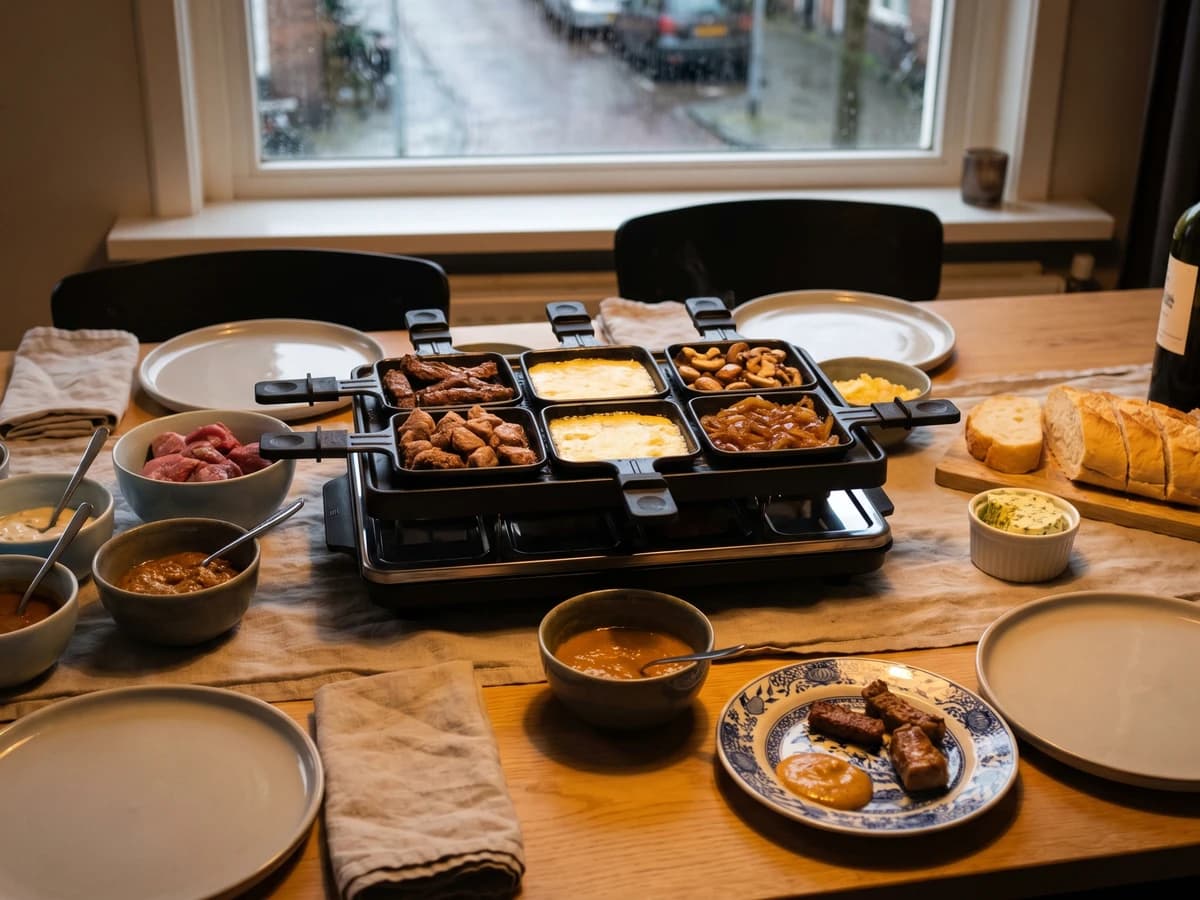
Gourmetten (Dutch Tabletop Christmas Grill)
Gourmetten is the Dutch feast where nobody leaves the table because everyone is cooking: small pans, small portions, long conversation, and December doing what December does best.

Updated June 12, 2026
The rest of the Dutch calendar table, from the fried dough that sees out the year to the spring loaf of Easter. Oliebollen, appelflappen and appelbeignets for Oud & Nieuw, the eastern kniepertjes and rolletjes off the iron, the kerststol and paasbrood with their almond-paste cores, the kersttulband and kerstkrans of the Kerst koffietafel, stoofpeertjes and a festive hachee, the gourmet grill, and the hidden-bean king-cakes of Driekoningen. The canonical home of the non-Sinterklaas festive dishes.
A cooking platform built around craft, culture, and the stories behind what we eat.
Chef Joost
Gourmetten is the Dutch feast where nobody leaves the table because everyone is cooking: small pans, small portions, long conversation, and December doing what December does best.

Chef Joost
The name means chopped, but the soul is patience: beef, a mountain of onions, vinegar, bay, clove, and spiced cake melting into the old Dutch Christmas stew.

Chef Joost
A flaky Epiphany tart with almond frangipane and one hidden bean, where the last candle of Christmas becomes a crown at the table.

Chef Joost
A fluted Christmas cake with a turban-shaped name, Central European cousins, and a very Dutch destiny: butter, fruit, and powdered sugar placed proudly at the centre of the koffietafel.
Chef Joost
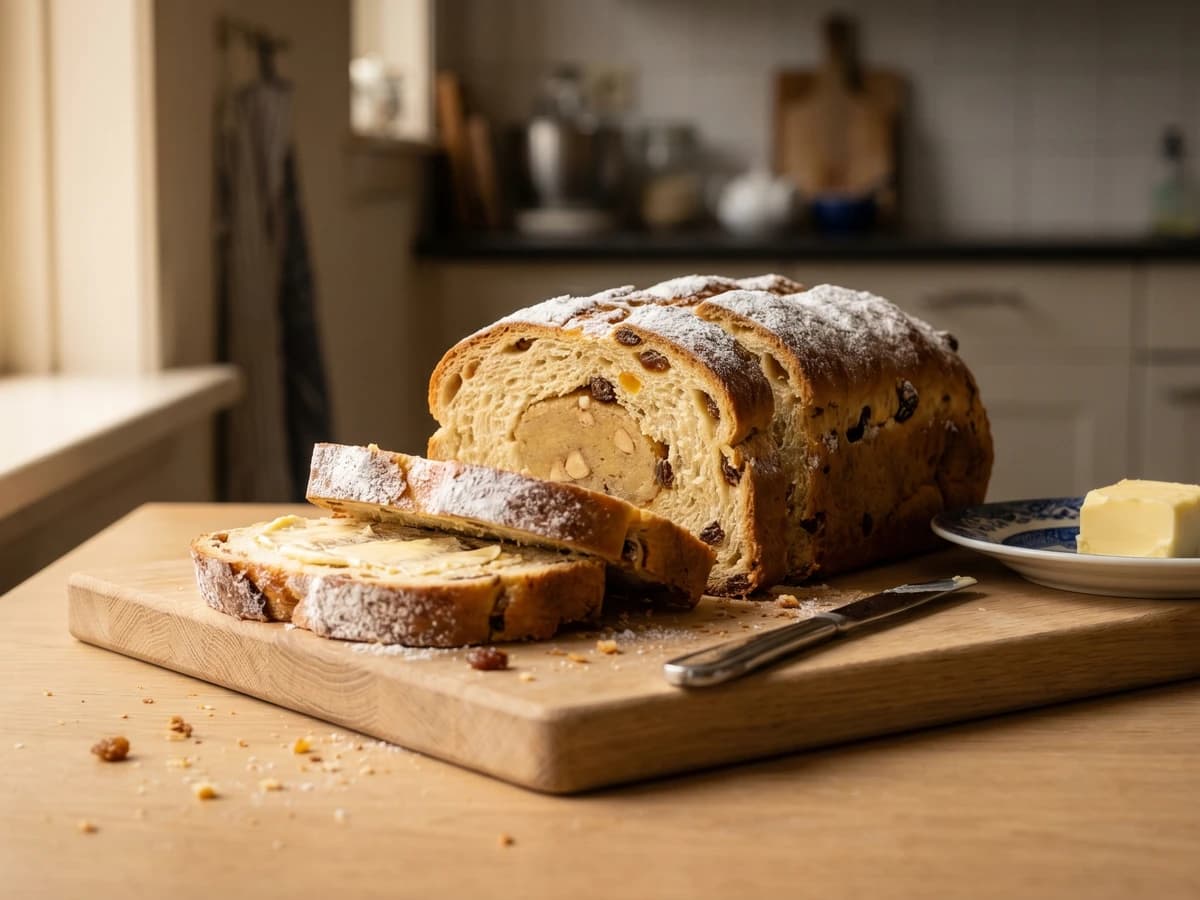
The Easter stol is the Christmas loaf's spring twin: butter-rich dough, raisins, citrus peel, almond spijs at the centre, and a dusting of sugar like the last snow leaving the fields.

Chef Joost
A winter apple ring in light batter, fried for oudejaarsavond, New Year's Eve, when the oliebol makes the noise and the quieter beignet keeps the cinnamon-sugared secret.

Chef Joost
Kerstkrans means Christmas wreath, but the secret is inside: a golden ring of puff pastry carrying almond paste, the banket centrepiece of a Dutch holiday table.

Chef Joost
The old year gets a flat wafer; the new year gets a roll, still closed around its sweetness, a small eastern Dutch prophecy you eat before it has unfolded.
Chef Joost
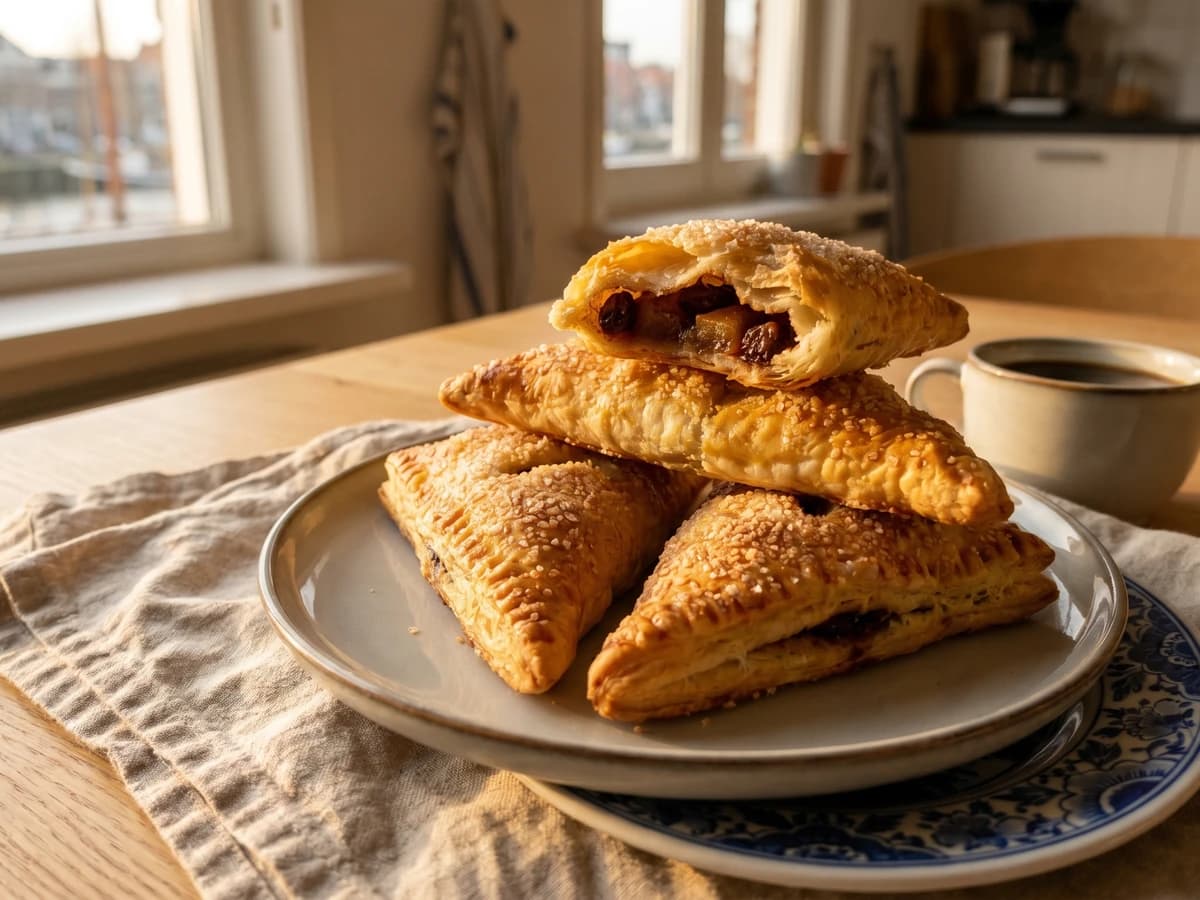
The New Year's apple pocket of the Dutch kitchen: crisp puff pastry, cinnamon, raisins, and sugar crystals, folded shut before midnight and eaten while the old year clears its throat.

Chef Joost
A German winter loaf became Dutch at Christmas when bakers tucked amandelspijs through its center, so every slice shows fruit, spice, butter, and a sweet almond seam.

Chef Joost
A round raisin bread for Driekoningen, Three Kings' Day, with a hidden bean, a star in the crust, and one ordinary eater crowned king for a day.

Chef Joost
The name means oil balls, plain as a village clerk, but oliebollen carry the whole Dutch New Year: yeast, raisins, hot fat, powdered sugar, and midnight at the family table.

Chef Joost
Kniepertjes are the flat New Year wafers of Drenthe, Groningen, and Overijssel: the old year pressed thin, its secrets already opened, crisp enough to snap under your teeth.

Chef Joost
Stoofpeertjes are the little winter pears that refuse to be eaten raw, then reward patience by turning wine-red, spiced, and tender beside the Dutch Christmas roast.
Culinary guides, cultural storytelling, and the editorial depth that makes cooking meaningful.
Discover Culinary ExplorerChef Joost is a fictional culinary guide to Dutch Regional Cuisine, written with the assistance of AI.