Chef Joost
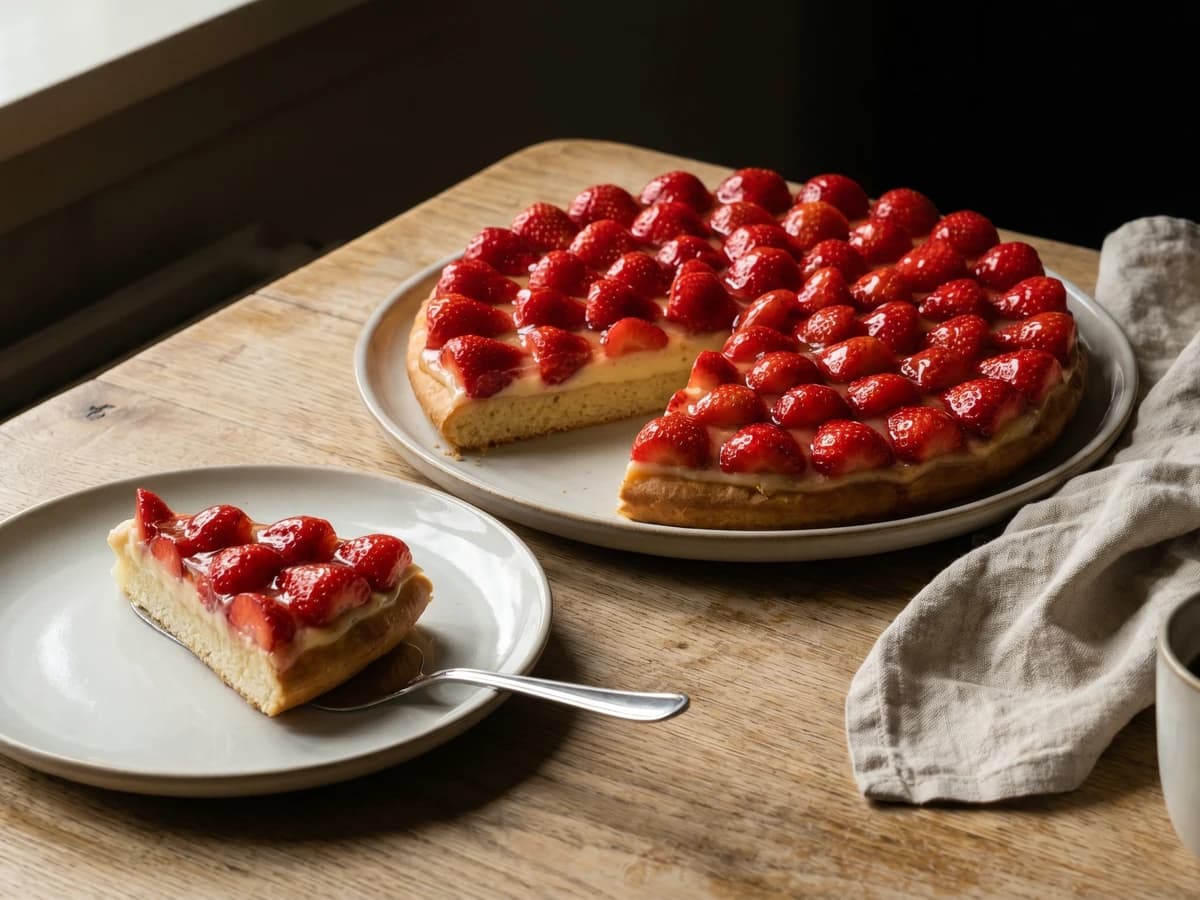
Aardbeienvlaai (Limburg Strawberry Vlaai)
The summer vlaai that politely breaks Limburg's baked-fruit rule: soft gistdeeg, cool pastry cream, and strawberries left fresh because June knows better than the oven.
A cooking platform built around craft, culture, and the stories behind what we eat.
Created by
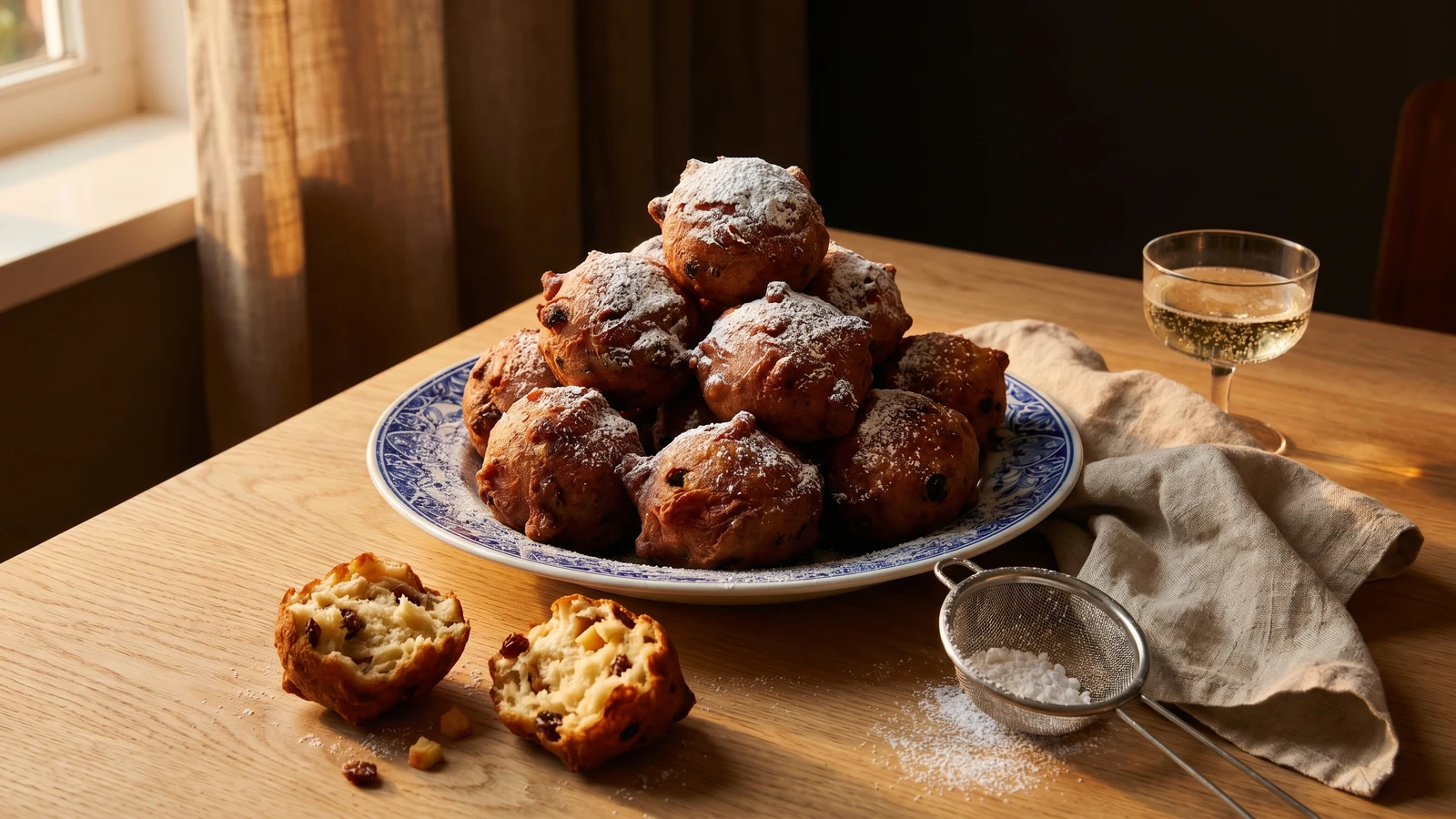
The name means oil balls, plain as a village clerk, but oliebollen carry the whole Dutch New Year: yeast, raisins, hot fat, powdered sugar, and midnight at the family table.
At midnight in the Netherlands, the year does not turn with champagne first. It turns with powdered sugar on your sleeve. In my grandmother's second notebook, between a page for apple beignets and a stern little note about not crowding the pan, there is the recipe that made the kitchen smell like every New Year's Eve I have ever known: oliebollen, oil balls, a name so blunt it almost becomes poetry.
The name already tells you what matters. Not elegance. Not pastry-shop nerves. A bol of dough dropped into oil, puffing into a golden, uneven globe, heavy with raisins and currants because a feast in a frugal country must still announce itself. But let me tell you a secret: the oliebollen sold from winter stalls are only half the story. The real ceremony is at home, where someone stands watch over the pan while everyone else pretends not to steal the first batch.
The method is simple, but it asks for respect. Yeast batter must rise until it looks alive, loose and bubbly, not stiff like bread dough. The fruit must be soaked and dried, or it steals water from the batter and spits angrily in the oil. The oil must be steady, 180C, hot enough to set the outside before the inside grows greasy, gentle enough to cook the centre through. Hou het altijd simpel, always keep it simple: a bowl, a spoon, a pan of oil, and patience enough to let the batter tell you when it is ready.
Serve them warm or at room temperature, under a snowfall of poedersuiker, powdered sugar. Eat one before midnight and one after. History and cookery, they cannot be separated, but here they are also sticky, round, and slightly dangerous to eat over a dark sweater.
Oliebollen descend from the older Dutch oliekoeken, oil cakes, with recipes appearing in seventeenth-century cookbooks such as De verstandige kock, first published in 1667. The shift from koek, cake, to bol, ball, reflects the rounder fritters made possible as deeper, steadier frying became common in domestic kitchens and market stalls. By the nineteenth century they were firmly tied to New Year's Eve in the Netherlands, a seasonal winter food sold from kraam, street stalls, and made at home in batches large enough for callers, neighbours, and the first hungry hours of January.
Quantity
500g
Quantity
7g
Quantity
40g
Quantity
8g
Quantity
1 teaspoon
Quantity
350ml
lukewarm
Quantity
2 large
Quantity
40g
melted and cooled
Quantity
150g
soaked and drained
Quantity
100g
soaked and drained
Quantity
1 small
peeled, cored, and finely diced
Quantity
1 tablespoon
Quantity
1.5 to 2 liters
for frying
Quantity
generous amount
for serving
| Ingredient | Quantity |
|---|---|
| plain flour | 500g |
| instant yeast | 7g |
| caster sugar | 40g |
| fine salt | 8g |
| ground cinnamon | 1 teaspoon |
| whole milklukewarm | 350ml |
| eggs | 2 large |
| unsalted buttermelted and cooled | 40g |
| raisinssoaked and drained | 150g |
| currantssoaked and drained | 100g |
| tart applepeeled, cored, and finely diced | 1 small |
| dark rum or orange juice (optional) | 1 tablespoon |
| neutral oilfor frying | 1.5 to 2 liters |
| powdered sugarfor serving | generous amount |
Put the raisins and currants in a bowl and cover them with warm water for fifteen minutes, adding the rum or orange juice if you like. Drain them very well, then spread them on a clean towel and pat them dry. Wet fruit makes the oil complain; dry fruit disappears into the batter like it belongs there.
In a large bowl, stir together the flour, yeast, sugar, salt, and cinnamon. Whisk the lukewarm milk with the eggs and melted butter, then beat this into the flour until you have a thick, elastic batter. It should be looser than bread dough and heavier than pancake batter, able to drop from a spoon in a slow ribbon.
Fold in the dried raisins, currants, and diced apple. Cover the bowl and let the batter rise in a warm place for about one hour, until swollen, bubbly, and almost doubled. Do not rush this. The yeast is doing the lifting, and an impatient oliebol lands in the oil as a lump.
Pour the oil into a heavy pot so it comes no more than halfway up the sides, and heat it to 180C. Set a rack or paper-lined tray nearby. If you do not have a thermometer, drop in a small spoonful of batter: it should rise steadily and turn golden in about three minutes, not brown at once and not sink sadly to the bottom.
Dip two spoons or an ice cream scoop in the hot oil, then drop rounded portions of batter into the pot, five or six at a time. Fry for six to seven minutes, turning once if they do not roll over by themselves, until deep golden brown and cooked through. Keep the oil near 180C; crowded oil cools, and cool oil makes heavy oliebollen.
Lift the oliebollen out with a slotted spoon and drain them well. Let them stand for a few minutes, then cover them generously with powdered sugar. Serve warm if the house is gathered, or at room temperature if people are coming and going, which is the proper New Year's condition.
1 serving (about 80g)
Culinary guides, cultural storytelling, and the editorial depth that makes cooking meaningful.
Discover Culinary ExplorerChef Joost
The summer vlaai that politely breaks Limburg's baked-fruit rule: soft gistdeeg, cool pastry cream, and strawberries left fresh because June knows better than the oven.

Chef Joost
A Limburg vlaai is not a pie trying to be grand. It is a thin yeast-dough round, fruit-bright and generous, made for birthdays, coffee, and second slices.

Chef Joost
The December bakery counter made small: cold leafed pastry wrapped around lemon-scented amandelspijs, brushed gold, and scattered with almonds so one person gets the whole holiday in both hands.
Chef Joost
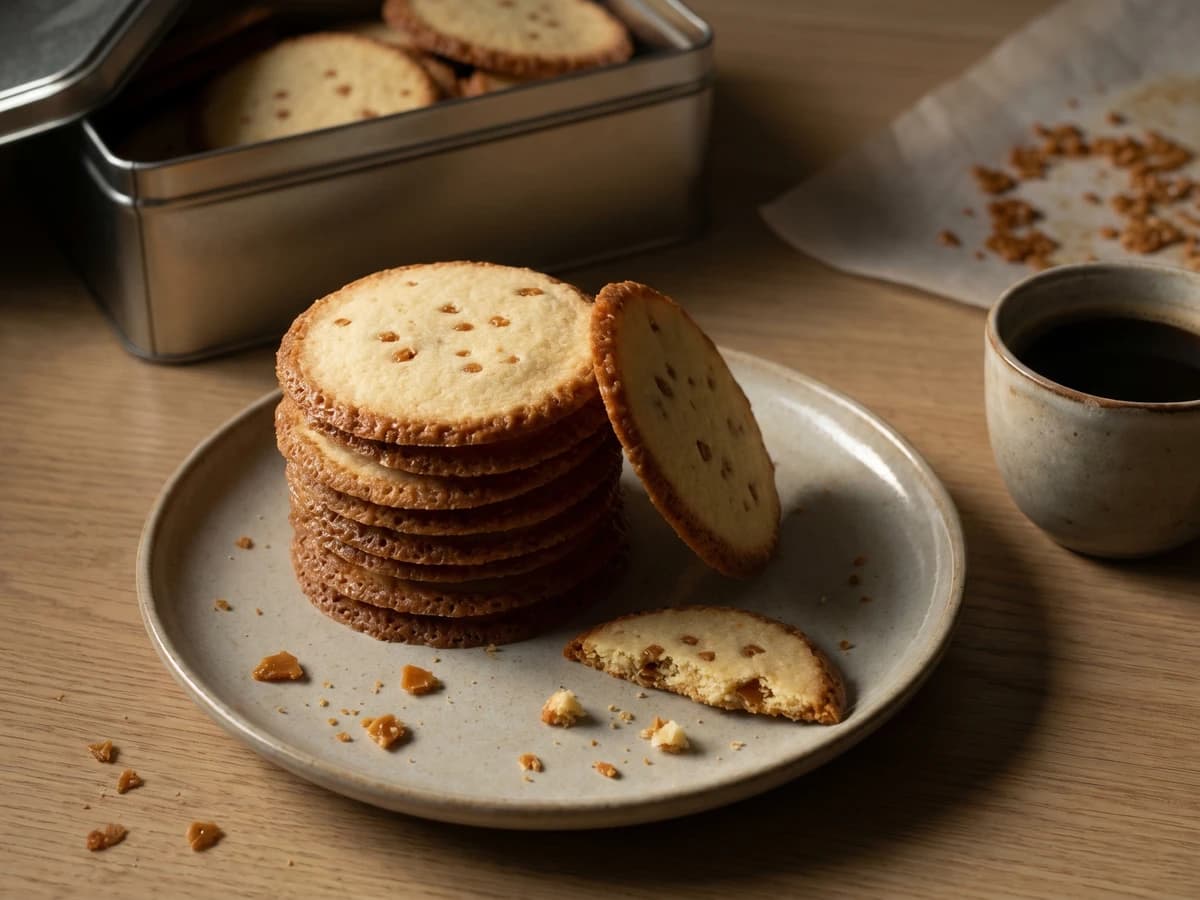
A thin Amsterdam cookie carrying a cog ship in its name: caramelized butter dough, almond nougatine, and a 1934 contest that turned municipal pride into something for coffee.