Chef Juliette
Crayfish Butter
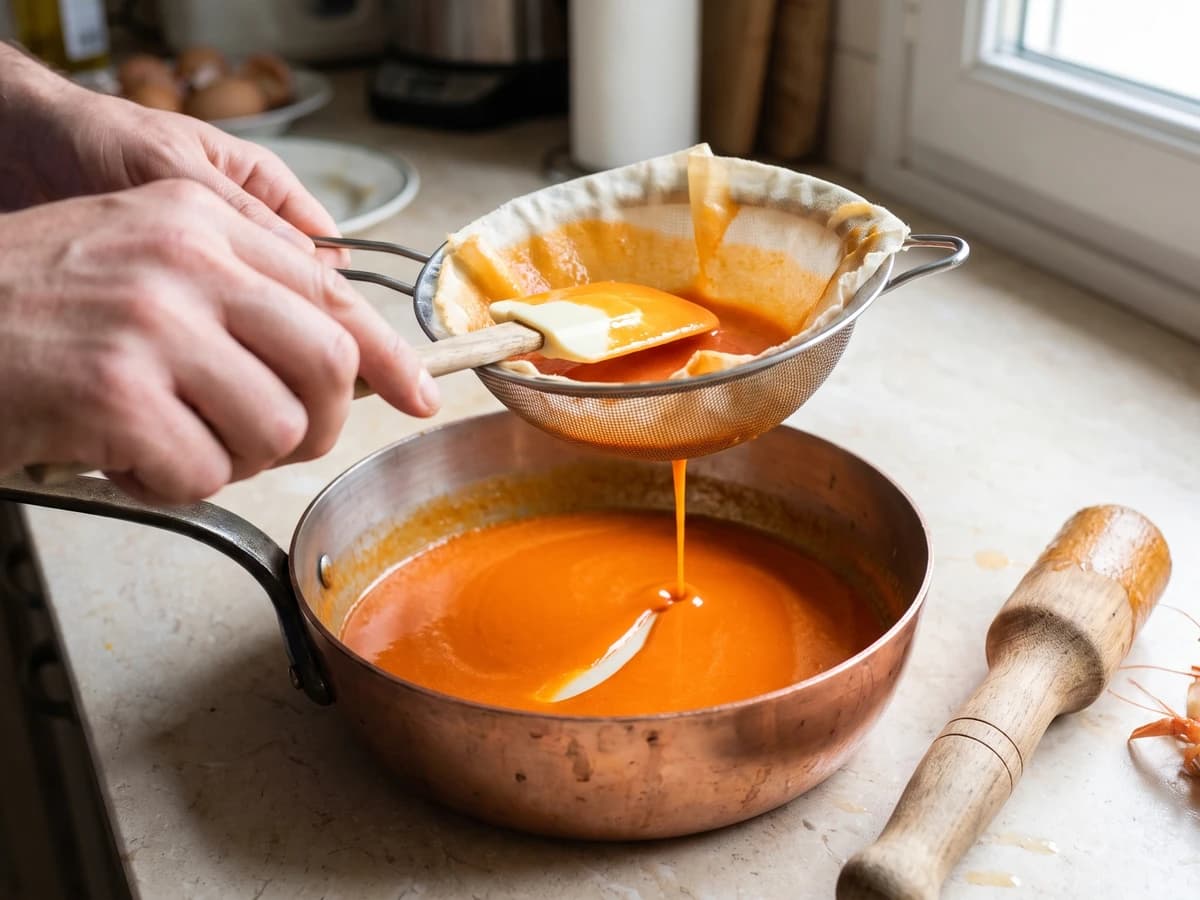
Beurre d’écrevisses turns the discarded shell into the deepest crayfish flavour: pound it with its own weight of butter, then strain twice until nothing remains but coral colour and sweetness.
Recipe Archive
Sauces and condiments carry a surprising amount of technique. Find dressings, marinades, stocks, gravies, relishes, and finishing sauces with clear purpose.
1005 recipes
A cooking platform built around craft, culture, and the stories behind what we eat.
Chef Juliette
Beurre d’écrevisses turns the discarded shell into the deepest crayfish flavour: pound it with its own weight of butter, then strain twice until nothing remains but coral colour and sweetness.
Chef Juliette
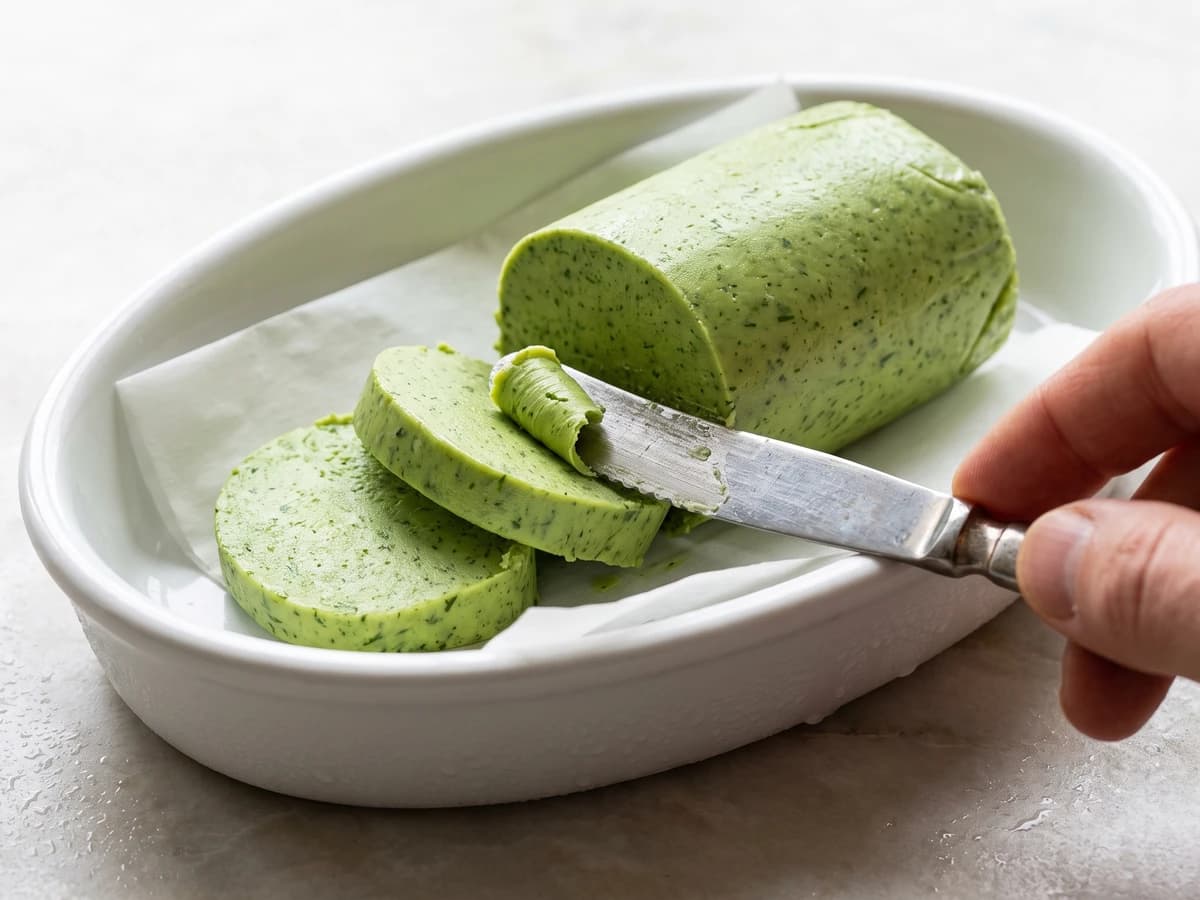
Beurre d'Estragon turns fresh tarragon into a vivid green finishing butter, preserving its anise perfume through a quick scald, an ice-cold shock, and patient sieving.
Chef Juliette
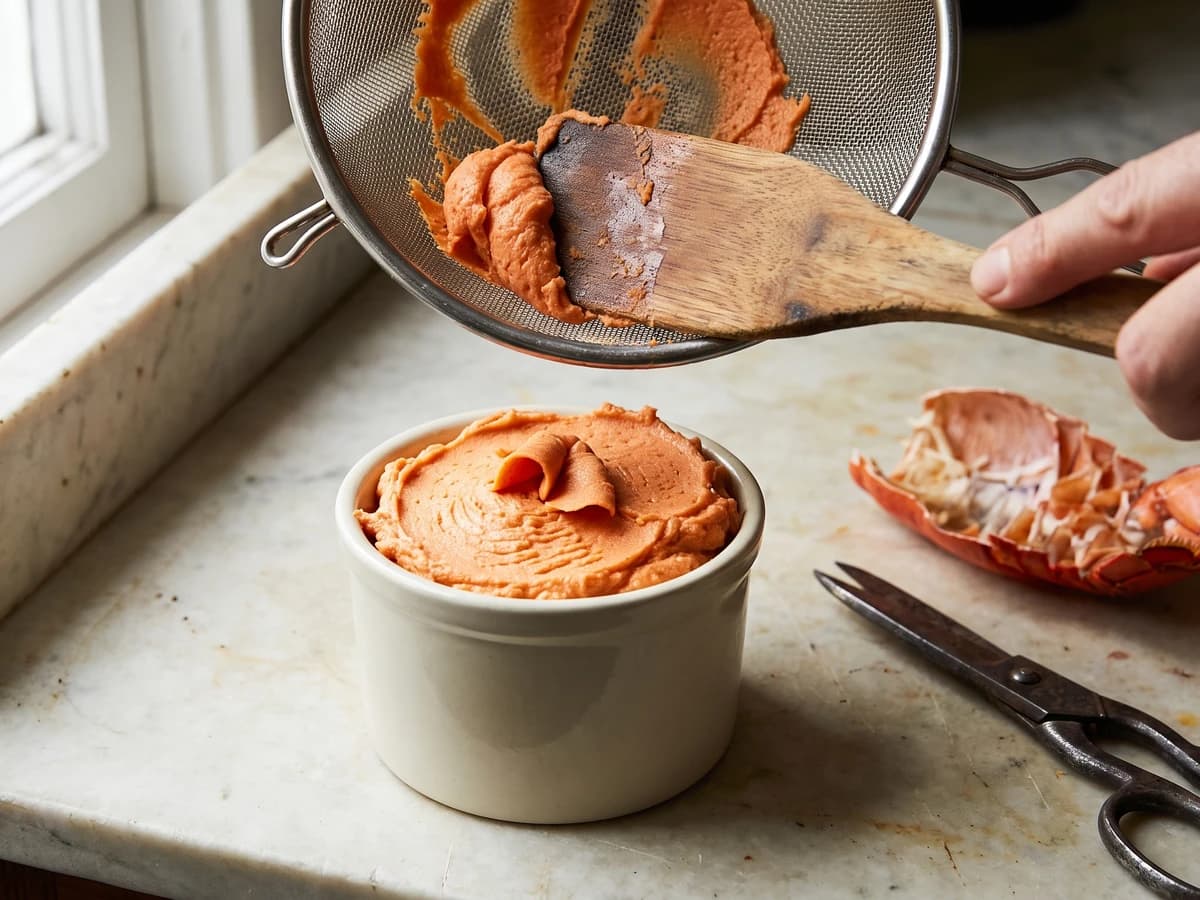
Beurre de homard carries coral colour and deep lobster savour into classical sauces, keeping the old equal-weight rule and trading the brigade’s tammy for a fine home-kitchen sieve.
Chef Juliette
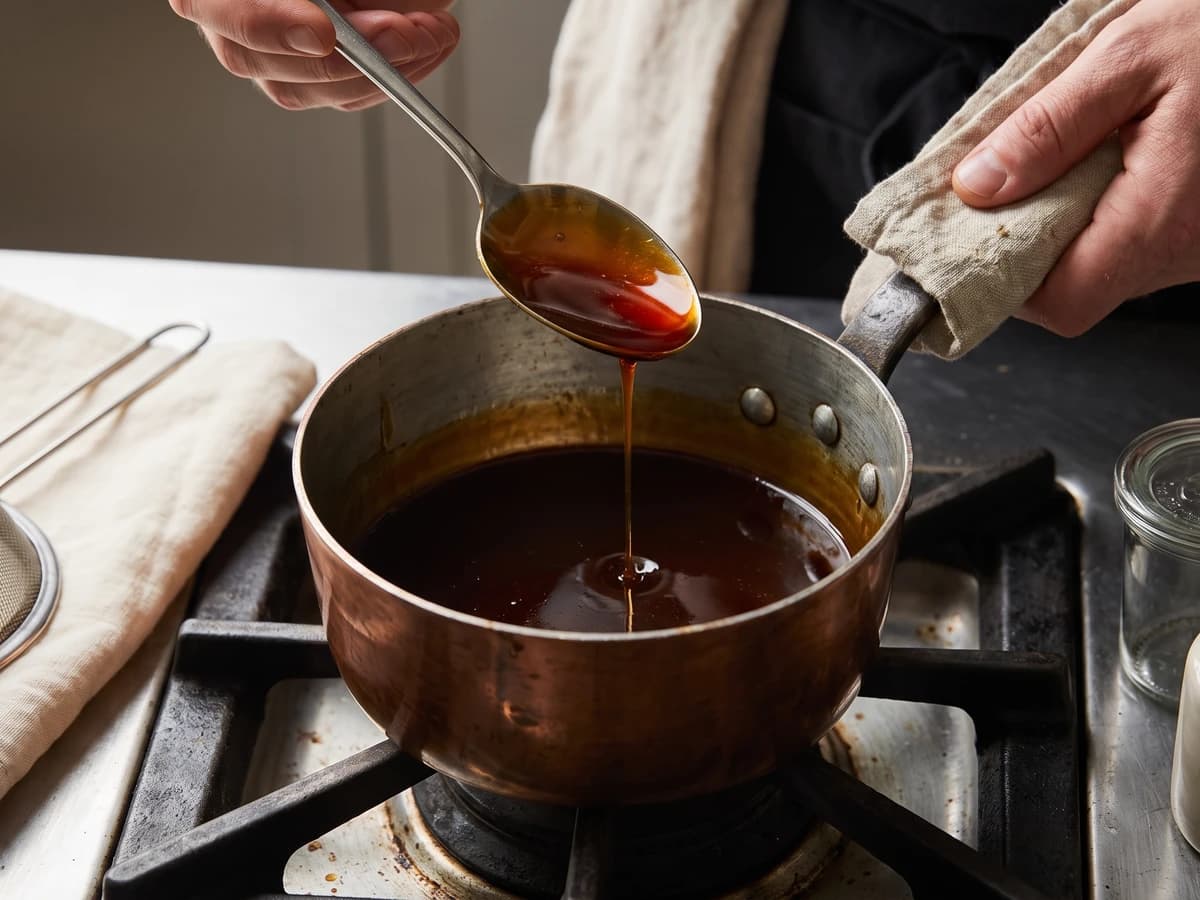
Glace de viande turns unsalted brown stock into a clear amber concentrate that veneers a spoon. The lesson is simple and absolute: as the volume falls, the heat must fall with it.
Chef Juliette
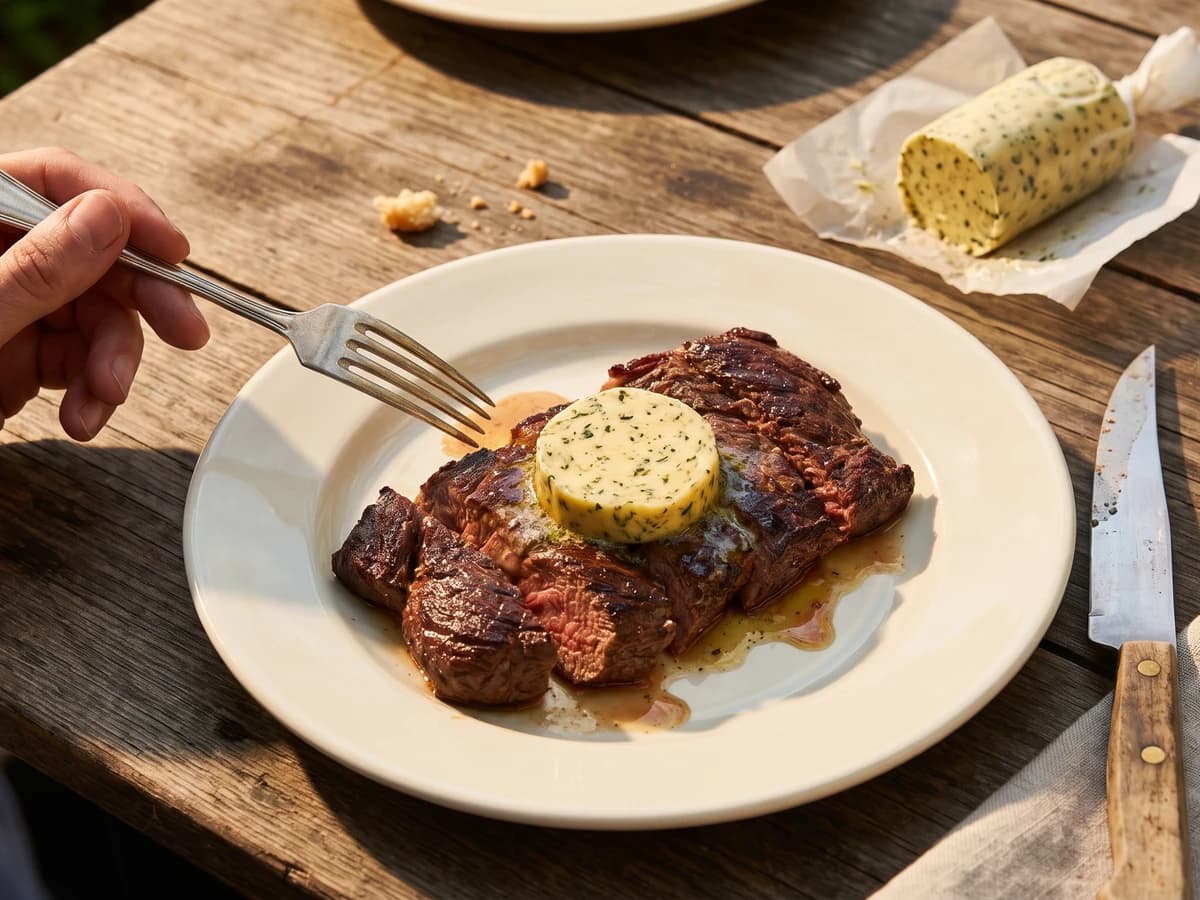
Beurre à la Maître d’Hôtel turns a cold coin of parsley-lemon butter into a glossy sauce on contact with a hot grill, teaching that timing and texture can replace an entire saucier’s station.
Chef Juliette
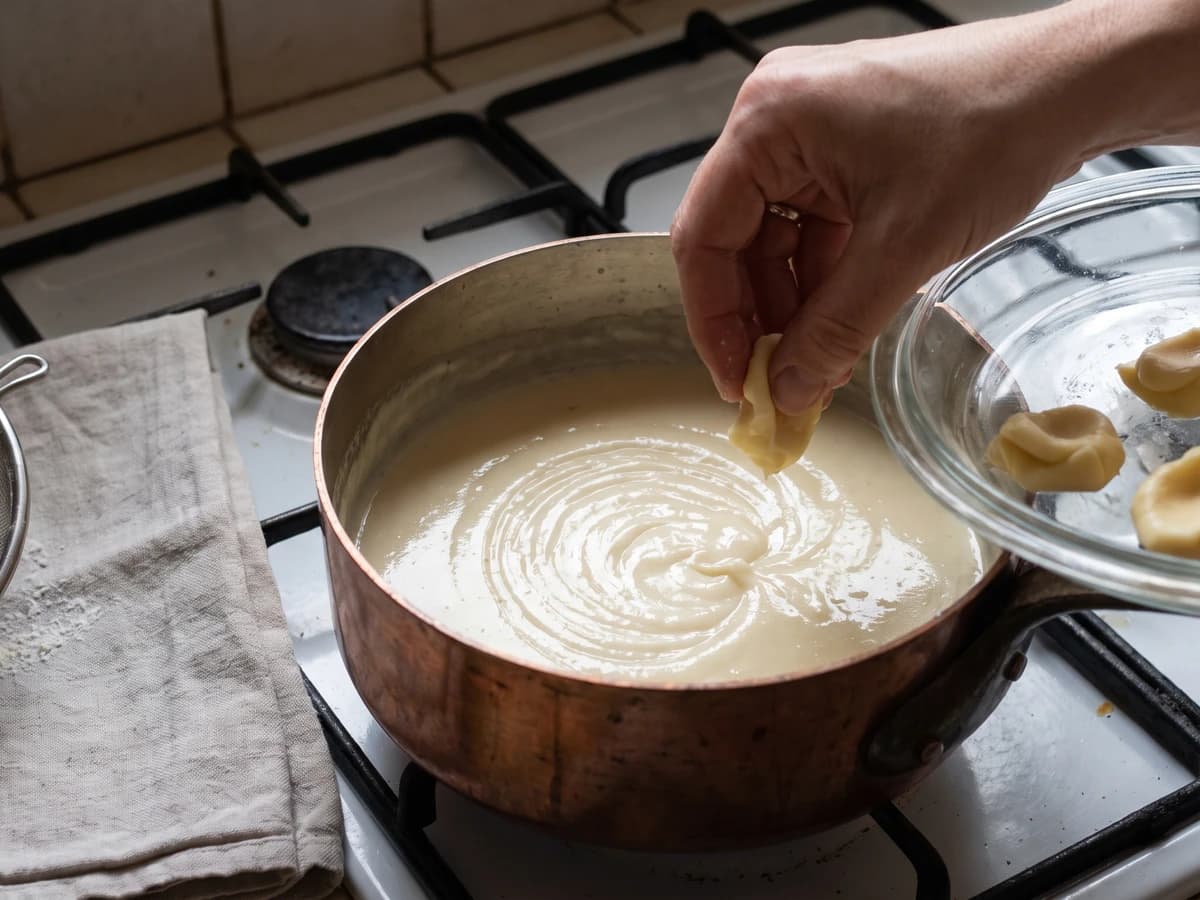
A last-minute liaison of real butter and sifted flour, kneaded smooth and whisked into hot sauce without boiling, ready to give a matelote or pan sauce its final, silken body.
Chef Juliette
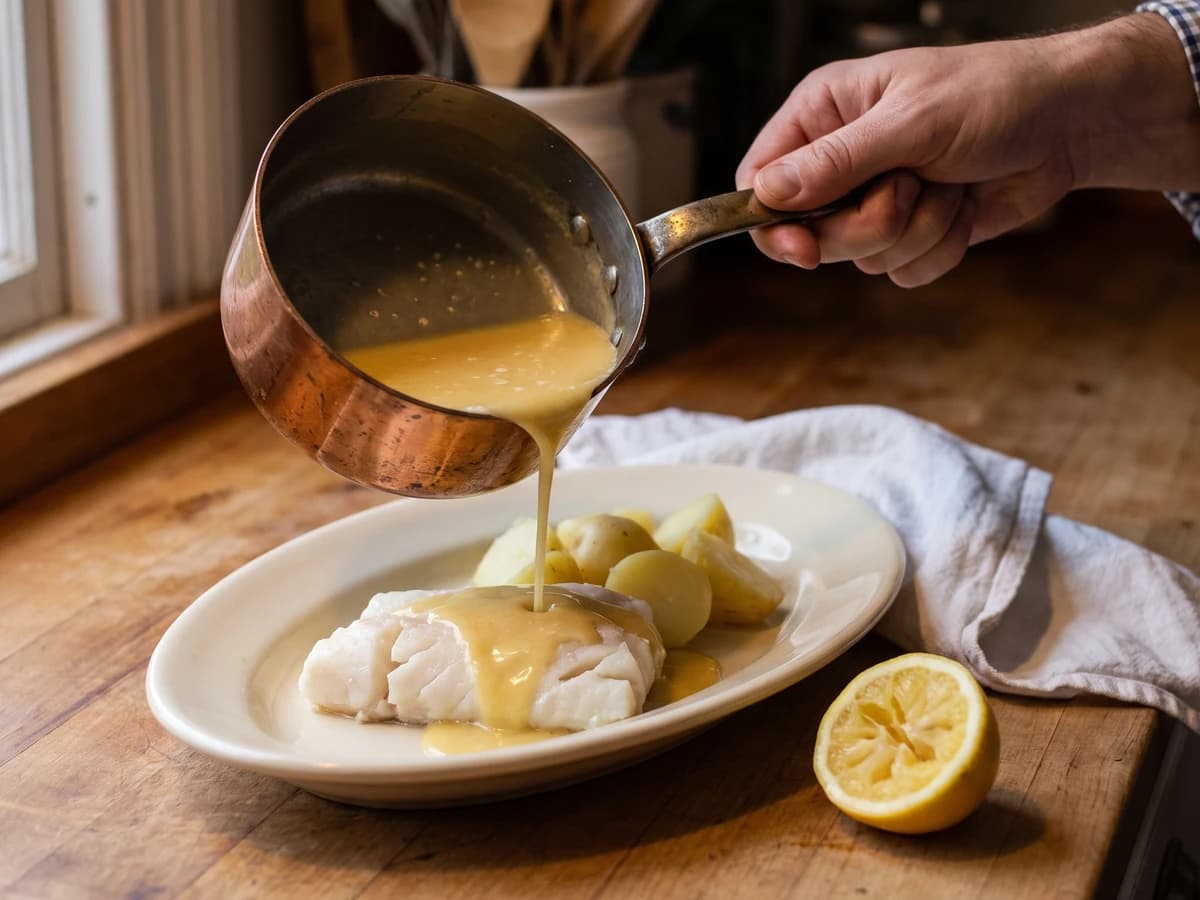
Beurre fondu asks for three minutes and complete attention: real butter, barely melted, sharpened with salt and lemon, then sent straight to boiled fish before its milky emulsion separates.
Chef Juliette
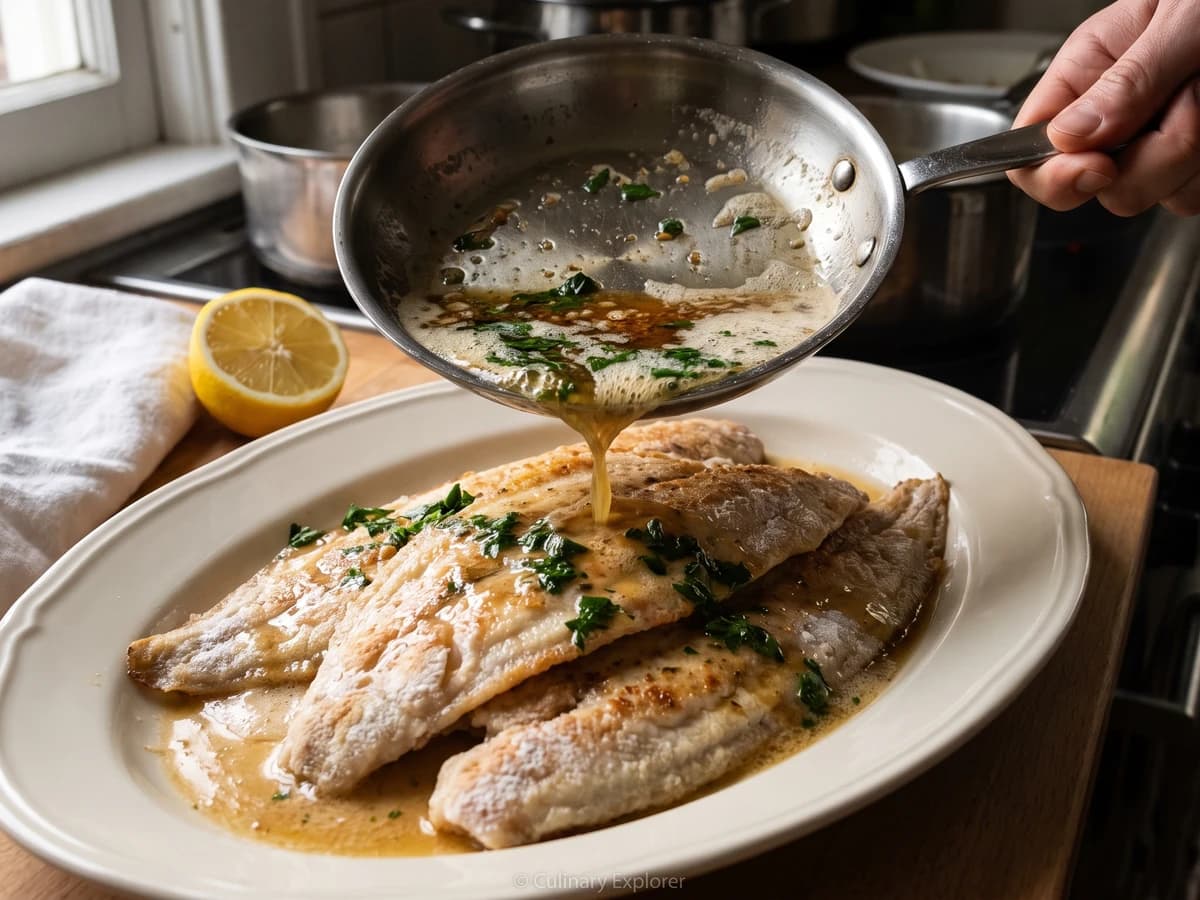
Beurre à la meunière asks for five attentive minutes: butter turned hazelnut-gold, lemon added at the fragrant instant, then the whole gleaming pan poured over parsley-strewn fish.
Chef Juliette
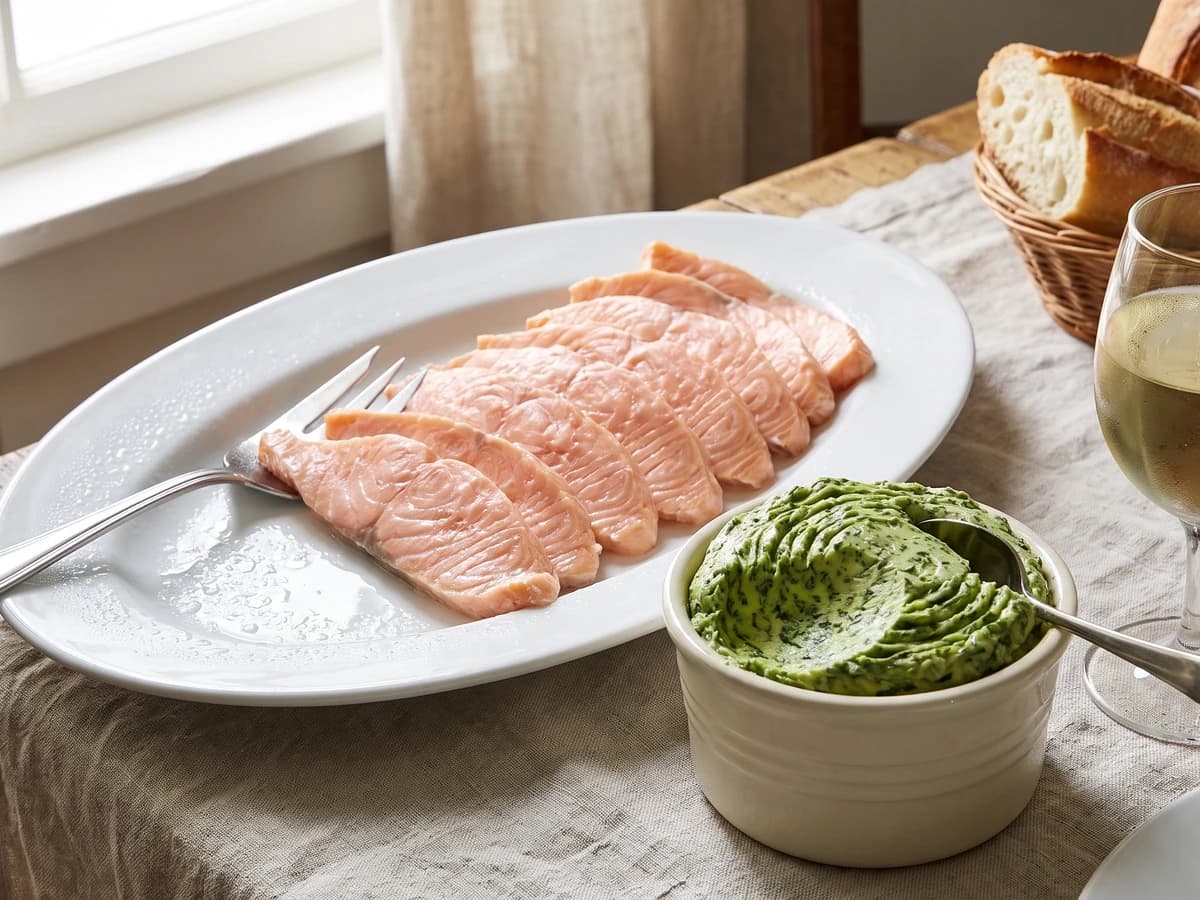
Beurre de Montpellier, bright with five herbs, capers, gherkins, anchovy, and garlic, teaches the cold emulsion: expel every drop of blanching water, then let butter, yolks, and oil become one.
Chef Juliette
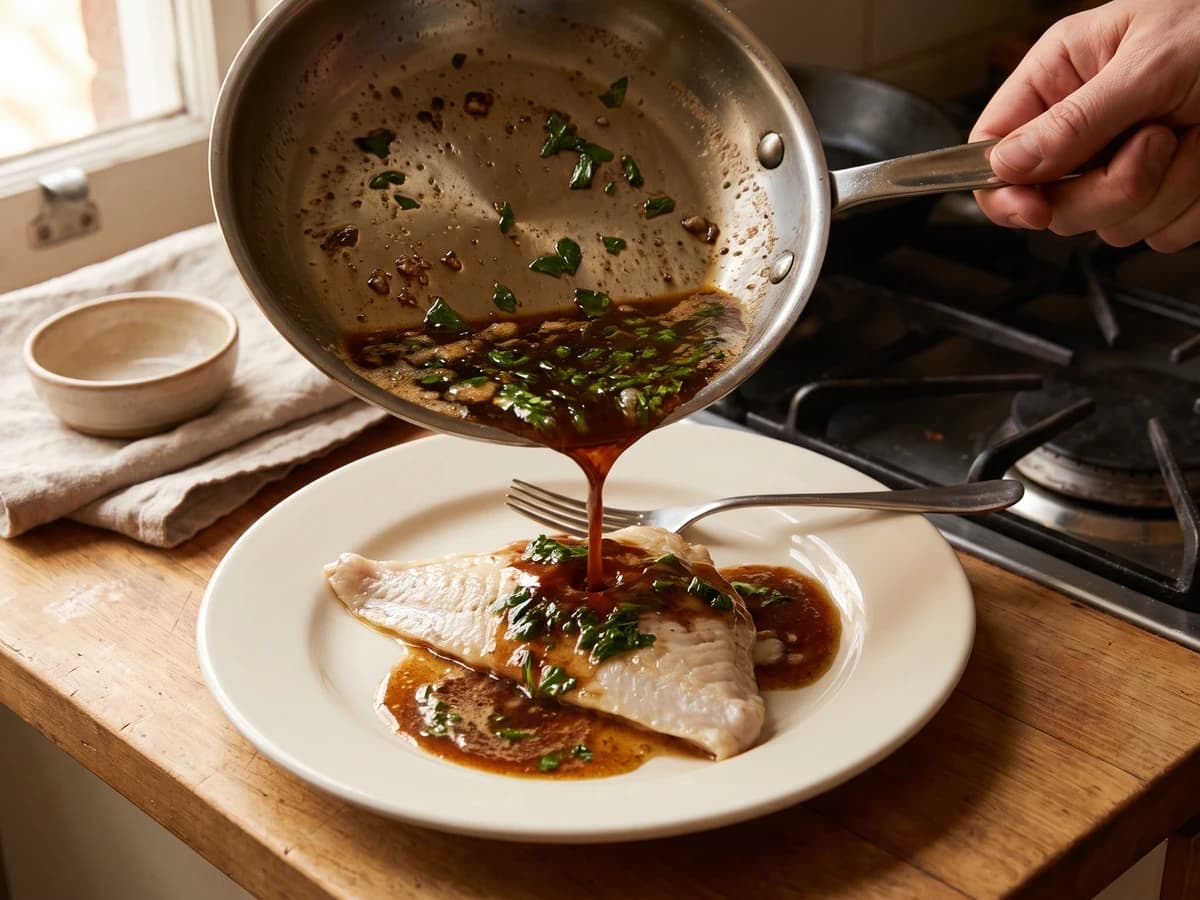
Beurre noir asks for five watchful minutes: butter carried beyond noisette to deep mahogany, caught at its first thread of smoke with concassed parsley, then poured at once while its toasted edge is still clean.
Chef Juliette
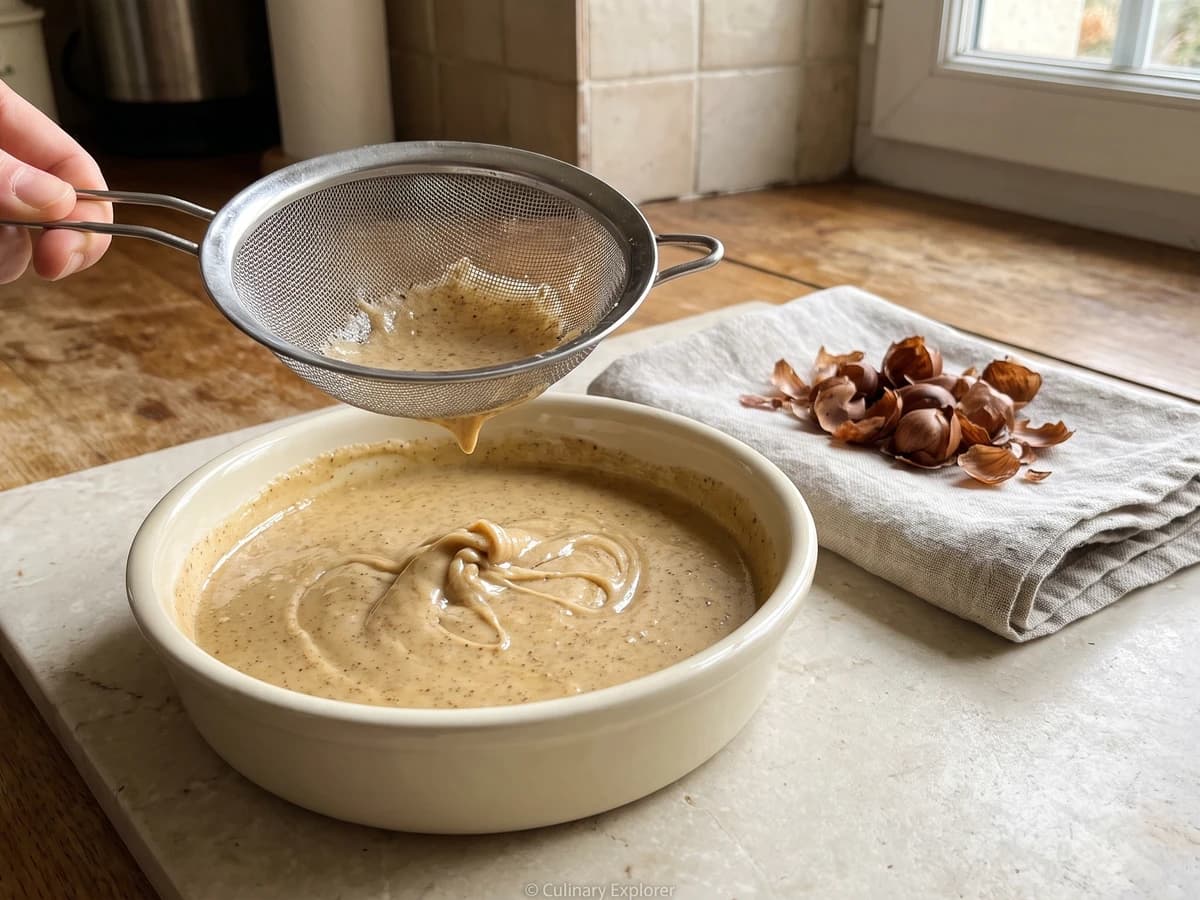
Beurre de noisettes teaches restraint: warm the nuts only enough to shed their skins, add water by drops as you pound, then marry the paste with its equal weight of butter.
Chef Juliette
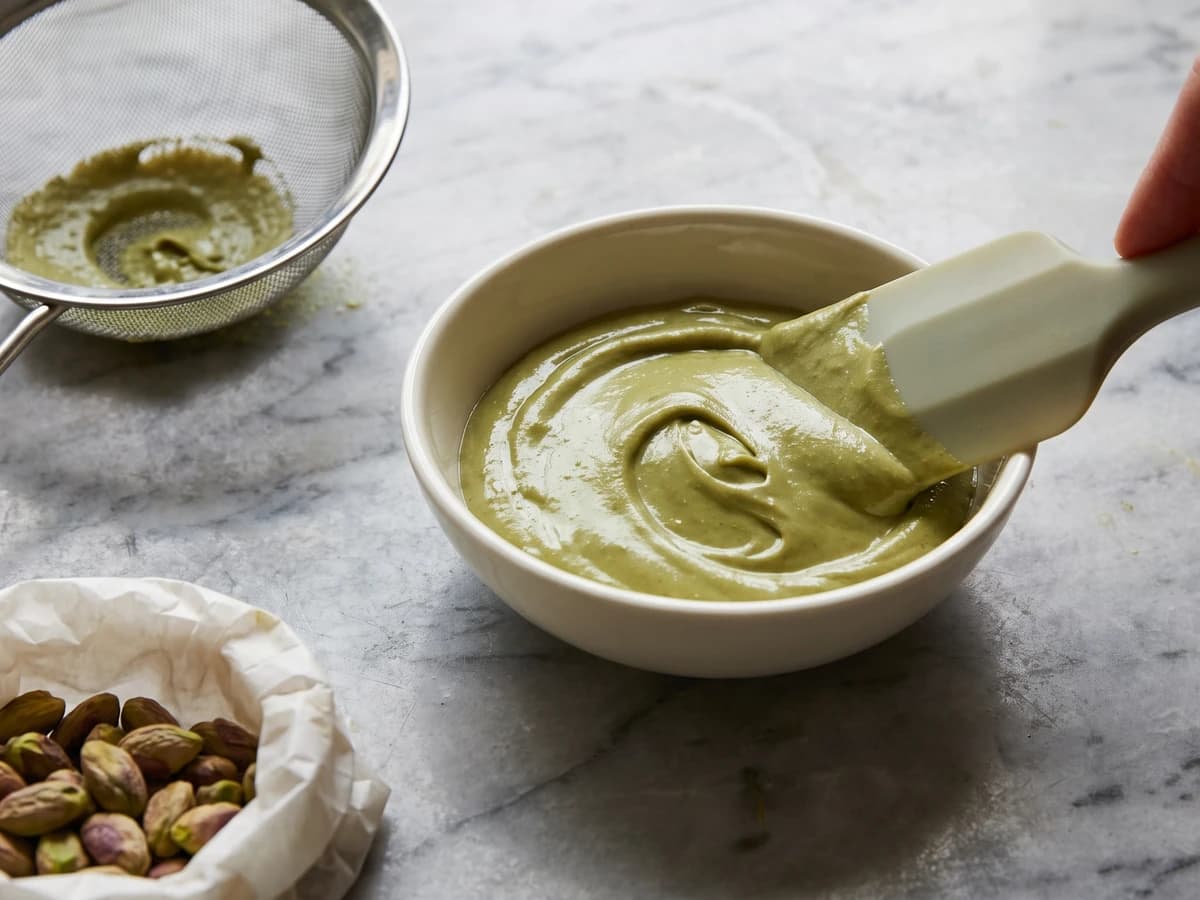
Beurre de pistache turns one disciplined act, pounding blanched nuts with drops of water before adding butter, into a satin-green seasoning that gives fine cold sauces their colour and quiet perfume.
Chef Juliette
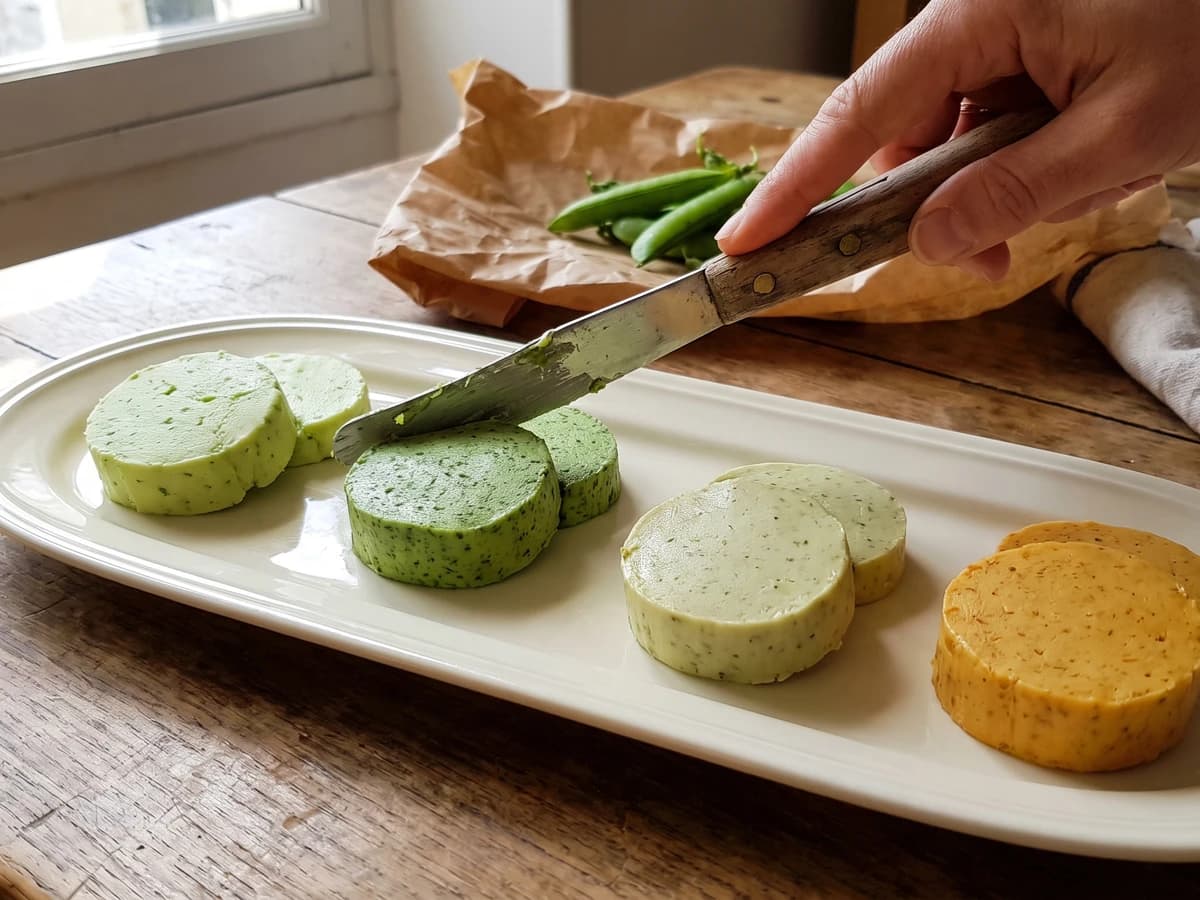
Four early vegetables become four jewel-bright butters, each cooked to preserve its own character, passed smooth, and matched weight for weight with real butter for fish, eggs, or spring vegetables.

Chef Juliette
Clear amber gelée ordinaire carries the classical cold table on natural gelatin from veal, calf's feet, beef, and pork rind, then a patient clarification that leaves flavour intact and every suspended morsel visible.
Chef Juliette
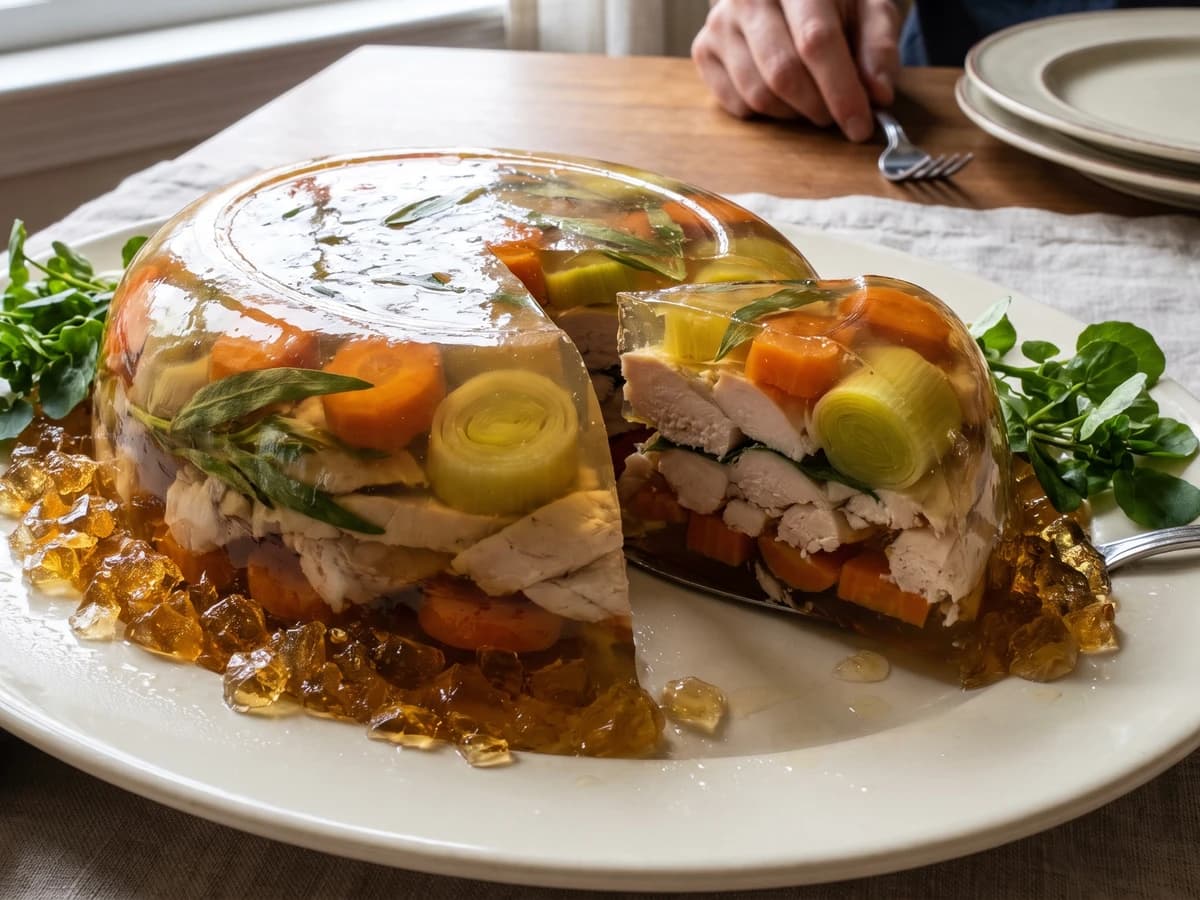
Clear amber aspic, built on an oven-browned hen and brightened through roasted-carcass clarification, with just enough gelatin to tremble on the plate and disappear on the tongue.
Chef Juliette
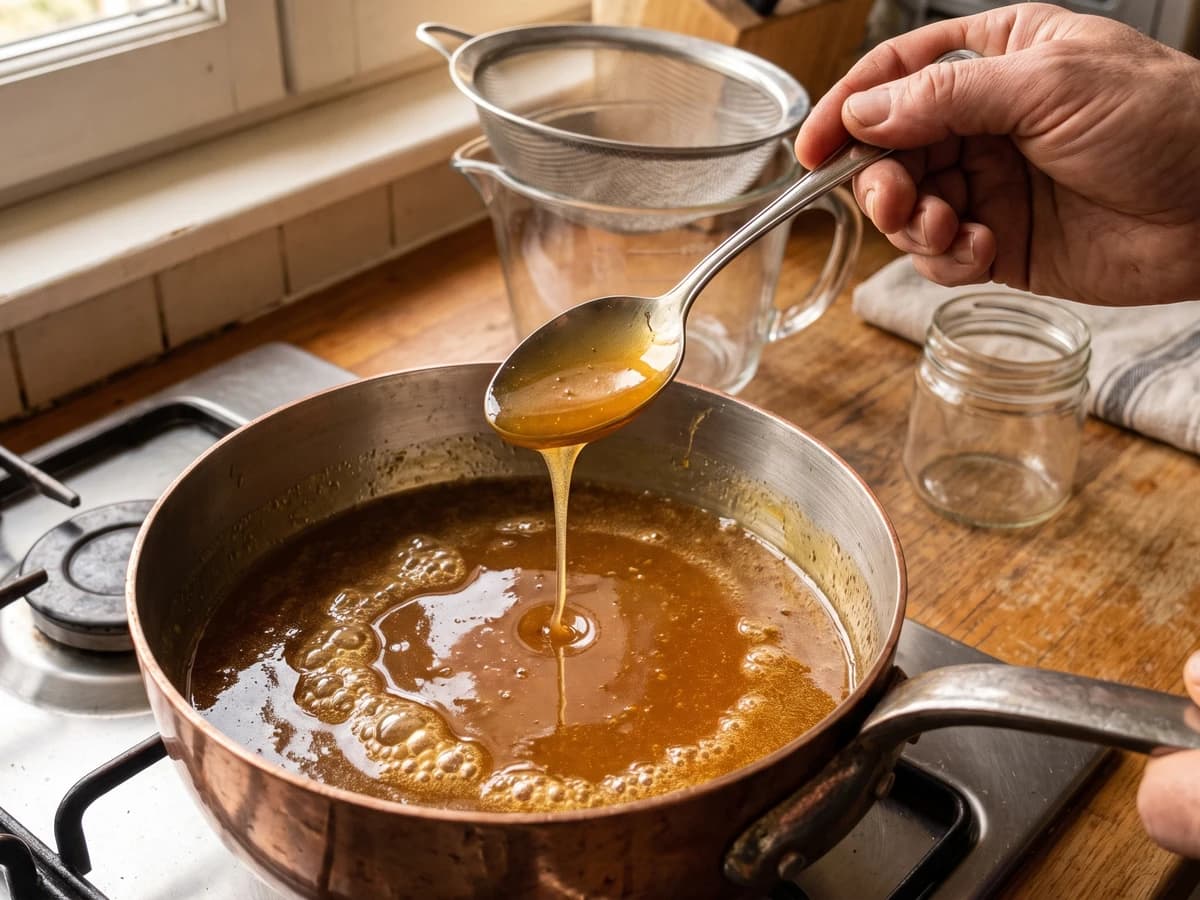
A clear poultry stock reduced slowly until it veneers a spoon, light enough for chicken, concentrated enough to turn a quick pan sauce into something deep, glossy, and unmistakably itself.
Chef Juliette
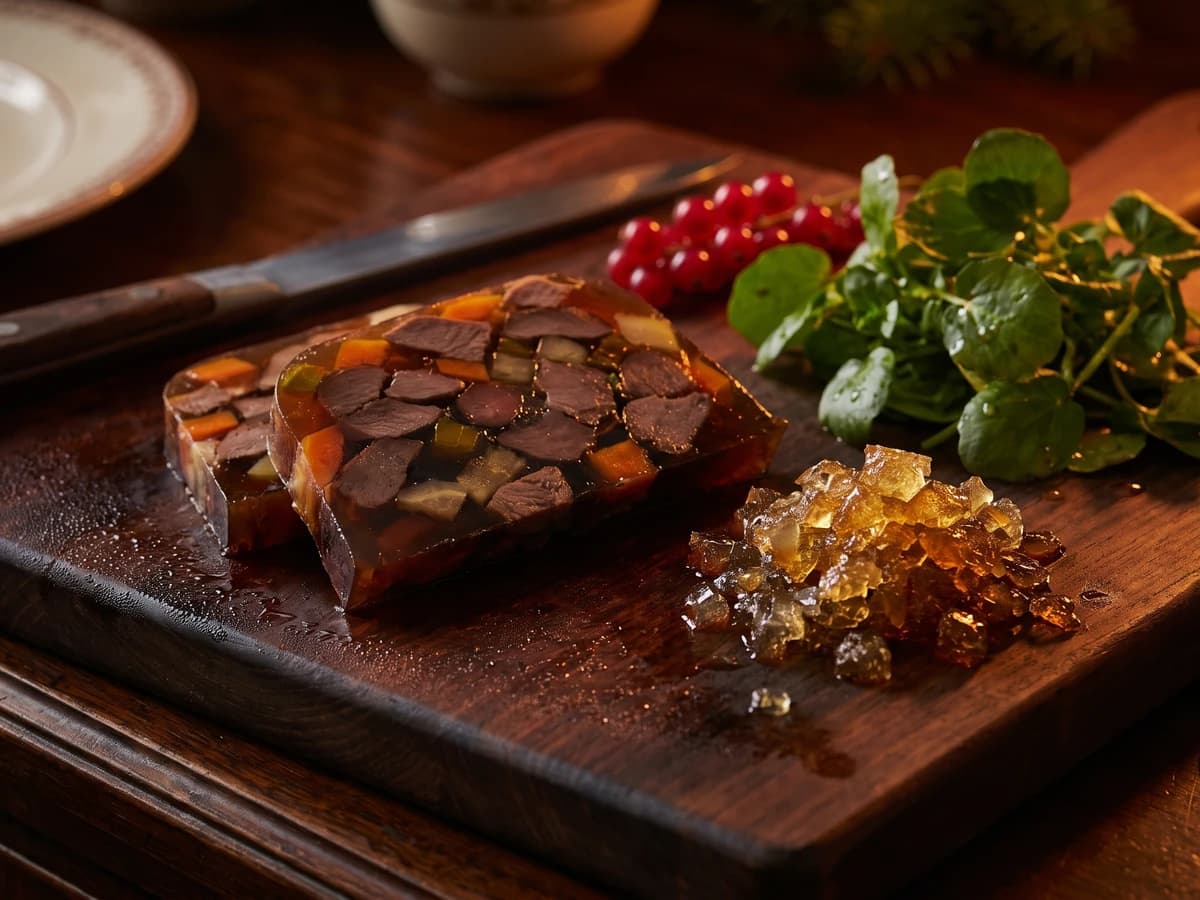
A clear amber game jelly built from browned venison or hare, tough partridge, and patient clarification, firm enough to slice yet delicate on the tongue, with fine brandy only if the bottle deserves it.
Chef Juliette
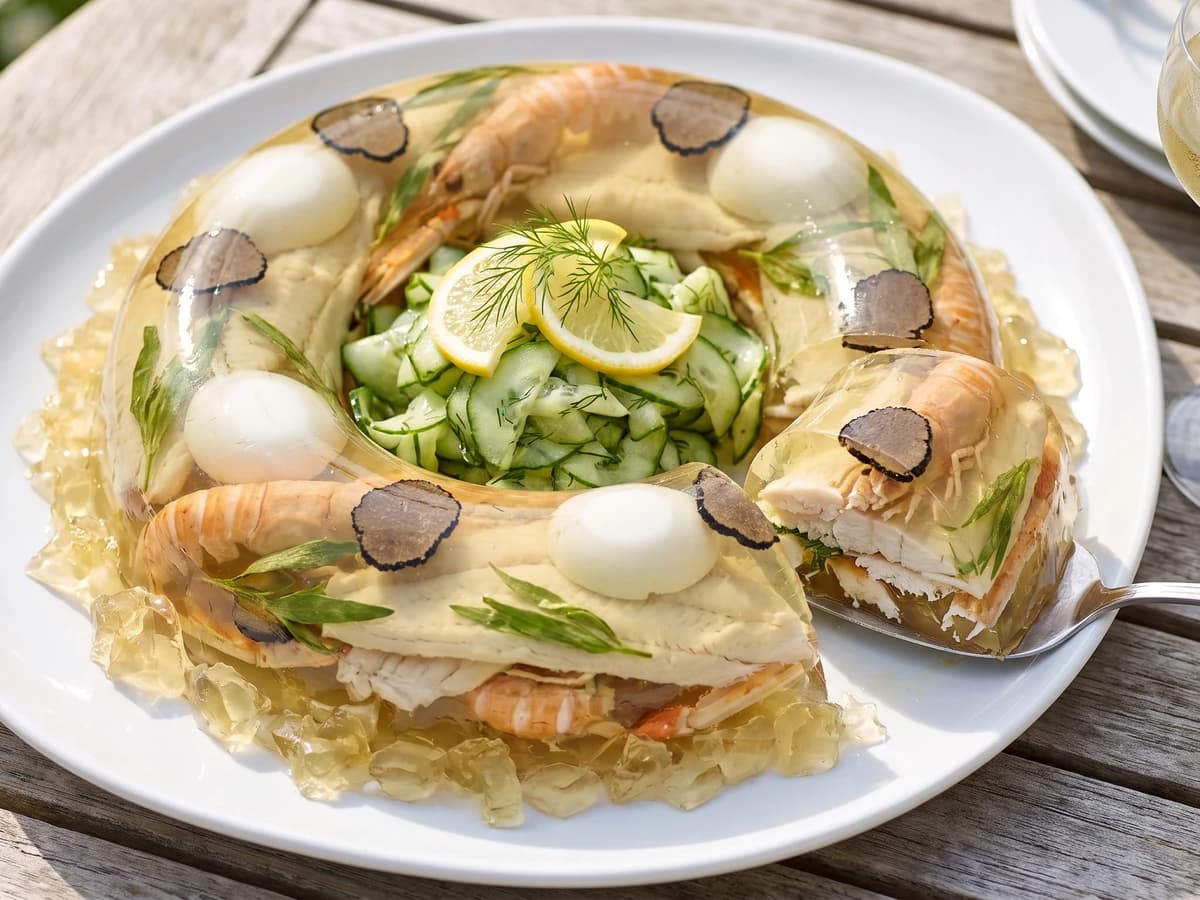
A clear, tender fish aspic perfumed with dry Champagne at the last cold moment, built on sole fumet and clarified with caviar so the jelly gleams rather than bounces.
Chef Juliette
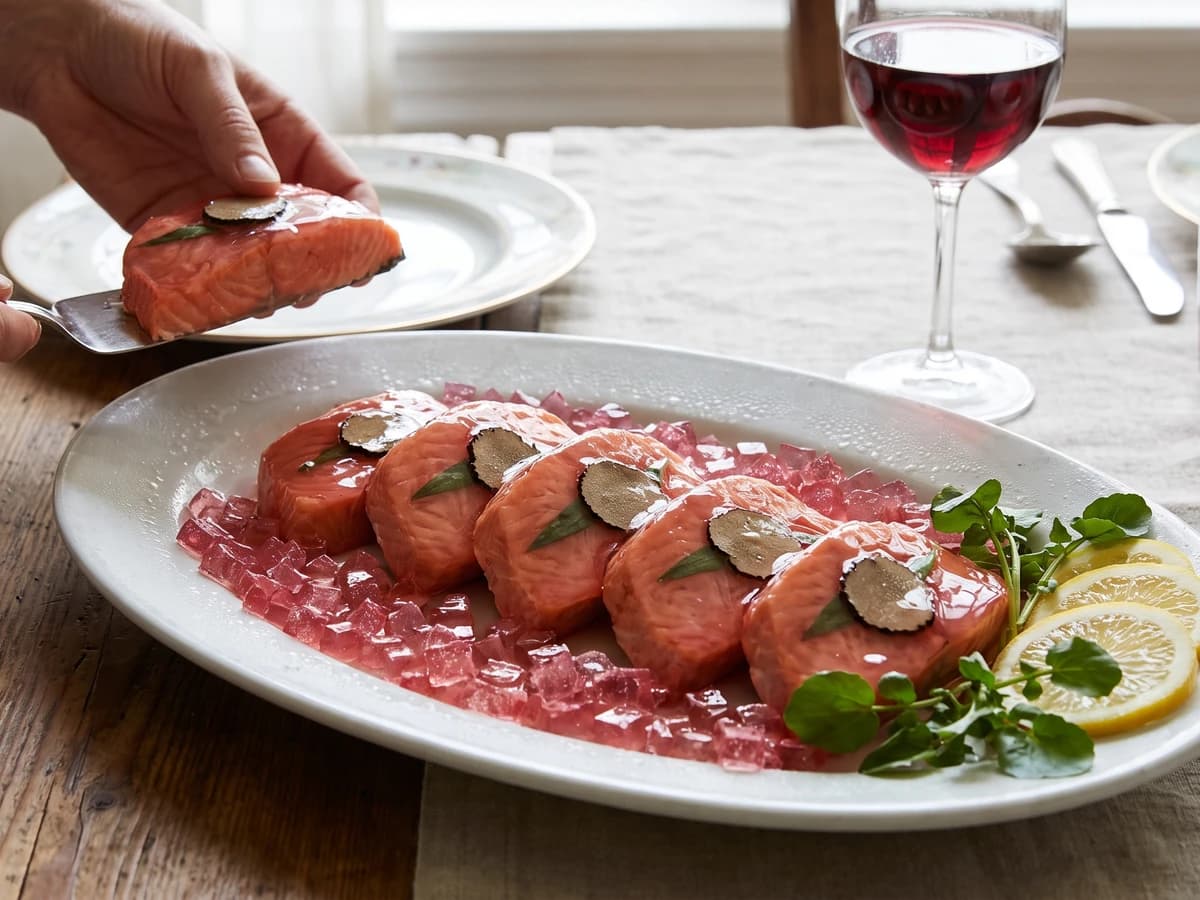
The spent red-wine court-bouillon becomes a tender, lucid aspic for salmon or trout, clarified with egg white and coloured no deeper than somber pink. The cold test, not bravado, decides the gelatin.
Chef Juliette
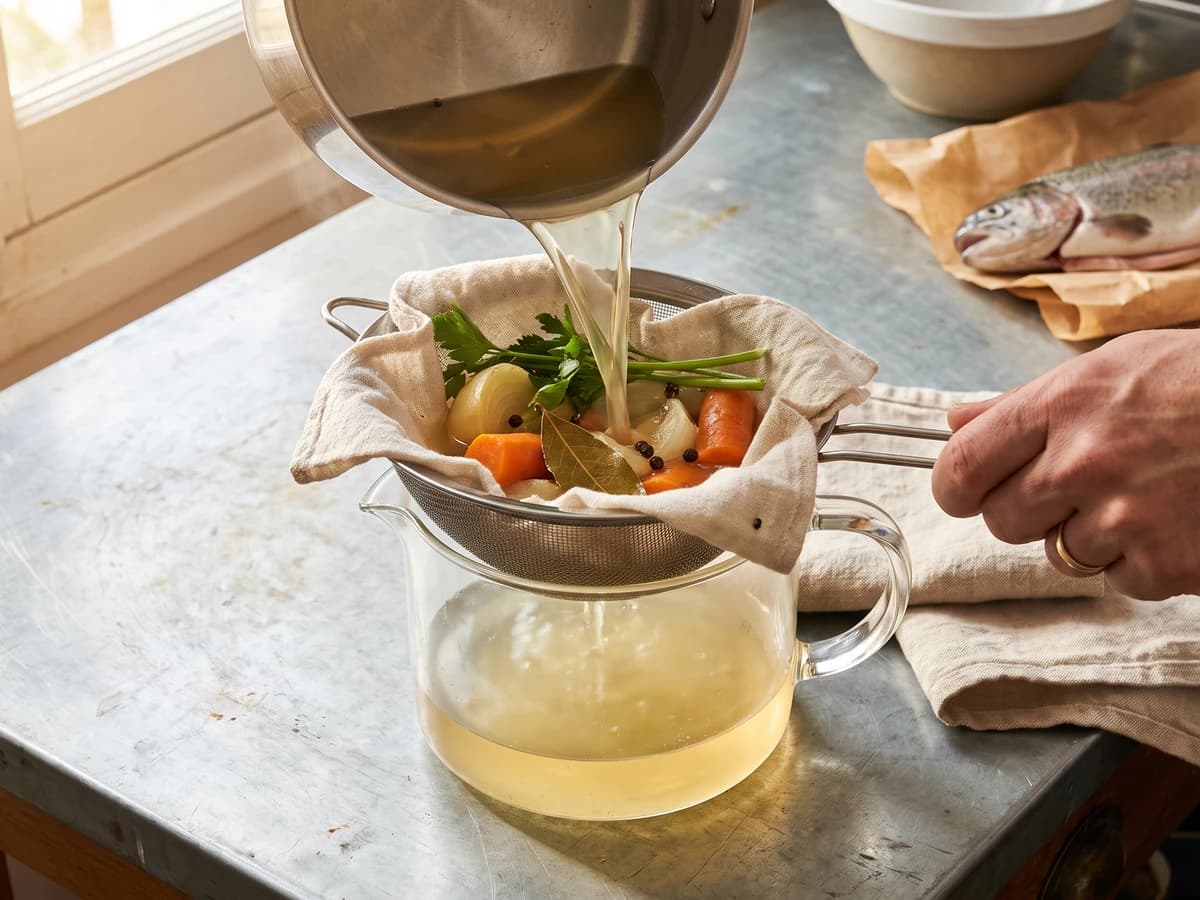
The clear, sharp poaching liquor that teaches restraint: vegetables simmered gently with vinegar, then peppercorns held to the final twelve minutes so trout, salmon, and shellfish taste clean, never bitter.
Chef Juliette
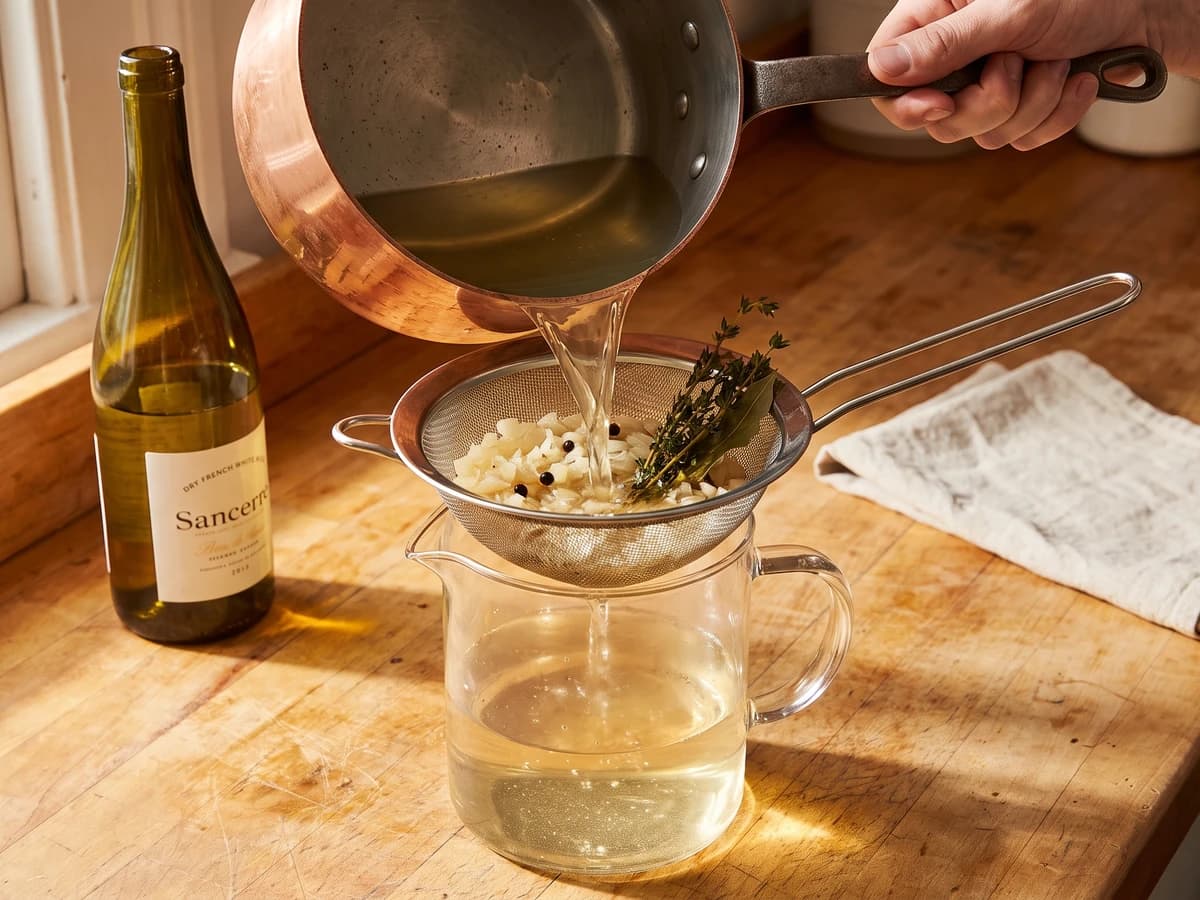
A clear, wine-bright court-bouillon for freshwater fish, built on equal measures of white wine and water, thirty minutes of aromatic extraction, and one essential discipline: salt for the reduction you intend.

Chef Juliette
Court-bouillon au vin rouge is the brief, wine-dark poaching liquor for river fish: two parts excellent red wine, one part water, carrots and aromatics, simmered gently so the wine stays supple.
Chef Juliette
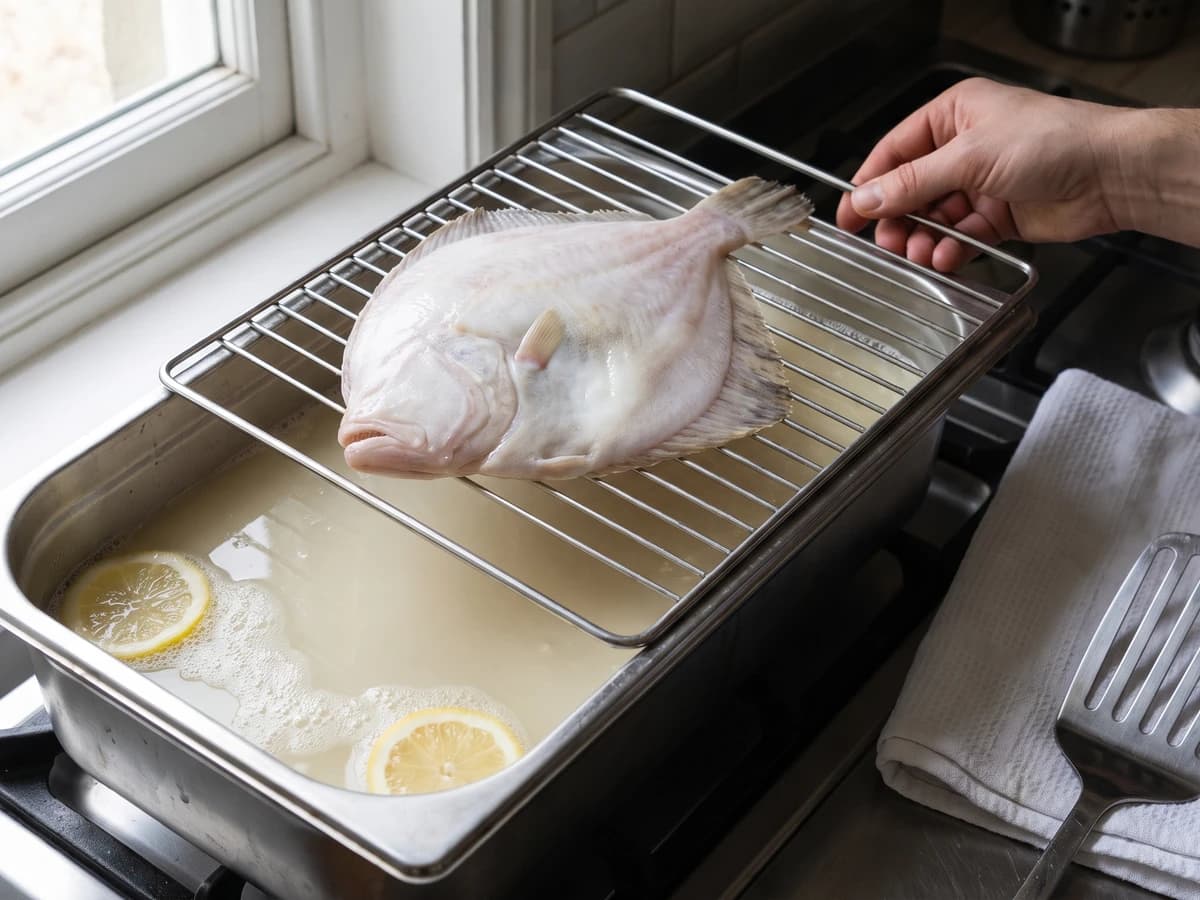
Cold fish, salted water, milk, and lemon rise together toward one quiet boil. Move the pan off heat at once, and whole turbot or brill finishes gently, pale, moist, and intact.
Chef Juliette
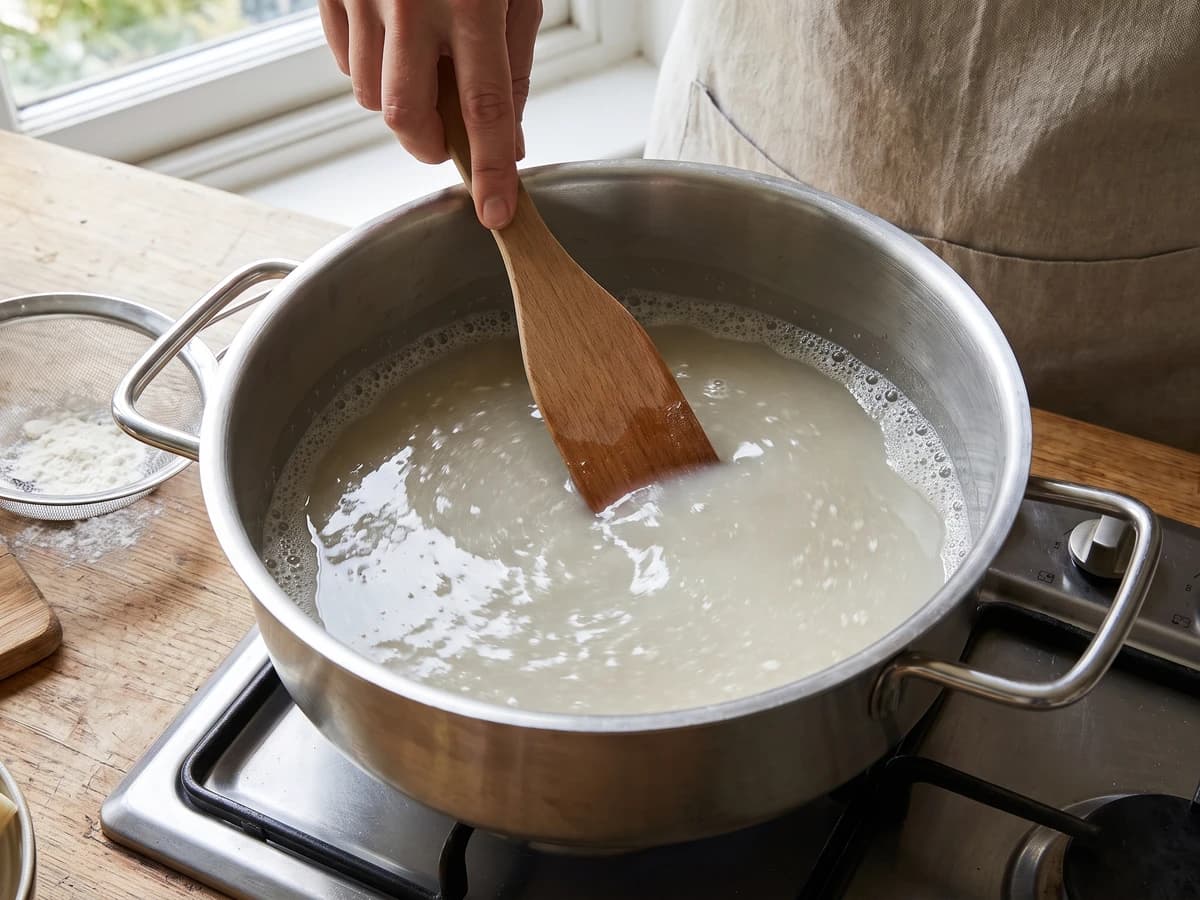
The blanc that protects pale meats and vegetables: flour suspended in lemoned salted water, stirred without pause to the first boil, then used at once for clean colour and gentle cooking.
Culinary guides, cultural storytelling, and the editorial depth that makes cooking meaningful.
Discover Culinary Explorer