Chef Juliette
Cooked Marinade for Venison
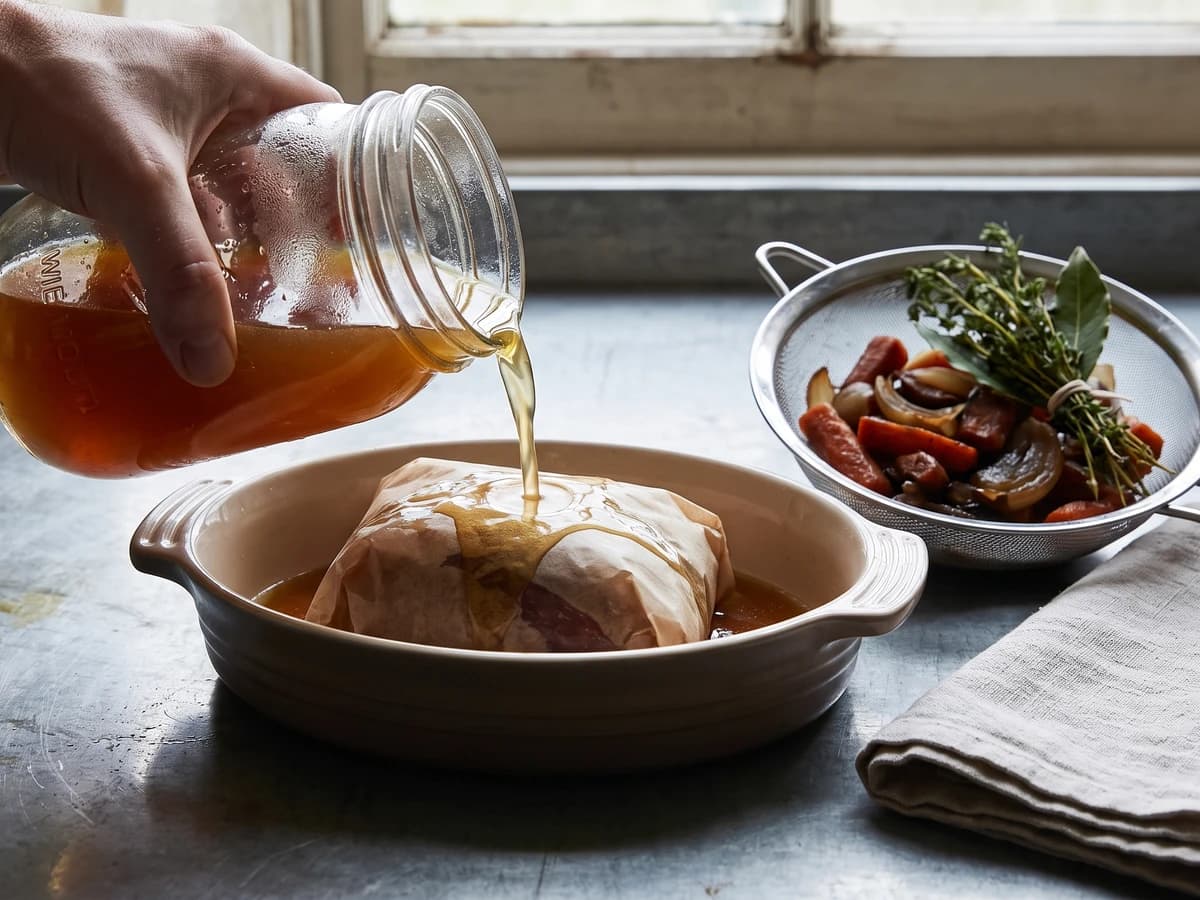
Marinade cuite draws sweetness from browned aromatics, bite from vinegar, and perfume from white wine and herbs, then asks one nonnegotiable thing: chill it stone cold before the venison goes in.
Recipe Archive
Sauces and condiments carry a surprising amount of technique. Find dressings, marinades, stocks, gravies, relishes, and finishing sauces with clear purpose.
1005 recipes
A cooking platform built around craft, culture, and the stories behind what we eat.
Chef Juliette
Marinade cuite draws sweetness from browned aromatics, bite from vinegar, and perfume from white wine and herbs, then asks one nonnegotiable thing: chill it stone cold before the venison goes in.
Chef Juliette
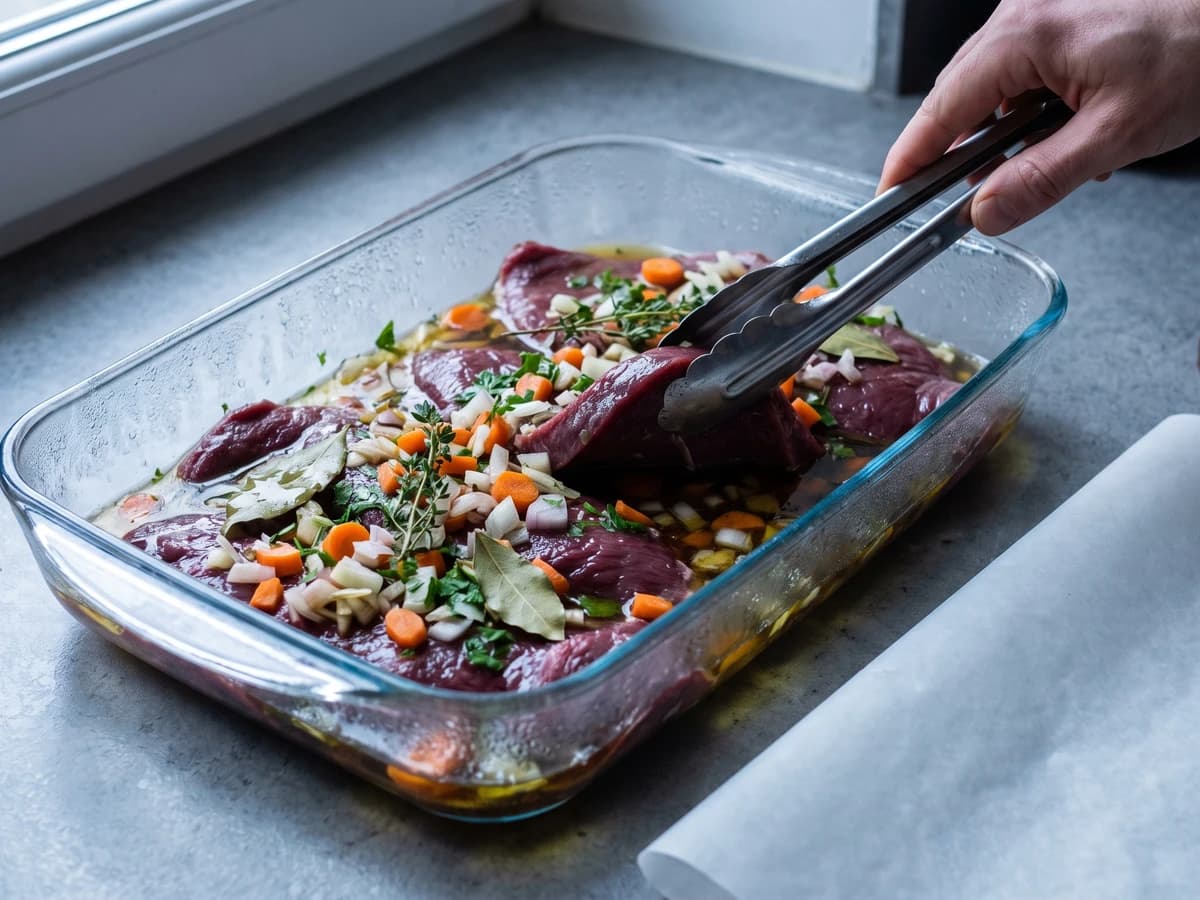
Marinade crue works quickly: salt and pepper meet a bed of minced aromatics, then oil and half as much vinegar season the meat while regular turning keeps every surface under equal discipline.
Chef Juliette
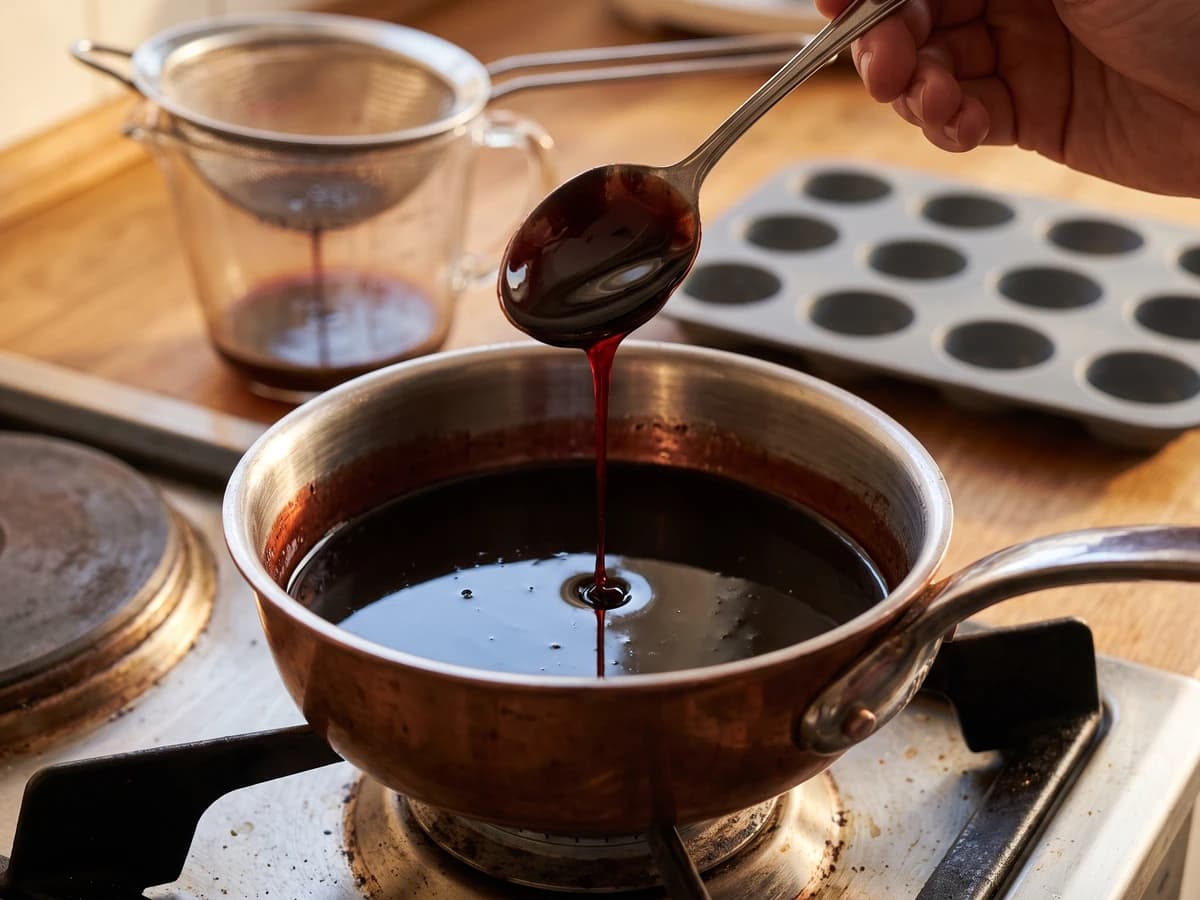
Glace de gibier takes one honest stock to its most concentrated expression: a dark, glossy spoonful that restores venison depth to a pan sauce, jus, or braise without changing its character.
Chef Juliette
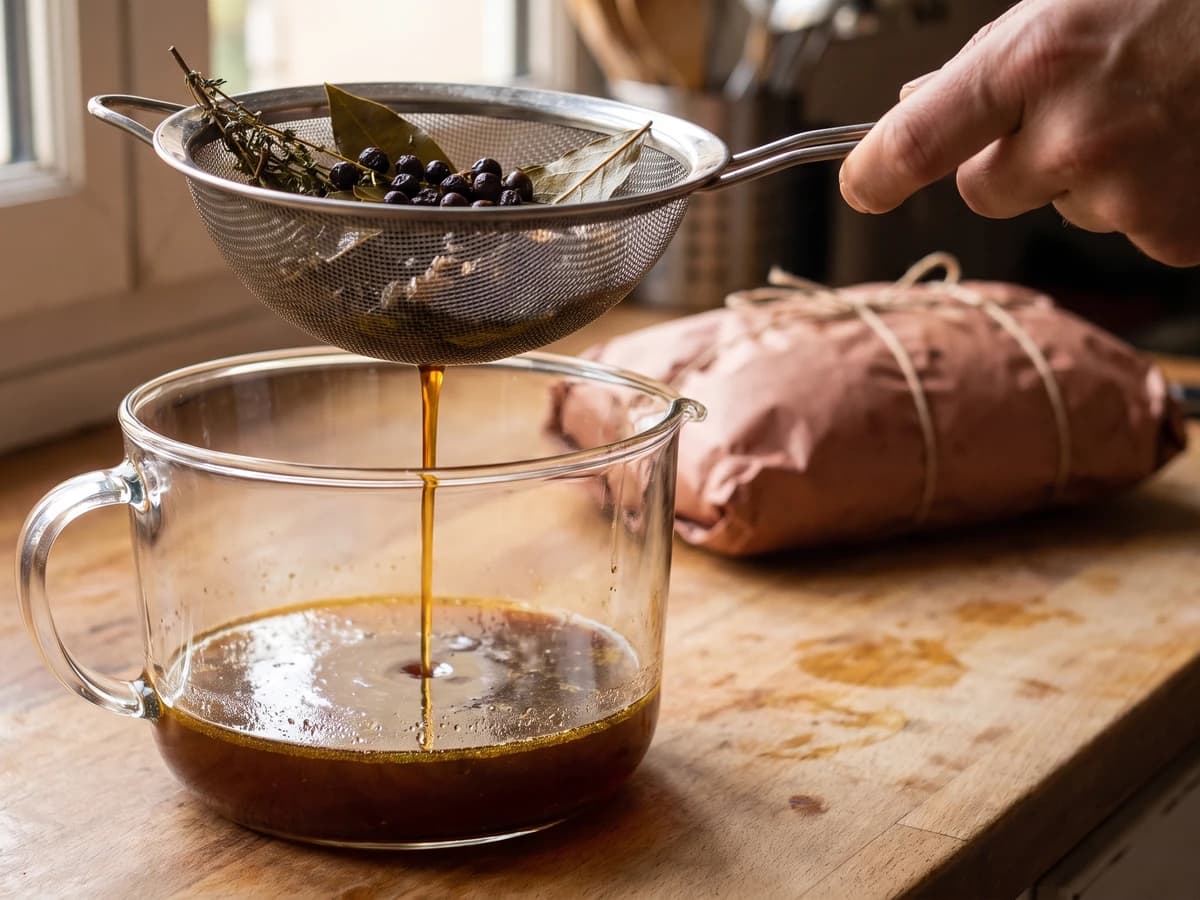
A sharper cooked marinade of white wine, vinegar, juniper, wild thyme, basil, rosemary, and garlic, reduced enough to give mature mutton the dark woodland character of roebuck.
Chef Juliette
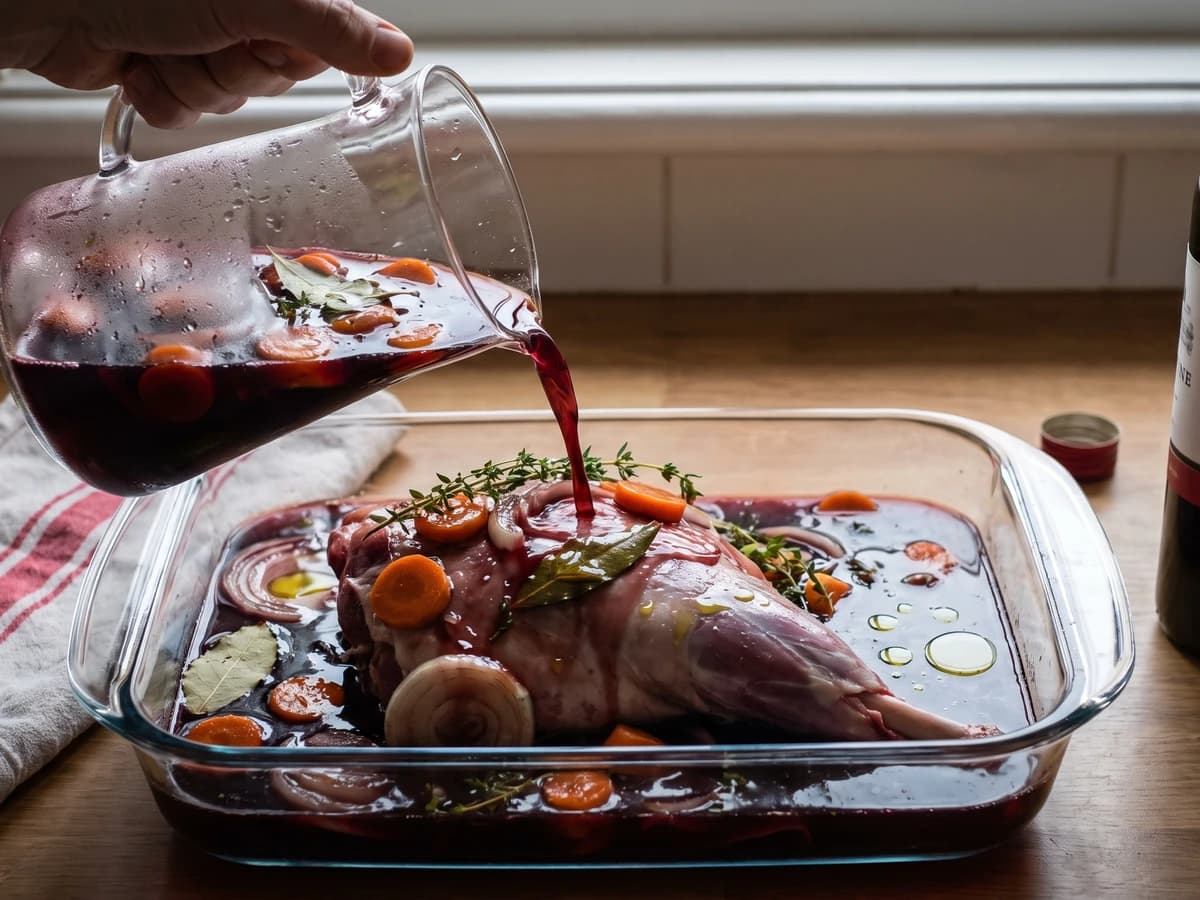
Marinade au vin rouge teaches the discipline of balance: wine matched exactly with water, vinegar for brightness, and enough aromatics to meet mutton's strength without masking the meat.
Chef Juliette
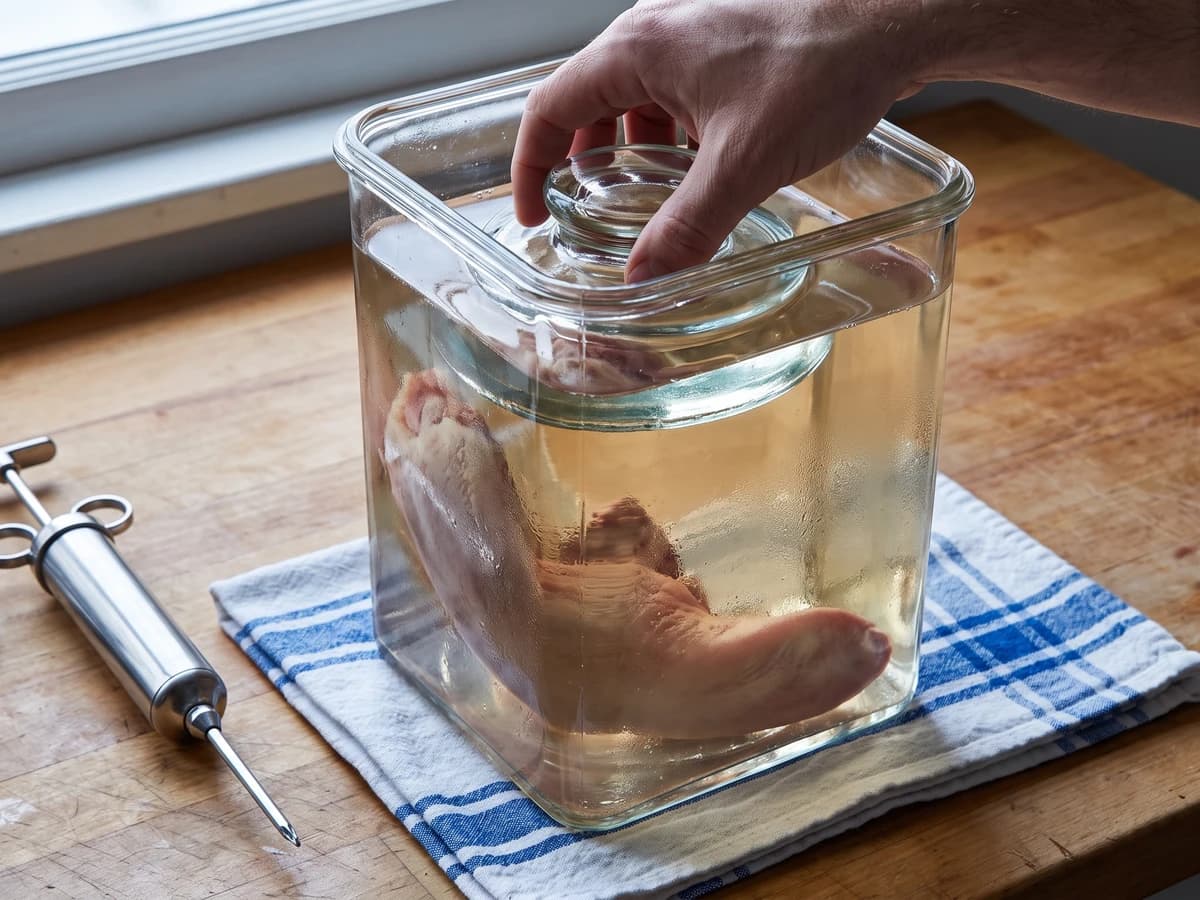
Saumure teaches the first law of curing: salt must reach the centre before the edges harden. A floating potato reads strength, while measured Cure #1 makes the old method safe at home.
Chef Juliette
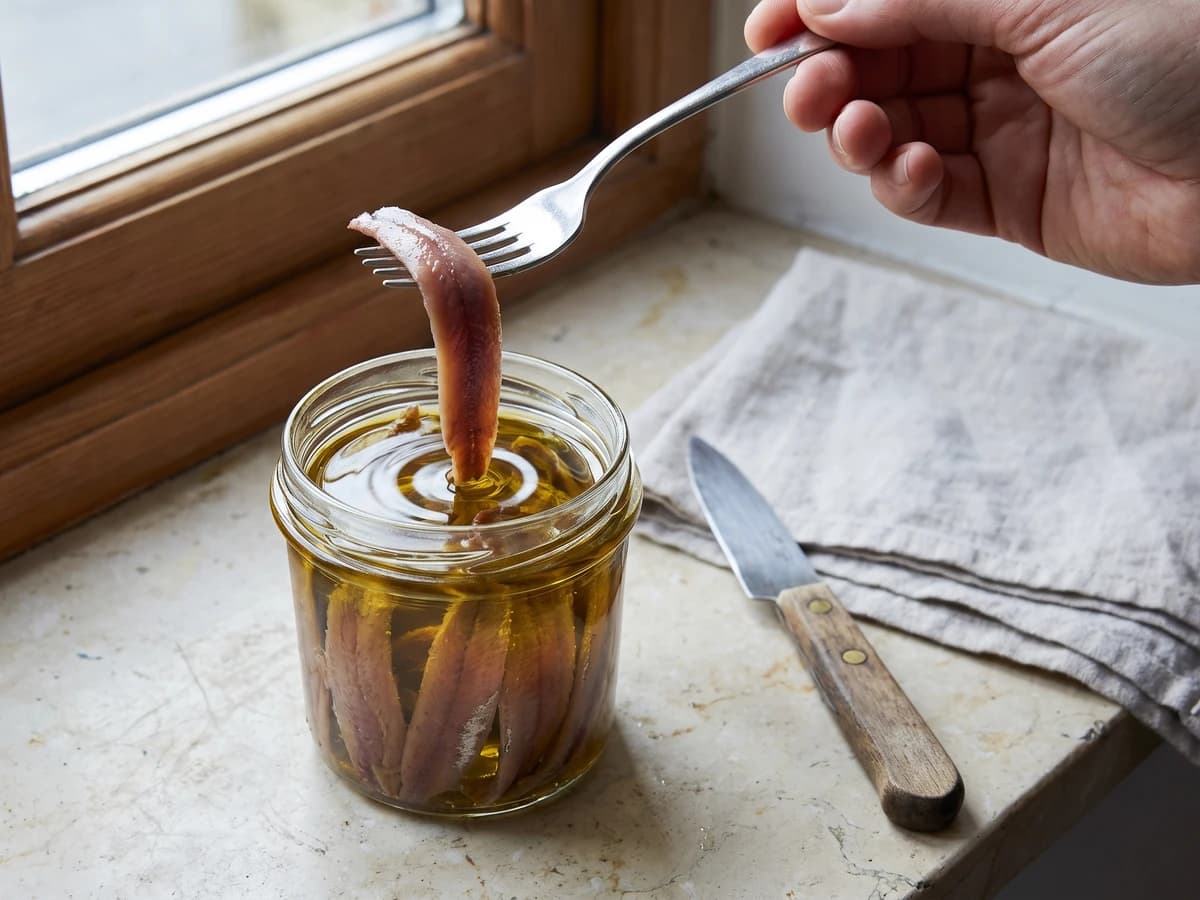
Filets d’anchois prove that pantry work is technique: remove every trace of scale-powder, dry the flesh completely, then keep the neat fillets under oil for hors d’œuvres and sauces.
Chef Juliette
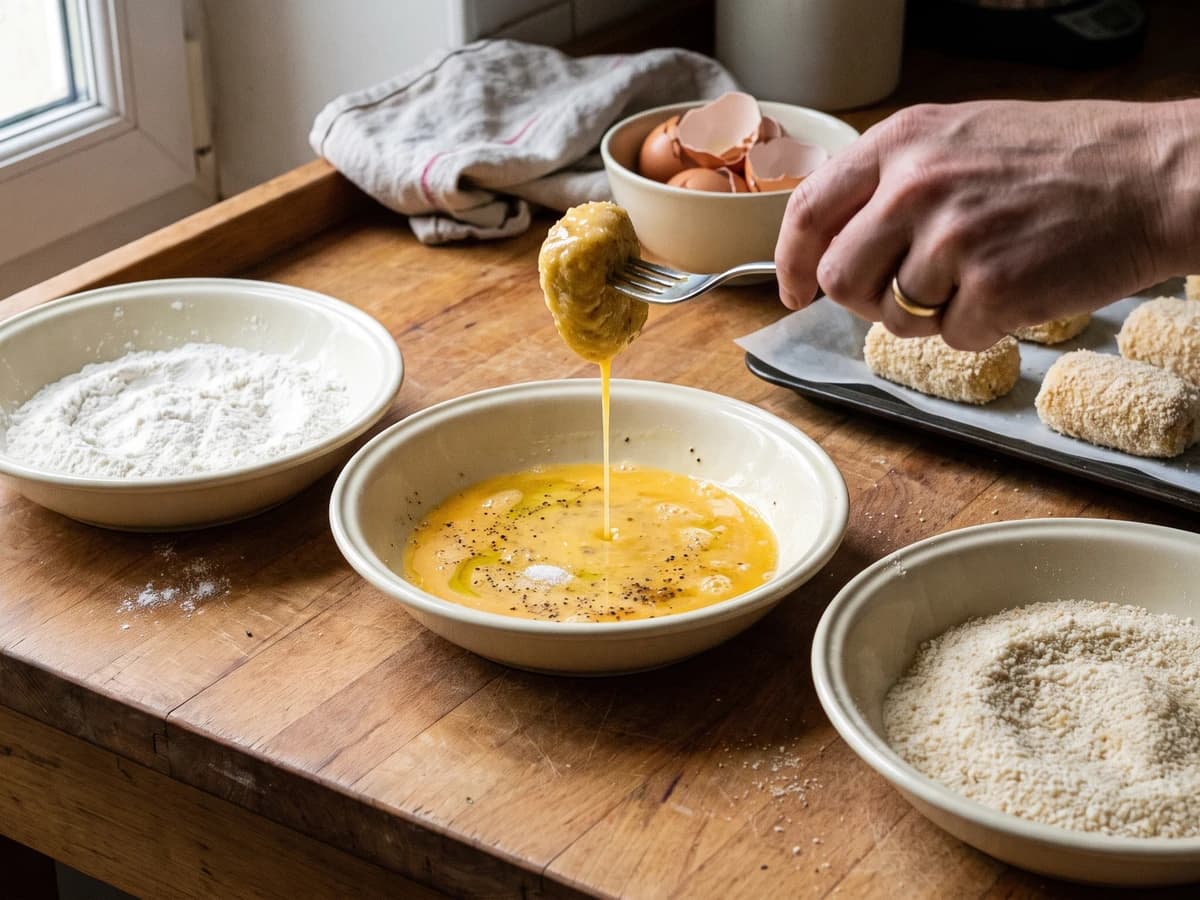
Anglaise is the quiet hinge of paner à l’anglaise: flour grips the food, seasoned egg grips the crumbs, and very hot fat sets the whole into a firm crust before anything can escape.
Chef Juliette
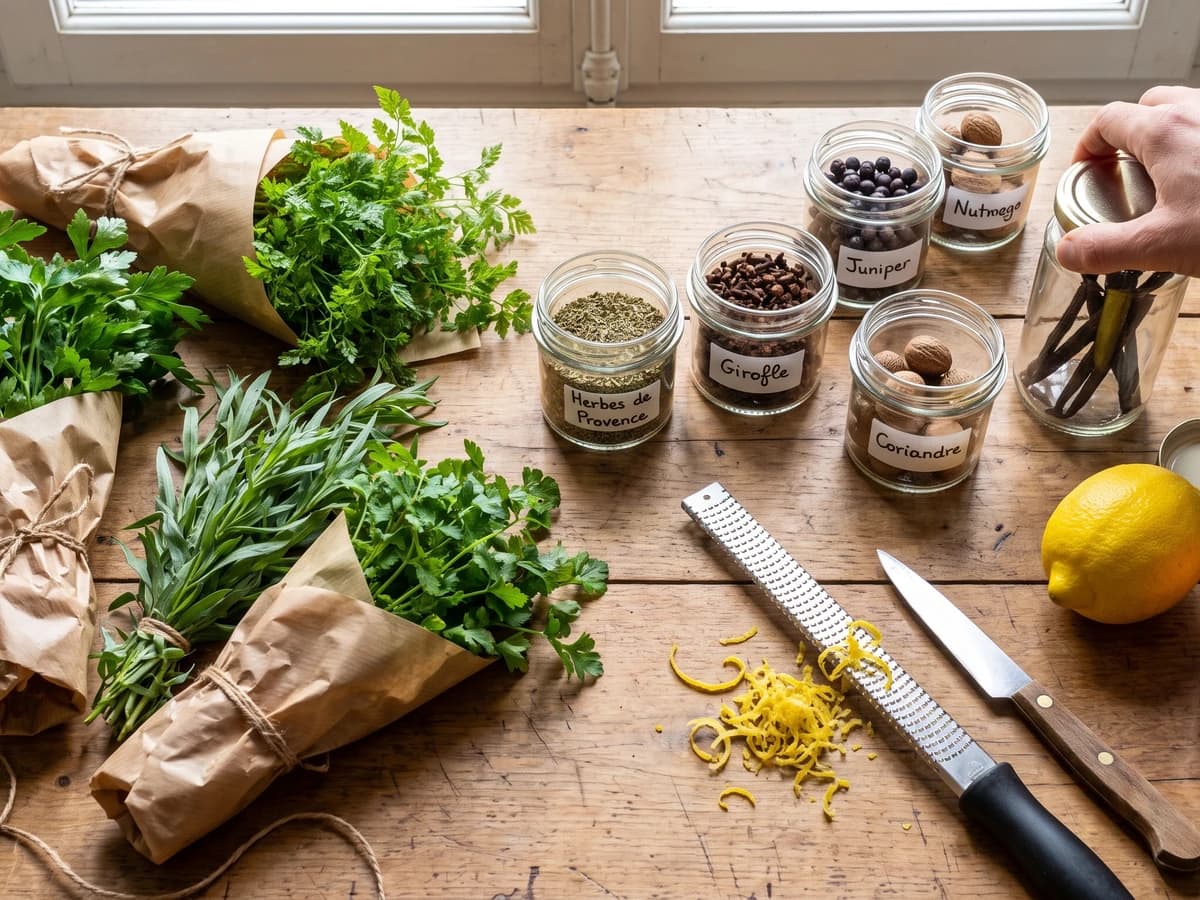
Aromates are the hidden structure behind a French sauce or marinade: a disciplined pantry of dry herbs and spices, fresh leaves, and bright zest, kept separately so each dish finds its own voice.
Chef Juliette
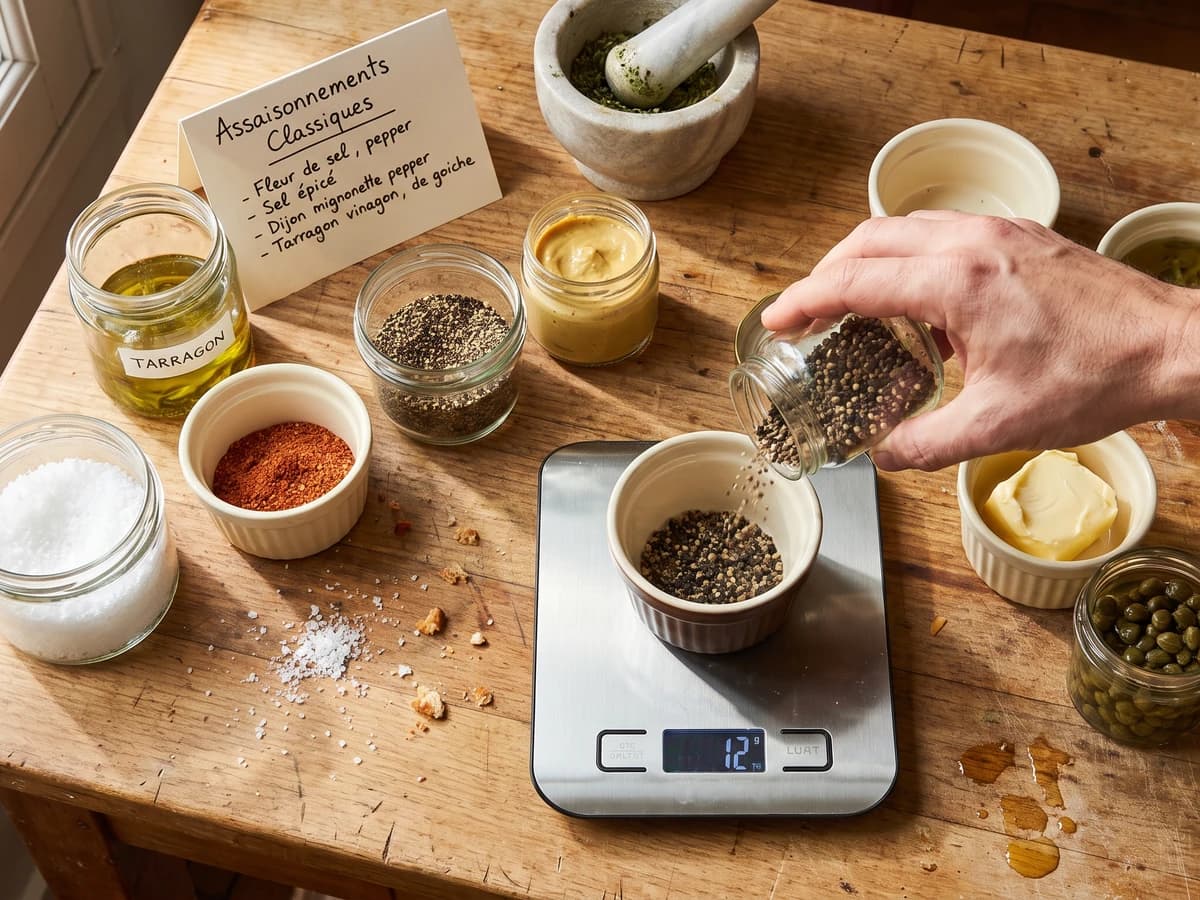
Salt, acid, heat, sweetness, pungency, and fat kept in their proper places: a home seasoning station that teaches exact measurement, deliberate blending, and the calm rescue of an overseasoned pot.

Chef Juliette
Beurre clarifié is butter taught to withstand heat: melt it gently, skim the foam, and decant the clear gold from the milk solids for searing, sautéing, and sauce work.

Chef Juliette
The classical 8:1:1 bundle of parsley stalks, bay, and thyme, tied tight for a clean pot and a clean finish. Make six now, then lift each spent bouquet garni with one pull.

Chef Juliette
Three classical preparations, haché, concassé, and pluches, preserve chervil’s fleeting anise perfume for sauces, eggs, salads, soups, and consommés. Dry it well, cut it late, and keep it off the heat.
Chef Juliette
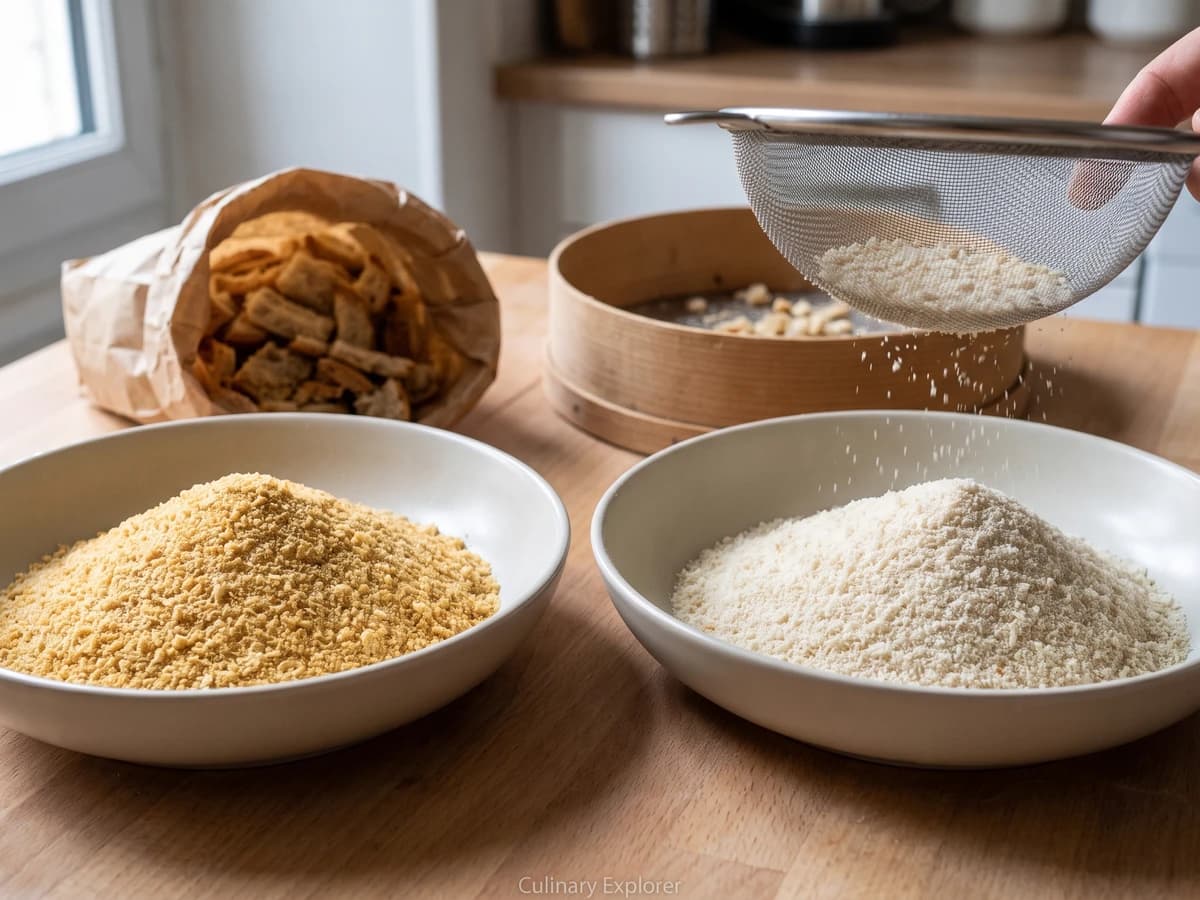
Chapelure blonde et blanche turns stale bread into two precise pantry tools: golden crust crumbs for robust coatings and gratins, white crumb for delicate finishes, both dried fully and sieved fine.

Chef Juliette
Citrons pelés, cannelés et zestés turn one lemon into three precise tools: clean pulp for marinades, serrated slices for the platter, and fine julienne zest softened by a five-minute scald.
Chef Juliette
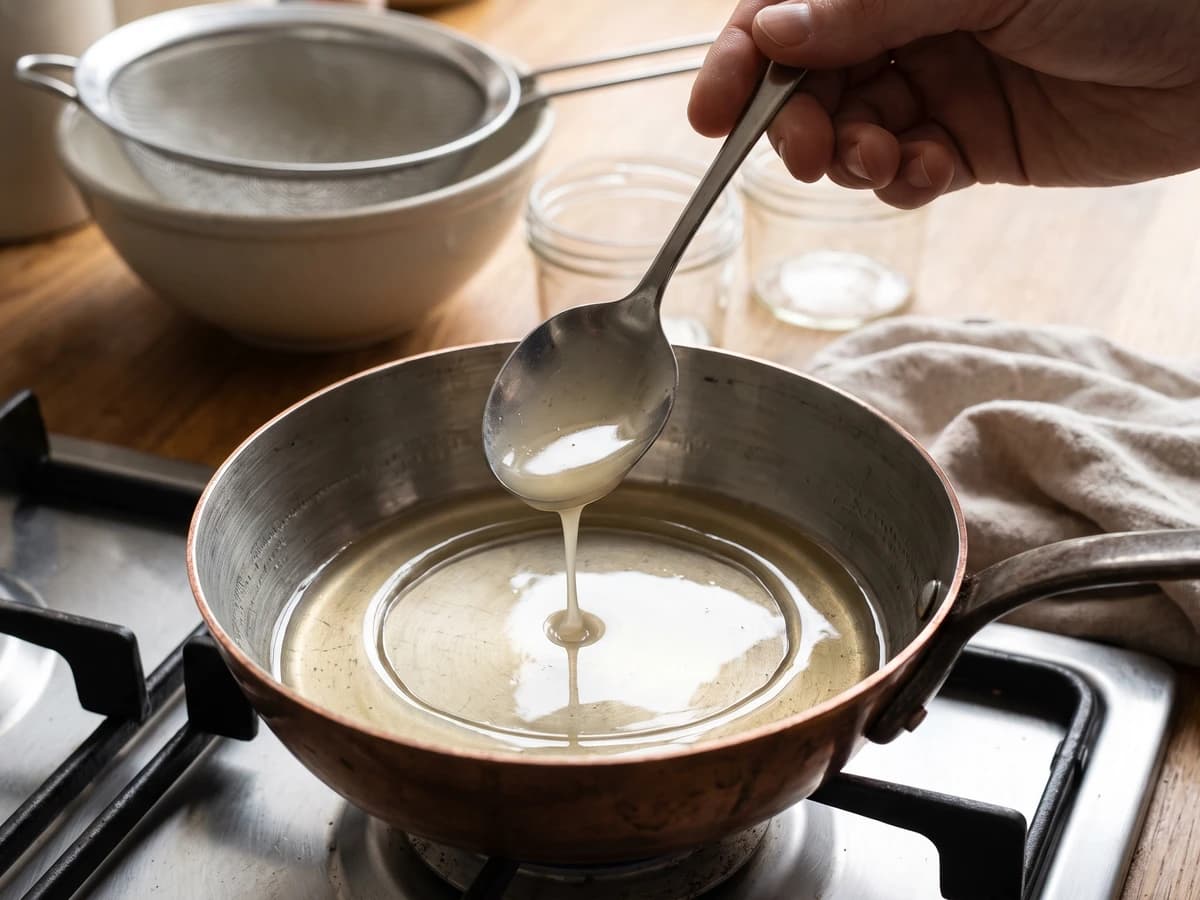
The classical fish reduction that teaches restraint: keep White Fish Stock delicate as fumet, then reduce only the portion a sauce needs, stopping before sweetness and clarity turn coarse.

Chef Juliette
Échalotes hachées et ciselées teach the knife work behind French sauces and marinades: tiny clean cubes or thin regular discs, cut at the last moment so the shallot stays crisp, dry, and sweet.

Chef Juliette
Ten dry seasonings, ground fine and sifted into one balanced épices: a small home batch that keeps the book's exact proportions and teaches why cool grinding and airtight storage preserve aroma.

Chef Juliette
A fine, dry bed of farine tamisée gives milk-dipped foods an even coat, while the sieve removes damp clumps that would harden into a spoiled crust.

Chef Juliette
Four herbs, two minutes of boiling, and one uncompromising squeeze make the vivid green essence that finishes a classical sauce without cooking its freshness away.

Chef Juliette
Chapelure turns stale white bread into the canon's quiet workhorse: an even crumb for coating, thickening, and finishing, made by rubbing and sieving rather than grinding it to dust.

Chef Juliette
Oignon haché proves that knife work is only half the technique: rinse the fine mince in cold water, wring it dry, and the onion stays white, mild, and ready to disappear neatly into a dish.
Chef Juliette
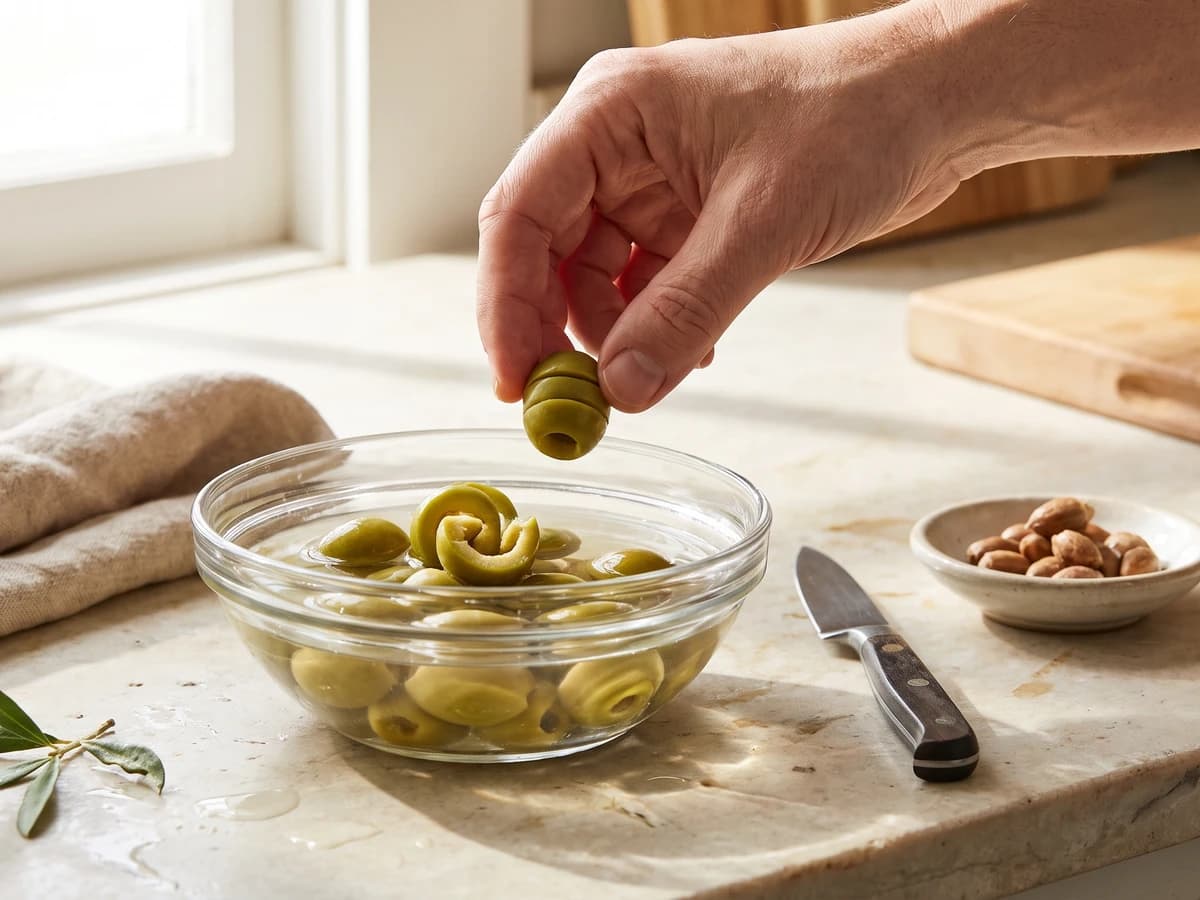
Olives tournées teach pure knife control: follow each stone in one close spiral, then hold the freed fruit in lightly salted water, plump and ready for sauces, garnishes, or the table.

Chef Juliette
Persil haché teaches a knife’s first discipline: cut fresh, dry leaves cleanly and they scatter green and loose; pound them, and their juice makes a clump. The same bunch yields concassé, sprays, and a quick-fried garnish.
Culinary guides, cultural storytelling, and the editorial depth that makes cooking meaningful.
Discover Culinary Explorer