
Chef Graziella
Ragù alla Napoletana
The Sunday sauce of Naples, where whole cuts of beef and pork surrender to tomato over five patient hours. The pasta comes first, dressed in concentrated sauce. The meat follows as its own course.
A cooking platform built around craft, culture, and the stories behind what we eat.

Created by
The summer ritual of southern Italian home cooks, transforming ten pounds of ripe tomatoes into concentrated essence that will carry the taste of August through the winter months.
Before refrigeration, before canning factories, before supermarkets stocked tomatoes in January, Italian families preserved summer. In Naples and Sicily, the day of making conserva was a communal event. Grandmothers directed, mothers stirred, children ran tomatoes from the garden. The whole neighborhood smelled of cooking tomatoes for days.
Conserva is not passata, the thin tomato puree you might buy in a bottle. Conserva is concentrated. Reduced. Intensified. Ten pounds of tomatoes become four pints of something far more valuable than the sum of its parts. You cook out the water and leave behind pure tomato essence.
This is foundation work. The conserva you make in August becomes the ragù of December, the pizza sauce of February, the base of countless dishes when fresh tomatoes are a distant memory. It requires time and attention, but no particular skill. If you can stir a pot and fill a jar, you can do this. Your great-grandmother did it without recipes or thermometers. She trusted her eyes and her instincts. You should do the same.
The tradition of making conserva di pomodoro dates to the mid-19th century in southern Italy, shortly after the tomato finally gained acceptance as food rather than ornament. Families in Naples and Sicily would gather on a designated August day, setting up massive copper kettles in courtyards and rooftops, cooking and jarring enough concentrated tomato to last until the following harvest.
Quantity
10 pounds
San Marzano or Roma
Quantity
1/4 cup
Quantity
1/4 cup
Quantity
about 20 large leaves
Quantity
1 tablespoon per pint jar
| Ingredient | Quantity |
|---|---|
| ripe plum tomatoesSan Marzano or Roma | 10 pounds |
| coarse sea salt | 1/4 cup |
| extra virgin olive oil | 1/4 cup |
| fresh basil leaves | about 20 large leaves |
| bottled lemon juice | 1 tablespoon per pint jar |
Use only tomatoes at full ripeness, deeply red and fragrant. Rinse them under cold water and remove the cores. Cut each tomato in half lengthwise. There is no need to remove seeds or skin at this stage. The food mill will handle both later.
Place the halved tomatoes in your largest heavy pot. Do not add water. The tomatoes will release their own liquid within minutes. Set the pot over medium heat and bring to a simmer. Cook, stirring occasionally with a wooden spoon, until the tomatoes have collapsed completely and released all their juices. This takes 30 to 45 minutes. The kitchen will smell of August.
Set a food mill fitted with the finest disk over a large bowl. Work the cooked tomatoes through in batches, scraping the bottom of the disk frequently. The mill separates flesh from skin and seeds. Discard what remains in the mill. You should have approximately 3 quarts of tomato puree.
Return the strained puree to a clean heavy pot. Add the salt and olive oil. Bring to a gentle simmer over medium-low heat. Cook uncovered, stirring every 15 minutes, until the conserva has reduced by half and thickened considerably. The surface should look glossy and the consistency should coat a spoon heavily. This takes 2 to 3 hours. Do not rush it. Do not cover the pot.
While the conserva reduces, wash pint canning jars, lids, and bands in hot soapy water. Place the jars in a large pot of water, bring to a boil, and keep them hot until ready to fill. Keep the lids in a small pan of hot (not boiling) water. Sterilization matters. You are preserving food for months.
Add one tablespoon of bottled lemon juice to each hot jar. This ensures safe acidity for water bath canning. Place 4 or 5 basil leaves in each jar. Ladle the hot conserva into the jars, leaving one-half inch of headspace. Remove air bubbles by sliding a thin spatula around the inside. Wipe the rims clean with a damp cloth. Center the lids and apply bands fingertip-tight.
Place the filled jars on a rack in a large pot. Cover with water by at least one inch. Bring to a boil and process for 35 minutes at a full rolling boil. Adjust for altitude if necessary. When time is complete, turn off heat and let jars rest in water for 5 minutes. Remove jars to a towel-lined surface and let them cool undisturbed for 12 hours.
After 12 hours, press the center of each lid. It should not flex. If a lid pops up and down, the jar did not seal. Refrigerate that jar and use within two weeks. Properly sealed jars can be stored in a cool, dark place for up to one year. Label them with the date. When you open one in January, you will taste August.
1 serving (about 125g)
Culinary guides, cultural storytelling, and the editorial depth that makes cooking meaningful.
Discover Culinary ExplorerChef Graziella
The Sunday sauce of Naples, where whole cuts of beef and pork surrender to tomato over five patient hours. The pasta comes first, dressed in concentrated sauce. The meat follows as its own course.

Chef Graziella
Five ingredients. Forty-five minutes. A tomato sauce so pure it proves that restraint is not a limitation but a liberation. What you keep out is as significant as what you put in.
Chef Juliette
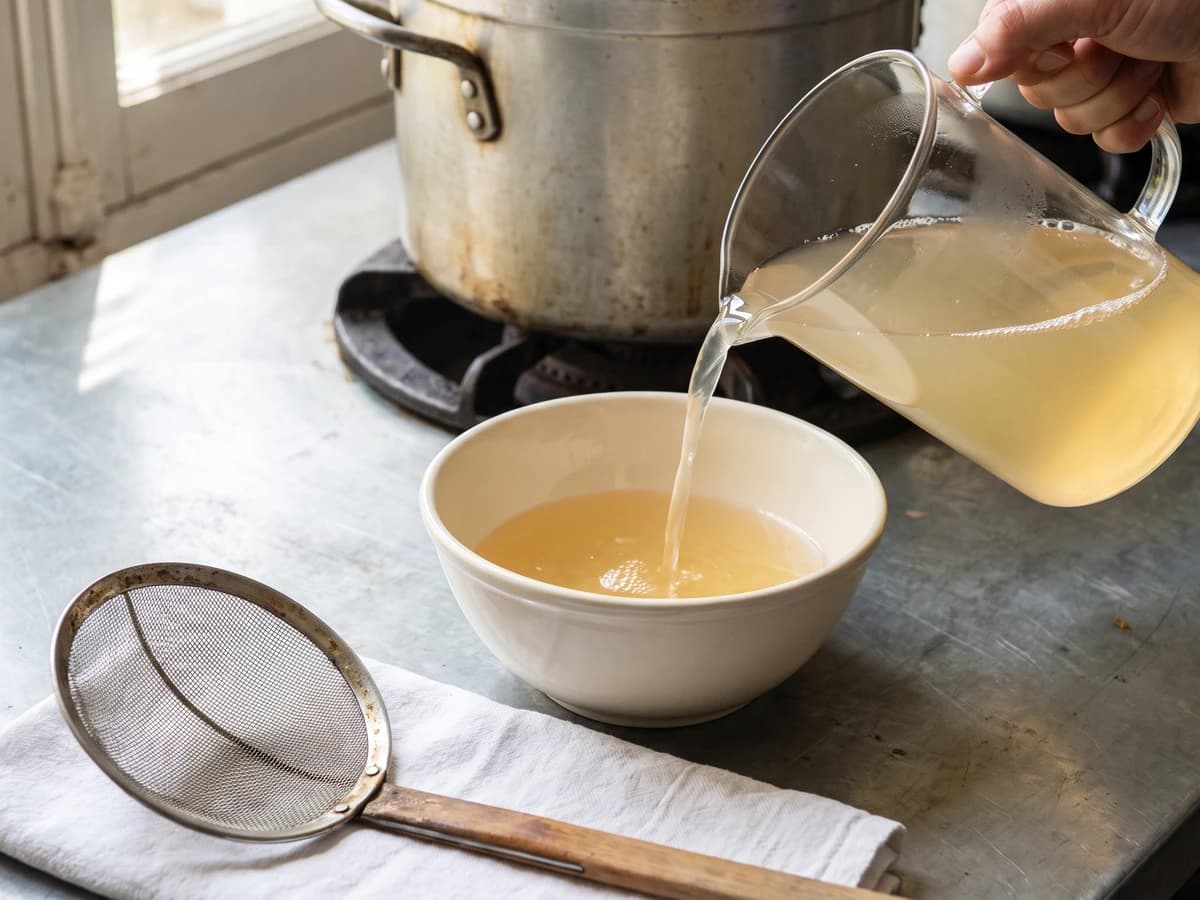
Beef shin, lean beef, and fowl begin in cold water and rise slowly toward a tremble. Skim before the boil, and you learn the quiet discipline that gives every clear French broth its backbone.
Chef Juliette
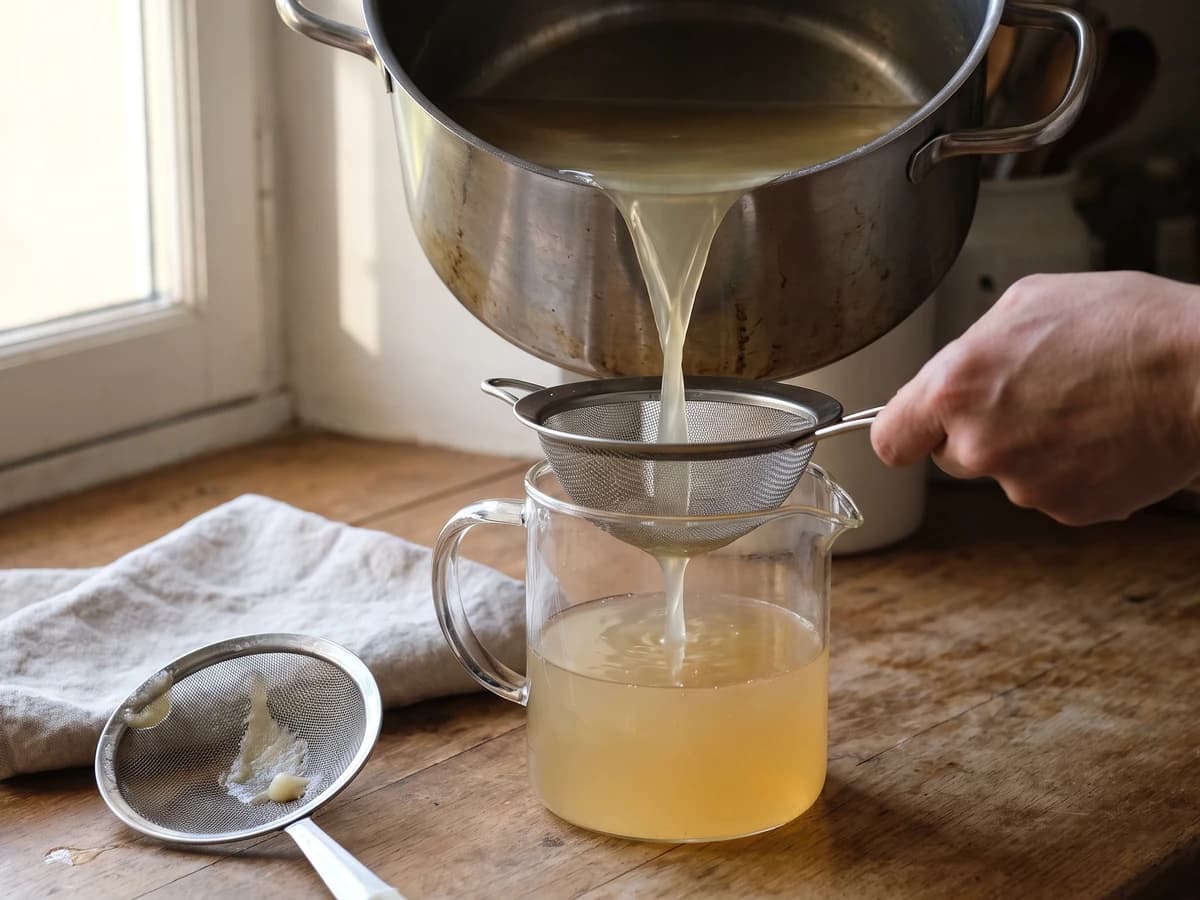
Break the veal bones small, then give them eight hours at a bare tremble. This pale, gelatinous fond becomes the quiet foundation beneath velouté, blanquette, and every sauce that must stay light.