
Chef Graziella
Ragù alla Bolognese
The true meat sauce of Bologna, where beef and pork surrender to soffritto, milk, wine, and the patient application of low heat. This is not red. This is not tomato sauce with hamburger. This is ragù.
A cooking platform built around craft, culture, and the stories behind what we eat.
Created by
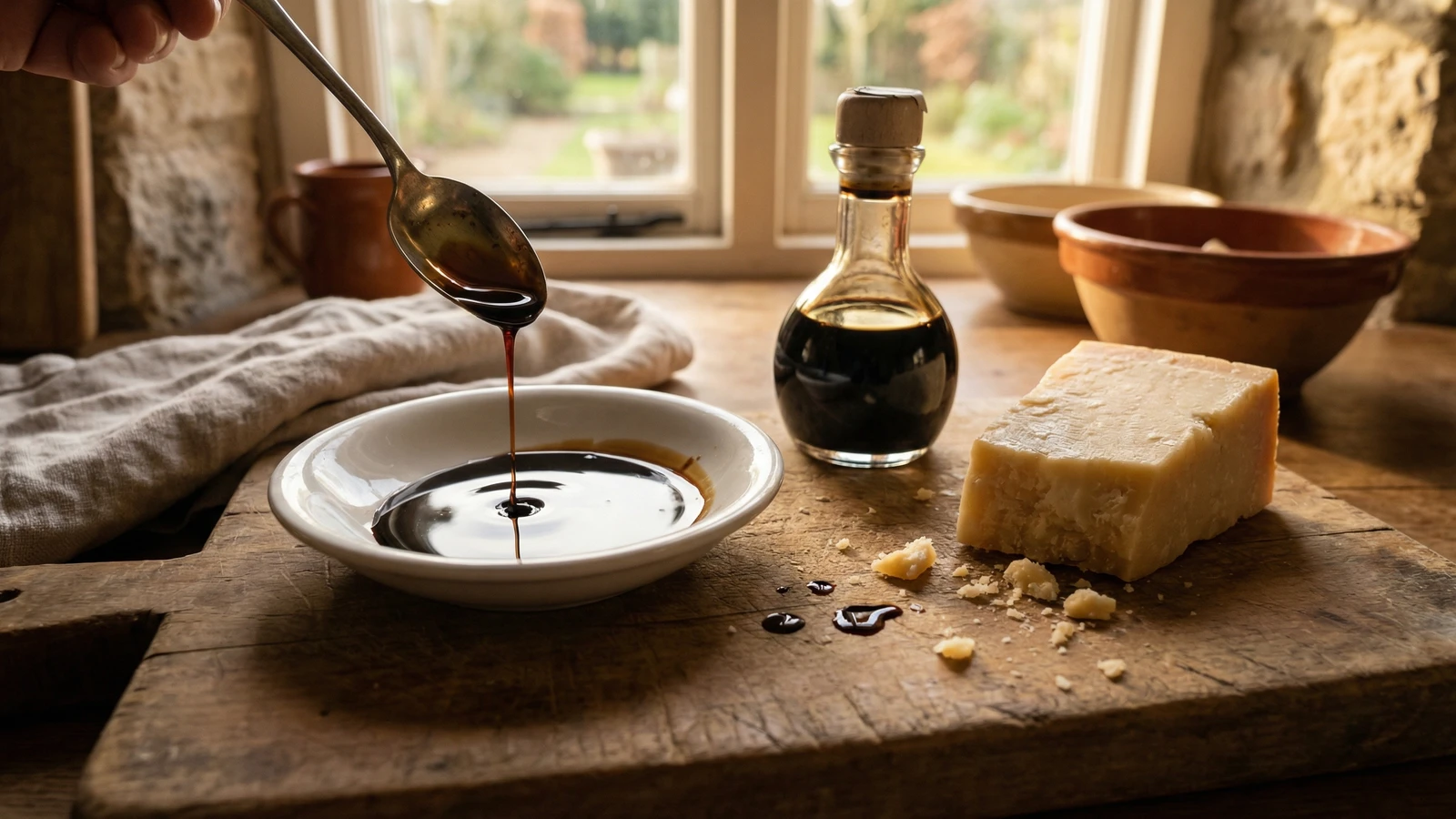
The syrupy reduction of Modena that transforms good balsamic vinegar into something approaching the precious tradizionale. A few drops change everything; more than that ruins the dish.
Let me tell you what traditional balsamic vinegar actually is, because most Americans have never tasted it. The real Aceto Balsamico Tradizionale di Modena spends a minimum of twelve years aging in a battery of wooden barrels, each smaller than the last, each made from a different wood. It costs what a good bottle of wine costs, sometimes more. It is sold in small bottles because you use it by the drop.
What you buy in the supermarket is not this. It is industrially produced vinegar with caramel coloring and sweeteners, and it belongs in the same category as processed cheese. Between these extremes lies Aceto Balsamico di Modena IGP, a regulated product made with real grape must and wine vinegar, aged at least sixty days. This is what we work with here.
By reducing good IGP balsamic slowly over low heat, you concentrate its sugars and drive off the harsh acidity. What remains is a glossy, syrupy condimento that approaches, though never equals, the viscosity and complexity of the true tradizionale. It is an honest approximation. Do not call it the real thing, but do not be ashamed of it either.
The balsamic tradition of Modena dates to at least 1046, when Holy Roman Emperor Henry III received a barrel as a diplomatic gift. For centuries, noble families maintained their own acetaie, the attic rooms where barrels aged through hot summers and cold winters. The tradition nearly died in the 20th century before artisan producers revived it, leading to DOP protection in 2000.
Quantity
2 cups
aged at least 3 years if possible
Quantity
1 tablespoon
| Ingredient | Quantity |
|---|---|
| Aceto Balsamico di Modena IGPaged at least 3 years if possible | 2 cups |
| honey (optional) | 1 tablespoon |
Read the label. You want Aceto Balsamico di Modena IGP with the European Union's blue and yellow seal. The ingredients should list grape must and wine vinegar, nothing else. If you see caramel coloring, put it back. If the bottle costs less than ten dollars, it is probably not worth reducing. Spend a little more now.
Pour the balsamic vinegar into a small, heavy-bottomed saucepan. A two-quart pan is ideal. The wider the surface area, the faster the evaporation, but too wide and you risk scorching. Bring to a gentle simmer over medium-low heat. You should see small bubbles breaking the surface, nothing more vigorous.
Lower the heat to the minimum setting that maintains a lazy simmer. The vinegar will release sharp, acrid fumes at first. This is the harsh acidity leaving. As the reduction progresses, the aroma softens and sweetens. Stir occasionally with a wooden spoon. Do not walk away. This requires attention.
After 30 to 40 minutes, the vinegar will have reduced by roughly half. Dip a spoon and let it cool for a moment. The condimento should coat the back of the spoon and drip slowly, like warm honey. If it runs like water, continue reducing. If it has thickened to tar, you have gone too far. The reduction thickens considerably as it cools, so remove it from heat while it still seems slightly loose.
Taste the reduction once it has cooled slightly. Good balsamic needs nothing. If your vinegar was younger or more acidic, you may add a tablespoon of honey to round out the sharpness. Stir it in while the reduction is still warm. This is a correction, not an improvement. Better vinegar needs no correction.
Remove from heat and let cool completely in the pan. The condimento will thicken to a syrupy consistency as it reaches room temperature. Transfer to a small glass bottle or jar. Store at room temperature, not in the refrigerator. Cold thickens it too much and dulls the flavor. It keeps indefinitely.
1 serving (about 20g)
Culinary guides, cultural storytelling, and the editorial depth that makes cooking meaningful.
Discover Culinary ExplorerChef Graziella
The true meat sauce of Bologna, where beef and pork surrender to soffritto, milk, wine, and the patient application of low heat. This is not red. This is not tomato sauce with hamburger. This is ragù.
Chef Juliette
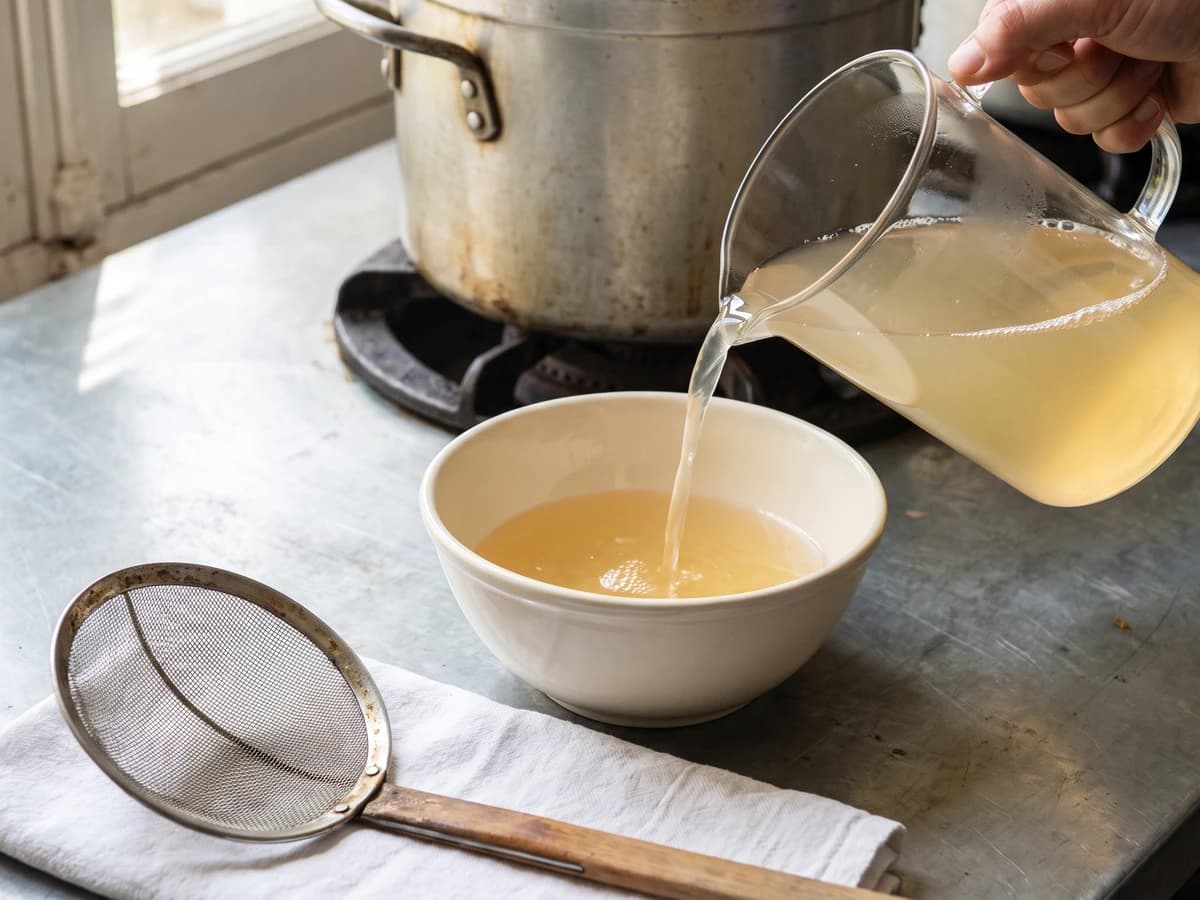
Beef shin, lean beef, and fowl begin in cold water and rise slowly toward a tremble. Skim before the boil, and you learn the quiet discipline that gives every clear French broth its backbone.
Chef Juliette
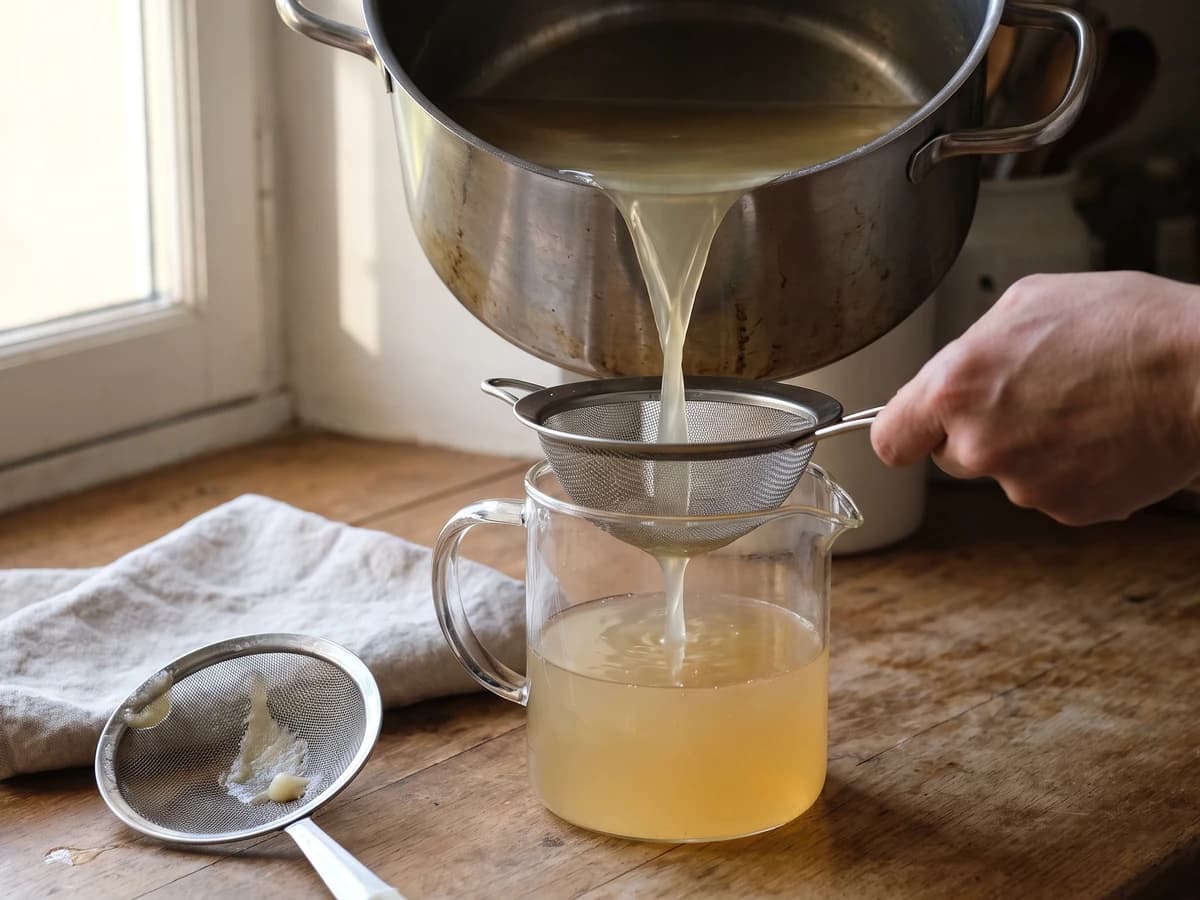
Break the veal bones small, then give them eight hours at a bare tremble. This pale, gelatinous fond becomes the quiet foundation beneath velouté, blanquette, and every sauce that must stay light.
Chef Juliette
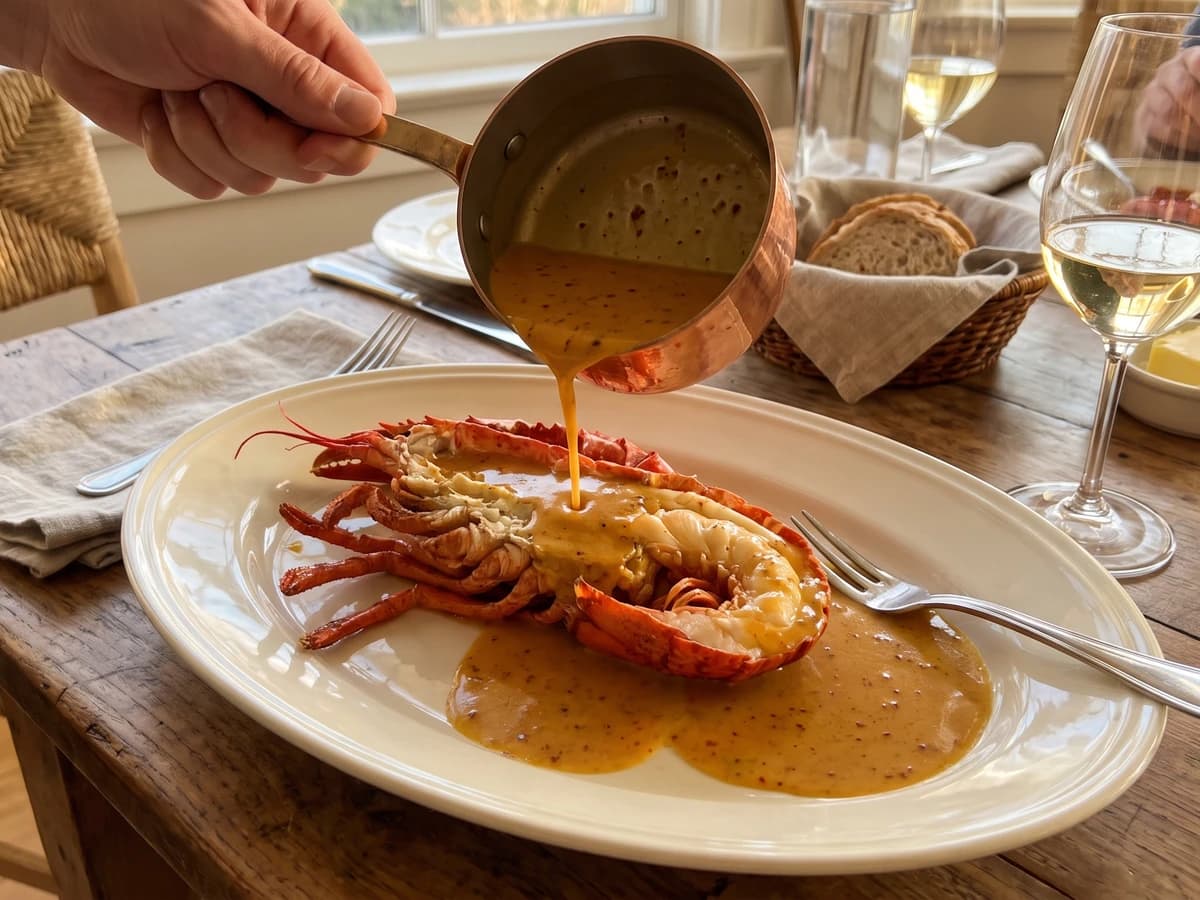
Sauce Orientale concentrates lobster-rich American Sauce with curry, then folds in cream away from the fire: a glossy, gently spiced derivative made for lobster, crayfish, and firm fish.