Chef Dean
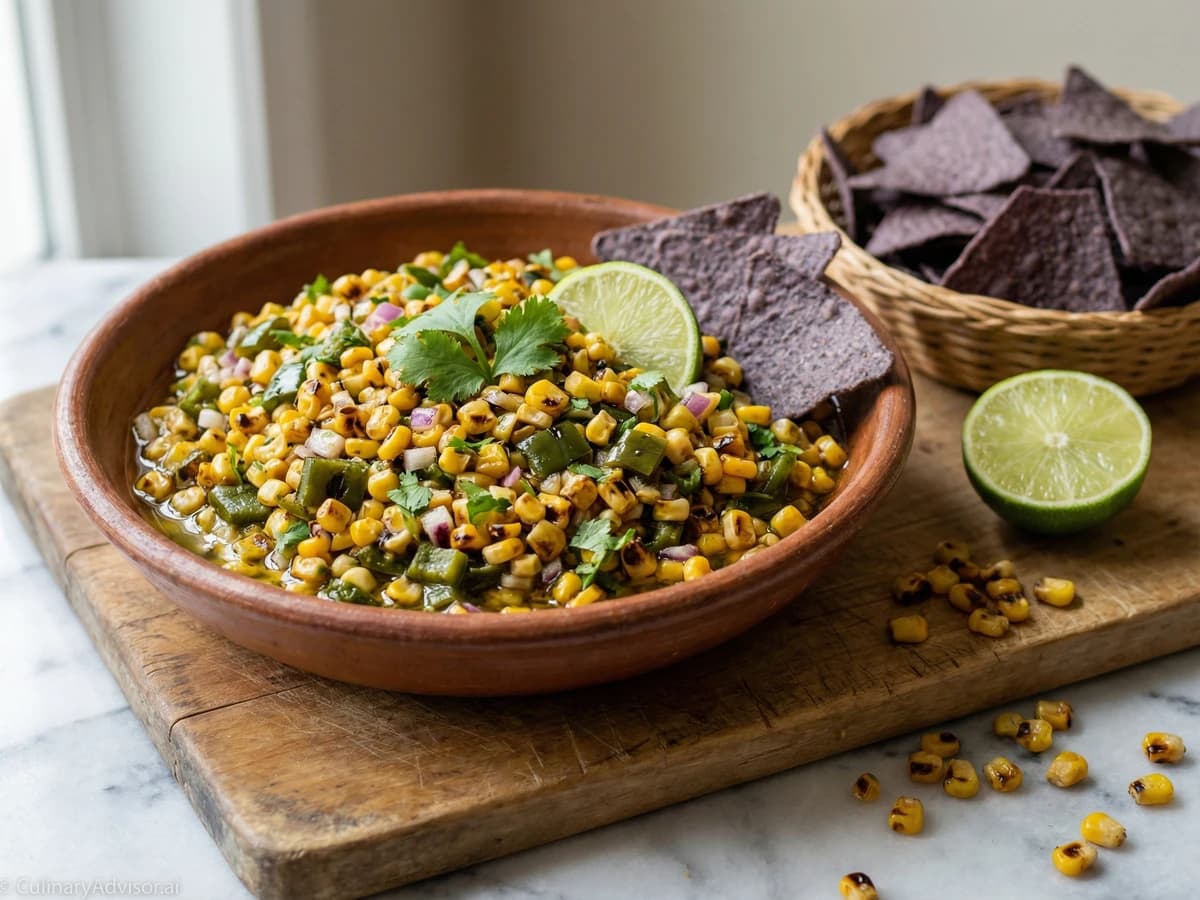
Fire-Roasted Corn and Poblano Salsa
A chunky, smoke-kissed salsa where blackened corn kernels meet blistered poblanos, brightened with lime and fresh cilantro. This is the salsa that belongs at every summer gathering worth attending.
A cooking platform built around craft, culture, and the stories behind what we eat.

Created by
A bold Texas-style dry rub where dark-roasted coffee meets smoky ancho chile, creating that prized mahogany bark on slow-smoked brisket that pit masters spend lifetimes perfecting.
Texas pit masters discovered something beautiful when they started rubbing coffee into beef. The roasted bitterness of espresso meets the fruity warmth of dried chiles, and together they build a crust so dark and complex it looks like burnished leather. This is honest smokehouse tradition, the kind that built reputations in Lockhart and Taylor and a hundred roadside joints across the Hill Country.
The coffee here does more than add flavor. Those coarse grounds create texture in your bark, tiny pockets of crunch that shatter against your teeth. The ancho chile brings sweetness first, then a gentle warmth that builds without burning. Brown sugar caramelizes during the long smoke, turning sticky and lacquered. Smoked paprika reinforces what the fire is already doing.
I've watched brisket competitions where the difference between first place and forgotten came down to the rub. Not the meat, not the wood, not even the time. The rub. Get this right and you're halfway to something worth bragging about. Mix it in quantity and keep a jar by your smoker all summer long.
Quantity
3 tablespoons
Quantity
2 tablespoons
Quantity
2 tablespoons
packed
Quantity
2 tablespoons
Quantity
2 tablespoons
Quantity
2 tablespoons
coarsely ground
Quantity
1 tablespoon
Quantity
1 tablespoon
Quantity
1 tablespoon
Quantity
1 teaspoon
Quantity
1 teaspoon
Quantity
1 teaspoon
crumbled
| Ingredient | Quantity |
|---|---|
| coarse espresso grounds | 3 tablespoons |
| ancho chile powder | 2 tablespoons |
| dark brown sugarpacked | 2 tablespoons |
| smoked paprika | 2 tablespoons |
| coarse kosher salt | 2 tablespoons |
| black peppercoarsely ground | 2 tablespoons |
| ground cumin | 1 tablespoon |
| garlic powder | 1 tablespoon |
| onion powder | 1 tablespoon |
| ground coriander | 1 teaspoon |
| cayenne pepper | 1 teaspoon |
| dried Mexican oreganocrumbled | 1 teaspoon |
If grinding your own coffee, pulse whole beans in short bursts until you achieve a coarse, uneven texture similar to kosher salt. You want visible fragments, not powder. Pre-ground espresso works fine, but avoid anything labeled "fine" or "Turkish." The coarseness creates that textured bark pit masters prize.
Press the brown sugar through your fingers into a medium bowl, crushing any lumps completely. Brown sugar clumps will create uneven patches on your bark. You want the sugar evenly distributed so it caramelizes uniformly across the entire surface of the meat.
Add the coffee, ancho chile powder, smoked paprika, salt, pepper, cumin, garlic powder, onion powder, coriander, cayenne, and oregano to the bowl. Crumble the oregano between your palms as it falls to release its oils. The scent should hit you immediately: dark, smoky, with that distinctive chile warmth.
Use a fork or your fingers to blend everything together until the color is uniform throughout: a deep reddish-brown, almost the color of good garden soil. No streaks of sugar, no pockets of pure coffee. Take your time here. Thirty seconds of mixing prevents an hour of uneven bark.
Transfer to an airtight container if storing. For immediate use, apply generously to your brisket: pat the meat dry, then press the rub firmly into every surface, using about one tablespoon per pound of meat. The rub should coat the beef completely, creating a crust you can see. Let the rubbed brisket rest uncovered in the refrigerator overnight for the best bark formation.
1 serving (about 7g)
Culinary guides, cultural storytelling, and the editorial depth that makes cooking meaningful.
Discover Culinary ExplorerChef Dean
A chunky, smoke-kissed salsa where blackened corn kernels meet blistered poblanos, brightened with lime and fresh cilantro. This is the salsa that belongs at every summer gathering worth attending.
Chef Juliette
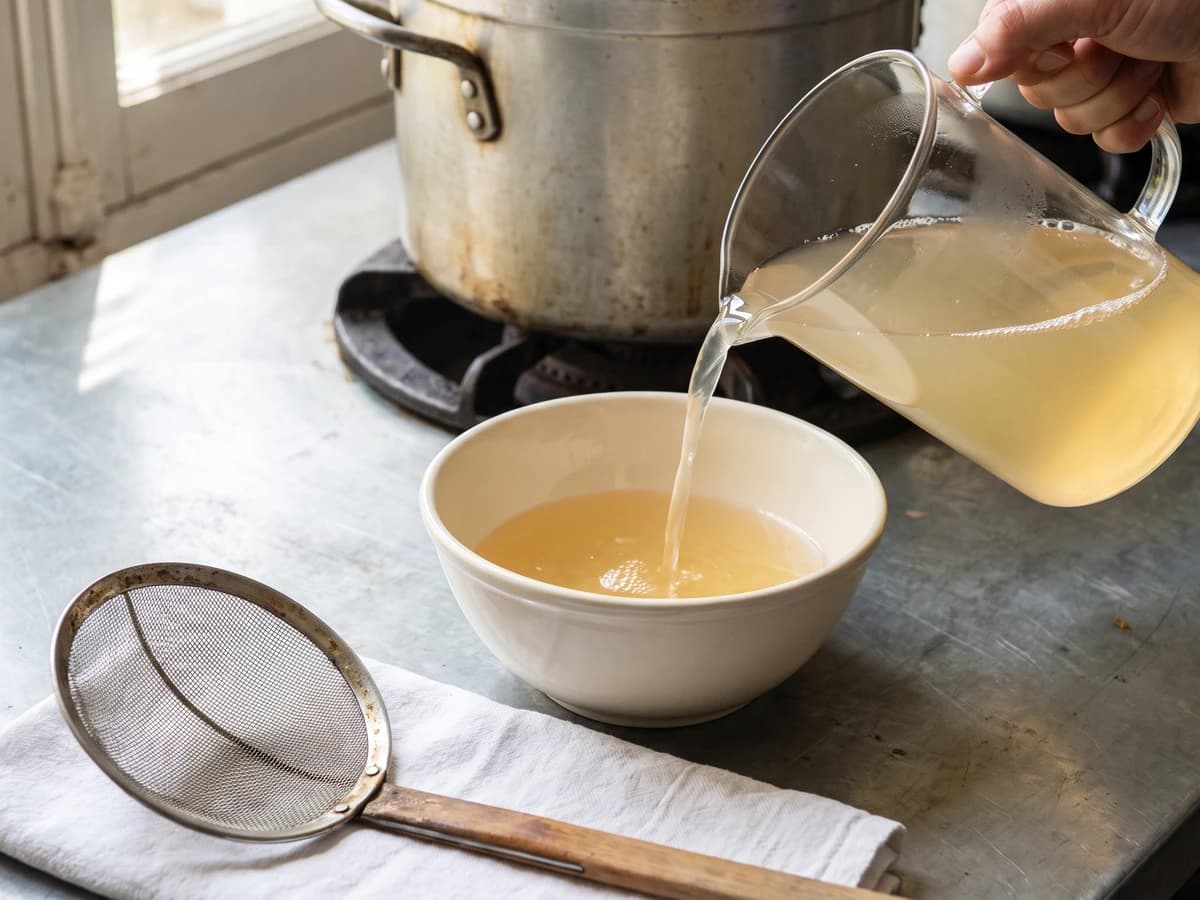
Beef shin, lean beef, and fowl begin in cold water and rise slowly toward a tremble. Skim before the boil, and you learn the quiet discipline that gives every clear French broth its backbone.
Chef Juliette
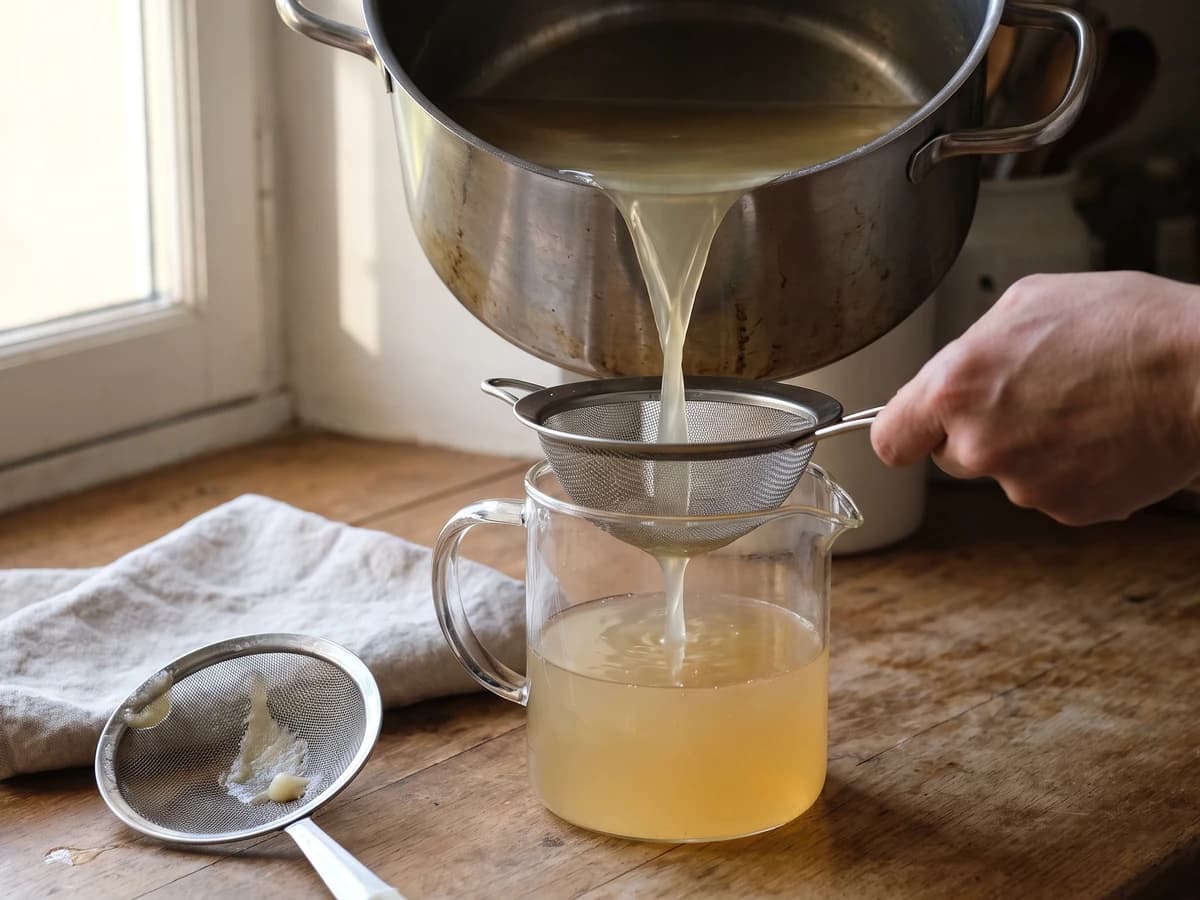
Break the veal bones small, then give them eight hours at a bare tremble. This pale, gelatinous fond becomes the quiet foundation beneath velouté, blanquette, and every sauce that must stay light.
Chef Juliette
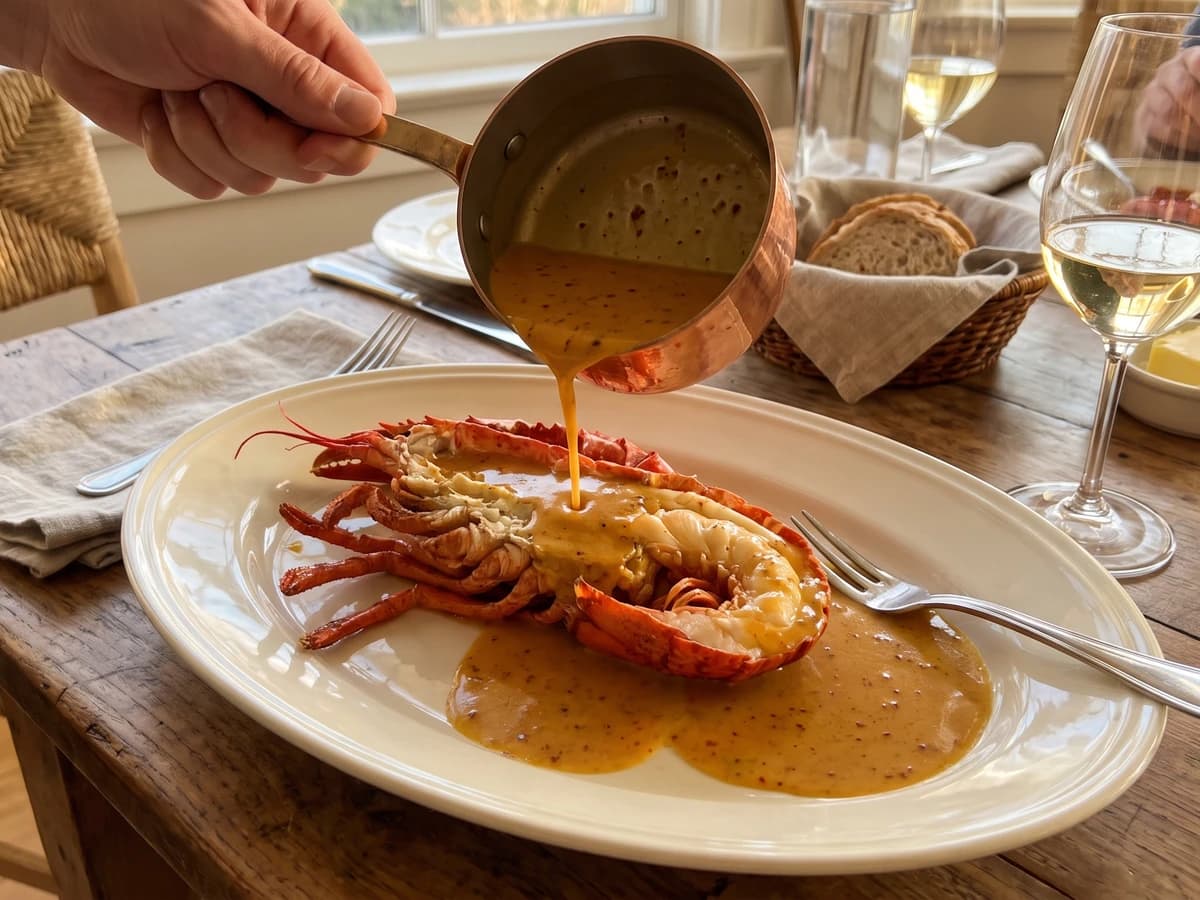
Sauce Orientale concentrates lobster-rich American Sauce with curry, then folds in cream away from the fire: a glossy, gently spiced derivative made for lobster, crayfish, and firm fish.