Culinary Explorer

A cooking platform built around craft, culture, and the stories behind what we eat.
Discover Culinary Explorer
Citrus and Fennel Rub

Citrus and Fennel Rub

Created by

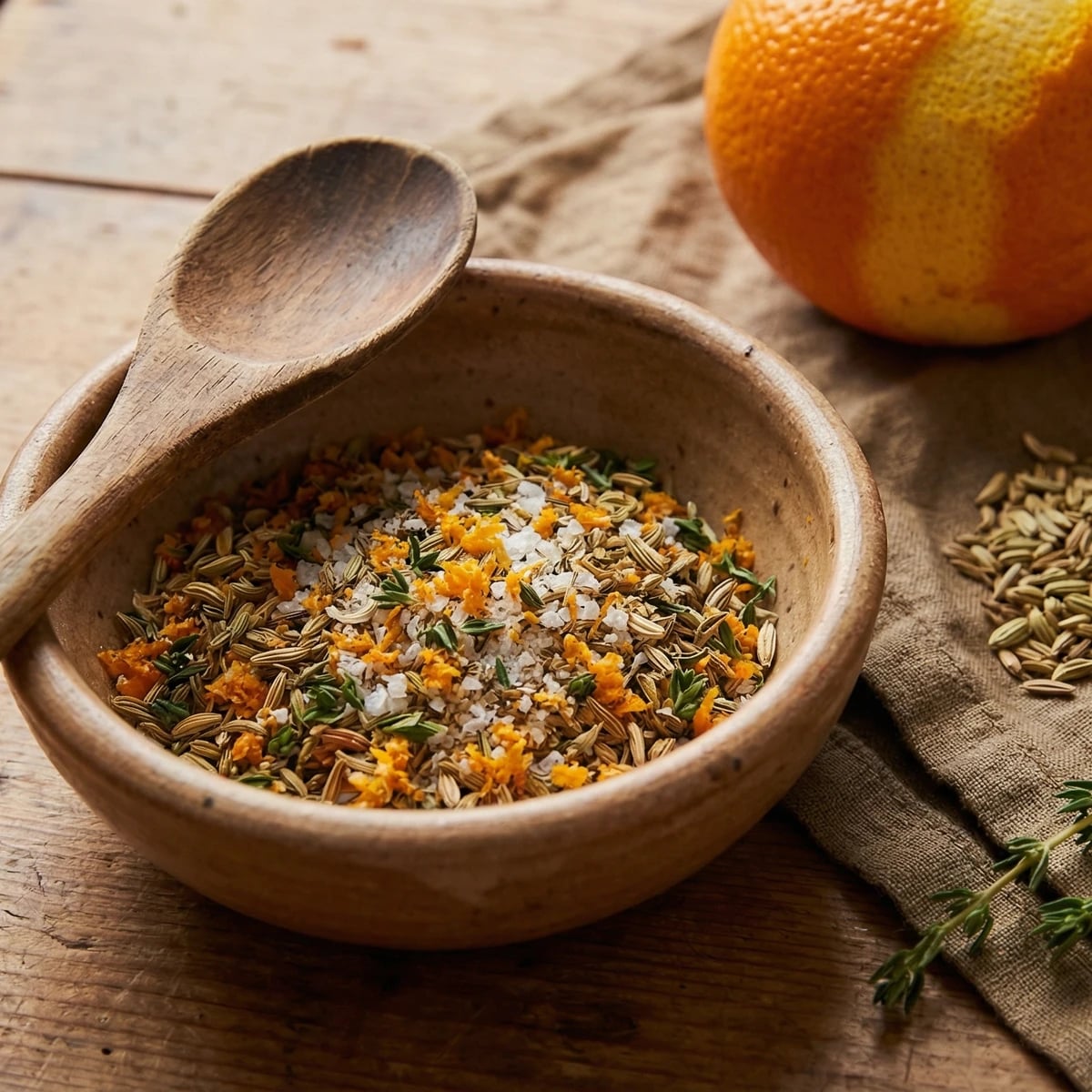
A simple California rub where bright orange zest meets toasted fennel seed, made for pork shoulders and firm fish, for backyard grills and kitchen ovens, for cooks who believe seasoning should taste of something real.

Sauces & Condiments
California
Make Ahead
BBQ
Outdoor Dining
15 min
Active Time
0 min cook15 min total
YieldAbout 1/2 cup (enough for 4 pounds of protein)

Start with the citrus. In winter, when California navels are heavy with juice and the zest practically glows, this rub reaches its peak. The oils in that bright outer skin carry more flavor than most seasonings combined. You just have to coax them out.

Fennel seed is the quiet partner here. Toasted until fragrant, crushed but not pulverized, it adds warmth without heaviness. The anise note meets the orange and they recognize each other, the way ingredients from the same place often do.

This is not a rub that hides anything. It will not rescue tired pork or mask fish past its prime. It assumes you have done the real work already: finding good meat from someone who raises animals well, or fish that was swimming recently. Your choices shape the food system. A rub like this simply honors what you brought home.

The technique, the tradition, and the story behind every dish.

Discover Culinary Explorer

Ingredients

fennel seeds

Quantity

2 tablespoons

navel oranges

Quantity

2 large

zested (about 2 tablespoons)

lemon

Quantity

1

zested (about 1 tablespoon)

flaky sea salt

Quantity

2 teaspoons

black pepper

Quantity

1 teaspoon

coarsely ground

red pepper flakes

Quantity

1/2 teaspoon

garlic

Quantity

2 cloves

minced to a paste

fresh thyme leaves

Quantity

1 tablespoon

Equipment Needed

  • Small dry skillet
  • Mortar and pestle (or heavy pan for crushing)
  • Microplane zester
  • Small mixing bowl

Instructions

  1. 1

    Toast the fennel seeds

    Set a small dry skillet over medium heat. Add the fennel seeds and toast, shaking the pan occasionally, until fragrant and slightly darker, about two minutes. You will smell anise rising from the pan. Remove from heat immediately. Fennel burns quickly once it decides to go.

    Listen for the seeds to start crackling. That is your signal they are nearly done.
  2. 2

    Crush the seeds

    Transfer warm seeds to a mortar and pestle. Crush them coarsely, leaving some texture. You want pieces, not powder. The irregular bits will catch on the meat and bloom in the heat. If you do not have a mortar, press firmly with the bottom of a heavy pan.

  3. 3

    Zest the citrus

    Use a microplane to remove only the bright outer layer of the oranges and lemon. Stop before you reach white pith, which tastes bitter. The oils should perfume your hands. If your citrus does not smell alive when you zest it, find better fruit.

    Organic citrus matters here. Conventional fruit is often waxed, and the zest goes directly into your food.
  4. 4

    Combine everything

    In a small bowl, combine the crushed fennel seeds with orange zest, lemon zest, sea salt, black pepper, and red pepper flakes. Add the garlic paste and thyme leaves. Work the mixture together with your fingers, pressing and rubbing until the oils release and everything becomes fragrant and slightly moist.

  5. 5

    Use or store

    The rub is best used within a few hours while the citrus oils are still vibrant. For pork, massage it into the meat and let it rest at least one hour, or overnight in the refrigerator. For fish, apply just before cooking. The rub should wake up the protein, not dominate it.

Chef Tips

  • Buy citrus from farmers when you can. Supermarket fruit is picked weeks early and stored cold. Farmers market oranges were on the tree days ago, and the zest knows the difference.
  • This rub pairs beautifully with pork shoulder, pork chops, or firm white fish like sea bass or halibut. For chicken, add a bit more lemon zest to brighten the flavor.
  • If making ahead, store the rub without the garlic, then add freshly minced garlic just before using. Garlic loses its punch quickly once exposed to salt.
  • In summer, when citrus is tired, try this same approach with stone fruit. A peach and fennel rub on grilled pork is worth remembering.

Advance Preparation

  • The rub without garlic keeps in an airtight jar for up to one week refrigerated. The citrus oils will fade but remain usable.
  • For the brightest flavor, make the rub the day you plan to use it. The citrus oils are most alive in those first few hours.
  • Rubbed pork can rest overnight in the refrigerator, improving both flavor and texture. Fish should be rubbed just before it meets heat.

Frequently Asked Questions

Nutrition Information

1 serving (about 6g)

Calories
10 calories
Total Fat
0 g
Saturated Fat
0 g
Trans Fat
0 g
Unsaturated Fat
0 g
Cholesterol
0 mg
Sodium
290 mg
Total Carbohydrates
2 g
Dietary Fiber
1 g
Sugars
0 g
Protein
0 g

Note: Chef personas and recipes are created with AI assistance. Cook with care: follow safe food-handling practices, check doneness with a thermometer when needed, and adapt for allergies and your kitchen.

Where cooking meets culture.

Culinary guides, cultural storytelling, and the editorial depth that makes cooking meaningful.

Discover Culinary Explorer

More from Chef Ally's Sauces and Condiments

Browse the full collection