Chef Juliette
Ordinary or White Consommé
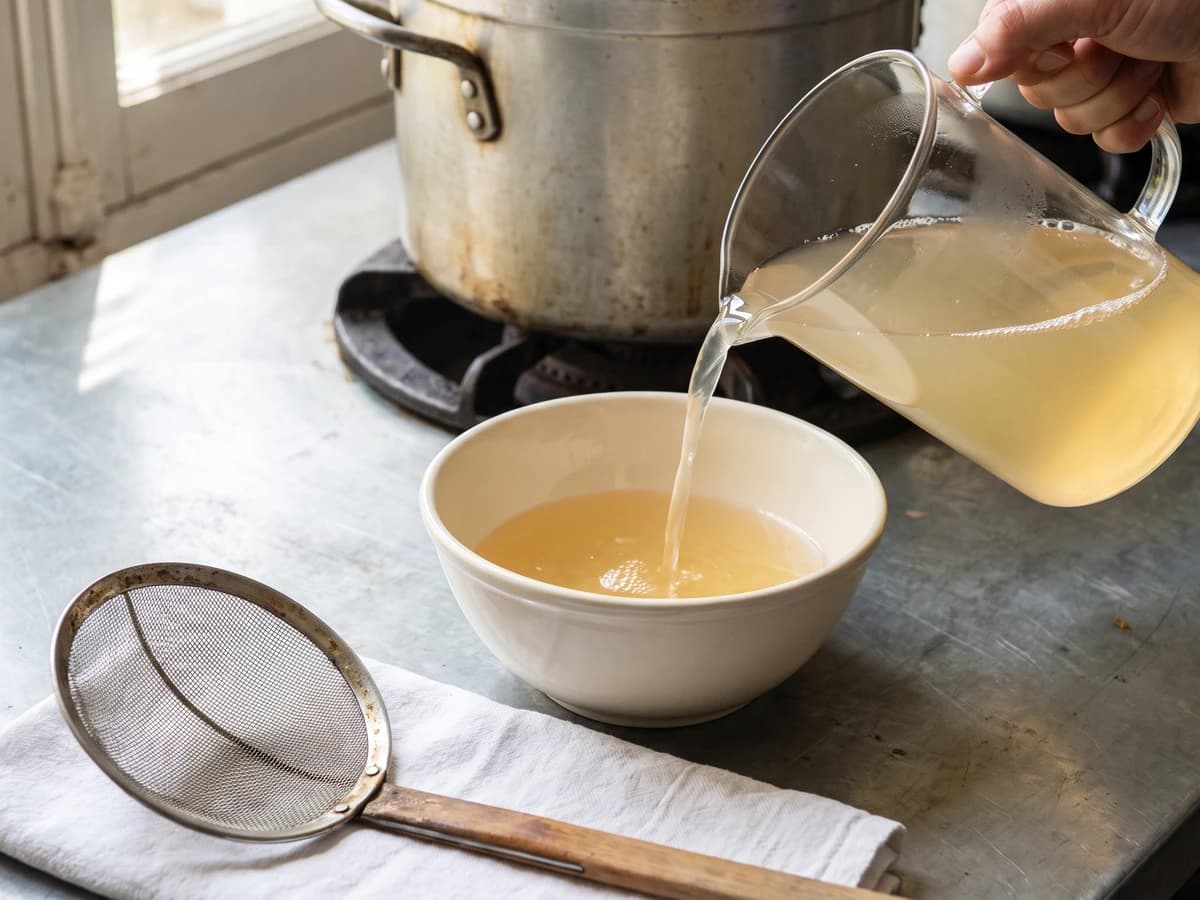
Beef shin, lean beef, and fowl begin in cold water and rise slowly toward a tremble. Skim before the boil, and you learn the quiet discipline that gives every clear French broth its backbone.
A cooking platform built around craft, culture, and the stories behind what we eat.
Created by
The cucumber-yogurt sauce that has anchored Greek tables for generations, honest and refreshing, requiring nothing more than quality yogurt, patient draining, and the confidence to use enough garlic.
Tzatziki arrived in America alongside the great wave of Greek immigration and never left. It settled into diners and gyro shops, onto mezze platters and barbecue tables, becoming so familiar we sometimes forget its genius. This is a sauce that works harder than anything in your refrigerator.
The technique is almost embarrassingly simple, which is precisely why so many versions fail. Watery tzatziki plagues restaurant menus and grocery store containers alike, the result of cooks too hurried to properly drain their cucumbers. That step, unglamorous as it sounds, separates the memorable from the mediocre.
I learned to make tzatziki from a woman in Astoria, Queens, who ran a lunch counter the size of a closet and served the best lamb I've ever tasted in New York. She squeezed her cucumbers in a clean kitchen towel with the intensity of someone wringing out a mop. The sauce that resulted was thick enough to hold its shape on a spoon, cool and sharp with raw garlic, fragrant with dill she grew in pots on her fire escape. That's the standard we're aiming for.
Quantity
2 cups (16 ounces)
Quantity
1 medium (about 12 ounces)
Quantity
3 cloves
finely grated or minced
Quantity
2 tablespoons, plus more for serving
Quantity
1 tablespoon
Quantity
2 tablespoons
finely chopped
Quantity
1 teaspoon, plus more to taste
Quantity
1/4 teaspoon
freshly ground
| Ingredient | Quantity |
|---|---|
| full-fat Greek yogurt | 2 cups (16 ounces) |
| English cucumber | 1 medium (about 12 ounces) |
| garlicfinely grated or minced | 3 cloves |
| extra-virgin olive oil | 2 tablespoons, plus more for serving |
| fresh lemon juice | 1 tablespoon |
| fresh dillfinely chopped | 2 tablespoons |
| fine sea salt | 1 teaspoon, plus more to taste |
| white pepperfreshly ground | 1/4 teaspoon |
Halve the cucumber lengthwise and scrape out the watery seeds with a spoon. Grate the flesh on the large holes of a box grater directly into a fine-mesh strainer set over a bowl. You want long, thin shreds that will distribute evenly through the sauce. The seeds are where most of the water hides, and water is the enemy of proper tzatziki.
Sprinkle the grated cucumber with half a teaspoon of salt and toss to combine. Let it sit in the strainer for at least ten minutes, during which the salt will draw out a surprising amount of liquid. Then gather the cucumber in your hands and squeeze firmly over the sink, wringing out every drop you can. The shreds should feel almost dry. This single step determines whether your tzatziki is silky or soupy.
Grate the garlic on a Microplane or the fine holes of your box grater to create a smooth paste. Alternatively, mince it finely and then drag your knife blade across the pieces at an angle, pressing down to smash the garlic into a rough paste. Raw garlic has bite. The finer you make it, the more evenly that pungency distributes through the sauce.
Spoon the yogurt into a medium mixing bowl. Add the squeezed cucumber, garlic paste, olive oil, and lemon juice. Stir with a fork or spatula until everything is evenly incorporated. The mixture should look creamy and cohesive, with green cucumber shreds visible throughout like tiny ribbons suspended in the white.
Add the chopped dill, remaining half teaspoon of salt, and white pepper. Stir to combine. Taste now, while you can still adjust. The sauce should be cool and bright from the lemon, rich from the olive oil, and carry a gentle garlic warmth at the finish. Add more salt if it tastes flat, more lemon if it needs lift.
Cover the bowl tightly and refrigerate for at least one hour before serving. This rest is not optional. The flavors need time to marry, the garlic to mellow slightly, and the cucumber to release its final moisture into the surrounding yogurt. Cold tzatziki straight from the refrigerator is a different creature than room temperature sauce, and far superior.
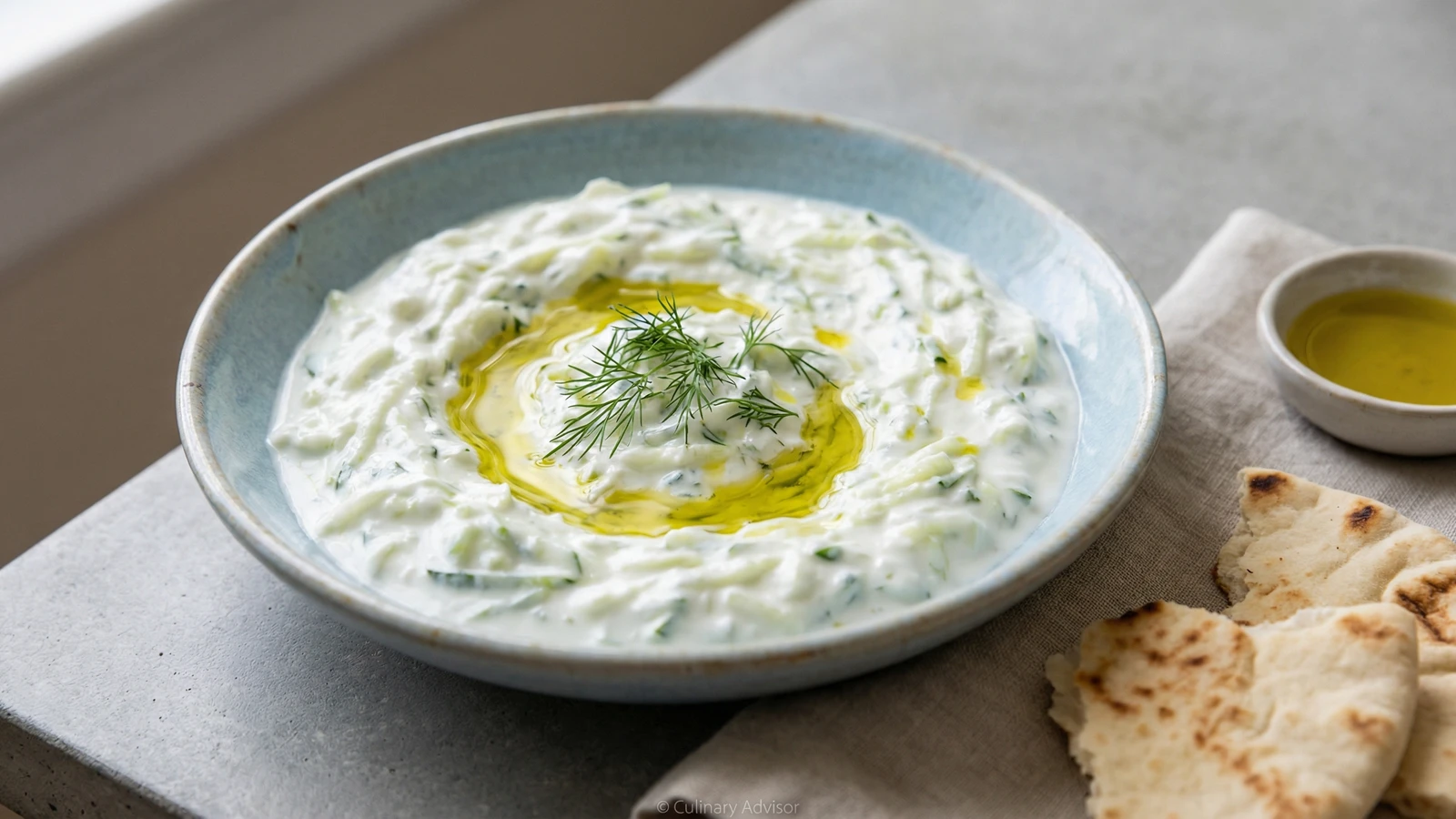
Transfer to a shallow serving bowl and create a small well in the center with the back of a spoon. Drizzle good olive oil into the well and scatter a few extra dill fronds across the surface. The oil slick glistens and signals richness before the first bite. Serve cold with warm pita, alongside grilled meats, or as the cooling counterpoint to anything with heat and char.
1 serving (about 85g)
Culinary guides, cultural storytelling, and the editorial depth that makes cooking meaningful.
Discover Culinary ExplorerChef Juliette
Beef shin, lean beef, and fowl begin in cold water and rise slowly toward a tremble. Skim before the boil, and you learn the quiet discipline that gives every clear French broth its backbone.
Chef Juliette
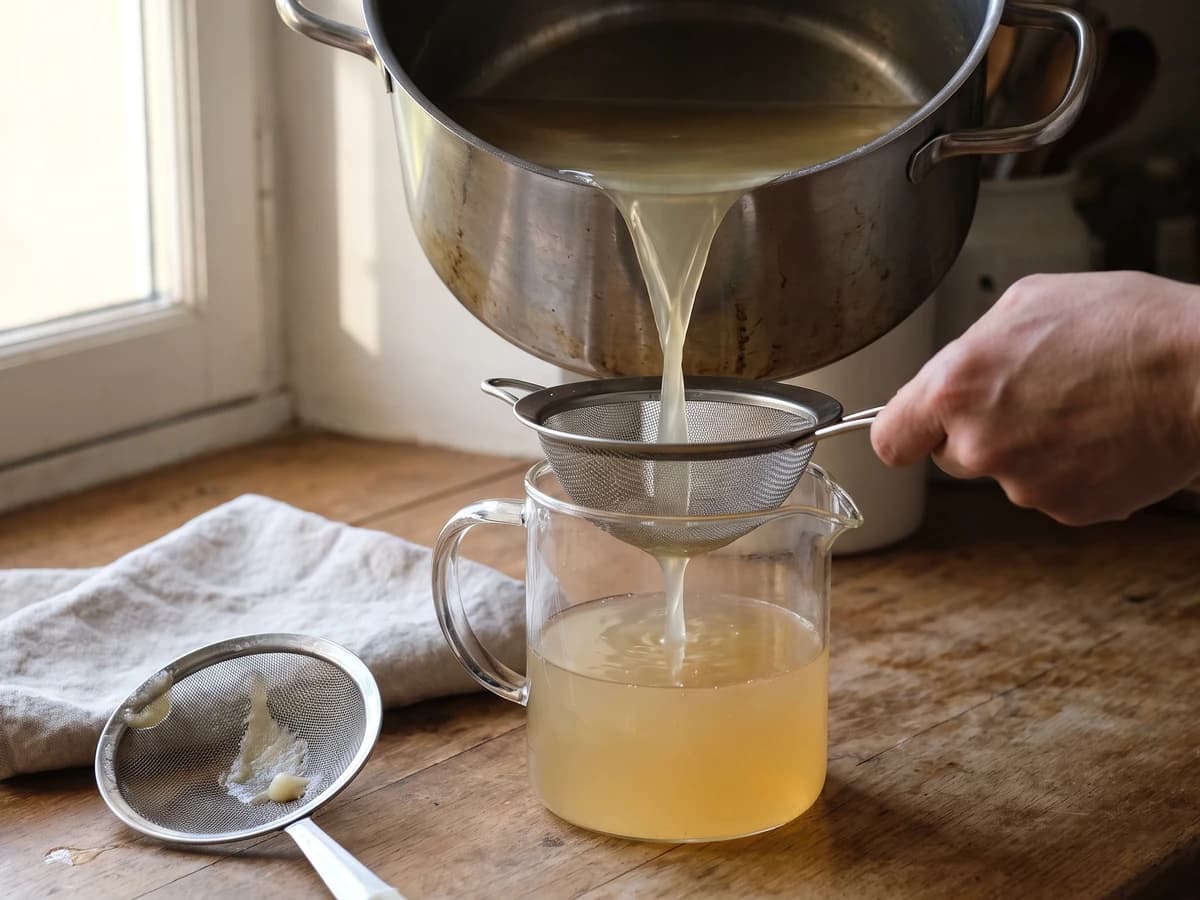
Break the veal bones small, then give them eight hours at a bare tremble. This pale, gelatinous fond becomes the quiet foundation beneath velouté, blanquette, and every sauce that must stay light.
Chef Juliette
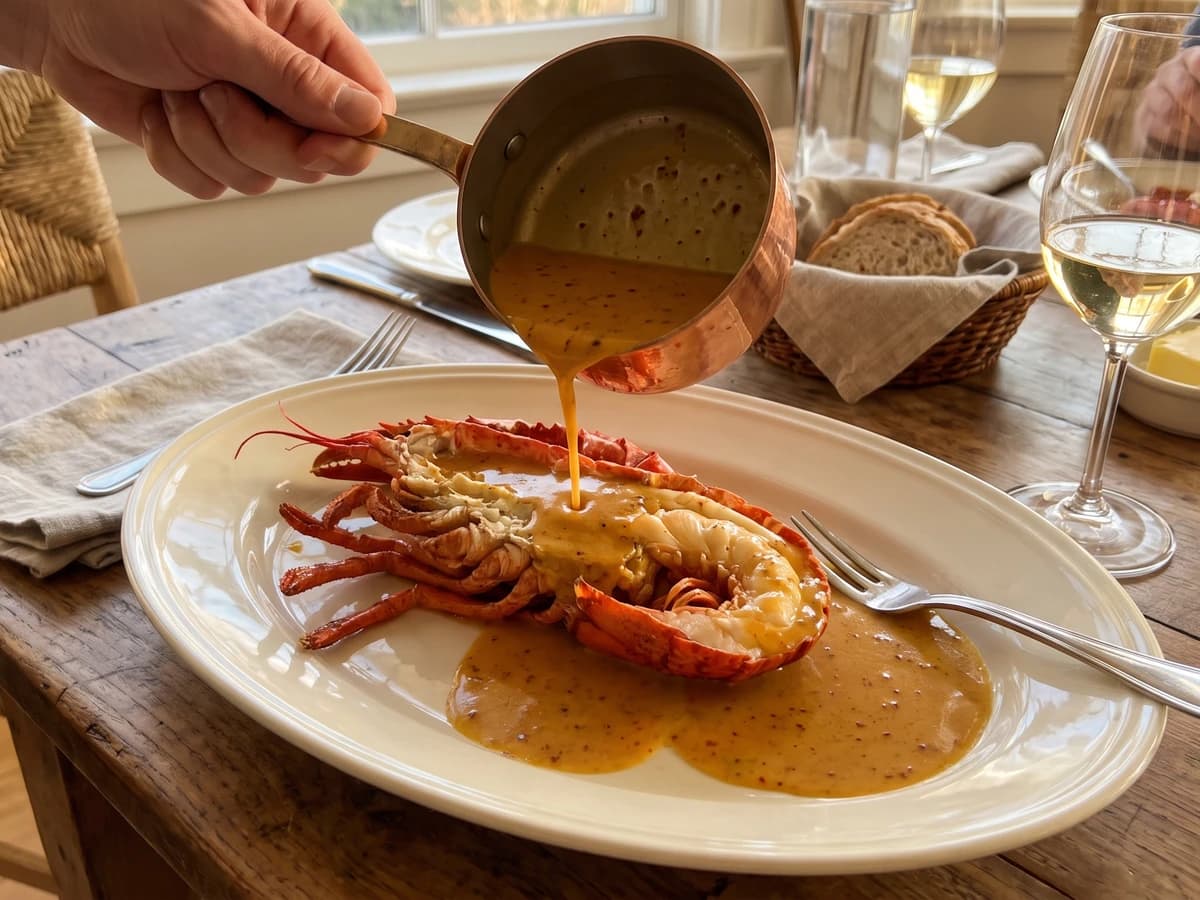
Sauce Orientale concentrates lobster-rich American Sauce with curry, then folds in cream away from the fire: a glossy, gently spiced derivative made for lobster, crayfish, and firm fish.
Chef Juliette
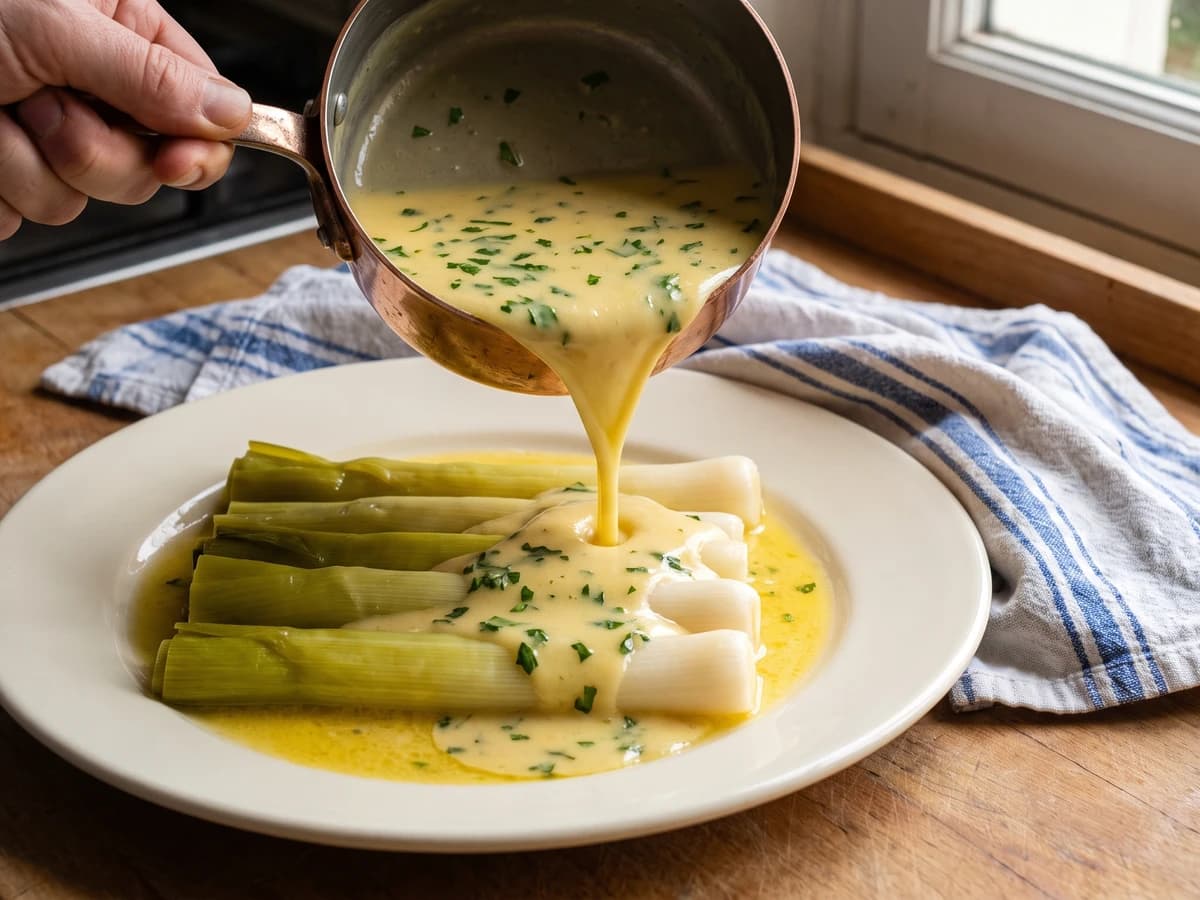
An old lesson in sauce families: Sauce Allemande takes mushroom liquor, then butter, lemon, and parsley, becoming a glossy Poulette for sheep's trotters, leeks, cauliflower, and anything needing gentle richness with a bright edge.