Chef Juliette
Ordinary or White Consommé
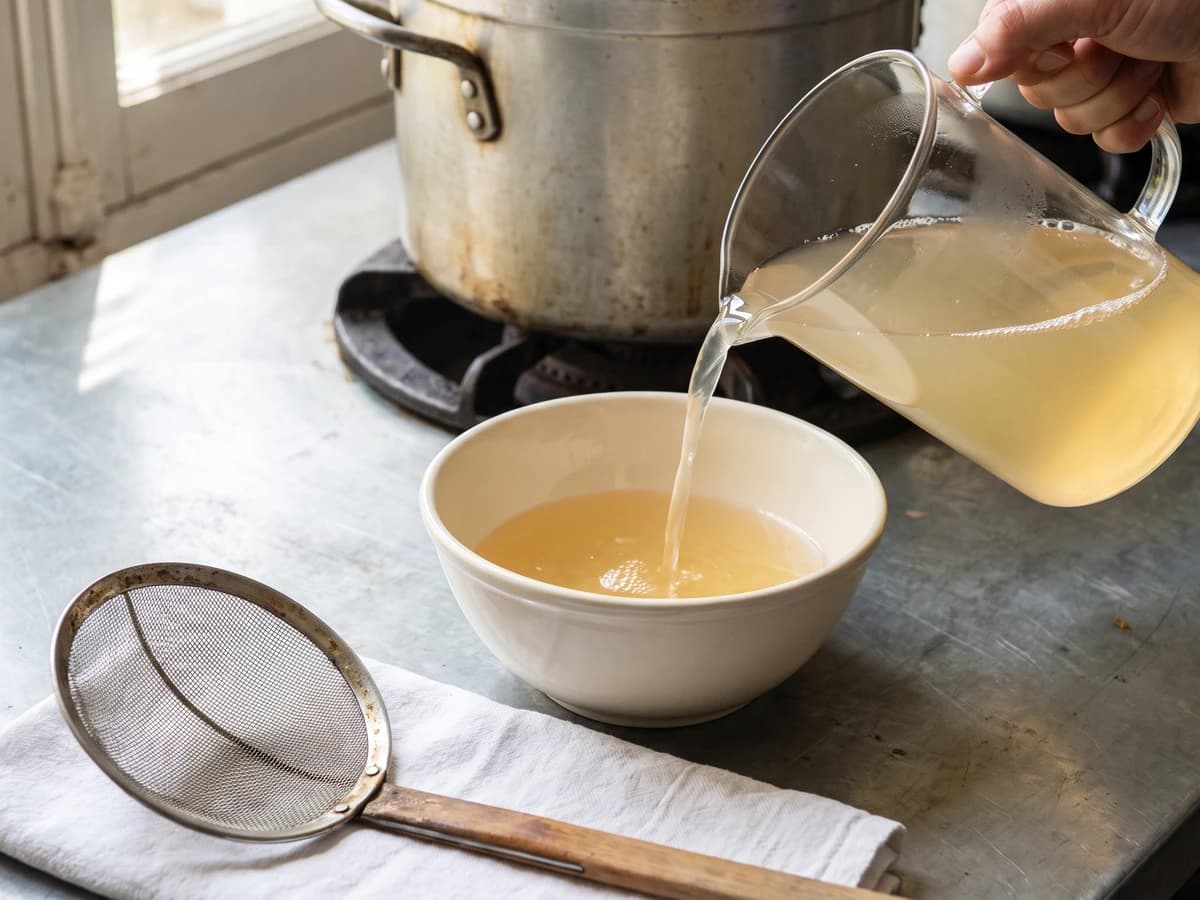
Beef shin, lean beef, and fowl begin in cold water and rise slowly toward a tremble. Skim before the boil, and you learn the quiet discipline that gives every clear French broth its backbone.
A cooking platform built around craft, culture, and the stories behind what we eat.

Created by
Small onions cooked slowly in the sweet-sour glaze the Venetians perfected centuries ago. A dish that proves the genius of restraint, where three flavors become one.
Agrodolce is the Venetian answer to the question of how to make humble vegetables extraordinary. The name tells you everything: agro is sour, dolce is sweet. The balance between them is the entire point. Too much vinegar and the dish is harsh. Too much sugar and it becomes cloying. When it is right, neither dominates. They support each other.
The Venetians have been cooking this way since the Republic traded with the East and discovered that sugar could be more than a medicine. They applied this sweet-sour principle to everything: fish, game, vegetables. The onions survived because they are perfect for it. Small onions, cooked slowly until they yield completely, absorb the glaze into their very fibers.
This is not a recipe you make once. You make it, taste it, adjust, and make it again. The ratio I give you is sound, but your vinegar may be sharper than mine, your onions sweeter. Learn the balance with your ingredients. That is what cooking is.
The agrodolce tradition arrived in Venice through Arab and Byzantine trade routes during the medieval period, when sugar was a precious spice rather than a staple. Venetian merchants applied these Eastern flavor principles to local ingredients, and the sweet-sour preparation became a defining characteristic of the region's cuisine. Cipolline in agrodolce appears in Venetian cookbooks from the 16th century onward.
Quantity
1 1/2 pounds
Quantity
3 tablespoons
Quantity
2 tablespoons
Quantity
1/2 cup
Quantity
3 tablespoons
Quantity
1 cup
Quantity
2
Quantity
1 teaspoon
Quantity
to taste
freshly ground
| Ingredient | Quantity |
|---|---|
| cipolline or small pearl onions | 1 1/2 pounds |
| extra virgin olive oil | 3 tablespoons |
| unsalted butter | 2 tablespoons |
| red wine vinegar | 1/2 cup |
| sugar | 3 tablespoons |
| dry white wine | 1 cup |
| bay leaves | 2 |
| kosher salt | 1 teaspoon |
| black pepperfreshly ground | to taste |
Bring a large pot of water to a boil. Drop in the onions, still in their skins, and blanch for two minutes. Drain immediately and transfer to a bowl of ice water. When cool enough to handle, trim the root end and slip off the skins. They should slide away easily. If they resist, you did not blanch long enough.
In a wide sauté pan or braiser with a lid, heat the olive oil and butter over medium heat until the butter foam subsides. Add the peeled onions in a single layer. They must not crowd each other. If necessary, work in batches or use a larger pan. Cook without stirring for 4 to 5 minutes, until the bottoms turn golden.
Sprinkle the sugar over the onions and stir gently to coat. Let the sugar begin to caramelize, about one minute. Add the vinegar, then the white wine, then the bay leaves. The liquid will bubble vigorously. This is correct. Season with the salt and several grinds of pepper.
Reduce heat to low and cover the pan. Let the onions braise gently for 25 to 30 minutes, shaking the pan occasionally. The onions are done when a knife slides through without resistance. If the liquid evaporates before the onions are tender, add a splash of water and continue.
Remove the lid and raise heat to medium. Let the liquid reduce until it becomes syrupy and coats the onions in a glossy glaze. This takes 8 to 10 minutes. Watch carefully at the end. The line between glazed and burnt is measured in seconds. Turn the onions gently to coat them evenly.
Remove the bay leaves. Transfer the onions to a serving dish and let them rest for at least 15 minutes. Cipolline in agrodolce are traditionally served at room temperature, when the flavors have had time to settle and the sweetness and acidity have found their balance. They improve further after several hours, or overnight.
1 serving (about 100g)
Culinary guides, cultural storytelling, and the editorial depth that makes cooking meaningful.
Discover Culinary ExplorerChef Juliette
Beef shin, lean beef, and fowl begin in cold water and rise slowly toward a tremble. Skim before the boil, and you learn the quiet discipline that gives every clear French broth its backbone.
Chef Juliette
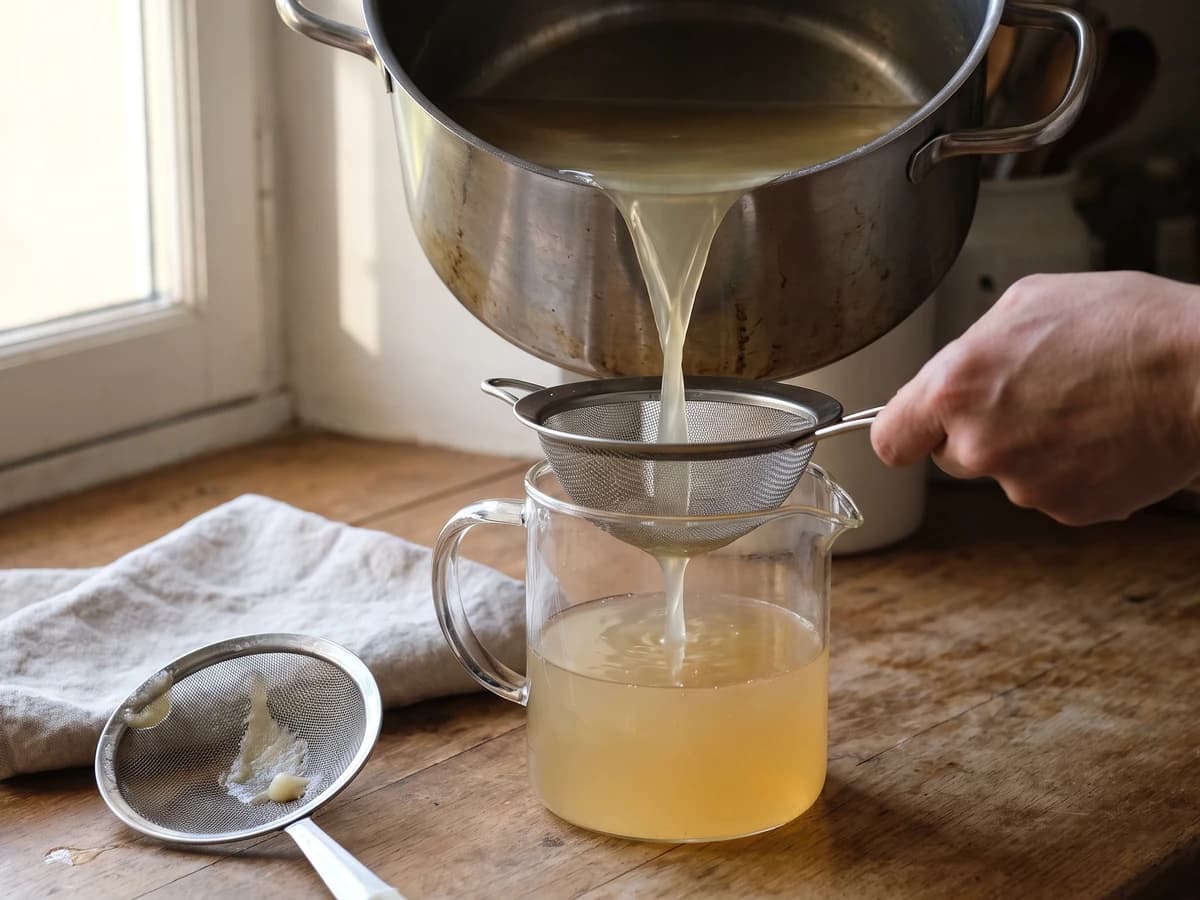
Break the veal bones small, then give them eight hours at a bare tremble. This pale, gelatinous fond becomes the quiet foundation beneath velouté, blanquette, and every sauce that must stay light.
Chef Juliette
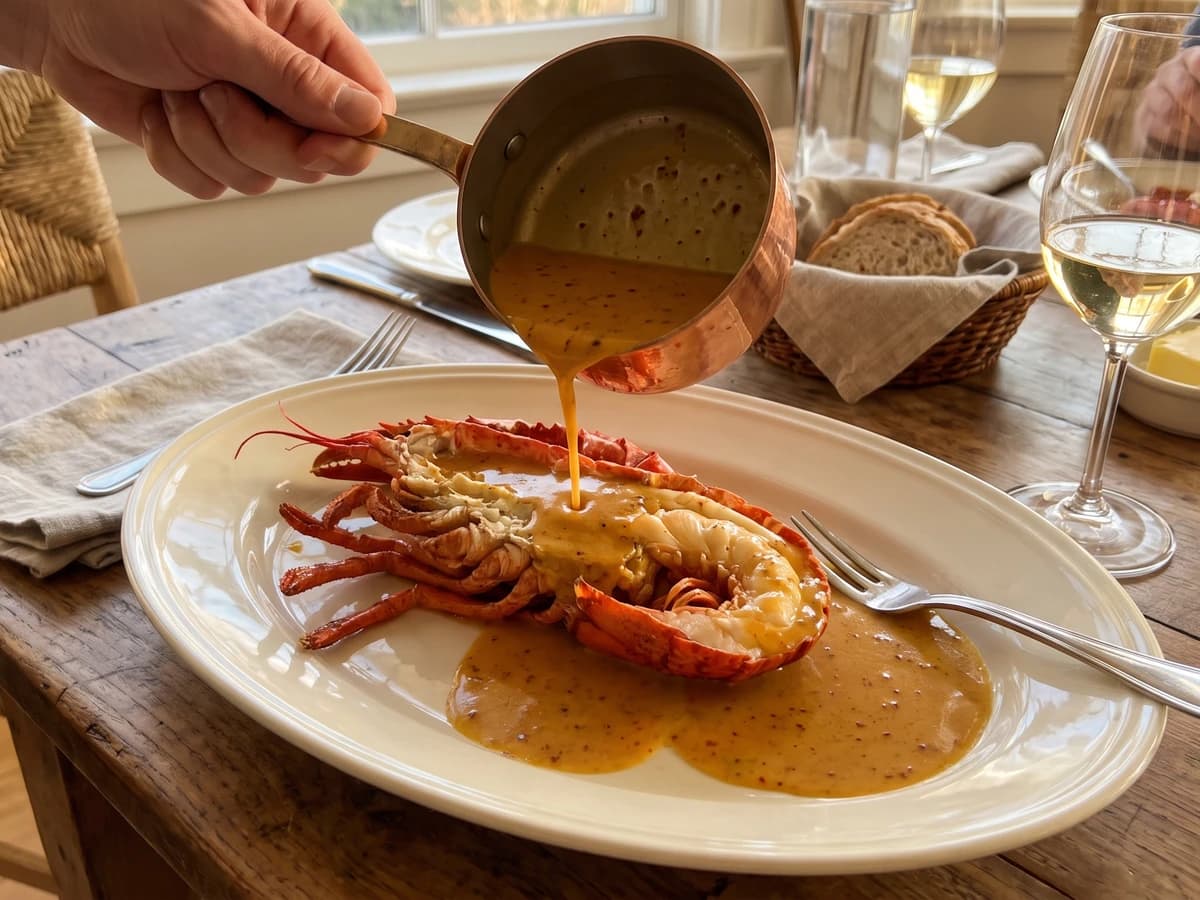
Sauce Orientale concentrates lobster-rich American Sauce with curry, then folds in cream away from the fire: a glossy, gently spiced derivative made for lobster, crayfish, and firm fish.
Chef Juliette
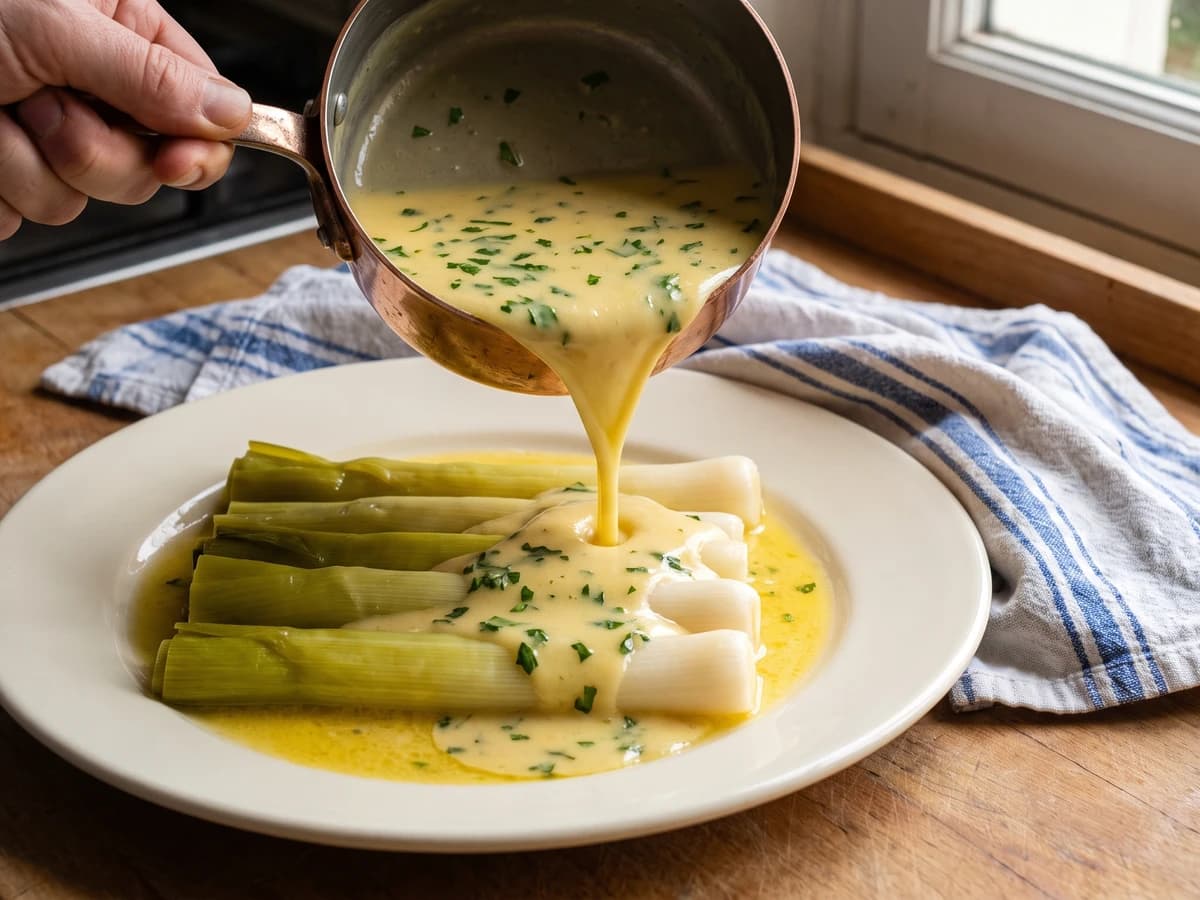
An old lesson in sauce families: Sauce Allemande takes mushroom liquor, then butter, lemon, and parsley, becoming a glossy Poulette for sheep's trotters, leeks, cauliflower, and anything needing gentle richness with a bright edge.