
Chef Jeong-sun
Nakji-jeot (Salted Octopus)
Small octopus cleaned hard with coarse salt, cold-cured until firm, then seasoned with gochugaru, garlic, ginger, and sesame so each chewy piece still tastes of the sea.
Recipe Archive
Sauces and condiments carry a surprising amount of technique. Find dressings, marinades, stocks, gravies, relishes, and finishing sauces with clear purpose.
965 recipes
A cooking platform built around craft, culture, and the stories behind what we eat.
Chef Jeong-sun
Small octopus cleaned hard with coarse salt, cold-cured until firm, then seasoned with gochugaru, garlic, ginger, and sesame so each chewy piece still tastes of the sea.
Chef Fai
The deep south runs on budu, not nam pla. Fermented anchovy sauce cooked down with palm sugar, lime, shallots, and chili into a thick, funky dip that is the salt pillar of Southern Thai cooking.

Chef Fai
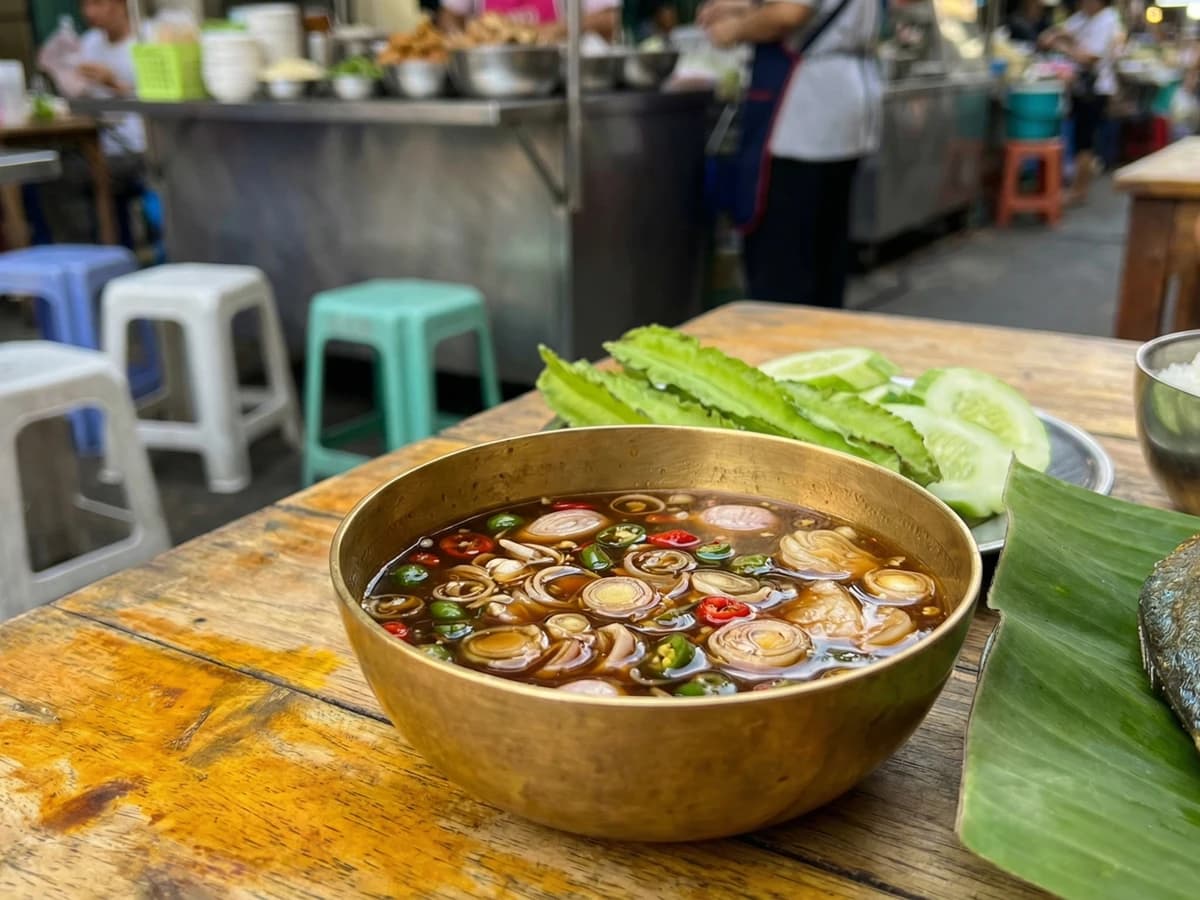
Fish sauce and palm sugar reduced to a glossy, salty-sweet syrup with raw shallots, sliced chilies, and a squeeze of lime. The four pillars in a jar. Served with unripe fruit that fights back.
Chef Fai
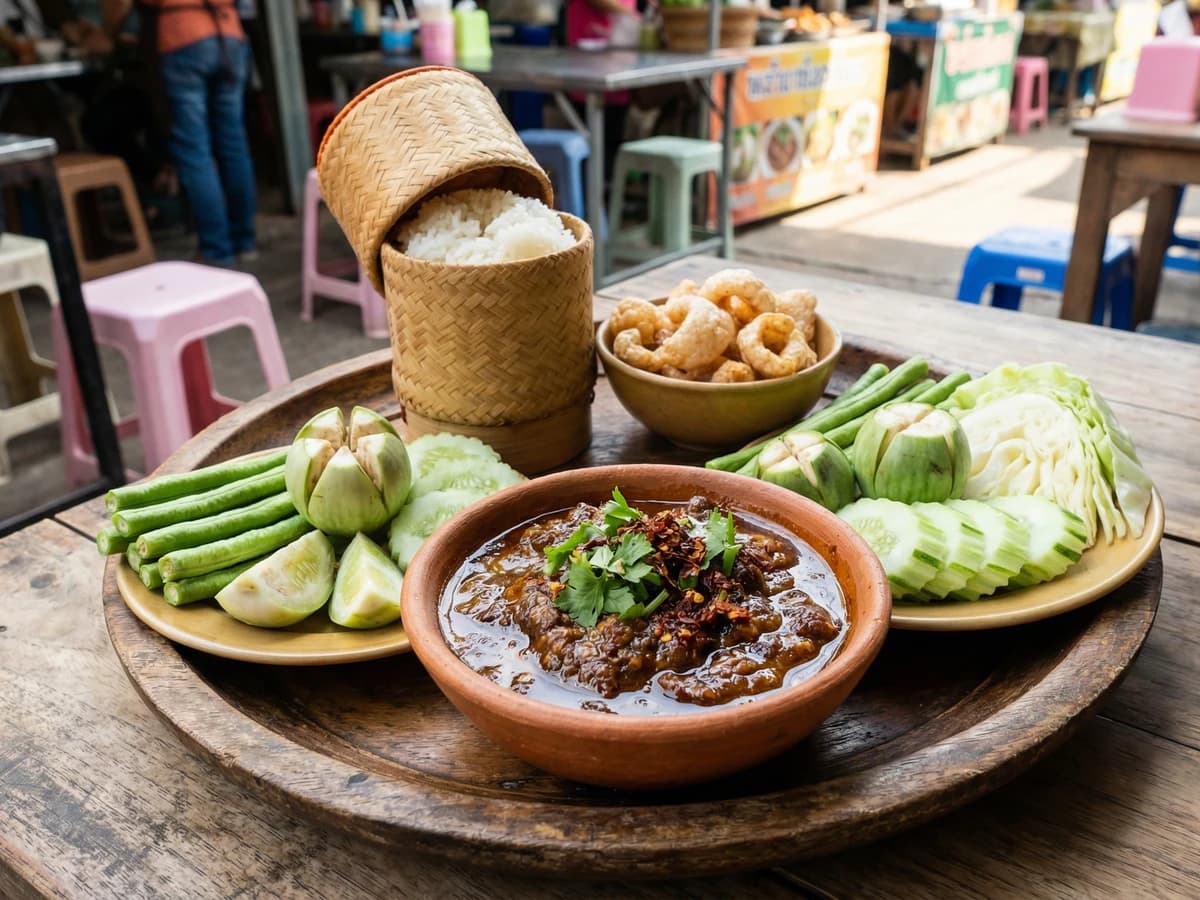
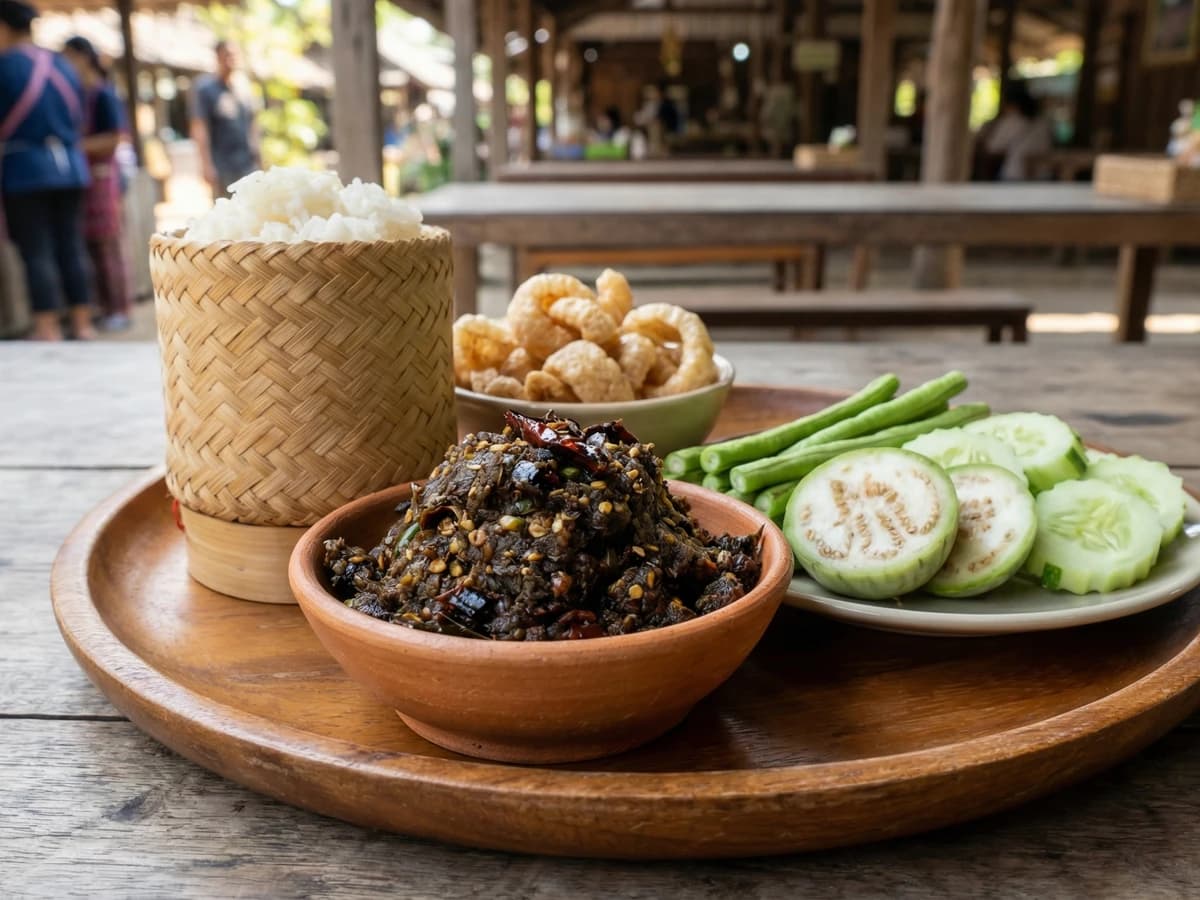
Grilled chicken liver pounded in the krok with charcoal-roasted chilies, garlic, and shallots. The kreung tam foundation taken to its richest, darkest, most Northern expression. Khantoke food, not restaurant food.

Chef Fai
This is the kreung tam itself. Nine essential ingredients, pounded in order from hardest to most delicate, building the foundation that every Thai curry stands on. Principles, not recipes.
Chef Fai
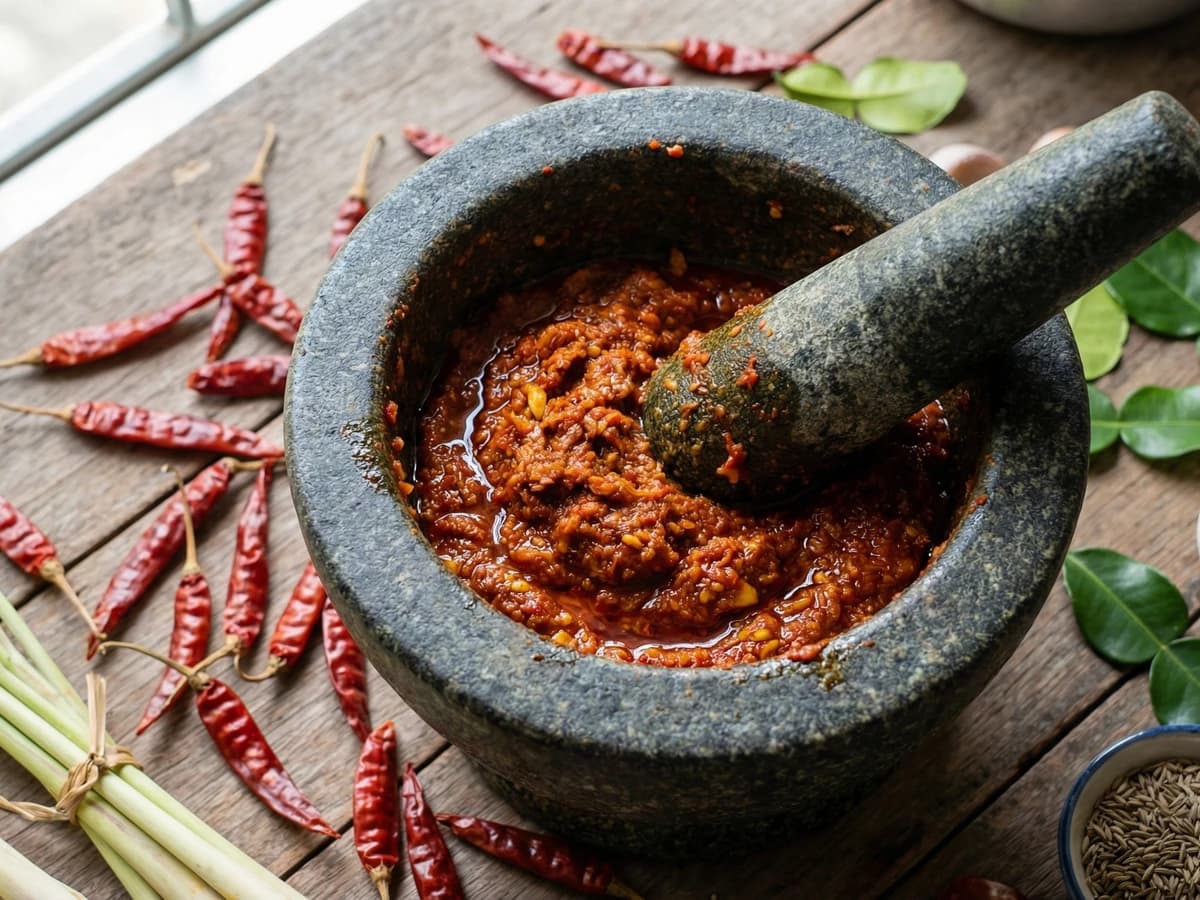
Same nine ingredients as green curry, but dried red chilies replace fresh green. Deeper heat, longer shelf life, wider application. This is the workhorse kreung tam of Central Thai cooking, and it starts in the krok.
Chef Fai
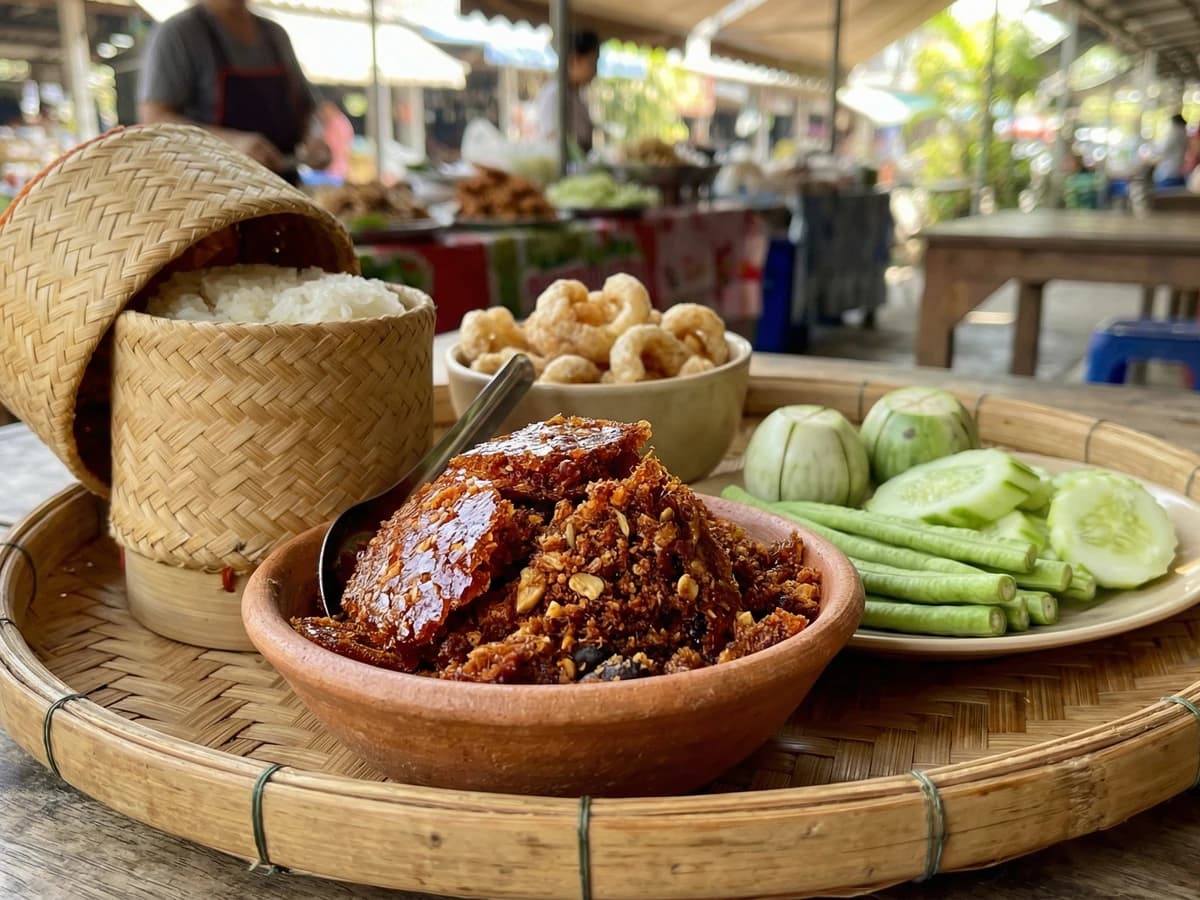
The kreung tam stripped to its driest bones: roasted chilies and garlic pounded until they shatter like glass. Lanna farmers carried this to the rice fields because the mortar can preserve as well as it transforms.
Chef Fai
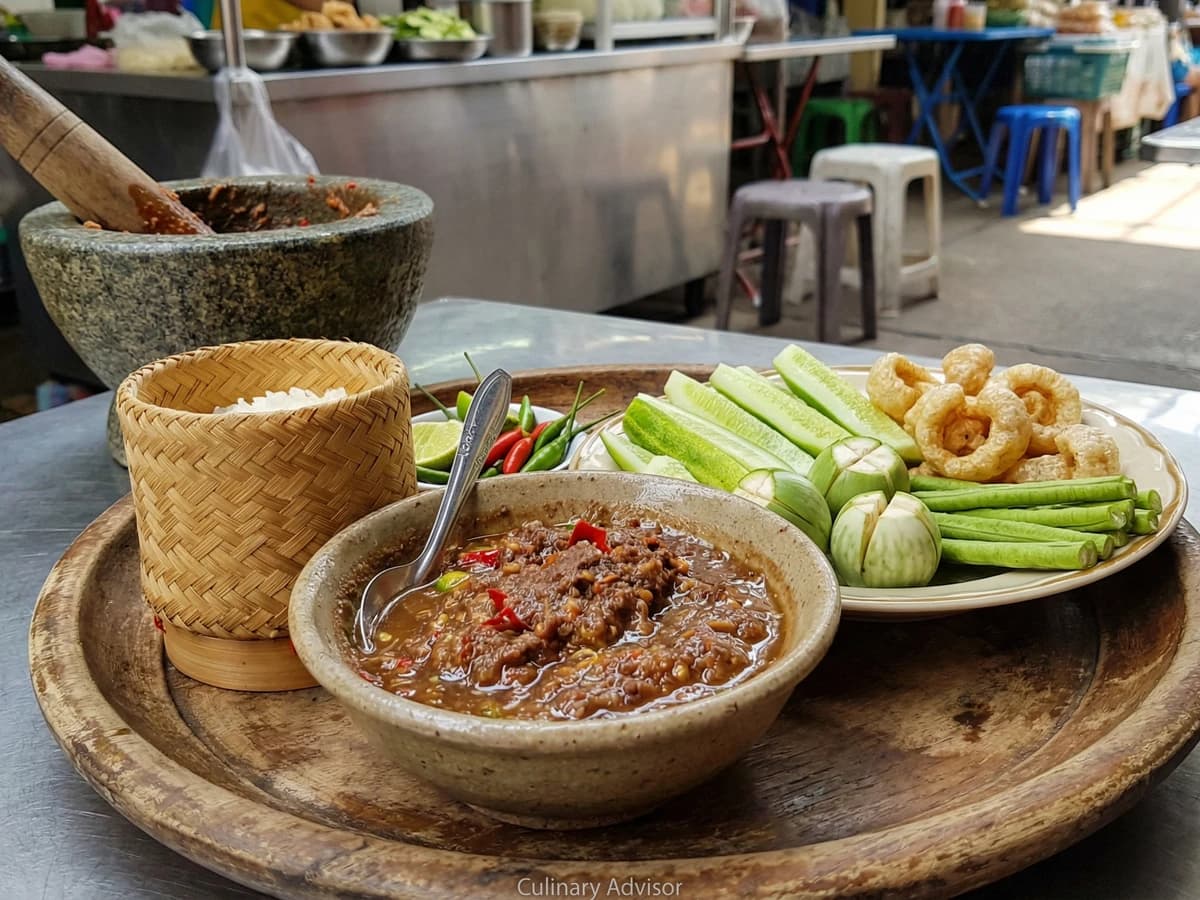
The four pillars reduced to their rawest form: roasted kapi pounded with dried chilies, garlic, lime, and palm sugar in the granite mortar. Every bite is the Thai flavor system in miniature, eaten with sticky rice on the Lanna khantoke.
Chef Fai
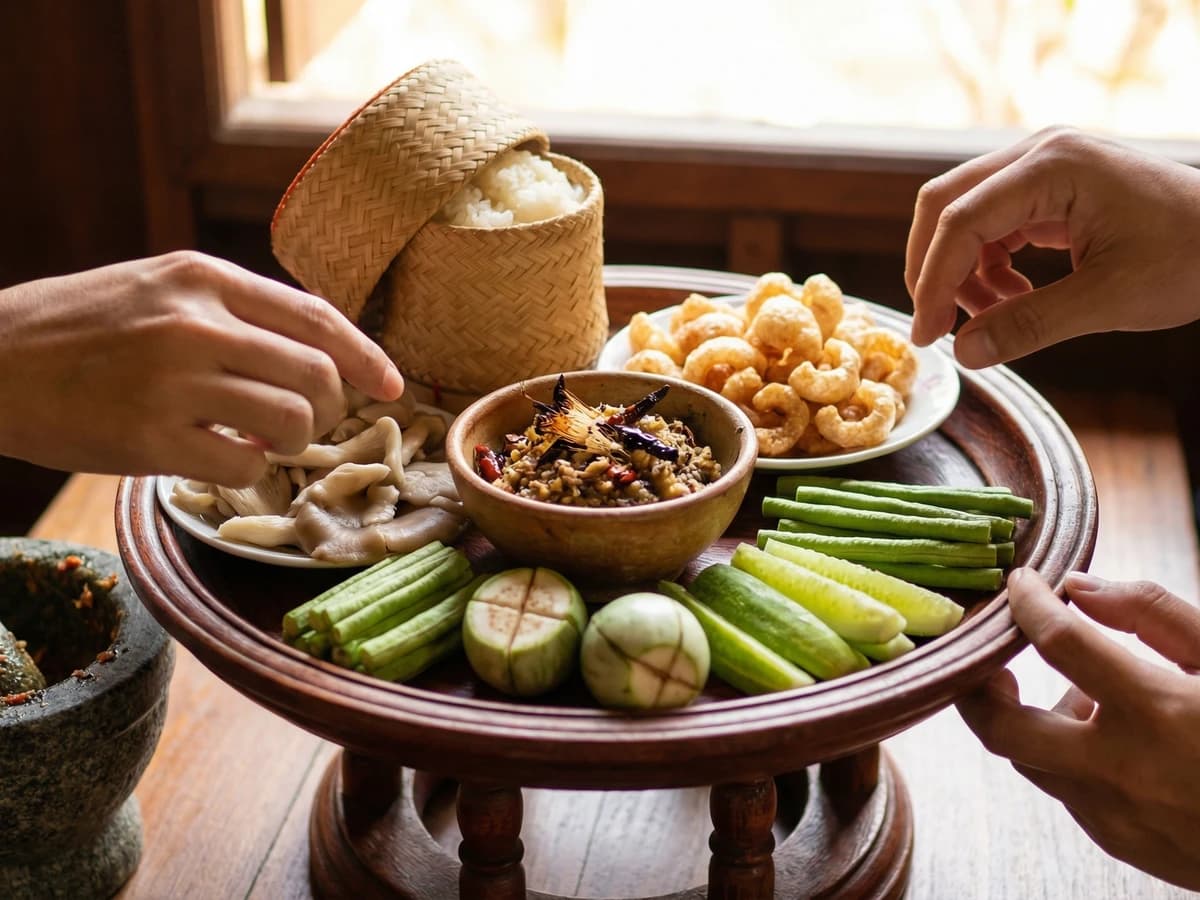
Five ingredients. Charcoal. A mortar. The kreung tam stripped to its bones: fire transforms, the krok unifies, and galangal steps from background note to the center of the plate.
Chef Fai
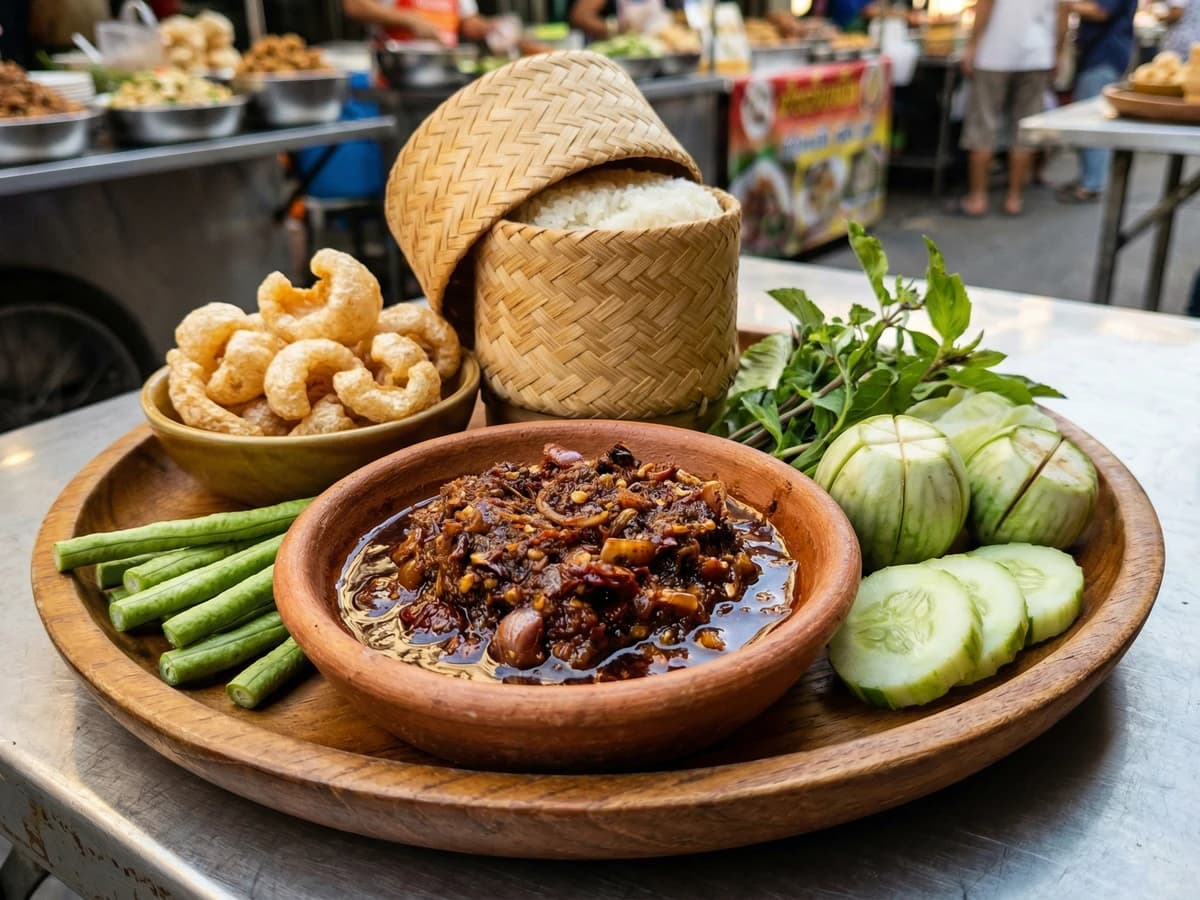
A Northern Thai nam prik built on the strangest, most captivating aroma in all of Thai cuisine: the floral essence of the giant water bug, pounded into a chili relish that stops conversation and starts obsession.
Chef Fai
Makhwaen delivers a numbing citrus electricity no other Thai ingredient replicates. Roast it, pound it with charred chilies and garlic, season with nam pla. Pure Lanna, pure mortar, pure principle.
Chef Fai
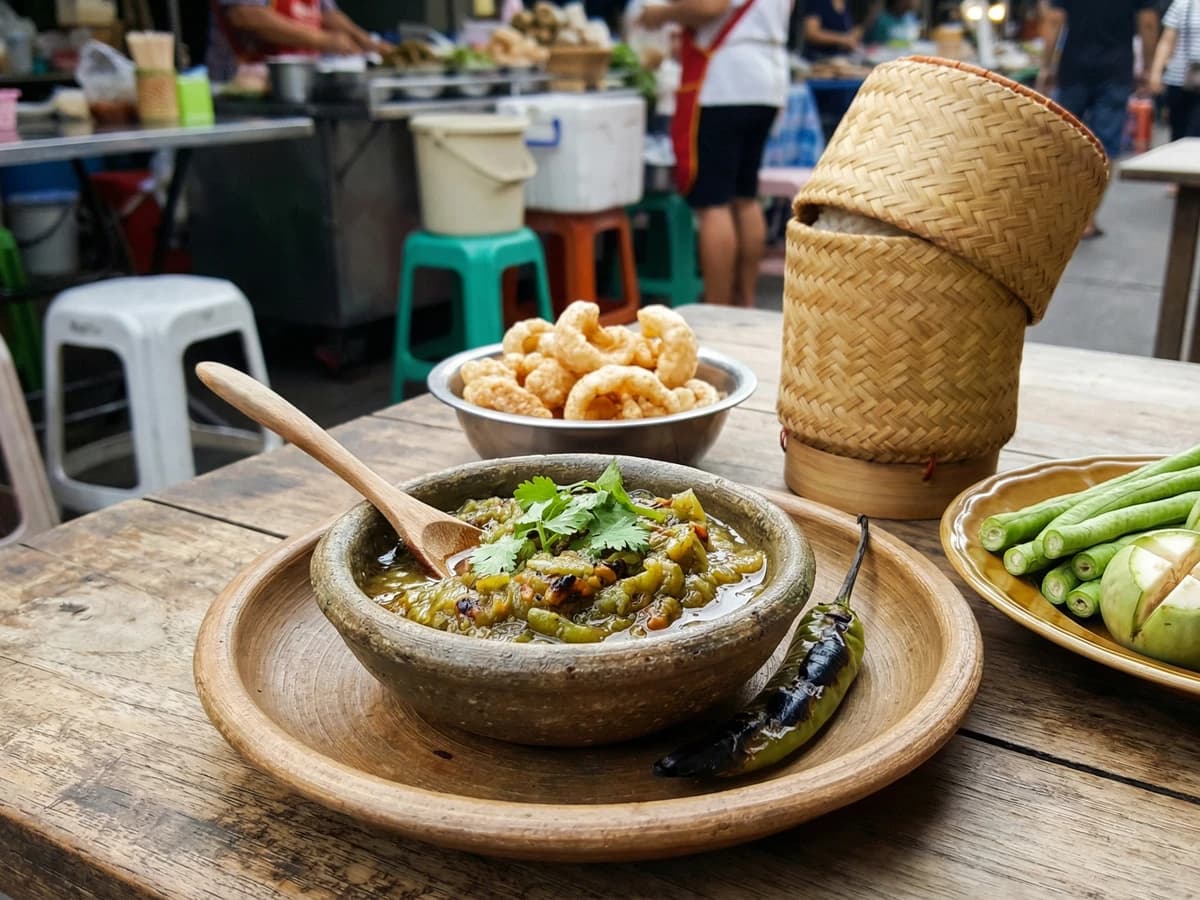
Fire transforms what the mortar finishes. Roast the prik num over charcoal until the skins blister, pound them in the krok with garlic and shallots, season with nam pla. Northern Thai food at its most elemental.
Chef Fai
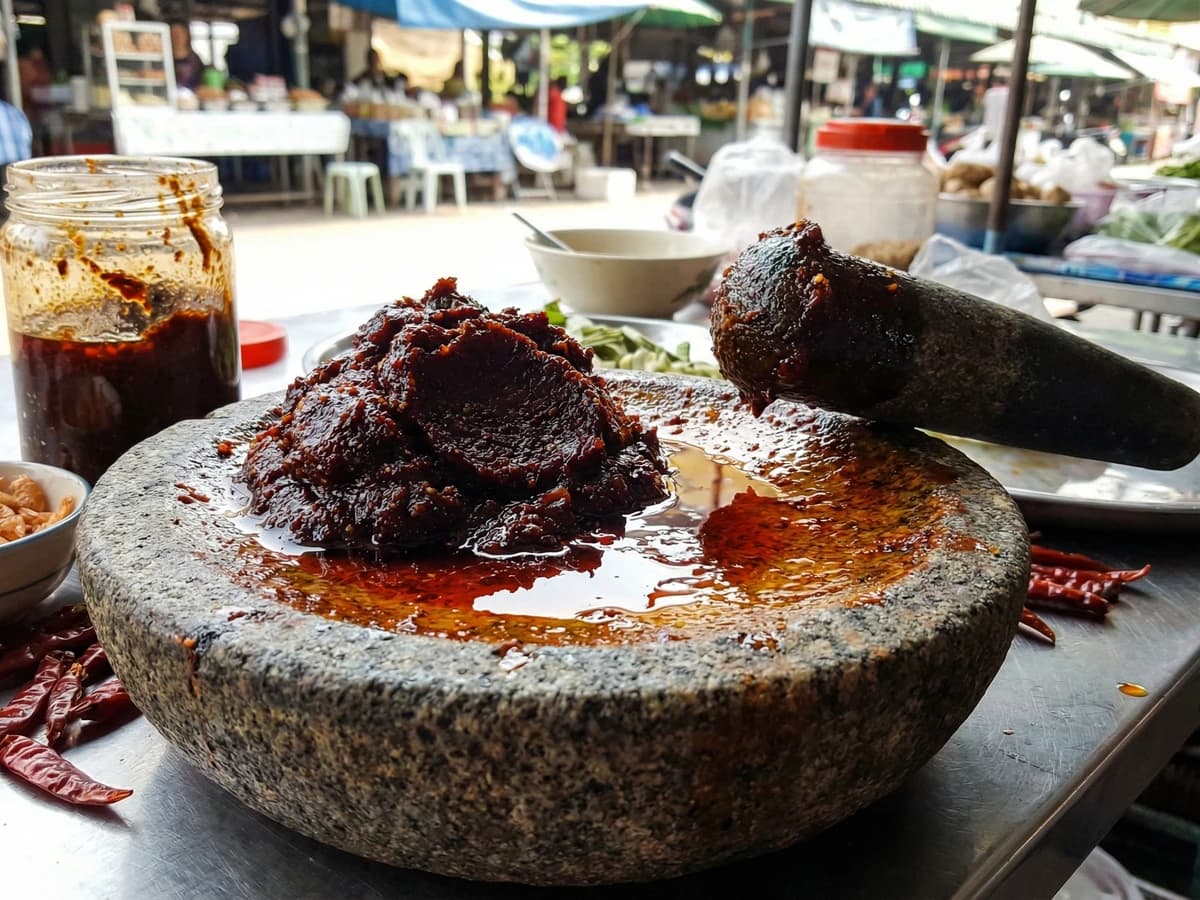
Not a curry paste but a charred condiment paste: every ingredient fried to a different shade of dark, then pounded and cooked down with tamarind, fish sauce, and palm sugar. The four pillars in a jar.
Chef Fai
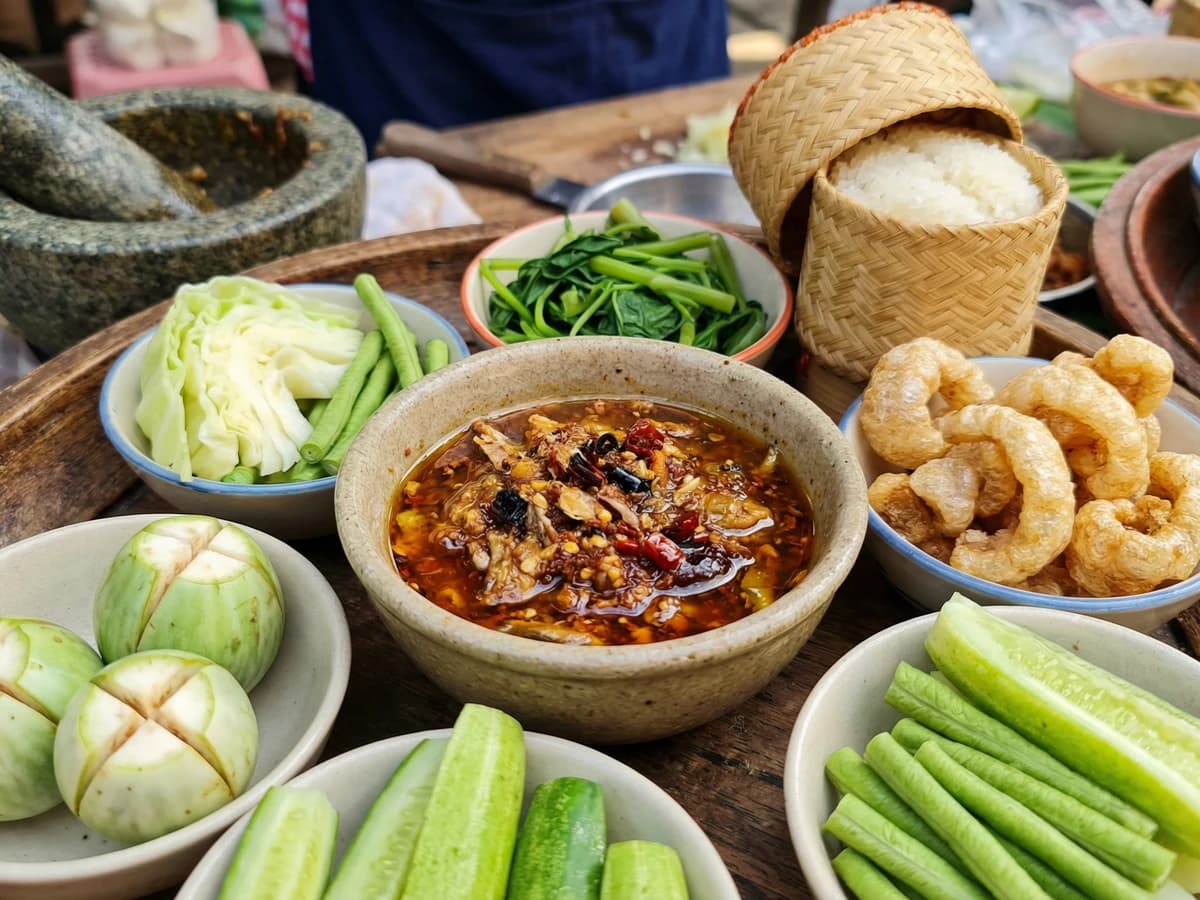
Roasted pla too torn apart and pounded into a kreung tam of charred chilies, garlic, and shallots. Fish sauce for salt, lime for sour, palm sugar for sweet, prik haeng for heat. Every Thai mother's answer to the question: what's for dinner?
Chef Fai
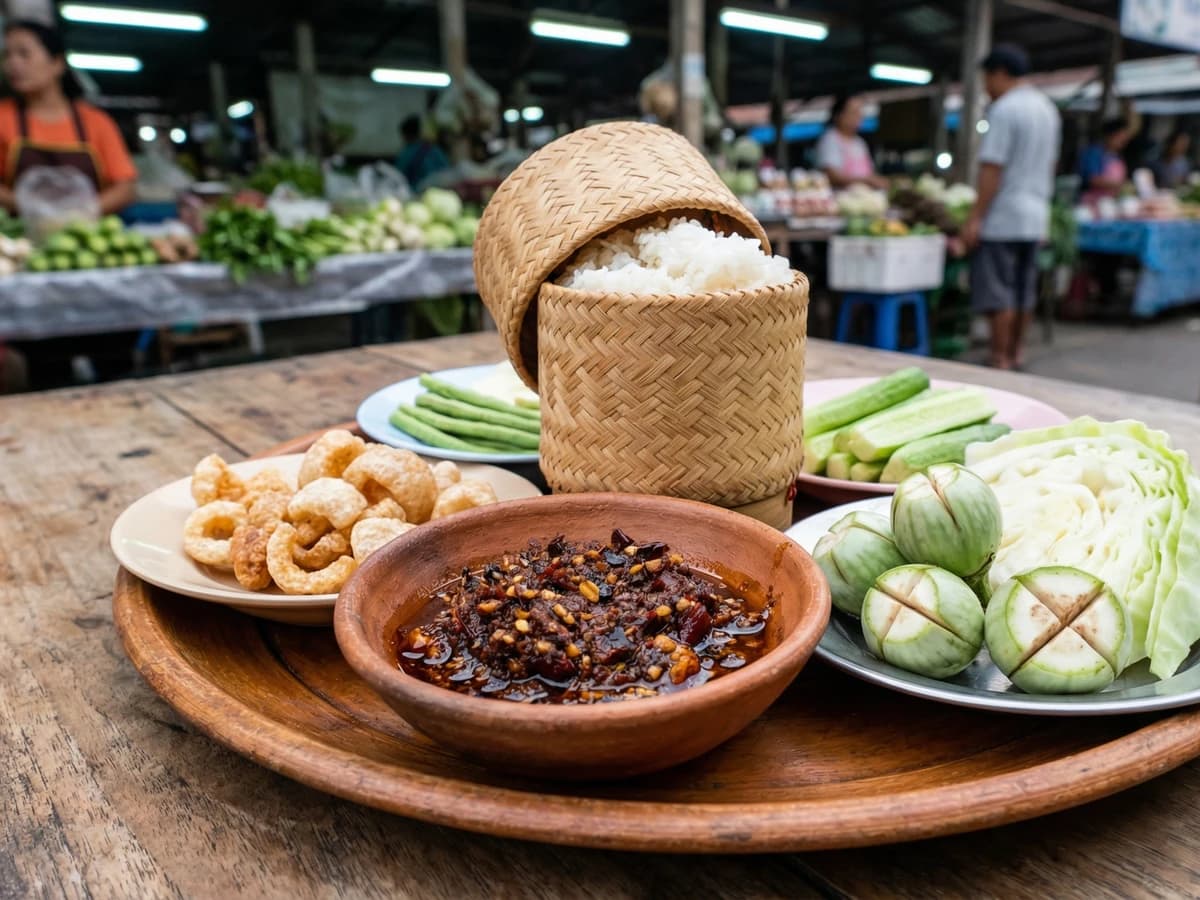
Sun-dried red chilies roasted black over charcoal, pounded with garlic, shallots, and fish sauce until your eyes water and your nose runs. That's the name. That's the point. Lanna fire from the krok.
Chef Fai
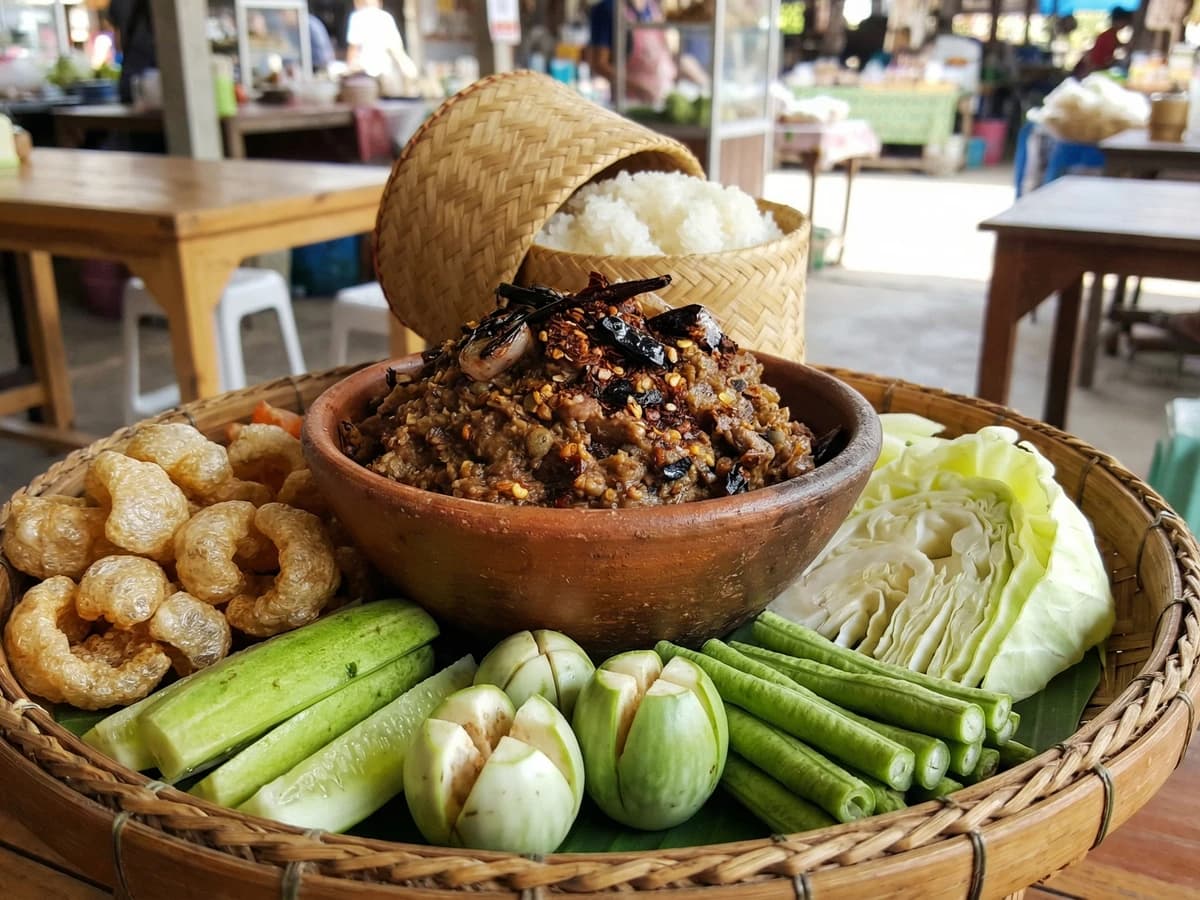
The Lanna ferment that replaces kapi entirely. Tua nao discs crumbled and pounded with chilies, garlic, and shallots in the krok. This is how the North defines its identity in one dip, no shrimp paste needed.

Chef Lupita
Chiapas' nanchi curtido from the Comitán table: ripe golden nanche cured with cane aguardiente, sugar, and canela until the fruit turns sweet-sour, fragrant, and lightly boozy.

Chef Lupita
Nayarit's Pacific coast adobo, built from toasted guajillo, garlic, mustard, lime, and soy, made to cling to butterflied fish before it meets wood fire.

Chef Jeong-sun
A country kimchi of aged pumpkin, cabbage, and radish, salted carefully and ripened until the pumpkin softens into sweetness, then saved for the winter stew pot.
Chef Remy
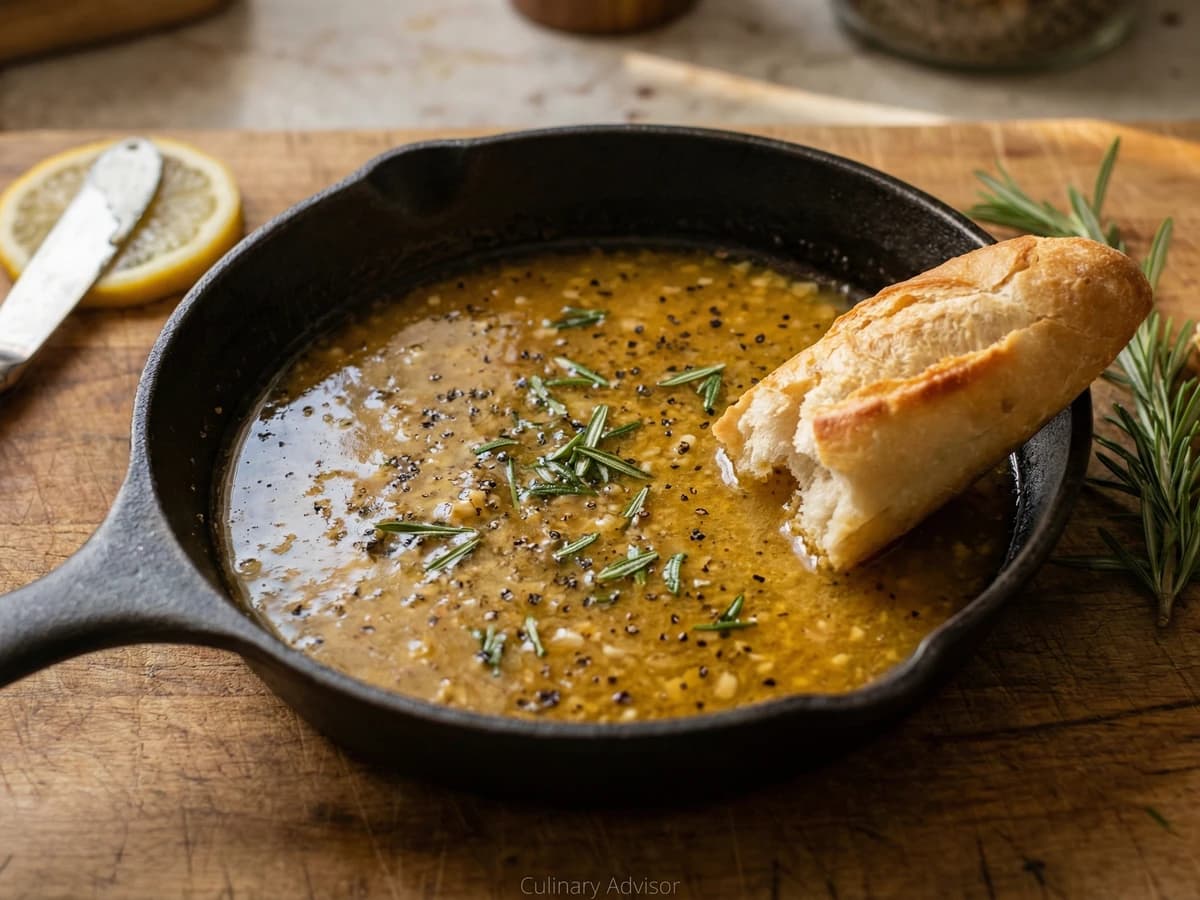
A rich, peppery butter bath loaded with garlic, Worcestershire, and fresh rosemary, the kind of sauce that turns Gulf shrimp into a religious experience and makes crusty French bread disappear.
Chef Takumi
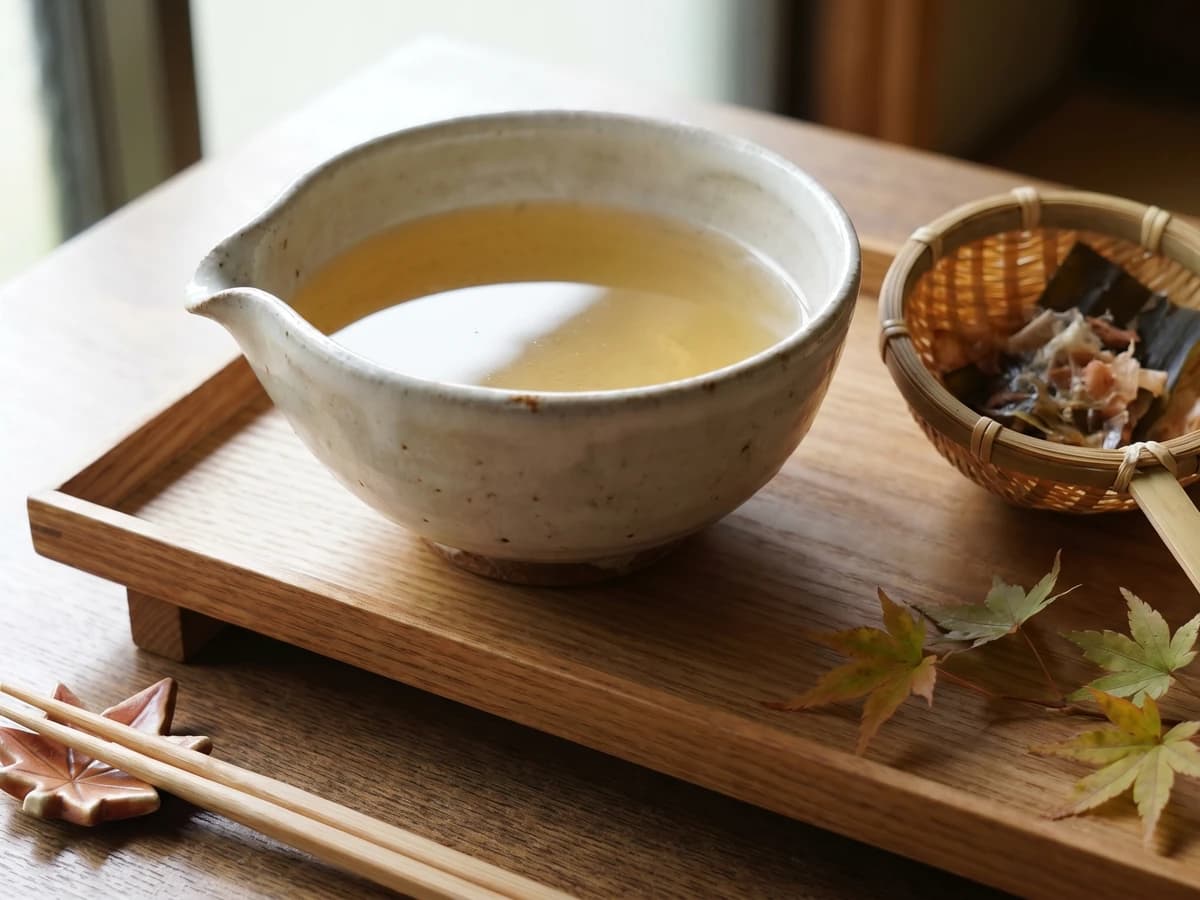
Niban dashi is thrift with standards: the second pull from konbu and bonito, less perfumed than the first stock, but round enough for simmered dishes.
Chef Takumi
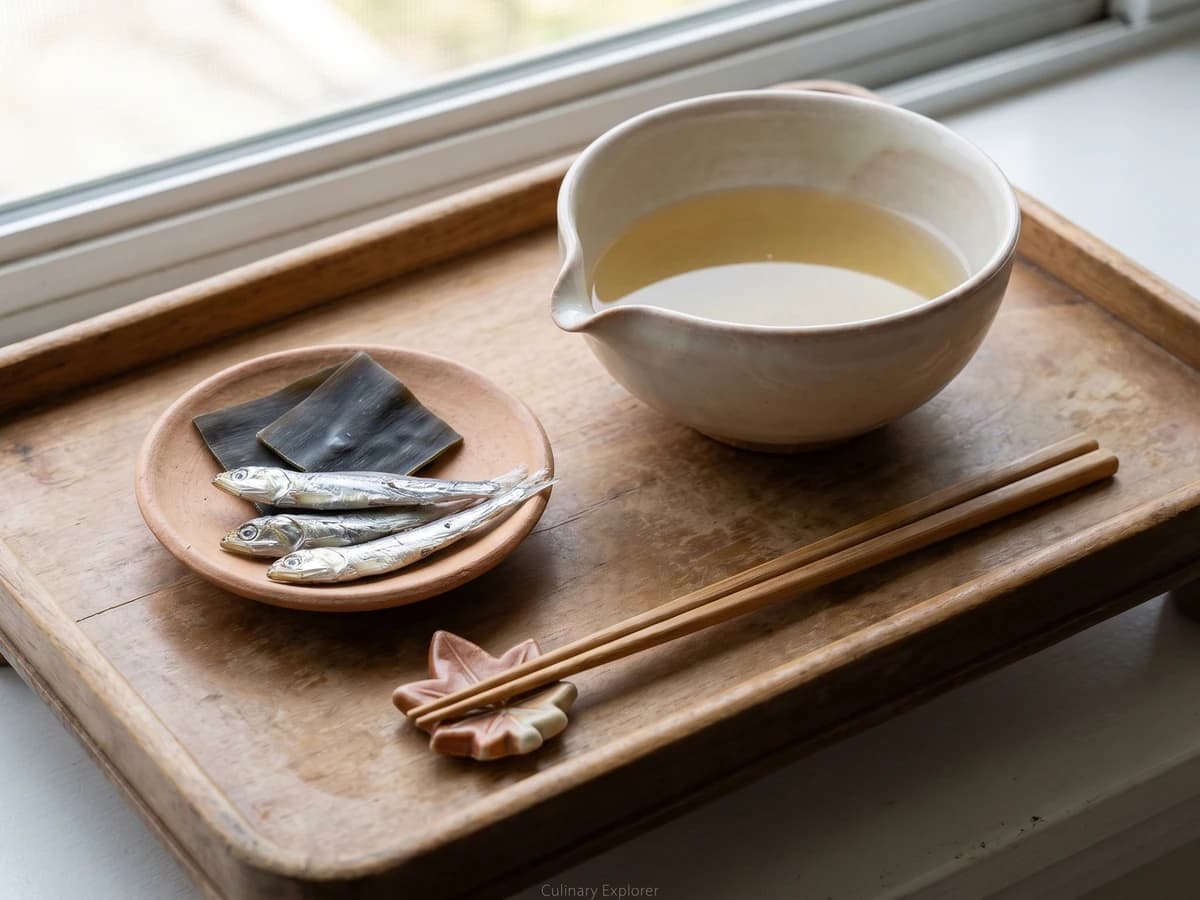
This is the everyday dashi with a little backbone: niboshi soaked cold, warmed gently, and strained before bitterness takes hold. It makes miso soup taste like home food, not performance.
Chef Takumi
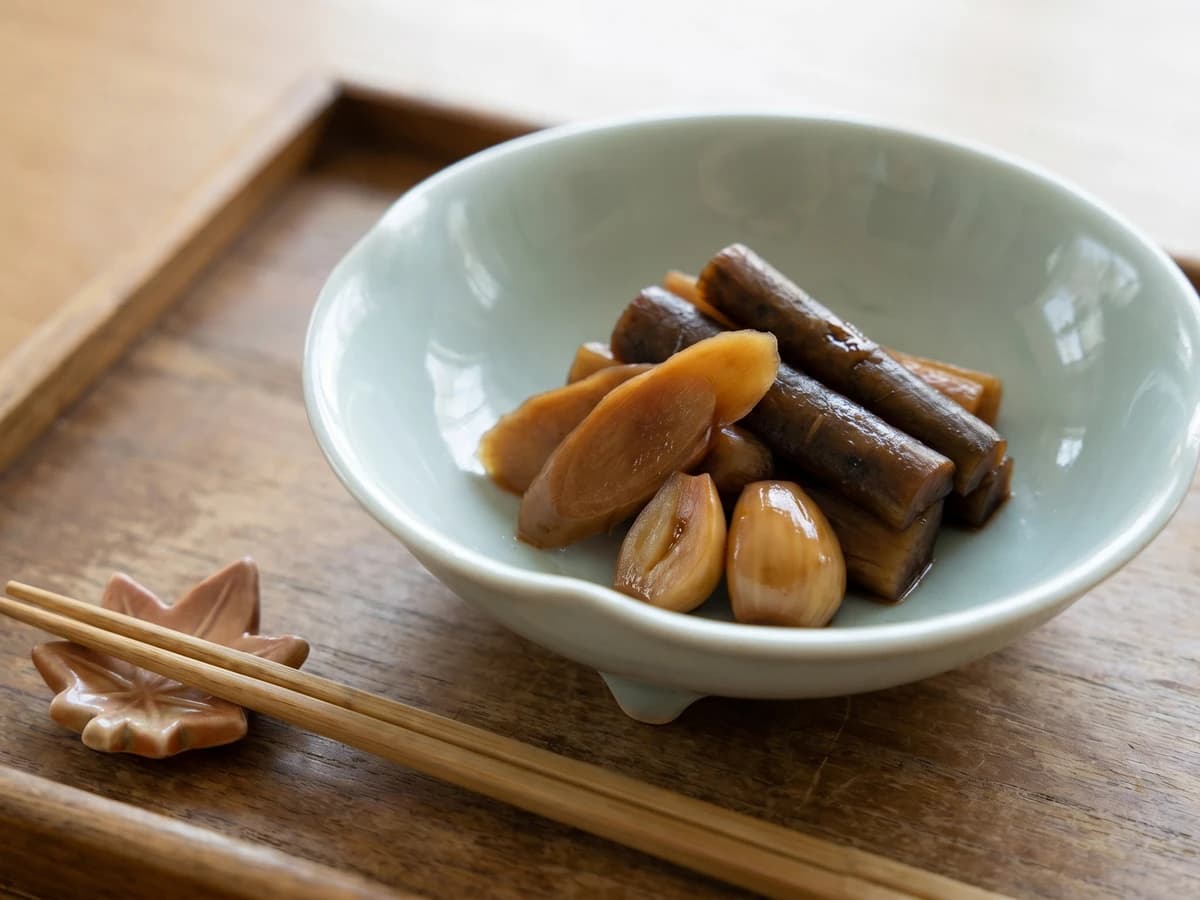
Dark tamari does the quiet work here: salted roots, cooled soy, and time. Dry the vegetables well before they meet the jar, and the pickle turns savory, firm, and deeply colored.

Chef Lupita
Puebla's convent walnut sauce, pale and rich from fresh nuez de Castilla, goat cheese, milk, sherry, and canela, made in August when the walnuts still peel clean.
Culinary guides, cultural storytelling, and the editorial depth that makes cooking meaningful.
Discover Culinary Explorer