Chef Dimitra
Aegean Islands Ladolemono (Λαδολέμονο)
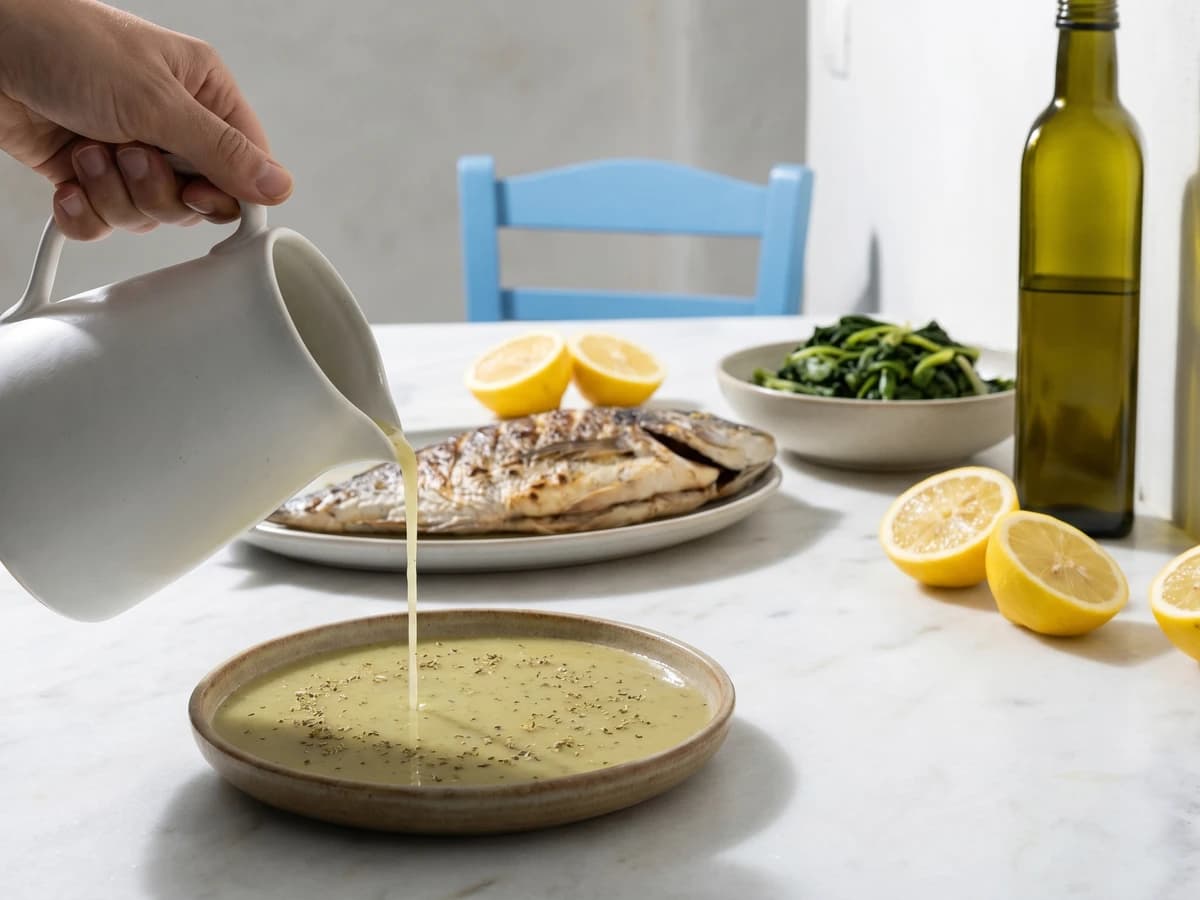
Aegean ladolemono is the quick oil-and-lemon sauce for grilled fish, boiled greens, and potatoes: cloudy when beaten hard, sharp enough to wake everything it touches on the plate.
A cooking platform built around craft, culture, and the stories behind what we eat.

Created by
Macedonian toursi is the winter pickle jar of northern Greece: cauliflower, carrot, celery and pepper held crisp in vinegar brine, ready for beans, lentils, tsipouro, and fasting tables.
Toursi lachanikon in Greek Macedonia is the winter jar: cauliflower, carrot, celery, and pepper packed under a sharp vinegar brine until the vegetables turn bright, sour, and clean. It belongs beside fasolada, lentils, fried potatoes, grilled fish, and a small glass of tsipouro. The region is the dish's surname, and in the north, the pickle jar is as practical as bread.
The whole thing depends on submersion. Keep every piece under the brine and the vegetables stay crisp and safe; let them float and they soften, discolor, and invite trouble. That's the one fussy part, and it isn't very fussy. A clean jar, a brine you can trust, and a little patience will do the work.
I don't invent it. I find it, I test it, I write it down. This version keeps the Macedonian winter character: pale cauliflower, sweet red pepper, celery leaves, garlic, bay, and enough vinegar to wake up a bowl of beans. Λίγα και καλά, a few things, and good ones.
Toursi comes from the Turkish word turşu, and the habit of vinegar pickling moved through Greek kitchens during the Ottoman centuries, especially in Macedonia, Thrace, and Constantinopolitan households. In northern Greece, mixed vegetable toursi became a winter pantry food because cabbage, cauliflower, carrots, celery, and peppers could be preserved after the autumn markets thinned. It also fits the Orthodox fasting table, where sharp pickles make beans, pulses, and oil-rich vegetable dishes feel complete.
Quantity
600g
cut into small florets
Quantity
250g
peeled and cut into thin sticks
Quantity
200g
seeded and sliced
Quantity
120g
sliced
Quantity
4
lightly crushed
Quantity
2
Quantity
2 teaspoons
Quantity
1 teaspoon
Quantity
500ml
Quantity
500ml
Quantity
35g
Quantity
20g
Quantity
60ml
for sealing the jars
| Ingredient | Quantity |
|---|---|
| cauliflowercut into small florets | 600g |
| carrotspeeled and cut into thin sticks | 250g |
| sweet red peppersseeded and sliced | 200g |
| celery stalks with leavessliced | 120g |
| garlic cloveslightly crushed | 4 |
| bay leaves | 2 |
| black peppercorns | 2 teaspoons |
| coriander seeds | 1 teaspoon |
| white wine vinegar, 5% acidity | 500ml |
| water | 500ml |
| fine sea salt | 35g |
| sugar | 20g |
| extra virgin Koroneiki olive oilfor sealing the jars | 60ml |
Wash two 1-litre glass jars and their lids in hot soapy water, rinse well, then set them in a low oven at 120C for 15 minutes. Let them cool just enough to handle. Pickles are only as clean as the jar you give them.
Put the cauliflower, carrots, peppers, and celery in a large bowl. Sprinkle with 15g of the salt, toss well, and leave for 1 hour. The salt draws out a little water, so the vegetables stay snappy instead of turning tired in the brine.
Rinse the vegetables briefly under cold water, then drain them very well. Spread them on a clean towel for 10 minutes. You don't want a puddle of plain water weakening the vinegar.
Combine the vinegar, water, remaining 20g salt, sugar, bay leaves, peppercorns, coriander seeds, and garlic in a saucepan. Bring to a boil, stir until the salt and sugar dissolve, then simmer for 3 minutes. Taste the brine only after it cools on a spoon: it should be sharp, salty, and clean.
Pack the vegetables tightly into the warm jars, tucking garlic and bay leaves between the pieces. Pour the hot brine over them, covering the vegetables completely and leaving about 1.5cm headspace. Tap the jars gently on a folded towel to release trapped air.
Press the vegetables down with a clean pickle weight, a small sterilized glass weight, or a piece of food-safe parchment folded under the shoulder of the jar. This is the rule that decides toursi: every piece must stay under the brine. Anything floating above it softens first, then spoils.
Pour a thin layer of Koroneiki olive oil over the brine in each jar, about 2 tablespoons per jar. Wipe the rims clean and close the lids. Let the jars cool at room temperature, then refrigerate.
Leave the toursi for at least 5 days before serving. After a week the cauliflower turns pleasantly sour, the carrot keeps its bite, and the pepper sweetens the jar. Use clean tongs each time and keep the vegetables under the liquid.
1 serving (about 100g)
Culinary guides, cultural storytelling, and the editorial depth that makes cooking meaningful.
Discover Culinary ExplorerChef Dimitra
Aegean ladolemono is the quick oil-and-lemon sauce for grilled fish, boiled greens, and potatoes: cloudy when beaten hard, sharp enough to wake everything it touches on the plate.
Chef Dimitra
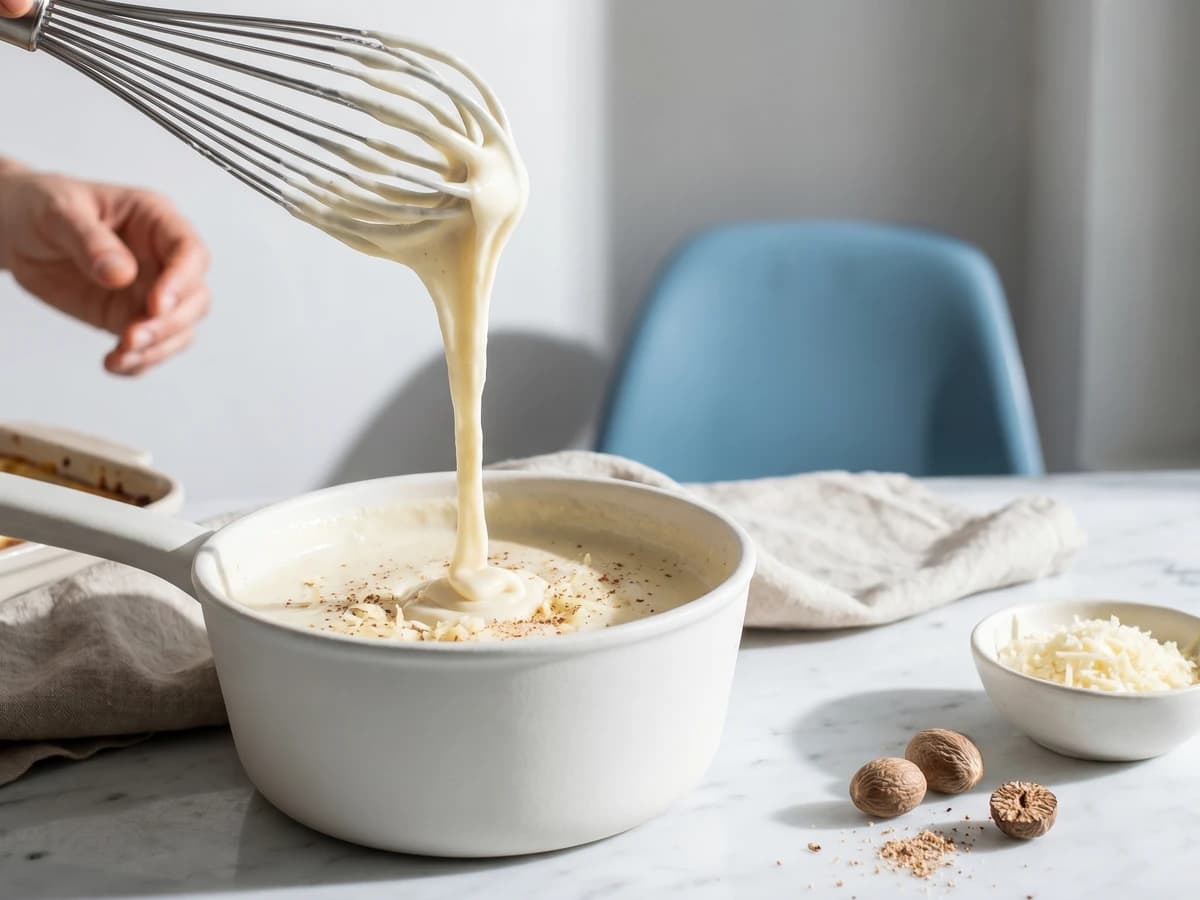
Athens gave Greek baking this thick white crown: a cooked butter-flour sauce enriched with eggs and cheese for moussaka, pastitsio, and the Sunday pan.
Chef Dimitra
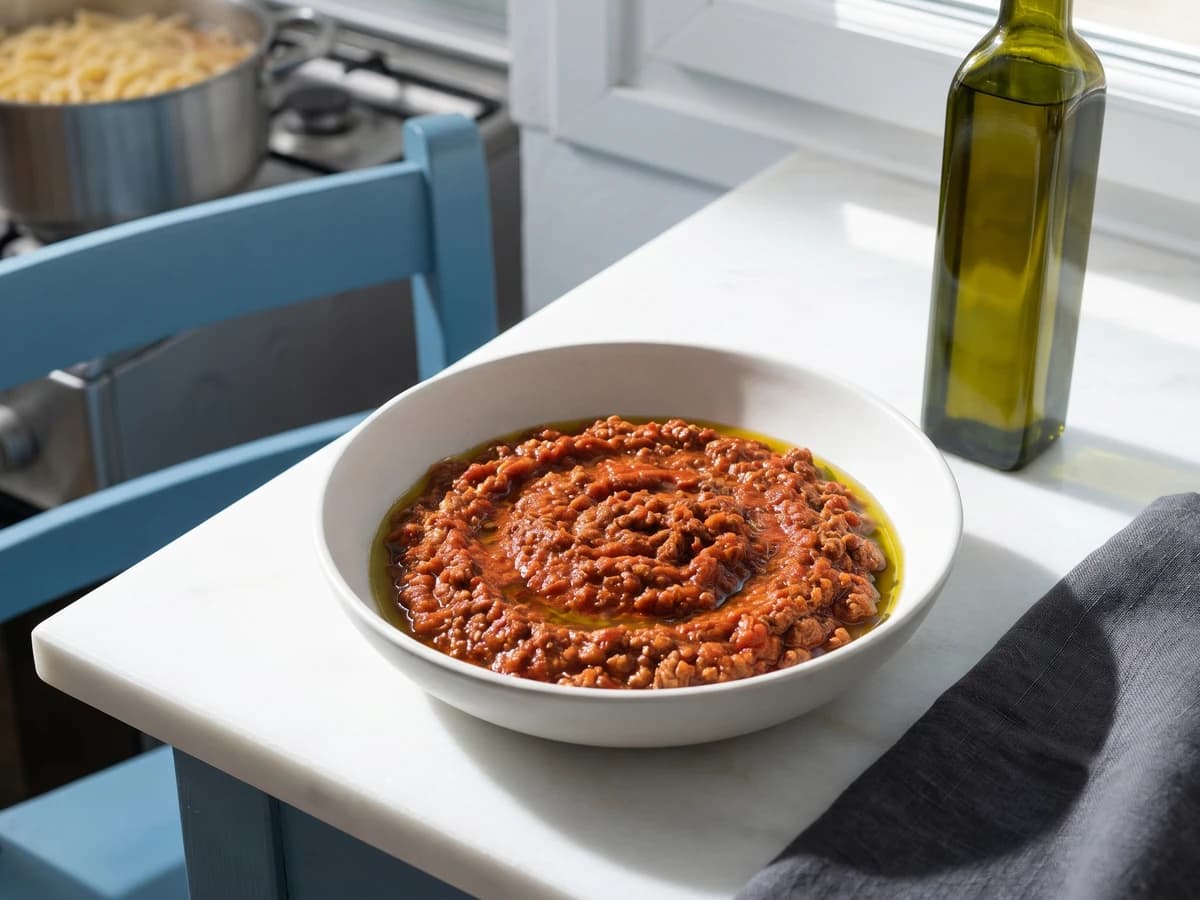
Athenian saltsa kima is minced beef, tomato, cinnamon, and allspice, cooked slowly until the sauce tightens and the green-gold oil pools at the top.
Chef Dimitra
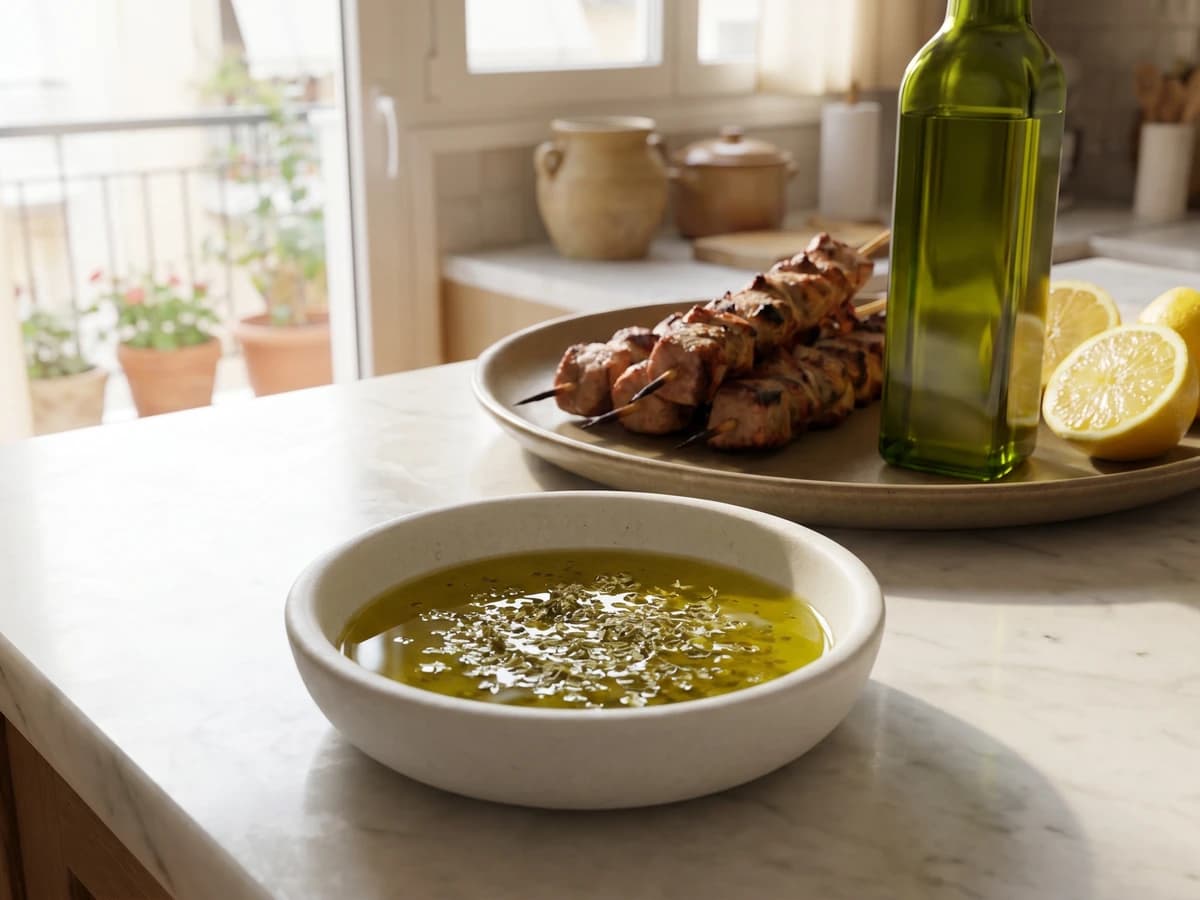
Attica's quick ladorigani is the oil, lemon, and oregano dressing that makes souvlaki taste like souvlaki. Bruise the rigani first, then let good olive oil do its work.