Chef Dimitra
Aegean Islands Ladolemono (Λαδολέμονο)
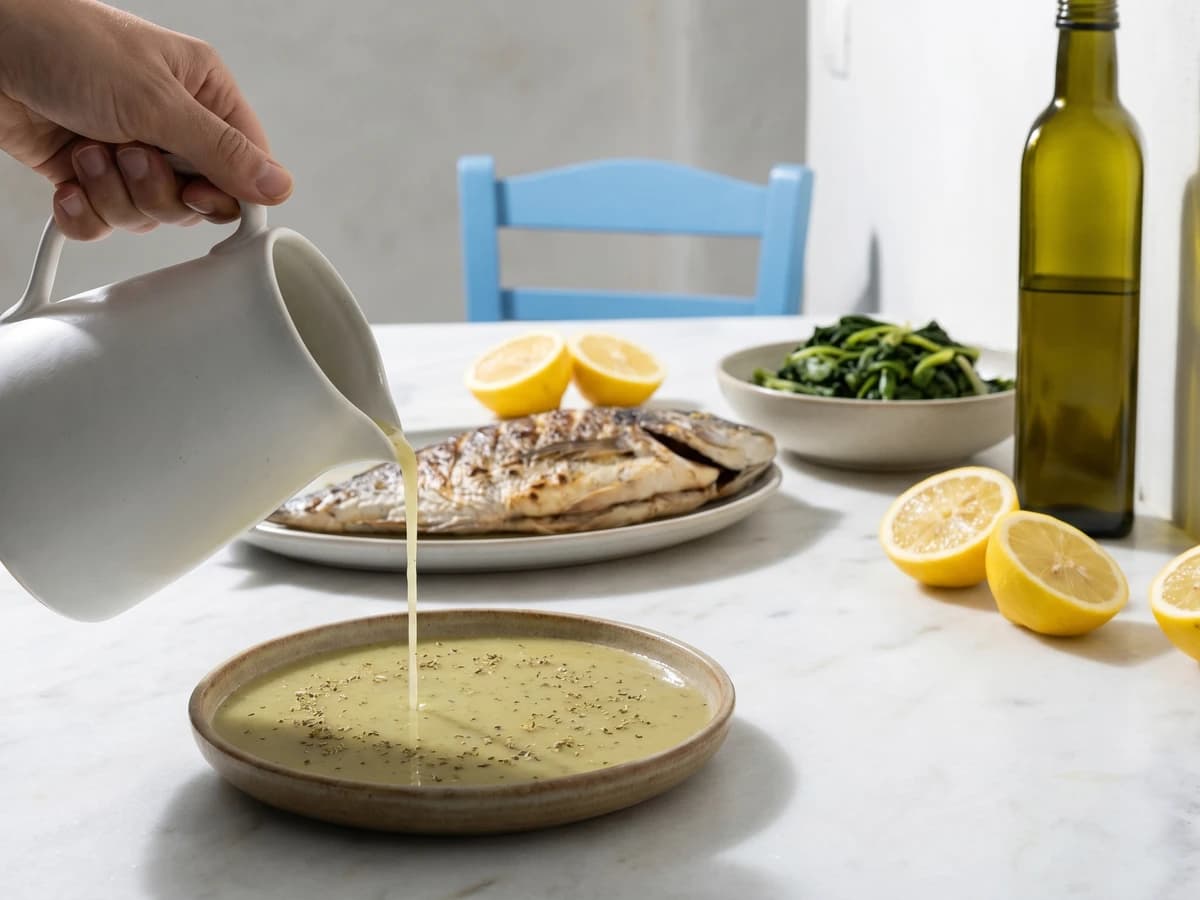
Aegean ladolemono is the quick oil-and-lemon sauce for grilled fish, boiled greens, and potatoes: cloudy when beaten hard, sharp enough to wake everything it touches on the plate.
A cooking platform built around craft, culture, and the stories behind what we eat.
Created by
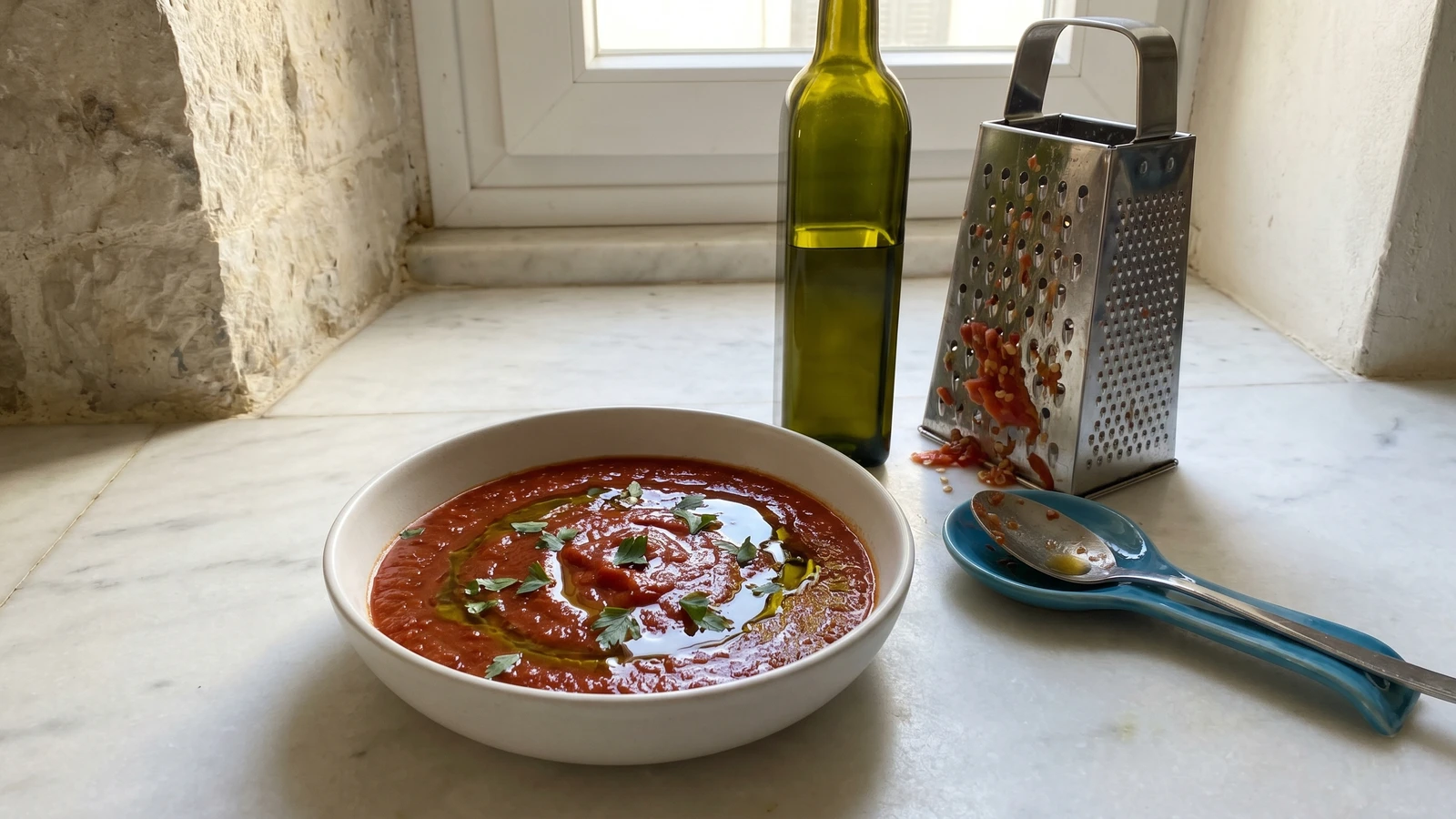
Thessaloniki's everyday tomato sauce is softer than the Italian pot: onion melted in olive oil, tomato simmered low, and just enough sweetness to carry pasta, rice, or gemista.
Thessaloniki saltsa domata is the red sauce of the weekday pot, the one that goes over makaronia, softens rice for gemista, and waits in a jar for tomorrow. It isn't sharp or fast. It is tomato, onion, olive oil, and patience, cooked until the raw edge disappears and the sauce turns glossy and sweet.
The region is the dish's surname, and in northern Greek kitchens, especially those shaped by Asia Minor families, a small piece of cinnamon sometimes sits quietly in the tomato. Not enough to make the sauce taste like a sweet. Just enough to round it. Leave it out if your house doesn't use it, but don't replace the method. The slow onion in olive oil is what gives the sauce its body before the tomato even enters the pan.
Use summer tomatoes when they smell like tomato at the stem. In winter, use good canned tomatoes without apology. My mother Sofia kept this sauce on the stove for pasta nights, and the lesson was plain: λίγα και καλά, a few things, and good ones. A recipe written down is a recipe saved, even when the recipe is the simplest pot in the kitchen.
Tomato entered Greek cooking widely in the nineteenth century, after its earlier arrival through European and Ottoman trade routes, and by the early twentieth century it had become central to urban home cooking in Thessaloniki. Northern Greek tomato sauces often carry a quiet Politiki and Asia Minor memory, with cinnamon or allspice used sparingly in savory tomato dishes after the 1922 refugee migrations. Saltsa domata became the practical mother sauce of the Greek home kitchen, feeding pasta, rice-stuffed vegetables, beans, braises, and fish without needing meat.
Quantity
1.2kg
grated, or use 800g good canned crushed tomatoes
Quantity
80ml
Quantity
1 medium, about 150g
finely grated or very finely chopped
Quantity
2
minced
Quantity
1 teaspoon
plus more to taste
Quantity
1/2 teaspoon
only if the tomatoes are sharp
Quantity
1
Quantity
1, about 4cm
optional but Thessaloniki-correct for a sweeter house sauce
Quantity
1/4 teaspoon
Quantity
2 tablespoons
chopped, optional, for finishing
| Ingredient | Quantity |
|---|---|
| ripe tomatoesgrated, or use 800g good canned crushed tomatoes | 1.2kg |
| extra virgin Koroneiki olive oil | 80ml |
| yellow onionfinely grated or very finely chopped | 1 medium, about 150g |
| garlic clovesminced | 2 |
| fine sea saltplus more to taste | 1 teaspoon |
| sugar (optional)only if the tomatoes are sharp | 1/2 teaspoon |
| bay leaf | 1 |
| small cinnamon stick (optional)optional but Thessaloniki-correct for a sweeter house sauce | 1, about 4cm |
| freshly ground black pepper | 1/4 teaspoon |
| flat-leaf parsley or basil (optional)chopped, optional, for finishing | 2 tablespoons |
Cut the tomatoes across their middles and grate the cut sides on the large holes of a box grater, stopping when only the skin is left in your palm. Discard the skins. If the calendar gives you pale winter tomatoes, tell the truth and use good canned crushed tomatoes instead.
Warm the olive oil in a wide saucepan over medium-low heat. Add the onion and salt, then cook for 10 to 12 minutes, stirring often, until the onion turns soft and sweet without taking color. This is the step that decides the sauce: onion browned too hard makes the tomato taste harsh, while onion melted slowly gives the sauce its round Greek sweetness.
Stir in the garlic and cook for 30 seconds, just until it smells alive. Do not let it brown. Garlic is welcome here, but burnt garlic will shout over the tomatoes.
Add the grated tomato, bay leaf, cinnamon stick if using, black pepper, and sugar only if needed. Bring to a gentle bubble, then lower the heat and simmer uncovered for 45 to 55 minutes, stirring now and then, until the sauce is thick enough to leave a clean path when you drag a spoon across the bottom of the pan.
Remove the bay leaf and cinnamon stick. Taste for salt, then stir in parsley or basil if you like. For makaronia me saltsa, toss the sauce with hot pasta and a splash of pasta water. For gemista, use it as the tomato base in the pan, where it will loosen again with the vegetable juices.
1 serving (about 150g)
Culinary guides, cultural storytelling, and the editorial depth that makes cooking meaningful.
Discover Culinary ExplorerChef Dimitra
Aegean ladolemono is the quick oil-and-lemon sauce for grilled fish, boiled greens, and potatoes: cloudy when beaten hard, sharp enough to wake everything it touches on the plate.
Chef Dimitra
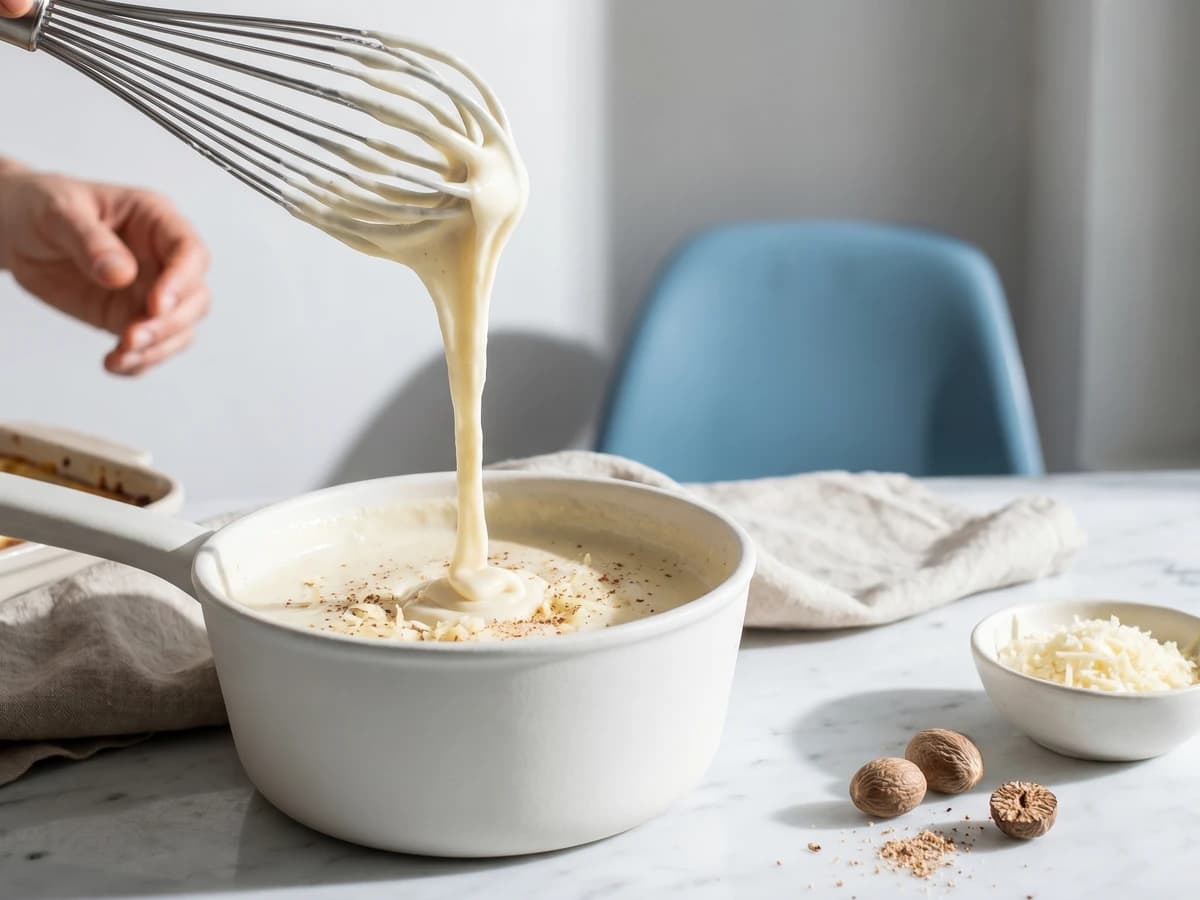
Athens gave Greek baking this thick white crown: a cooked butter-flour sauce enriched with eggs and cheese for moussaka, pastitsio, and the Sunday pan.
Chef Dimitra
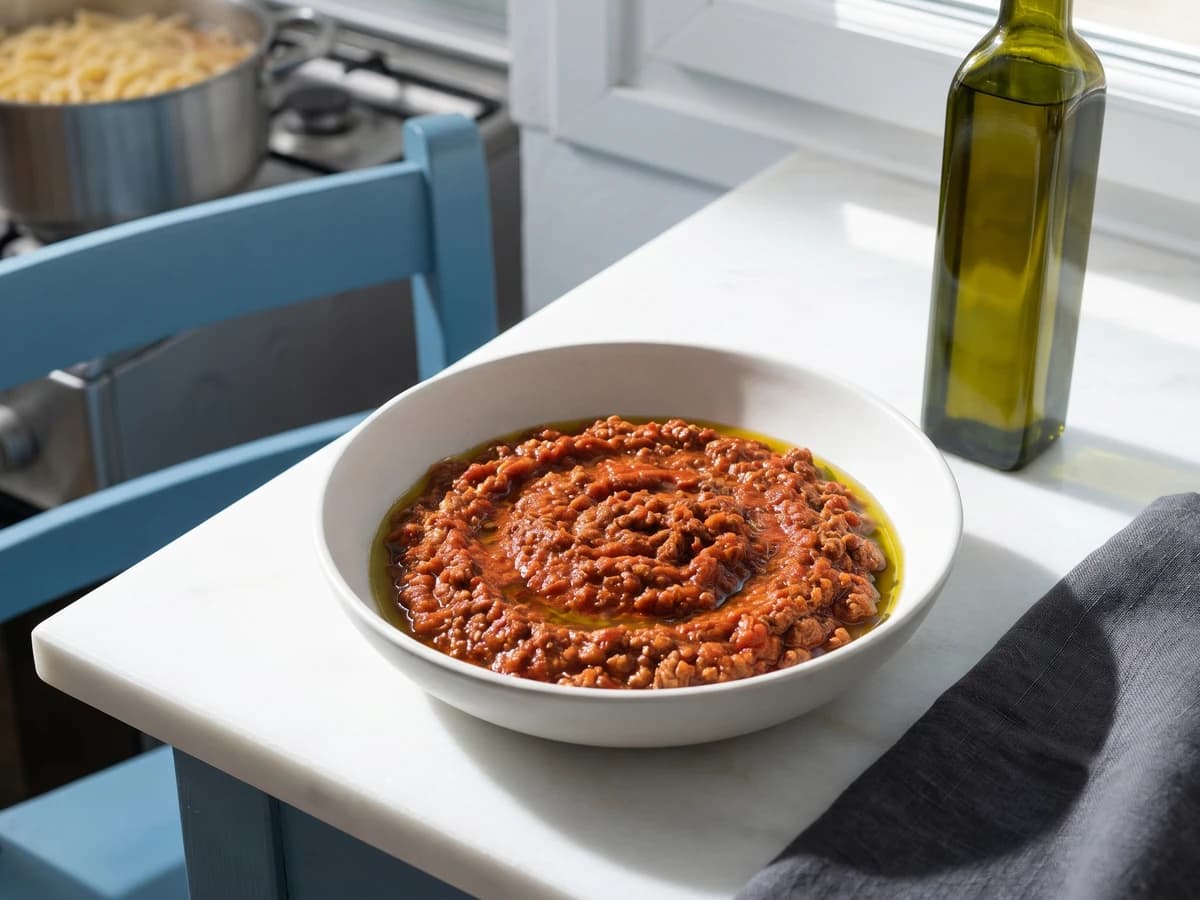
Athenian saltsa kima is minced beef, tomato, cinnamon, and allspice, cooked slowly until the sauce tightens and the green-gold oil pools at the top.
Chef Dimitra
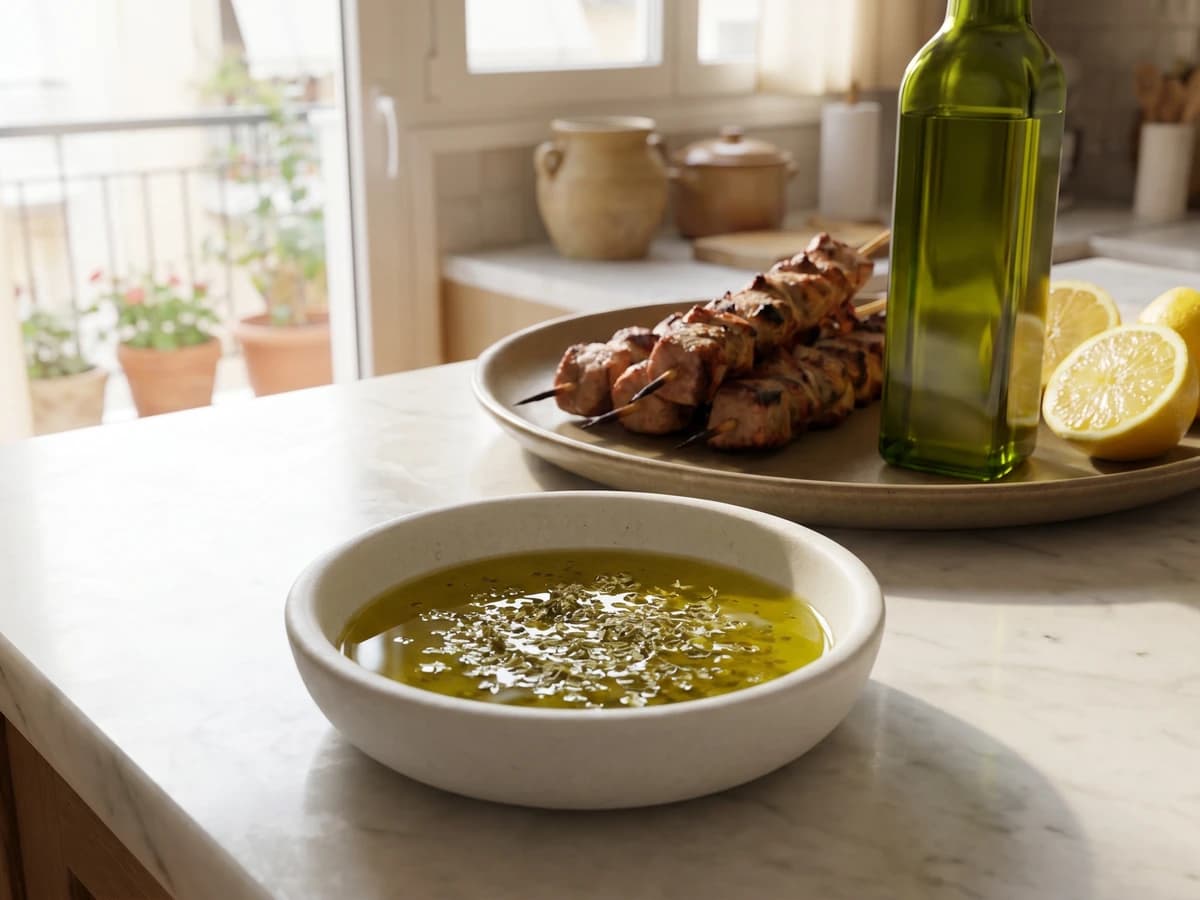
Attica's quick ladorigani is the oil, lemon, and oregano dressing that makes souvlaki taste like souvlaki. Bruise the rigani first, then let good olive oil do its work.