
Chef Ally
Classic Bechamel
A silky white sauce of butter, flour, and milk, perfumed with nutmeg and made honest by the quality of your dairy. This is the foundation upon which a hundred dishes rest.

Recipe Archive
Sauces and condiments carry a surprising amount of technique. Find dressings, marinades, stocks, gravies, relishes, and finishing sauces with clear purpose.
965 recipes
A cooking platform built around craft, culture, and the stories behind what we eat.
Chef Ally
A silky white sauce of butter, flour, and milk, perfumed with nutmeg and made honest by the quality of your dairy. This is the foundation upon which a hundred dishes rest.

Chef Dean
Thick, tangy buttermilk dressing flecked with fresh herbs and punched up with garlic, a sauce so versatile it transforms everything from crisp salads to hot wings to a humble baked potato into something worth talking about.

Chef Dean
A glossy, deeply savory pan sauce built from caramelized mushrooms and shallots, finished with cream and fresh thyme. This is the sauce that transforms a Tuesday pork chop into something worth remembering.

Chef Dean
A deeply savory, glistening marinade that bridges Japanese tradition and American backyard grilling, built from four essential ingredients that transform ordinary proteins into something worth gathering around.

Chef Dean
The cucumber-yogurt sauce that has anchored Greek tables for generations, honest and refreshing, requiring nothing more than quality yogurt, patient draining, and the confidence to use enough garlic.

Chef Joost
The pink party sauce beside every Dutch shrimp cocktail, where mayonnaise blushes with tomato and brandy, and the North Sea gets dressed for company.

Chef Dean
A bold Texas-style dry rub where dark-roasted coffee meets smoky ancho chile, creating that prized mahogany bark on slow-smoked brisket that pit masters spend lifetimes perfecting.

Chef Lupita
Colima's salsa de cascabel is built from rattling dried chiles, roasted jitomate, and garlic worked in the molcajete until it is rough, nutty, and ready for sopitos colimenses.

Chef Lupita
Colima's pork tatemado begins with this sharp red adobo: guajillo chiles, a little ancho for depth, garlic, oregano, and vinagre de coco from the coast.

Chef Lupita
Colima's pale yellow chiles gueros, blistered lightly and held in sharp vinegar with garlic, onion, bay leaf, and Mexican oregano, the coastal pickle that belongs beside ceviche.
Chef Remy
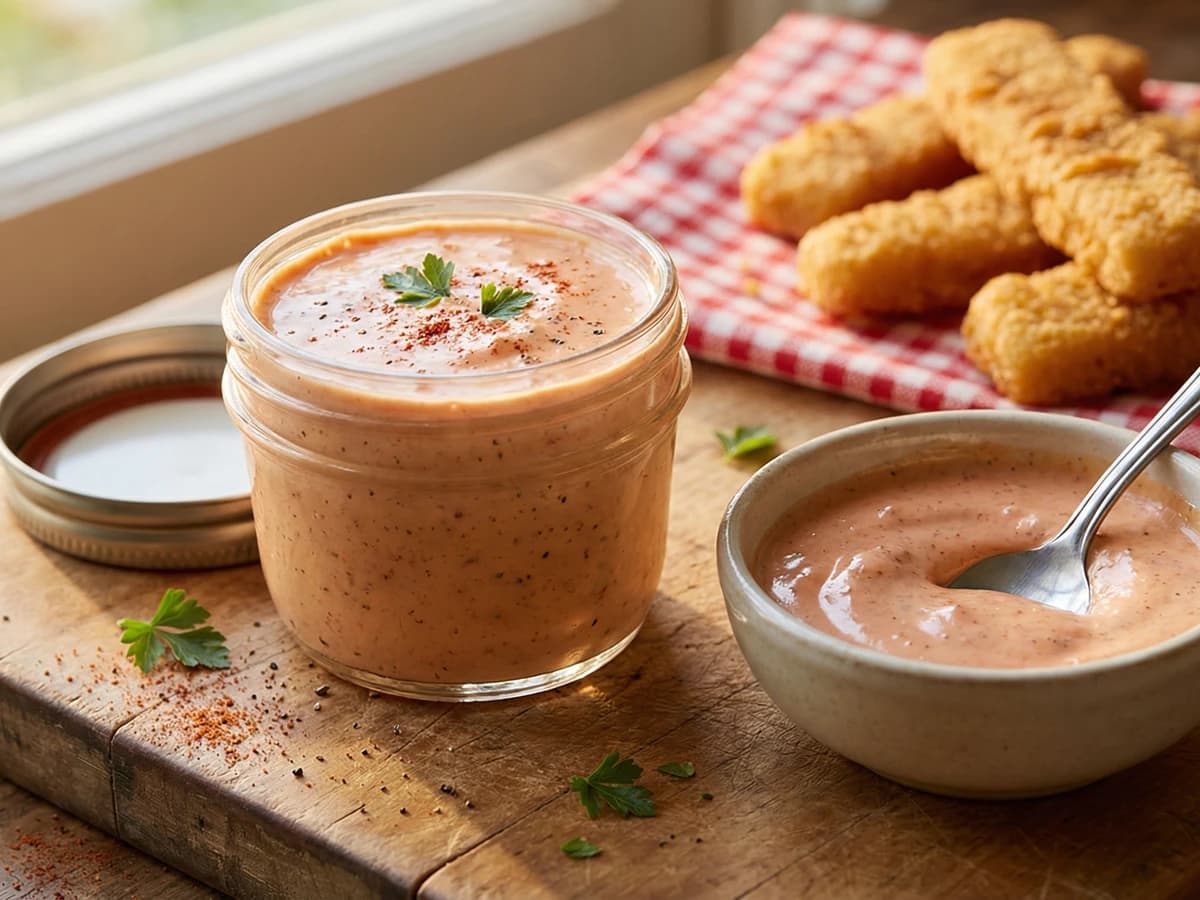
Mississippi's beloved dipping sauce, tangy and sweet with a whisper of heat, the kind of condiment that turns ordinary food into something you can't stop eating and keeps you reaching for one more bite.

Chef Lupita
Sonora's umami spine. Toasted dried shrimp from the Sea of Cortes, steeped with charred onion, guajillo, and chile chiltepin, into the brick-red broth that anchors every Lenten table in the Noroeste.
Chef Graziella
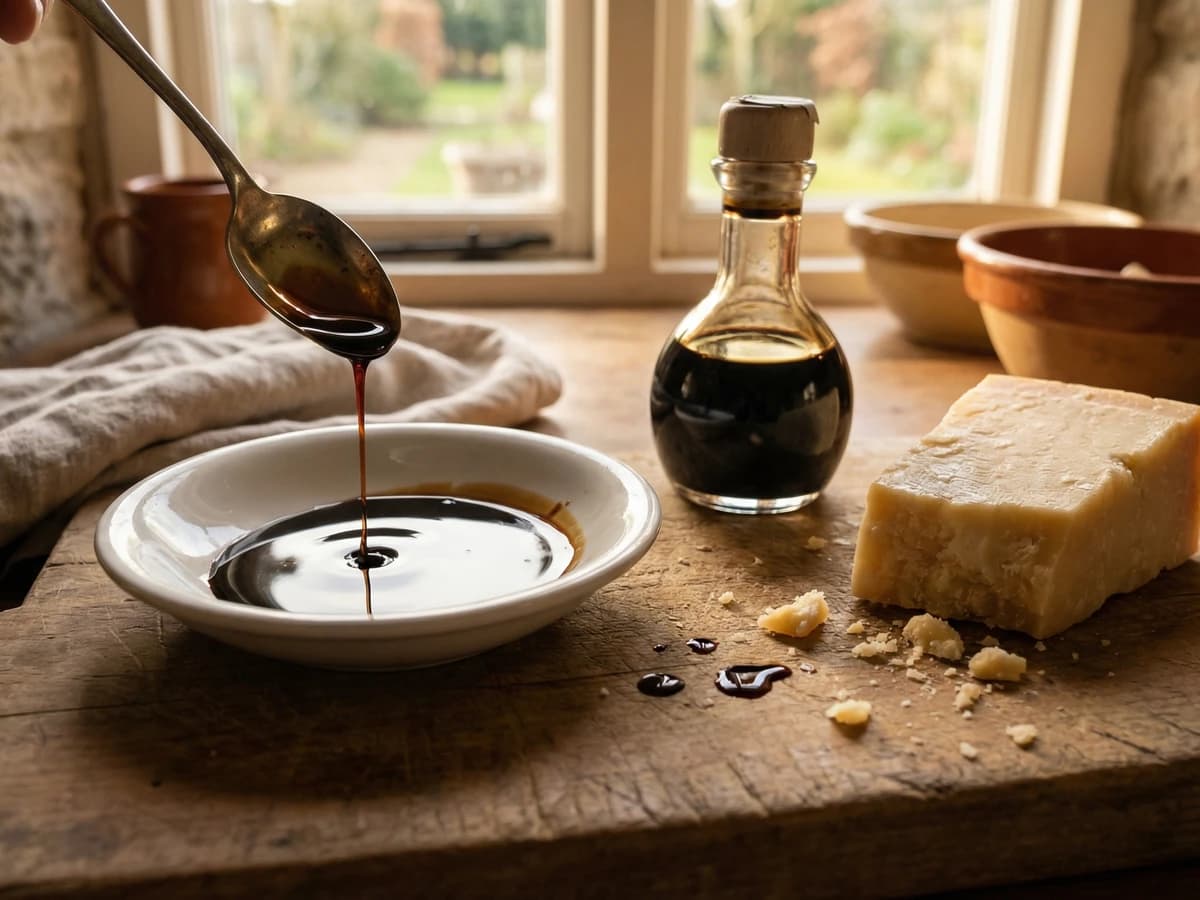
The syrupy reduction of Modena that transforms good balsamic vinegar into something approaching the precious tradizionale. A few drops change everything; more than that ruins the dish.
Chef Makoa
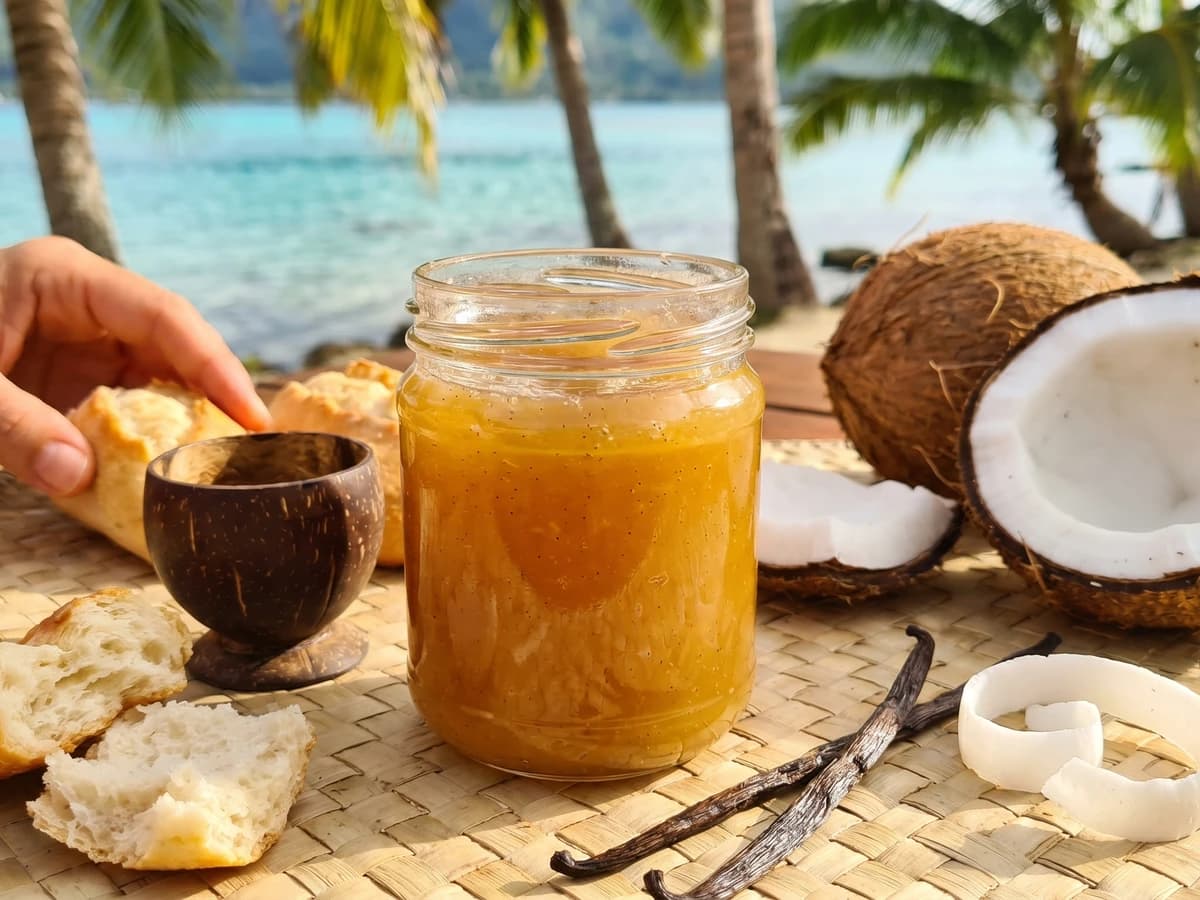
Tahiti's coconut jam turns grated haʻari, sugar, and vanilla into a glossy golden spread for firi firi, pain coco, toast, or any table that needs one more sweet spoon.

Chef Graziella
The summer ritual of southern Italian home cooks, transforming ten pounds of ripe tomatoes into concentrated essence that will carry the taste of August through the winter months.

Chef Lupita
Jalisco's birria broth, pulled from a slow goat braise, stained red with toasted guajillo, ancho, and pasilla, finished with its own fat and served beside tacos for dipping.
Chef Dimitra
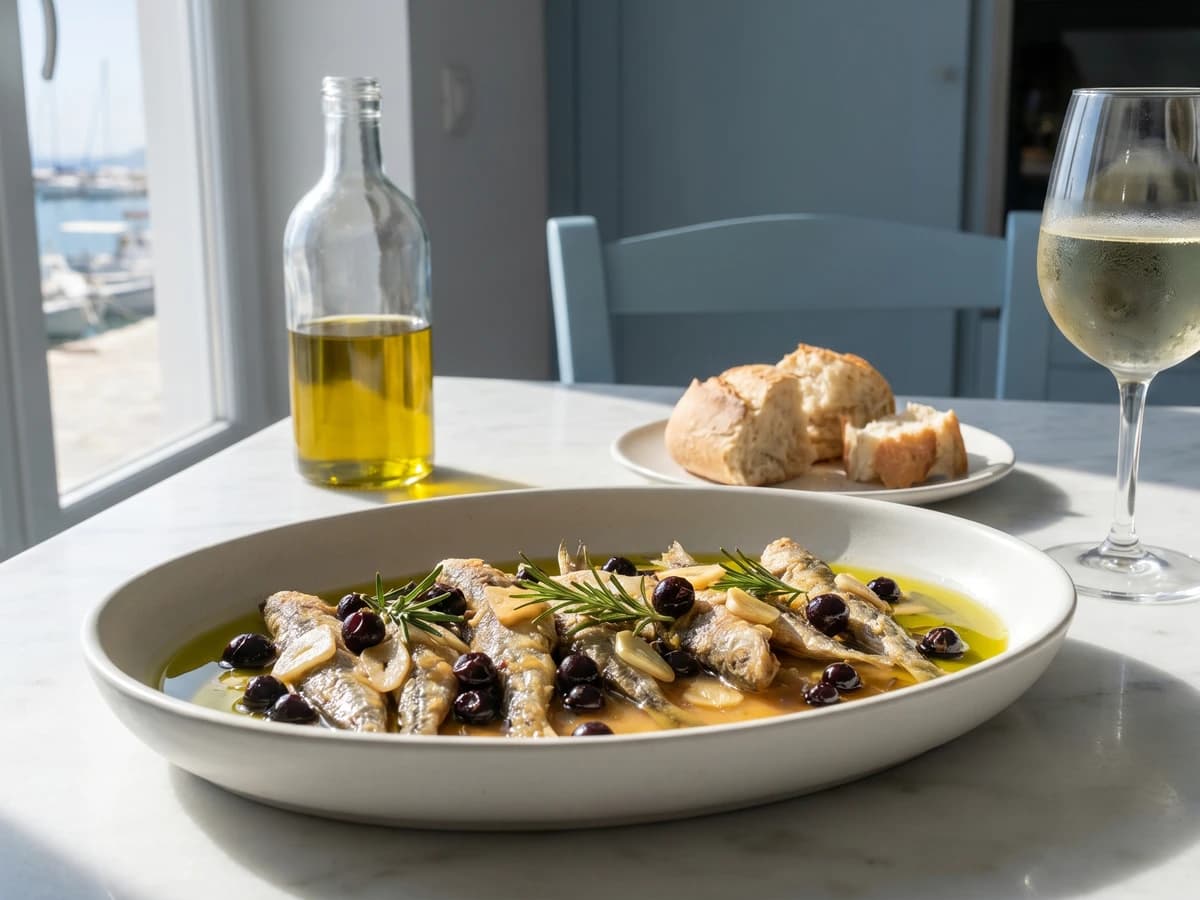
Corfu's savoro is fried small fish steeped in vinegar, rosemary, garlic and black currants, made ahead until the oil, acid and sweetness settle into one bright Ionian sauce.
Chef Thomas
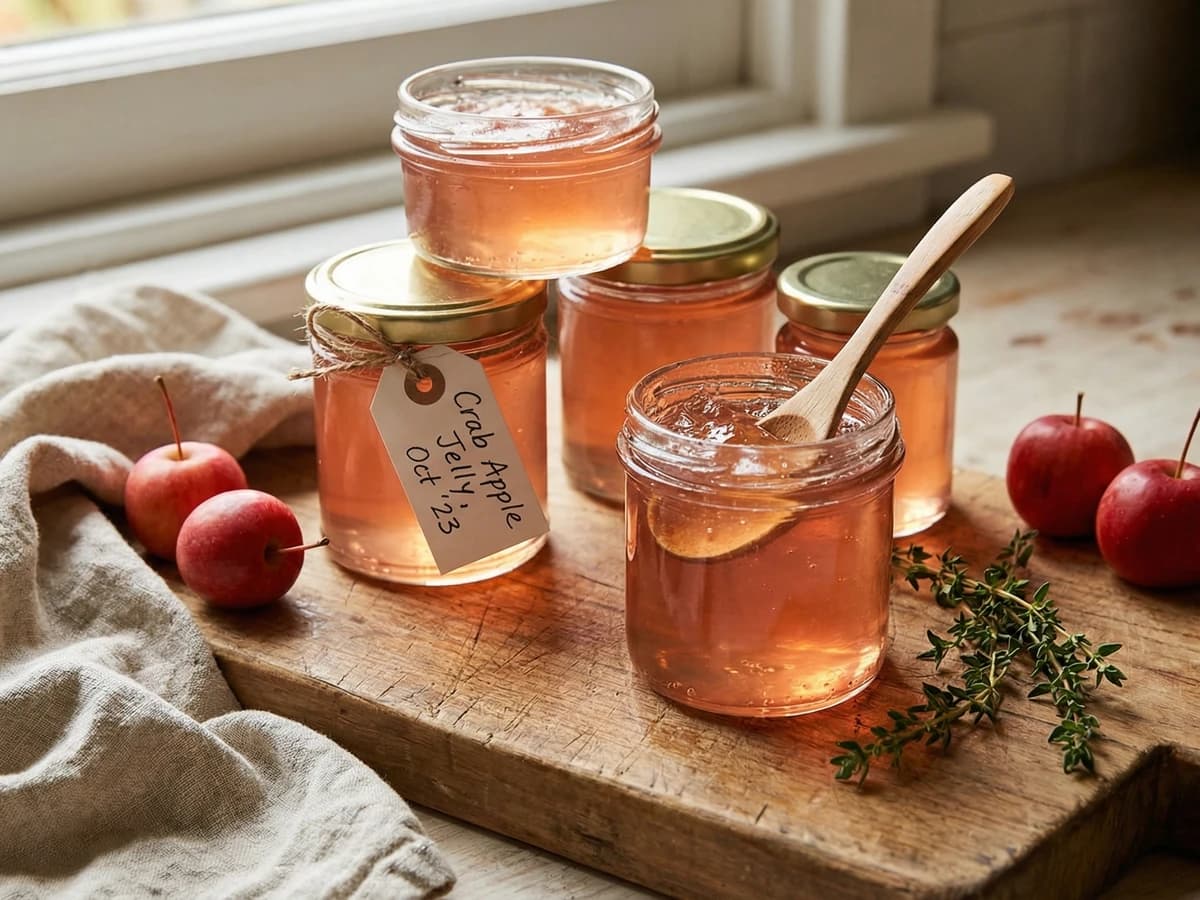
A rose-gold jelly made from early autumn windfalls, set on its own pectin and tasting of wild orchards, the kind of jar you reach for in February when summer feels like a long time ago.

Chef Thomas
A proper cranberry sauce, sharp and ruby-bright, made in the time it takes the turkey to rest, with a cinnamon stick and the zest of an orange doing most of the talking.
Chef Remy
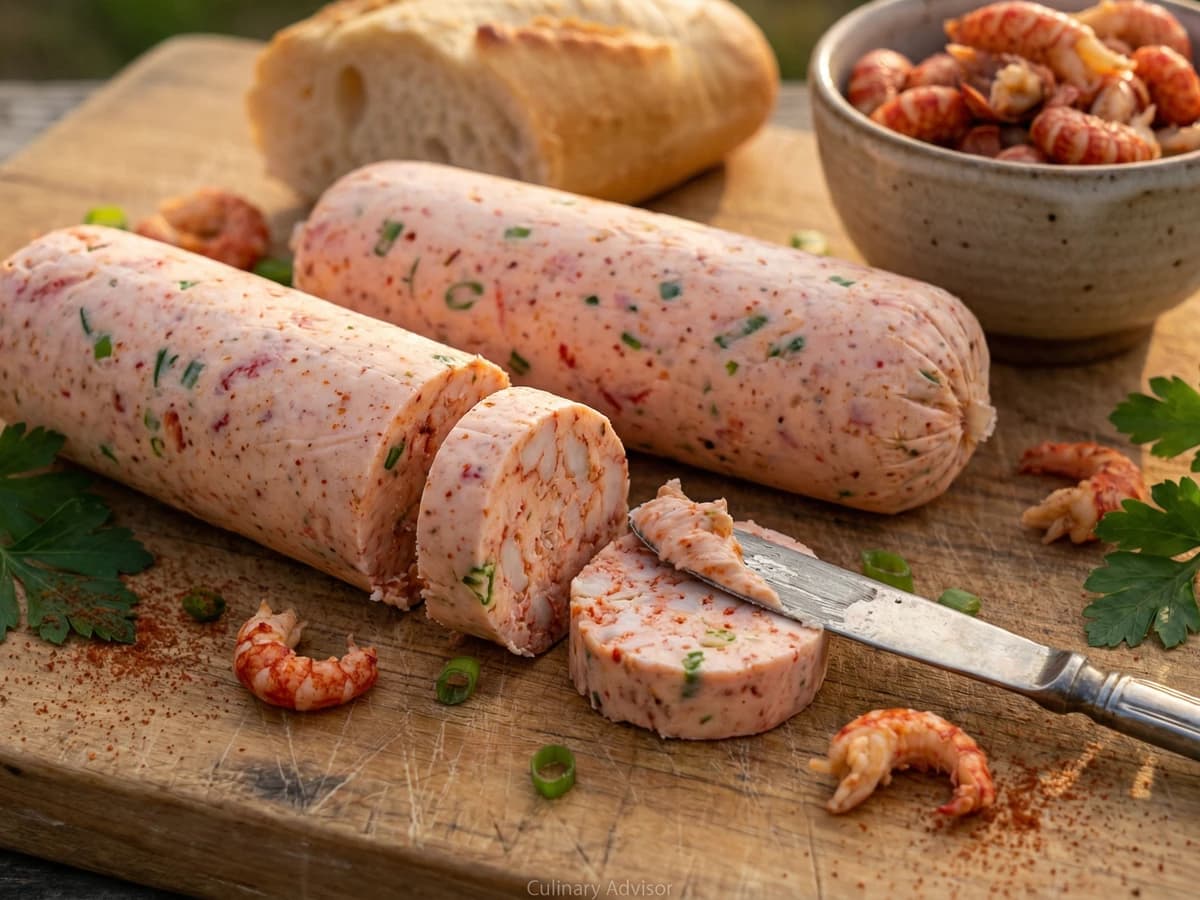
Louisiana's secret weapon: sweet crawfish tails folded into butter with garlic and Cajun spices, ready to melt over anything that needs a little bayou magic.
Chef Remy
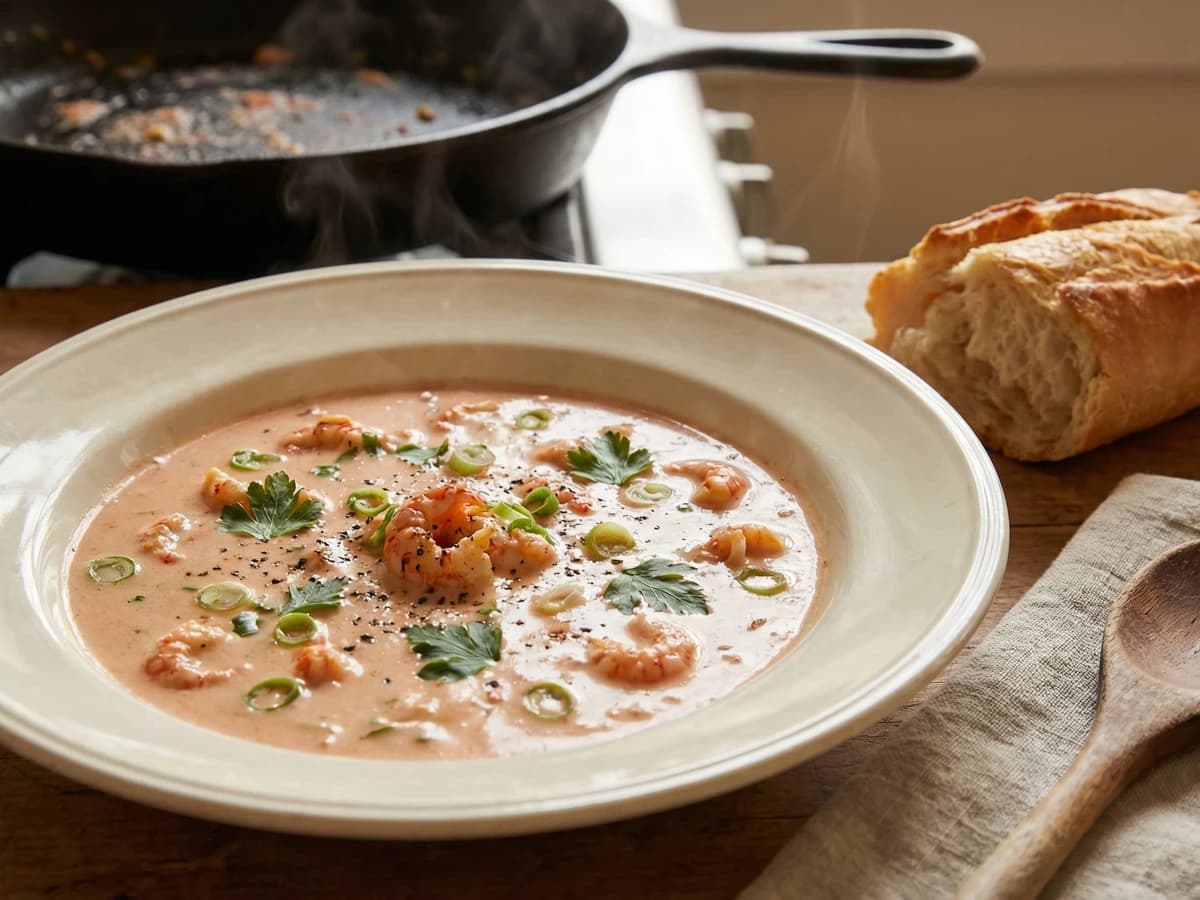
A silky, butter-rich sauce swimming with sweet Louisiana crawfish tails and the holy trinity, finished with cream and a kiss of heat, the kind of mother sauce that makes everything it touches taste like home.

Chef Dean
A robust, chunky dressing built on tangy buttermilk and studded with crumbles of pungent blue cheese. The honest steakhouse classic that transforms a wedge of iceberg into something worth talking about.

Chef Dean
The classic Louisiana dipping sauce that transforms fried seafood into something transcendent, with Creole mustard bite, horseradish heat, and the briny pop of capers balancing rich mayonnaise.

Chef Dean
San Francisco's legendary 1923 creation reborn for modern tables: a verdant, anchovy-enriched dressing thick with tarragon and chives that transforms salads, grain bowls, and crudités into something worth remembering.
Culinary guides, cultural storytelling, and the editorial depth that makes cooking meaningful.
Discover Culinary Explorer