
Chef Lupita
Chocolomo de Tizimín
Tizimín's celebration stew from the cattle country of eastern Yucatán, beef loin and offal simmered in a broth of hierbabuena, recado rojo, and naranja agria, finished at the table with lima agria and habanero.
Recipe Archive
Soups and stews reward patience, seasoning, and structure. Browse bowls that build flavor through stock, aromatics, legumes, vegetables, seafood, and slow-cooked meats.
1296 recipes
A cooking platform built around craft, culture, and the stories behind what we eat.
Chef Lupita
Tizimín's celebration stew from the cattle country of eastern Yucatán, beef loin and offal simmered in a broth of hierbabuena, recado rojo, and naranja agria, finished at the table with lima agria and habanero.

Chef Jeong-sun
A northern summer soup of clear chicken broth, shredded meat, cucumber, pear, and jidan, sharpened with vinegar and Korean mustard until the cold wakes you up before it cools you down.

Chef Zohra
A brothy Moroccan soup for small tables and tired evenings, with fine vermicelli, tomato, herbs, vegetables, and just enough meat to make the pot generous.

Chef Zohra
A lighter Moroccan soup for an ordinary night: clear broth, a little lamb, vegetables cut small, herbs, and fine vermicelli added late so the bowl stays lively.

Chef Jeong-sun
Freshwater loach simmered until the bones soften, pressed into its own broth, then carried with doenjang, greens, perilla seed, and sancho pepper the way Namwon autumn tables know it.

Chef Lupita
Michoacán's Meseta P'urhépecha ceremonial caldo, venison simmered with guajillo and ancho, milpa vegetables, and nurite, served properly with corundas because churipo never arrives alone at fiestas.

Chef Lupita
Michoacán's Meseta P'urhépecha midday churipo, beef and garbanzo in a red guajillo broth with chayote, cabbage, carrot, and sour tuna, always served with corundas beside the bowl.

Chef Lupita
Michoacán's P'urhépecha celebration caldo, res and pollo simmered in a guajillo-red broth with corn, chayote, cabbage, and calabacita, served the only proper way: with corundas beside the bowl.

Chef Isabel
Cigrons a la Catalana are Catalonia's chickpeas cooked in a dark sofregit, loosened with their own broth, then thickened with almond-garlic picada while pine nuts and raisins give the sweet Catalan note.

Chef Isabel
Cim i Tomba is Catalan, from Tossa de Mar: white fish and potatoes cooked in fish broth, then bound with allioli off the heat so the sauce turns thick and glossy.

Chef Dean
A robust, deeply seasoned pot of ground beef, beans, and tomatoes simmered until the spices bloom, the meat surrenders, and the whole becomes something far greater than its humble parts.
Chef Dean
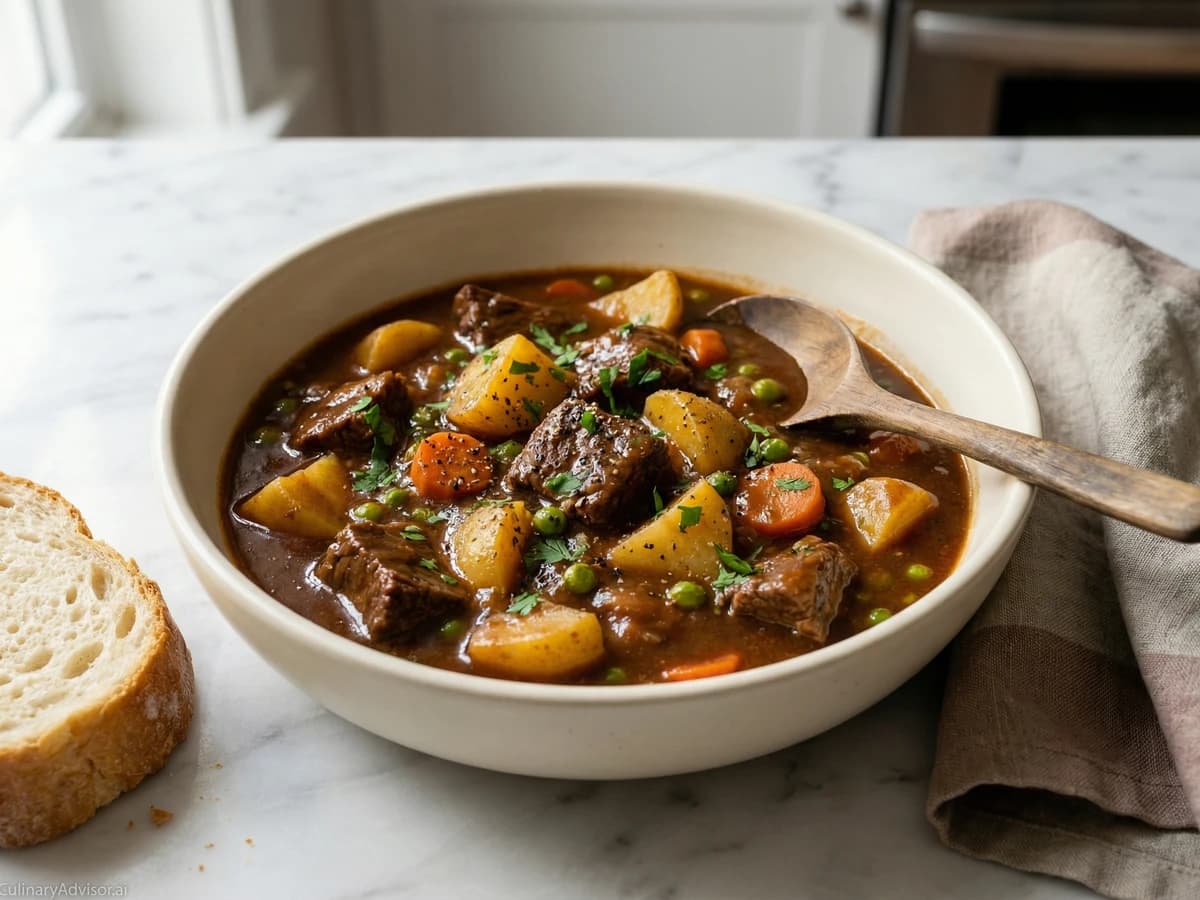
Fork-tender beef and hearty vegetables swimming in a deep, mahogany gravy that tastes like it simmered all day. This is the stew that defines American home cooking at its honest best.

Chef Ally
The ancient, golden-crusted bean casserole of Languedoc, layered with succulent duck confit and garlicky sausage, baked slowly until the crust cracks and the beans turn creamy with rendered fat.
Chef Dean
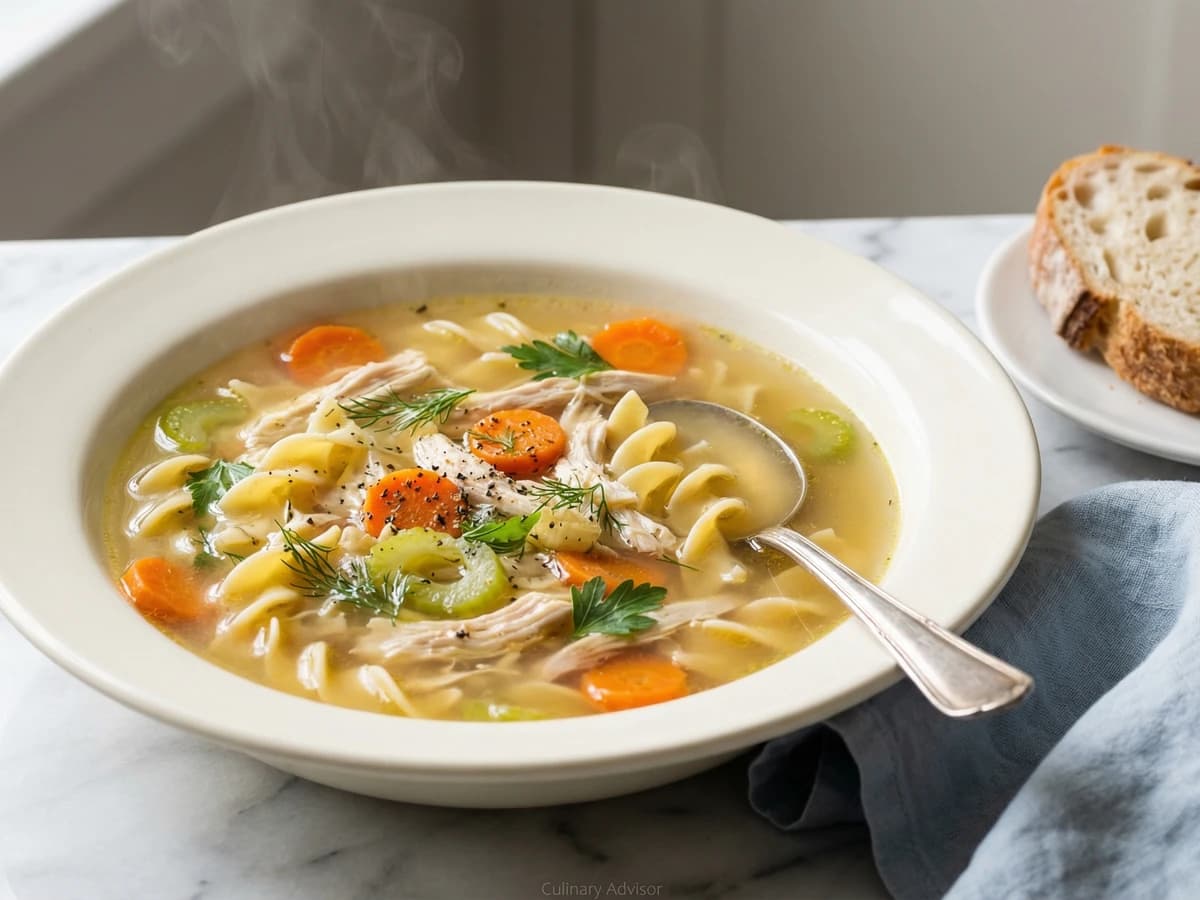
A bowl of pure comfort built the right way: whole chicken simmered into golden, gelatinous broth, honest vegetables cooked until just tender, and wide egg noodles that catch every drop of healing liquid.

Chef Dean
Deeply caramelized onions in rich beef broth, crowned with garlic-rubbed croutons and a bubbling cap of molten Gruyère that cracks to reveal steaming, soul-warming spoonfuls beneath.
Chef Dean
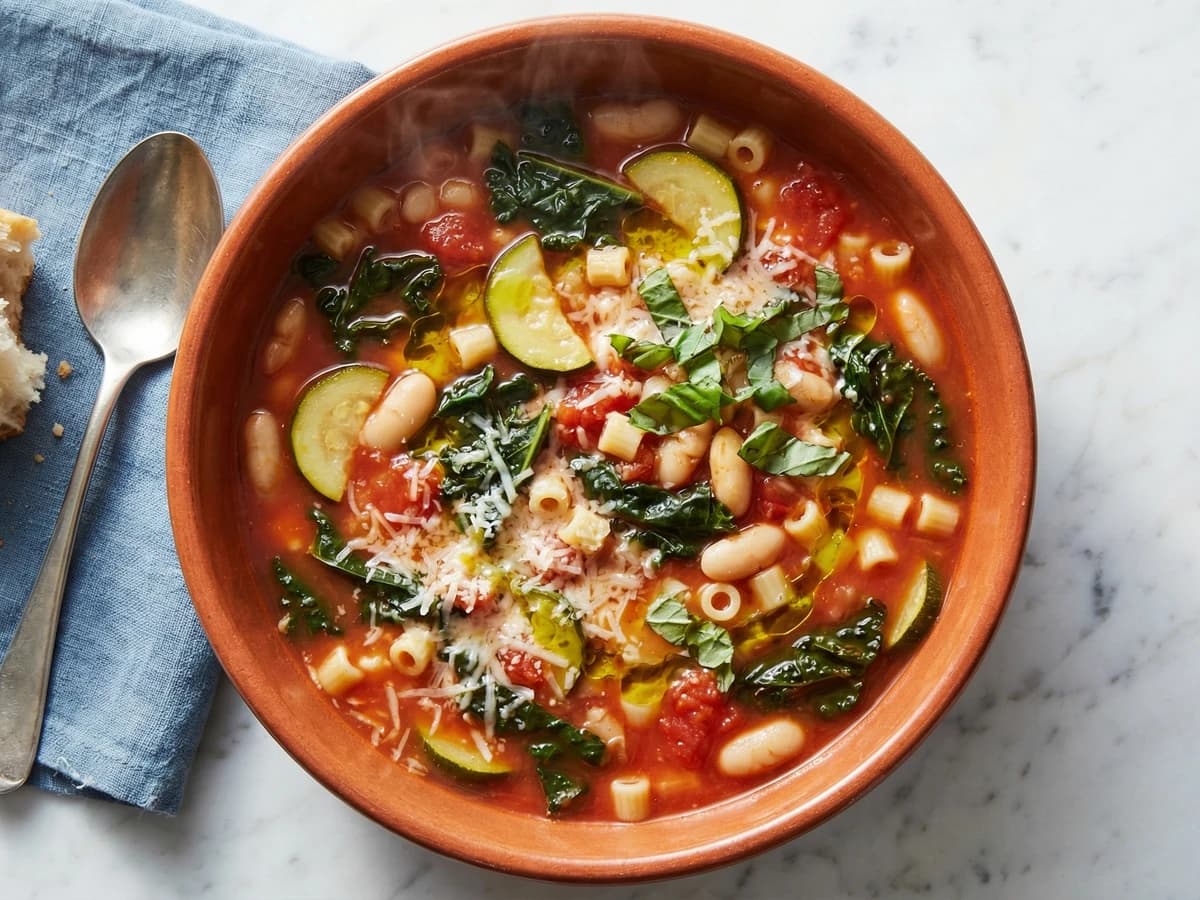
A hearty Italian vegetable soup built on the holy trinity of onion, celery, and carrot, loaded with beans, pasta, and seasonal greens, finished with parmesan and a slick of good olive oil. This is the soup that proves frugality and flavor are not opposites.
Chef Dean
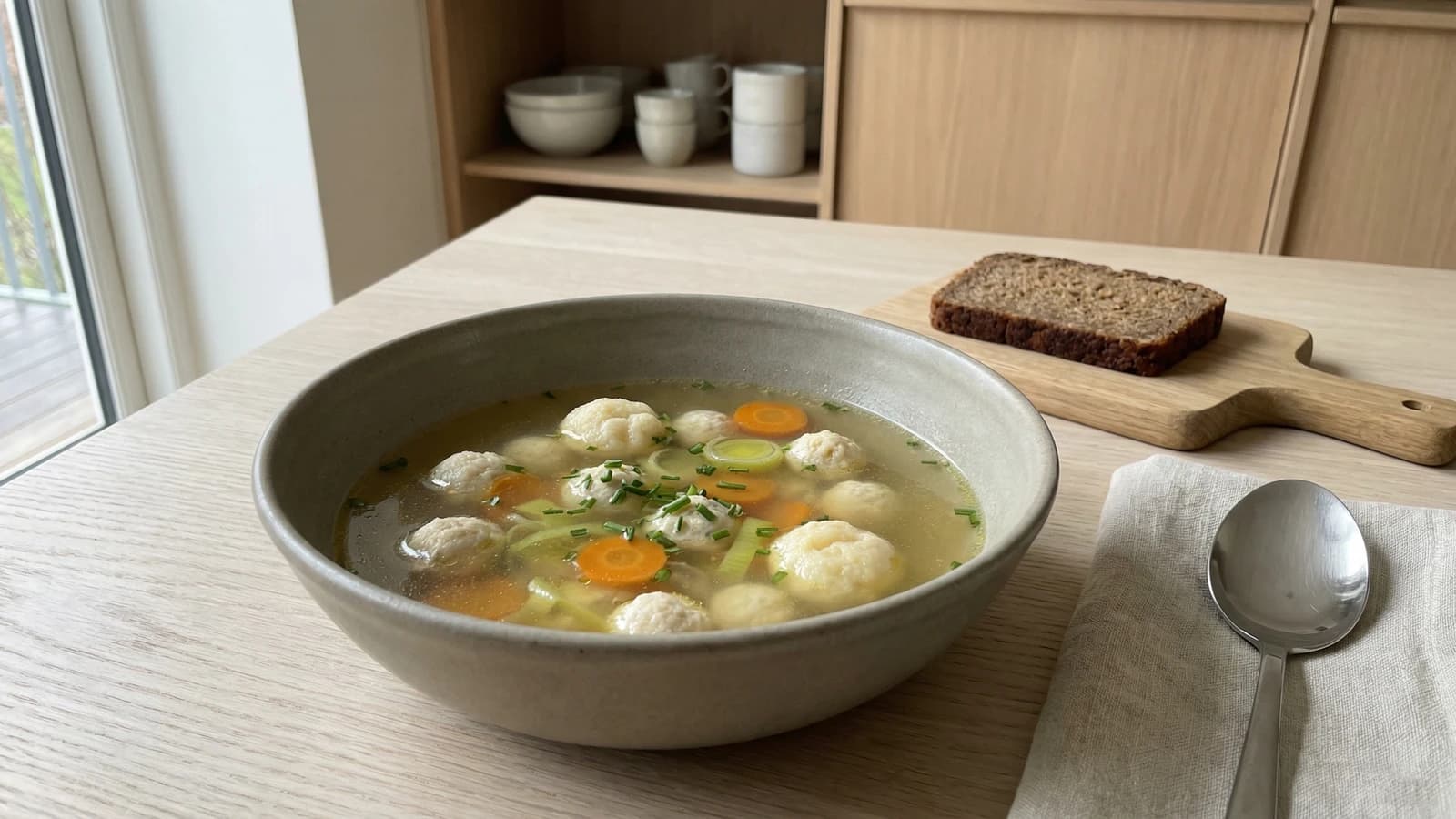
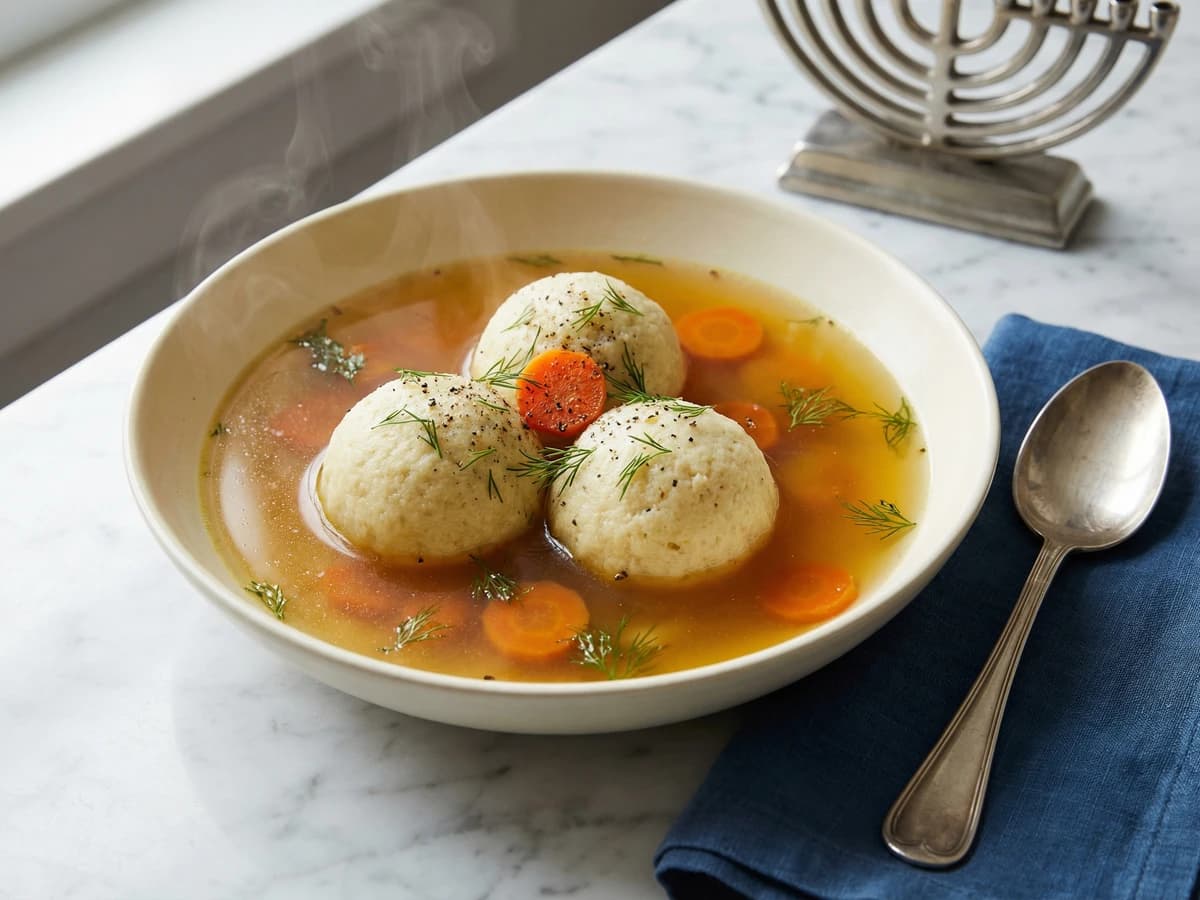
Pillowy matzo balls suspended in deeply golden chicken broth, the soup that has healed generations and anchored Jewish holiday tables for centuries. This is comfort food at its most elemental.
Chef Takumi
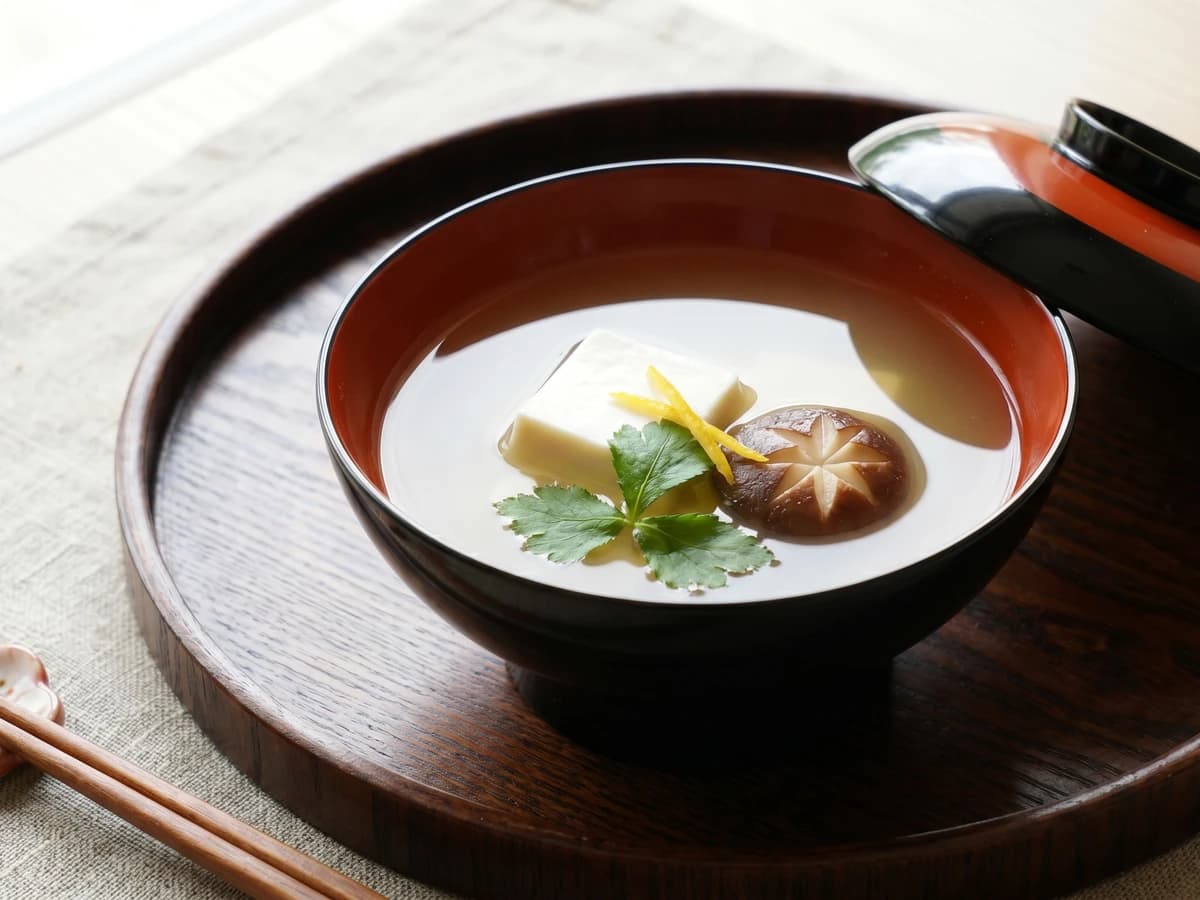
Sumashijiru is the clear soup that teaches restraint: first-pressing dashi, a breath of light soy and salt, then one or two seasonal things left visible.

Chef Lupita
Morelos's weekday guisado of pork, chayote, ejote, and calabacita simmered in a thin mole of guajillo and pasilla, thickened with toasted tortilla and masa. The everyday food of the central highlands.

Chef Isabel
Cocido Aragonés is Aragón's chickpea stew, marked by cardo from the Ebro garden and a bread-and-meat pelota. Keep the pot gentle and the garbanzos stay whole.

Chef Isabel
Cocido Castellano is the chickpea stew of the Castilian meseta: clear broth first, garbanzos and cabbage next, meats and fried relleno last.

Chef Isabel
Cocido con pelotas is Murcia and the Vega Baja at Christmas: chickpeas and winter meats in a clear broth, with big mint-scented meatballs that decide the whole pot.

Chef Isabel
Cocido extremeño is Extremadura in a pot: chickpeas, gallina, ibérico tocino, chorizo and morcilla, with almost no vegetable. The clean broth is the point, so simmer low and add the sausages late.

Chef Isabel
Cocido Gallego is Galicia's winter and Carnival pot: desalted matanza pork, garbanzos, grelos, and cachelos cooked in one broth until every platter tastes of the same deep, clean pot.
Culinary guides, cultural storytelling, and the editorial depth that makes cooking meaningful.
Discover Culinary Explorer