
Chef Takumi
Abura Soba (油そば, brothless ramen)
Abura soba is ramen without the hiding place of soup: hot noodles, strong shōyu tare, fragrant oil, and the discipline to mix while every strand is still hot.
A cooking platform built around craft, culture, and the stories behind what we eat.
Created by
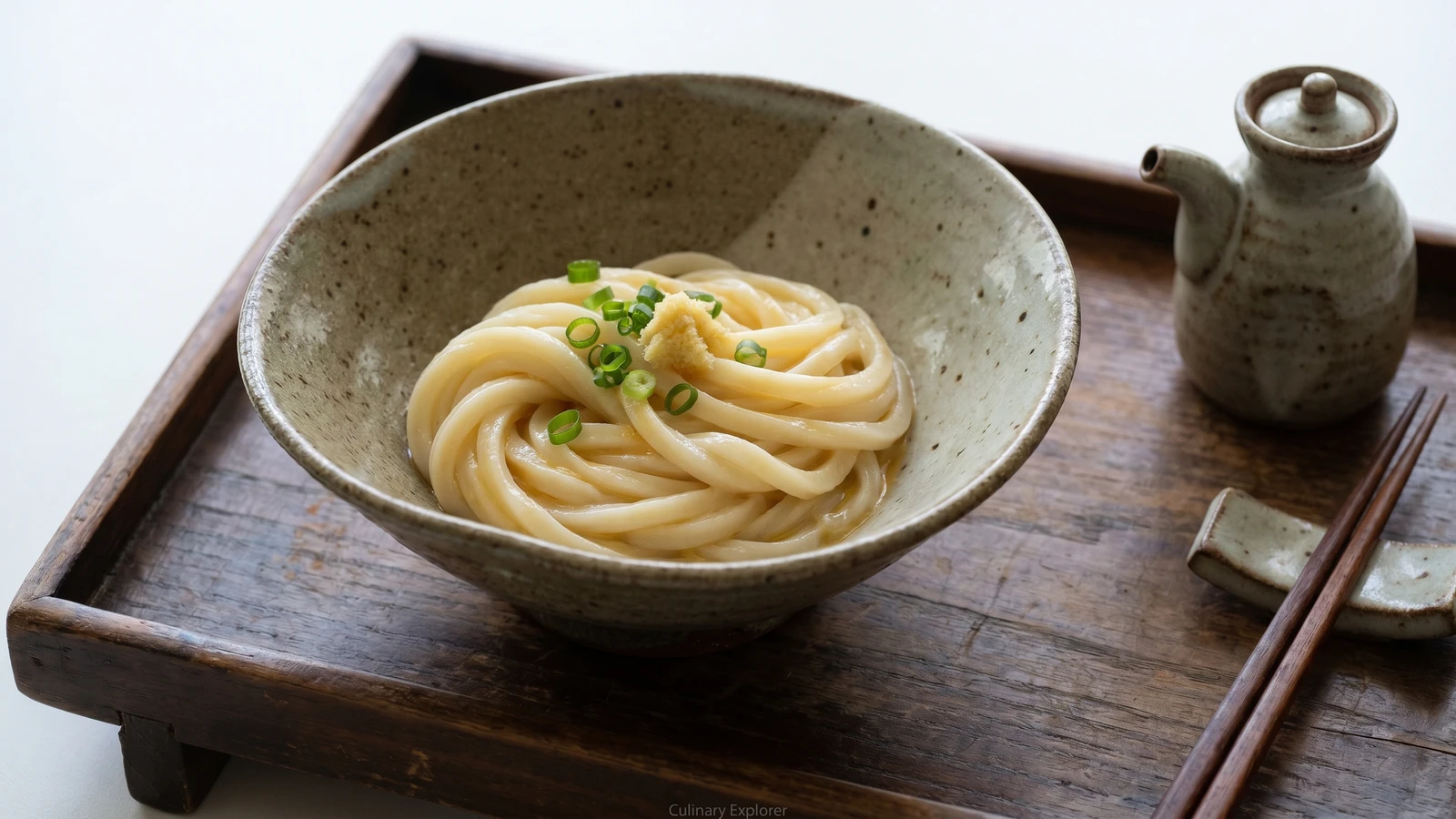
Three ingredients, one bowl, and no ceremony worth fearing. Hot udon half-cooks the egg into a glossy sauce, and the whole dish rests on timing.
Kamatama udon looks almost too plain to trust. Hot noodles, a raw egg, a splash of soy. That is the dish, and if the udon is good, it needs very little help.
The one detail that decides it is heat. The noodles must go from boiling water to the bowl while they are still fierce enough to thicken the egg. Wait too long and you have egg on noodles. Move quickly and you get a pale golden sauce clinging to every strand, glossy and soft, like the simplest custard that never saw a steamer.
Use fresh or frozen Sanuki udon if you can. The chew is part of the dish, not decoration. This is quick food, yes, but not careless food. We season it with shōyu, sometimes a little dashi soy if the bowl wants depth, then finish with scallion or grated ginger. Nothing hidden. Three ingredients will tell on you, which is kind of them, if you listen.
Kamatama udon is tied to Sanuki udon, the thick wheat noodle tradition of Kagawa Prefecture, formerly Sanuki Province. The style is widely associated with Yamagoe Udon in Ayagawa, Kagawa, where hot noodles mixed with raw egg were popularized in the late twentieth century. The name joins kama, the cooking pot, and tama, short for tamago, because the noodles are taken straight from the pot into the egg.
Quantity
2 portions (about 400g total)
Quantity
2
very fresh, preferably pasteurized if needed
Quantity
2 tablespoons
plus more to taste
Quantity
2 tablespoons
Quantity
2
thinly sliced
Quantity
1 teaspoon
grated
| Ingredient | Quantity |
|---|---|
| fresh or frozen Sanuki udon | 2 portions (about 400g total) |
| large eggsvery fresh, preferably pasteurized if needed | 2 |
| shōyu (Japanese soy sauce)plus more to taste | 2 tablespoons |
| dashi (optional) | 2 tablespoons |
| scallionsthinly sliced | 2 |
| ginger (optional)grated | 1 teaspoon |
Fill two serving bowls with hot water and let them stand while the udon cooks. A cold bowl steals heat from the noodles, and here heat is the cook. Empty and dry the bowls just before serving.
Boil the udon according to the package directions, usually two to three minutes for frozen noodles or a little less for fresh. Stir gently to loosen the strands without breaking them. The noodles should be hot through and springy under the teeth, because their heat will thicken the egg.
Crack one egg into each warmed bowl. If you want a deeper seasoning, add one tablespoon dashi and one tablespoon shōyu to each bowl. Beat lightly with chopsticks, just enough to loosen the yolk and white, not to make foam.
Lift the udon straight from the boiling water, drain for only a few seconds, and drop it into the egg. Toss at once with chopsticks until the egg turns pale gold and coats the noodles. Move quickly. The udon should half-cook the egg into sauce, not sit politely beside it.
Top with sliced scallion and a little grated ginger if using. Taste, then add another small splash of shōyu only if the bowl asks for it. Serve immediately, while the sauce is glossy and the noodles still carry their heat.
1 serving (about 300g)
Culinary guides, cultural storytelling, and the editorial depth that makes cooking meaningful.
Discover Culinary ExplorerChef Takumi
Abura soba is ramen without the hiding place of soup: hot noodles, strong shōyu tare, fragrant oil, and the discipline to mix while every strand is still hot.
Chef Takumi
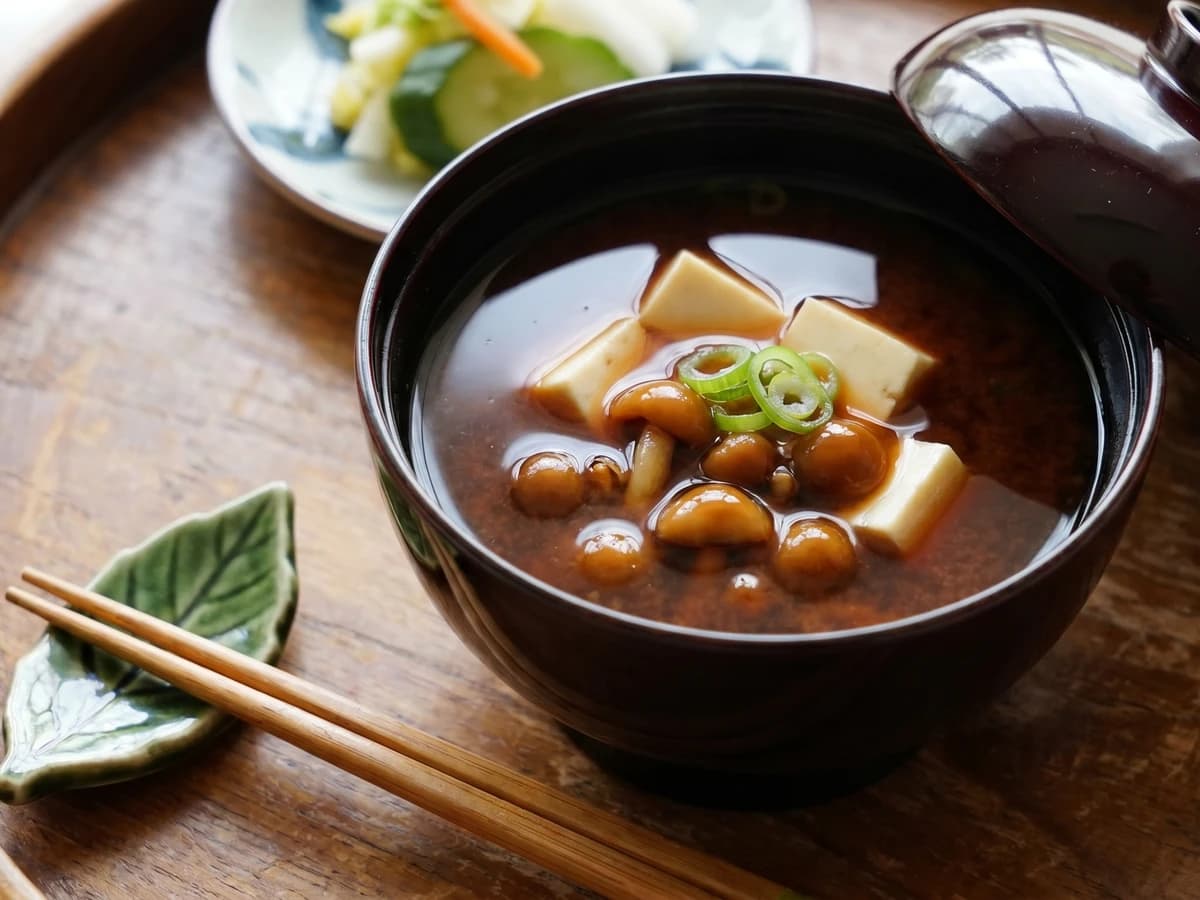
Akadashi asks you to trust the dark miso. Build a clear dashi, loosen the Hatchō mame-miso gently, and the soup turns coffee-dark, savory, and clean.

Chef Takumi
Toast the rice until its skin is firm, then let it meet chicken broth, burdock, maitake, and seri. The pot looks grand, but the work is rice, broth, and patience.
Chef Takumi
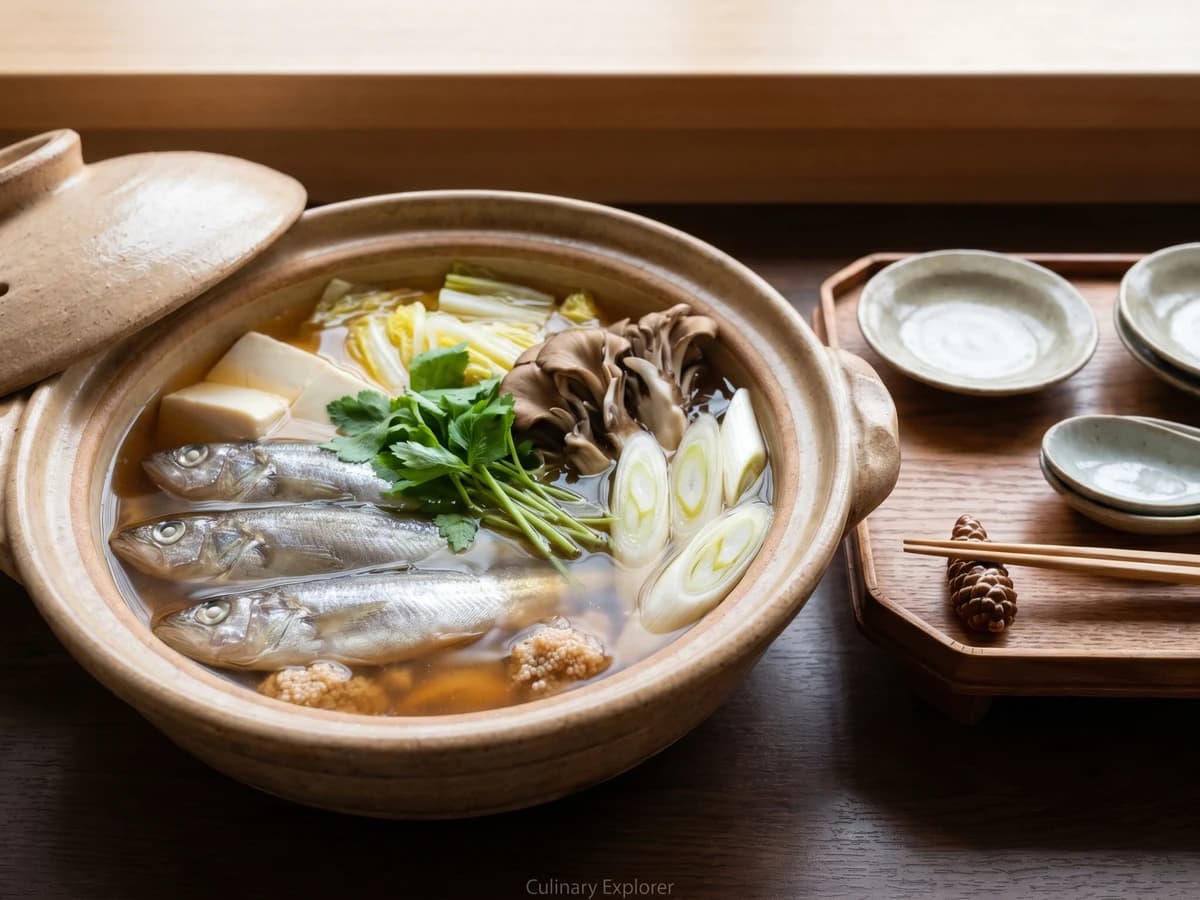
Shottsuru nabe is Akita winter in one pot: clean dashi, hatahata at shun, tofu and napa cabbage carrying a salt-deep broth without anything heavy enough to hide the fish.