
Chef Takumi
Abura Soba (油そば, brothless ramen)
Abura soba is ramen without the hiding place of soup: hot noodles, strong shōyu tare, fragrant oil, and the discipline to mix while every strand is still hot.
A cooking platform built around craft, culture, and the stories behind what we eat.

Created by
Kake soba is the plain bowl that shows everything: good dashi, balanced soy, and noodles cooked with care, so the buckwheat aroma arrives first and the broth follows cleanly.
Kake soba looks almost too plain to be a recipe. Noodles, hot broth, a little scallion. That is why it matters. With nothing hidden under tempura or duck or grated yam, the soba has to speak first, and the broth must know when to be quiet.
The one detail that decides the bowl is timing. Cook the soba fully, rinse it well, then warm it again just before serving. The rinse is not fussiness. It washes away surface starch so the broth stays clear and the noodles taste clean instead of gummy. Then a quick return to hot water brings them back without cooking them to softness.
The broth is kakejiru, a simple meeting of dashi, soy sauce, mirin, and a little salt if needed. In Kantō, we make it darker and a touch stronger with koikuchi shōyu, regular dark soy sauce. In Kansai, the bowl is paler, often with usukuchi shōyu, light-colored soy sauce, so the dashi shows through. Neither is a trick. The method, not the menu, is the lesson: clear stock, clean noodles, restraint.
Use good dried soba if that is what you can get, ideally one with buckwheat listed before wheat. Fresh soba is lovely, but poor fresh noodles are not nobler than good dried ones. Honmono is not theatrical. It is the bowl that arrives hot, clear, and fragrant, with the scallion cut thin and the surface left calm.
Kake soba became common in Edo in the late seventeenth and early eighteenth centuries, when soba shops began serving noodles already covered in hot broth rather than with a separate dipping sauce. The name comes from kakeru, "to pour over," because the hot tsuyu is poured over the noodles. The darker Kantō style reflects Edo's preference for koikuchi shōyu, while the paler Kansai style keeps the dashi more visible with usukuchi shōyu.
Quantity
2 bundles (about 200g)
Quantity
4 cups
Quantity
1 piece (about 8g)
Quantity
20g
Quantity
3 tablespoons
or 2 tablespoons usukuchi shōyu for Kansai style
Quantity
2 tablespoons
Quantity
1/2 teaspoon
Quantity
2
thinly sliced
Quantity
1 small strip
Quantity
to serve
| Ingredient | Quantity |
|---|---|
| dried soba noodles | 2 bundles (about 200g) |
| cold water | 4 cups |
| konbu (dried kelp) | 1 piece (about 8g) |
| katsuobushi (bonito flakes) | 20g |
| koikuchi shōyu (regular Japanese soy sauce)or 2 tablespoons usukuchi shōyu for Kansai style | 3 tablespoons |
| mirin | 2 tablespoons |
| sea salt (optional) | 1/2 teaspoon |
| scallionsthinly sliced | 2 |
| yuzu peel (optional) | 1 small strip |
| shichimi tōgarashi (optional) | to serve |
Wipe the konbu with a damp cloth, but don't wash it. Put it in the cold water and bring it up slowly over low heat, about ten minutes. Pull the konbu just before the water boils, when small bubbles climb the sides of the pot. Boiling the kelp draws out bitterness and a slick edge, and kake soba has no heavy garnish to hide a careless stock.
Bring the water to a gentle boil, add the katsuobushi all at once, and take the pot off the heat. Let the flakes sink for two or three minutes without stirring. They give their aroma quickly, and stirring roughens the stock for no gain.
Strain the dashi through a fine-mesh strainer lined with a clean cloth or paper towel. Let it drip by itself and don't squeeze the flakes. Squeezing presses out stronger, oily flavors, and the clear broth you wanted becomes heavy at the very moment it should stay light.
Return the dashi to the pot. Add the mirin and simmer for one minute to soften its raw alcohol edge, then add the soy sauce. Taste before adding salt. The broth should be a little stronger than soup sipped alone, because the noodles will temper it, but it should still taste of dashi first.
Bring a large pot of plain water to a rolling boil and cook the soba according to the package timing, usually five to seven minutes for dried noodles. Stir once after the noodles go in so they don't cling. Taste a strand near the end. It should be tender with a little firmness, not chalky at the center.
Drain the soba and rinse under cold running water, rubbing the noodles gently between your hands until the water runs mostly clear. This washes away surface starch, which keeps the broth clean and lets the buckwheat aroma read clearly. It feels odd for a hot bowl, I know. Do it anyway.
Dip the rinsed soba back into fresh hot water for ten to fifteen seconds, just long enough to warm it. Drain well, divide between two warmed bowls, and pour over the hot kakejiru. Finish with thinly sliced scallion and, if you like, one strip of yuzu peel or a light pinch of shichimi tōgarashi. Serve at once, while the noodles still have their shape and the broth is clear.
1 serving (about 620g)
Culinary guides, cultural storytelling, and the editorial depth that makes cooking meaningful.
Discover Culinary ExplorerChef Takumi
Abura soba is ramen without the hiding place of soup: hot noodles, strong shōyu tare, fragrant oil, and the discipline to mix while every strand is still hot.
Chef Takumi
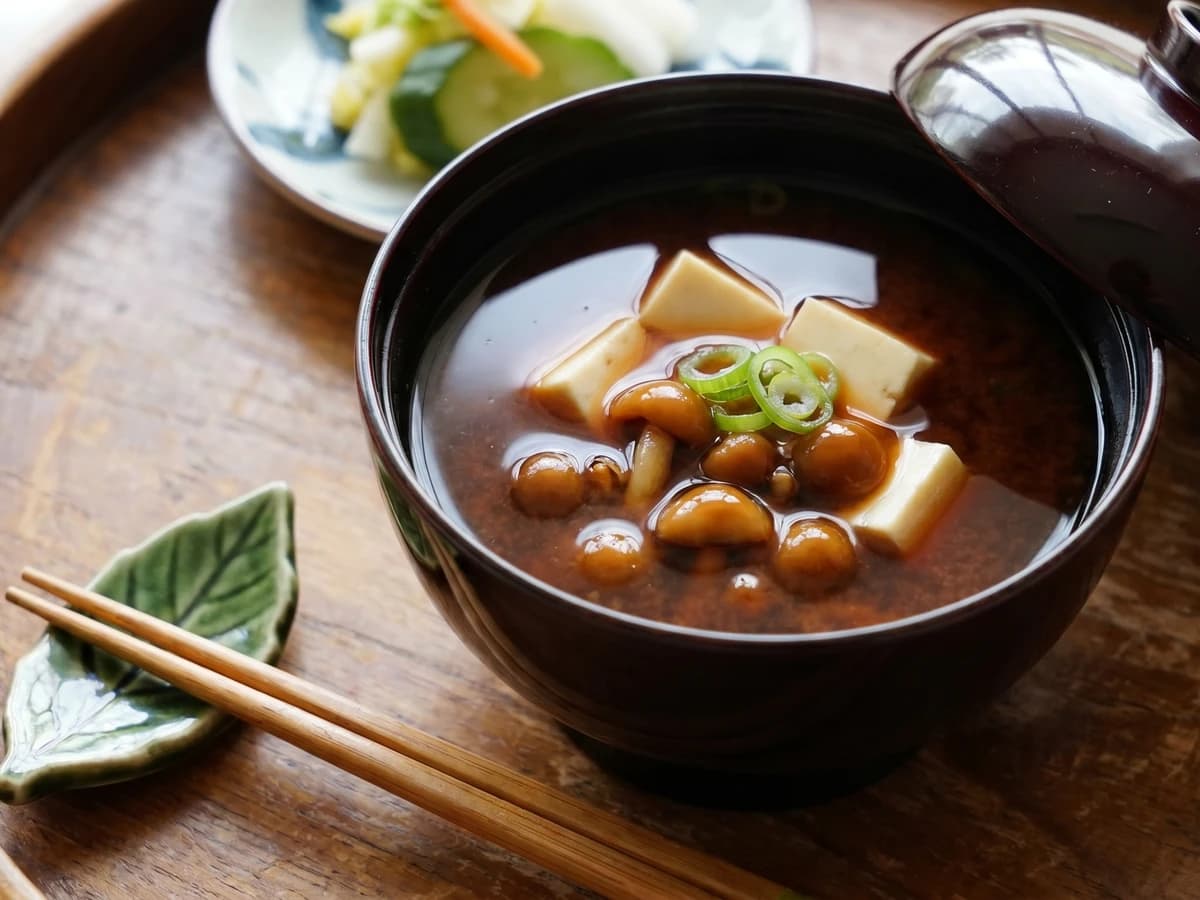
Akadashi asks you to trust the dark miso. Build a clear dashi, loosen the Hatchō mame-miso gently, and the soup turns coffee-dark, savory, and clean.

Chef Takumi
Toast the rice until its skin is firm, then let it meet chicken broth, burdock, maitake, and seri. The pot looks grand, but the work is rice, broth, and patience.
Chef Takumi
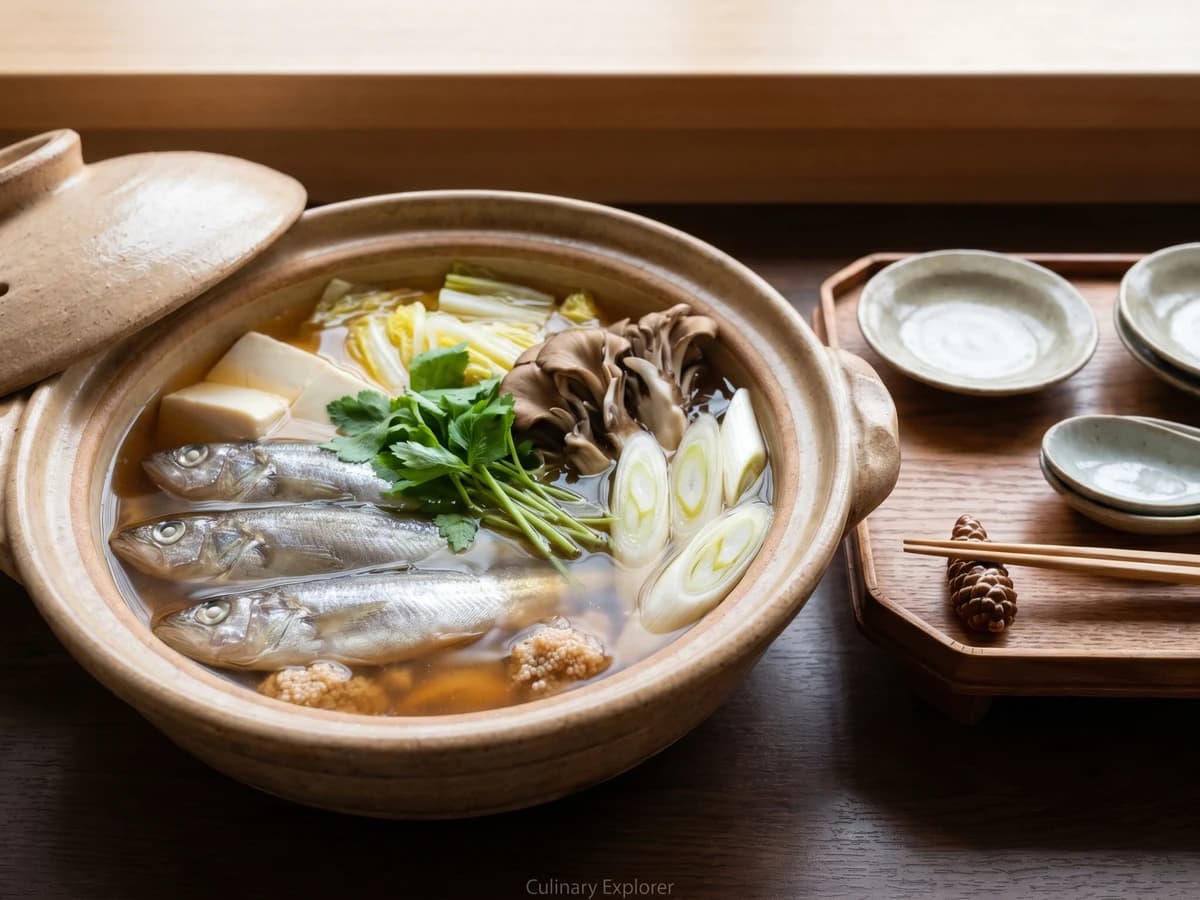
Shottsuru nabe is Akita winter in one pot: clean dashi, hatahata at shun, tofu and napa cabbage carrying a salt-deep broth without anything heavy enough to hide the fish.