
Chef Takumi
Abura Soba (油そば, brothless ramen)
Abura soba is ramen without the hiding place of soup: hot noodles, strong shōyu tare, fragrant oil, and the discipline to mix while every strand is still hot.
A cooking platform built around craft, culture, and the stories behind what we eat.

Created by
Osaka's oden is pale by design: clear dashi, light soy, and patient simmering, with beef tendon and octopus giving depth without muddying the broth.
Kantō-daki looks like a long project because the pot is full. It isn't. The work is mostly choosing the pieces, cleaning them properly, and then having the good sense to leave the pot alone. Winter food often asks for patience, not cleverness.
The one detail that decides it is the broth. In Osaka we keep it pale: konbu dashi, katsuobushi, usukuchi shōyu, and a little mirin. The beef tendon and octopus bring body, but they must be simmered gently and skimmed clean, or the broth turns cloudy and tastes tired. Nothing hidden. A clear pot tells on the cook, which is why it teaches so well.
Each ingredient enters when it can bear the time. Tendon goes early, daikon after a short parboil, eggs and konnyaku once their surfaces are ready to drink, fish cakes near the end so they don't give up too much oil. That is the method, not the menu. Arrange the finished pieces in a shallow bowl with a spoonful of clear gold broth and a dab of karashi mustard, and leave it room. The quietness is the point.
Kantō-daki means 'Kantō simmered,' a name used in Osaka for the dish that Tokyo calls oden, and the wording preserves an old Kansai view that the style came from the east. By the late Meiji and Taishō periods, oden shops and street stalls helped spread the dish nationwide, while Osaka cooks made their own version with a paler broth based on dashi and usukuchi shōyu. The Kansai name remains a small regional argument sitting cheerfully in the pot.
Quantity
20g
Quantity
8 cups
Quantity
30g
Quantity
350g
cut into large pieces
Quantity
250g
cut into 4 pieces
Quantity
1 large (about 700g)
peeled and cut into 1-inch rounds
Quantity
4 large
Quantity
1 block (about 250g)
scored and cut into triangles
Quantity
4 pieces
Quantity
4 pieces
Quantity
4
halved on the diagonal
Quantity
3 tablespoons
Quantity
2 tablespoons
Quantity
1 tablespoon
Quantity
1 teaspoon, plus more as needed
Quantity
for serving
| Ingredient | Quantity |
|---|---|
| konbu (dried kelp) | 20g |
| cold water | 8 cups |
| katsuobushi (bonito flakes) | 30g |
| beef tendoncut into large pieces | 350g |
| cooked octopus tentaclecut into 4 pieces | 250g |
| daikonpeeled and cut into 1-inch rounds | 1 large (about 700g) |
| eggs | 4 large |
| konnyakuscored and cut into triangles | 1 block (about 250g) |
| ganmodoki or atsuage | 4 pieces |
| satsuma-age or other oden fish cakes | 4 pieces |
| chikuwahalved on the diagonal | 4 |
| usukuchi shōyu (light soy sauce) | 3 tablespoons |
| mirin | 2 tablespoons |
| sake | 1 tablespoon |
| sea salt | 1 teaspoon, plus more as needed |
| karashi mustard (optional) | for serving |
Wipe the konbu with a damp cloth, but don't wash it. Put it in the cold water and bring it up slowly over low heat. Pull the konbu just before the water boils, when small bubbles climb the pot. Boil it and the stock turns bitter and slick, and this pale broth has no place to hide that mistake.
Bring the water to a gentle boil, add the katsuobushi all at once, and take the pot off the heat. Leave it alone for two or three minutes until the flakes sink. Strain through cloth or a fine strainer and don't squeeze, because squeezing presses harsh, oily flavor into the clear stock.
Put the beef tendon in a pot of fresh water, bring it to a boil, and cook for 5 minutes. Drain, rinse the pieces, and wash the pot. This first boil removes blood and scum so the final broth can stay clean. Return the tendon to the pot with enough fresh water to cover and simmer gently for about 1 hour, until a skewer enters with some resistance.
Parboil the daikon rounds for 10 minutes, then drain them. This takes away raw sharpness and helps them absorb the broth evenly. Boil the eggs for 8 to 9 minutes, cool, and peel. Score the konnyaku lightly, cut it into triangles, and boil it for 3 minutes to remove its alkaline smell. Pour hot water over the fried fish cakes and ganmodoki to wash away surface oil, which would cloud the broth.
Combine the strained dashi with the usukuchi shōyu, mirin, sake, and salt in a wide pot. Taste it now. It should be savory and a little firmer than you want the finished broth, because daikon, eggs, and konnyaku will soften it as they drink.
Add the drained tendon, daikon, eggs, konnyaku, and octopus to the seasoned broth. Bring it just to a simmer, then lower the heat until the surface barely moves. Cook uncovered or partly covered for 45 minutes, skimming only when needed. A hard boil toughens the octopus, breaks the daikon edges, and muddies the clear gold you worked for.
Add the ganmodoki, satsuma-age, and chikuwa. Simmer gently for another 20 to 30 minutes. They go in late because fried fish cakes give flavor quickly and can shed oil if they sit too long. Keep the pot quiet. Quiet broth tastes cleaner.
Turn off the heat and let the pot rest for at least 30 minutes, longer if you can. Oden tastes deeper after resting because the pieces cool slightly and pull seasoning inward. Rewarm gently, never boil, then serve a few pieces in each bowl with clear broth and a small dab of karashi mustard on the side.
1 serving (about 900g)
Culinary guides, cultural storytelling, and the editorial depth that makes cooking meaningful.
Discover Culinary ExplorerChef Takumi
Abura soba is ramen without the hiding place of soup: hot noodles, strong shōyu tare, fragrant oil, and the discipline to mix while every strand is still hot.
Chef Takumi
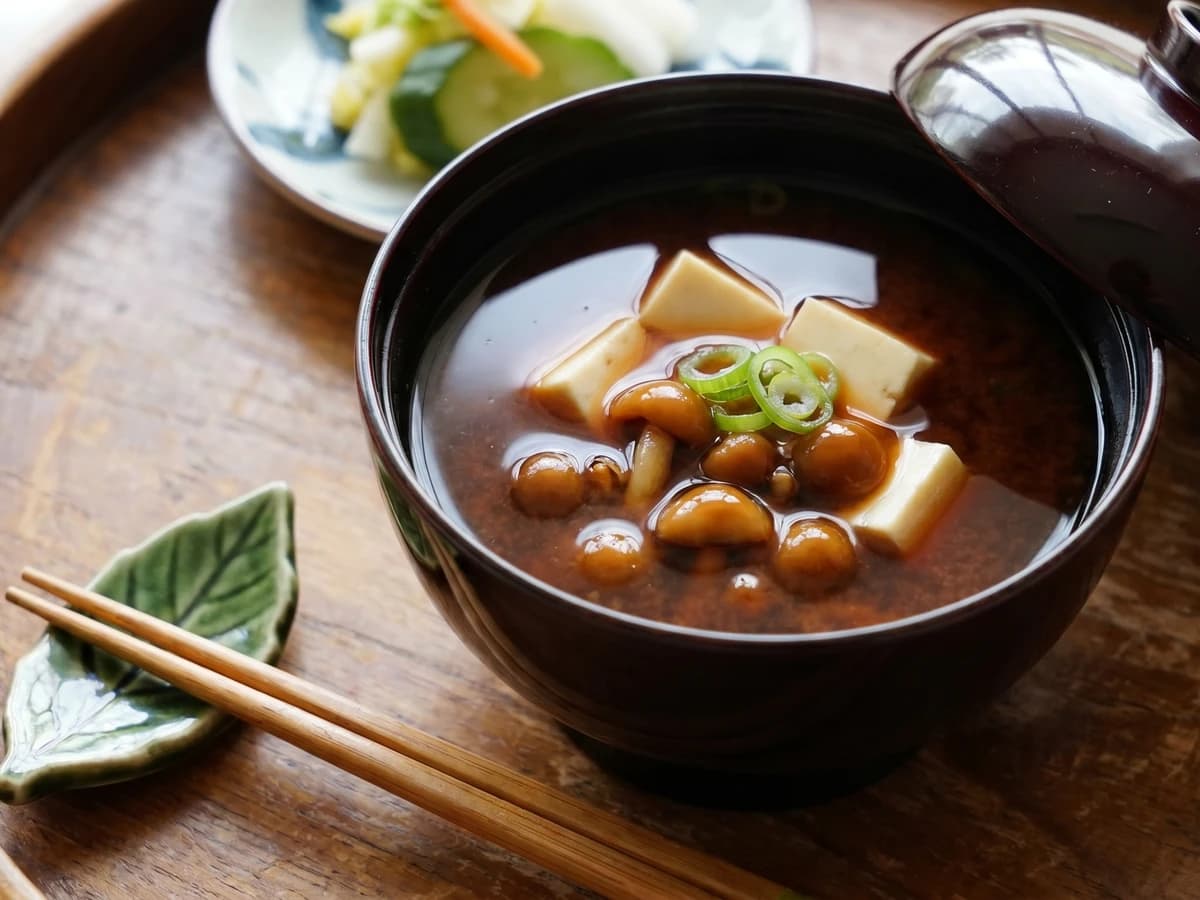
Akadashi asks you to trust the dark miso. Build a clear dashi, loosen the Hatchō mame-miso gently, and the soup turns coffee-dark, savory, and clean.

Chef Takumi
Toast the rice until its skin is firm, then let it meet chicken broth, burdock, maitake, and seri. The pot looks grand, but the work is rice, broth, and patience.
Chef Takumi
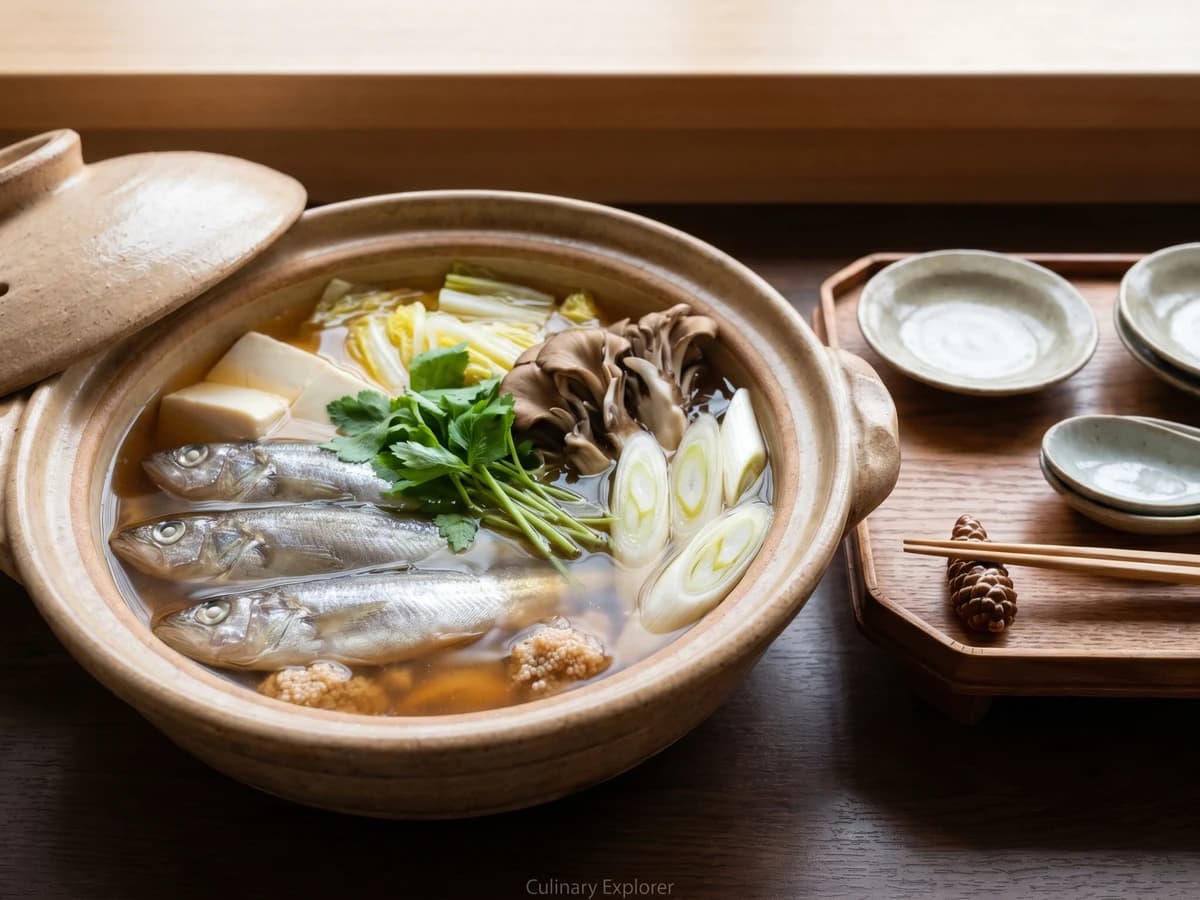
Shottsuru nabe is Akita winter in one pot: clean dashi, hatahata at shun, tofu and napa cabbage carrying a salt-deep broth without anything heavy enough to hide the fish.