
Chef Takumi
Abura Soba (油そば, brothless ramen)
Abura soba is ramen without the hiding place of soup: hot noodles, strong shōyu tare, fragrant oil, and the discipline to mix while every strand is still hot.
A cooking platform built around craft, culture, and the stories behind what we eat.
Created by
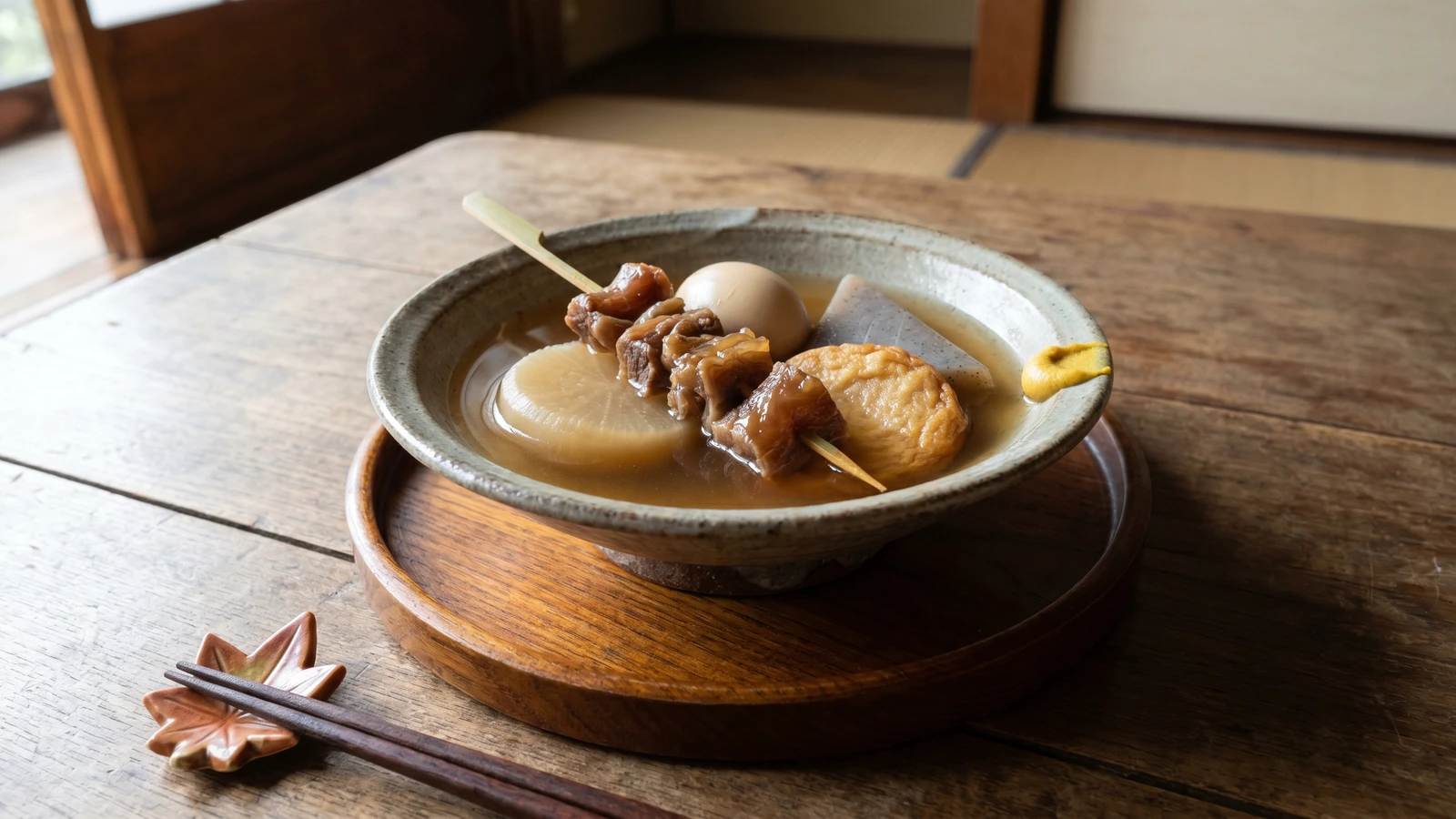
Gyūsuji oden asks for time, not cleverness: tender beef tendon, clear dashi, quiet simmering, and the patience to let the broth become richer without turning heavy.
Beef tendon frightens people because it looks like a punishment before it becomes a pleasure. Raw, it's tough, pale, and stubborn. Cook it properly and it turns soft and gelatinous, with a clean richness that makes the whole oden pot deeper. This is not difficult. It is only slow.
The first secret is to cook the tendon twice. The first boil is not for flavor, it's for cleanliness: blood, surface fat, and stray smell leave the meat, helped along by negi tops and ginger. You rinse it, cut it, skewer it, and only then let it enter the oden dashi. If you skip that beginning, the broth clouds and tastes heavy. Nothing hidden, nothing forced.
In western Japan, especially around Osaka, gyūsuji is one of the pieces people look for in the oden pot. It gives more than it takes. The skewers season the broth while the broth seasons them back, which is the quiet bargain of good nimono, simmered food. Keep the pot below a hard boil, and give it time. A hard boil makes the dashi muddy and the tendon ragged. A quiet simmer leaves the broth clear, the daikon sweet, and the beef tender enough to yield under chopsticks.
Oden took its modern shape in the Edo period from dengaku, skewered foods dressed with miso, before becoming a simmered dish served in seasoned stock. Regional styles still differ sharply: Kantō oden is often darker and soy-forward, while Kansai oden, also called Kantō-daki in Osaka, tends to use a lighter, clearer dashi. Beef tendon skewers are especially associated with western Japan, where beef culture was stronger than in many eastern regions before the modern period.
Quantity
500g
Quantity
1
green tops separated
Quantity
30g
sliced
Quantity
2 liters
Quantity
1 piece (about 10g)
Quantity
1.5 liters
Quantity
25g
Quantity
2 tablespoons
Quantity
1 tablespoon
Quantity
2 tablespoons
Quantity
1 tablespoon
Quantity
1 teaspoon
Quantity
1 teaspoon
plus more to taste
Quantity
1/2 large
peeled and cut into thick rounds
Quantity
4
peeled
Quantity
1 block
scored and cut into triangles
Quantity
4 pieces
Quantity
4 pieces
Quantity
for serving
| Ingredient | Quantity |
|---|---|
| beef tendon | 500g |
| negi or large scalliongreen tops separated | 1 |
| fresh gingersliced | 30g |
| water for pre-boiling | 2 liters |
| konbu (dried kelp) | 1 piece (about 10g) |
| cold water for dashi | 1.5 liters |
| katsuobushi (bonito flakes) | 25g |
| usukuchi shōyu (light soy sauce) | 2 tablespoons |
| regular soy sauce | 1 tablespoon |
| mirin | 2 tablespoons |
| sake | 1 tablespoon |
| sugar | 1 teaspoon |
| sea saltplus more to taste | 1 teaspoon |
| daikonpeeled and cut into thick rounds | 1/2 large |
| boiled eggspeeled | 4 |
| konnyakuscored and cut into triangles | 1 block |
| satsuma-age or other fried fish cake | 4 pieces |
| ganmodoki or firm tofu puffs | 4 pieces |
| Japanese mustard (karashi) (optional) | for serving |
Put the beef tendon in a pot, cover with cold water, and bring it to a boil. Boil for 5 minutes, then drain and rinse the tendon under running water, rubbing away foam and clinging bits. This first boil isn't cooking the tendon tender. It's cleaning it, so the oden broth stays clear later.
Return the rinsed tendon to the pot with 2 liters fresh water, the negi green tops, and sliced ginger. Bring to a boil, lower to a quiet simmer, and cook 1 1/2 to 2 hours, until a skewer meets resistance but no longer fights you. Ginger and negi soften the beef smell, and the slow heat begins turning collagen into gelatin.
Lift out the tendon and let it cool just until you can handle it. Cut it into bite-size pieces, about 3cm, and thread three pieces onto each bamboo skewer. Skewering is not decoration. It keeps the small slippery pieces together in the pot and gives each person a proper oden piece to lift.
Wipe the konbu with a damp cloth, but don't wash it. Put it in 1.5 liters cold water and bring it up slowly over low heat. Pull the konbu when the water trembles and small bubbles climb the sides, before it boils. Boiling konbu gives the stock a faint bitterness and slickness, and oden wants depth without muddiness.
Bring the water to a gentle boil, add the katsuobushi all at once, and take the pot off the heat. Let the flakes sink for 2 to 3 minutes, then strain through a cloth or fine strainer. Let it drip by itself. Don't squeeze, because squeezing presses harsher, oily flavors into the clear stock.
Simmer the daikon rounds in plain water for 15 minutes, then drain. Pour boiling water over the satsuma-age and ganmodoki, then drain them too. Boil the konnyaku for 2 minutes. These small preparations remove harshness, excess oil, and smell, so the dashi seasons the ingredients instead of fighting them.
Combine the dashi with usukuchi shōyu, regular soy sauce, mirin, sake, sugar, and salt in a wide pot. Taste it now. It should be savory and a little lighter than soup you would drink alone, because the tendon and fish cakes will enrich it as they simmer.
Add the daikon, eggs, konnyaku, and beef tendon skewers. Bring the broth just to a simmer, then lower the heat so the surface barely moves. Cook 45 minutes, add the fish cakes and ganmodoki, and cook 20 to 30 minutes more. A wooden drop-lid, otoshibuta, helps keep everything under the broth; a circle of parchment with a hole in the center does the same work.
Turn off the heat and let the oden rest at least 30 minutes, or cool it completely and rewarm it gently. This is when the daikon and eggs drink the broth. Many simmered dishes taste better after waiting, and oden is shameless about proving the point.
Serve each bowl with a skewer of gyūsuji, daikon, egg, konnyaku, and one or two fish cakes, with a little clear broth around them and karashi on the side. Do not crowd the bowl. The broth should be seen, the pieces should have room, and the tendon should look glossy and soft.
1 serving (about 700g)
Culinary guides, cultural storytelling, and the editorial depth that makes cooking meaningful.
Discover Culinary ExplorerChef Takumi
Abura soba is ramen without the hiding place of soup: hot noodles, strong shōyu tare, fragrant oil, and the discipline to mix while every strand is still hot.
Chef Takumi
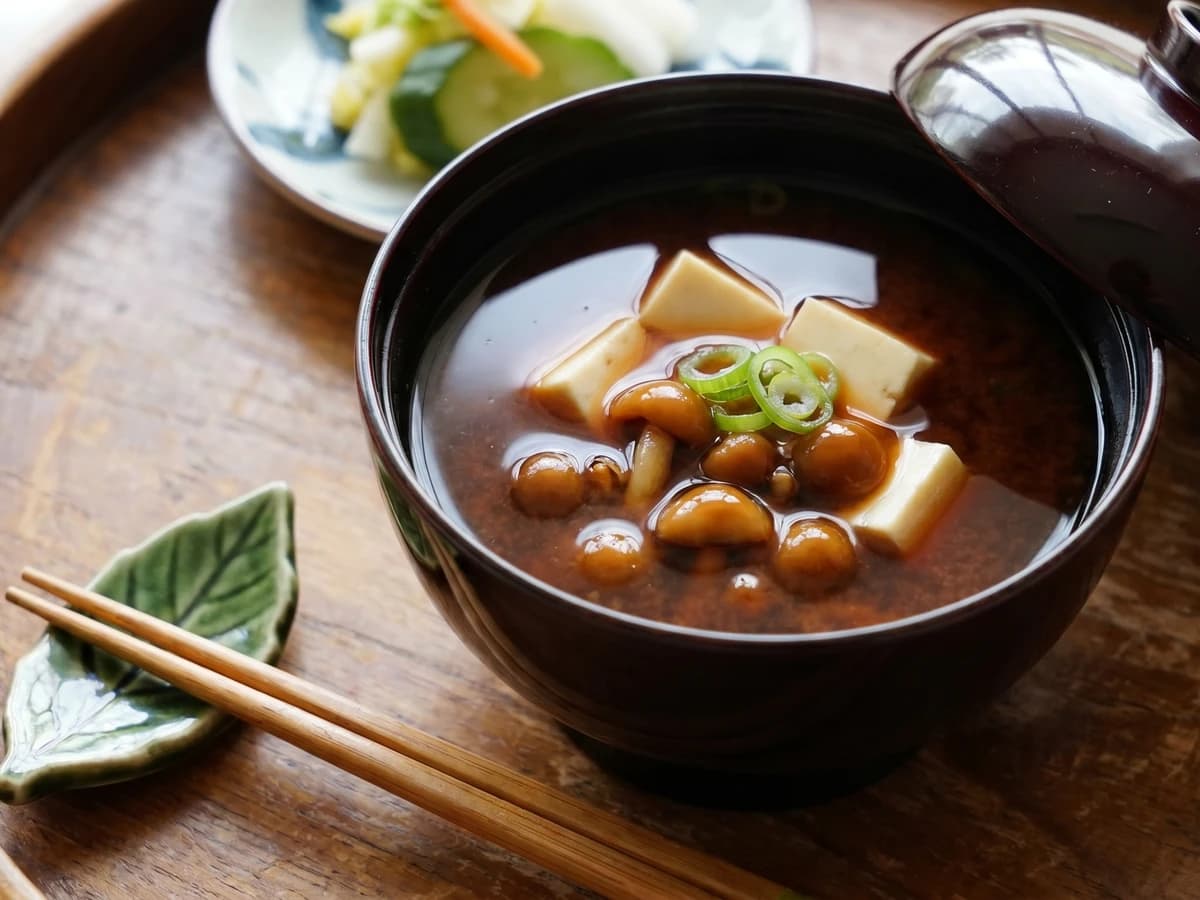
Akadashi asks you to trust the dark miso. Build a clear dashi, loosen the Hatchō mame-miso gently, and the soup turns coffee-dark, savory, and clean.

Chef Takumi
Toast the rice until its skin is firm, then let it meet chicken broth, burdock, maitake, and seri. The pot looks grand, but the work is rice, broth, and patience.
Chef Takumi
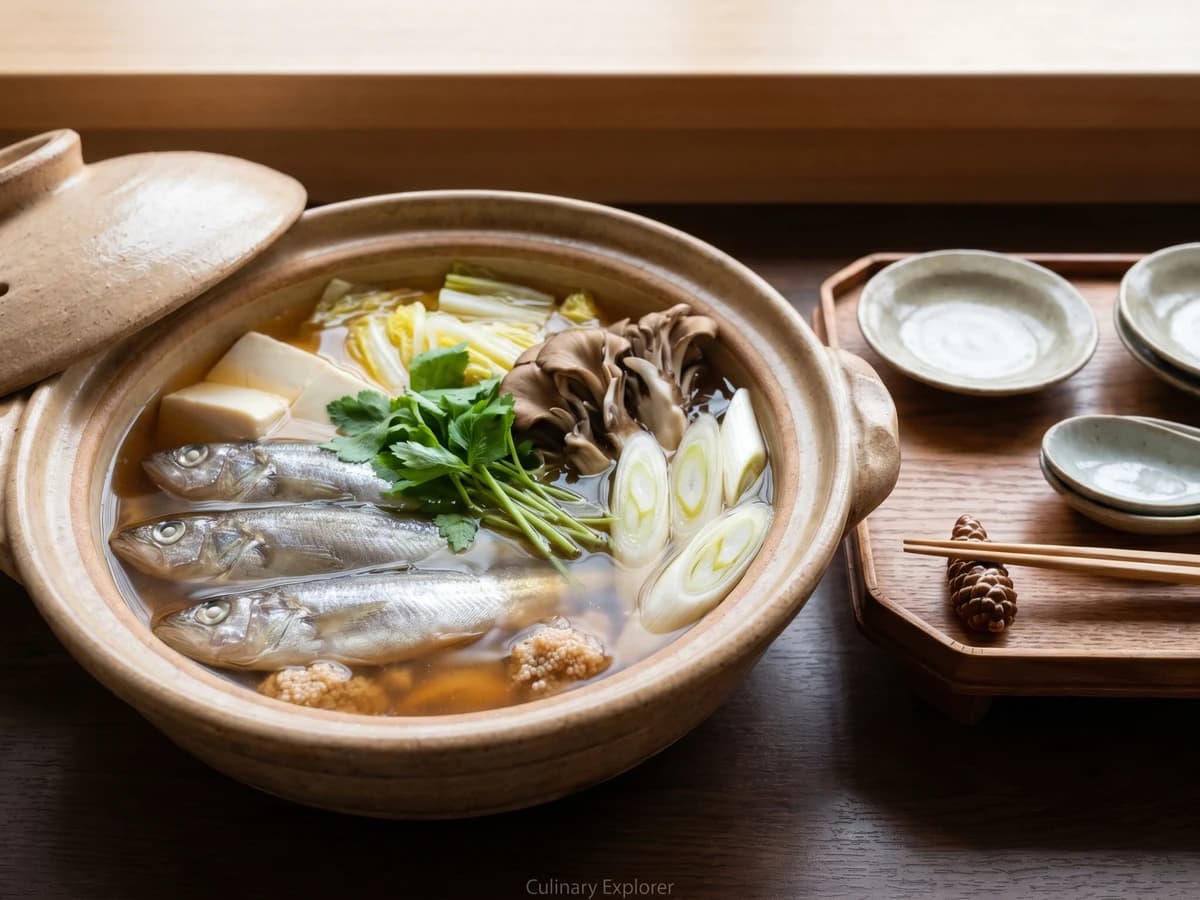
Shottsuru nabe is Akita winter in one pot: clean dashi, hatahata at shun, tofu and napa cabbage carrying a salt-deep broth without anything heavy enough to hide the fish.