
Chef Takumi
Abura Soba (油そば, brothless ramen)
Abura soba is ramen without the hiding place of soup: hot noodles, strong shōyu tare, fragrant oil, and the discipline to mix while every strand is still hot.
A cooking platform built around craft, culture, and the stories behind what we eat.

Created by
A northern oden built for cold nights: clear dashi, patient simmering, and a spoon of sweet ginger miso added at the end, where its sharp warmth stays alive.
In Aomori, oden wears its warmth on top. The broth stays pale and quiet, the daikon and fish cakes take their time, and then a spoon of sweet miso sharpened with fresh shōga changes the whole bowl. It looks like the difficult regional one. It isn't. The real work is letting each part do its own job.
The one detail that decides this dish is separation. The oden simmers in clear dashi, lightly seasoned with soy, sake, and mirin. The ginger miso is a tare, a finishing sauce, not the soup. Boil everything in miso and you cloud the broth, dull the ginger, and turn a clean winter dish into something heavy. Spoon the sauce over at the table and the heat of the daikon wakes it just enough.
Sourcing matters here. Tsubu-gai, the northern whelk, should smell clean and faintly sweet, never muddy. Nemagari-dake, the slender mountain bamboo shoot, is often preserved for winter, which is sensible in snow country and no insult to shun. Daikaku-ten, the large square fried fish cake, brings body and sweetness. If one of these is out of reach, make a simpler oden honestly, but don't bury poor ingredients under more miso. Nothing hidden.
This is comfort food, but not careless food. Parboil the daikon so its sharpness leaves before it enters the dashi. Blanch the fried cakes so excess oil doesn't slick the broth. Keep the pot at a lazy tremble, not a boil. Oden rewards the unhurried cook, which is fortunate, because hurry has never improved a winter evening.
Local accounts place Aomori shōga-miso oden in the food stalls around Aomori Station in the years after World War II, when travelers waited in severe cold for the Seikan ferry to Hakodate. The ginger-miso tare became its marker: familiar oden pieces, plus northern ingredients such as tsubu-gai, nemagari-dake, and daikaku-ten, were simmered in light broth and dressed at the counter. Regular Seikan ferry service ended in 1988 after the Seikan Tunnel opened, but the dish remained a clear emblem of Aomori winter cooking.
Quantity
8 cups
Quantity
1 piece (about 15g)
Quantity
30g
Quantity
1 medium (about 700g)
peeled and cut into 1-inch rounds
Quantity
4
Quantity
1 block (about 250g)
scored and cut into triangles
Quantity
4 pieces
blanched
Quantity
4
halved diagonally
Quantity
8
salivary glands removed
Quantity
8
parboiled or canned, rinsed
Quantity
3 tablespoons
Quantity
2 tablespoons
Quantity
1 tablespoon
Quantity
1 teaspoon, plus more to taste
Quantity
1/2 cup
Quantity
3 tablespoons
Quantity
2 tablespoons
Quantity
2 tablespoons
Quantity
2 to 3 tablespoons
Quantity
3 tablespoons
finely grated
| Ingredient | Quantity |
|---|---|
| cold water | 8 cups |
| konbu (dried kelp) | 1 piece (about 15g) |
| katsuobushi (bonito flakes) | 30g |
| daikonpeeled and cut into 1-inch rounds | 1 medium (about 700g) |
| large eggs | 4 |
| konnyakuscored and cut into triangles | 1 block (about 250g) |
| daikaku-ten or large square satsuma-age fish cakesblanched | 4 pieces |
| chikuwahalved diagonally | 4 |
| cooked cleaned tsubu-gai whelkssalivary glands removed | 8 |
| nemagari-dake bamboo shootsparboiled or canned, rinsed | 8 |
| usukuchi shōyu (light soy sauce) | 3 tablespoons |
| sake | 2 tablespoons |
| mirin | 1 tablespoon |
| sea salt | 1 teaspoon, plus more to taste |
| red or medium rice miso | 1/2 cup |
| sake, for the ginger miso | 3 tablespoons |
| mirin, for the ginger miso | 2 tablespoons |
| sugar | 2 tablespoons |
| dashi, for loosening the sauce | 2 to 3 tablespoons |
| fresh gingerfinely grated | 3 tablespoons |
Wipe the konbu with a damp cloth, but don't wash it. That pale bloom on the surface is flavor, not dirt. Put the konbu in the cold water and bring it up slowly over low heat, about 15 minutes. Pull the konbu when the water trembles and small bubbles climb the sides of the pot. Bring the water to a gentle boil, add the katsuobushi all at once, take the pot off the heat, and leave it alone for 3 minutes. Strain through a cloth or fine strainer without pressing.
Peel the daikon and cut it into thick rounds. Shave the sharp edges lightly so they don't chip in the pot, then cut a shallow cross in one face of each round. Simmer the rounds in plain water, or water with a spoonful of rinsed rice, for 15 to 20 minutes until a skewer enters halfway with slight resistance. Drain and rinse. This first cooking pulls out the raw sharpness and keeps the oden broth clean.
Lower the eggs into simmering water and cook 9 minutes, then cool in cold water and peel. A firm egg belongs in oden because it will sit in the broth without breaking down. Peel carefully, since a torn egg clouds the pot and looks as if it lost an argument.
Score the konnyaku in a shallow crosshatch, cut it into triangles, and boil it for 3 minutes. Pour boiling water over the daikaku-ten and chikuwa, then drain. Konnyaku needs blanching to quiet its aroma, and fried fish cakes need it to shed surface oil. Both steps keep the dashi pale, which is the standard here.
Pour 7 cups of the dashi into a wide heavy pot, keeping the rest for the sauce and adjustments. Add the usukuchi shōyu, sake, mirin, and salt. Taste it. The broth should be savory and light, a little gentler than soup, because the ginger miso will bring the louder voice later. Add the daikon, konnyaku, and eggs, then bring the pot to a quiet simmer.
Set a wooden drop-lid, or otoshibuta, directly on the surface. A circle of parchment with a small hole in the center works well too. Simmer gently for 35 to 45 minutes, never letting the pot roll hard. The drop-lid keeps the pieces bathed in broth without stirring, and the low heat lets the daikon drink seasoning while holding its shape.
Add the daikaku-ten, chikuwa, nemagari-dake, and cleaned tsubu-gai. Simmer another 15 to 20 minutes, just until everything is hot through and seasoned. The fish cakes swell and soften quickly, while whelk turns tough if bullied by hard boiling. Quiet heat is enough.
In a small pan, whisk the miso, sake, mirin, sugar, and 2 tablespoons of reserved dashi over low heat until smooth and glossy, 3 to 4 minutes. Take it off the heat and stir in the grated ginger. Add another spoonful of dashi if it is too thick to spoon. Heating the miso first smooths the sauce and cooks off the raw edge of the sake; adding ginger at the end keeps its clean bite.
Turn off the heat and let the oden rest in its broth for at least 20 minutes, or cool it fully and rewarm it gently. Oden is one of those kind dishes that improves while you leave it alone. The daikon and eggs take in seasoning as they cool, which is why yesterday's oden often seems wiser than today's.
Warm the oden gently and arrange a few pieces in each bowl with enough clear broth to shine around them. Spoon the ginger miso over the daikon, fish cake, and whelk, leaving some broth visible. The sauce should sit on top, not disappear into the pot. That is the Aomori way: clear simmering below, sweet ginger miso above.
1 serving (about 900g)
Culinary guides, cultural storytelling, and the editorial depth that makes cooking meaningful.
Discover Culinary ExplorerChef Takumi
Abura soba is ramen without the hiding place of soup: hot noodles, strong shōyu tare, fragrant oil, and the discipline to mix while every strand is still hot.
Chef Takumi
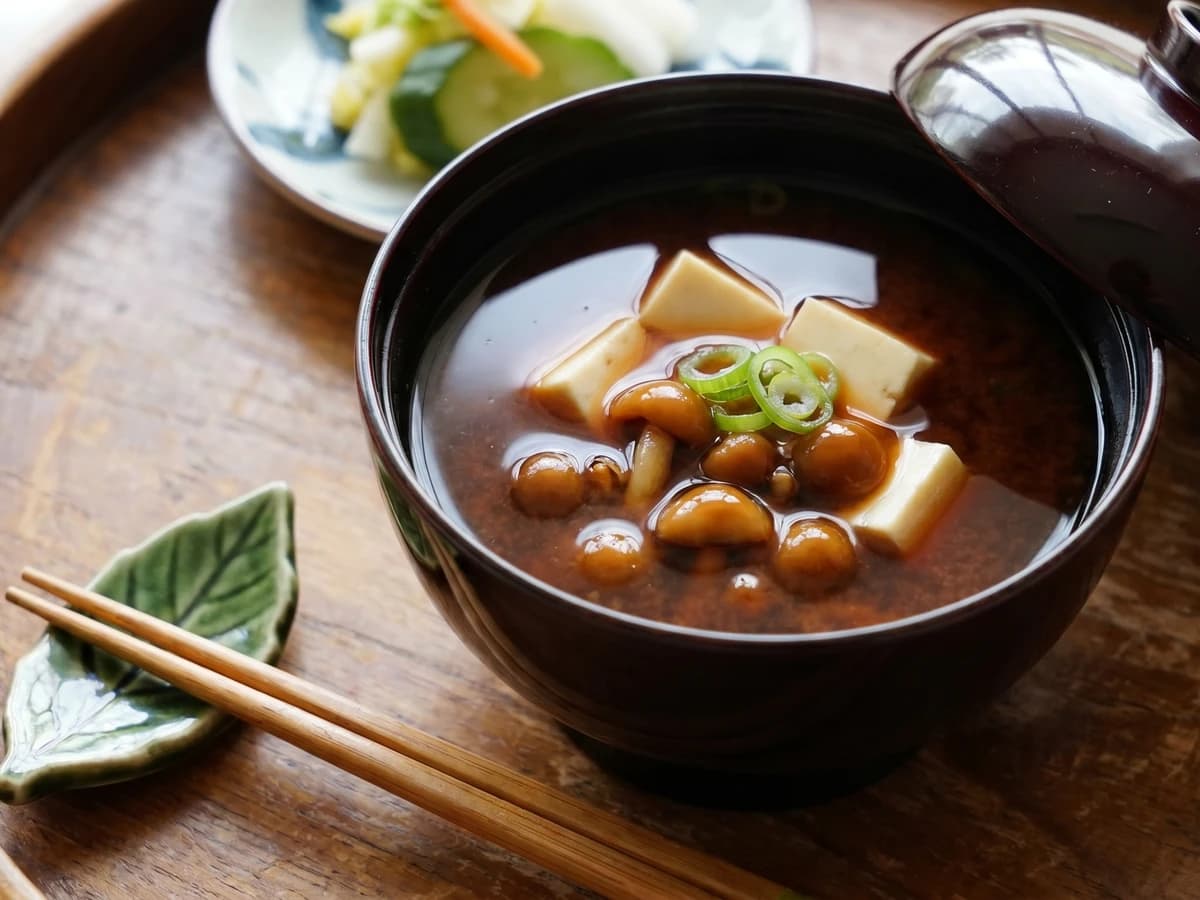
Akadashi asks you to trust the dark miso. Build a clear dashi, loosen the Hatchō mame-miso gently, and the soup turns coffee-dark, savory, and clean.

Chef Takumi
Toast the rice until its skin is firm, then let it meet chicken broth, burdock, maitake, and seri. The pot looks grand, but the work is rice, broth, and patience.
Chef Takumi
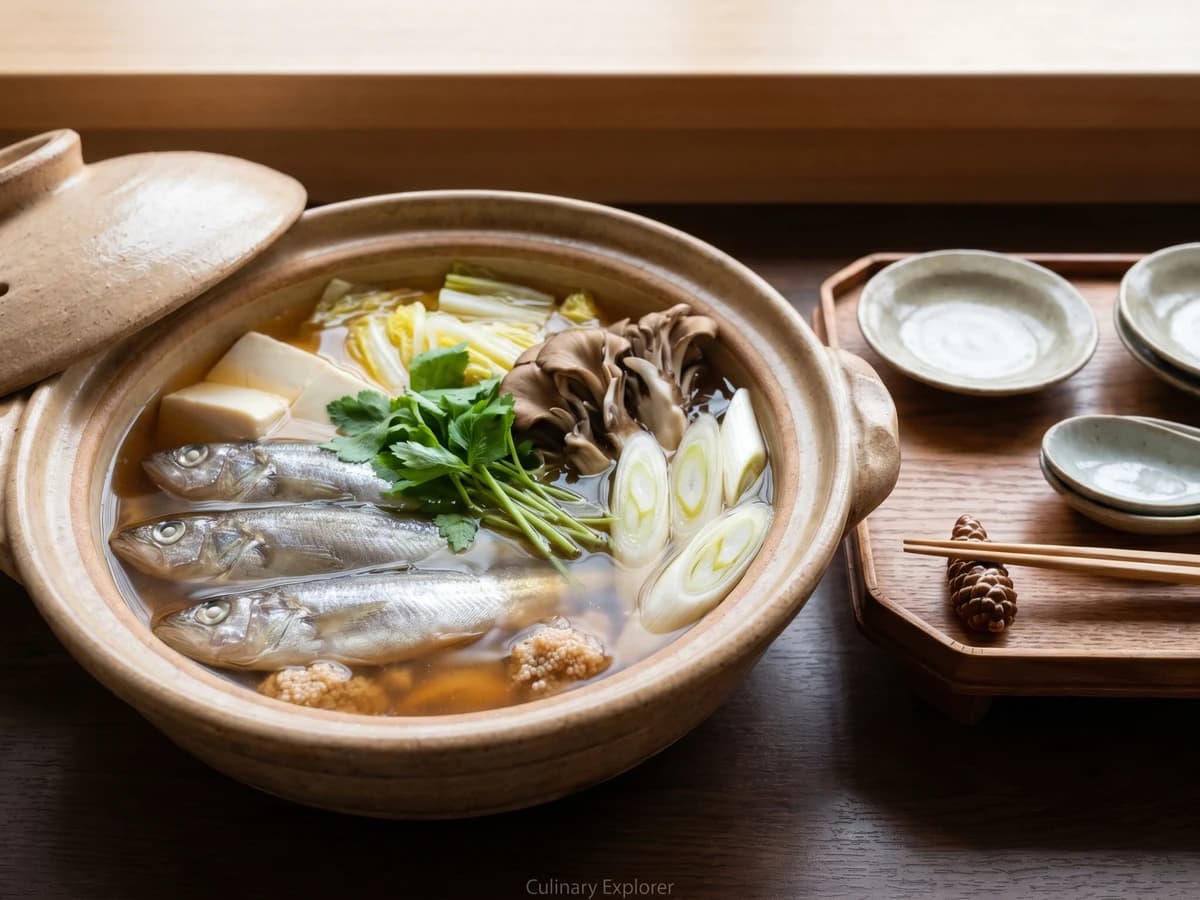
Shottsuru nabe is Akita winter in one pot: clean dashi, hatahata at shun, tofu and napa cabbage carrying a salt-deep broth without anything heavy enough to hide the fish.