Chef Isabel
Caldereta Extremeña de Cerdo Ibérico
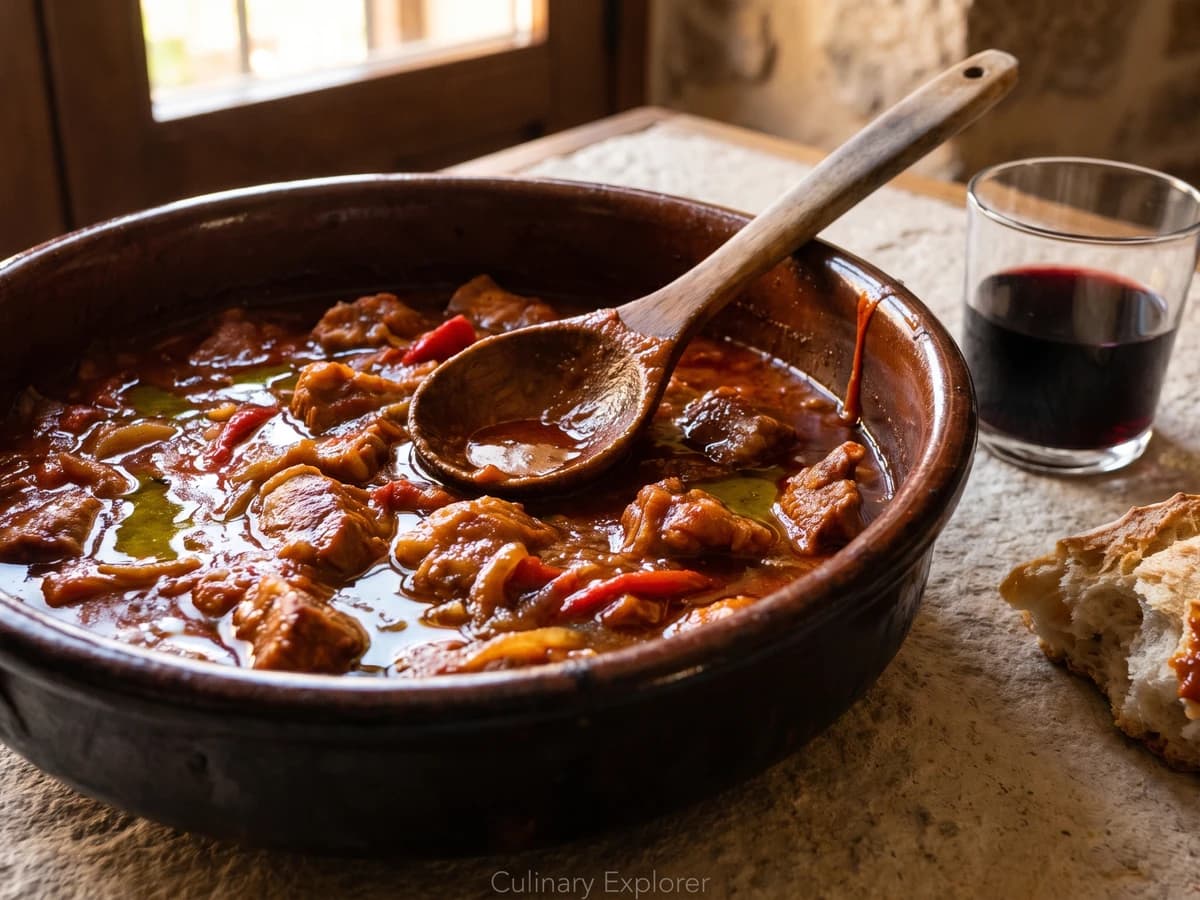
Extremadura's pork caldereta is a one-pot country stew of browned Iberian pork, slow sofrito, wine, and pimentón, finished with a garlic-and-liver majado that gives the sauce its dark, savoury body.

Recipe Archive
Main dishes anchor the meal. This category gathers poultry, seafood, meat, pasta, grains, and plant-forward recipes with clear methods and satisfying structure.
3203 recipes
A cooking platform built around craft, culture, and the stories behind what we eat.
Chef Isabel
Extremadura's pork caldereta is a one-pot country stew of browned Iberian pork, slow sofrito, wine, and pimentón, finished with a garlic-and-liver majado that gives the sauce its dark, savoury body.
Chef Isabel
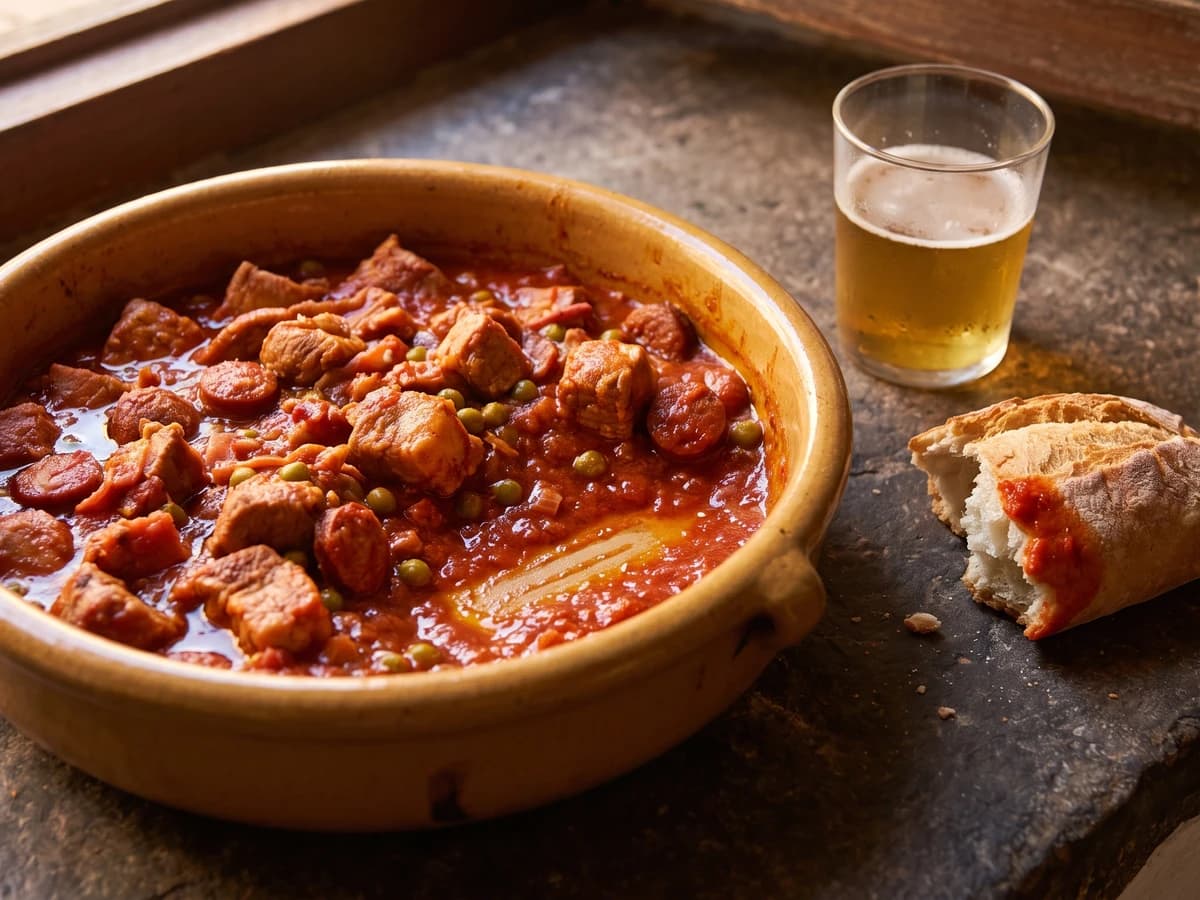
Carcamusas are Toledo in a cazuela: pork braised in tomato with peas, jamón, chorizo and a small bite of guindilla, served as a tapa beside a caña or as supper with plenty of bread.
Chef Isabel
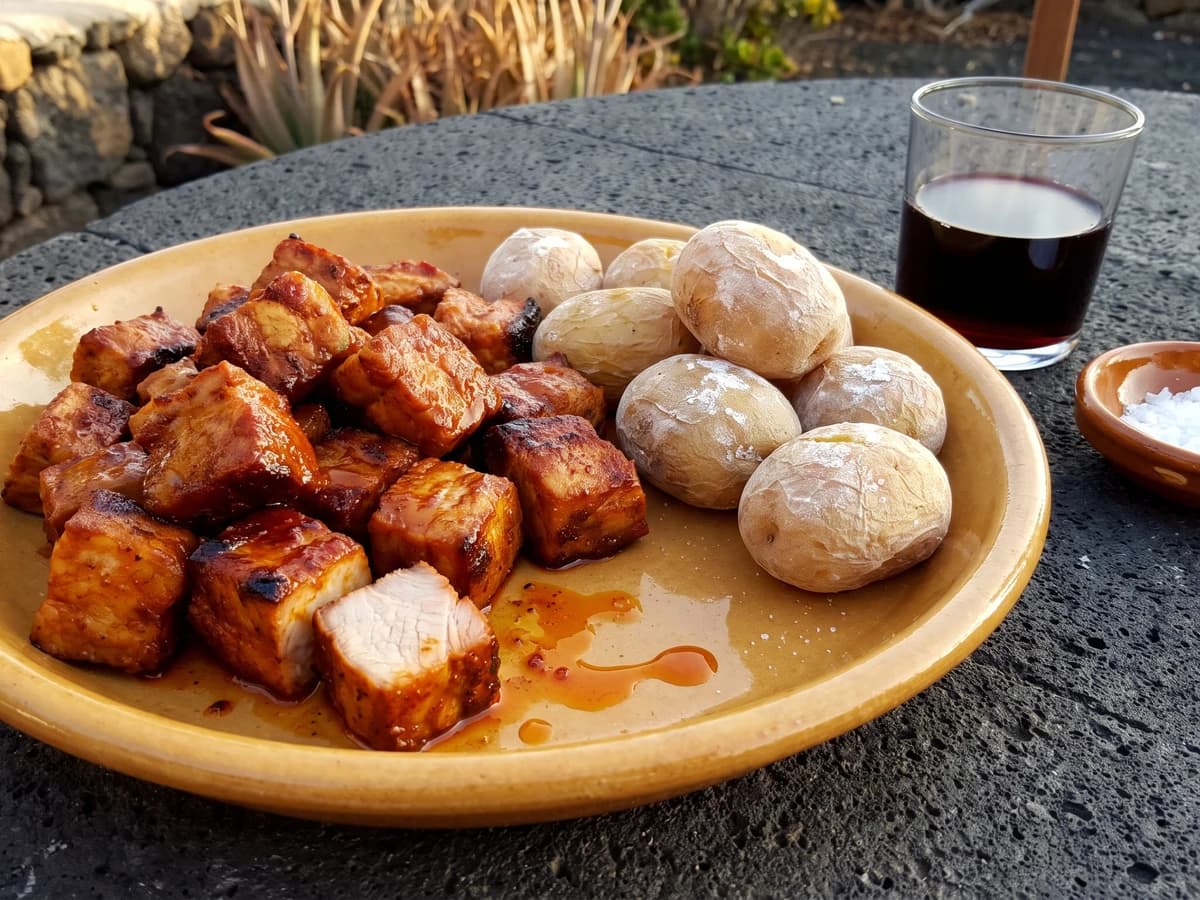
Carne fiesta is Tenerife's romería pork: garlicky, wine-sharp and stained red with pimentón, marinated overnight, fried in batches, then finished in its adobo beside salt-wrinkled papas arrugadas.
Chef Isabel
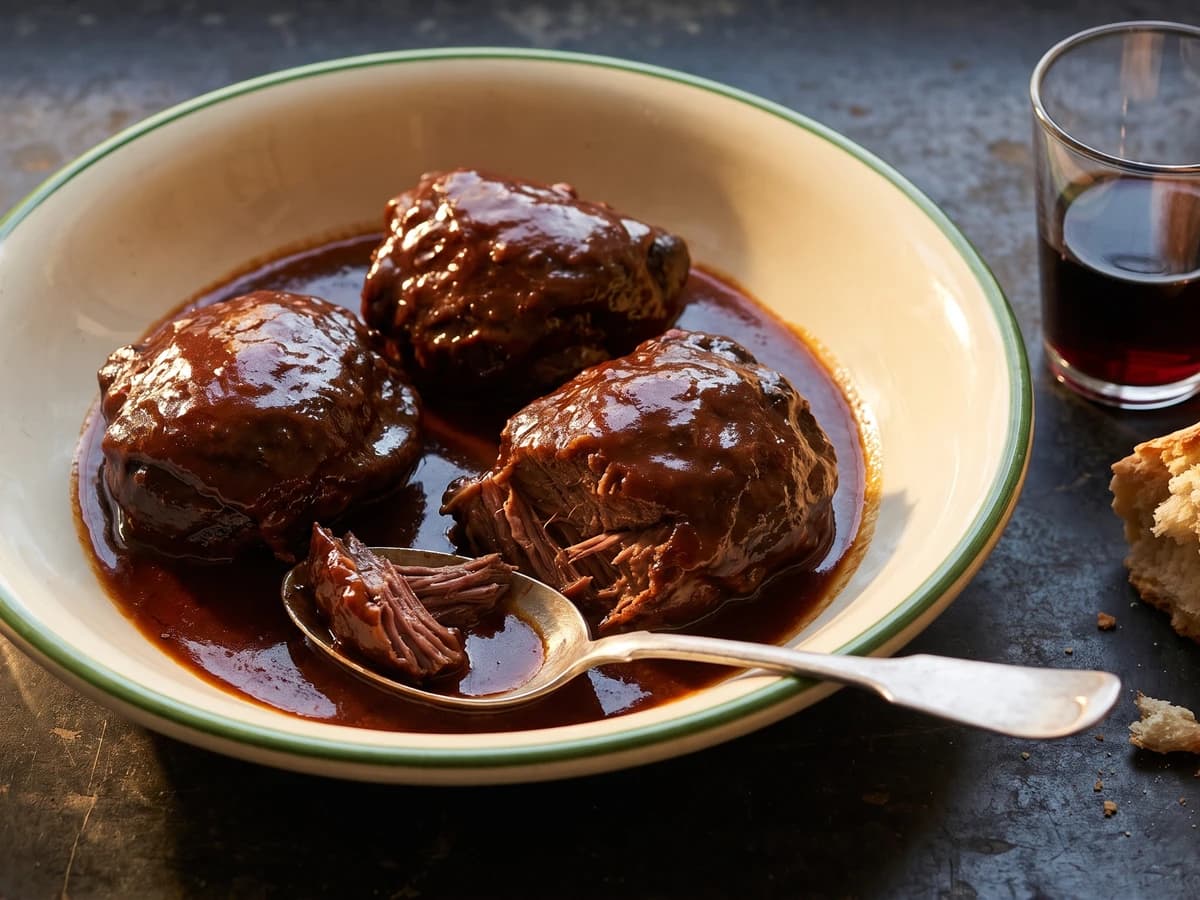
Andalucía turns a humble cut into a Sunday dish: Iberian pork cheeks browned well, laid over a patient sofrito, and braised in red wine until a fork parts them without effort.
Chef Isabel
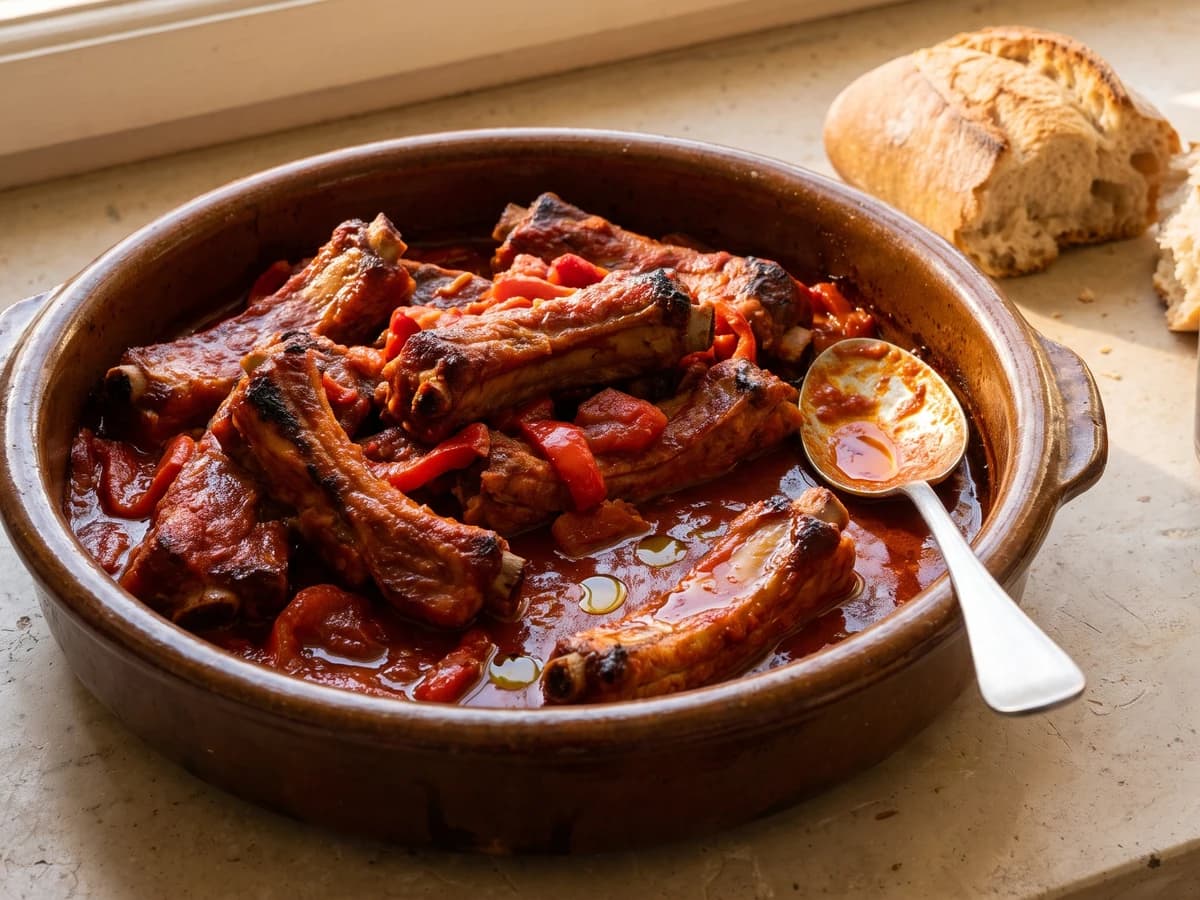
Riojan pork ribs settle into a dark, sweet sofrito of red pepper, tomato, pimentón and local wine, then braise slowly until the bones loosen and the sauce calls for a proper piece of bread.
Chef Isabel
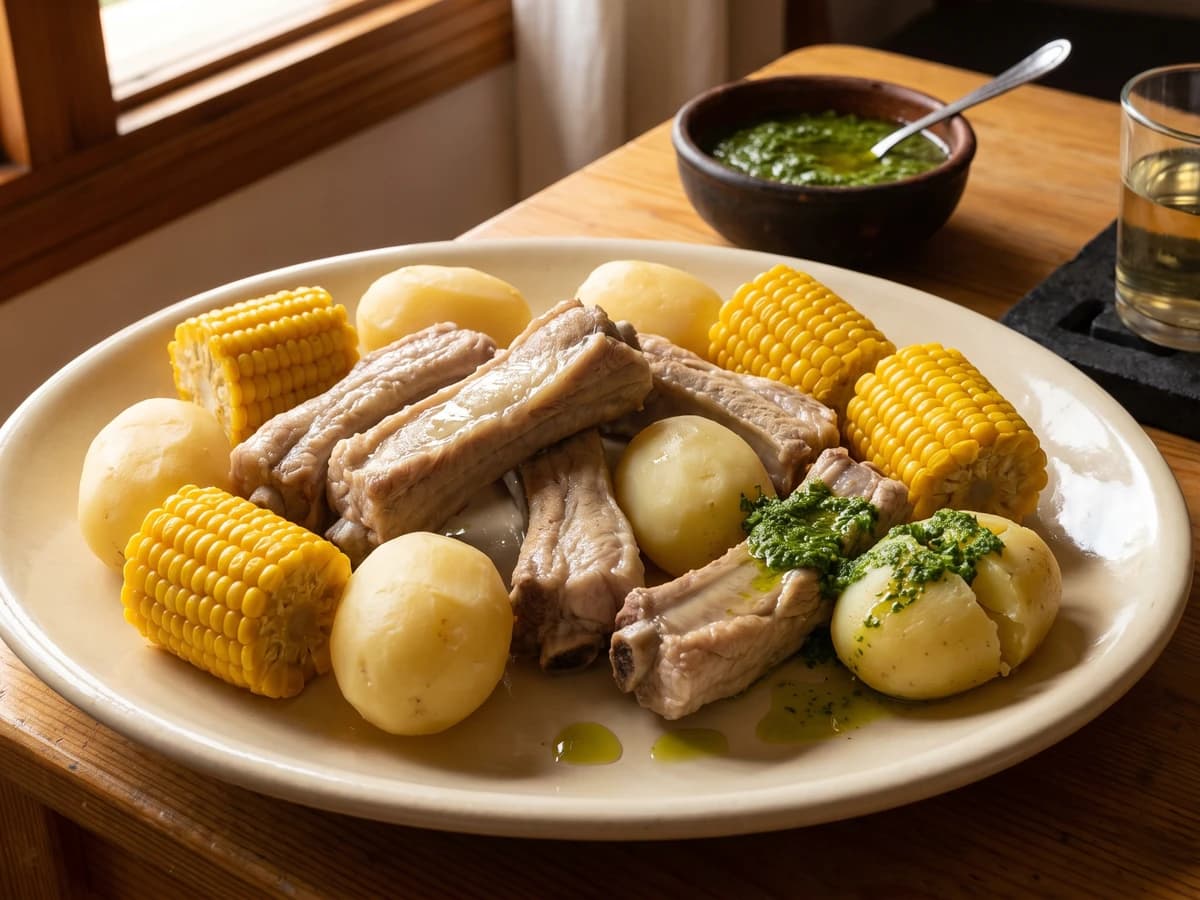
Tenerife’s country-table one-pot of salt-cured pork ribs, potatoes, and piñas de millo, whole corn cobs, boiled until tender and served with the sharp green bite of cilantro mojo.
Chef Isabel
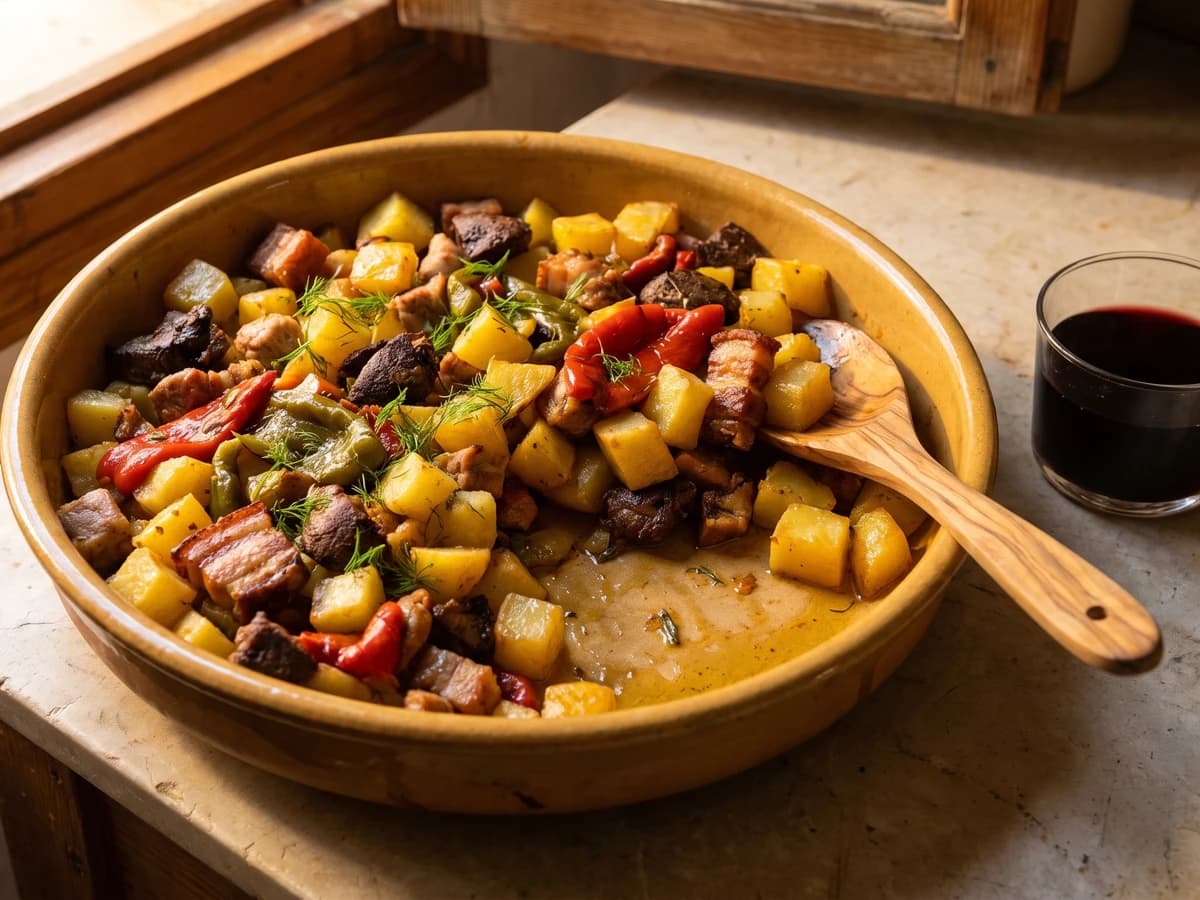
Frit mallorquí de matances is Mallorca’s slaughter-day panful: pork liver, lean meat, potatoes, peppers and wild fennel, each fried separately so every piece keeps its proper texture before the final toss.
Chef Isabel
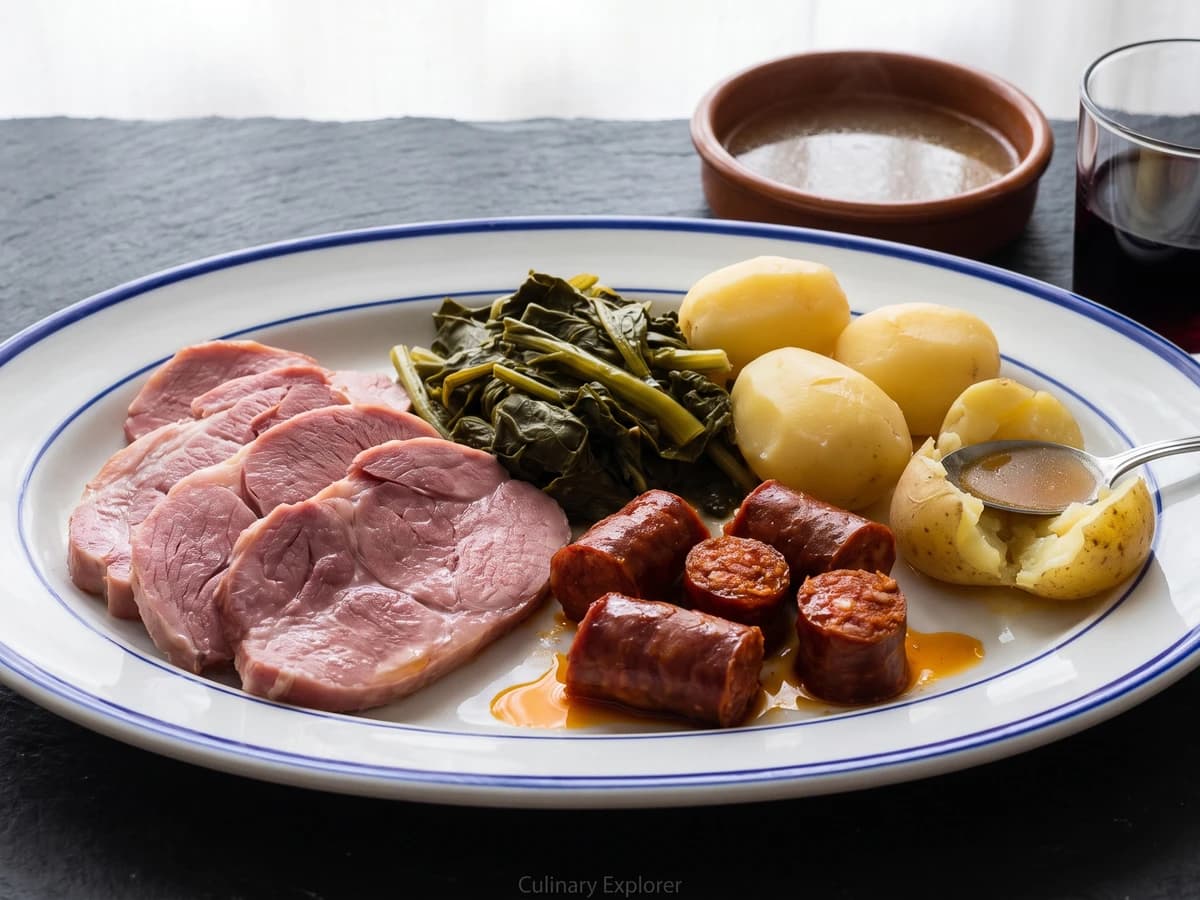
Lacón con grelos is Galicia's winter plate: salt-cured pork shoulder, turnip tops, chorizo, and potatoes cooked in one pot, with the soaking doing the work that decides the dish.
Chef Isabel
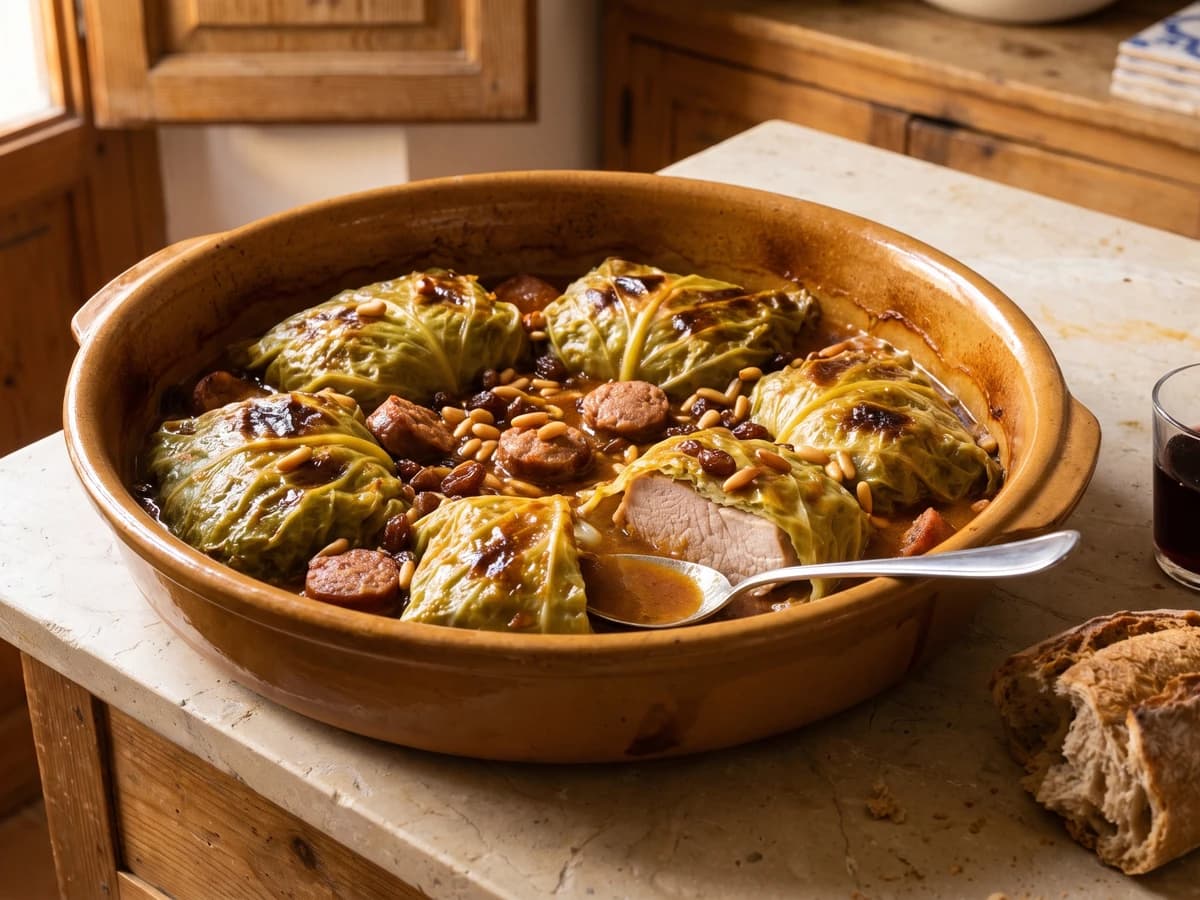
Llom amb col is Mallorca's winter feast: pork loin sealed inside tender cabbage, then braised with botifarró, sobrassada, pine nuts and raisins until each parcel yields under a fork.
Chef Isabel
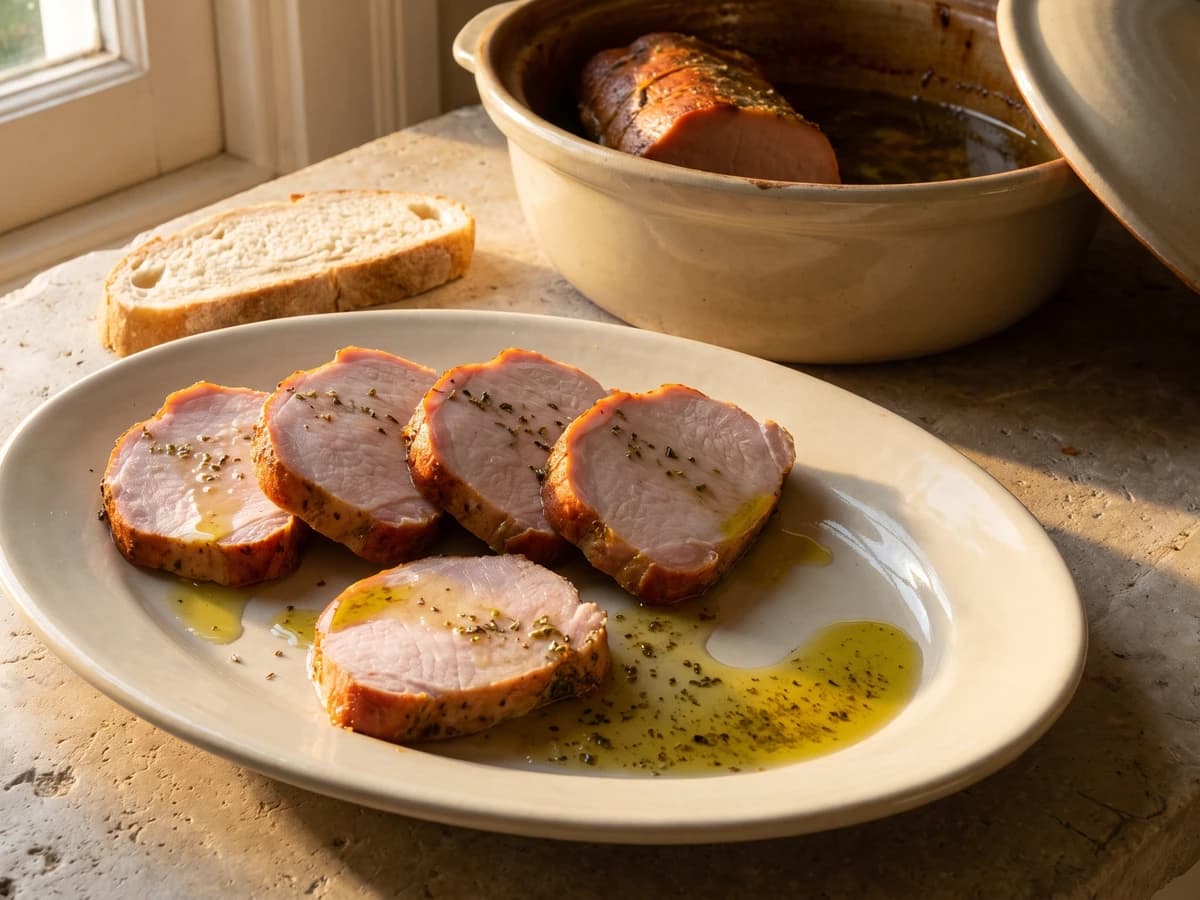
La Mancha keeps pork loin the old household way: a garlicky oregano adobo, gentle cooking in olive oil, then a clean covering of oil that seasons every tender slice for tomorrow's table.
Chef Isabel
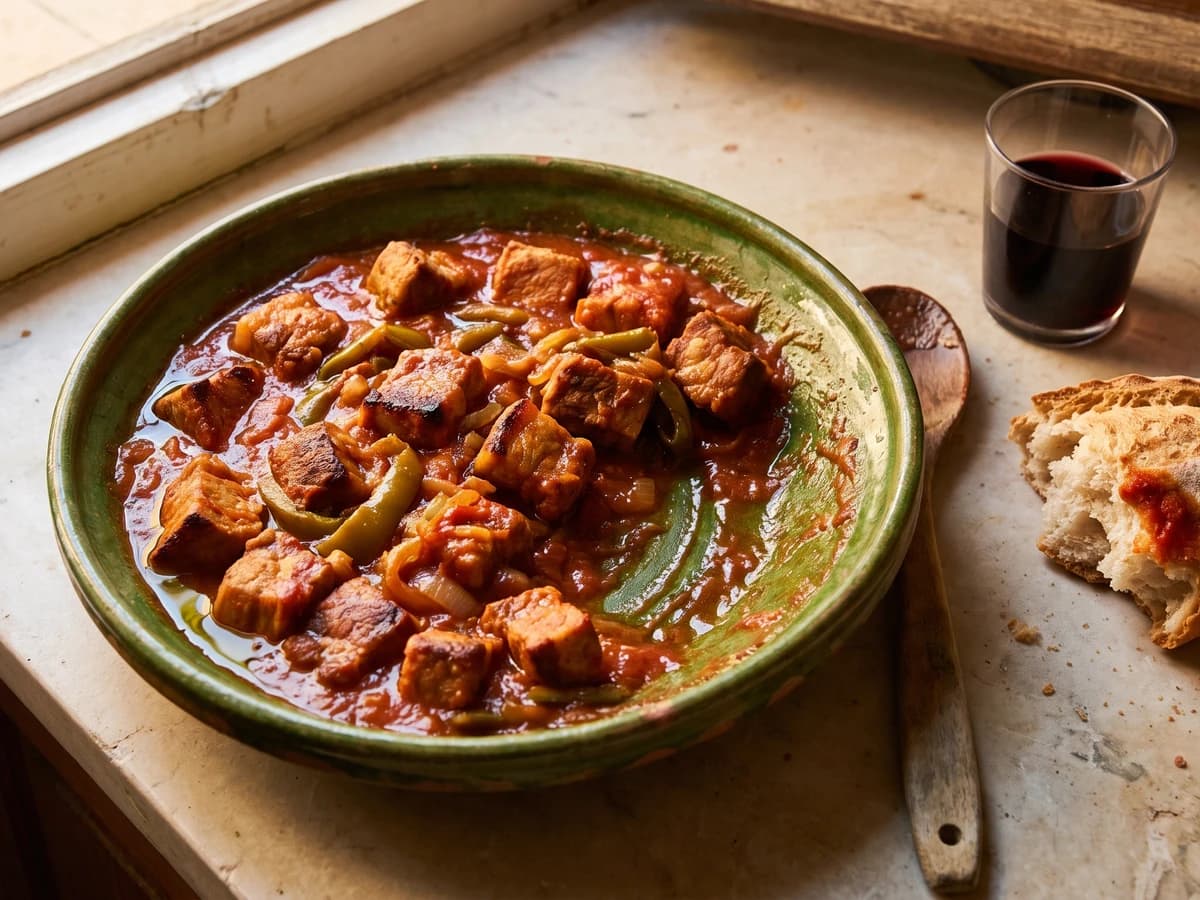
Murcia's everyday pork dish puts browned shoulder into a patient tomato sofrito, cooked until the sauce clings, the meat yields, and a piece of bread has nowhere else to be.
Chef Isabel
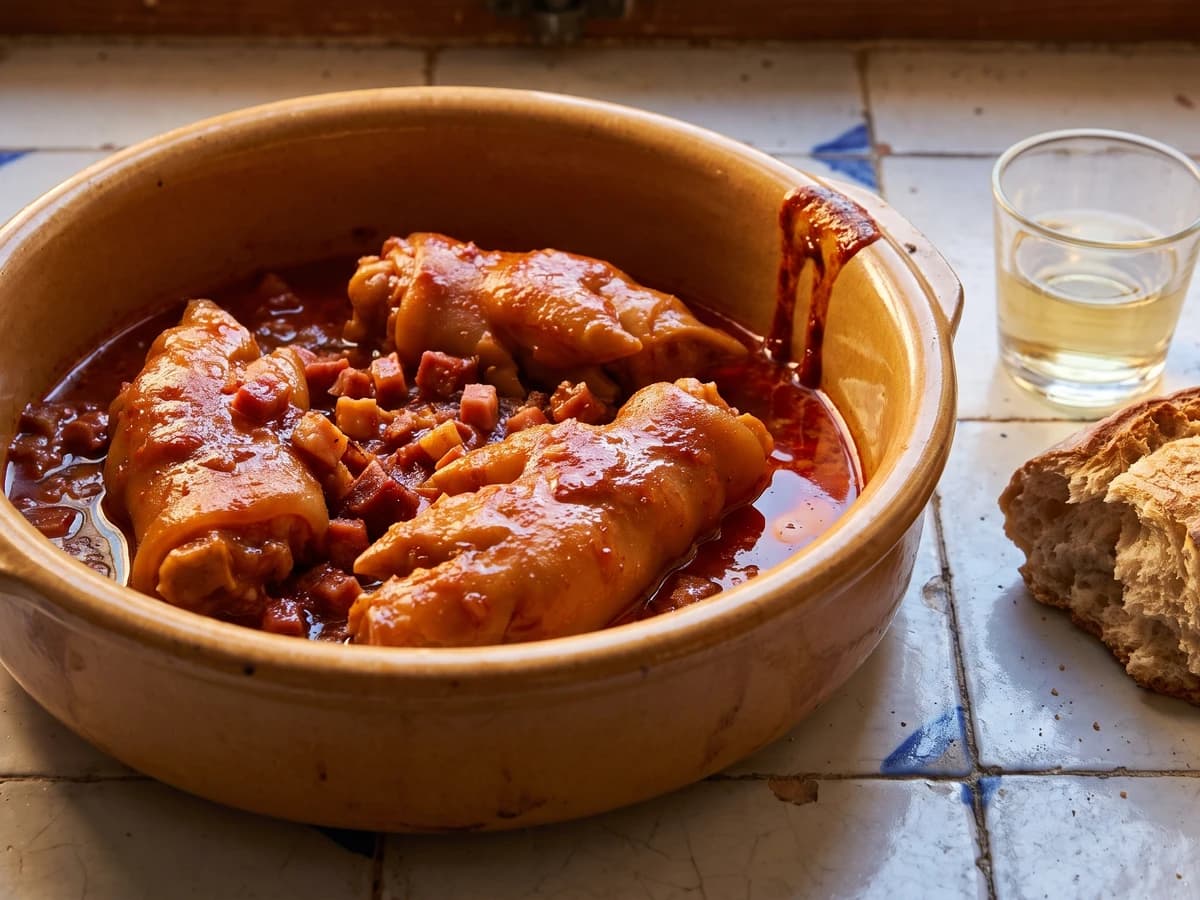
Andalusian pig's trotters become proper cocina de cuchara after a long, quiet simmer, with dark tomato sofrito, jamón, chorizo, pimentón, and fino holding their rich gelatine in a glossy sauce.
Chef Isabel
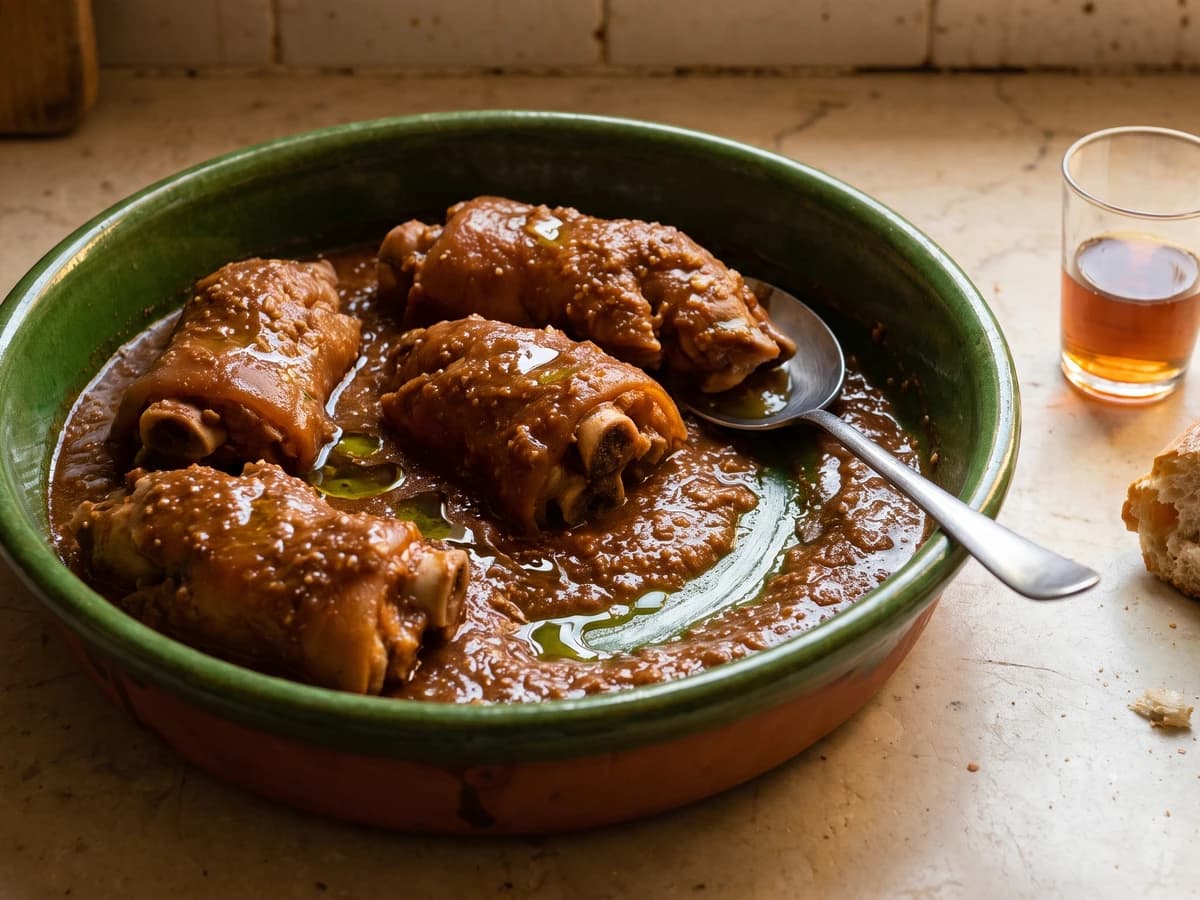
Peus de porc are Catalan cuina de cullera at its deepest: tender trotters, dark sofregit, and almond-hazelnut picada held at a slow xup-xup until the sauce turns glossy enough to cling.
Chef Isabel
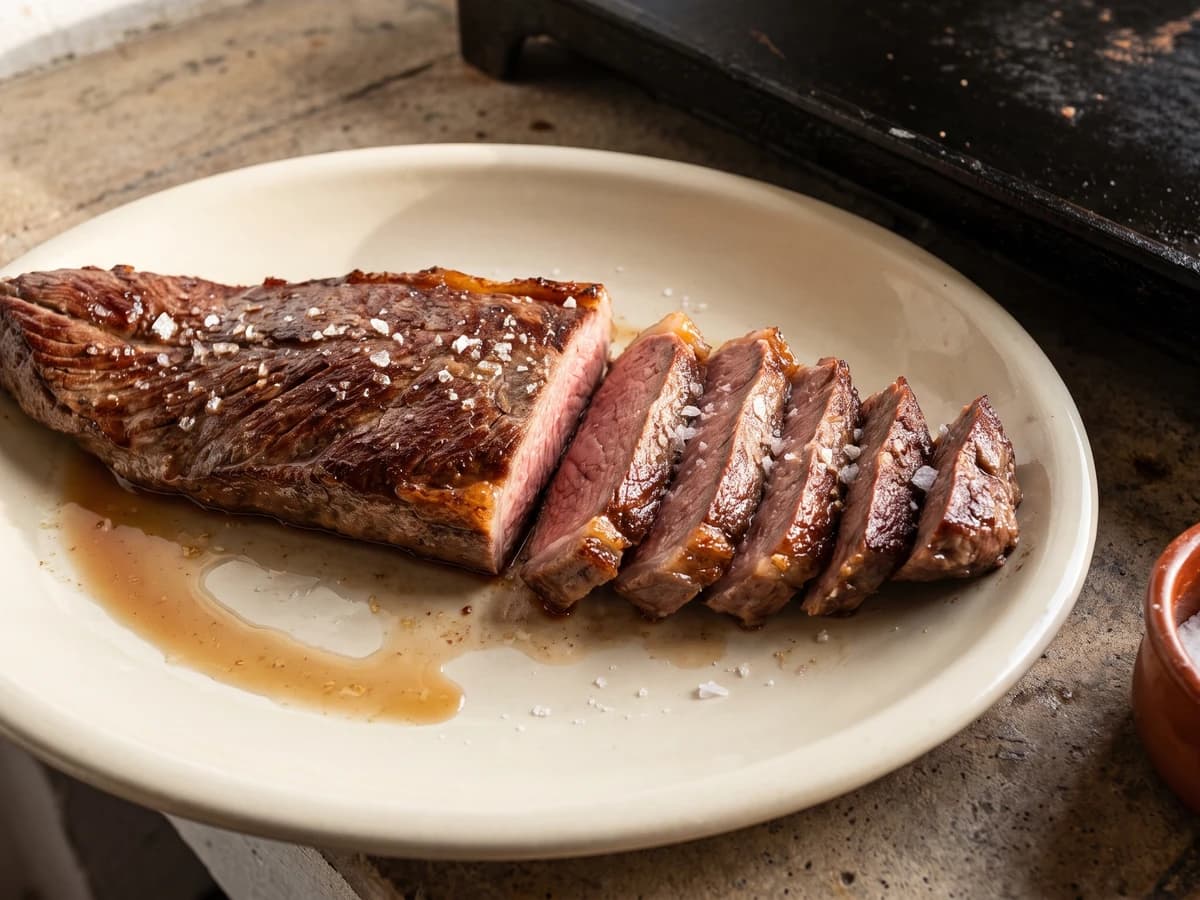
Extremadura cooks pluma Ibérica fast and bare: a fierce plancha, a short rest, and coarse salt leave the feather-shaped loin tip deeply browned outside and rosy, juicy, and marbled within.
Chef Isabel
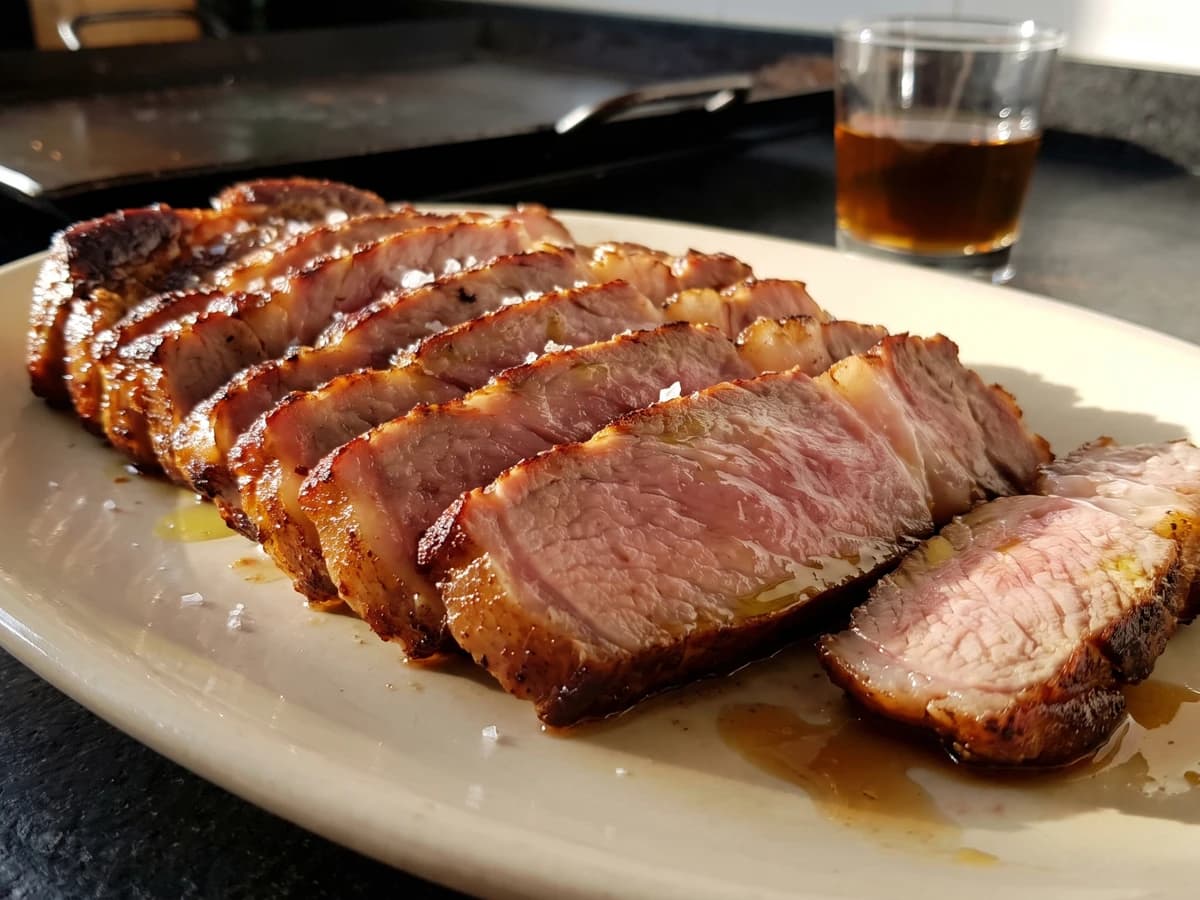
Presa ibérica is western Andalucía's richly marbled shoulder cut: salt it, sear it fiercely on hot iron, rest it well, then slice across the grain while the centre is still rosy.
Chef Isabel
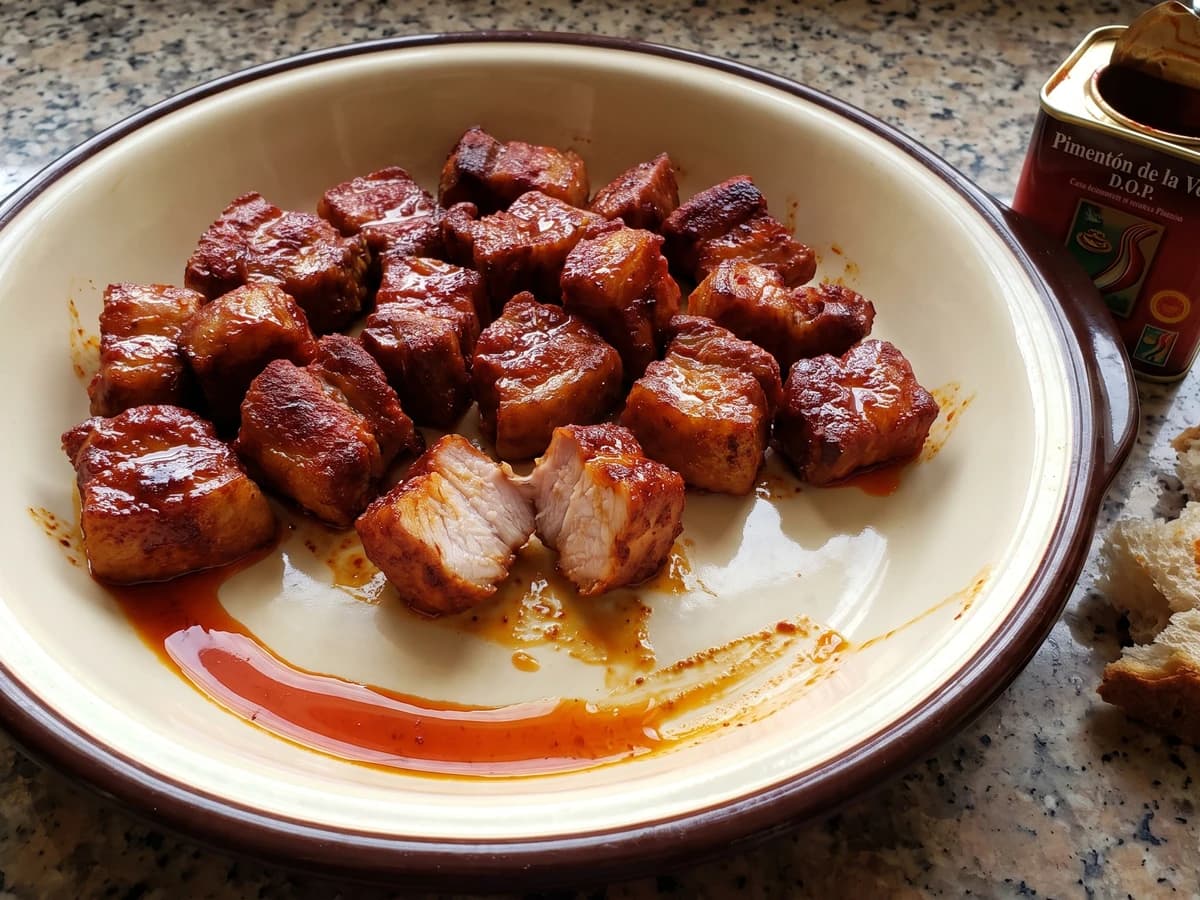
Extremadura's matanza tasting dish: small pieces of pork rested overnight in garlic, oregano and Pimentón de la Vera, then fried until browned, juicy and slick with red oil.
Chef Isabel
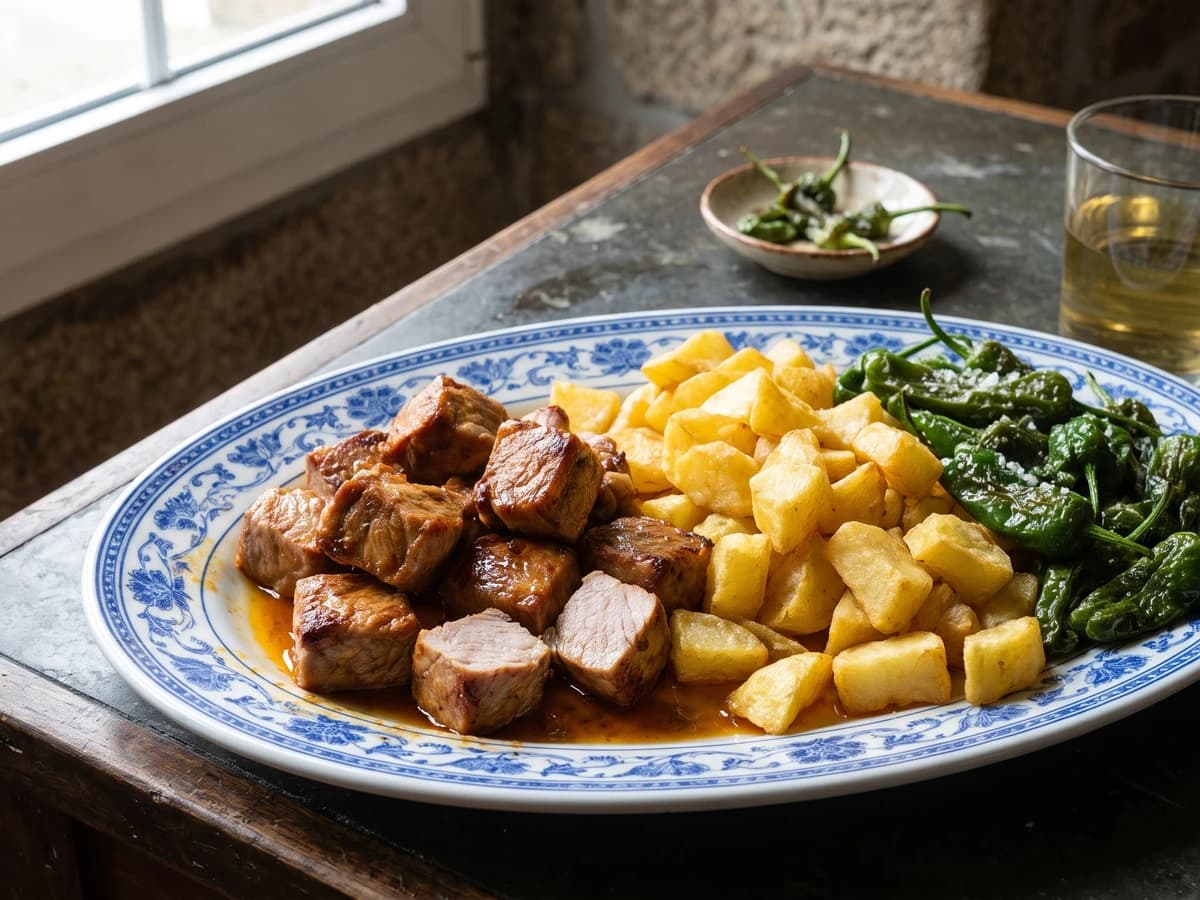
Galician raxo is pork loin marinated overnight with garlic, white wine, and a restrained spoon of pimentón, then fried in fierce batches and served with golden chips and blistered Padrón peppers.
Chef Isabel
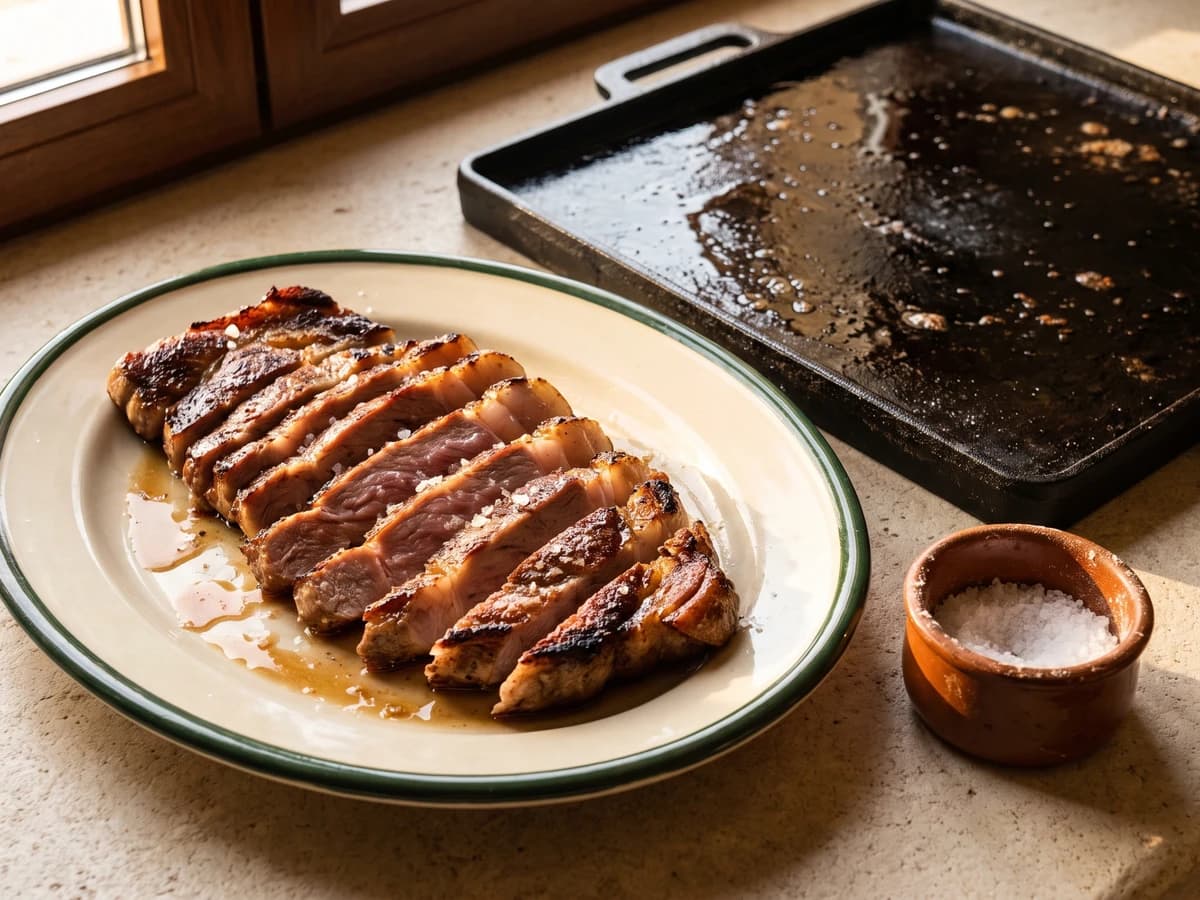
Extremadura's dehesa gives secreto ibérico its veined fat and deep sweetness. A fierce plancha, coarse salt, and a short rest are all this quick cut needs to brown outside and stay rosy within.
Chef Isabel
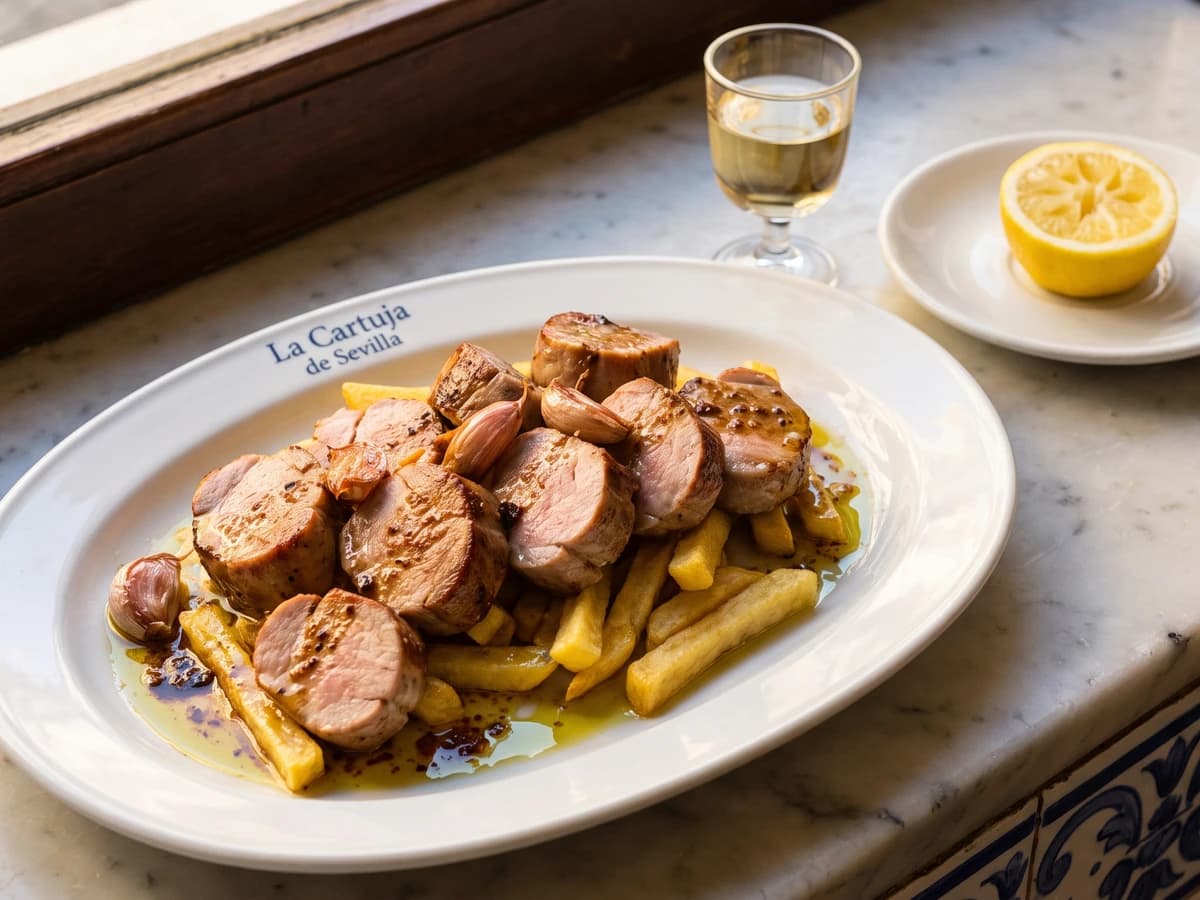
Seville’s favourite pork tapa puts browned tenderloin into a sharp, glossy sauce of whisky, garlic and lemon, with proper fried potatoes underneath because leaving that sauce behind would be foolish.
Chef Isabel
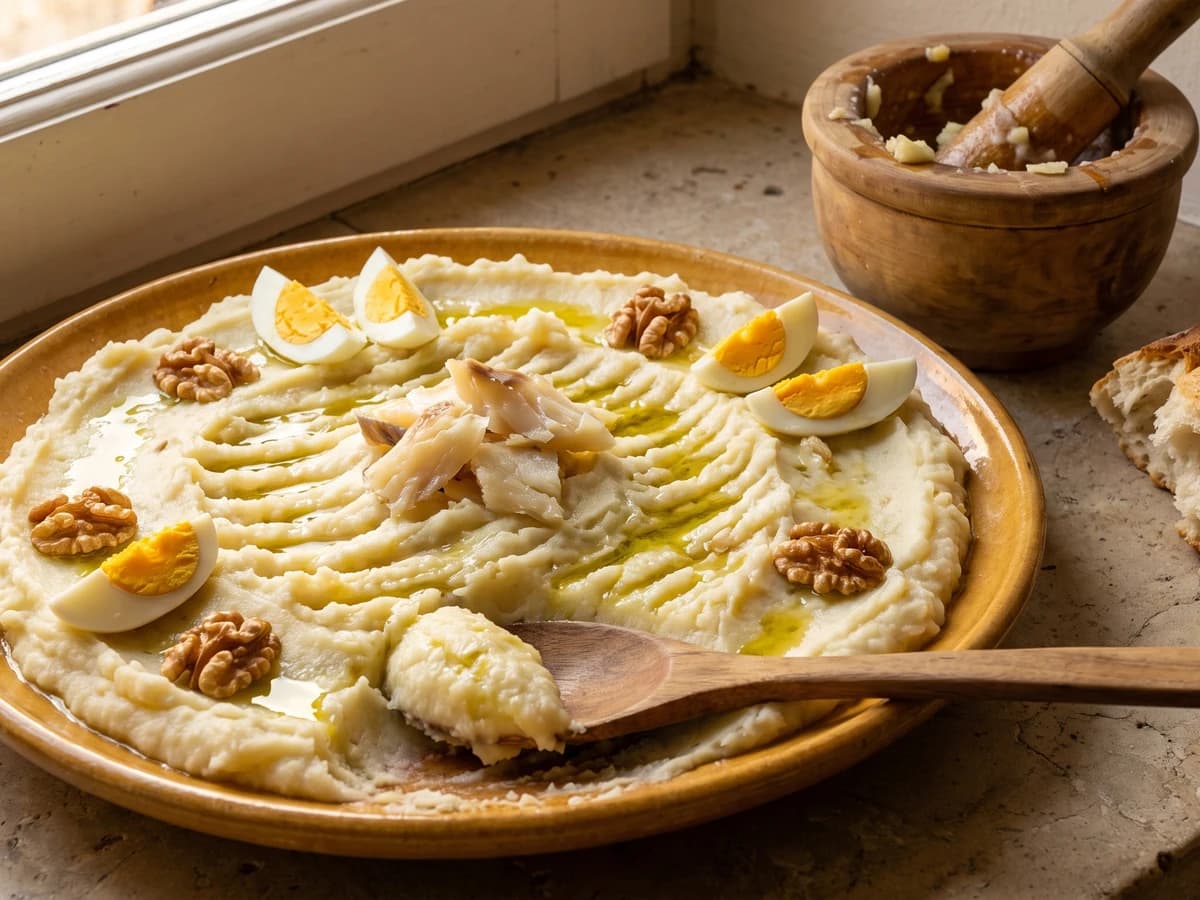
Atascaburras is La Mancha's cold-weather mash of potato, salt cod, garlic, and olive oil, pounded until it binds, then finished as Albacete does it with walnuts and hard-boiled egg.
Chef Isabel
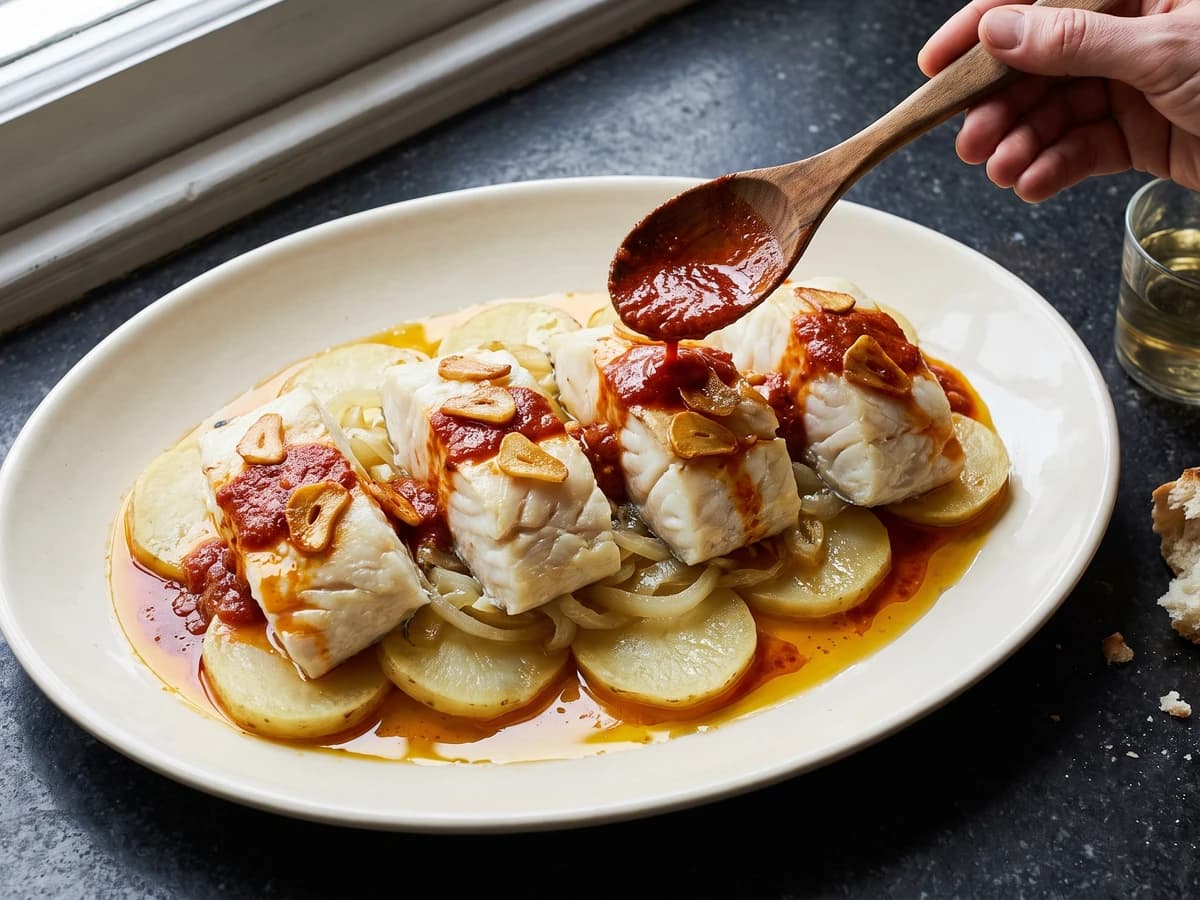
Galicia poaches salt cod with potatoes and onion, then spoons over ajada, a hot red dressing of olive oil, garlic, pimentón, and vinegar. Keep the cod gentle and the paprika off the flame.
Chef Isabel
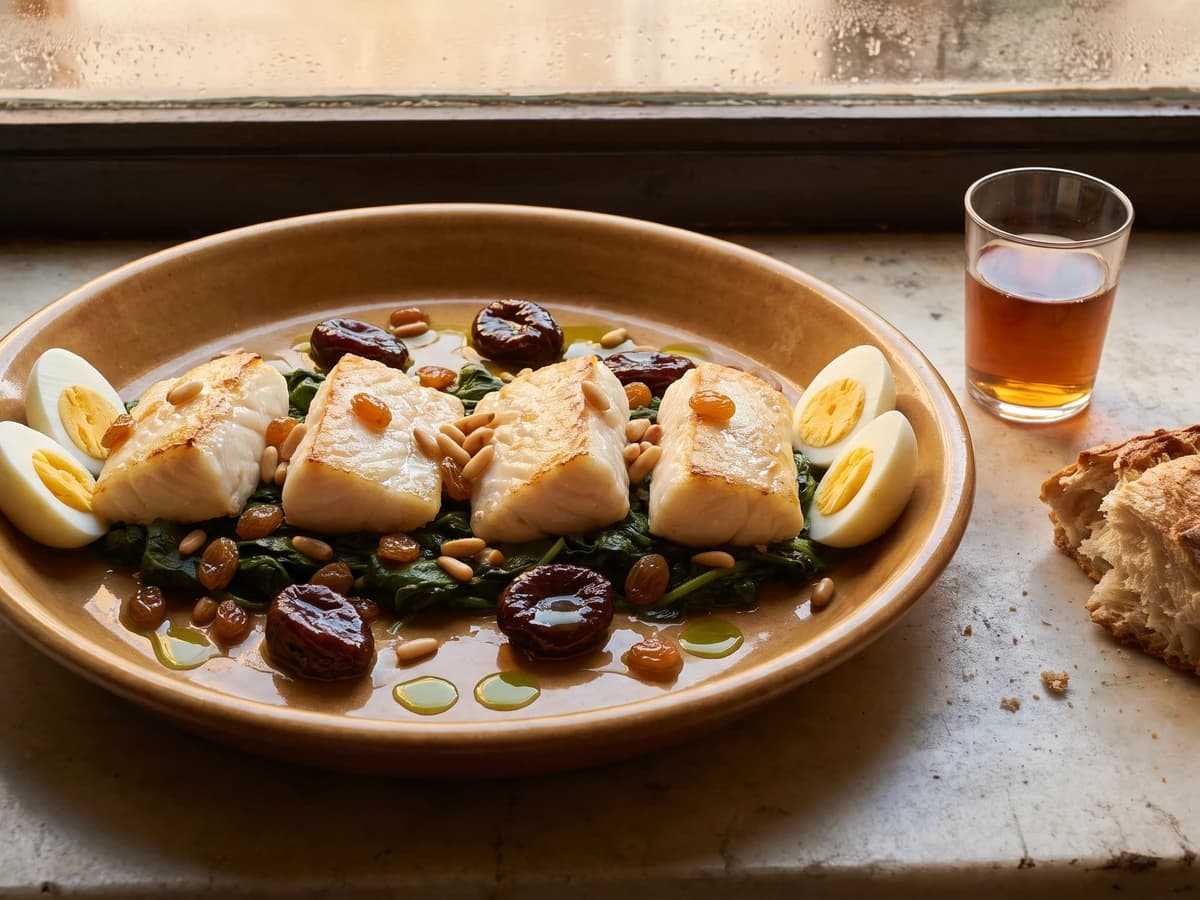
Manresa's Lenten cod sets pearly salt cod over garlicky spinach, raisins and pine nuts, with prunes softened in moscatell for the sweet and savory balance Catalonia handles so well.
Chef Isabel
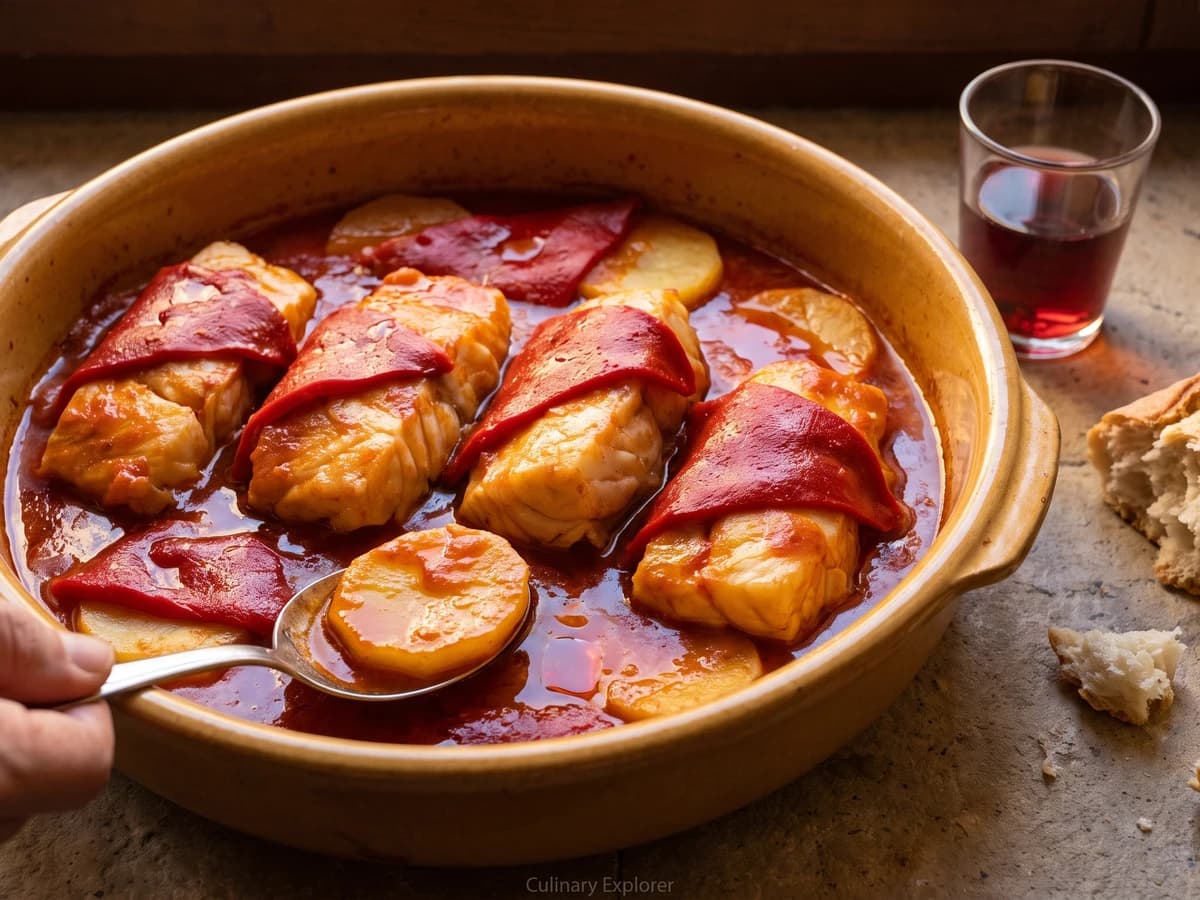
Bacalao a la Riojana is La Rioja's red-pepper cod: thick salt-cod loins rest over potatoes in slow tomato, choricero, and piquillo sauce, with the fish added only when the sauce is ready.
Chef Isabel
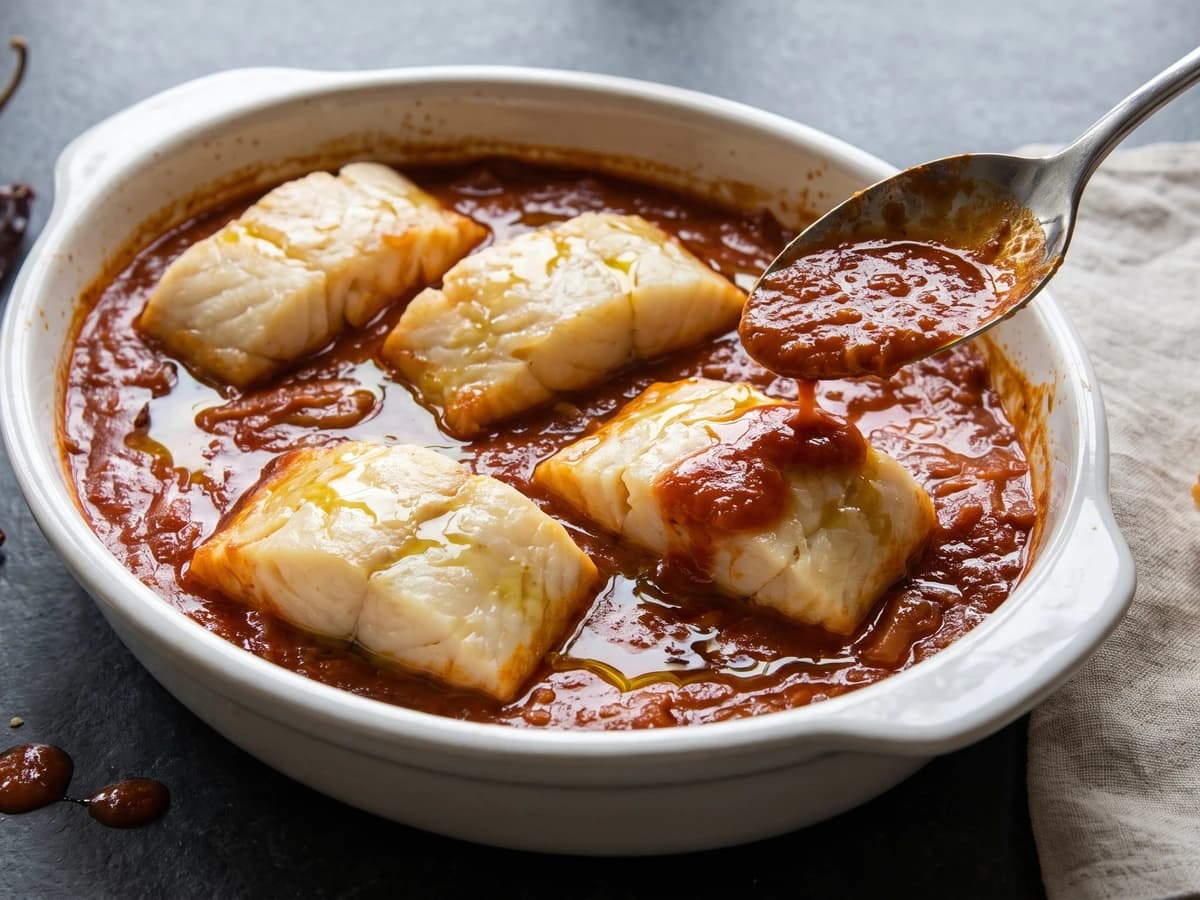
Biscay's salt cod rests in a brick-red sauce of choricero peppers and onions cooked down slowly, with no tomato to cover their sweetness and no hard boiling to dry the fish.
Culinary guides, cultural storytelling, and the editorial depth that makes cooking meaningful.
Discover Culinary Explorer