Chef Isabel
Abanico Ibérico a la Plancha
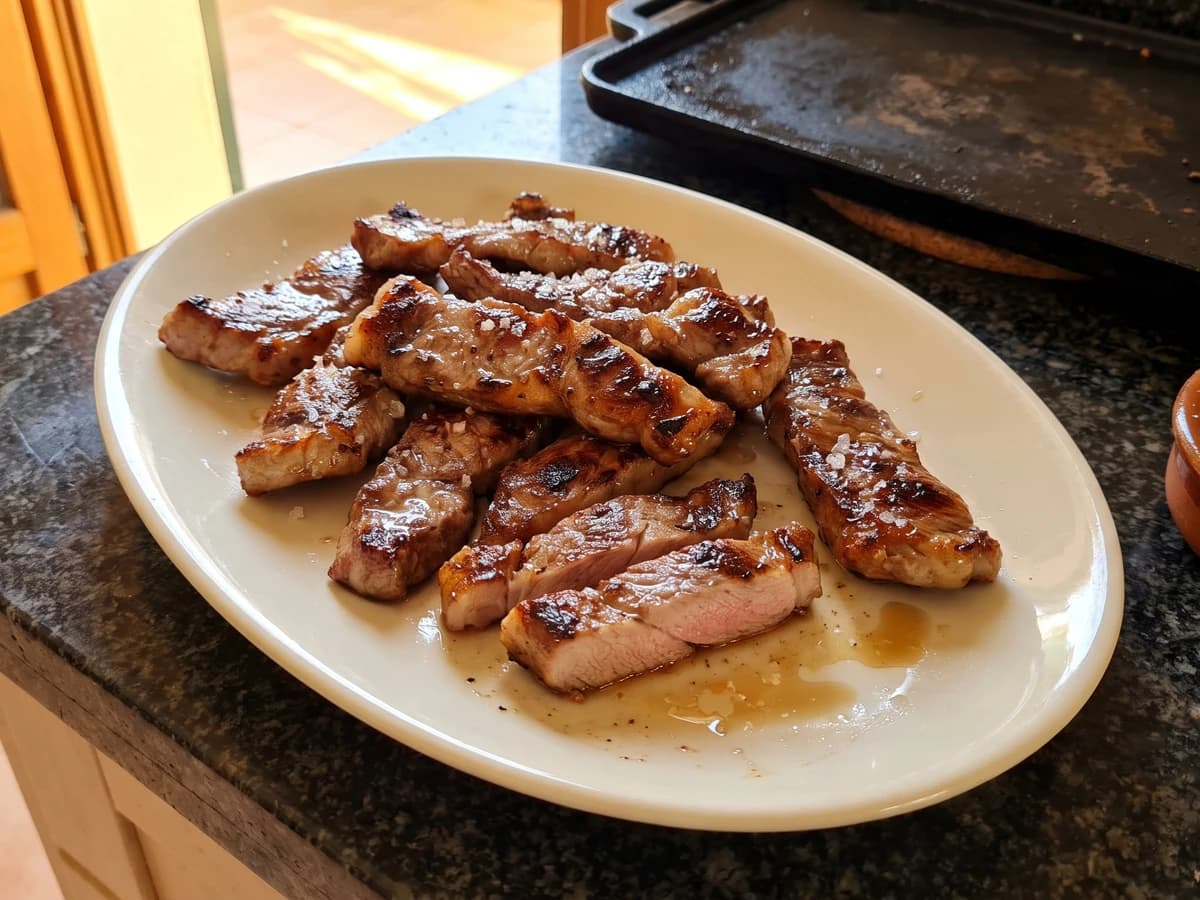
Extremadura's dehesa gives us this fan-shaped, marbled rib cut: salt it at the last moment, lay it on a fierce plancha, and count in seconds so the centre stays juicy.
A cooking platform built around craft, culture, and the stories behind what we eat.

Created by
Arroz de Escribano is Murcian cocina de cuchara: chickpeas, huerta vegetables, and short rice cooked meloso in their own broth, thick from the legume liquor, not from cream.
Arroz de Escribano is Murcian, a rice of the huerta, with chickpeas, garden vegetables, and short rice cooked meloso, creamy enough for a spoon but not soupy. What makes it this dish is not meat, and not a wide dry pan. It is the chickpea liquor, the slow sofrito, the sweet ñora, and the vegetables Murcia has always known how to stretch into lunch.
The method that decides it is simple: keep the liquor from the chickpeas and cook the rice in it. Plain water gives you wet rice. Chickpea liquor gives body, the kind that coats the grain without needing cream or flour. The sofrito, the slow onion, pepper, tomato, garlic, and pimentón base, gives the sweetness underneath. Rush that and the whole pot tastes thinner.
If you're far from Murcia, no hace falta haber pisado España. Use jarred chickpeas with their liquid, a good vegetable broth, and Spanish arroz redondo if Calasparra is out of reach. Arborio works at a pinch, but it goes softer, so stir less and serve it the moment it is ready. My Margin has one warning beside this one: meloso waits for nobody. Siempre sale, si lo sigues.
Arroz de Escribano belongs to the Murcian huerta, the irrigated garden country of the Segura, where rice, legumes, and vegetables have long shared the same pot. The chickpea liquor is not a trick but the old economy of the dish: it turns cooked garbanzos and a measured handful of arroz redondo into a meloso, spoonable lunch. When Calasparra rice is used, the dish stays Murcian twice over, from the garden vegetables to the grain grown in the upper Segura and Mundo valleys.
Quantity
250g
soaked overnight
Quantity
1
Quantity
1.8L
for cooking the chickpeas
Quantity
8g, plus more to taste
Quantity
1
soaked and flesh scraped
Quantity
70ml, plus a little more to finish
Quantity
150g
finely chopped
Quantity
100g
finely chopped
Quantity
3
finely chopped
Quantity
250g
grated, or 220g good canned crushed tomato
Quantity
1 teaspoon
Quantity
180g
quartered
Quantity
150g
cut into small florets
Quantity
150g
cut into 3cm pieces
Quantity
260g
Quantity
1 pinch
| Ingredient | Quantity |
|---|---|
| dried chickpeassoaked overnight | 250g |
| bay leaf | 1 |
| waterfor cooking the chickpeas | 1.8L |
| fine sea salt | 8g, plus more to taste |
| dried ñora peppersoaked and flesh scraped | 1 |
| extra virgin olive oil | 70ml, plus a little more to finish |
| onionfinely chopped | 150g |
| Italian green pepperfinely chopped | 100g |
| garlic clovesfinely chopped | 3 |
| ripe tomatoesgrated, or 220g good canned crushed tomato | 250g |
| sweet pimentón de Murcia | 1 teaspoon |
| artichoke heartsquartered | 180g |
| cauliflowercut into small florets | 150g |
| flat green beanscut into 3cm pieces | 150g |
| Calasparra rice or Spanish arroz redondo | 260g |
| saffron threads (optional) | 1 pinch |
The night before, put the chickpeas in a large bowl and cover them with cold water by at least 8cm. Leave them 12 hours. Drain them before cooking. This is not fussy work, but it matters; chickpeas that start dry and tight cook unevenly, with skins slipping before the centers soften.
Put the drained chickpeas in a heavy pot with the bay leaf and 1.8L water. Bring them slowly to a simmer, skim the foam, then cook gently until tender, usually 1 hour 30 minutes to 2 hours. Salt them with the 8g salt only during the last 15 minutes. Lift out the bay leaf, then measure 1.2L chickpea cooking liquor. If you are short, top it up with water or vegetable broth and keep it hot.
While the chickpeas finish, soak the ñora in hot water for 15 minutes, open it, discard the seeds, and scrape out the soft red flesh. Warm the olive oil in a wide cazuela or low heavy pot. Add the onion, green pepper, and a pinch of salt, then cook low and steady for 12 minutes, until soft and sweet. Add the garlic and ñora flesh for 1 minute. Pull the pot off the heat, stir in the pimentón so it does not scorch, then add the grated tomato. Return to low heat and cook 15 to 20 minutes, until the tomato is thick, dark, and the oil shows at the edges.
Stir the artichokes, cauliflower, and green beans through the sofrito, coating them well in the oil and tomato. Cook 5 minutes, just to take the raw edge off. Add the cooked chickpeas and the hot chickpea liquor, plus the saffron if using. Bring it to a lively simmer and cook 8 minutes, until the vegetables are nearly tender but not collapsing.
Sprinkle in the rice and stir once to spread it evenly. Simmer uncovered for 16 to 18 minutes, stirring gently now and then so the rice releases enough starch to turn creamy. This is meloso, not paella, so a little movement is allowed. Keep a kettle of hot water nearby; if the rice tightens before the grains are tender, add a small splash. At the end it should be loose, glossy, and spoonable, with tender rice and whole chickpeas.
Take the pot off the heat and let it rest 3 minutes, no longer. Taste for salt. Finish with a thin thread of olive oil and serve at once in deep bowls. The rice should move slowly when you spoon it, not sit in a mound. If it stands stiff, you waited too long or cooked it too dry. Nadie nace sabiendo; next time stop it a minute earlier.
1 serving (about 620g)
Culinary guides, cultural storytelling, and the editorial depth that makes cooking meaningful.
Discover Culinary ExplorerChef Isabel
Extremadura's dehesa gives us this fan-shaped, marbled rib cut: salt it at the last moment, lay it on a fierce plancha, and count in seconds so the centre stays juicy.
Chef Isabel
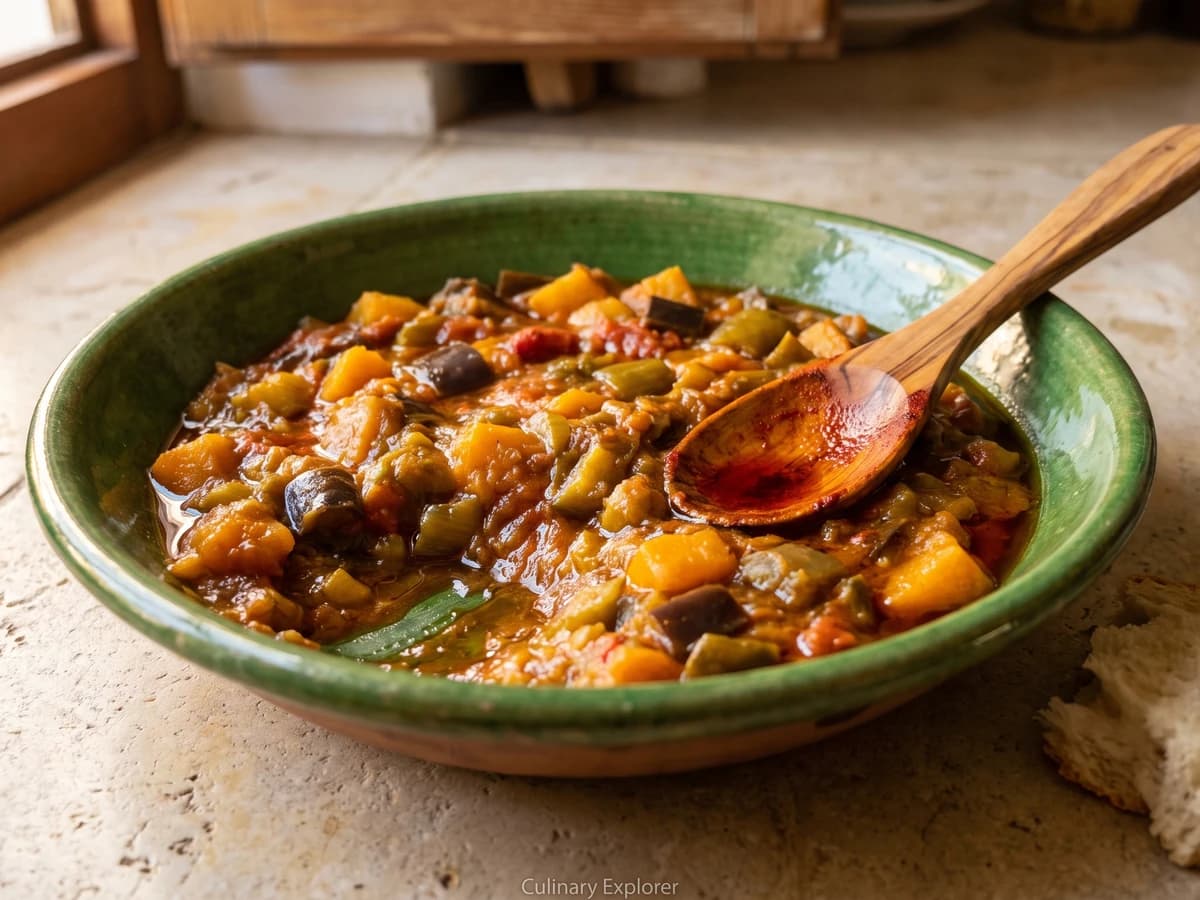
Alboronía is Andalucía's old pumpkin and aubergine stew, deepened with tomato, pimentón, and cumin, then cooked without hurry until the vegetables settle into a glossy, sweet, spoon-soft whole.

Chef Isabel
Aletría Murciana is Murcia's humble noodle guiso: fine fideos, pork ribs, potato, saffron, and a dark sweet sofrito. Get that base right and the pot knows where it's going.
Chef Isabel
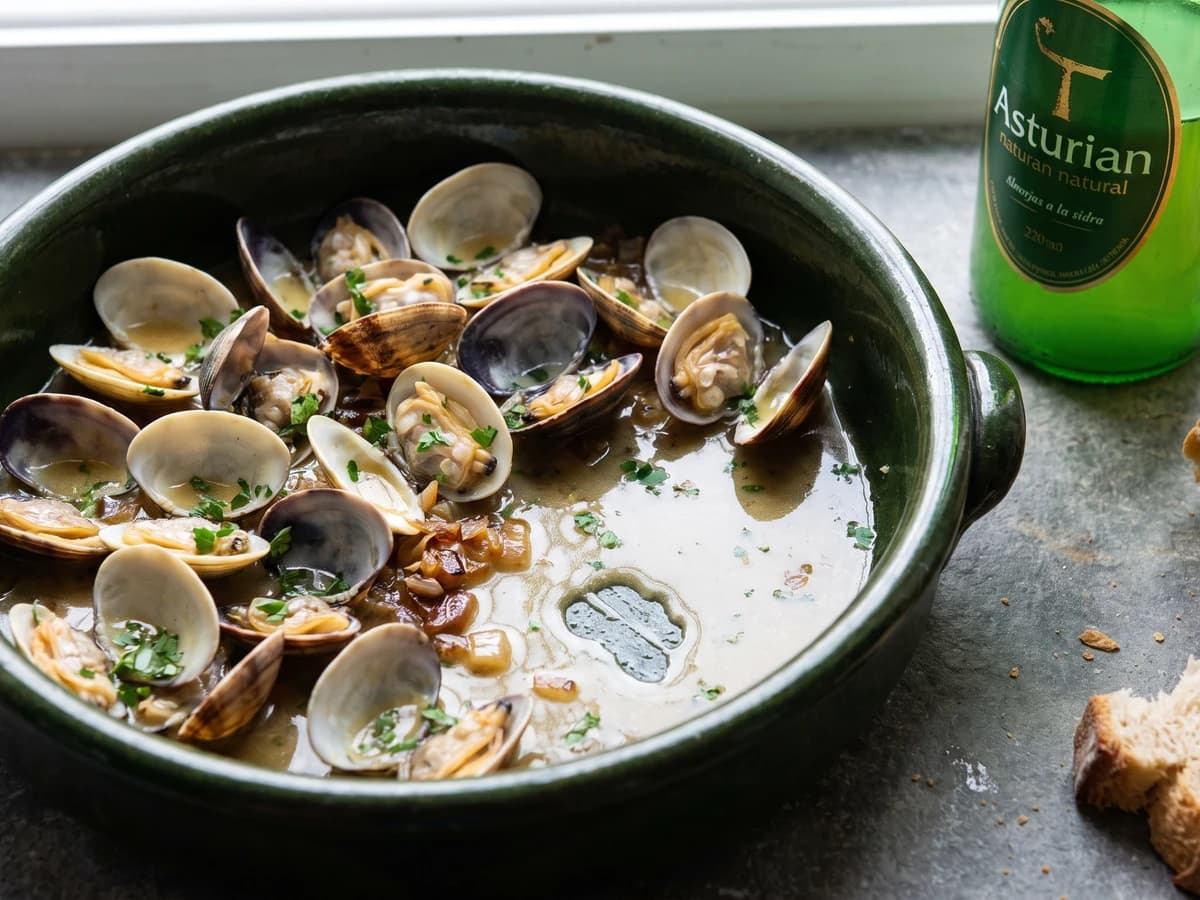
Asturias opens clams in tart natural cider over a slow onion and garlic sofrito, making a bright, briny sauce that asks for bread and rewards one rule: lift each clam as it opens.