Chef Isabel
Abanico Ibérico a la Plancha
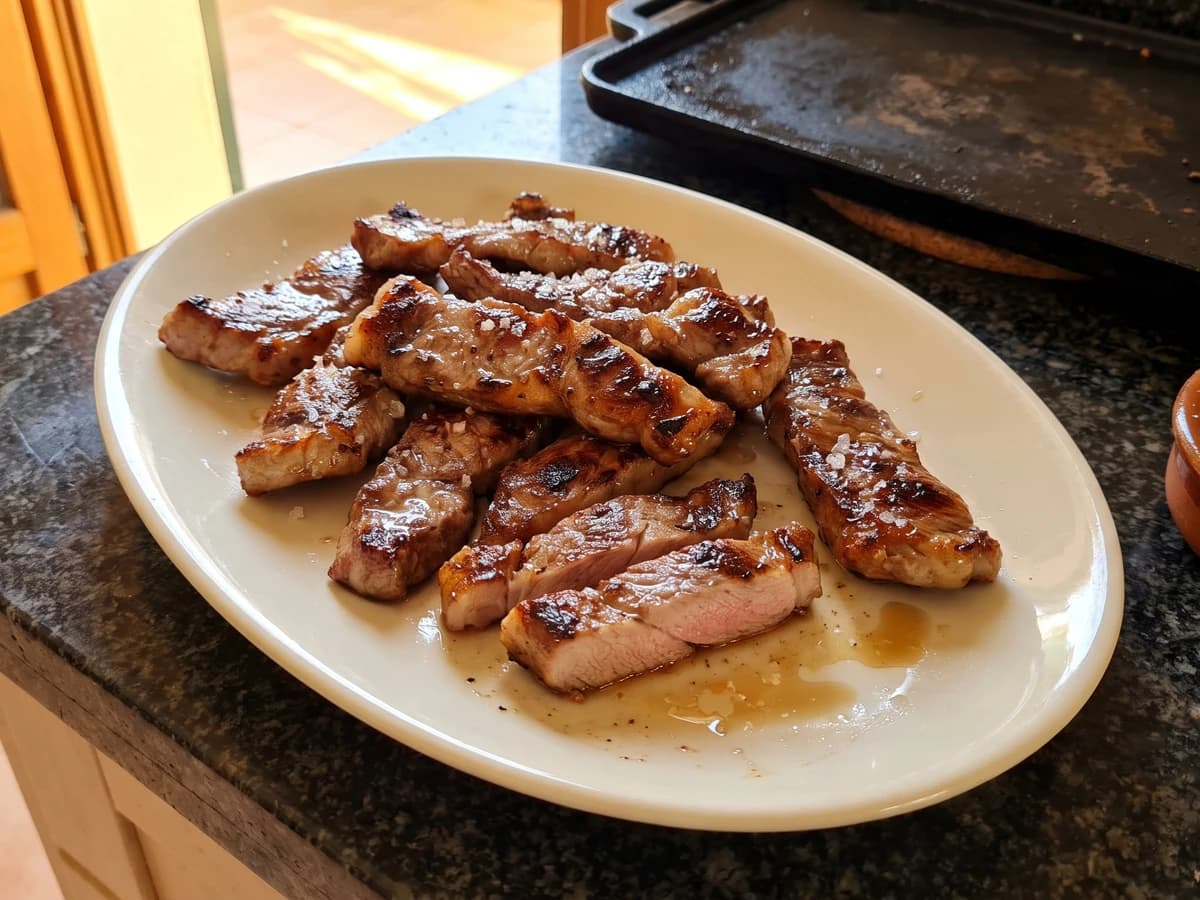
Extremadura's dehesa gives us this fan-shaped, marbled rib cut: salt it at the last moment, lay it on a fierce plancha, and count in seconds so the centre stays juicy.
A cooking platform built around craft, culture, and the stories behind what we eat.

Created by
Catalonia's casserole rice is cooked in a cassola, not a paella pan: rabbit, chicken, and pork rib over a dark sofregit, finished juicy with a small picada.
Arròs a la cassola is Catalan casserole rice, not a Valencian paella moved into another pot and not a dry arroz with a new name. It belongs to the home table of Catalonia: rabbit, chicken, and pork rib browned first, then cooked over a dark sofregit, the slow onion and tomato base, in an earthenware cassola until the rice is juicy enough for a spoon. This is Catalan before it is anything broader.
The method that decides it is the sofregit. Cook the onion low and long until it turns dark gold and jammy, then cook the tomato down until the oil comes back around the edges. Rush that part and the stock tastes thin, no matter how well you browned the meat. Give it the time and the rice has somewhere to stand.
No cassola where you are? Use a wide, heavy casserole or Dutch oven, and keep the heat gentle. For the rice, look for arroz redondo, bomba, Sénia, Bahia, or Calasparra; if all you can find is Italian risotto rice, use a little less stock and expect a creamier finish. No hace falta haber pisado España. You need the right rice, a dark base, and patience.
The Margin beside this one says: serve it with a spoon. That tells you the dish. It should not be soupy, and it should not be dry. Juicy, glossy, settled five minutes off the heat. Siempre sale, si lo sigues.
Arròs a la cassola belongs to Catalonia's household rice tradition, shaped by the rice fields of the Ebro Delta and by the earthenware cassoles used in inland kitchens. The dish is often linked with dijous, Thursday, when small pieces of rabbit, chicken, pork rib, sausage, peas, or mushrooms could be gathered into one generous rice before Friday's fish meals. Unlike Valencian paella, its mark is not a dry, wide pan or socarrat, but a dark sofregit and a juicy finish served with a spoon.
Quantity
350g
cut into serving pieces
Quantity
350g
cut into small pieces
Quantity
300g
cut into 4cm pieces
Quantity
10g, divided
plus more only if needed
Quantity
1/2 teaspoon
Quantity
70ml
Quantity
200g
very finely chopped or grated
Quantity
4 cloves
finely chopped
Quantity
350g fresh or 300g canned
grated or crushed
Quantity
1
soaked in hot water, flesh scraped
Quantity
1 teaspoon
use only if you cannot find nyora
Quantity
320g
bomba, Sénia, Bahia, Calasparra, or arroz redondo
Quantity
1 liter
divided
Quantity
0.2g
lightly crushed
Quantity
120g
Quantity
20g
Quantity
10g
| Ingredient | Quantity |
|---|---|
| bone-in rabbitcut into serving pieces | 350g |
| bone-in chicken thighs or drumstickscut into small pieces | 350g |
| pork ribscut into 4cm pieces | 300g |
| fine sea saltplus more only if needed | 10g, divided |
| freshly ground black pepper | 1/2 teaspoon |
| olive oil | 70ml |
| onionvery finely chopped or grated | 200g |
| garlicfinely chopped | 4 cloves |
| ripe tomatoes or canned whole peeled tomatoesgrated or crushed | 350g fresh or 300g canned |
| dried nyora peppersoaked in hot water, flesh scraped | 1 |
| sweet pimentón (optional)use only if you cannot find nyora | 1 teaspoon |
| short-grain ricebomba, Sénia, Bahia, Calasparra, or arroz redondo | 320g |
| hot light chicken stock or meat stockdivided | 1 liter |
| saffron threadslightly crushed | 0.2g |
| fresh or frozen peas (optional) | 120g |
| toasted almonds or hazelnuts | 20g |
| flat-leaf parsley leaves | 10g |
If using a dried nyora, cover it with hot water for 20 minutes, then scrape the soft flesh from the skin and discard the skin and seeds. Warm 100ml of the stock and steep the crushed saffron in it. Pat the rabbit, chicken, and pork ribs dry, then season them with 7g of the salt and the black pepper.
Set a 30cm cassola de fang, earthenware casserole, over a flame diffuser, or use a wide heavy casserole. Add the olive oil and warm it over medium heat. Brown the rabbit, chicken, and pork ribs in batches until golden on all sides, about 12 to 15 minutes total. Lift the meat to a plate and leave the browned bits in the pan; they belong to the rice.
Lower the heat and add the onion with 2g salt. Cook slowly, stirring often, until the onion is dark gold, soft, and almost jammy, 20 to 25 minutes. Add the garlic and cook 1 minute. Add the grated tomato and the nyora flesh, or the pimentón if using it, and cook until the tomato has lost its raw smell, thickened deeply, and the oil shows at the edges, 15 to 20 minutes more. This is the step that decides the dish. Pale sofregit gives you pale rice.
Return the browned meats and any juices to the cassola. Add the rice and turn it through the sofregit for 1 to 2 minutes, until every grain is glossy and stained. Pésalo, no lo adivines: the rice and stock balance is what gives arròs a la cassola its juicy finish instead of a dry one.
Pour in 900ml hot stock, including the saffron stock, and stir once to settle everything evenly. Bring it to a lively simmer, then lower the heat so the rice bubbles steadily, not violently. Cook uncovered for 10 minutes. If you are using bomba, keep the remaining 100ml stock hot and add it as the rice drinks; if using common arroz redondo, add only what the pan needs to stay juicy.
While the rice cooks, pound the toasted almonds or hazelnuts with the parsley and a small pinch of salt in a mortar until rough and pasty. Loosen it with a spoonful of hot stock from the cassola. After the rice has cooked 10 minutes, stir in the peas if using, then spoon in the picada. Cook 6 to 8 minutes more, until the rice is just tender with a little bite and the surface still looks glossy and loose.
Take the cassola off the heat, cover it loosely with a clean cloth or lid, and rest 5 minutes. The rice will finish swelling, and the juices will settle without drying out. Serve from the cassola with a spoon, making sure every bowl gets rice, rabbit, chicken, and pork rib. It should move softly when spooned, not sit stiff like a dry rice.
1 serving (about 500g)
Culinary guides, cultural storytelling, and the editorial depth that makes cooking meaningful.
Discover Culinary ExplorerChef Isabel
Extremadura's dehesa gives us this fan-shaped, marbled rib cut: salt it at the last moment, lay it on a fierce plancha, and count in seconds so the centre stays juicy.
Chef Isabel
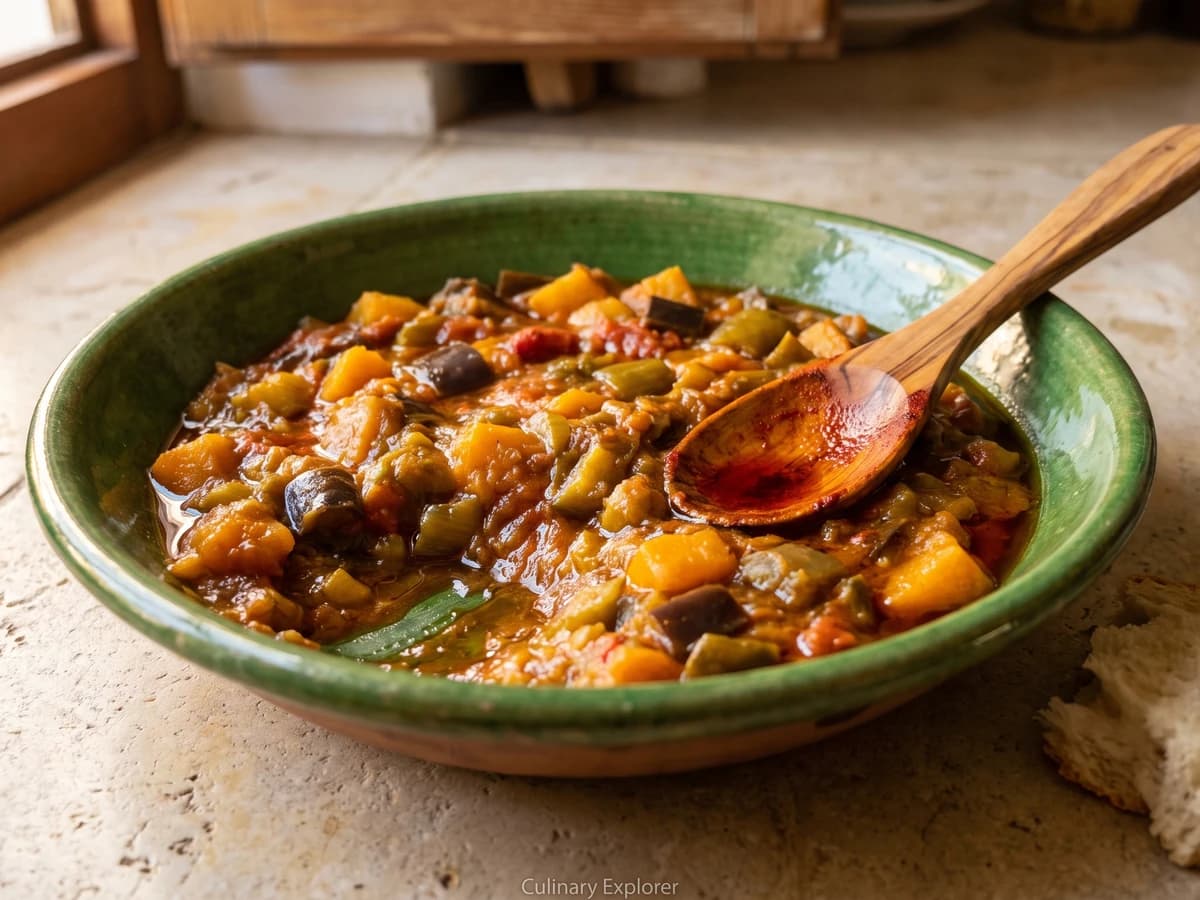
Alboronía is Andalucía's old pumpkin and aubergine stew, deepened with tomato, pimentón, and cumin, then cooked without hurry until the vegetables settle into a glossy, sweet, spoon-soft whole.

Chef Isabel
Aletría Murciana is Murcia's humble noodle guiso: fine fideos, pork ribs, potato, saffron, and a dark sweet sofrito. Get that base right and the pot knows where it's going.
Chef Isabel
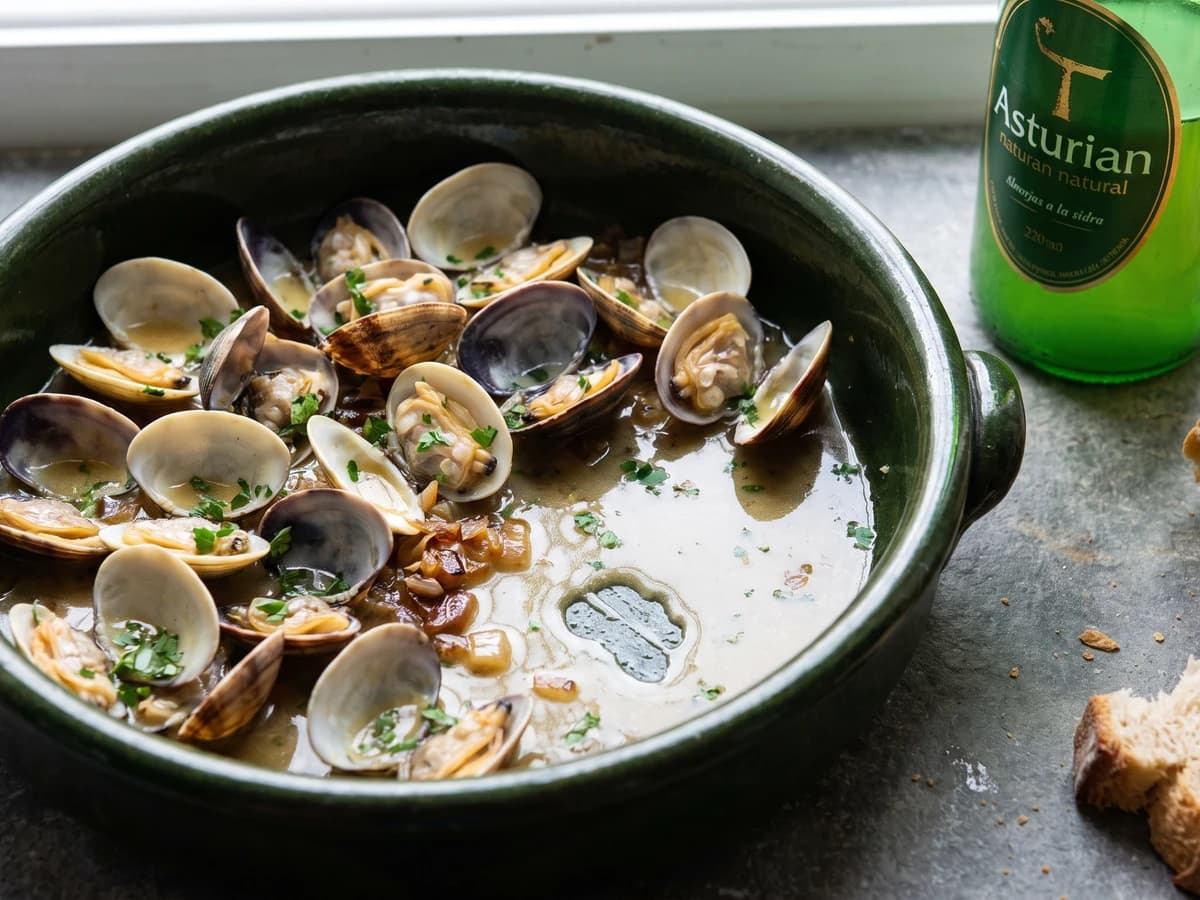
Asturias opens clams in tart natural cider over a slow onion and garlic sofrito, making a bright, briny sauce that asks for bread and rewards one rule: lift each clam as it opens.