Chef Isabel
Abanico Ibérico a la Plancha
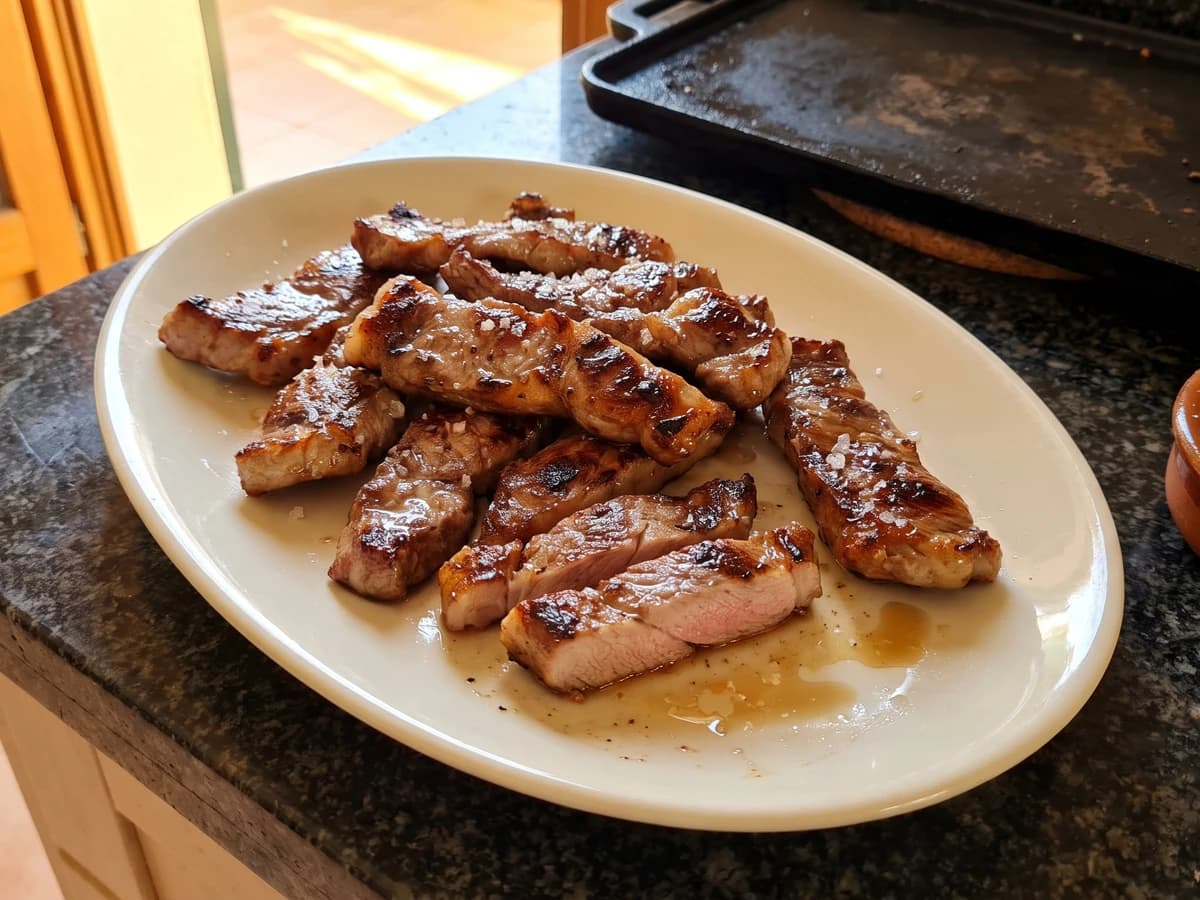
Extremadura's dehesa gives us this fan-shaped, marbled rib cut: salt it at the last moment, lay it on a fierce plancha, and count in seconds so the centre stays juicy.
A cooking platform built around craft, culture, and the stories behind what we eat.

Created by
Sevillano marsh rice from Isla Mayor, loose and spoonable, built on red crayfish shell stock and a dark sofrito. This is not paella; it should reach the table brothy.
Arroz con Cangrejo de Isla Mayor is Sevillano, Andaluz from the Guadalquivir marshes south of Sevilla, where rice grows in the water and the red cangrejo de río lives beside it. It is arroz caldoso, spoon rice: loose broth, tender grains, sweet crayfish, tomato, pimentón, and a slow sofrito beneath it all. This is not paella. It does not want to finish dry.
The step that decides it is the stock. The meat is in the tails, but the flavor is in the heads and shells, so you cook the cangrejos briefly, peel most of them, crush the shells, and simmer them back into the cooking water until it tastes red and deep. Then the sofrito goes low and slow until the tomato is thick, dark, and sweet. Rush those two and the rice tastes of boiled water with bits in it. Plain truth.
If you're far from Isla Mayor, buy whole frozen crawfish or crayfish from a fishmonger; frozen is fine when the shells are still there. If all you can get are peeled tails, use small raw head-on prawns for the stock and add the tails at the end. It changes the dish, sweeter and more sea than marsh, but it gives the rice a backbone instead of asking plain water to do a shell's work.
Keep a ladle of hot stock beside the pan and serve it as soon as the rice is tender. Caldoso rice waits for nobody; it thickens while you talk. My Margin beside this one says, caldo caliente al lado, hot stock at the side. Siempre sale, si lo sigues.
Arroz con cangrejo belongs to Isla Mayor, a rice-growing town in the marismas del Guadalquivir of Sevilla, where flooded paddies and drainage channels shape the local table as much as the fields do. The red crayfish became part of that marsh larder because it lives in the same waters as the rice, and its shells give the broth the taste that marks the dish. It is an Andaluz arroz caldoso, cocina de cuchara, spoon food, not a Valencian paella; the rice is meant to arrive loose, glossy, and brothy.
Quantity
1kg
rinsed
Quantity
2L
Quantity
1
Quantity
6 stems plus 10g leaves
stems for stock, leaves finely chopped
Quantity
12g, divided, plus more to taste
Quantity
75ml
Quantity
180g
finely chopped
Quantity
120g
finely chopped
Quantity
80g
finely chopped
Quantity
4
minced
Quantity
350g
grated, skins discarded
Quantity
3g
Quantity
100ml
Quantity
320g
preferably rice from the Sevilla marshes, Bomba, Calasparra, or other arroz redondo
| Ingredient | Quantity |
|---|---|
| whole raw red crayfish or whole frozen crawfishrinsed | 1kg |
| water | 2L |
| bay leaf | 1 |
| flat-leaf parsleystems for stock, leaves finely chopped | 6 stems plus 10g leaves |
| fine sea salt | 12g, divided, plus more to taste |
| extra virgin olive oil | 75ml |
| yellow onionfinely chopped | 180g |
| green Italian pepper or green bell pepperfinely chopped | 120g |
| red pepperfinely chopped | 80g |
| garlic clovesminced | 4 |
| ripe tomatoesgrated, skins discarded | 350g |
| sweet smoked pimentón de la Vera | 3g |
| dry manzanilla or fino sherry (optional) | 100ml |
| Spanish round ricepreferably rice from the Sevilla marshes, Bomba, Calasparra, or other arroz redondo | 320g |
Bring 2L water to a boil in a stockpot with the bay leaf, parsley stems, and 8g of the salt. Add the rinsed crayfish, cover, and cook for 3 minutes once the water returns to a lively boil, just until the shells are red. Lift them out with a slotted spoon and keep the cooking water; that is the beginning of your broth.
Reserve 8 of the best-looking crayfish whole for the top of the rice. Twist the tails from the rest, peel them, and keep the meat covered in the refrigerator. Crush the heads and shells with a pestle or the back of a ladle, return them to the cooking water, and simmer uncovered for 25 minutes. Strain through a fine sieve, pressing hard, and measure 1.5L stock. If you are short, add water. Keep it hot.
Warm the olive oil in a wide 32-34cm cazuela or shallow rice pan over medium-low heat. Add the onion, green pepper, red pepper, and 3g salt, and cook for 12 minutes, stirring now and then, until soft and sweet but not browned. Add the garlic for 1 minute, then add the grated tomato and cook 18 to 20 minutes more, until the sofrito, the slow onion base, is thick, dark red, and the oil begins to show at the edges. This slow cook is where the sweetness comes from.
Pull the pan off the heat and stir in the pimentón for 10 seconds, just until it smells warm and smoky. Return the pan to the heat, add the manzanilla or fino if using, and let it reduce until almost dry. Add the rice and stir for 1 minute, coating every grain in the sofrito. Pésalo, no lo adivines; 320g gives you rice for four without stealing the broth from the dish.
Pour in 1.5L hot crayfish stock and bring it to a lively bubble. Cook for 10 minutes over medium-high heat, then lower the heat and cook 6 to 8 minutes more, stirring every few minutes. This is arroz caldoso, not paella, so you are keeping it loose and even. If the broth drops below the top of the rice before the grains are tender, add hot water or stock 100ml at a time.
Fold in the peeled crayfish tails and the reserved whole crayfish, and cook for 2 minutes, just to warm them through. Stir in the chopped parsley and taste for salt. Rest off the heat for 3 minutes, no longer; the rice should still move when you shake the pan. Serve at once in shallow bowls with a spoon.
1 serving (about 525g)
Culinary guides, cultural storytelling, and the editorial depth that makes cooking meaningful.
Discover Culinary ExplorerChef Isabel
Extremadura's dehesa gives us this fan-shaped, marbled rib cut: salt it at the last moment, lay it on a fierce plancha, and count in seconds so the centre stays juicy.
Chef Isabel
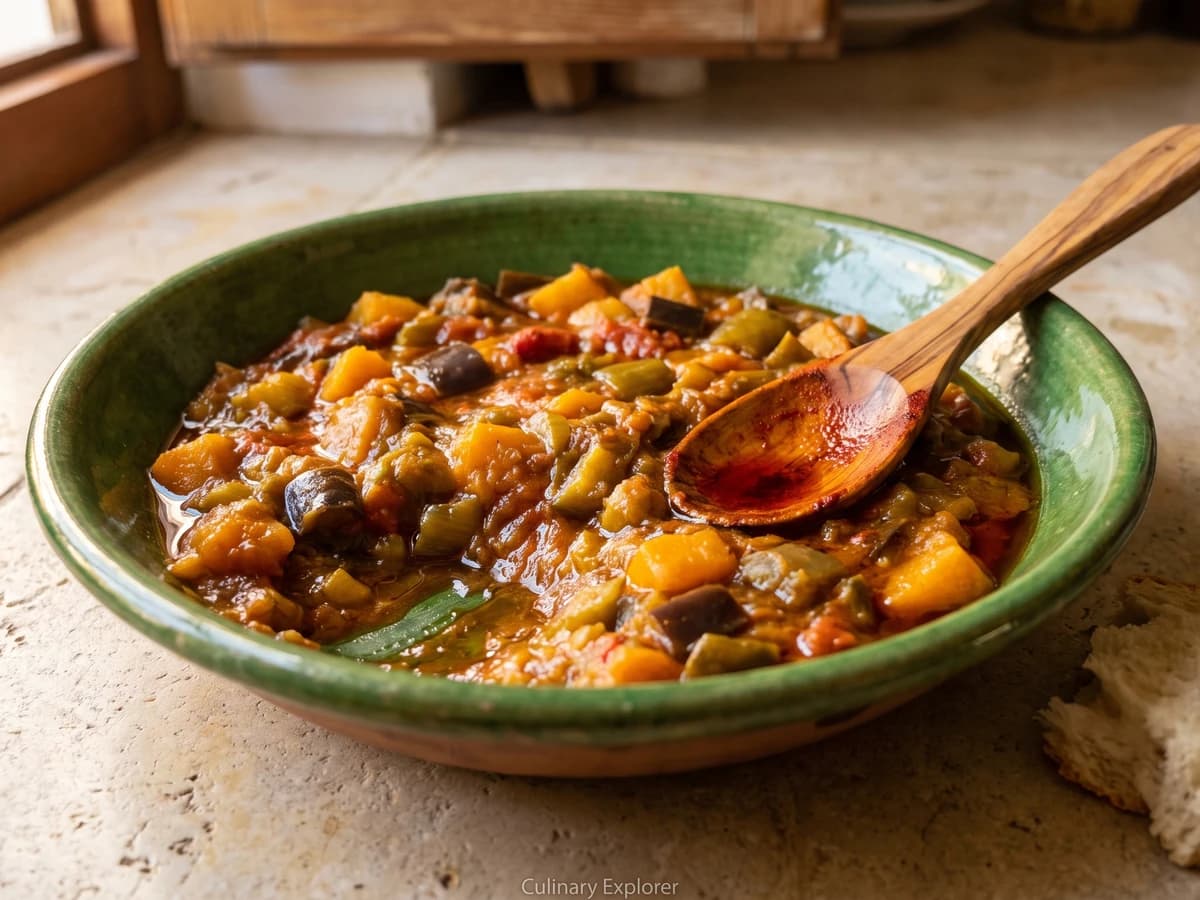
Alboronía is Andalucía's old pumpkin and aubergine stew, deepened with tomato, pimentón, and cumin, then cooked without hurry until the vegetables settle into a glossy, sweet, spoon-soft whole.

Chef Isabel
Aletría Murciana is Murcia's humble noodle guiso: fine fideos, pork ribs, potato, saffron, and a dark sweet sofrito. Get that base right and the pot knows where it's going.
Chef Isabel
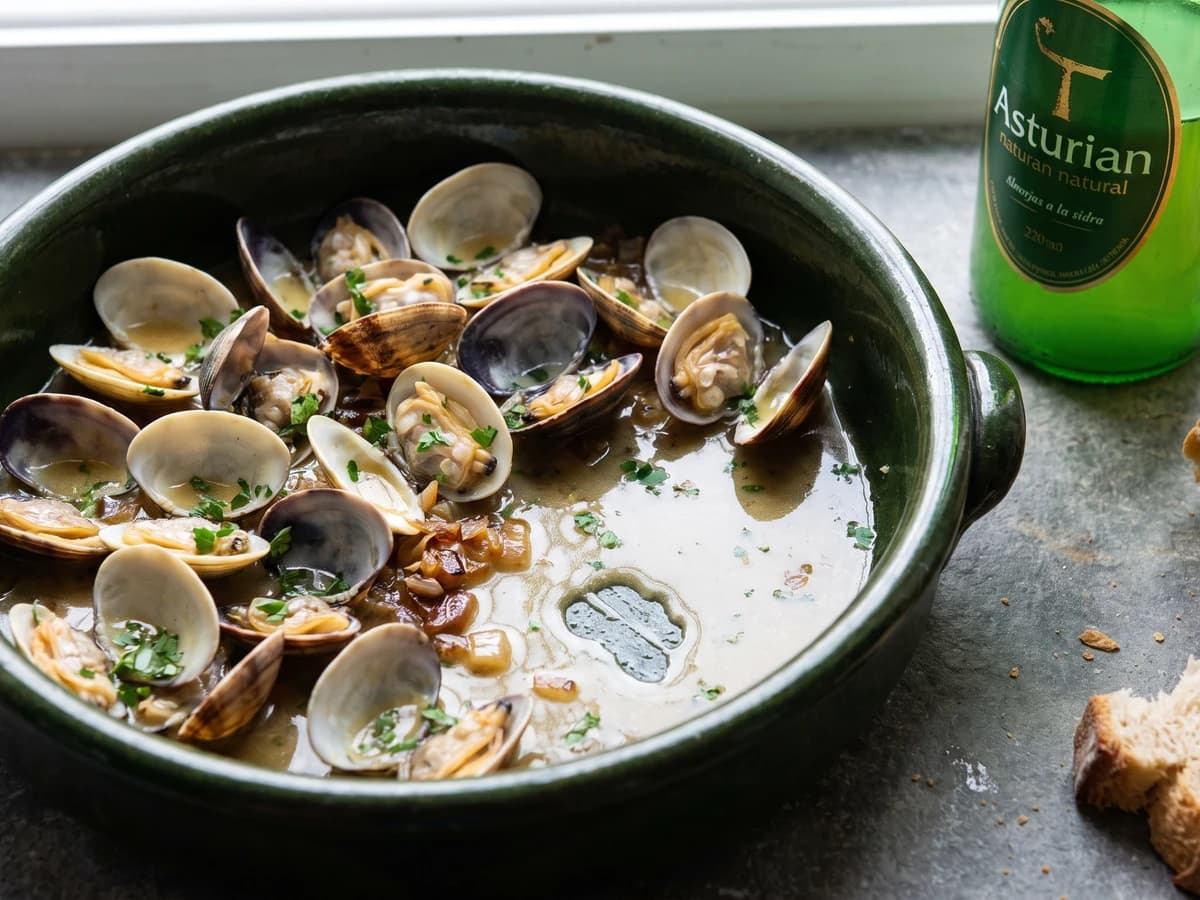
Asturias opens clams in tart natural cider over a slow onion and garlic sofrito, making a bright, briny sauce that asks for bread and rewards one rule: lift each clam as it opens.