Chef Isabel
Abanico Ibérico a la Plancha
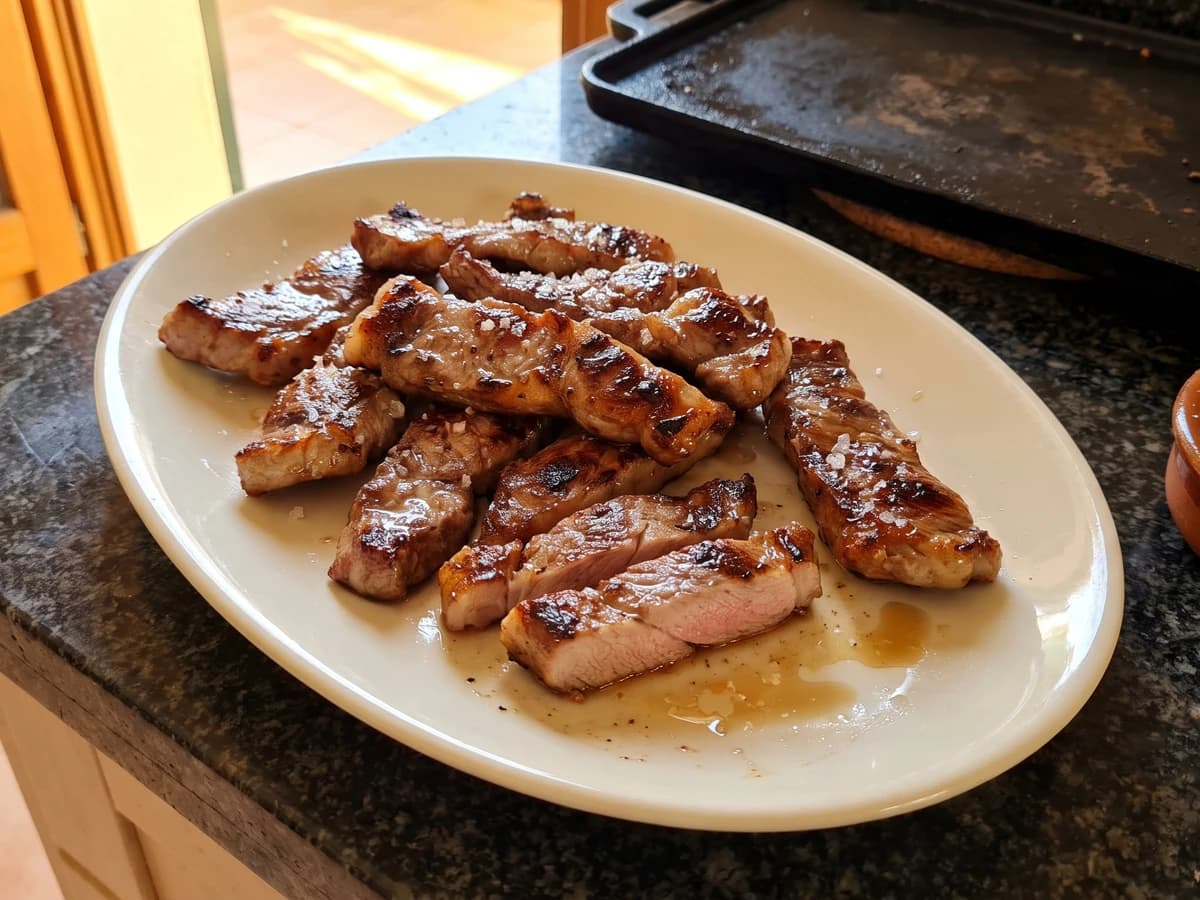
Extremadura's dehesa gives us this fan-shaped, marbled rib cut: salt it at the last moment, lay it on a fierce plancha, and count in seconds so the centre stays juicy.
A cooking platform built around craft, culture, and the stories behind what we eat.
Created by
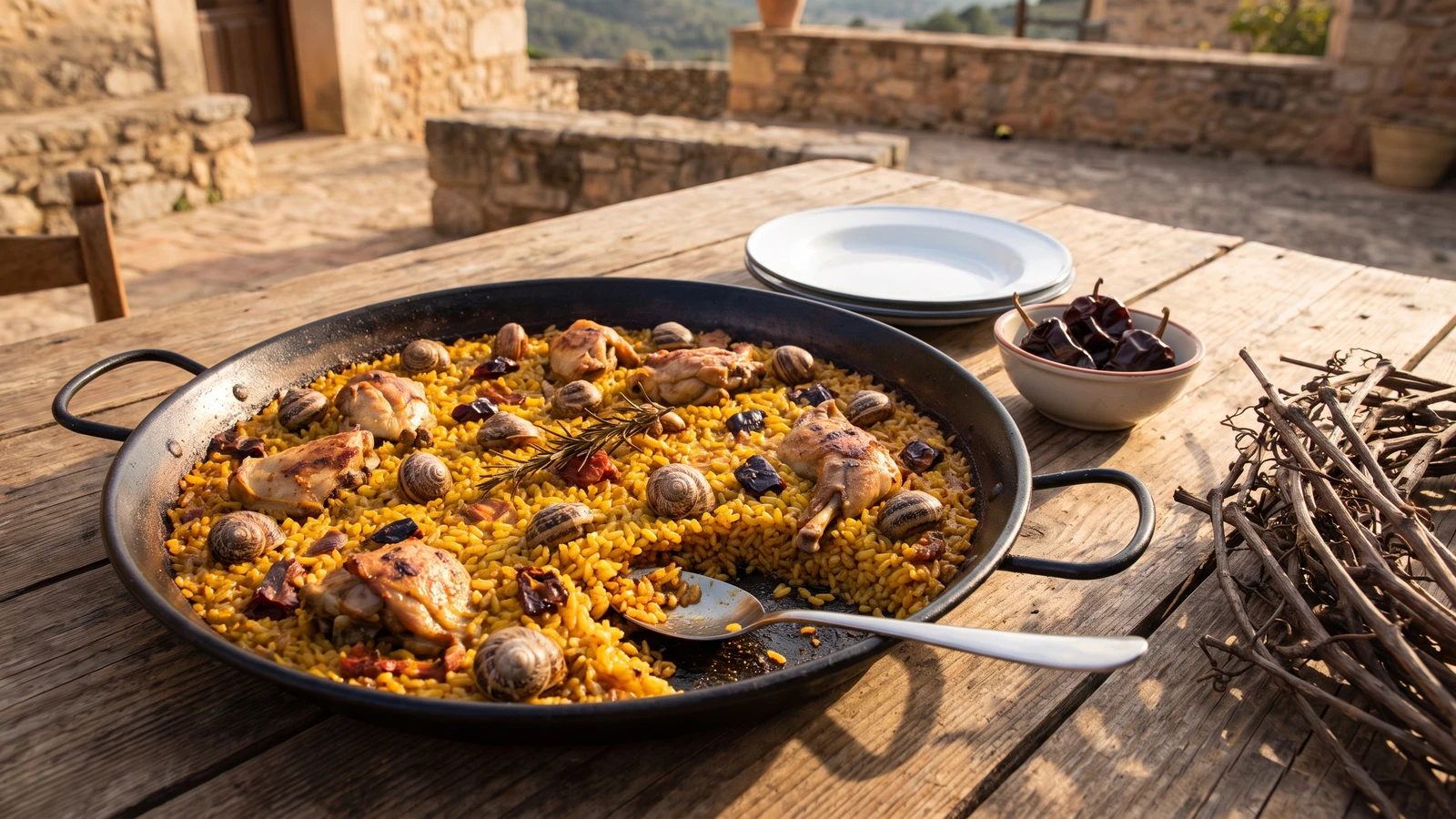
Inland Alicante's dry rice of rabbit, snails, ñora, saffron, and rosemary belongs to the country pan, not a deep pot. Brown the rabbit, toast the grain, add the broth, then leave it be.
Arroz con conejo y caracoles is Alicantino, from inland Alicante, where dry rice is cooked wide and shallow with rabbit, snails, ñora, saffron, and rosemary. It is an arroz seco, a dry rice, not a soupy arroz and not every rice in a pan pretending to be paella. What makes it this dish is the lean sweetness of rabbit, the earthiness of the snails, and the smell of rosemary catching the heat at the end.
The step that decides it is the middle one: brown the rabbit properly, cook the tomato and ñora down until they are thick and dark, then toast the rice in that oil before the broth goes in. After that, no stirring. Stir and you loosen the starch, and the rice finishes sticky instead of dry and separate. Leave it alone and the pan does its work.
If you are far from Alicante, no hace falta haber pisado España. Use a good round Spanish rice if you can, bomba, Senia, Bahia, Albufera, or Calasparra. If all you can find is arborio, use less broth and expect a softer grain. For the snails, use cooked, purged jarred snails from a trusted source and add them late so they do not turn tough. It will not taste quite as wild as vaquetas gathered after rain, but it will still be the dish, if you treat it honestly.
My Margin for this one says only this: do not fuss with the rice. Spread it once, listen near the end, and let the bottom catch just enough to make socarrat, the toasted crust. Siempre sale, si lo sigues.
Arroz con conejo y caracoles belongs to the inland comarcas of Alicante and the wider Valencian rice country, where rabbit from the fields, snails gathered after rain, rosemary from the monte, and rice from the coastal wetlands met in the same shallow pan. Vine prunings were a natural fuel in vineyard country, burning hot and fast enough for the first hard boil a dry rice needs. The snails most prized there, especially vaquetas and serranas, are not garnish but part of the flavor of the dish, which is why a plain rabbit rice is a neighbor, not the same thing.
Quantity
320g
preferably bomba, Senia, Bahia, Albufera, or Calasparra
Quantity
1, about 1.2kg
jointed into 10 to 12 bone-in pieces
Quantity
250g
drained and rinsed
Quantity
120g
drained, for cooks who cannot get snails in shell
Quantity
60ml
Quantity
2
soaked in hot water 15 minutes, flesh scraped
Quantity
2 teaspoons
Quantity
250g
grated, skins discarded
Quantity
4
finely chopped
Quantity
1 teaspoon
Quantity
about 0.2g
lightly crushed
Quantity
950ml
Quantity
100ml
held in reserve
Quantity
1 small
Quantity
10g, plus more to taste
Quantity
to taste
| Ingredient | Quantity |
|---|---|
| Spanish round ricepreferably bomba, Senia, Bahia, Albufera, or Calasparra | 320g |
| rabbitjointed into 10 to 12 bone-in pieces | 1, about 1.2kg |
| cooked, purged snails in shelldrained and rinsed | 250g |
| jarred cooked snail meat (optional)drained, for cooks who cannot get snails in shell | 120g |
| extra virgin olive oil | 60ml |
| dried ñorassoaked in hot water 15 minutes, flesh scraped | 2 |
| ñora paste (optional) | 2 teaspoons |
| ripe tomatoesgrated, skins discarded | 250g |
| garlic clovesfinely chopped | 4 |
| sweet pimentón | 1 teaspoon |
| saffron threadslightly crushed | about 0.2g |
| hot light rabbit or chicken stock | 950ml |
| hot water (optional)held in reserve | 100ml |
| fresh rosemary sprig | 1 small |
| fine sea salt | 10g, plus more to taste |
| freshly ground black pepper (optional) | to taste |
Set a 38 to 40cm paellera or wide shallow rice pan over a level burner. Warm the stock with the saffron and keep it hot. Pat the rabbit dry and season it with the 10g salt and a little black pepper if you use it. Dry meat browns; wet meat steams, and this rice needs the browned bones for flavor.
Add the olive oil to the pan and set the heat to medium-high. Brown the rabbit pieces well on all sides, 12 to 15 minutes, turning them until the edges are deep gold and the bones have left brown marks in the oil. Do not rush this. Pale rabbit gives you pale broth later.
Push the rabbit to the edge of the pan and lower the heat to medium. Add the garlic to the oil in the center and stir for 20 seconds, just until it smells sweet. Add the scraped ñora flesh, or ñora paste, then the grated tomato and pimentón. Cook, stirring the tomato base, until it turns dark, thick, and almost dry, 8 to 10 minutes. This is where the sweetness comes from; stop while it is watery and the whole rice tastes thin.
Add the rice and stir it through the rabbit, oil, tomato, and ñora for 1 to 2 minutes, until every grain looks glossy and a little glassy at the edge. Pésalo, no lo adivines: too much rice makes a thick layer and it will not finish dry. Spread the rice and rabbit evenly across the pan.
Pour in 950ml hot saffron stock all at once. Add the snails in shell now, if using them, and lay the rosemary sprig on top. Taste the liquid; it should be well seasoned because the rice will drink it. From this moment, do not stir. Shake the pan gently only if you must level the rice.
Boil hard for 8 minutes, then lower to medium and cook 8 to 10 minutes more, rotating the pan if one side is stronger than the other. If you are using drained jarred snail meat instead of snails in shell, tuck it into the rice after 12 minutes of cooking. If the rice is still hard and the pan is dry before the last few minutes, spoon in a little of the reserved hot water around the edge, not over the top.
When the liquid has disappeared and the rice is just tender, raise the heat for 45 to 90 seconds and listen for a dry crackle underneath. That is the socarrat, the toasted bottom crust. Stop when it smells nutty, not burnt. Remove the rosemary sprig if it has gone dark.
Take the pan off the heat, cover loosely with a clean cloth or foil, and rest 5 minutes. Serve from the pan, making sure each plate gets rabbit, rice, and snails. The grains should be separate, the surface dry, and the bottom lightly caught. Tal como se hace allí.
1 serving (about 460g)
Culinary guides, cultural storytelling, and the editorial depth that makes cooking meaningful.
Discover Culinary ExplorerChef Isabel
Extremadura's dehesa gives us this fan-shaped, marbled rib cut: salt it at the last moment, lay it on a fierce plancha, and count in seconds so the centre stays juicy.
Chef Isabel
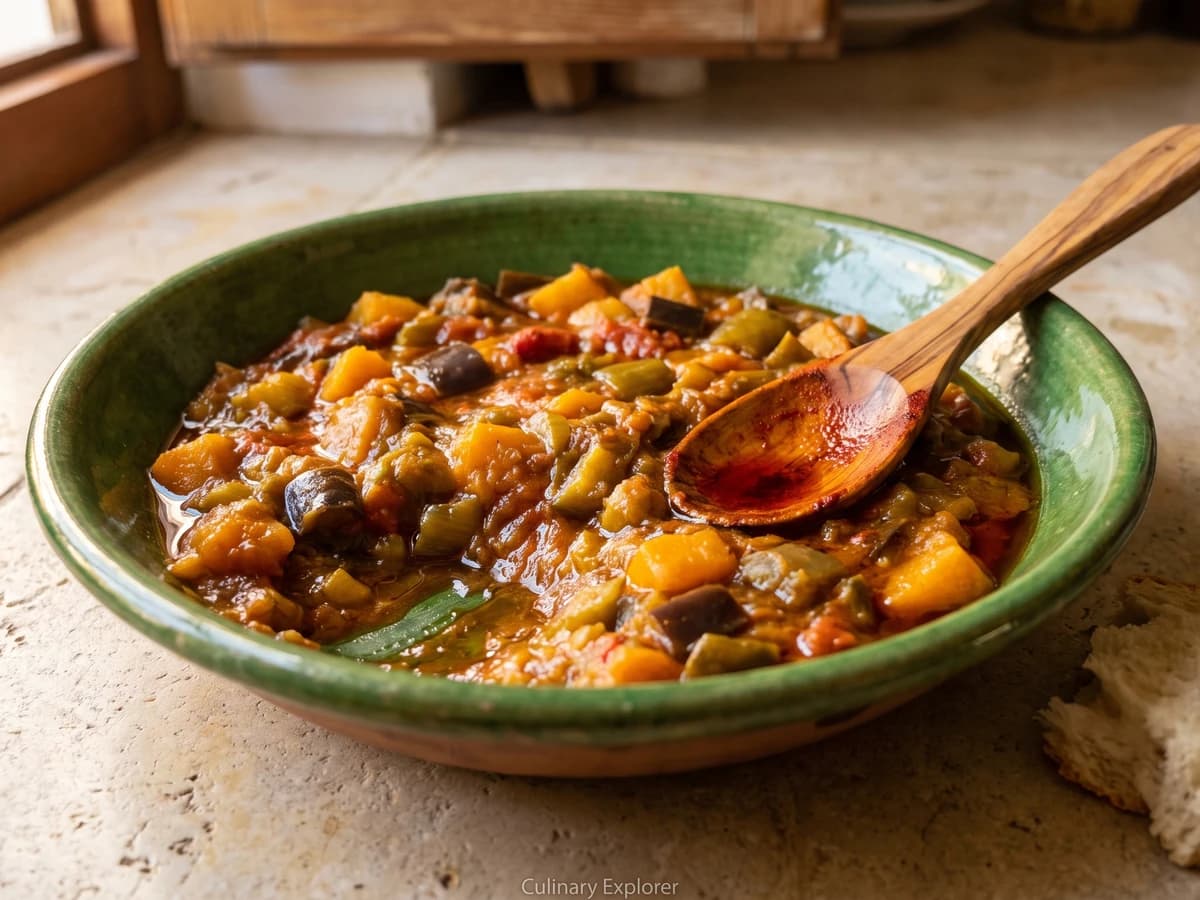
Alboronía is Andalucía's old pumpkin and aubergine stew, deepened with tomato, pimentón, and cumin, then cooked without hurry until the vegetables settle into a glossy, sweet, spoon-soft whole.

Chef Isabel
Aletría Murciana is Murcia's humble noodle guiso: fine fideos, pork ribs, potato, saffron, and a dark sweet sofrito. Get that base right and the pot knows where it's going.
Chef Isabel
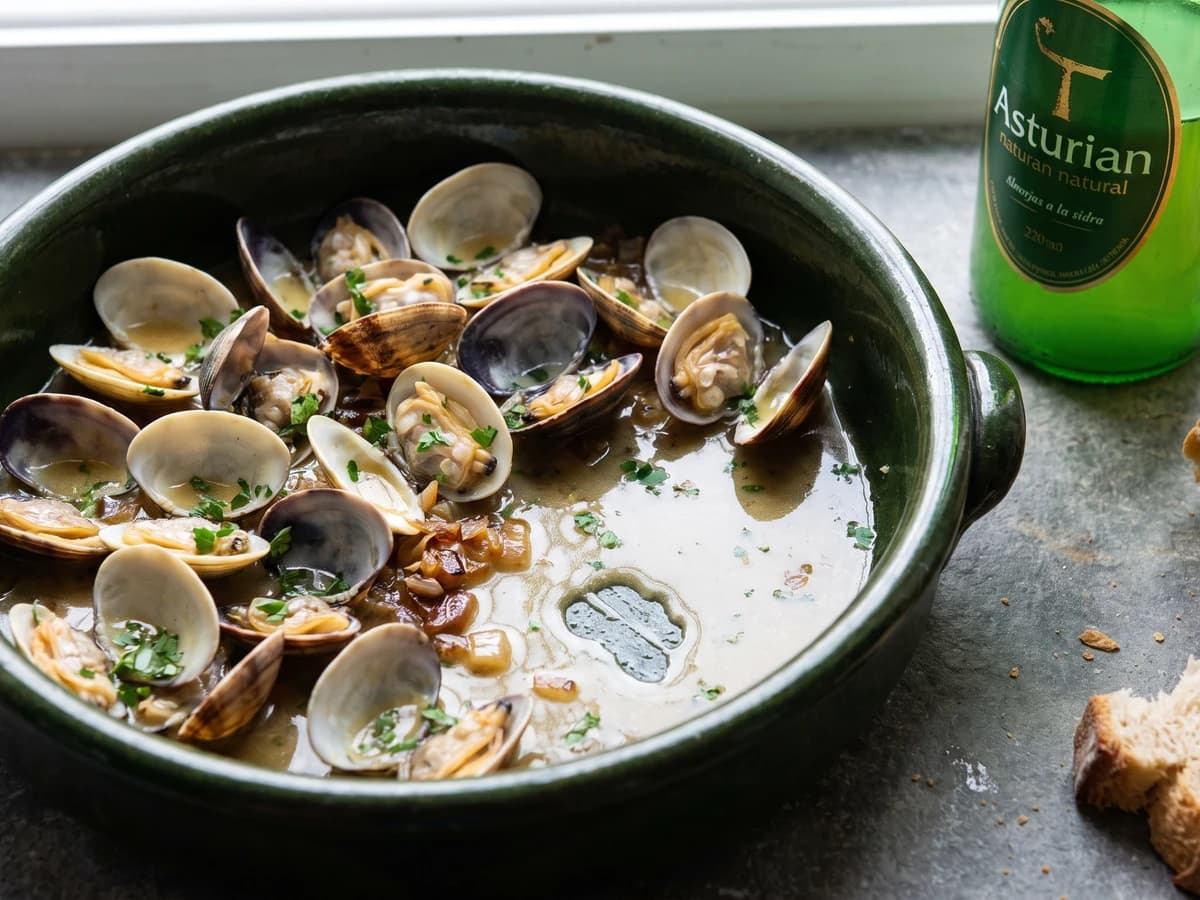
Asturias opens clams in tart natural cider over a slow onion and garlic sofrito, making a bright, briny sauce that asks for bread and rewards one rule: lift each clam as it opens.