Chef Lupita
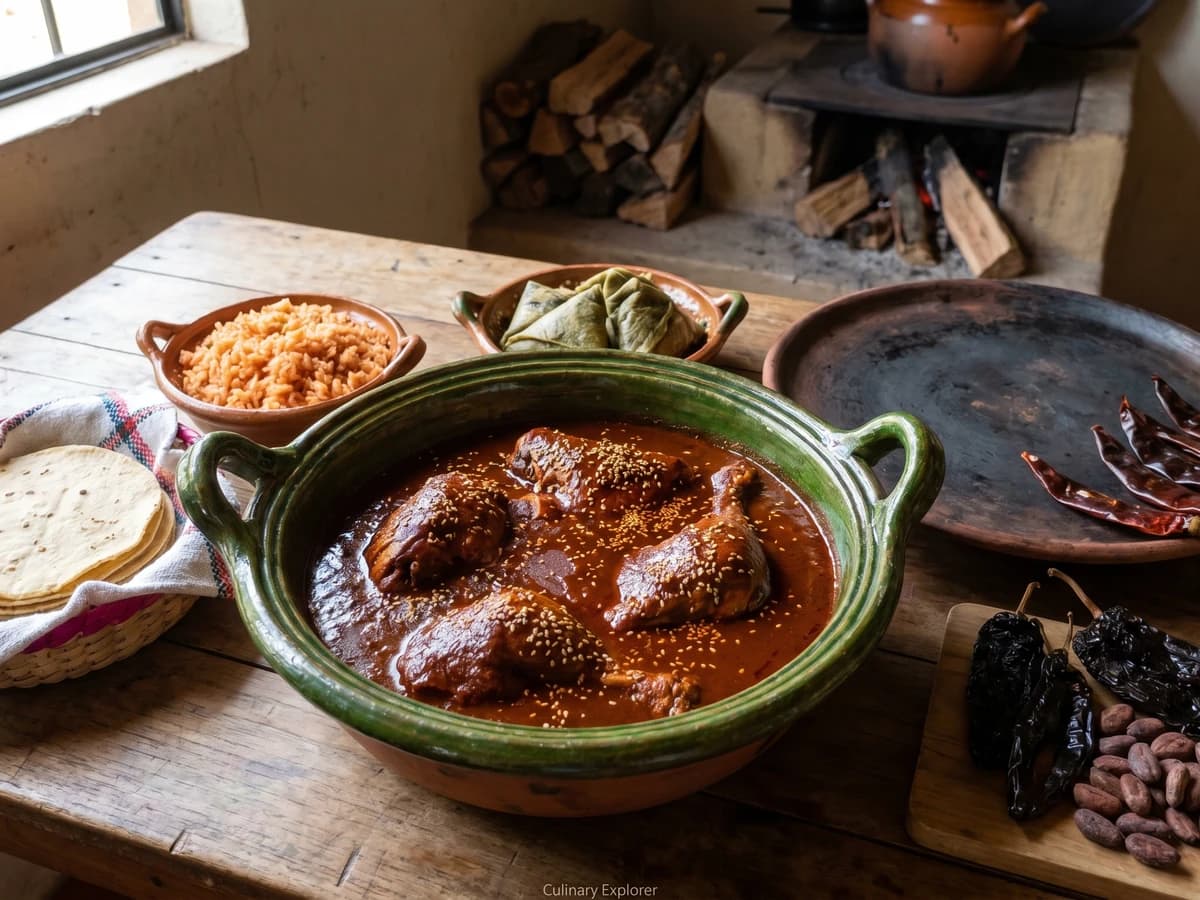
Mole de Pollo de Bautizo P'urhépecha
Michoacán's Meseta P'urhépecha baptism mole, chicken braised in guajillo, ancho, cacao, sesame, and lard, made for a crowded patio where cocineras measure ceremony by the cazuela.

Updated June 1, 2026
The plated mains of the P'urhépecha kitchen: the lacustrine fish of Lake Pátzcuaro, the ceremonial moles of Zacán and the Meseta, the duck of the ribera, the carnitas of Quiroga, and the vegetarian flagships the cocineras tradicionales plate on loza de barro.
A cooking platform built around craft, culture, and the stories behind what we eat.
Chef Lupita
Michoacán's Meseta P'urhépecha baptism mole, chicken braised in guajillo, ancho, cacao, sesame, and lard, made for a crowded patio where cocineras measure ceremony by the cazuela.

Chef Lupita
Lake Pátzcuaro's whitefish, thin garlic, and manteca de cerdo cooked fast in a black-clay cazuela, the kind of kurucha plate a Janitzio cook serves before the tortillas cool.

Chef Lupita
Michoacán's Lake Pátzcuaro white fish from Janitzio, dipped in a disciplined egg capeado, fried golden, and rested in a jitomate caldillo scented with epazote from the milpa edge.

Chef Lupita
Michoacán's fresh-corn uchepos, tender from young elote and wrapped in their own husks, served warm with crema, rajas de poblano, and queso fresco from the market table.

Chef Lupita
Michoacan's ribera mole for duck, built with chile ancho, guajillo, masa from the milpa, and leña-fired patience, belongs to the Lake Patzcuaro cooks who kept the Cazonci's table alive.

Chef Lupita
Michoacán's Meseta P'urhépecha corundas, triangular tamales of nixtamal masa wrapped in fresh corn leaves and bathed in a red atápakua thickened with masa, guajillo, ancho, and the patience of the fogón.

Chef Lupita
Queréndaro's chile poblano capones, roasted, peeled, and cleared of seeds and venas, filled with requesón, onion, and orégano de monte, then settled into a fried jitomate salsa.

Chef Lupita
Michoacán's Meseta P'urhépecha funeral mole, thickened with maize from the milpa and served with queso de rancho when the mourning kitchen does not cook meat.

Chef Lupita
Michoacán's eastern highland trout, cooked whole over carbón and finished with lime, epazote, and salsa de chile perón, the mountain answer to the kurucha of Lake Pátzcuaro.

Chef Lupita
Quiroga's carnitas are Michoacán pork cooked in manteca de cerdo inside a copper cazo, worked patiently until the skin crackles, the edges darken, and the taco needs nothing but onion, cilantro, salsa, and lime.
Chef Lupita
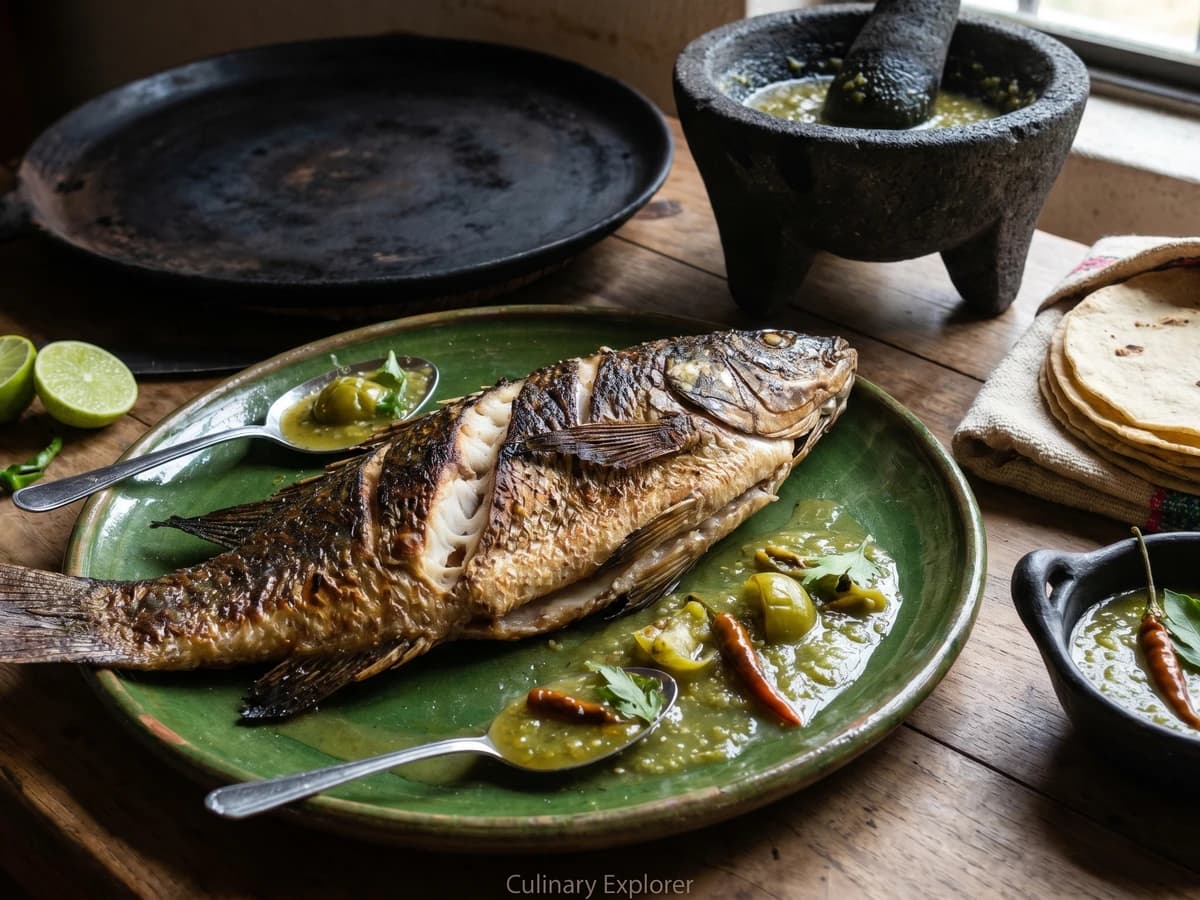
Michoacán's Lake Pátzcuaro acúmara, a whole kurucha from the lago tatemada on a comal de leña and served with chile perón atápakua, corn tortillas, and P'urhépecha discipline.

Chef Lupita
Michoacán's Meseta P'urhépecha wedding mole, built in Zacán with becerro, tatemado chile ancho and guajillo, toasted seeds, and manteca until the sauce turns dark, glossy, and serious.

Chef Lupita
Michoacán's Lake Pátzcuaro white fish, cleaned whole, salted, dusted with flour, and fried over leña until the skin crisps while the flesh stays pearly, served with chile perón salsa and warm corn tortillas.

Chef Lupita
Michoacan plaza-style chicken fried in manteca de cerdo, set over guajillo-stained enchiladas placeras with papa, zanahoria, queso Cotija, and the plain authority of comida de mercado.

Chef Lupita
Michoacán's Lake Pátzcuaro fish, butterflied and salted with limón, epazote, and sal de grano, then grilled over hardwood carbón until the skin crisps and the flesh stays pearly.
Chef Lupita
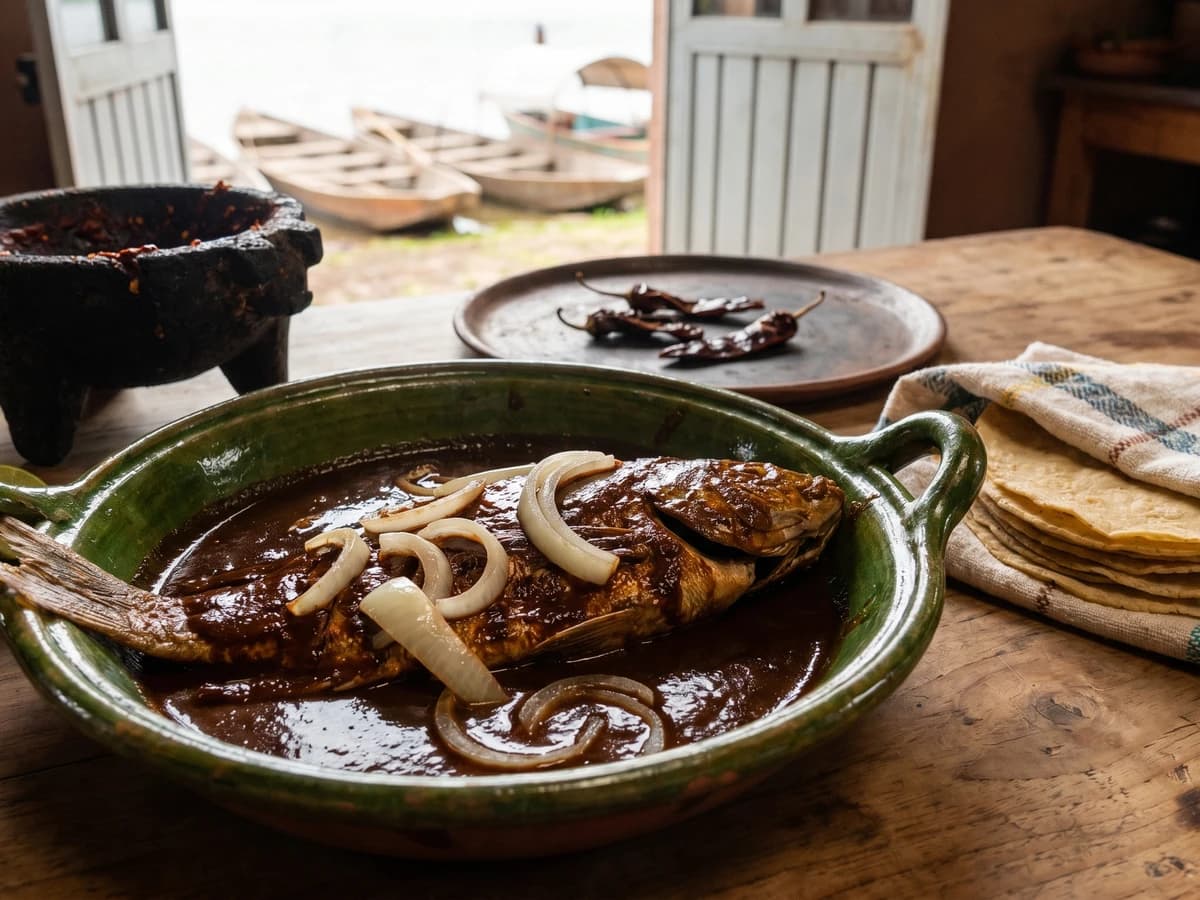
Michoacan's Lake Patzcuaro pescado blanco, called kurucha at the shore, bathed in toasted chile mulato, ajo, cominos, and raw cebolla before the cazuela goes to the oven.

Chef Lupita
Michoacán's P'urhépecha chicken plate, built with guajillo, ancho, tomato, epazote, and fresh masa, served over rice the way cocineras in Cocucho and Uruapan set it down for supper.

Chef Lupita
Michoacán's Meseta P'urhépecha mole rojo, lamb braised until tender in toasted ancho, guajillo, pasilla, sesame, and manteca, the fiesta pot Zacán's cocineras serve with rice and guacamole.
Culinary guides, cultural storytelling, and the editorial depth that makes cooking meaningful.
Discover Culinary ExplorerChef Lupita is a fictional culinary guide to Regional Mexican Cuisine, written with the assistance of AI.