
Chef Lupita
Camote Poblano
Puebla's soft sweet potato candy, cooked down with cane sugar and fruit essence, hand-rolled into logs, and finished with the thin sugar crust of the city's old convent sweets.

Updated May 27, 2026
The dulcería of the convento poblano and the postre table of the Valley of Mexico. Camote poblano and jamoncillo de pepita from Santa Clara, alegrías de amaranto from Tulyehualco, capirotada de agua for Cuaresma, calabaza en tacha for Día de Muertos, the garibaldi born at El Globo, and the nieves de garrafa of Tepoztlán and Xochimilco. From Puebla, CDMX, Tlaxcala, Hidalgo, Morelos, and the Estado de México.
A cooking platform built around craft, culture, and the stories behind what we eat.
Chef Lupita
Puebla's soft sweet potato candy, cooked down with cane sugar and fruit essence, hand-rolled into logs, and finished with the thin sugar crust of the city's old convent sweets.
Chef Lupita
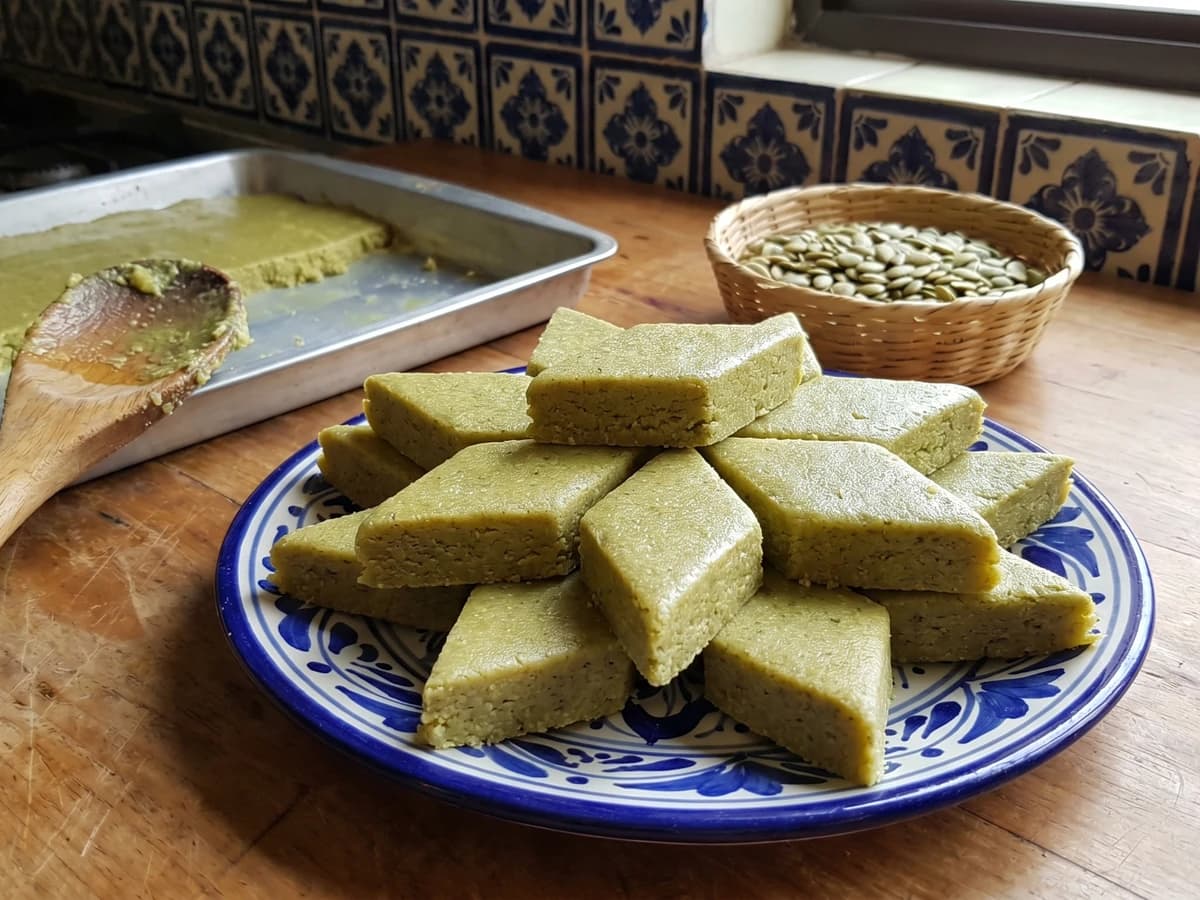
Puebla's convent candy of ground pumpkin seed, milk, and sugar, cooked until the paste pulls from the copper pot and sets into pale green squares with serious patience.

Chef Lupita
Puebla's little drunks are tender cornstarch-and-sugar candies perfumed with rompope or fruit liqueur, cut small, rolled in sugar, and served on Talavera when the house is celebrating.
Chef Lupita
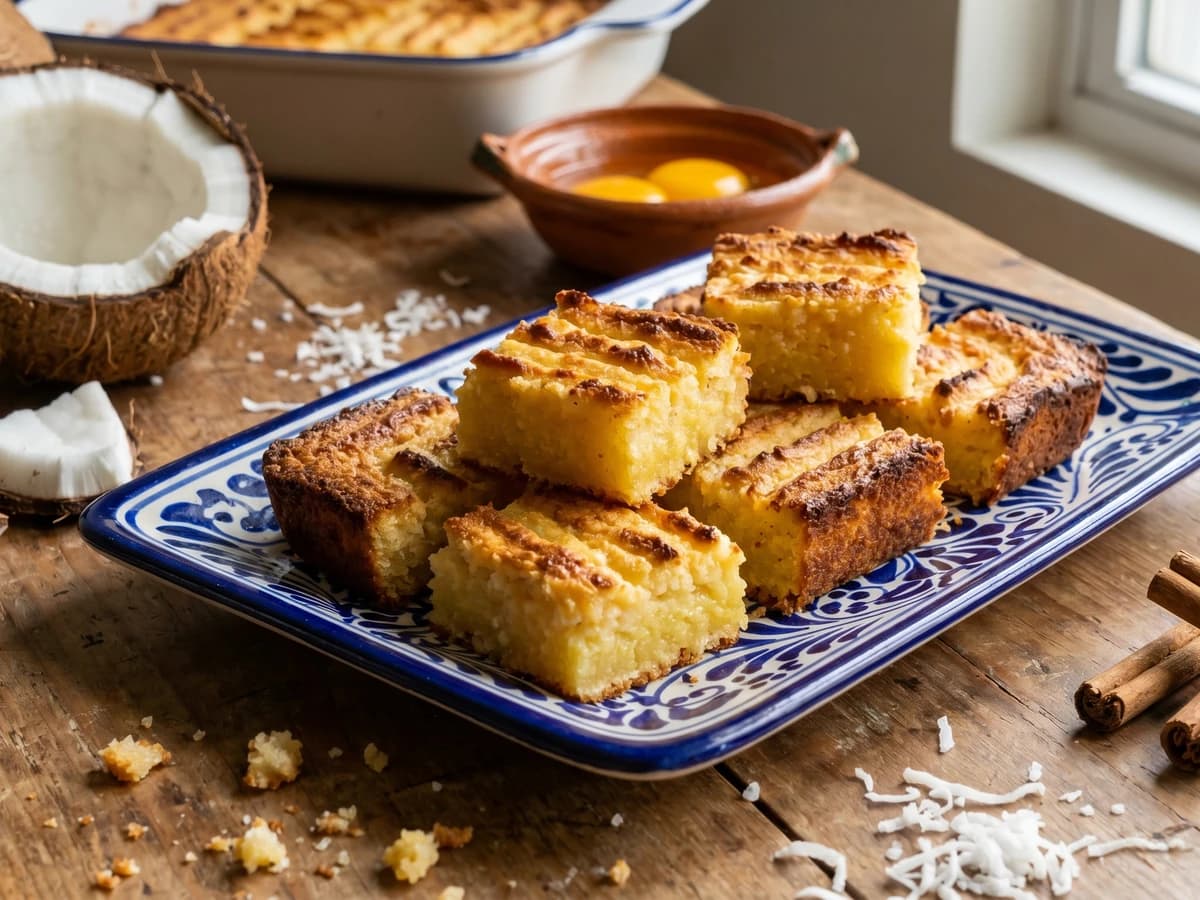
Puebla's convent-style baked coconut candy, cooked with milk, sugar, canela, and egg yolks before the oven gives it golden edges and a crisp top.
Chef Lupita
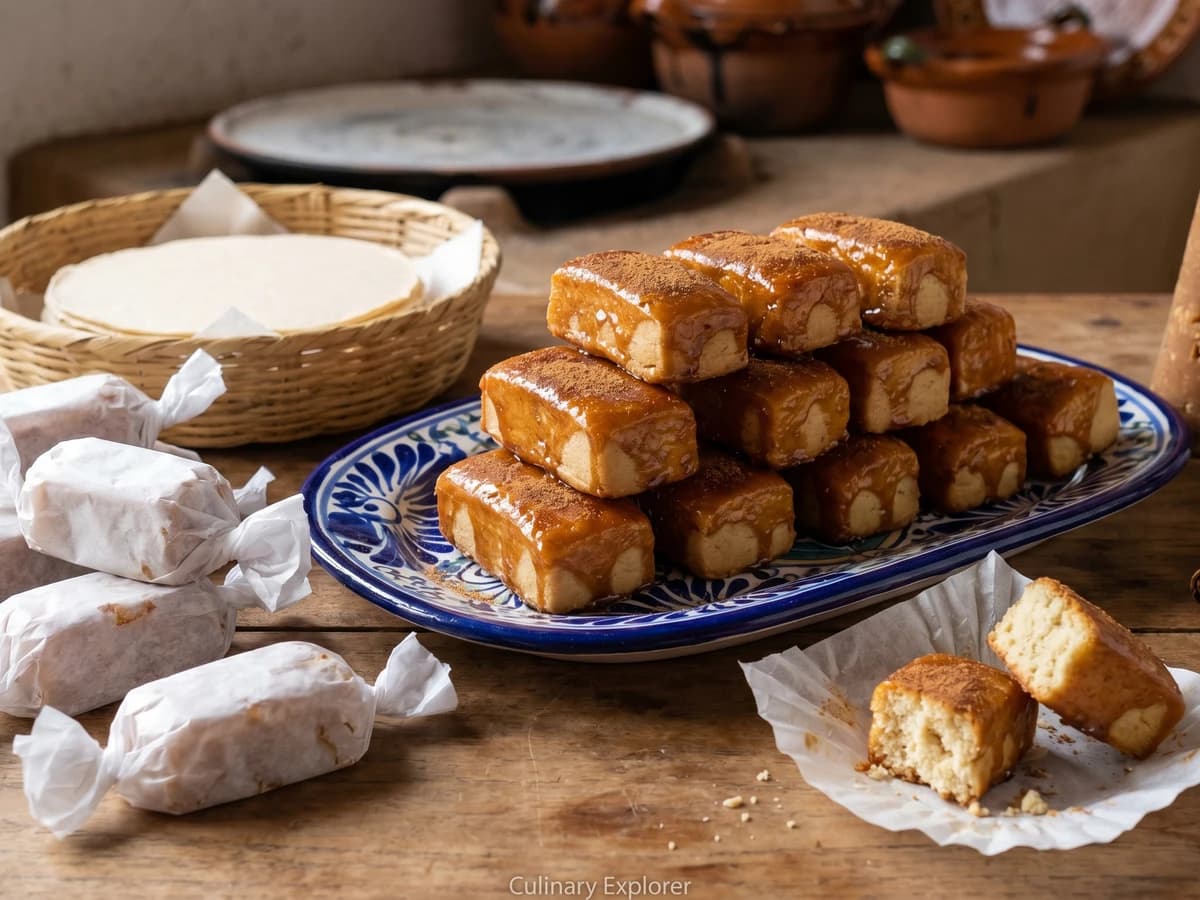
Tlaxcala's eastern-slope sweet, baked not fried, built from anise-scented wheat dough, manteca de cerdo, piloncillo syrup, cinnamon, and crisp oblea from the Huamantla panaderías that guard it through Cuaresma.

Chef Lupita
Ciudad de México's Tulyehualco alegría is popped huautli folded into piloncillo honey, pressed with peanuts, pepitas, and raisins, then cut into the rectangular bars that built a pueblo's identity.
Chef Lupita
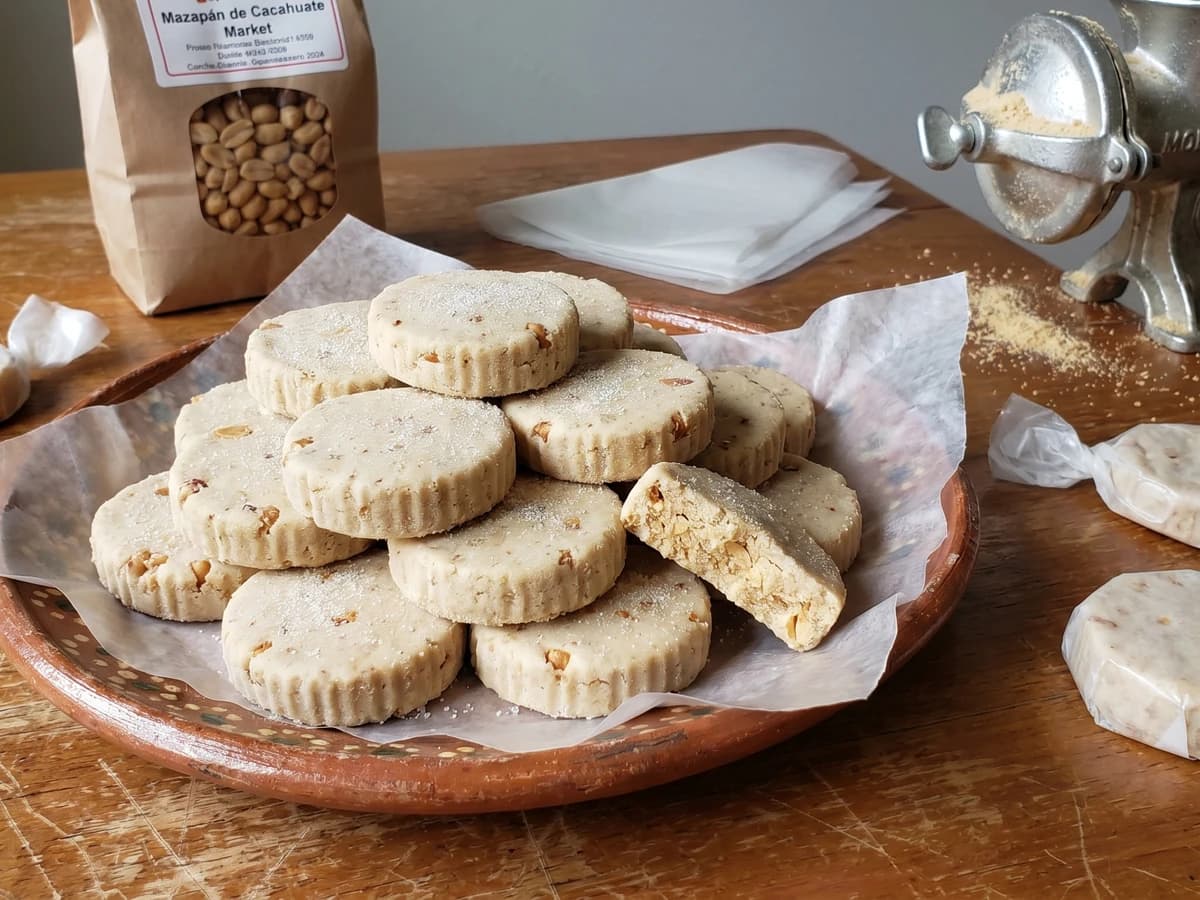
Jalisco's market-counter mazapan, built from roasted peanuts and azúcar glass, pressed hard into fragile discs that collapse under your fingers if you handle them like cookies.
Chef Lupita
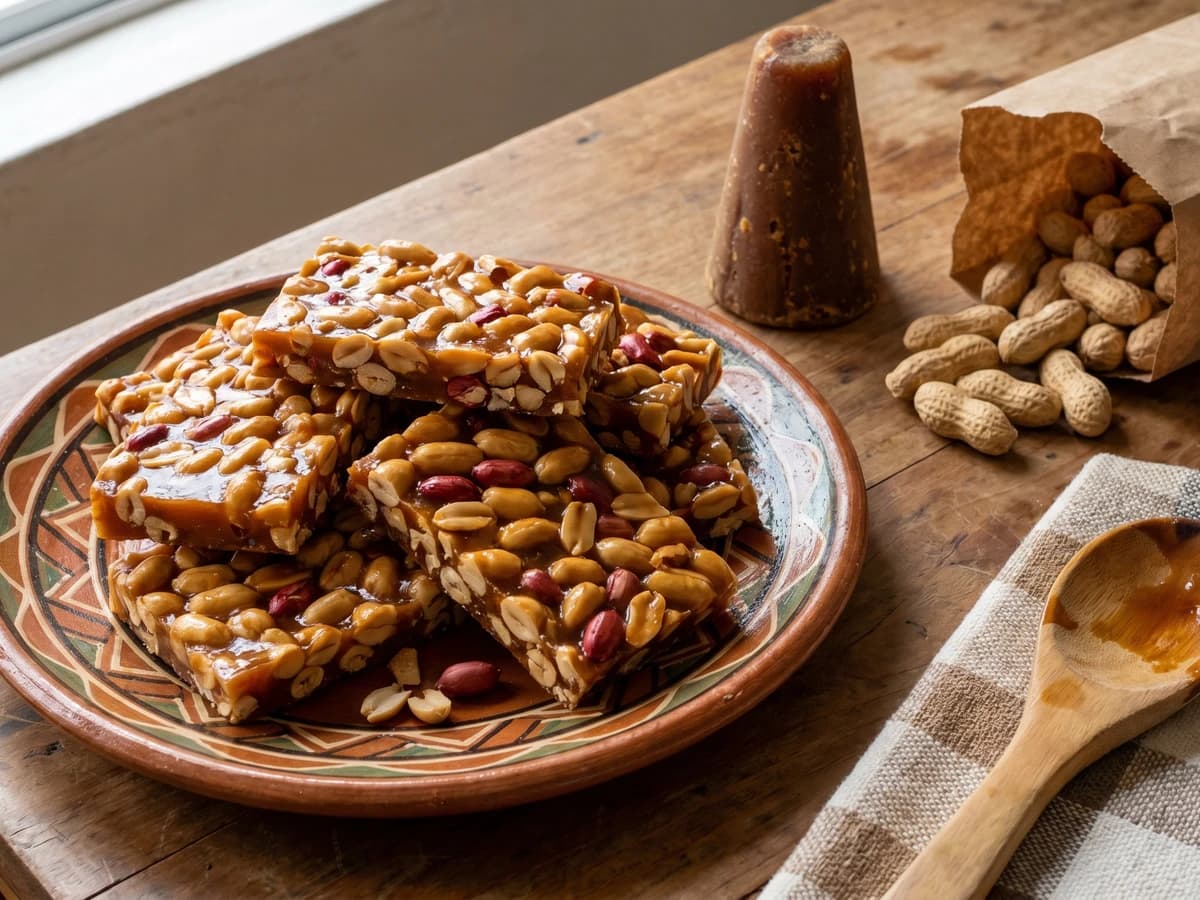
Hidalgo's feria brittle, built from toasted cacahuate, dark piloncillo, and a fast hand, the economical sweet that travels from Pachuca to Actopan wrapped in paper and snapped at the table.
Chef Lupita
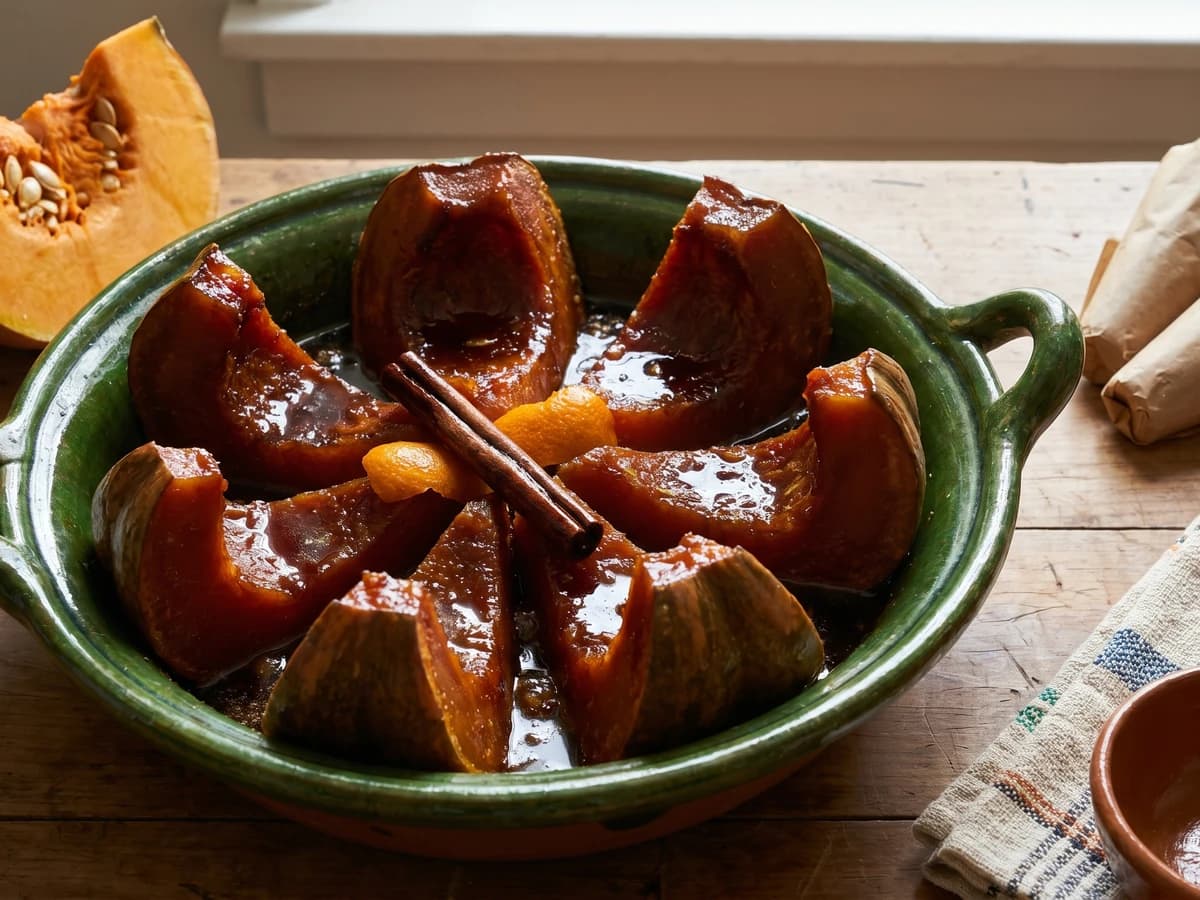
Estado de Mexico's Day of the Dead calabaza, slow-cooked in piloncillo syrup with cinnamon, clove, and orange until the rind softens and the flesh turns dark, glossy, and sweet.
Chef Lupita
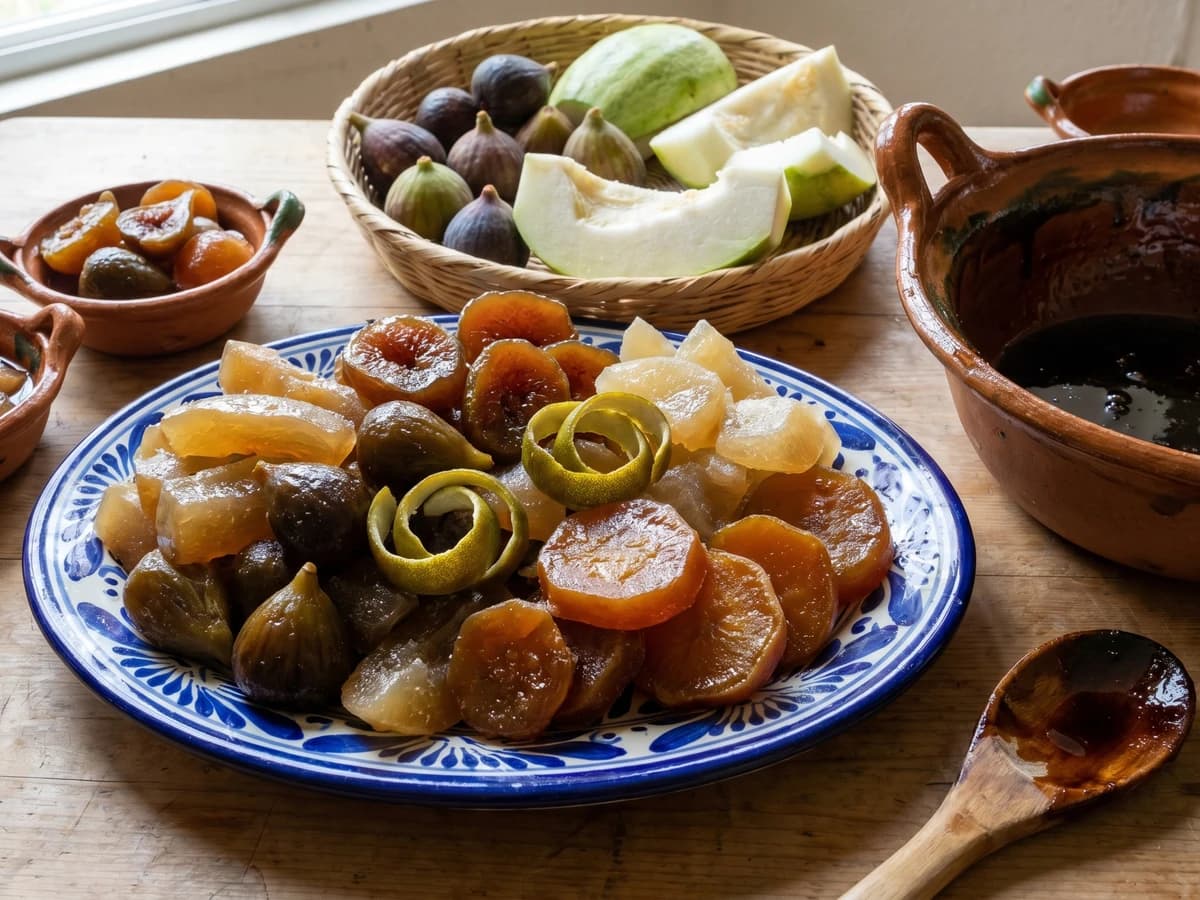
Xochimilco's old candy craft: fruit firmed with cal, simmered in syrup, and rested over days until figs, chilacayote, and camote turn glossy and translucent.
Chef Lupita
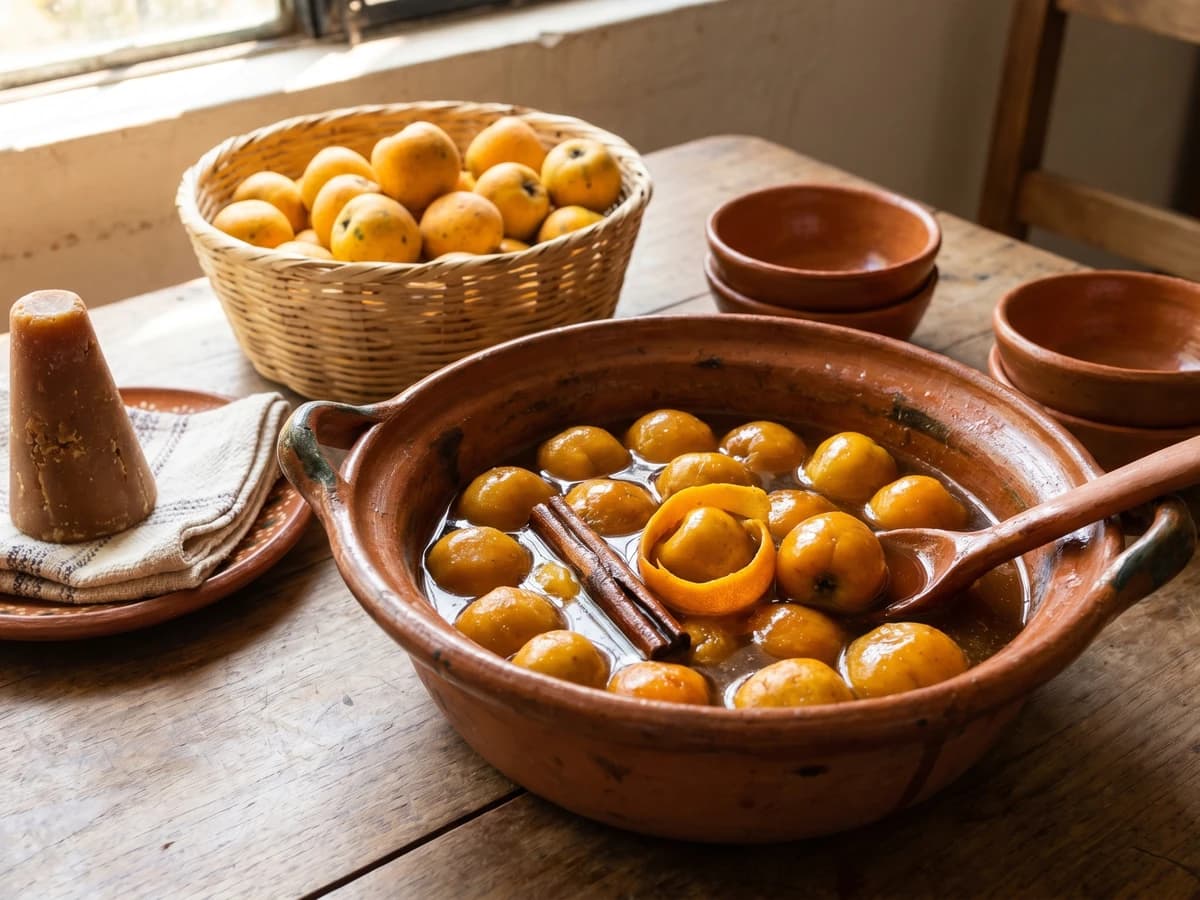
Puebla's Christmas tejocotes, from the cold slopes near San Andrés Calpan, simmered whole in piloncillo, canela, clove, and orange until the fruit turns tender and amber.
Chef Lupita
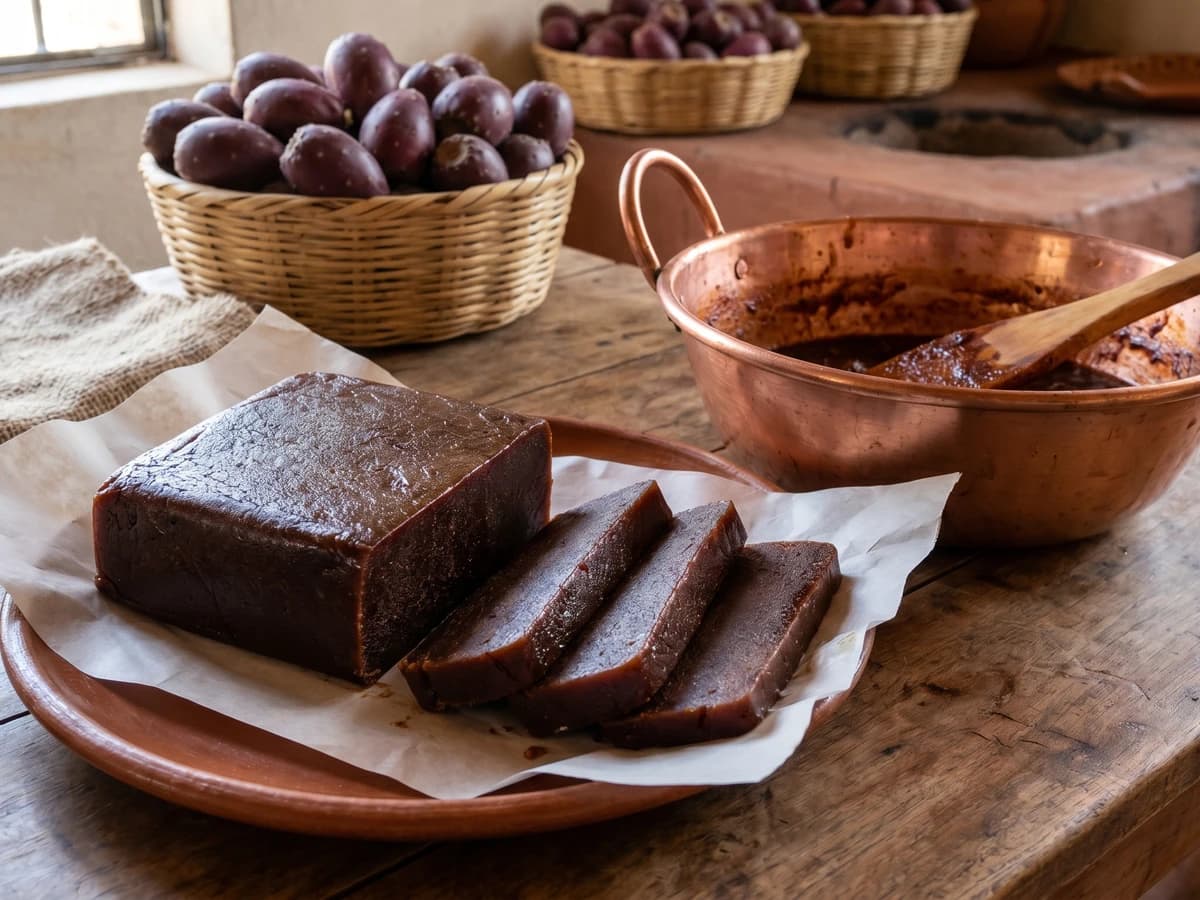
In Hidalgo's Mezquital Valley, tuna cardona juice is boiled in copper until it darkens, thickens, and sets into a sliceable candy called queso, though not a drop of milk ever enters the cazo.
Chef Lupita
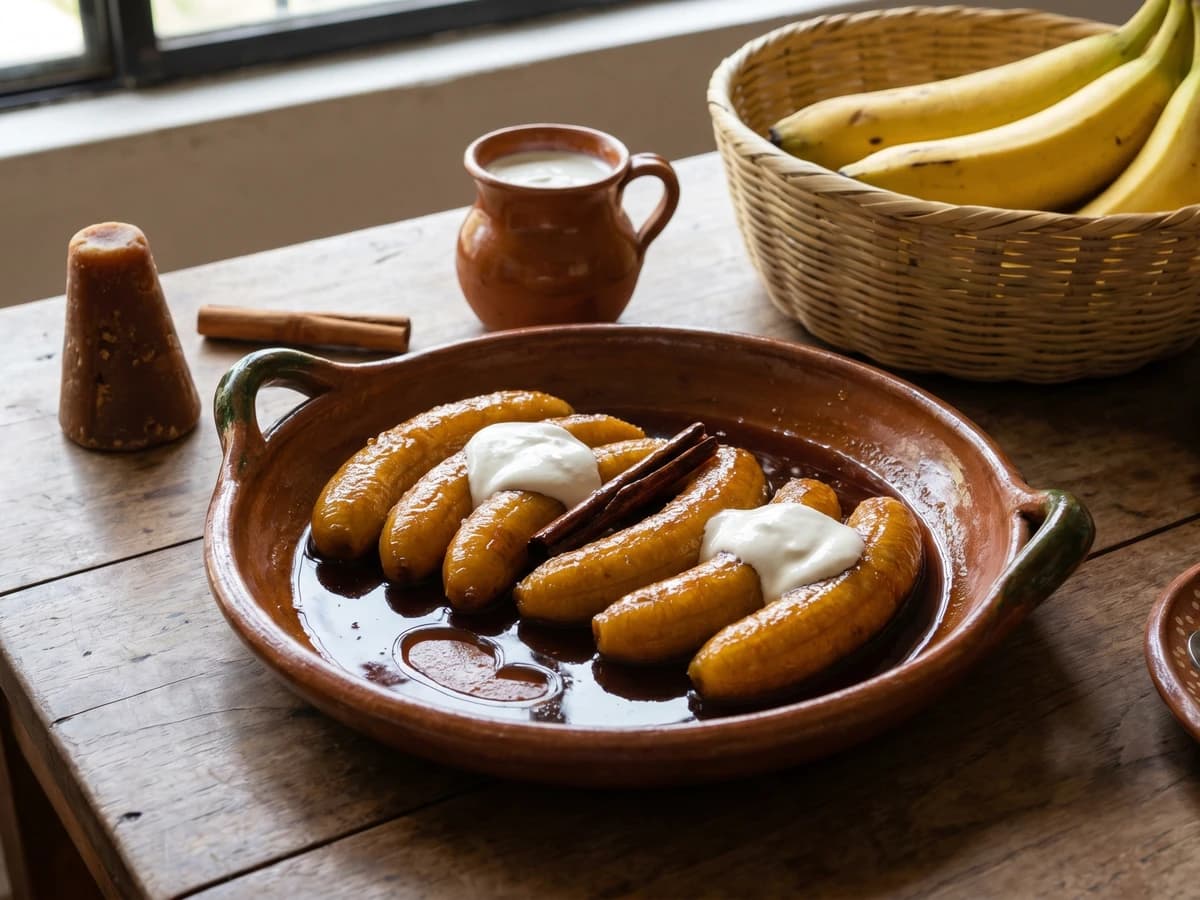
Morelos's rural sweet of whole plátano manzano baked under piloncillo and cinnamon syrup, touched with tequesquite, chilled until the syrup tightens, and served with crema.

Chef Lupita
Jalisco's capirotada de agua layers dry bolillo with piloncillo syrup, cinnamon, clove, raisins, peanuts, and salty aged cheese, the Lenten dessert that belongs to Friday kitchens.

Chef Lupita
Ciudad de México's everyday arroz con leche, built with long-grain rice, whole milk, Mexican canela, citrus peel, and patience until the spoon leaves a slow trail through the pot.
Chef Lupita
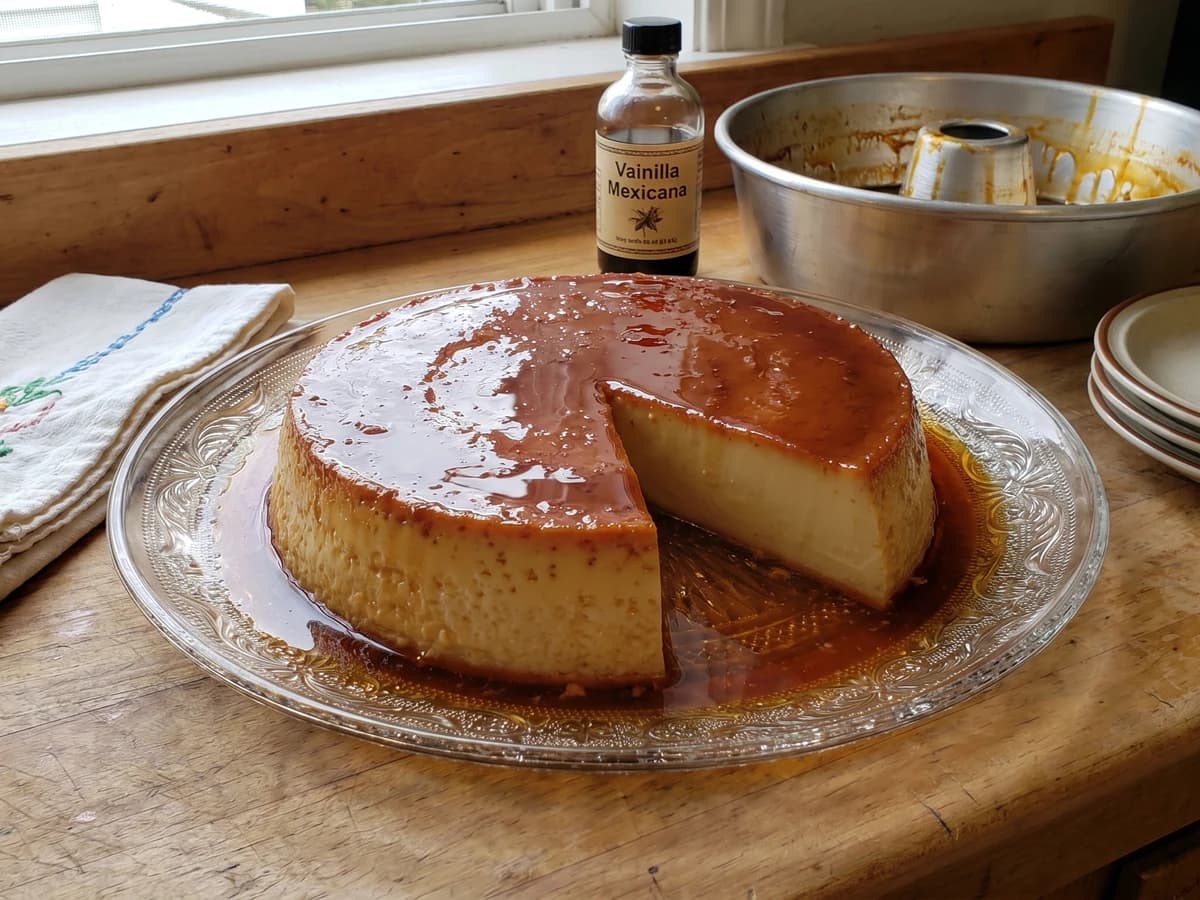
Ciudad de Mexico's celebration flan, dense from cream cheese and canned milks, baked in a water bath until it slices clean and carries a bitter amber crown of caramel.
Chef Lupita
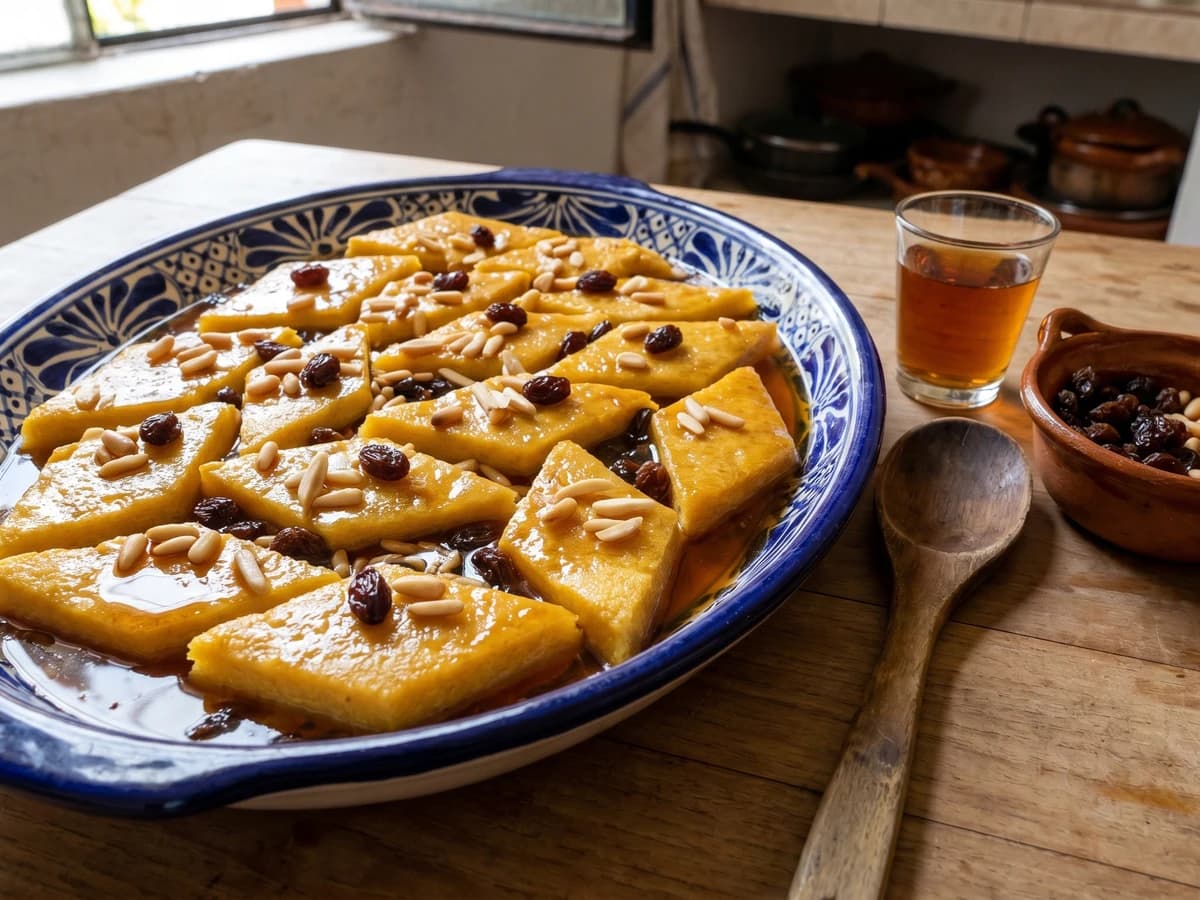
Puebla's baroque convent sweet of beaten egg yolks baked gently in a water bath, cut into diamonds, and soaked with canela sherry syrup until every piece turns rich, perfumed, and ceremonial.
Chef Lupita
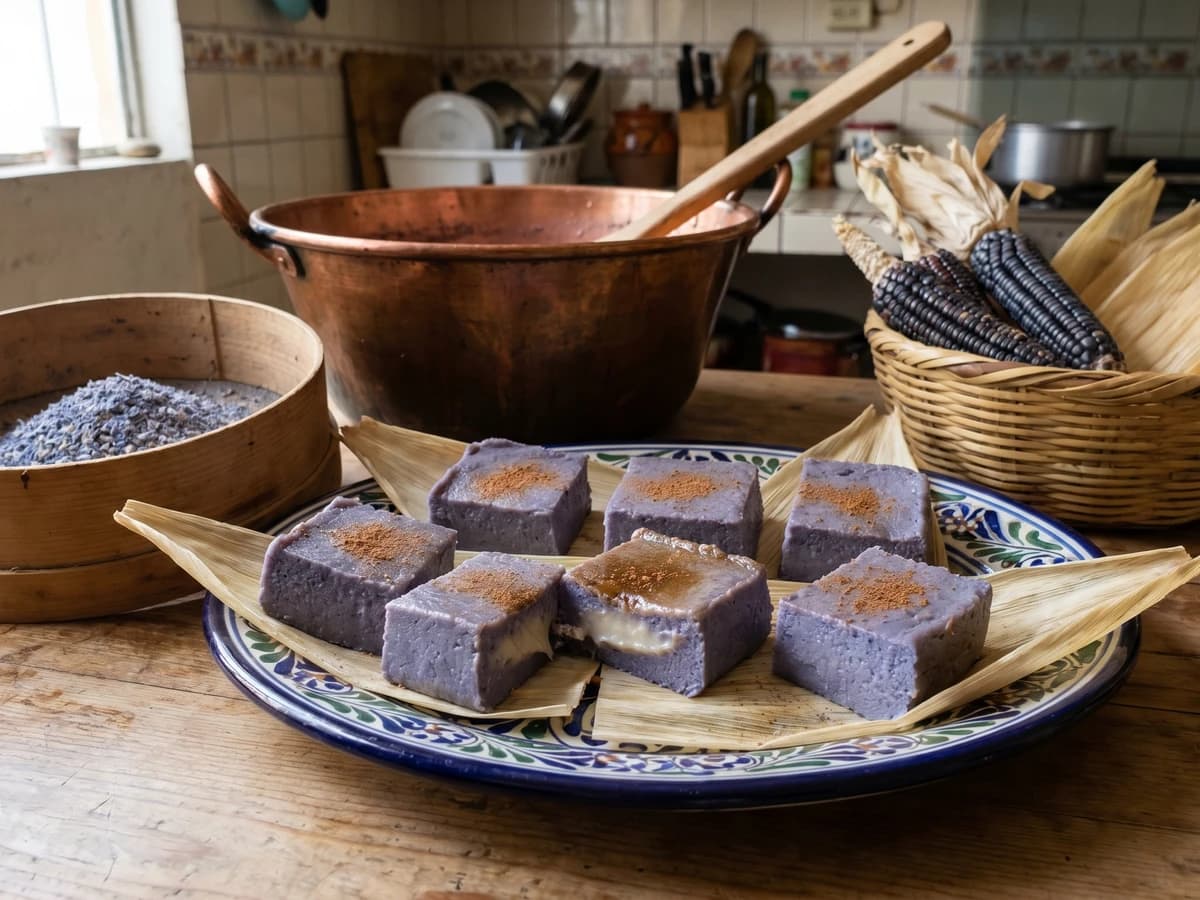
Puebla and Tlaxcala's Day of the Dead punche, a blue corn cuajado cooked like thick atole with milk, canela, and azahar, then cooled firm and cut on corn husks.
Chef Lupita
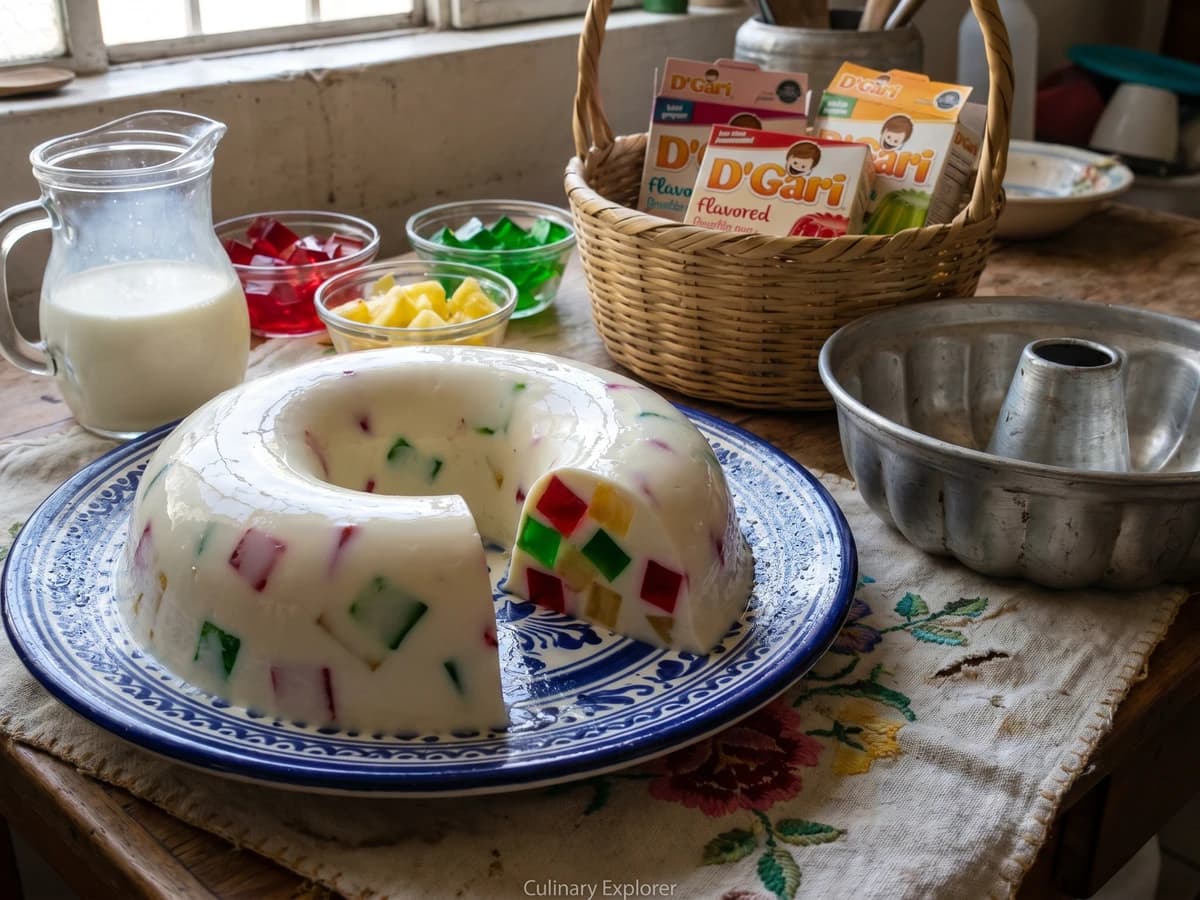
Ciudad de Mexico's birthday-table gelatin, built from jewel-colored fruit cubes and a creamy milk base, the cold dessert every aunt brings because it feeds many and disappears fast.
Chef Lupita
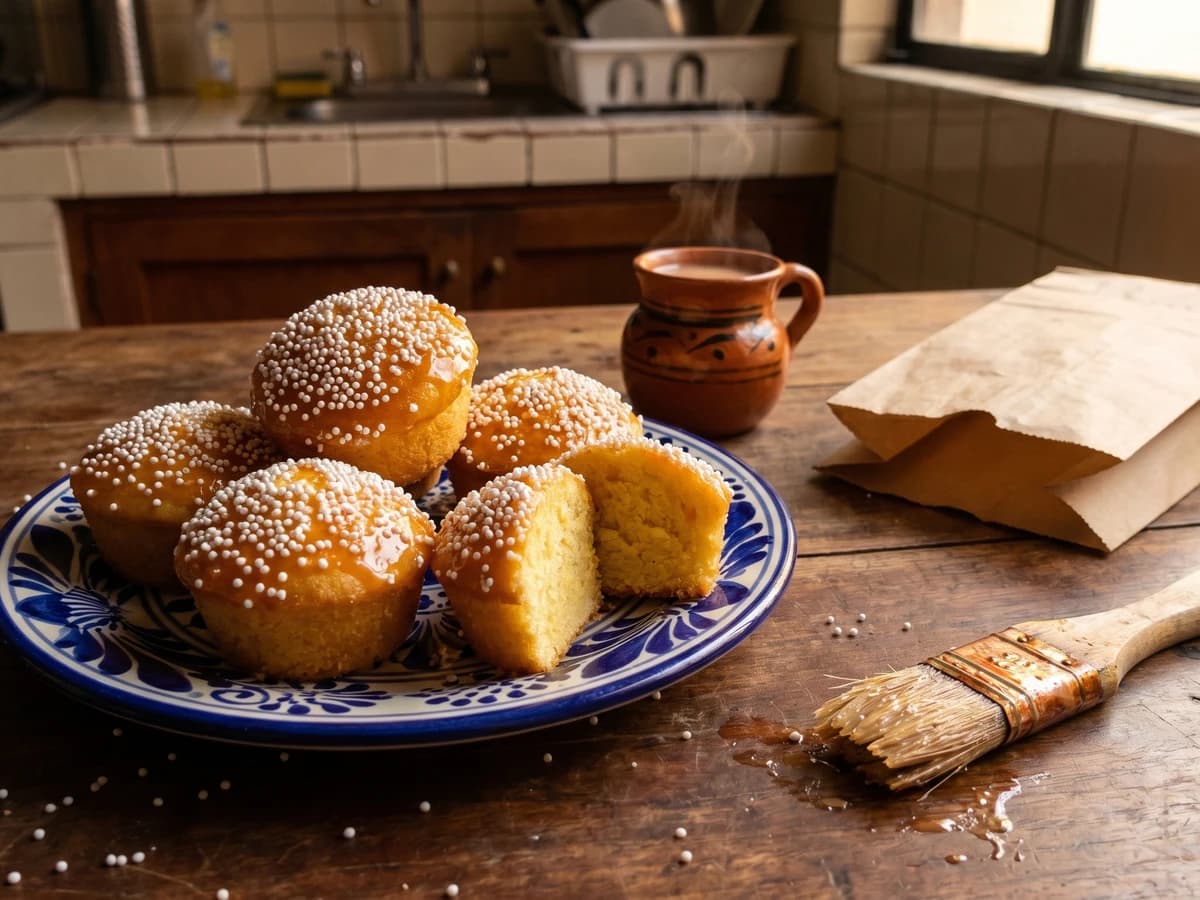
Ciudad de México's merienda cake, born in the old panaderías: tender butter crumb, apricot glaze, and white gragea that sticks to your fingers.
Chef Lupita
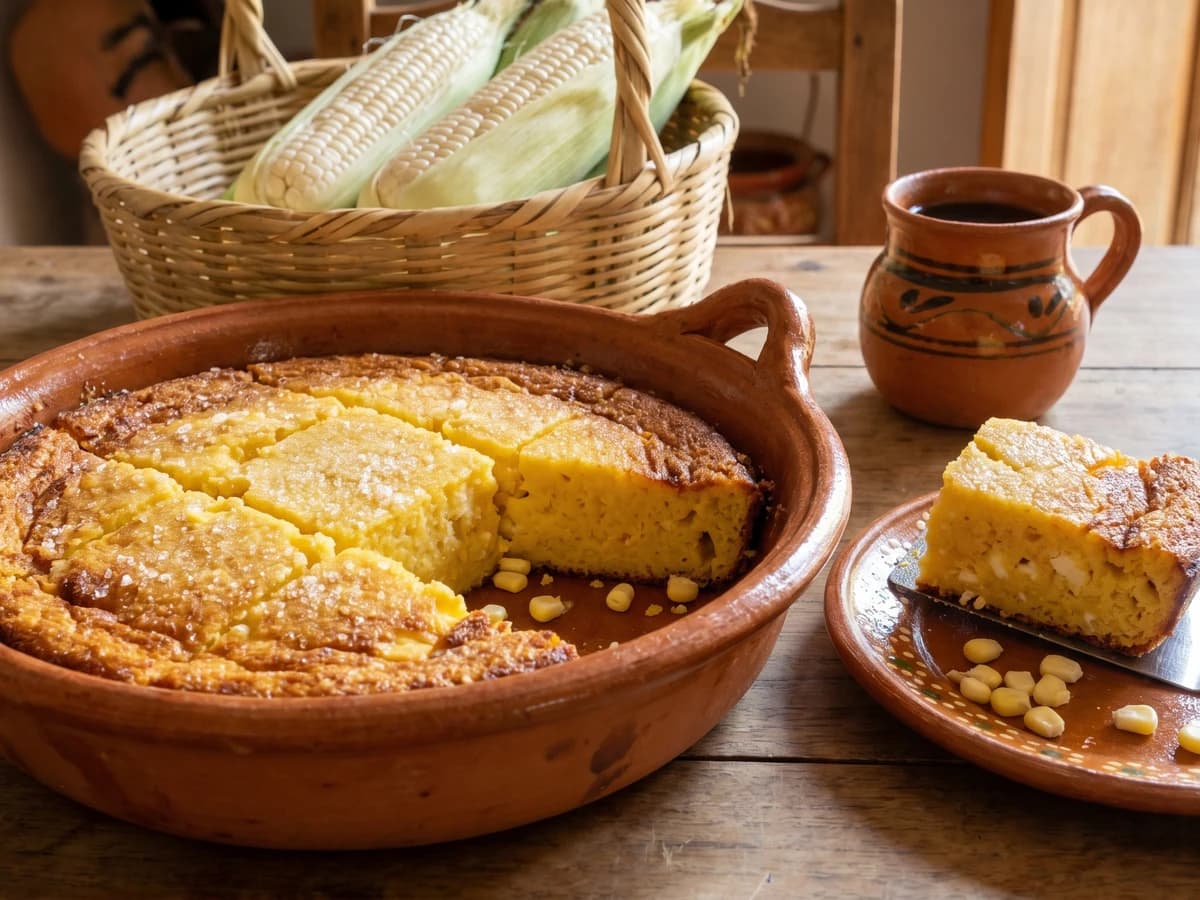
Morelos gives you pastel de elote from Tepoztlan, a dense fresh-corn cake baked until golden at the edges and custardy in the center. Not American cornbread. Learn the difference.
Chef Lupita
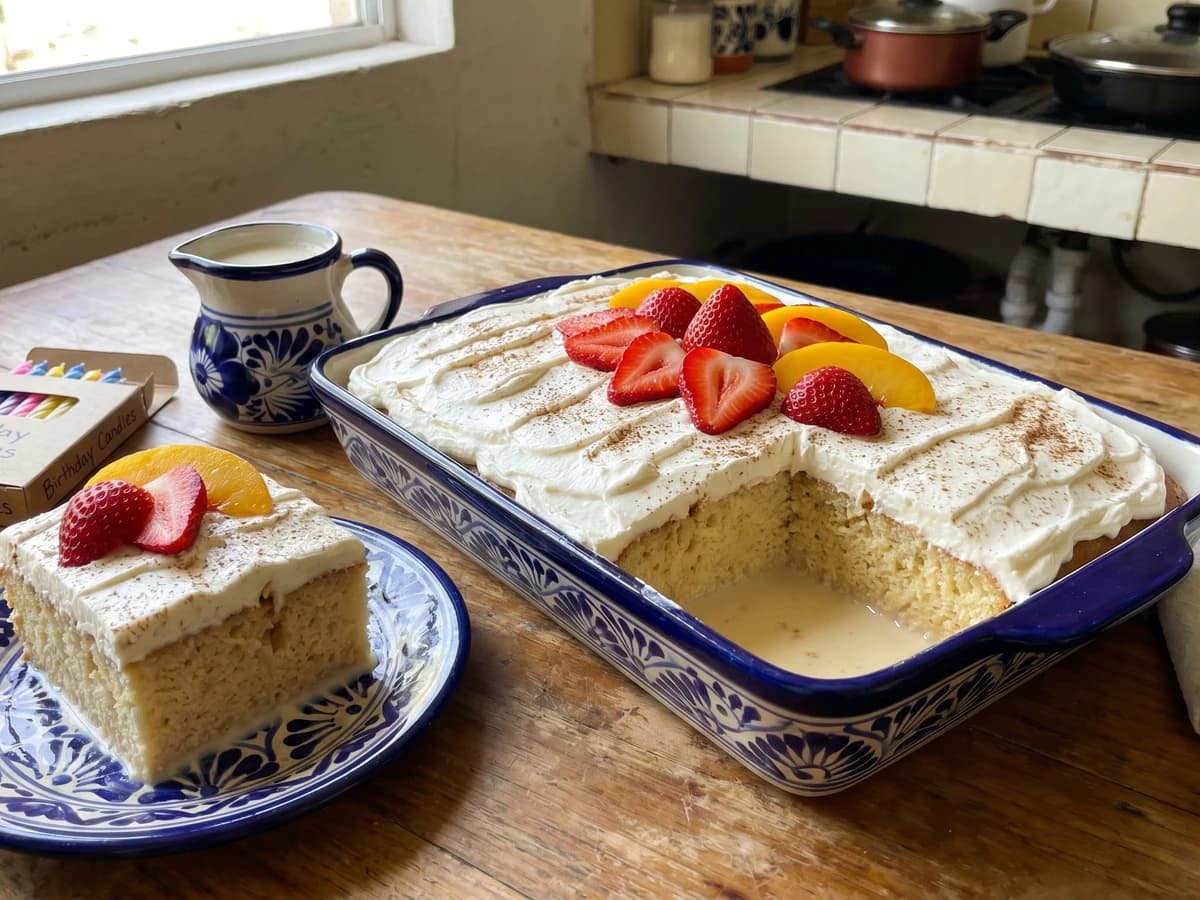
Ciudad de Mexico's celebration cake, a light sponge drenched with condensed milk, evaporated milk, and cream until every crumb is soaked but the cake still stands.
Chef Lupita
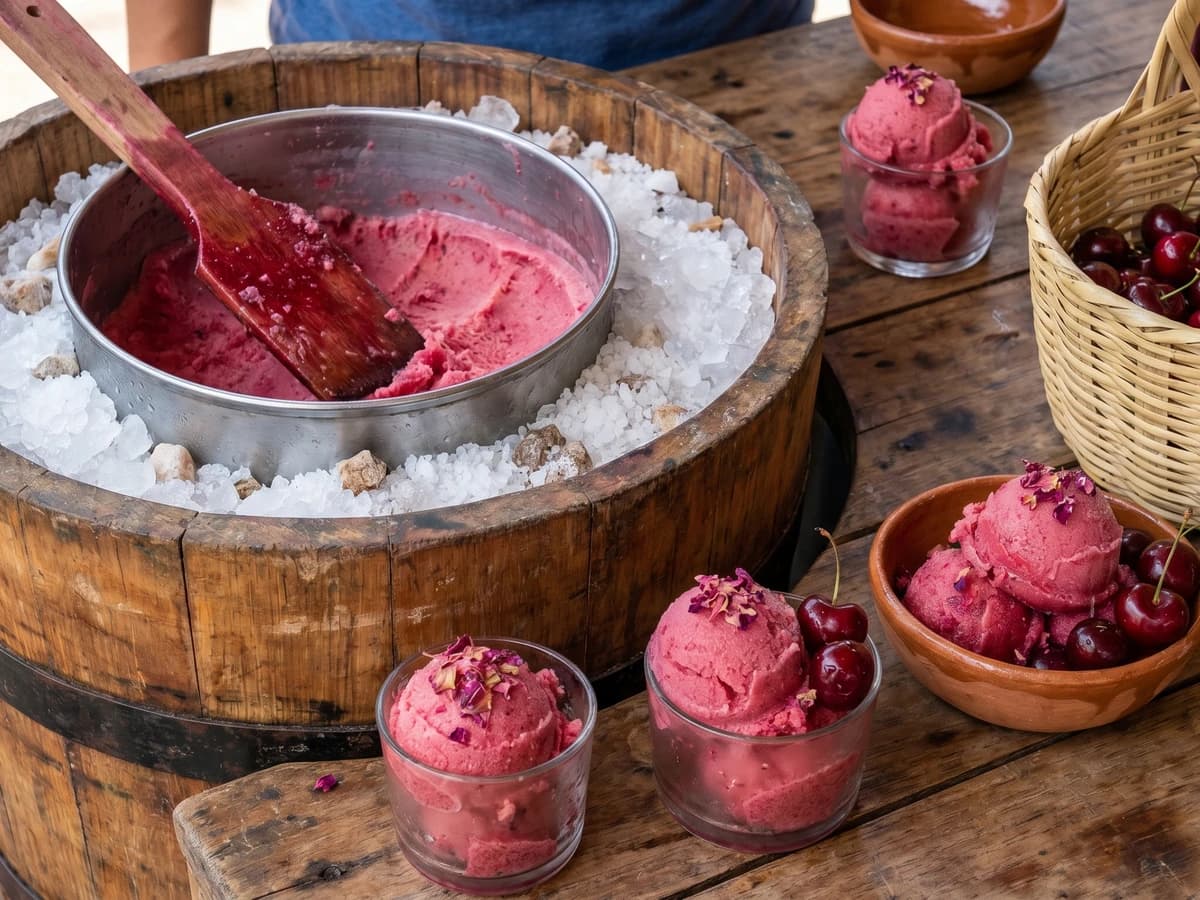
Tepoztlan's wooden-garrafa nieve, hand-churned over ice and salt until cherry and rose turn into a cold, floral scoop that belongs to the mercado, not a factory.
Chef Lupita
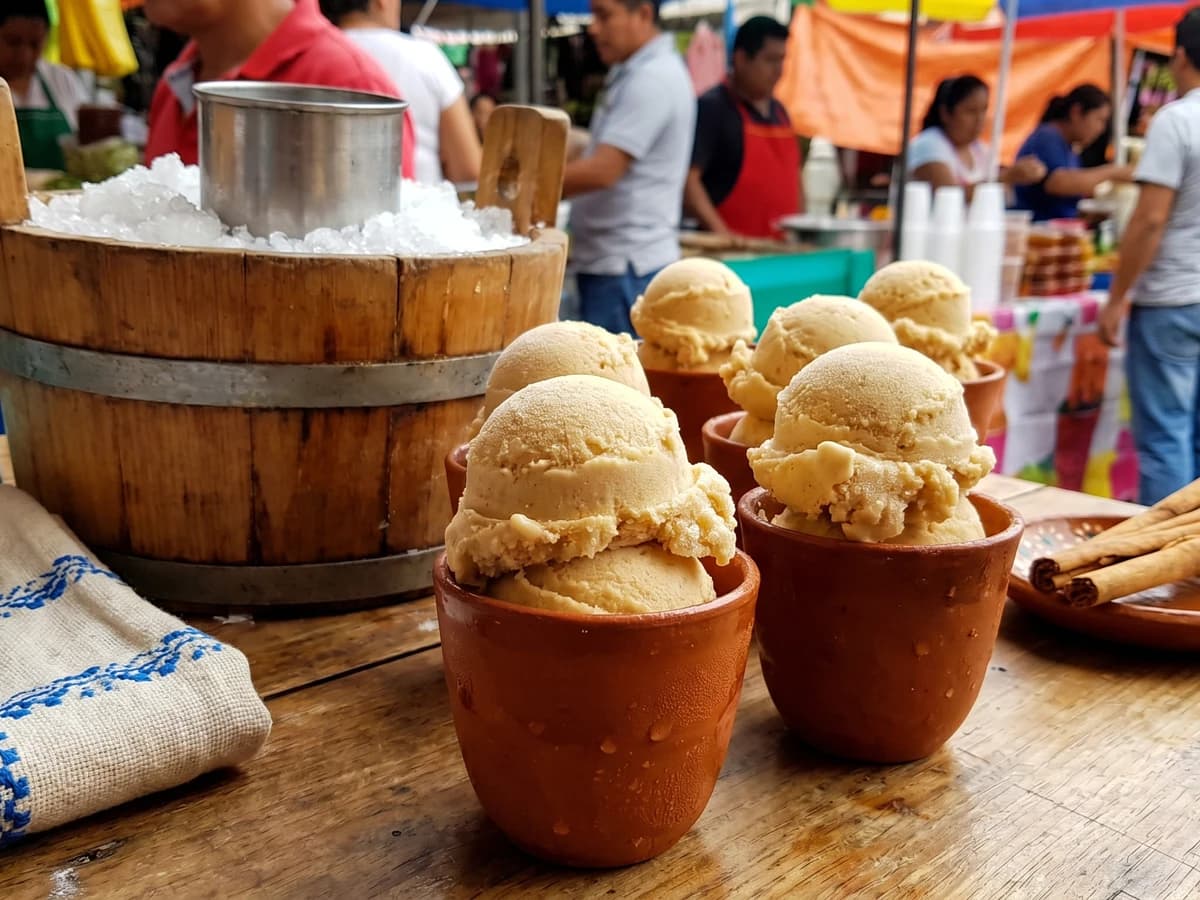
Ciudad de México's Xochimilco sweet, from Santiago Tulyehualco's garrafa tradition: milk cooked until toasted gold with canela, then hand-churned over ice and salt until scoopable but still light.
Culinary guides, cultural storytelling, and the editorial depth that makes cooking meaningful.
Discover Culinary ExplorerChef Lupita is a fictional culinary guide to Regional Mexican Cuisine, written with the assistance of AI.