
Chef Graziella
Gnocco Fritto con Salumi
The golden, crackling fried bread of Emilia-Romagna, puffed hollow and light as air, served alongside paper-thin slices of prosciutto that melt against the warm dough.

Recipe Archive
Explore appetizers and snacks built for the first impression: crisp textures, generous dips, shareable bites, and small dishes that set the tone for the meal.
1088 recipes
A cooking platform built around craft, culture, and the stories behind what we eat.
Chef Graziella
The golden, crackling fried bread of Emilia-Romagna, puffed hollow and light as air, served alongside paper-thin slices of prosciutto that melt against the warm dough.
Chef Dean
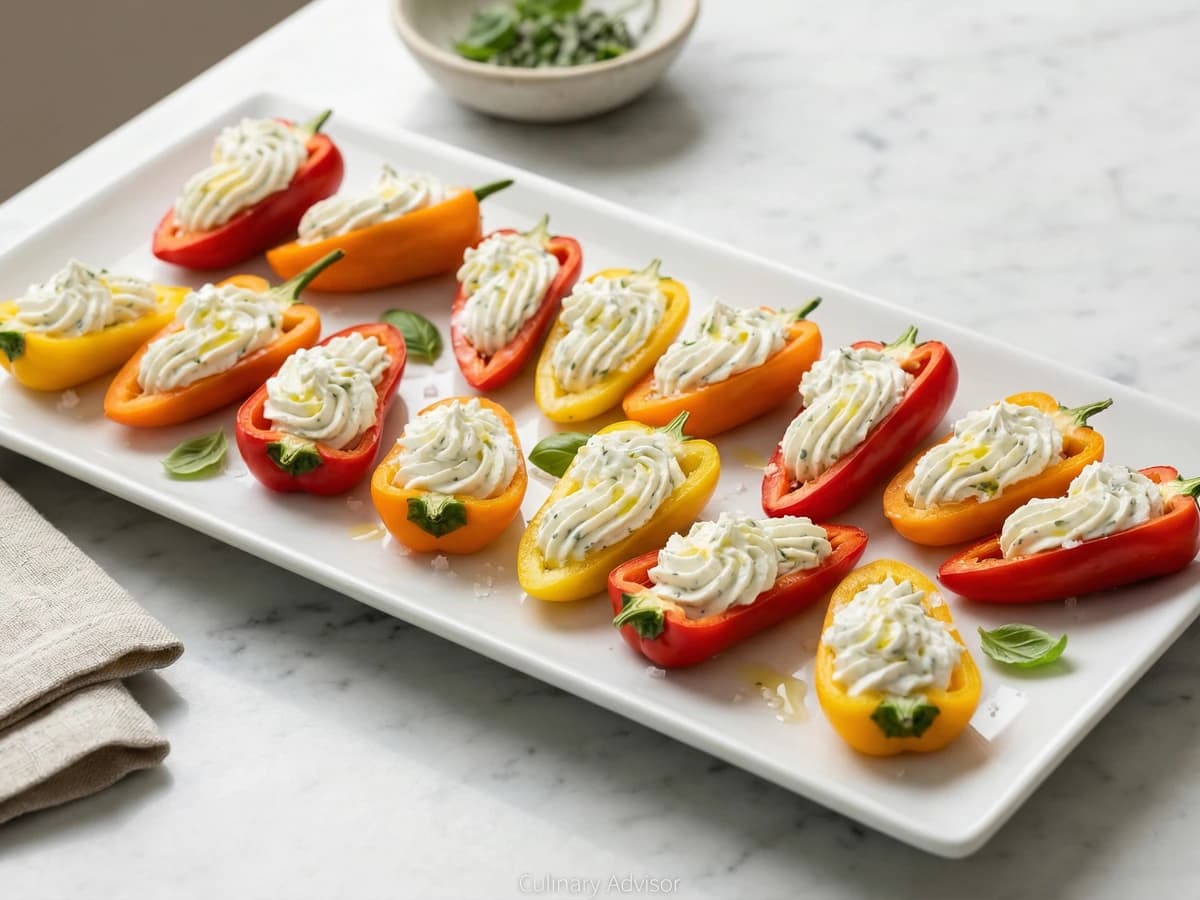
Vibrant mini peppers cradling clouds of herbed goat cheese, each bite delivering sweet crunch against tangy cream. The kind of appetizer that disappears first and gets requested again.

Chef Jeong-sun
Mild green chilies split and filled with a measured pork-tofu stuffing, coated in flour and egg, then pan-fried meat side down until the filling firms and the pepper stays bright.

Chef Jeong-sun
Mild green chilies split and packed with a careful pork-tofu filling, then battered and fried until crisp at the edges, the kind of market snack that belongs beside friends and cold drinks.
Chef Lupita
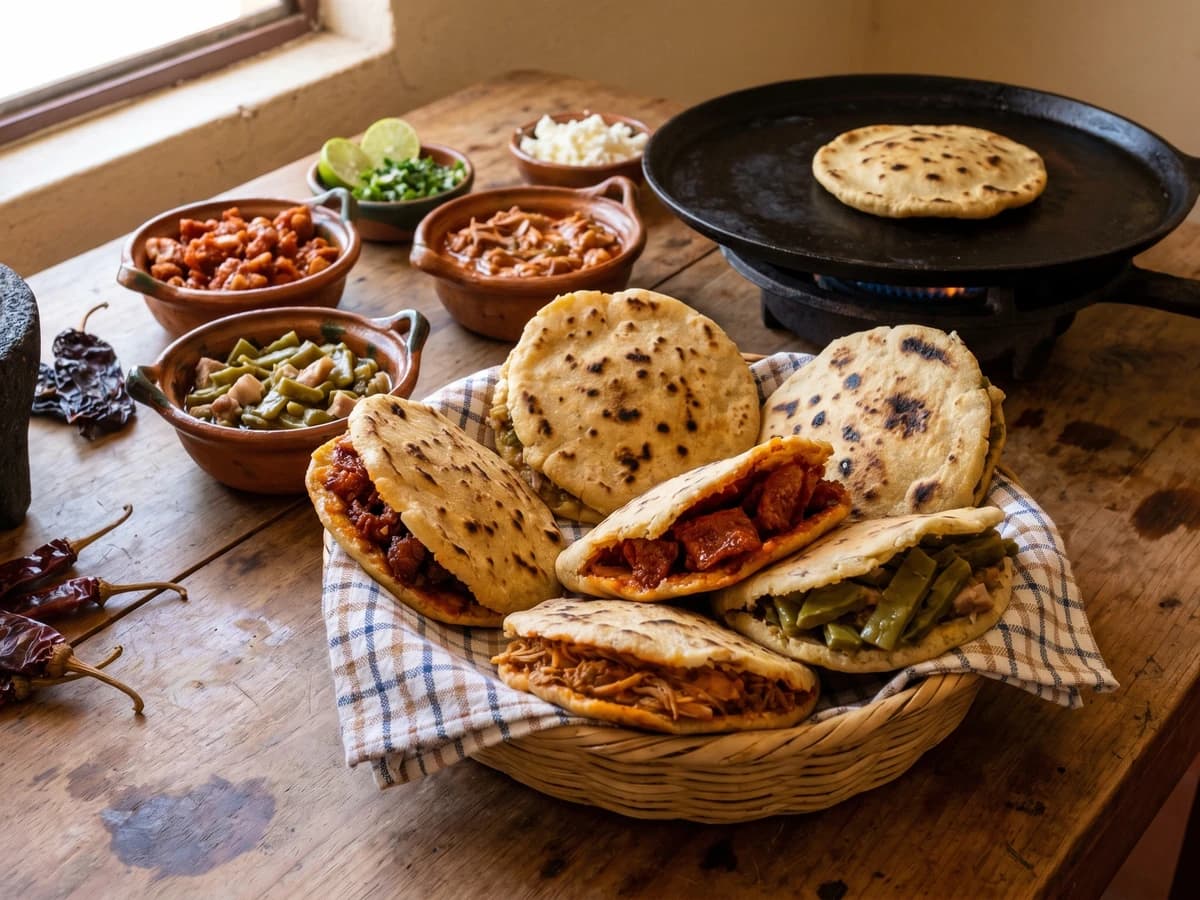
Aguascalientes gives Calvillo these thick corn gorditas, browned on the comal, opened while hot, and filled with guisos that belong to the market counter.
Chef Lupita
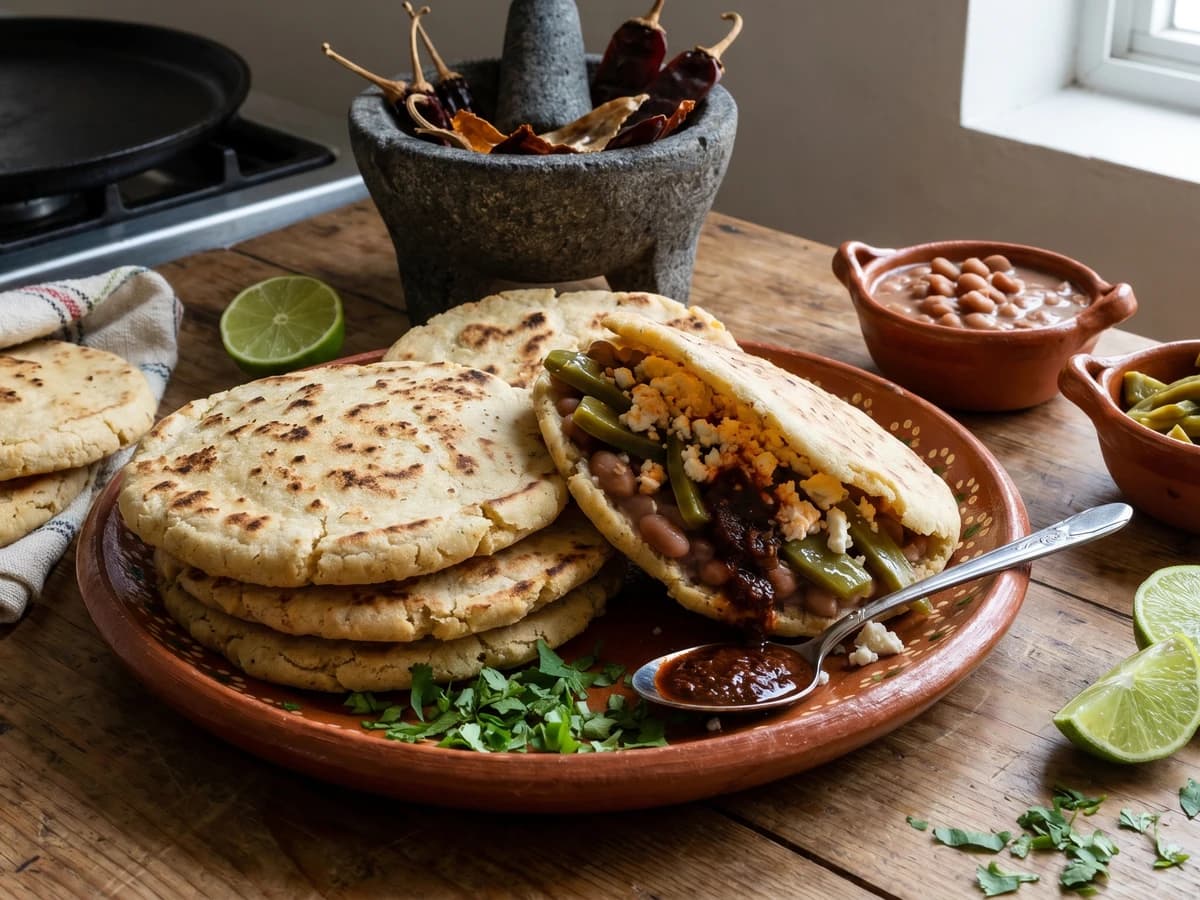
Querétaro's semidesert gordita from Tolimán, made with coarse nixtamal masa, cooked thick on a comal, and split open for frijoles con epazote, nopalitos in guajillo, and queso enchilado.
Chef Lupita
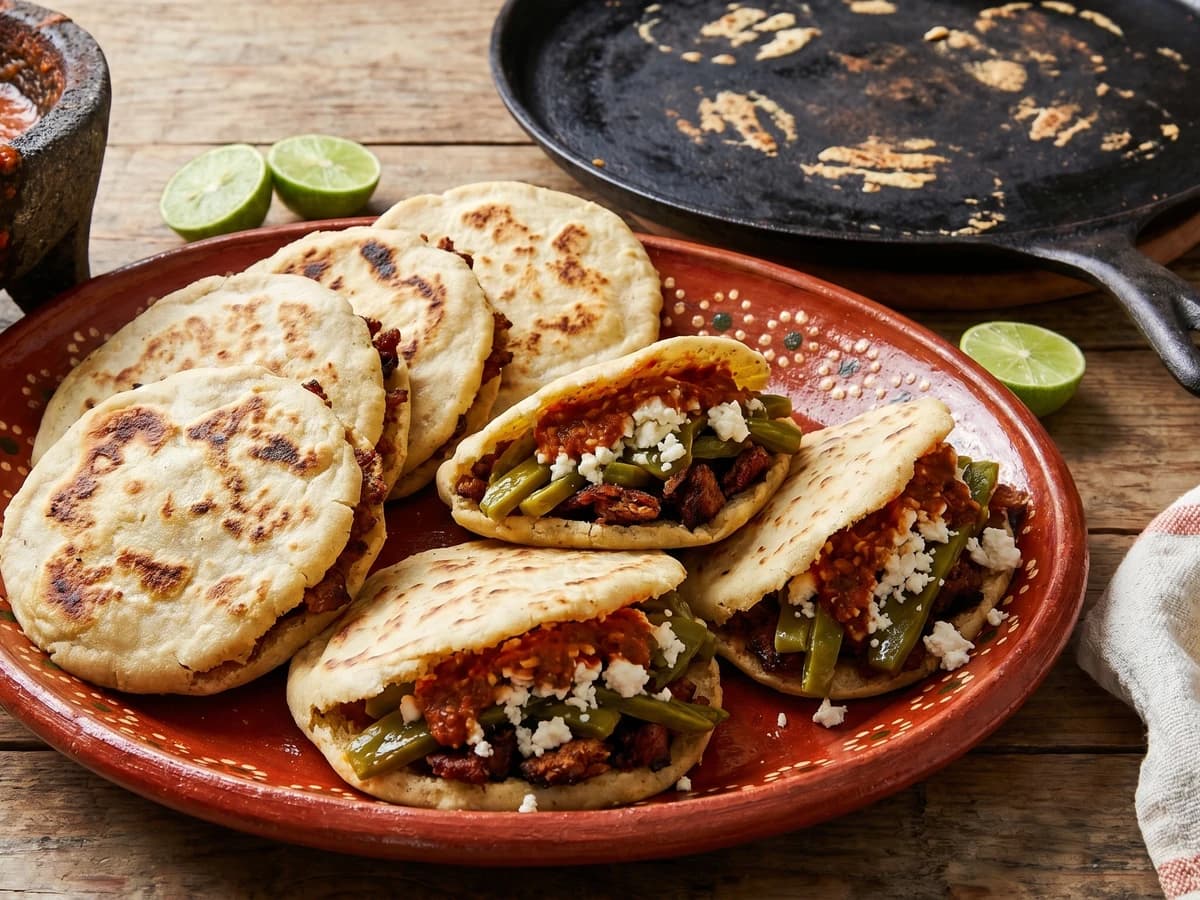
Querétaro's Mercado Escobedo gordita, a thick corn masa pocket packed with carnitas migajas, browned in manteca de cerdo, then opened for nopalitos, queso fresco, and a chile de árbol salsa.
Chef Lupita
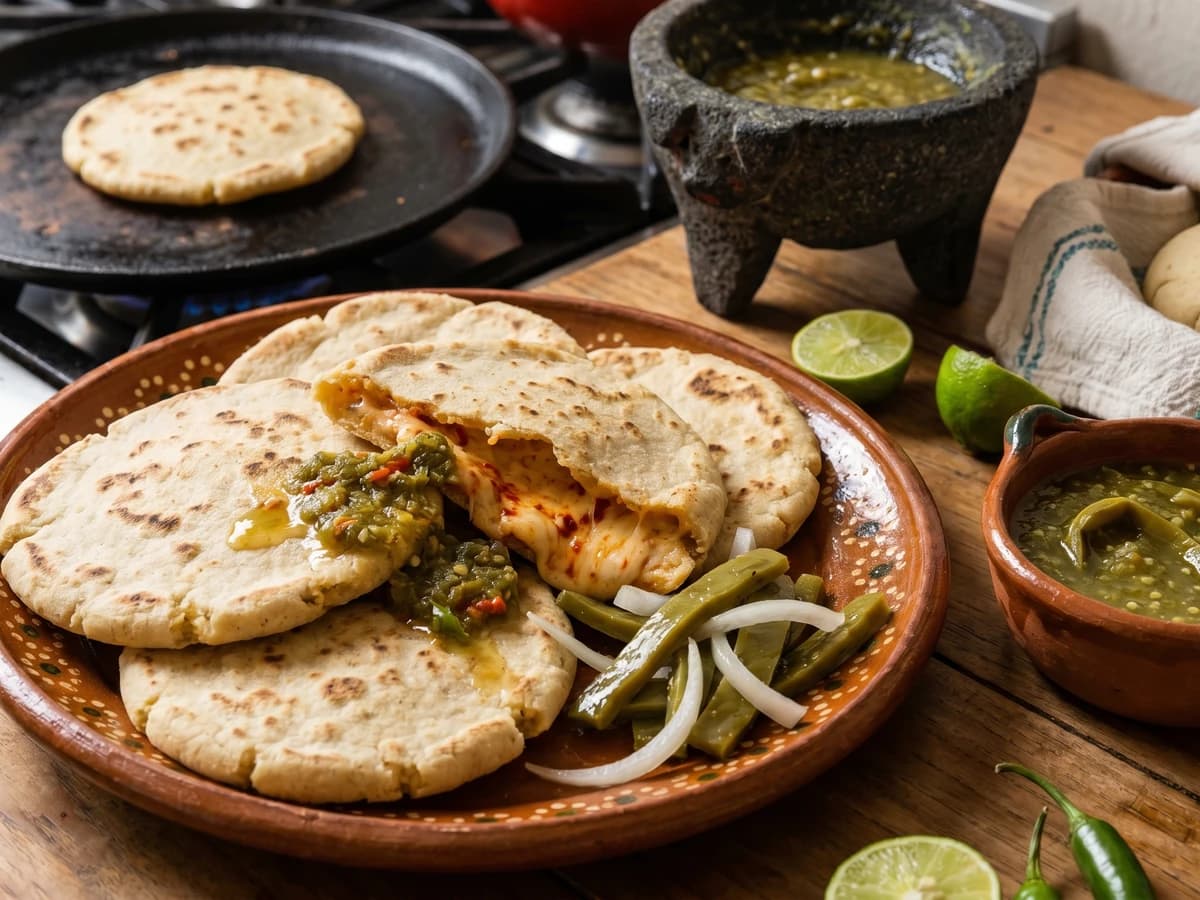
Querétaro's Colón gorditas are thick hand-pressed corn pockets filled with chile-rubbed local cheese, finished with manteca on the comal, and served with salsa martajada and nopalitos.
Chef Lupita
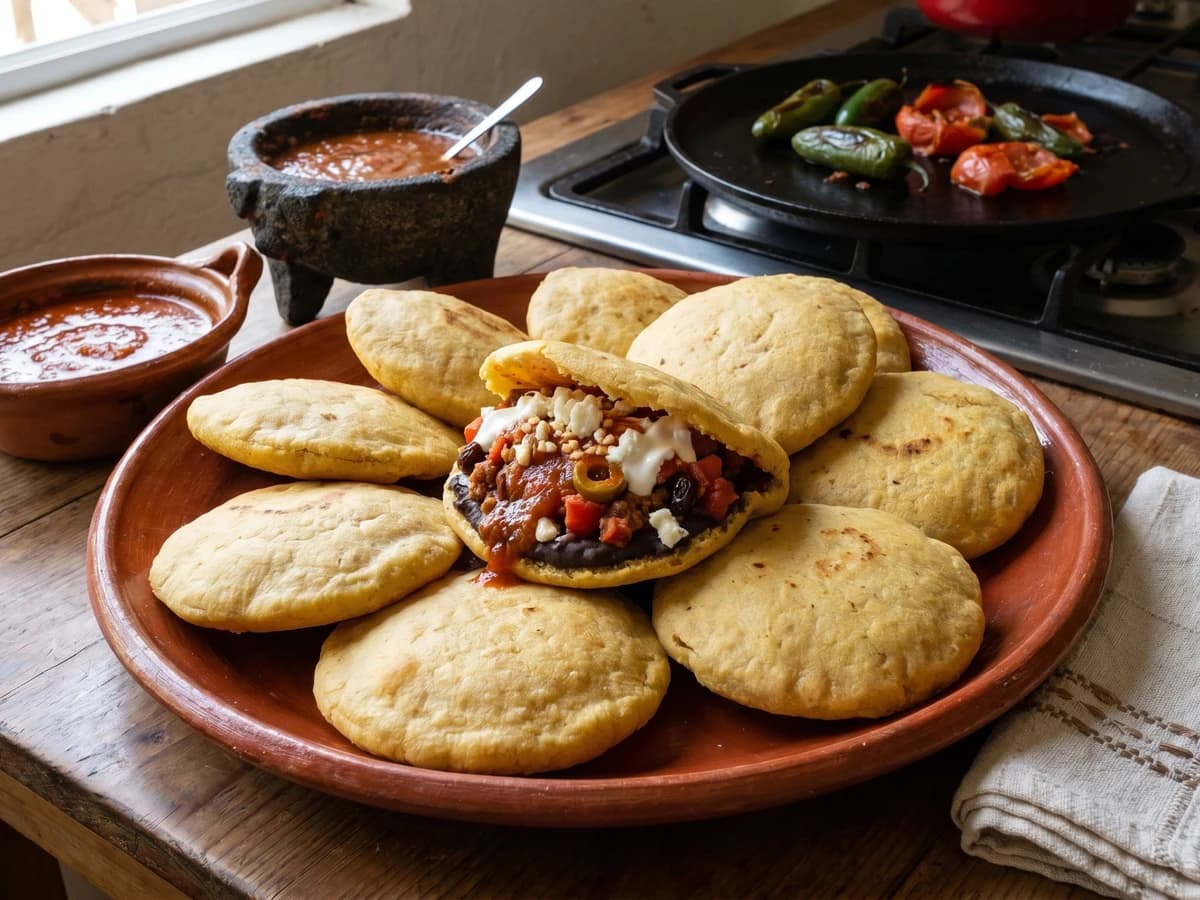
Veracruz's Gulf-coast gorditas, fried in manteca until the masa inflates into a pocket, then split and filled with black beans, picadillo, jalapeno-tomato salsa, crema, and queso fresco.
Chef Dean
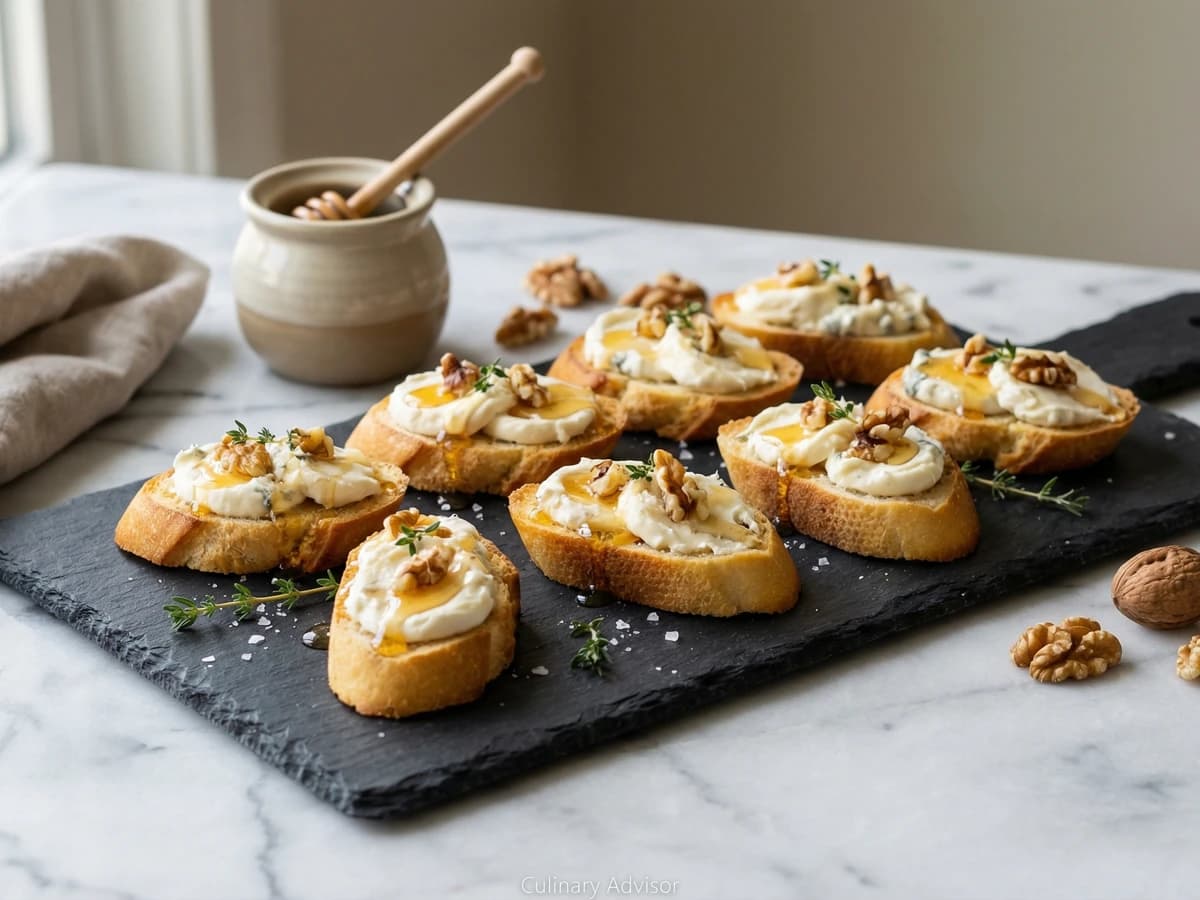
Crisp golden toasts crowned with creamy Gorgonzola and drizzled with warm honey, where the cheese's mineral sharpness surrenders to floral sweetness in every bite.
Chef Joost
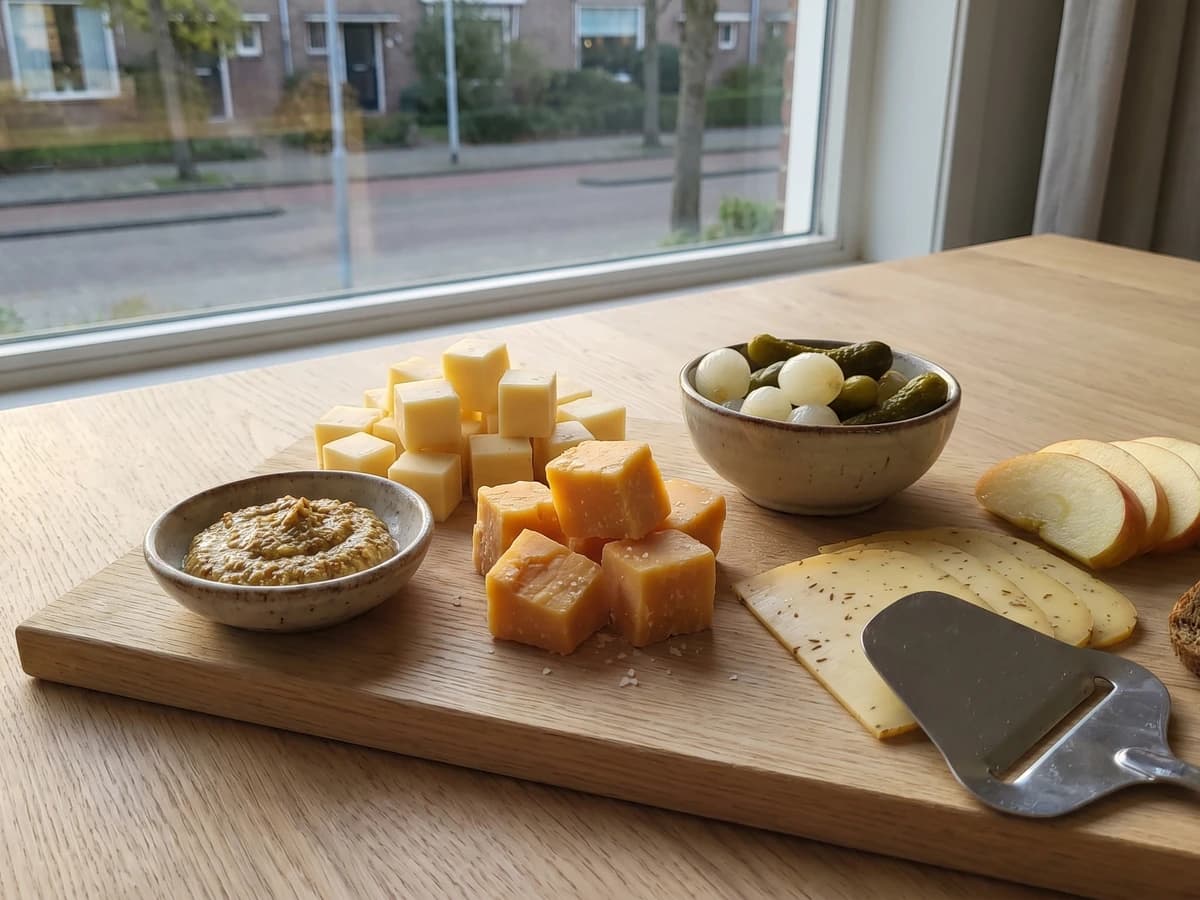
The heart of the Dutch borrelplank: sweet young Gouda, deep aged Gouda, and cumin-studded Leidse, cut with the kaasschaaf and served without ceremony.

Chef Elsa
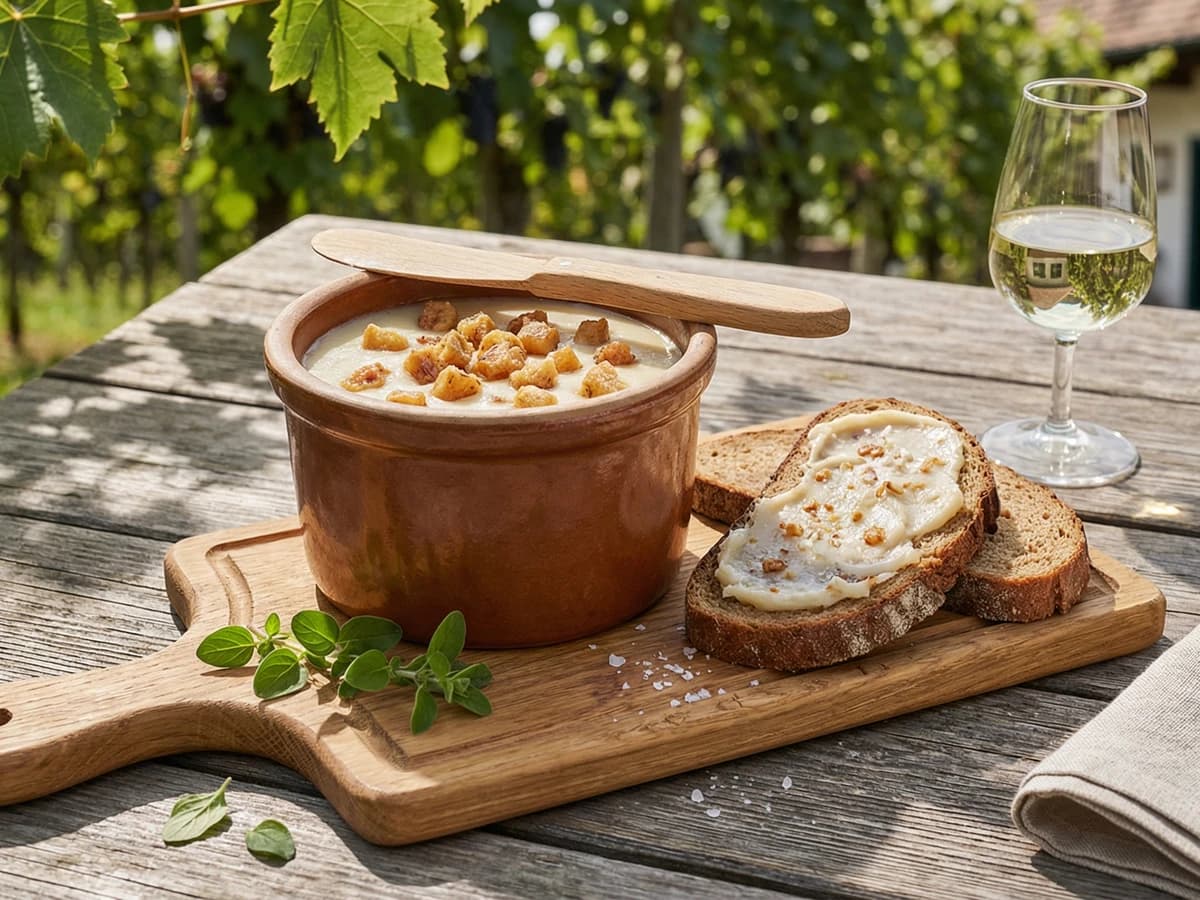
Burgenland's crispy crackling pastries, golden and peppery from the oven, torn open at the Heuriger table and eaten warm with a cold spoonful of sour cream and an Achterl of Grüner Veltliner.
Chef Elsa
Pork fat rendered low and slow until golden Grammeln crackle through the Schmalz, seasoned with onion, garlic, and marjoram, then spread thick on dark bread the way every Heuriger in Vienna has done it for generations.

Chef Dean
Silky, sugar-and-salt cured salmon draped in ribbons over dark bread, paired with a sweet-sharp mustard sauce that cuts through the richness. This is the centerpiece your holiday table deserves.

Chef Klaus
The thrift spread of the Schlachtfest table: pork fat rendered slowly until the cracklings turn crisp, then folded with onion and apple for dark bread.

Chef Remy
Smoky, snappy chunks of Louisiana's beloved pork and rice sausage, kissed by open flame until the casing blisters and chars, served hot off the grill with a sharp Creole mustard that cuts through the richness like a cool breeze off the bayou.

Chef Dean
Plump Pacific oysters kissed by charcoal smoke and drenched in sizzling garlic butter, a celebration of the Northwest coast that transforms any backyard into a beachside oyster roast.

Chef Takumi
Yaki onigiri is rice made honest by the grill: firm warm triangles, a patient crust, and shōyu brushed only after the grains can hold it.

Chef Takumi
Hotate kushiyaki asks for one good scallop, hot fire, and restraint. Brush the butter-shōyu glaze only at the end, then stop when the center turns milky white.

Chef Dean
Plump shrimp and golden pineapple chunks kissed by open flame, lacquered with a homemade teriyaki glaze that caramelizes into sticky, sweet-savory perfection. This is summer on a stick.
Chef Takumi
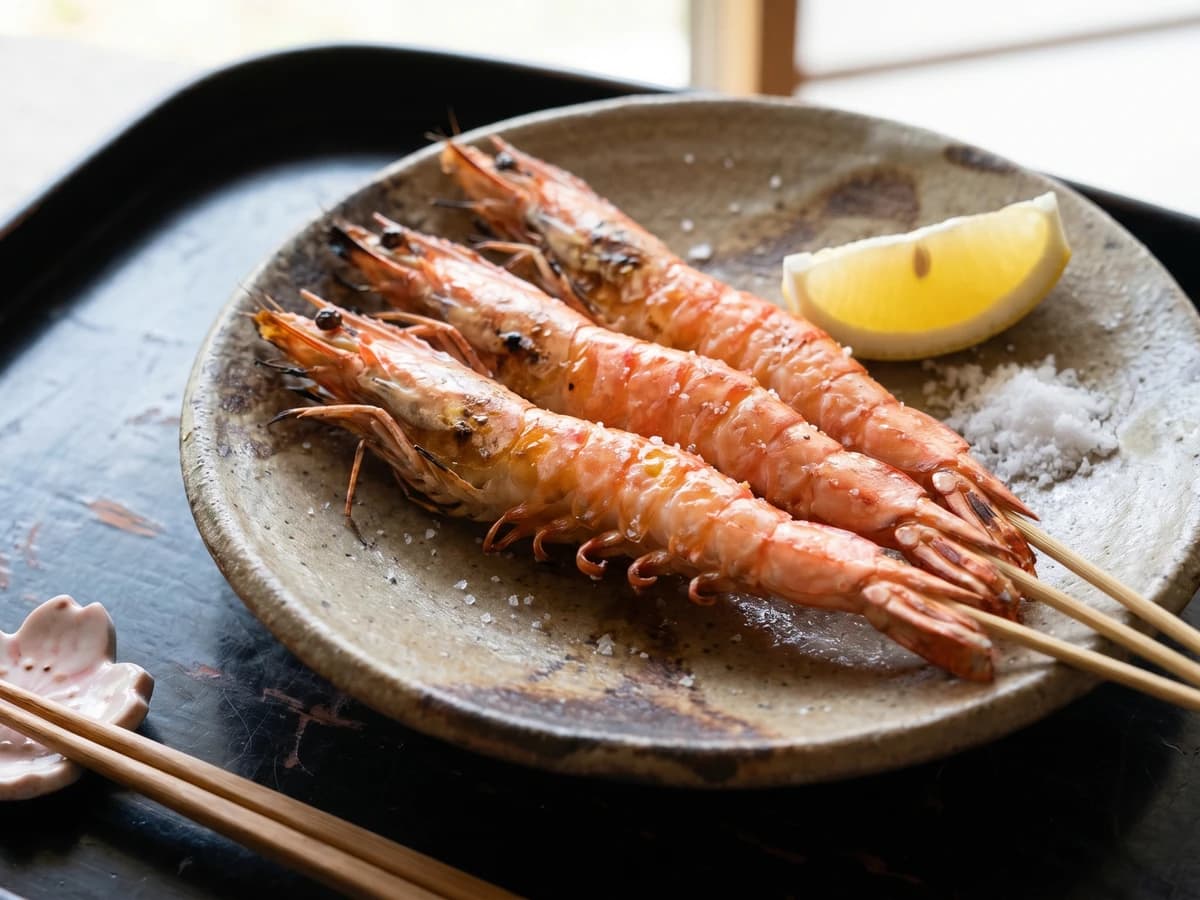
Head-on shrimp need very little help: a skewer to keep them straight, a hot grill to crisp the shell, and salt sharp enough to let the sweetness show.
Chef Dean
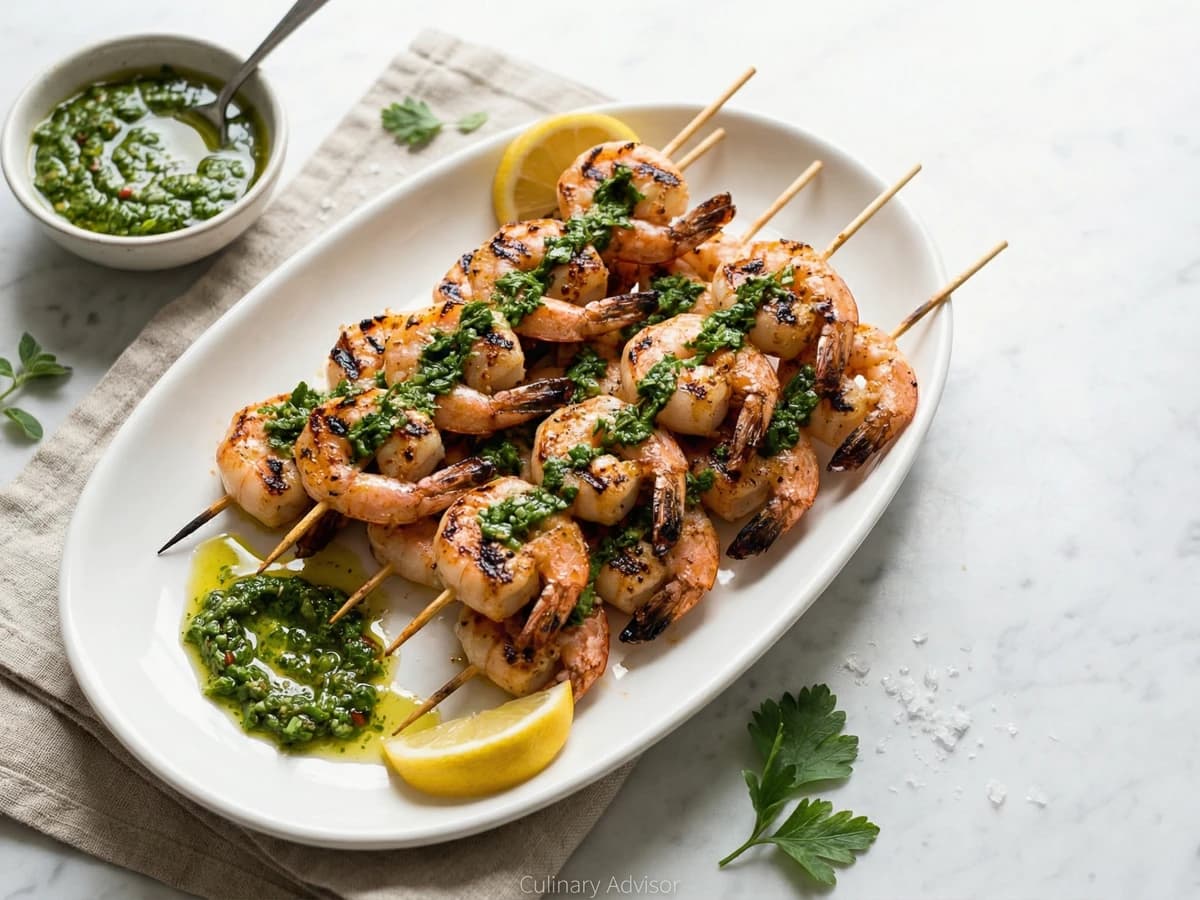
Fat Gulf shrimp kissed by flame and slicked with Argentina's greatest contribution to the grilling canon, a verdant herb sauce so bright it wakes up everything it touches.

Chef Ally
Summer vegetables from the market, threaded on skewers and charred over flame, then brushed with a fragrant oil of fresh herbs and garlic. Simple food that tastes like the best of the season.

Chef Lupita
Guadalajara's cantina guacamole, smashed by hand with chile serrano, cilantro, lime, crumbled chicharrón de cerdo, and queso Cotija añejo. Chunky, salty, and nothing like the smooth green paste.
Culinary guides, cultural storytelling, and the editorial depth that makes cooking meaningful.
Discover Culinary Explorer