Chef Isabel
Acedías Fritas de Cádiz
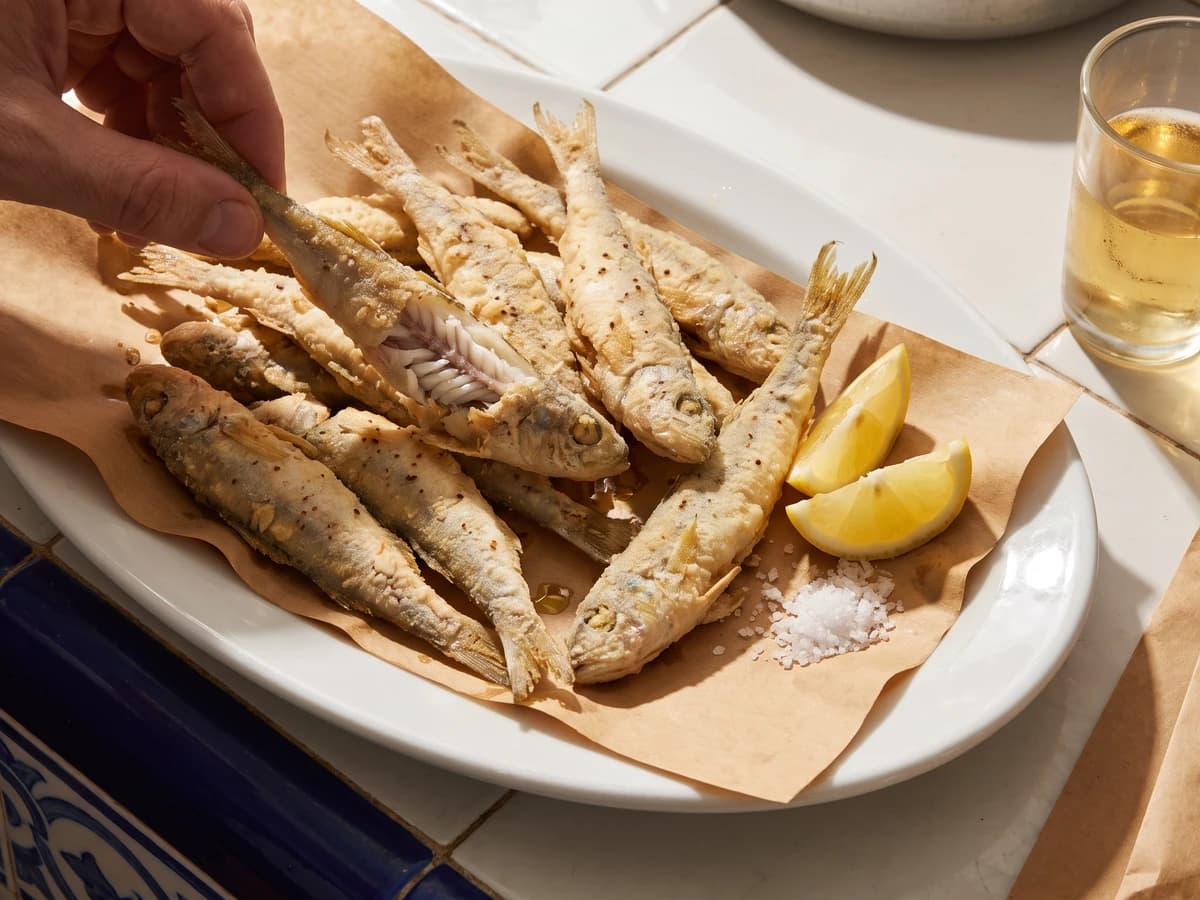
Acedías fritas belong to Cádiz: tiny wedge sole, salted, dusted in frying flour, and dropped into very hot olive oil so the rims crisp while the fish stays tender.
A cooking platform built around craft, culture, and the stories behind what we eat.

Created by
Patatas bravas are Madrid's rough-cut fried potatoes, crisp outside and tender within, with a pimenton-red sauce that bites. Fry the potatoes twice, and cook the sauce until the flour disappears.
Patatas bravas are Madrid's bar potatoes: rough cubes fried until the edges crackle under the fork, then crowned with salsa brava, a red sauce built from pimenton, stock, vinegar, and heat. What makes them bravas is not a sweet tomato sauce and not a stripe of mayonnaise. The sauce should bite cleanly, the potatoes should stay crisp where the sauce hits, and the plate should disappear fast.
The sauce is the argument here. Cook the onion slowly first, a little sofrito, the slow onion base, until it turns dark gold and soft. Then the pimenton goes in gently, off fierce heat, because scorched pimenton turns bitter in seconds. Flour thickens it, hot stock loosens it, vinegar wakes it up. That is the small thing that decides whether the sauce tastes round and sharp, or raw and dusty.
No hace falta haber pisado Espana. If you can't find pimenton de la Vera, use a good smoked paprika with a pinch of cayenne; it won't have the same deep smoke, but it will carry the dish honestly. For the potatoes, Agria is lovely, Kennebec is good, Yukon Gold or Maris Piper work well far from Madrid. Pésalo, no lo adivines. The Margin in my notebook says only this: no ketchup. Dry advice, but useful.
Fry the potatoes once low to cook them through, then again hot to crisp them. Sauce at the last moment, not half an hour before, unless you like brave potatoes turned tired. Siempre sale, si lo sigues.
Patatas bravas belong above all to Madrid's tasca and bar-counter cooking, where fried potatoes became a cheap, filling tapa served with a house sauce hot enough to earn the name brava, fierce. Unlike patatas alioli, finished with garlic mayonnaise, Madrid's bravas are defined by the red sauce: pimenton, oil, a little flour, stock or water, vinegar, and chili heat. Every bar guards its own balance, but the argument stays the same: the potato must be crisp, and the sauce must bite.
Quantity
1kg
peeled and cut into rough 3cm cubes
Quantity
750ml
for frying
Quantity
10g, plus more to finish
Quantity
45ml
Quantity
120g
finely grated
Quantity
2 cloves
minced
Quantity
18g
Quantity
2 teaspoons (5g)
Quantity
1 teaspoon (2g)
Quantity
1/4 teaspoon
Quantity
300ml
Quantity
15ml
Quantity
1/2 teaspoon
| Ingredient | Quantity |
|---|---|
| frying potatoes such as Agria, Kennebec, Yukon Gold, or Maris Piperpeeled and cut into rough 3cm cubes | 1kg |
| mild olive oil or high-oleic sunflower oilfor frying | 750ml |
| fine salt | 10g, plus more to finish |
| extra virgin olive oil | 45ml |
| yellow onionfinely grated | 120g |
| garlicminced | 2 cloves |
| plain flour | 18g |
| sweet pimenton de la Vera | 2 teaspoons (5g) |
| hot pimenton de la Vera | 1 teaspoon (2g) |
| cayenne (optional) | 1/4 teaspoon |
| hot chicken stock or vegetable stock | 300ml |
| vinagre de Jerez (sherry vinegar) | 15ml |
| fine salt, for the sauce | 1/2 teaspoon |
Peel the potatoes and cut them into rough 3cm cubes, not neat little dice. Rinse them in cold water until the water runs mostly clear, then drain and dry them very well in a towel. Wet potatoes spit in hot oil and soften instead of crisping, so take the drying seriously.
Warm the 45ml olive oil in a small saucepan over low heat. Add the grated onion and a pinch of the sauce salt, then cook 10 to 12 minutes, stirring often, until it is dark gold, soft, and almost jammy. Add the garlic and cook 1 minute more. This slow base gives the sauce sweetness without making it taste of tomato.
Pull the pan off the heat. Stir in the sweet pimenton, hot pimenton, and cayenne if you're using it, and let them bloom in the oil for 20 seconds only. Put the pan back on low heat, sprinkle in the flour, and cook for 1 minute, stirring constantly, until the flour smells nutty and no longer raw. Do not let the pimenton scorch; bitter sauce is not brave, just spoiled.
Whisk in the hot stock little by little at first, then add the rest. Simmer 8 to 10 minutes, stirring, until the sauce thickens enough to coat a spoon but still pours. Add the sherry vinegar and the remaining sauce salt. Blend smooth if you want the Madrid bar texture, then keep it warm on the lowest heat.
Heat the frying oil in a deep, heavy pan to 150C. Fry the potatoes in batches, without crowding, for 6 to 8 minutes, until they are cooked through and pale, with only the faintest color. Lift them out with a spider or slotted spoon and drain on a rack or paper. Let them rest at least 10 minutes while the oil climbs hotter.
Raise the oil to 180C. Fry the potatoes again in batches for 2 to 4 minutes, until the edges are crisp and deep golden. Drain well and salt immediately with the 10g fine salt, tossing while the potatoes are still glossy from the oil.
Pile the potatoes onto a warm plate and spoon the brava sauce over them in thick streaks, enough to crown them but not drown them. Serve at once, while the edges still crackle under the fork. Put extra sauce beside the plate if you like, but do not sauce them early.
1 serving (about 290g)
Culinary guides, cultural storytelling, and the editorial depth that makes cooking meaningful.
Discover Culinary ExplorerChef Isabel
Acedías fritas belong to Cádiz: tiny wedge sole, salted, dusted in frying flour, and dropped into very hot olive oil so the rims crisp while the fish stays tender.
Chef Isabel
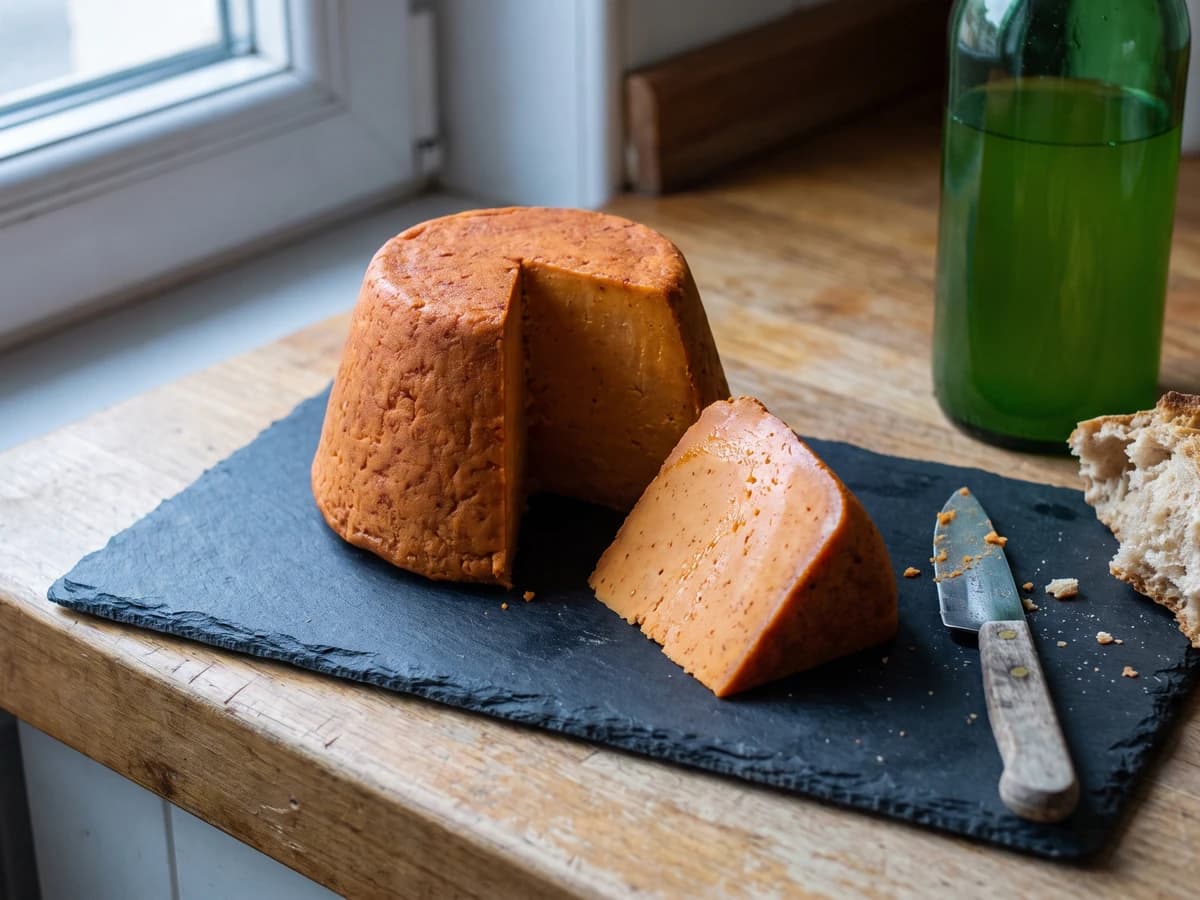
Afuega'l Pitu Roxu is Asturias in a small cheese: cow's milk set slowly to a dense curd, drained without squeezing, then kneaded with pimentón until it turns orange and grips the throat.
Chef Isabel
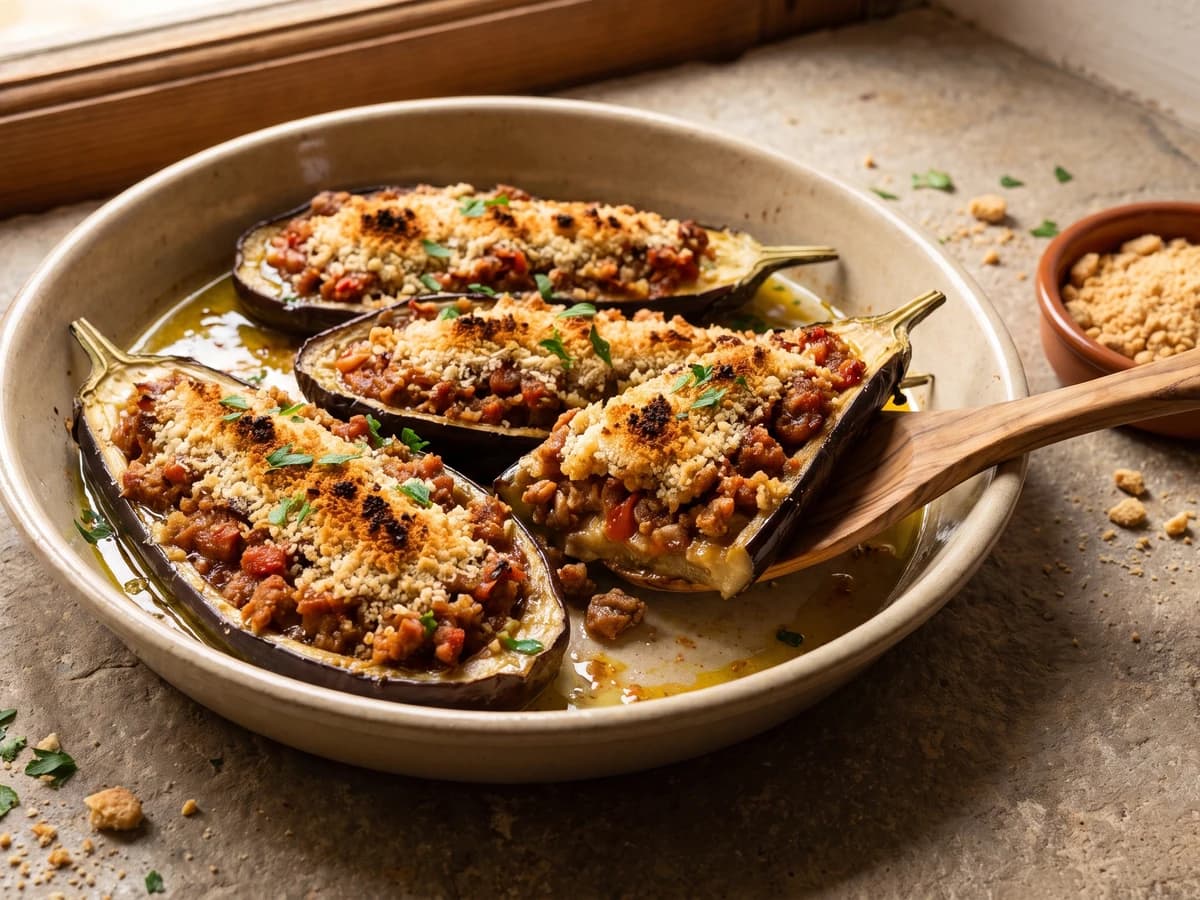
Albergínies farcides are Mallorca's summer stuffed aubergines: tender boiled shells, a slow pork sofrito with moraduix, and a plain breadcrumb cap baked until the top turns crisp and golden.

Chef Isabel
Carxofes farcides are Catalan stuffed artichokes: tender hearts filled with jamón, slow sweet onion, and breadcrumbs, then baked in a light creamy sauce until the tops turn golden.