Chef Isabel
Acedías Fritas de Cádiz
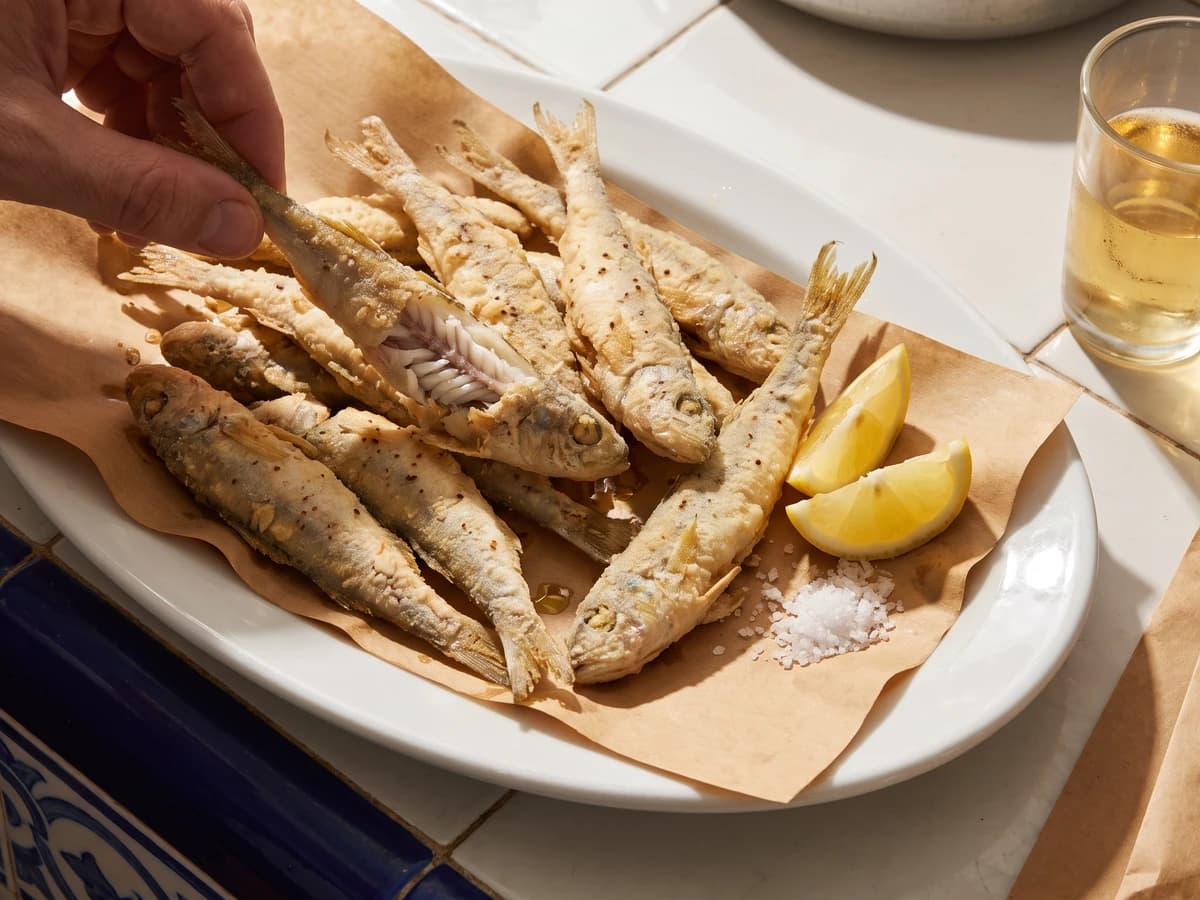
Acedías fritas belong to Cádiz: tiny wedge sole, salted, dusted in frying flour, and dropped into very hot olive oil so the rims crisp while the fish stays tender.
A cooking platform built around craft, culture, and the stories behind what we eat.
Created by
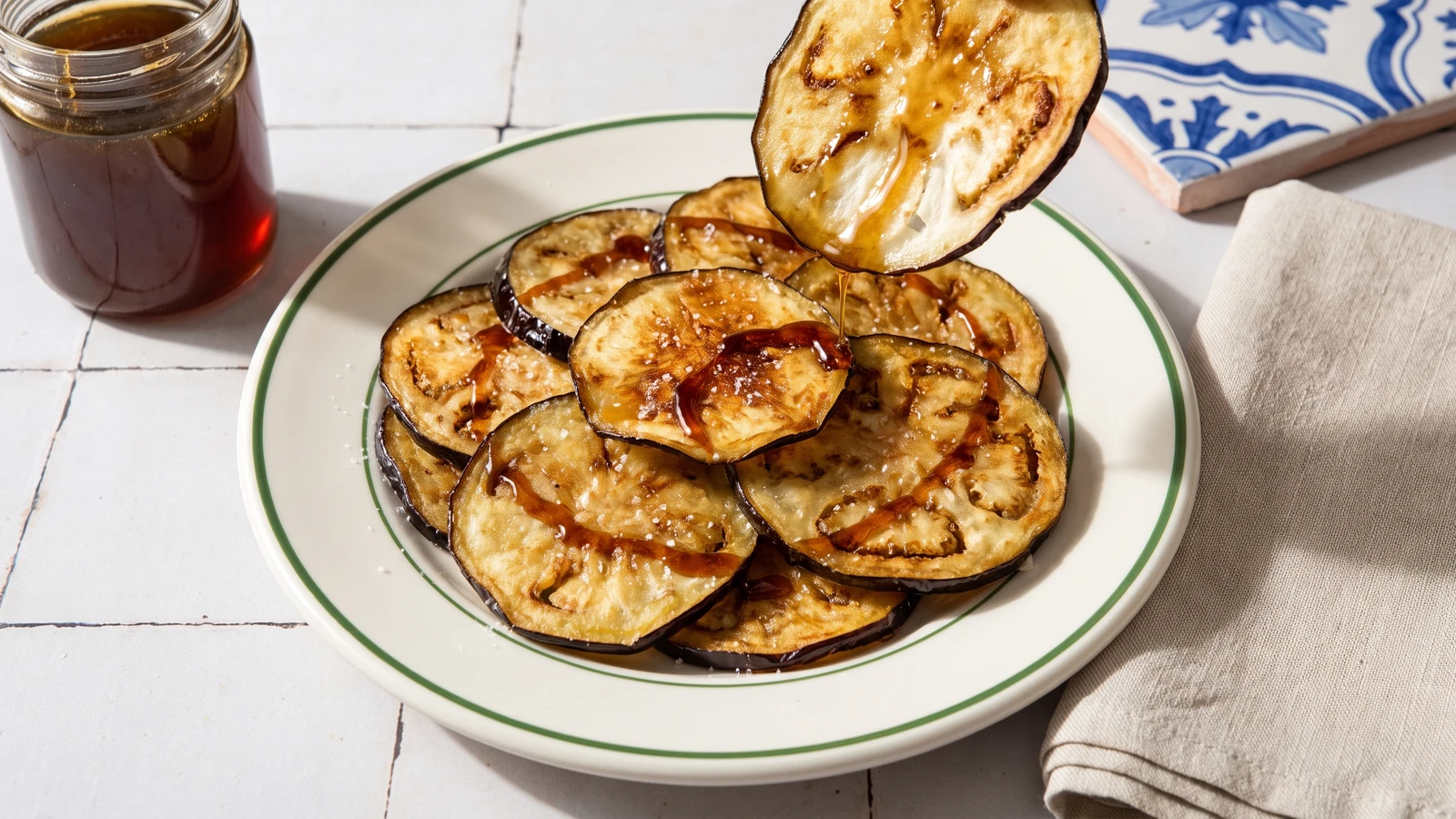
Berenjenas fritas con miel de caña are Andalusian: thin aubergine slices fried crisp and finished with dark cane syrup, where the trick is dry aubergine, hot oil, and no crowding.
Berenjenas fritas con miel de caña are Andalusian, especially at home in Córdoba, Granada, and Málaga, where aubergine is sliced thin, floured, fried crisp, and finished with a dark thread of cane syrup. The sweet and salt are not decoration. They are the dish. The aubergine should crack lightly at the edge and stay tender inside, with the miel de caña bringing a bitter-dark sweetness that ordinary honey doesn't quite give.
The method that decides it is dryness. Salt the aubergine, let it give up its water, rinse quickly, then dry it well before the flour ever touches it. Wet aubergine makes paste in the flour and drinks the oil like a sponge. Dry slices, lightly coated and fried in plenty of hot oil, come out clean and crisp. Pésalo, no lo adivines, especially with the flour and oil temperature. Precision is kindness here.
If you can't find miel de caña where you are, use dark cane syrup first, or unsulphured molasses loosened with a spoonful of warm water. Honey will do in a home kitchen, and many bars use it, but it gives a lighter, floral sweetness and loses that roasted sugar edge. No hace falta haber pisado España. Get the aubergine dry, keep the oil hot, drizzle at the end. Siempre sale, si lo sigues.
Fried aubergines belong to the Andalusian table shaped by al-Andalus, where aubergines, sugarcane, and the habit of pairing sweet with savoury all left a deep mark. Miel de caña, the dark syrup made from sugarcane, is closely tied to the Axarquía of Málaga and the old cane-growing coast around Frigiliana. The dish is often served as a tapa in Córdoba, Granada, and Málaga, but it is Andalusian before it is anything else.
Quantity
2 medium, about 600g total
trimmed and sliced into 5mm rounds or long batons
Quantity
12g, plus more to finish
Quantity
120g
Quantity
25g
mixed with the flour for extra crispness
Quantity
600ml
for frying
Quantity
60g
or dark cane syrup
Quantity
1 tablespoon
only if loosening unsulphured molasses
| Ingredient | Quantity |
|---|---|
| auberginestrimmed and sliced into 5mm rounds or long batons | 2 medium, about 600g total |
| fine salt | 12g, plus more to finish |
| plain flour | 120g |
| fine semolina or rice flour (optional)mixed with the flour for extra crispness | 25g |
| olive oil or mild Spanish olive oilfor frying | 600ml |
| miel de cañaor dark cane syrup | 60g |
| warm water (optional)only if loosening unsulphured molasses | 1 tablespoon |
Slice the aubergines into 5mm rounds or long batons. Toss with 12g fine salt in a colander and leave for 25 minutes. The salt pulls out water and a little bitterness, which matters because wet aubergine turns the flour gummy and makes the oil heavy.
Rinse the aubergine quickly under cold water to remove the surface salt, then spread it on a clean towel and pat it very dry. Take your time here. The slices should feel dry to the touch before they meet the flour.
Mix the flour with the semolina or rice flour if using. Toss the aubergine in the flour, then shake off every loose excess. You want a thin dusty coat, not a batter. Flour only what you can fry within a few minutes, or the coating will dampen while it waits.
Heat the oil in a wide frying pan to 180C. Fry the aubergine in small batches, about 2 minutes per side for rounds or 3 to 4 minutes total for batons, until pale gold with crisp edges. Do not crowd the pan; crowded aubergine lowers the oil temperature and comes out limp. Lift each batch to a rack or paper towel and salt lightly while it is still glossy.
Warm the miel de caña just enough to pour, or loosen unsulphured molasses with 1 tablespoon warm water if that is your substitute. Pile the aubergine on a platter and drizzle in thin dark lines right before serving. Eat it at once, while the edges are still crisp and the syrup has not softened the flour.
1 serving (about 180g)
Culinary guides, cultural storytelling, and the editorial depth that makes cooking meaningful.
Discover Culinary ExplorerChef Isabel
Acedías fritas belong to Cádiz: tiny wedge sole, salted, dusted in frying flour, and dropped into very hot olive oil so the rims crisp while the fish stays tender.
Chef Isabel
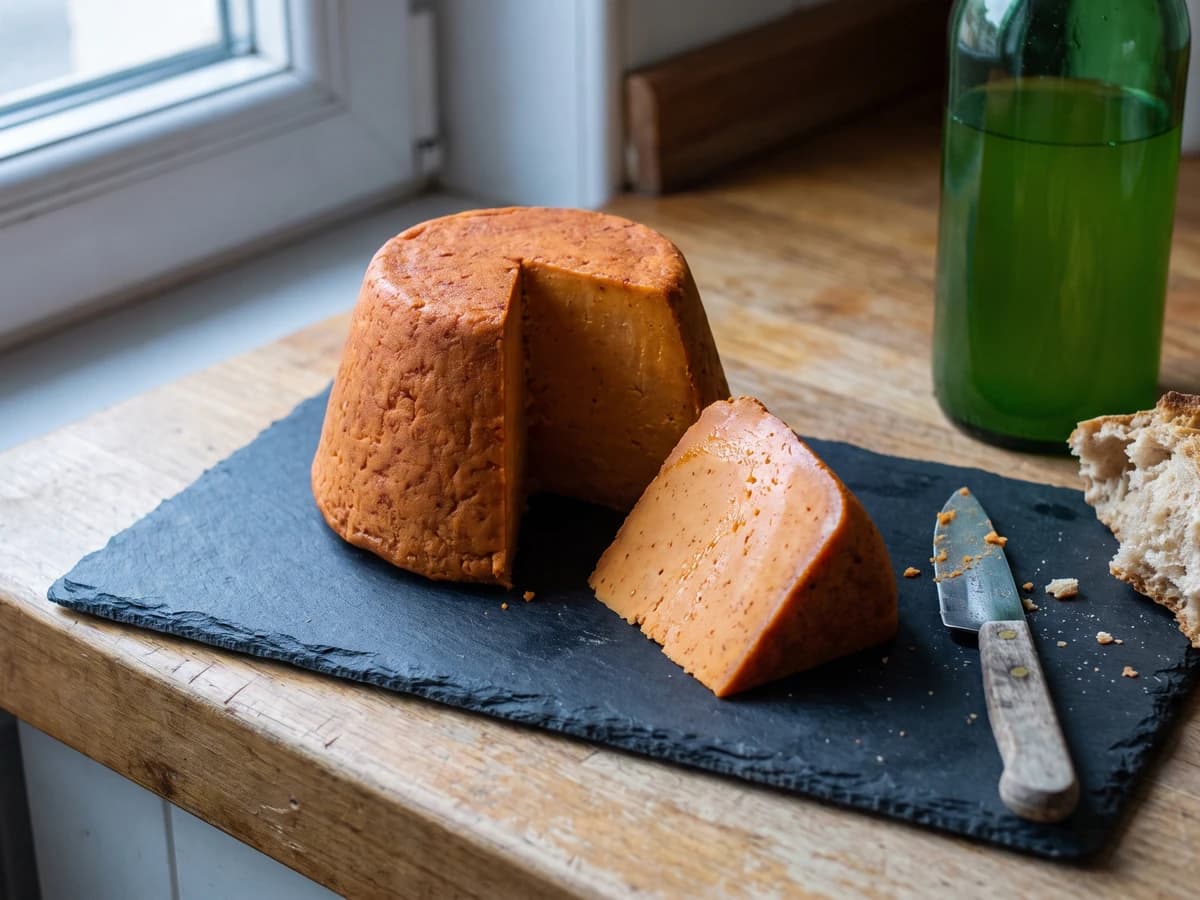
Afuega'l Pitu Roxu is Asturias in a small cheese: cow's milk set slowly to a dense curd, drained without squeezing, then kneaded with pimentón until it turns orange and grips the throat.
Chef Isabel
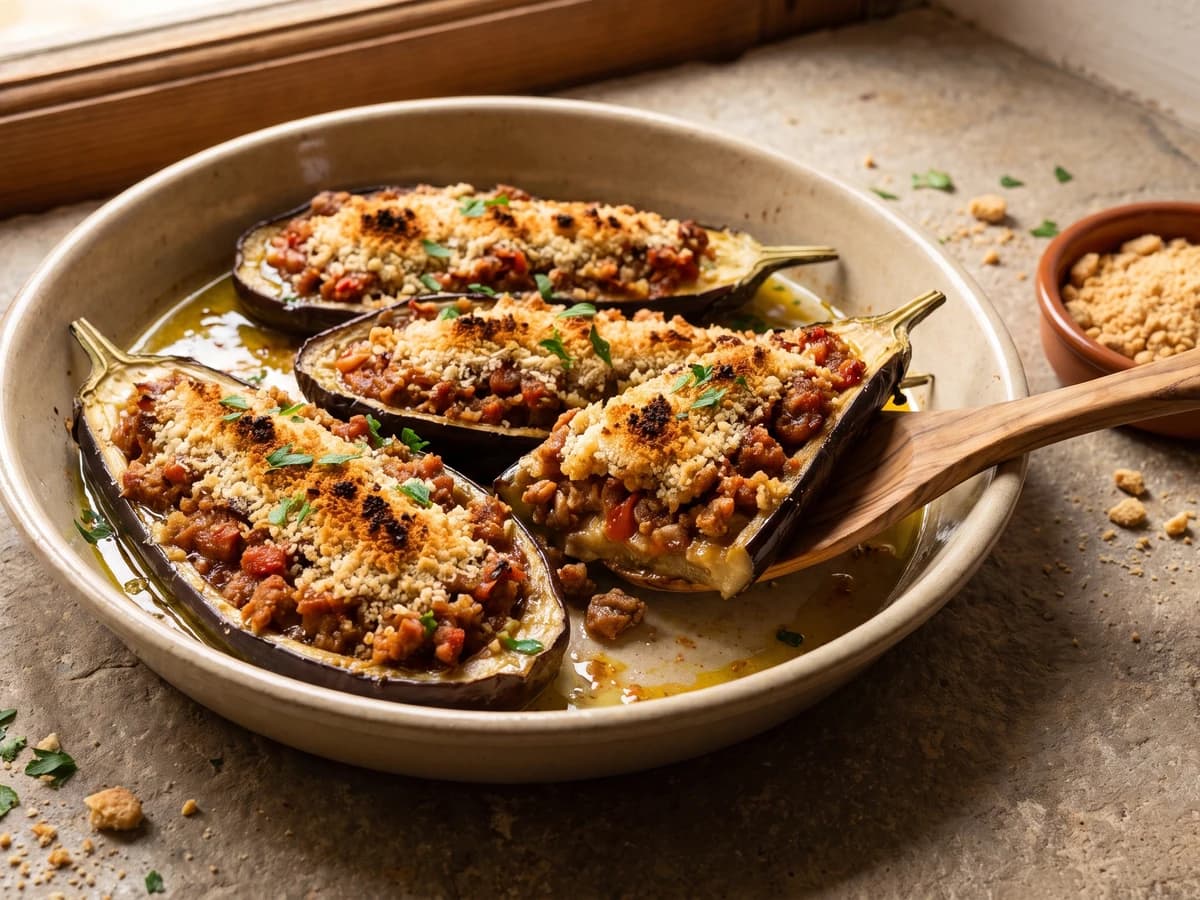
Albergínies farcides are Mallorca's summer stuffed aubergines: tender boiled shells, a slow pork sofrito with moraduix, and a plain breadcrumb cap baked until the top turns crisp and golden.

Chef Isabel
Carxofes farcides are Catalan stuffed artichokes: tender hearts filled with jamón, slow sweet onion, and breadcrumbs, then baked in a light creamy sauce until the tops turn golden.