Chef Isabel
Acedías Fritas de Cádiz
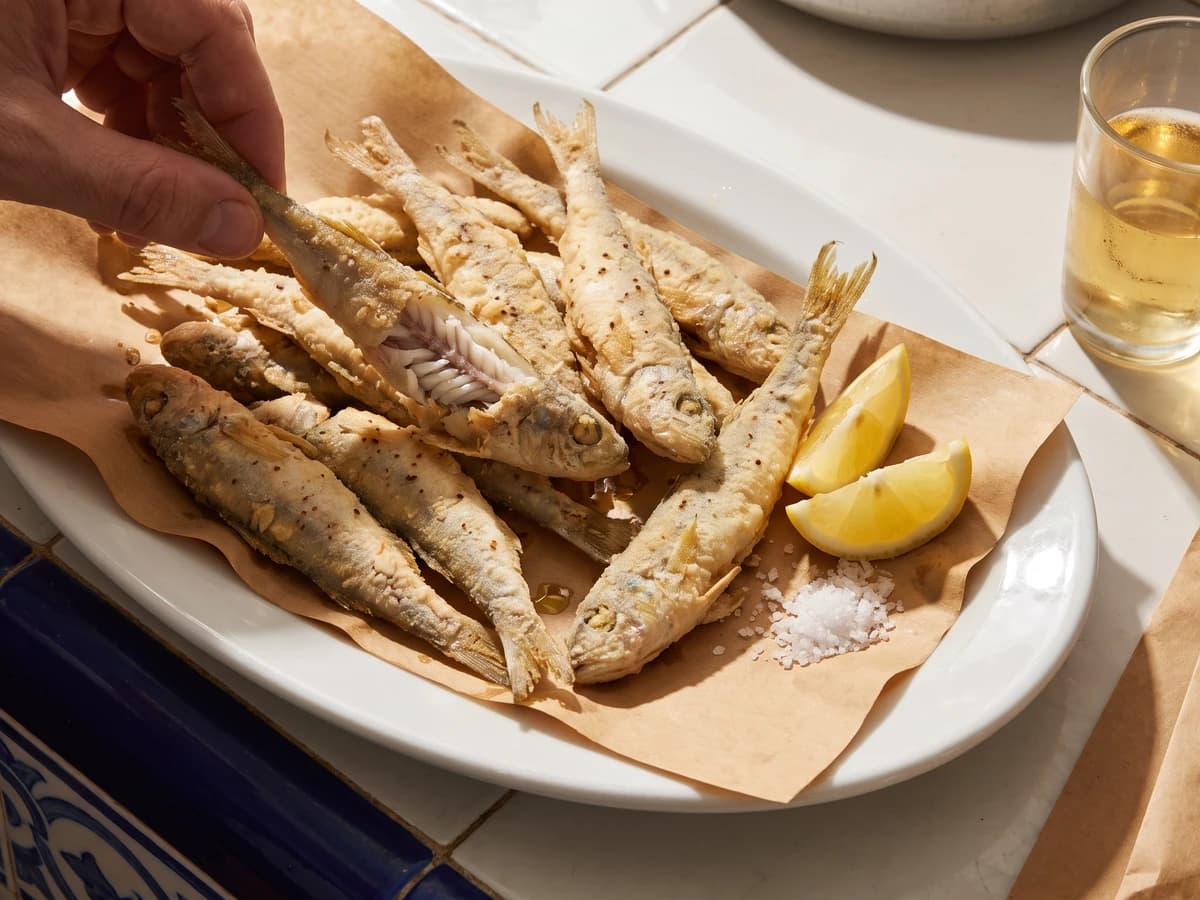
Acedías fritas belong to Cádiz: tiny wedge sole, salted, dusted in frying flour, and dropped into very hot olive oil so the rims crisp while the fish stays tender.
A cooking platform built around craft, culture, and the stories behind what we eat.

Created by
Buñuelos de Bacalao Catalanes are Lenten fritters, desalted cod loosened through a garlic-parsley batter and fried by the spoonful until they puff, crisp at the edges, and stay soft in the middle.
Buñuelos de Bacalao Catalanes, bunyols de bacallà in Catalonia, are the cod fritters of the Lenten table: salt cod, garlic, parsley, egg, flour, and hot oil. They are not croquetas. No béchamel, no neat little cylinders. The cod is carried in a spoon batter, and the fritters come out irregular, light, and crisp at the ridges, tal como se hace allí.
The method that decides them is simple: desalt the bacalao properly, then keep the batter thick enough to hold the fish. Too much liquid gives you flat, oily fritters. Too little and they turn heavy. The spoonful should sit up for a second before it drops into the oil. Pésalo, no lo adivines, especially the cod, because salt cod changes from one shop to the next.
No hace falta haber pisado España. If you can't find a Catalan bacallaneria, buy good salt cod from a Portuguese, Italian, or Caribbean shop and soak it yourself; if you find bacalao already desalted, that is exactly what many homes would use. Fresh cod is a compromise, not the same thing, but I give you the way to salt it briefly if that is what your market has. The note in my Margin says: fry small, keep the oil steady. Siempre sale, si lo sigues.
Bunyols de bacallà belong to Catalonia's Quaresma, Lent, when salt cod answered the meatless table because it traveled well and kept in the larder. Barcelona's bacallaneries, shops devoted to cutting and soaking cod, made bacallà remullat, already desalted cod, part of everyday shopping. The Catalan home version is spooned from a garlic-parsley batter, irregular and light, not shaped like a croqueta and not bound with béchamel.
Quantity
250g
weighed after soaking, drained, patted dry
Quantity
120g
Quantity
4g (1 teaspoon)
Quantity
2
Quantity
120ml
Quantity
2 cloves
grated to a paste
Quantity
12g
finely chopped
Quantity
to taste
Quantity
up to 1/4 teaspoon
Quantity
750ml, or enough for a 5cm depth
Quantity
to serve
| Ingredient | Quantity |
|---|---|
| desalted salt cod (bacalao)weighed after soaking, drained, patted dry | 250g |
| plain flour | 120g |
| baking powder | 4g (1 teaspoon) |
| large eggs | 2 |
| whole milk or cold water | 120ml |
| garlicgrated to a paste | 2 cloves |
| flat-leaf parsleyfinely chopped | 12g |
| freshly ground black pepper (optional) | to taste |
| fine sea salt (optional) | up to 1/4 teaspoon |
| mild olive oil, for frying | 750ml, or enough for a 5cm depth |
| allioli (optional) | to serve |
If your bacalao is still salted, rinse off the surface salt and put it skin side up in a bowl of cold water. Refrigerate for 24 hours, changing the water every 8 hours. Thick loin pieces need 36 hours. Drain, pat very dry, and weigh 250g for the batter; keep any extra for another meal. If you bought bacalao desalado, already soaked, rinse it, pat it dry, and start here.
Put the desalted cod in a small pan and cover it with fresh cold water. Bring it just to the first tremble, then turn off the heat, cover, and let it sit for 5 minutes. Drain it well, let it cool until you can handle it, then remove any skin and bones and flake the fish small with your fingers. Do not boil it hard; the cod tightens and the fritter loses its soft middle.
Whisk the flour and baking powder in a bowl. In a second bowl, beat the eggs with the milk or water, garlic, parsley, and a little black pepper. Whisk in the flour until smooth, then fold in the flaked cod. The batter should be thick enough to sit on a teaspoon and drop only with a small push. If it runs like cream, add 10g more flour; if it stands stiff like dough, add 1 tablespoon more milk or water. Rest it for 15 minutes.
Pour the olive oil into a heavy pan to a 5cm depth, with the pan no more than half full, and heat it to 175°C. Fry one small test spoonful first. Taste it before adding any salt to the batter, because bacalao brings its own salt. Add up to 1/4 teaspoon only if the test fritter tastes flat.
Use two teaspoons to drop walnut-sized spoonfuls of batter into the oil, 5 or 6 at a time. Fry for 3 to 4 minutes, turning once or twice, until deep gold with craggy crisp edges. Keep the oil between 170°C and 180°C so the fritters puff before the outside gets too dark. Lift them to a wire rack or brown paper to drain.
Serve the buñuelos while the ridges are still crisp and the middle is soft, with allioli if you like. They need no decoration. If a batch browns too fast, lower the heat and carry on; if one turns out heavy, make the next spoonful smaller. Nadie nace sabiendo.
1 serving (about 120g)
Culinary guides, cultural storytelling, and the editorial depth that makes cooking meaningful.
Discover Culinary ExplorerChef Isabel
Acedías fritas belong to Cádiz: tiny wedge sole, salted, dusted in frying flour, and dropped into very hot olive oil so the rims crisp while the fish stays tender.
Chef Isabel
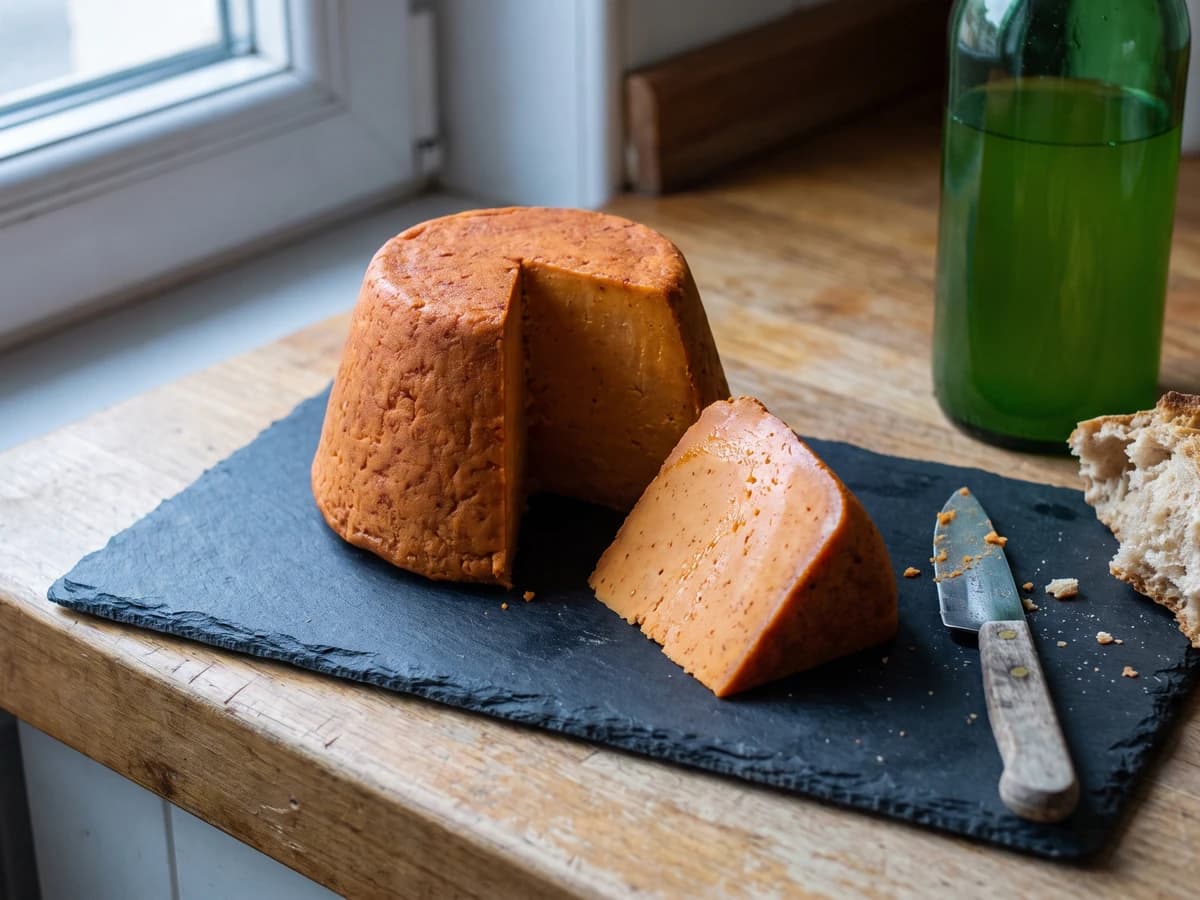
Afuega'l Pitu Roxu is Asturias in a small cheese: cow's milk set slowly to a dense curd, drained without squeezing, then kneaded with pimentón until it turns orange and grips the throat.
Chef Isabel
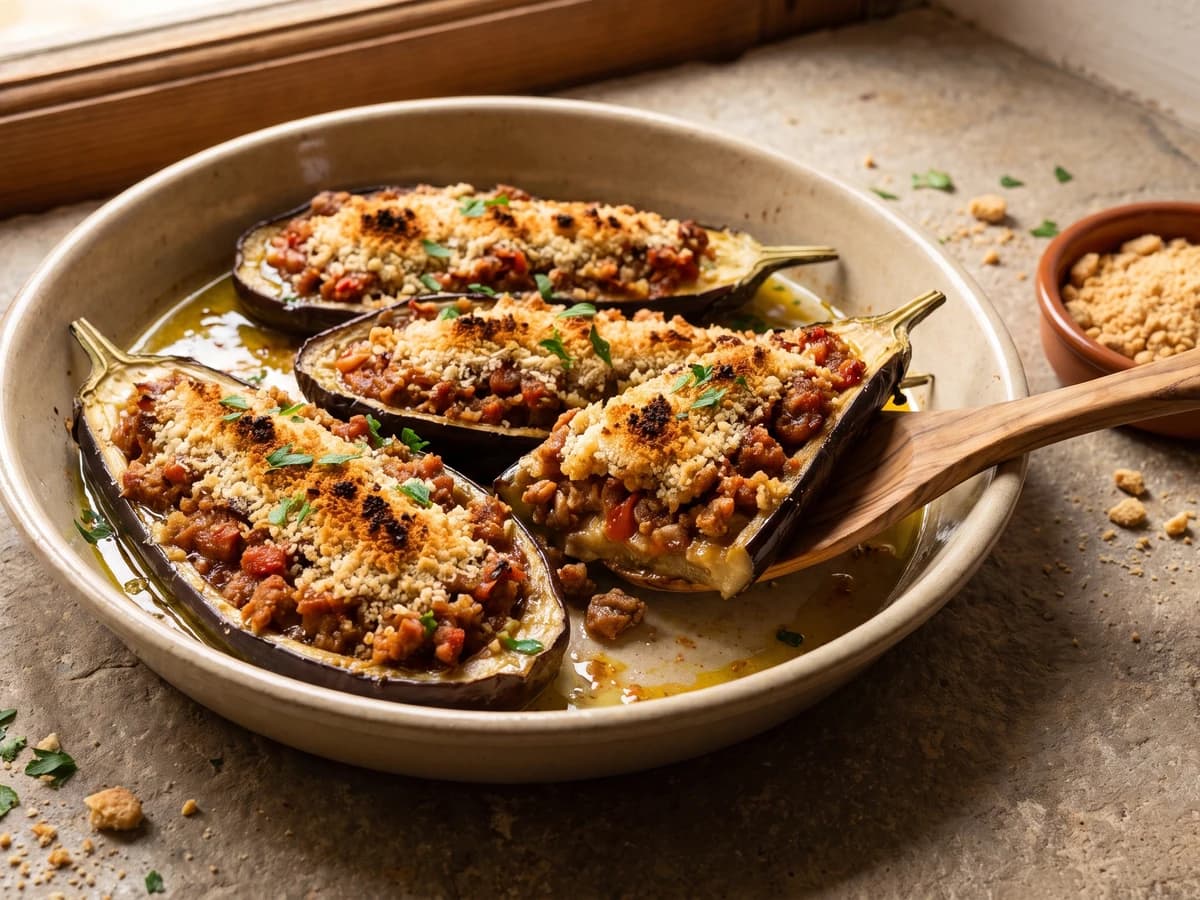
Albergínies farcides are Mallorca's summer stuffed aubergines: tender boiled shells, a slow pork sofrito with moraduix, and a plain breadcrumb cap baked until the top turns crisp and golden.

Chef Isabel
Carxofes farcides are Catalan stuffed artichokes: tender hearts filled with jamón, slow sweet onion, and breadcrumbs, then baked in a light creamy sauce until the tops turn golden.