Chef Isabel
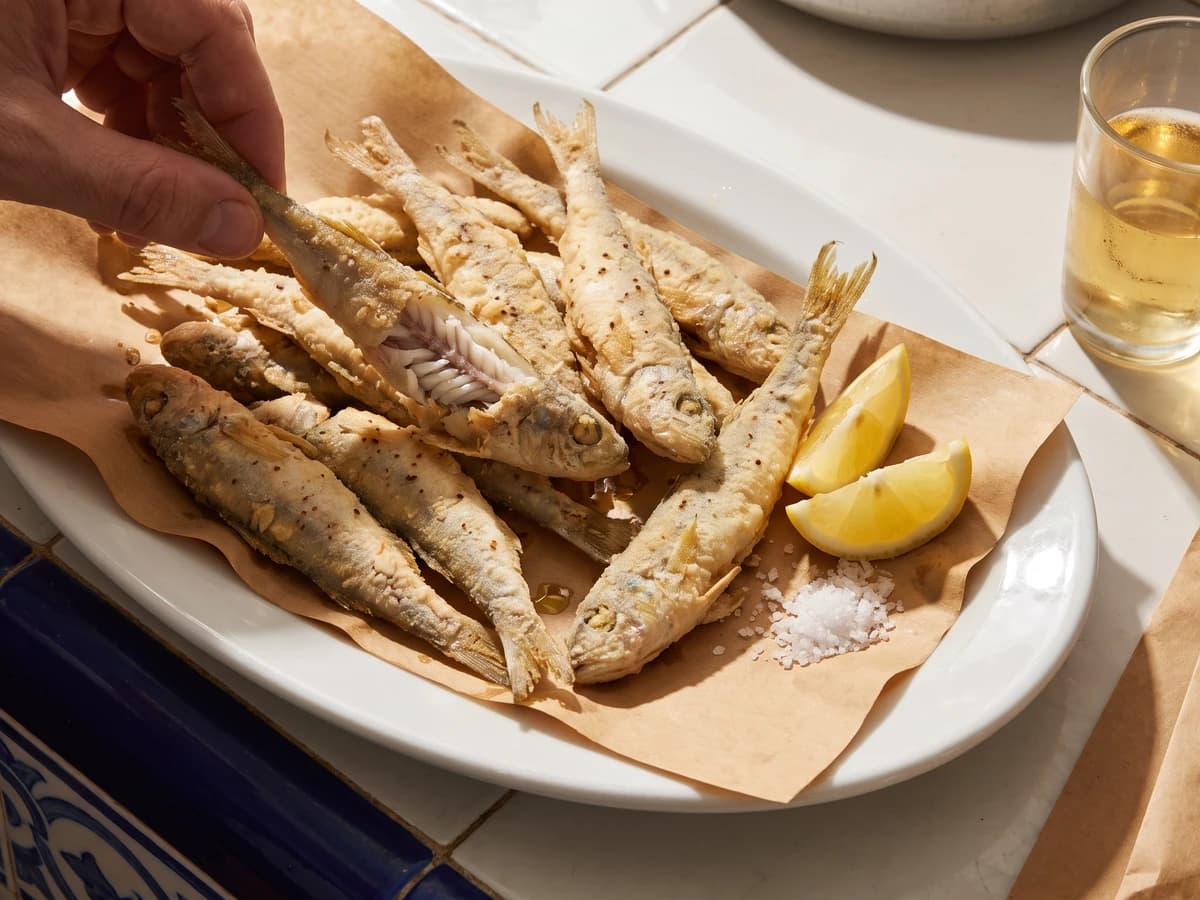
Acedías Fritas de Cádiz
Acedías fritas belong to Cádiz: tiny wedge sole, salted, dusted in frying flour, and dropped into very hot olive oil so the rims crisp while the fish stays tender.
A cooking platform built around craft, culture, and the stories behind what we eat.
Created by
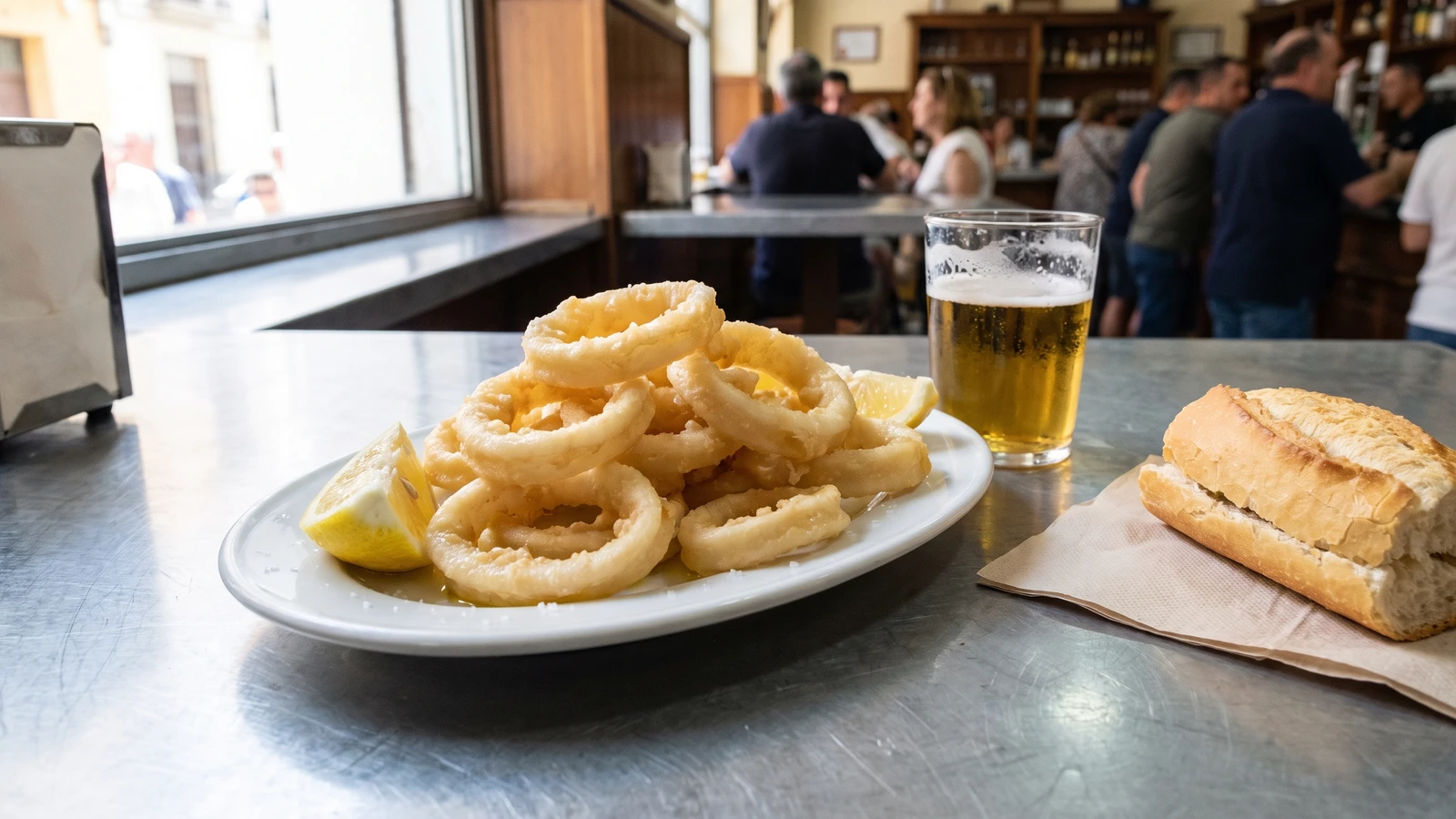
Calamares a la Romana are Madrid's bar-counter classic: squid rings in a light egg batter, fried in very hot oil so the coating crisps before the squid tightens.
Calamares a la Romana are Madrileños by fame, even if the squid itself comes from the sea Madrid doesn't have. In the bars around the Plaza Mayor they arrive as rings on a plate, or inside bread as a bocadillo de calamares, with lemon and no fuss. What makes them a la romana is the batter: flour, egg, a little liquid, and very hot oil, not the dry flour dusting of an Andalusian fry.
The method that decides them is drying the squid and frying it fast. Squid carries water, and water is the enemy of a crisp coat. Pat the rings dry, salt them lightly, flour them first so the batter grips, then fry in small batches at 180C. Two minutes is plenty. Leave them longer and they turn rubbery, as if the sea were taking revenge.
If you're far from a Madrid bar, no hace falta haber pisado España. Use cleaned frozen squid tubes if that's what you can get, thawed slowly and dried very well. Fresh squid has the sweeter bite, frozen gives up a little more water, so be stricter with the towels and the hot oil. Siempre sale, si lo sigues.
Calamares a la Romana belong most famously to Madrid's tavern cooking, especially the fried squid sandwiches served around the Plaza Mayor, a landlocked habit made possible by the steady arrival of fish from the Spanish coasts. The name a la romana in Spain points to an egg-based batter used for frying, a style distinct from the lighter flour-only frituras of Andalucía and the rabas cut thicker along the northern coast. Their place on the Madrid counter is practical and plain: quick-fried squid, bread or lemon, and a drink beside it.
Quantity
600g
cut into 1cm rings
Quantity
120g
for batter
Quantity
40g
for dusting
Quantity
2
Quantity
120ml
Quantity
1 teaspoon, plus more to finish
Quantity
1/2 teaspoon
Quantity
for deep frying
Quantity
1
cut into wedges
| Ingredient | Quantity |
|---|---|
| cleaned squid tubes and tentaclescut into 1cm rings | 600g |
| plain flourfor batter | 120g |
| plain flourfor dusting | 40g |
| large eggs | 2 |
| cold sparkling water or cold beer | 120ml |
| fine sea salt | 1 teaspoon, plus more to finish |
| baking powder | 1/2 teaspoon |
| sunflower or mild olive oil | for deep frying |
| lemoncut into wedges | 1 |
Cut the cleaned squid into rings about 1cm thick and keep the tentacles in small clusters. Pat everything very dry with kitchen paper, then salt lightly. This is not a small detail. Wet squid throws water into the batter and the oil, and the coating slides off before it can crisp.
Whisk 120g flour with the baking powder and 1 teaspoon salt. Beat in the eggs, then whisk in the cold sparkling water or beer until you have a smooth batter the thickness of light cream. Let it stand for 10 minutes while the oil heats.
Pour 5cm oil into a heavy pan and heat to 180C. If you have no thermometer, drop in a little batter; it should rise at once and fizz hard without darkening immediately. Too cool and the squid drinks oil. Too hot and the batter browns before the squid is tender.
Put the extra 40g flour in a shallow dish. Toss a handful of squid rings in the flour, shake off every loose bit, then dip them in the batter. Let the excess fall back into the bowl. That first dry flour layer is what gives the batter something to hold on to.
Lower the battered squid into the oil one piece at a time, without crowding the pan. Fry for 90 seconds to 2 minutes, turning once, until pale gold and crisp. Do not chase a dark crust; by then the squid will be tough. Lift to a rack or paper-lined tray and salt while hot.
Serve immediately with lemon wedges. Calamares a la Romana wait for nobody. If you want the Madrid way, tuck them into a split barra of bread with a squeeze of lemon, and leave the sauces out of it.
1 serving (about 185g)
Culinary guides, cultural storytelling, and the editorial depth that makes cooking meaningful.
Discover Culinary ExplorerChef Isabel
Acedías fritas belong to Cádiz: tiny wedge sole, salted, dusted in frying flour, and dropped into very hot olive oil so the rims crisp while the fish stays tender.
Chef Isabel
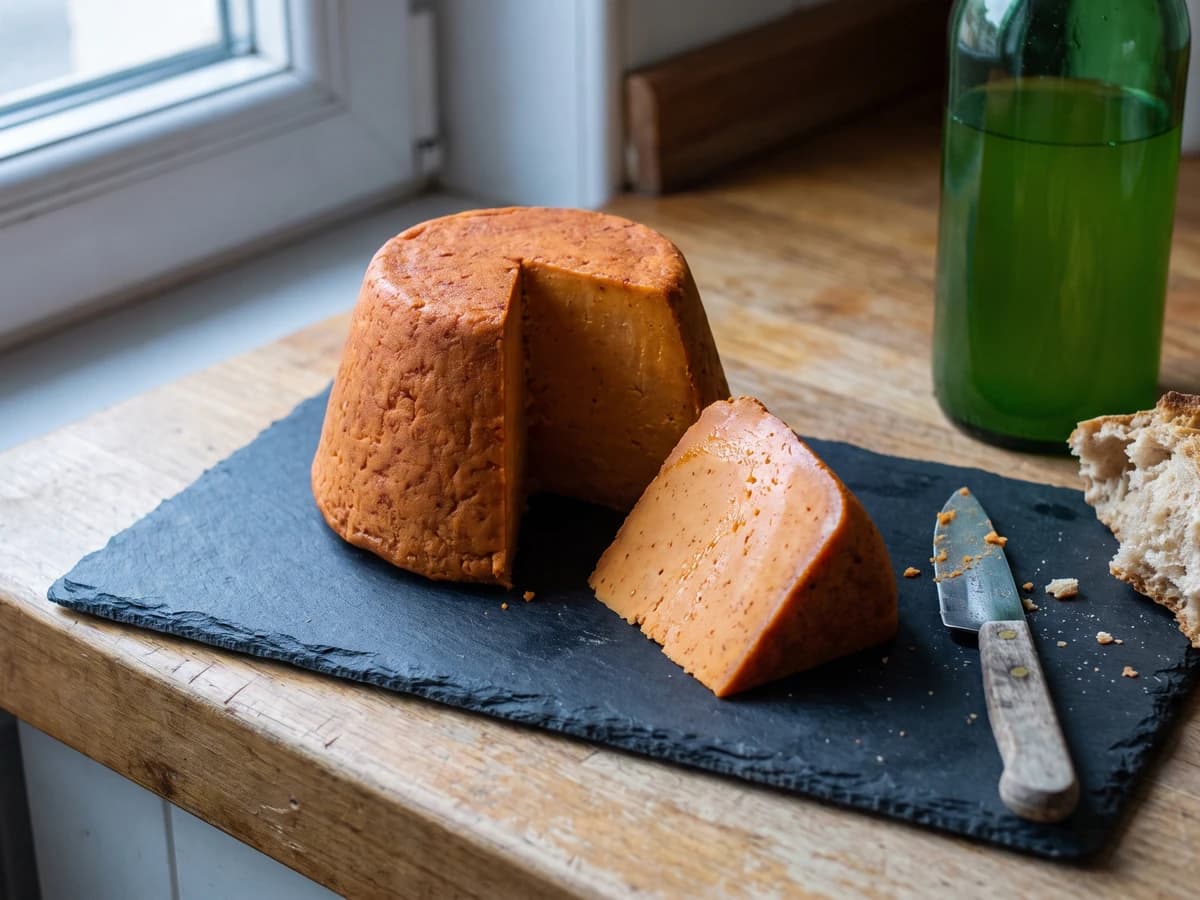
Afuega'l Pitu Roxu is Asturias in a small cheese: cow's milk set slowly to a dense curd, drained without squeezing, then kneaded with pimentón until it turns orange and grips the throat.
Chef Isabel
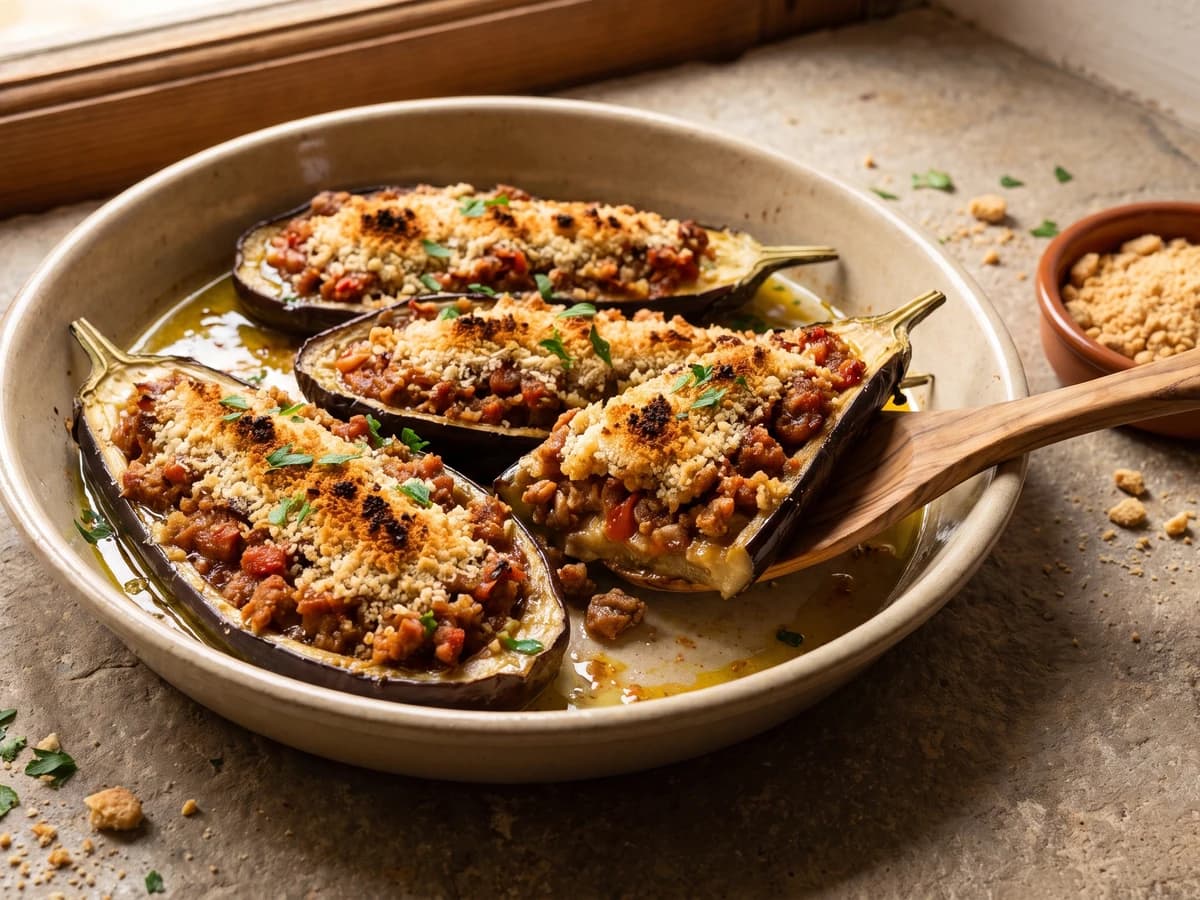
Albergínies farcides are Mallorca's summer stuffed aubergines: tender boiled shells, a slow pork sofrito with moraduix, and a plain breadcrumb cap baked until the top turns crisp and golden.

Chef Isabel
Carxofes farcides are Catalan stuffed artichokes: tender hearts filled with jamón, slow sweet onion, and breadcrumbs, then baked in a light creamy sauce until the tops turn golden.