Culinary Explorer

A cooking platform built around craft, culture, and the stories behind what we eat.
Discover Culinary Explorer
Pellizcadas Tlaxcaltecas

Pellizcadas Tlaxcaltecas

Created by

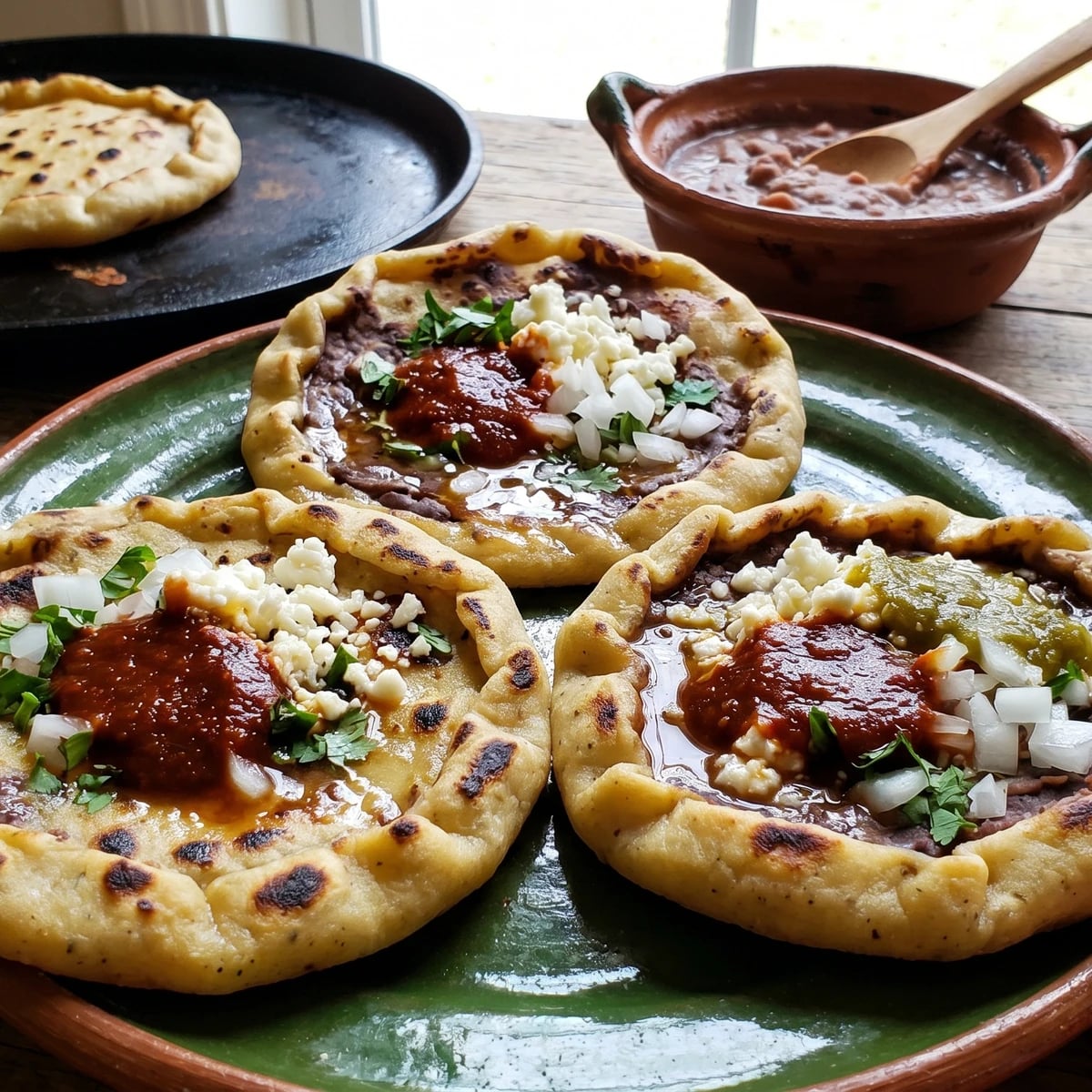
Tlaxcala's hand-pinched masa cakes, slicked with manteca and asiento, topped with frijoles, queso anejo, and salsa. The older sister of the sope, and one of the proudest snacks of central Mexico.

Appetizers & Snacks
Mexican
Weeknight
Comfort Food
Budget Friendly
30 min
Active Time
40 min cook1 hr 10 min total
Yield12 pellizcadas (4 to 6 servings)

Pellizcadas are from Tlaxcala. The smallest state in Mexico, often forgotten by people who can only name Oaxaca and Puebla, but a state with a deep masa tradition that predates the conquest. This is the snack of the markets in Apizaco, of Sunday lunches in Huamantla, of the women who set up comales on the sidewalk and pinch these by hand for school children walking home in the afternoon.

The name comes from pellizcar, to pinch. After the masa cake cooks on the comal, you pinch the edges up while it is still hot to form a small lip that holds the toppings. Without that pinch, you have a sope, which is from somewhere else and shaped by hand differently. With the pinch, you have a pellizcada, and you have Tlaxcala on your plate. Esto no es comida de un solo Mexico.

The fat is what separates this dish from imitations. Asiento, the dark, savory residue from the bottom of a carnitas pot, is smeared onto the hot masa right after it comes off the comal. It is briny, smoky, almost anchovy-like in how it deepens flavor. If you cannot find asiento, use good lard, and know that you are making a compromise. La manteca es el sabor and in Tlaxcala that is not negotiable.

My mother did not make pellizcadas. She was from Jalisco and she made sopes. But I learned these in 2011, in a market stall in Huamantla, from a woman named Dona Reyna who had been pinching them on the same comal for forty-one years. She told me the pinch is what makes the dish. The pinch is what your fingers remember after the recipe is gone. Saber cocinar es saber vivir.

Pellizcadas belong to a family of pre-Columbian masa antojitos that includes sopes, huaraches, tlacoyos, and gorditas, regional variations on the same idea of a thick masa base topped with beans, salsa, and cheese. In Tlaxcala specifically, the pinched-edge technique is documented in ethnographic accounts of indigenous Nahua and Otomi cooking from the central highlands, where the corn-based snack economy operated almost entirely through women working domestic comales for daily market sale. The use of asiento, the rendered residue from carnitas production, ties the dish to the post-conquest introduction of pork and reflects the economic logic of small Tlaxcaltecan kitchens, in which nothing from a single pig was wasted, and the brown bits at the bottom of the lard pot became a flavor base in their own right.

The technique, the tradition, and the story behind every dish.

Discover Culinary Explorer

Ingredients

masa harina (Maseca or Minsa) or fresh nixtamal masa

Quantity

2 cups masa harina, or 1 pound fresh masa

warm water

Quantity

1 1/4 cups

only if using masa harina

kosher salt

Quantity

1 teaspoon

asiento

Quantity

1/3 cup

the brown bits scraped from the bottom of the carnitas pot; substitute pork lard if you must

pork lard (manteca de cerdo)

Quantity

3 tablespoons, plus more for the comal

frijoles refritos

Quantity

1 1/2 cups

recipe below

queso anejo or queso de rancho

Quantity

1 cup

crumbled; queso fresco is a fair substitute

salsa roja or salsa verde

Quantity

1 cup

warmed

raw white onion

Quantity

1/2 cup

finely diced

fresh cilantro

Quantity

1/2 cup

chopped

cooked frijoles bayos or pinto beans

Quantity

1 cup

with a little of their cooking broth

pork lard for the beans

Quantity

2 tablespoons

small white onion for the beans

Quantity

1/4

finely chopped

epazote

Quantity

1 sprig

kosher salt for the beans

Quantity

to taste

dried chile guajillo (optional)

Quantity

4

stemmed and seeded

dried chile de arbol (optional)

Quantity

2

stemmed

tomates for salsa (optional)

Quantity

3 medium

roasted on a comal

garlic cloves for salsa (optional)

Quantity

2

roasted on a comal

white onion for salsa (optional)

Quantity

1/4 small

roasted on a comal

kosher salt for salsa (optional)

Quantity

to taste

Equipment Needed

  • Cast iron comal or heavy flat skillet, at least 10 inches across
  • Tortilla press lined with cut plastic from a freezer bag
  • Bean masher or sturdy wooden spoon
  • Heatproof clay plates for serving

Instructions

  1. 1

    Mix the masa

    If you are working with masa harina, combine it in a bowl with the salt and the warm water. Knead with your hands for three to four minutes until the dough is smooth, soft, and holds together without cracking when you press it between your palms. It should feel like the earlobe of a sleeping child, that is what the senoras in Huamantla say. If it cracks, add water a teaspoon at a time. If it sticks, add a little more masa. Cover with a damp cloth and rest for 15 minutes. If you have fresh nixtamal masa from a tortilleria, skip the water and just knead in the salt.

    The masa is the dish. If your masa is dry, no amount of asiento or salsa will save the pellizcada. Take the time to get it right before you press a single one.
  2. 2

    Cook the beans

    While the masa rests, make the frijoles refritos. Heat the lard in a skillet over medium. Add the chopped white onion and cook until soft and translucent, about three minutes. Add the cooked beans with a splash of their broth and the sprig of epazote. Mash with a bean masher or the back of a wooden spoon until the beans are mostly smooth but still have some texture. Season with salt. They should be thick enough to hold their shape on a spoon but soft enough to spread. Remove the epazote stem before using.

  3. 3

    Make the quick salsa roja

    Heat a dry comal over medium. Toast the guajillo and chile de arbol for 20 to 30 seconds per side until they puff and smell like the chile vendor's stall at the Tlaxcala mercado. Soak them in hot tap water, not boiling, for 15 minutes. While they soak, roast the tomates, garlic, and onion on the same comal, turning until the tomato skins blister and char and the garlic softens inside its papery skin. Drain the chiles and blend with the roasted vegetables, a pinch of salt, and a couple tablespoons of fresh water until smooth. Taste for salt. Warm gently in a small pot before serving.

  4. 4

    Press the pellizcadas

    Divide the masa into 12 equal balls, about the size of a golf ball. Line a tortilla press with two pieces of plastic cut from a freezer bag. Place a ball in the center, close the press, and flatten to about a quarter inch thick, thicker than a tortilla. The pellizcada should be slightly heftier, four inches across. If you do not have a press, flatten between two flat plates or two pieces of plastic with the bottom of a heavy pan.

    Thicker than a tortilla, thinner than a sope. The pellizcada is the older sister, plumper at the edges than a tortilla but flatter than a sope. Cada estado, su propia cocina, and Tlaxcala drew this line a long time ago.
  5. 5

    Cook on the comal

    Heat a dry comal over medium-high until a drop of water dances and evaporates on contact. Lay the pressed masa rounds on the comal in batches. Cook for about a minute and a half on the first side, until the edges look dry and the underside is freckled with light brown spots. Flip and cook for another minute and a half. Flip once more for 30 seconds. They should be cooked through but still pliable, not crisp.

  6. 6

    Pinch the edges

    This is where the dish gets its name. Pellizcar means to pinch. Pull one cooked round off the comal and immediately, while it is still hot enough to burn your fingertips a little, pinch the edges up all the way around to form a small lip, the way you would pinch the crust of a pie. Use a clean kitchen towel to protect your fingers if you must, but most of the senoras in Tlaxcala do this with bare hands. The pinched border holds the toppings in place. Without the pinch, you have a sope. With it, you have a pellizcada.

    Work fast. The masa stiffens as it cools and a cold pellizcada will not pinch, it will crack. Pinch each one the moment it comes off the comal.
  7. 7

    Slick with asiento and lard

    Return the pinched pellizcadas to the warm comal. Smear the inside of each one with a generous half teaspoon of asiento and a small dab of lard. The fat melts into the masa surface and gives it the savory backbone that makes this dish a Tlaxcaltecan one. La manteca es el sabor. Asiento is what makes a pellizcada different from any old fried masa cake from another state, do not skip it if you can get your hands on the real thing.

  8. 8

    Top and serve immediately

    Spread a tablespoon of warm frijoles refritos across each pellizcada, staying inside the pinched border. Spoon over a tablespoon of warm salsa roja or salsa verde, your choice. Top with a generous scatter of crumbled queso anejo, raw white onion, and chopped cilantro. Serve directly off the comal onto a clay plate. Pellizcadas wait for nobody. Eat them as soon as they are dressed, while the masa is still soft and the fat is still hot. Asi se hace y punto.

Chef Tips

  • If you have access to a tortilleria that sells fresh masa, use it. Fresh nixtamal masa has a sweetness and an aroma that masa harina cannot quite match. Pregunta a las senoras del mercado where the good one is sold.
  • Asiento is the heart of this dish and the hardest ingredient to find outside Mexico. If you have a Mexican butcher or a carnitas stand near you, ask for the brown bits at the bottom of the cazo. They will know what you mean. If not, lard plus a small spoonful of finely chopped chicharron prensado will get you closer than plain lard alone.
  • Pellizcadas do not reheat well. The masa goes leathery and the toppings turn sad. Make as many as you will eat in one sitting and press fresh masa for the next round. No me vengas con atajos, this is a dish meant to be eaten off the comal.

Advance Preparation

  • The frijoles refritos can be made up to two days ahead, refrigerated, and warmed gently with a splash of water before serving.
  • The salsa roja keeps for three to four days in the refrigerator and improves on the second day as the chile mellows.
  • The masa can be mixed up to four hours ahead and kept covered with a damp cloth at room temperature, but the pellizcadas themselves must be pressed, cooked, and pinched at serving time.

Frequently Asked Questions

Nutrition Information

1 serving (about 300g)

Calories
585 calories
Total Fat
38 g
Saturated Fat
16 g
Trans Fat
0 g
Unsaturated Fat
21 g
Cholesterol
40 mg
Sodium
820 mg
Total Carbohydrates
51 g
Dietary Fiber
7 g
Sugars
4 g
Protein
12 g

Note: Chef personas and recipes are created with AI assistance. Cook with care: follow safe food-handling practices, check doneness with a thermometer when needed, and adapt for allergies and your kitchen.

Where cooking meets culture.

Culinary guides, cultural storytelling, and the editorial depth that makes cooking meaningful.

Discover Culinary Explorer

More from Central Mexican Appetizers & Snacks

Browse the full collection