Chef Isabel
Acedías Fritas de Cádiz
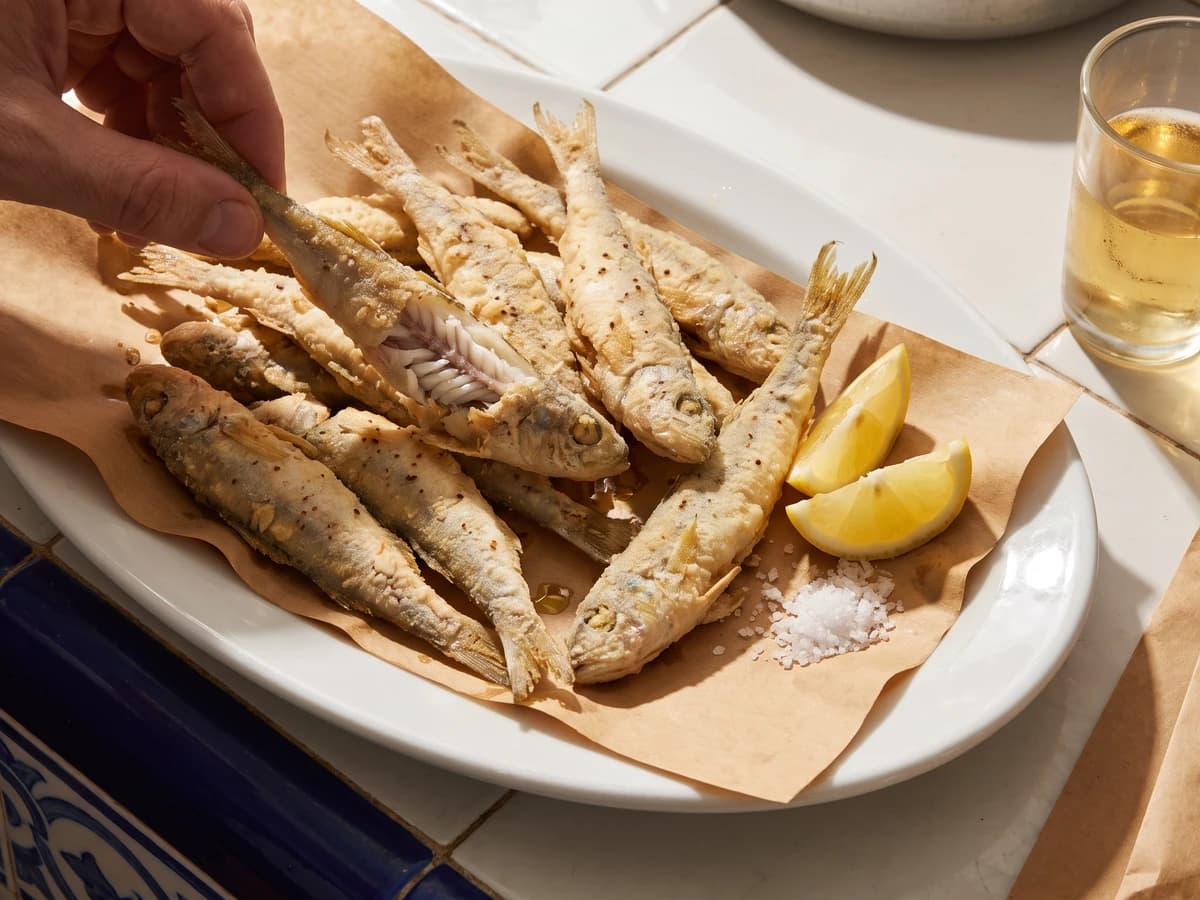
Acedías fritas belong to Cádiz: tiny wedge sole, salted, dusted in frying flour, and dropped into very hot olive oil so the rims crisp while the fish stays tender.
A cooking platform built around craft, culture, and the stories behind what we eat.

Created by
Pencas de acelga rellenas are Navarrese home cooking: chard stalks stuffed with jamón and cheese, battered, fried, then simmered in tomato sofrito until the sauce clings.
Pencas de acelga rellenas are Navarrese, with La Rioja close beside them, and they belong to the vegetable kitchens of the Ebro valley. The green leaves of the acelga go one way, often into a potaje, and the thick white stalks become the dish: filled with jamón and cheese, closed like a little sandwich, battered, fried, and finished in tomato sofrito, the slow onion and tomato base that gives the sauce its sweetness.
The method that decides it is the first cooking of the pencas. They must be tender enough to fold around the filling without stringing under the knife, but not so soft that they collapse in the flour and egg. Boil them in salted water until a knife slides in cleanly, drain them well, and dry them. Wet stalks throw off the batter and make the oil sulk. That is not drama, only physics.
If you are far from Navarra, ordinary Swiss chard is enough, provided the stalks are broad and firm. If the stems are narrow, don't fight them; pair two small pieces around the filling and secure them with a toothpick. Use Serrano ham if you can, a mild cured ham if you can't, and a melting cheese that behaves in the pan. No hace falta haber pisado España. You need good chard, a steady hand with the batter, and a sofrito cooked until it tastes sweet, not raw.
My Margin for this one says only: dry the pencas twice. I wrote it after losing half a batch to a slippery coating. Do that, keep the sauce gentle, and it comes out. Siempre sale, si lo sigues.
Pencas de acelga rellenas belong to the market-garden cooking of Navarra and La Rioja, where chard, cardoon, borage, and other stalk vegetables have long been treated as worthy dishes, not scraps. Stuffing the cooked stalks with ham and cheese turns a modest vegetable into a feast-day bite without wasting the leaves, a habit born from household economy as much as pleasure. The tomato sofrito finish is common in the Ebro valley home kitchen, where a fried vegetable often returns to the pan to soften and take on the sauce.
Quantity
900g
leaves removed and saved, stalks trimmed
Quantity
1 teaspoon, plus more to season
Quantity
120g
thinly sliced
Quantity
120g
thinly sliced
Quantity
80g
Quantity
2
beaten
Quantity
250ml
Quantity
1 medium, about 180g
finely chopped
Quantity
2 cloves
finely chopped
Quantity
500g fresh grated, or 400g canned
Quantity
1/2 teaspoon
Quantity
1 teaspoon
Quantity
120ml
Quantity
to taste
| Ingredient | Quantity |
|---|---|
| Swiss chard with broad white stalksleaves removed and saved, stalks trimmed | 900g |
| fine salt | 1 teaspoon, plus more to season |
| Serrano hamthinly sliced | 120g |
| semi-cured sheep cheese or mild melting cheesethinly sliced | 120g |
| plain flour | 80g |
| large eggsbeaten | 2 |
| olive oil, for frying | 250ml |
| onionfinely chopped | 1 medium, about 180g |
| garlicfinely chopped | 2 cloves |
| ripe tomatoes or canned crushed tomato | 500g fresh grated, or 400g canned |
| sweet pimentón | 1/2 teaspoon |
| sugar (optional) | 1 teaspoon |
| water or light vegetable stock | 120ml |
| black pepper | to taste |
Cut the green leaves away from the chard and save them for soup, tortilla, or a potaje. Trim the white stalks into even pieces about 10cm long, pulling away any tough strings as you go. You need 24 pieces, because each stuffed penca uses two pieces like bread around the filling.
Bring a wide pot of water to a boil and salt it with 1 teaspoon fine salt. Add the chard stalks and cook for 10 to 14 minutes, depending on thickness, until a knife slides into the thickest part with little resistance. Do not cook them to collapse. They must bend, not break.
Lift the stalks to a clean towel and let them drain for 10 minutes. Pat both sides very dry. This is the small step that saves the dish: wet pencas shed their flour and egg in the pan, while dry ones take the batter neatly and fry golden.
While the stalks drain, pour 3 tablespoons of the frying oil into a shallow cazuela or wide pan. Add the onion with a pinch of salt and cook over low heat for 18 to 22 minutes, stirring now and then, until soft, dark gold, and sweet. Add the garlic for 1 minute, then stir in the pimentón off the heat so it smells warm but does not scorch.
Add the grated tomato, or canned crushed tomato, and return the pan to low heat. Cook for 15 to 20 minutes, until the sauce thickens, darkens, and the raw tomato smell is gone. Taste it. If the tomato is sharp, add the sugar. Stir in 120ml water or light vegetable stock and keep the sauce at the lowest bubble.
Lay 12 chard pieces on a board. Top each with a folded slice of Serrano ham and a thin slice of cheese, keeping the filling inside the edges so it will not leak too much. Cover with the remaining 12 pieces. Press gently. If the stalks are narrow or slippery, secure each one with a toothpick.
Put the flour on one plate and the beaten eggs in a shallow bowl. Season the flour lightly with salt and black pepper. Coat each stuffed penca in flour, tap off the excess, then dip it in egg so every edge is covered. Work steadily, not in a rush. The batter is simple, but it has to cover the seams.
Heat the remaining olive oil in a frying pan over medium heat. Fry the pencas in batches for 2 to 3 minutes per side, until the coating is set and golden, and the cheese just begins to soften inside. Do not crowd the pan, or the batter steams pale instead of frying. Move each batch to a plate.
Nestle the fried pencas into the tomato sofrito in one layer, spooning a little sauce over the top. Cover loosely and simmer for 8 to 10 minutes, just long enough for the batter to drink in the sauce and the filling to warm through. Shake the pan gently by the handles instead of poking at them with a spoon.
Take the pan off the heat and let the pencas rest for 10 minutes before serving. They should sit tender in a red, glossy sauce, with the batter softened at the edges and still holding its shape. Serve two or three pieces per person as a first course, with bread for the sauce. Tal como se hace allí: modest, careful, and better than it sounds on paper.
1 serving (about 340g)
Culinary guides, cultural storytelling, and the editorial depth that makes cooking meaningful.
Discover Culinary ExplorerChef Isabel
Acedías fritas belong to Cádiz: tiny wedge sole, salted, dusted in frying flour, and dropped into very hot olive oil so the rims crisp while the fish stays tender.
Chef Isabel
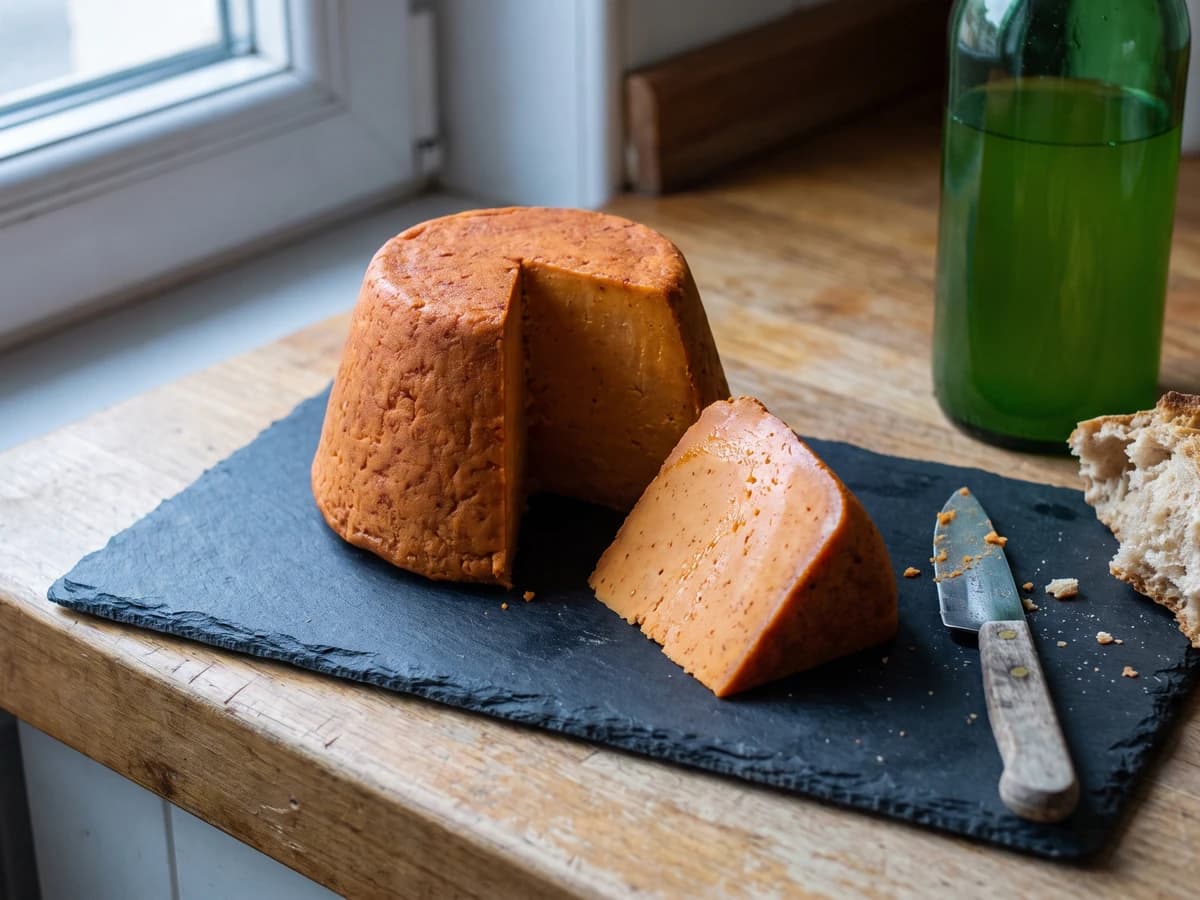
Afuega'l Pitu Roxu is Asturias in a small cheese: cow's milk set slowly to a dense curd, drained without squeezing, then kneaded with pimentón until it turns orange and grips the throat.
Chef Isabel
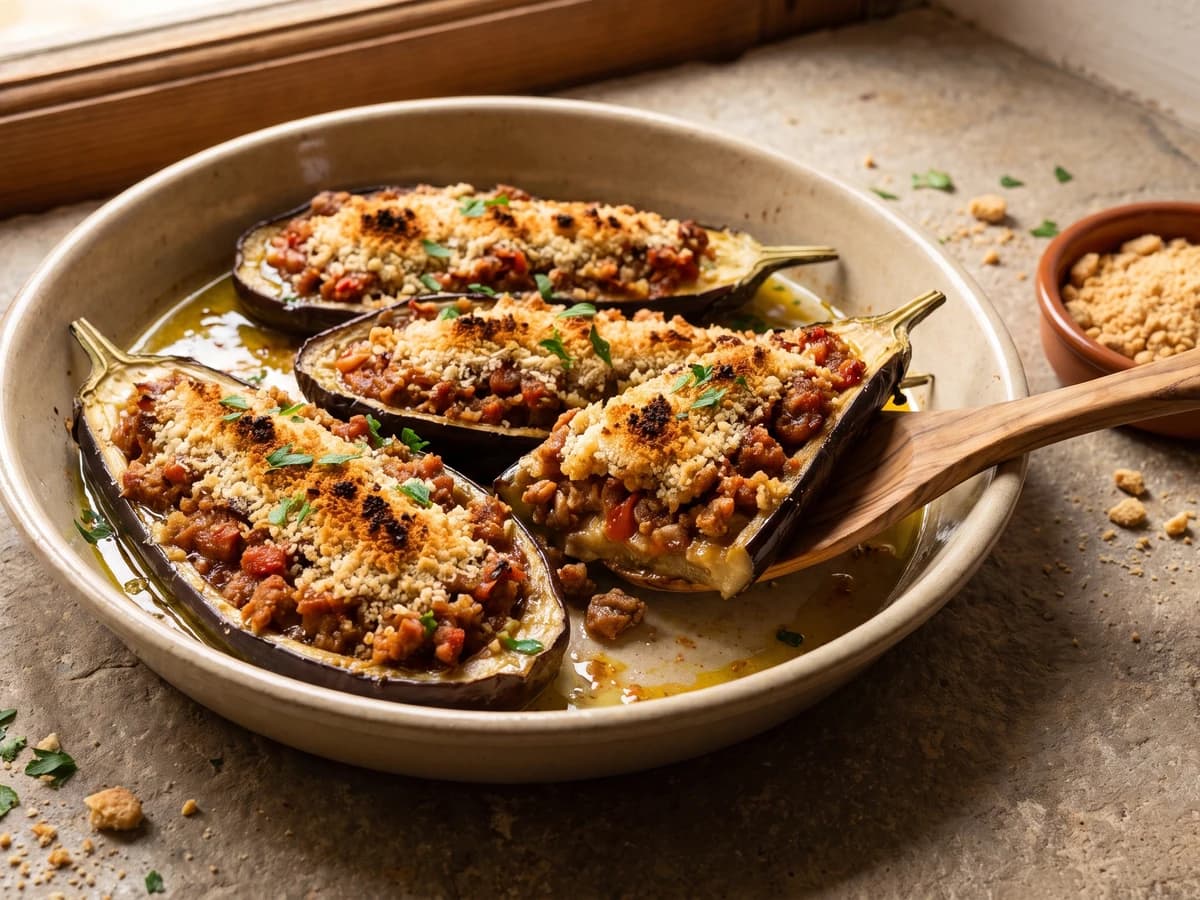
Albergínies farcides are Mallorca's summer stuffed aubergines: tender boiled shells, a slow pork sofrito with moraduix, and a plain breadcrumb cap baked until the top turns crisp and golden.

Chef Isabel
Carxofes farcides are Catalan stuffed artichokes: tender hearts filled with jamón, slow sweet onion, and breadcrumbs, then baked in a light creamy sauce until the tops turn golden.