Chef Juliana
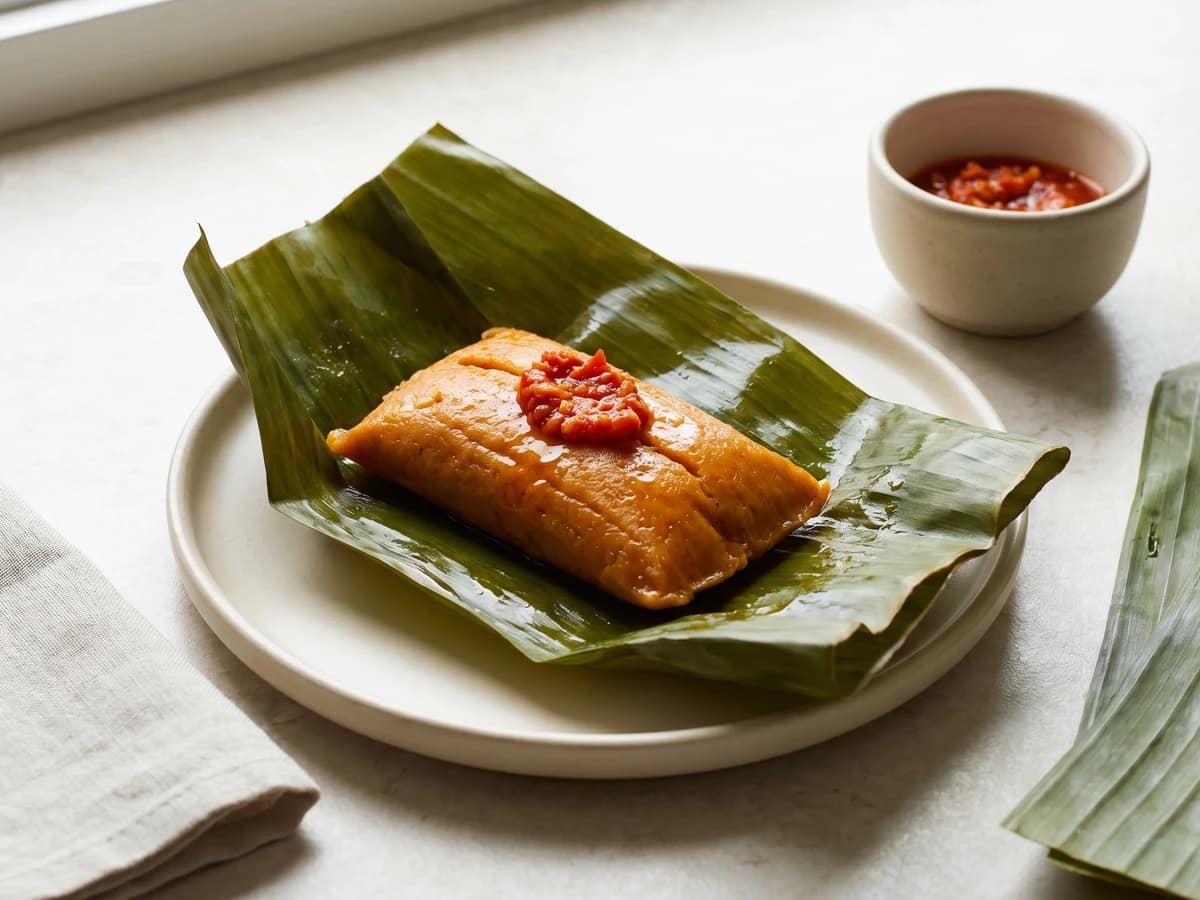
Abará
You think banana leaves and hand-whipped bean massa mean “isso não é pra mim.” Wrong. Soak, peel, beat, wrap, steam. Abará is learned by touch, not inherited by magic.
A cooking platform built around craft, culture, and the stories behind what we eat.

Created by
You think frying dough is where cooking stops being for you. Wrong. Roll it thin, seal it well, fry hot, and you've got the feira classic in your own kitchen.
You hear the oil, see the thin dough, and that little voice starts: isso não é pra mim. I know that voice. Mine once watched onions burn and called it destiny. Nonsense. Cozinhar não é dom, é um aprendizado, and pastel is a very good teacher because it tells the truth fast.
This is feira food, the kind you eat standing up with one hand and a cup of caldo de cana nearby, but it still belongs to the same Brazilian kitchen that makes the pê-efe. Rice and beans solve the daily plate. Pastel solves the Saturday hunger, the game day table, the budget snack that feels like a small party without pretending to be dinner in a costume.
The method is plain. Make a firm dough with flour, water, oil, vinegar, and a splash of cachaça if you have it, because the alcohol helps the crust blister and fry crisp. Rest it so the dough relaxes. Roll it thin enough to almost see your hand through it. Fill it with a dry, well-seasoned refogado of beef or a simple cheese square. Wet filling is the enemy here, not your character.
Anota aí: hot oil, dry filling, sealed edges. That's the whole negócio. No packet, no powder pretending to be flavor, no mystery. Just comida de verdade, folded, fried, and eaten while it still crackles under your teeth.
The most accepted story places pastel de feira in São Paulo's open-air markets after the first official Japanese immigrants arrived in Brazil in 1908 aboard the Kasato Maru. Japanese-Brazilian vendors adapted thin filled fried pastries, often linked to Asian dumpling and spring-roll traditions, into a cheap, fast Brazilian feira snack. By the mid-twentieth century, pastel with caldo de cana had become one of the clearest signatures of the feira livre.
Quantity
3 cups, plus more for rolling
Quantity
1 teaspoon
Quantity
2 tablespoons
Quantity
1 tablespoon
Quantity
2 tablespoons
for a more blistered crust
Quantity
3/4 cup, plus 1 to 3 tablespoons as needed
Quantity
2 tablespoons
for the beef filling
Quantity
1 small
finely chopped
Quantity
2 cloves
minced
Quantity
350 g
Quantity
1 teaspoon, plus more to taste
for the beef filling
Quantity
1/2 teaspoon
Quantity
1/2 teaspoon
Quantity
1/3 cup
chopped
Quantity
2 tablespoons
chopped
Quantity
1 1/2 cups
cut into 12 small rectangles, for cheese filling option
Quantity
6 cups
for frying
Quantity
1/4 cup
for molho de feira
Quantity
2 tablespoons
for molho de feira
Quantity
1 small
finely diced, for molho de feira
Quantity
2 tablespoons
finely chopped, for molho de feira
Quantity
1 tablespoon
chopped, for molho de feira
Quantity
1/4 teaspoon
for molho de feira
| Ingredient | Quantity |
|---|---|
| all-purpose flour | 3 cups, plus more for rolling |
| salt | 1 teaspoon |
| neutral oil | 2 tablespoons |
| white vinegar | 1 tablespoon |
| cachaça or vodka (optional)for a more blistered crust | 2 tablespoons |
| warm water | 3/4 cup, plus 1 to 3 tablespoons as needed |
| neutral oilfor the beef filling | 2 tablespoons |
| onionfinely chopped | 1 small |
| garlicminced | 2 cloves |
| ground beef | 350 g |
| saltfor the beef filling | 1 teaspoon, plus more to taste |
| black pepper | 1/2 teaspoon |
| ground cumin (optional) | 1/2 teaspoon |
| green olives (optional)chopped | 1/3 cup |
| parsley or scallionschopped | 2 tablespoons |
| low-moisture mozzarella or prato cheesecut into 12 small rectangles, for cheese filling option | 1 1/2 cups |
| neutral oilfor frying | 6 cups |
| white vinegarfor molho de feira | 1/4 cup |
| waterfor molho de feira | 2 tablespoons |
| tomatofinely diced, for molho de feira | 1 small |
| onionfinely chopped, for molho de feira | 2 tablespoons |
| parsley or scallionschopped, for molho de feira | 1 tablespoon |
| saltfor molho de feira | 1/4 teaspoon |
Put the flour and salt in a large bowl and stir with your hand. Add the oil, vinegar, cachaça if using, and 3/4 cup warm water. Mix until shaggy, then squeeze and fold until the flour disappears. The dough should feel firm and a little dry, not sticky like bread dough. Add extra water 1 tablespoon at a time only if dry flour stays in the bowl, because too much water makes a dough that fights the rolling pin.
Knead the dough on the counter for 5 to 7 minutes, until it turns smooth and stops cracking at the edges. Wrap it and let it rest for 30 minutes. Resting isn't laziness, it's technique: the flour hydrates and the dough relaxes, so you can roll it thin instead of wrestling it across the counter like a punishment.
Warm 2 tablespoons oil in a wide skillet over medium heat. Add the onion and cook until it murcha, soft and see-through, about 5 minutes. Add the garlic for 1 minute, just until you smell it. This is the refogado, the base that makes the beef taste like food and not just browned meat. Burn the garlic and it turns bitter, and it will not apologize.
Add the ground beef, salt, pepper, and cumin if using. Spread it out and let it dourar before stirring too much, then break it up and cook until the liquid disappears and the meat starts to sizzle again, 8 to 10 minutes. You want a dry filling with browned bits, not a wet pan. Wet filling leaks, and then the oil gets angry and the pastel opens like bad gossip.
Stir in the olives if using and the parsley or scallions. Taste and adjust the salt. Spread the filling on a plate and let it cool completely before filling the dough. Hot filling softens the dough and makes sealing harder, so give it the time. A Tuesday is a Tuesday, yes, but physics still has its little opinions.
Stir the vinegar, water, tomato, onion, parsley or scallions, and salt in a small bowl. Let it sit while you roll the dough. The vinegar pulls juice from the tomato and onion and gives you that sharp feira spoonful that cuts the fried richness. No bottled sweet sauce needed here.
Cut the rested dough into 4 pieces and keep the pieces covered. Roll one piece on a lightly floured counter into a long, thin sheet, about 1 mm thick, thin enough that your hand almost shows through. Turn and flour only when it sticks. Thick dough fries heavy and bready; thin dough blisters, crackles, and behaves like pastel.
Cut the dough into rectangles about 12 by 15 cm. Put 2 tablespoons cooled beef filling on one half, or one rectangle of cheese if making cheese pastéis. Leave a clean border. Brush the edge with a little water, fold the dough over, press out the air, and seal with a fork. Air pockets puff too hard and can burst, so press from the filling outward before crimping.
Pour the frying oil into a heavy pot so it is at least 6 cm deep, with plenty of empty space above it. Heat to 180°C or 350°F. No thermometer? Drop in a small scrap of dough. It should bubble right away and rise steadily, not sink sadly and not darken in seconds. Oil too cool makes greasy pastel. Oil too hot browns the outside before the dough crisps properly.
Fry 1 or 2 pastéis at a time, turning once, until golden with little blisters across the surface, about 1 to 2 minutes per side. Don't crowd the pot. Too many at once drops the oil temperature, and then the dough drinks oil instead of frying crisp. Transfer to a rack or paper-lined tray and salt lightly while hot.
Serve the pastéis while the crust is crisp, with the molho de feira spooned on the side. Bite carefully, because cheese holds heat like it has a grudge. This is not food that improves by waiting. Call people to the table before the last batch leaves the oil.
1 serving (about 105g)
Culinary guides, cultural storytelling, and the editorial depth that makes cooking meaningful.
Discover Culinary ExplorerChef Juliana
You think banana leaves and hand-whipped bean massa mean “isso não é pra mim.” Wrong. Soak, peel, beat, wrap, steam. Abará is learned by touch, not inherited by magic.
Chef Juliana
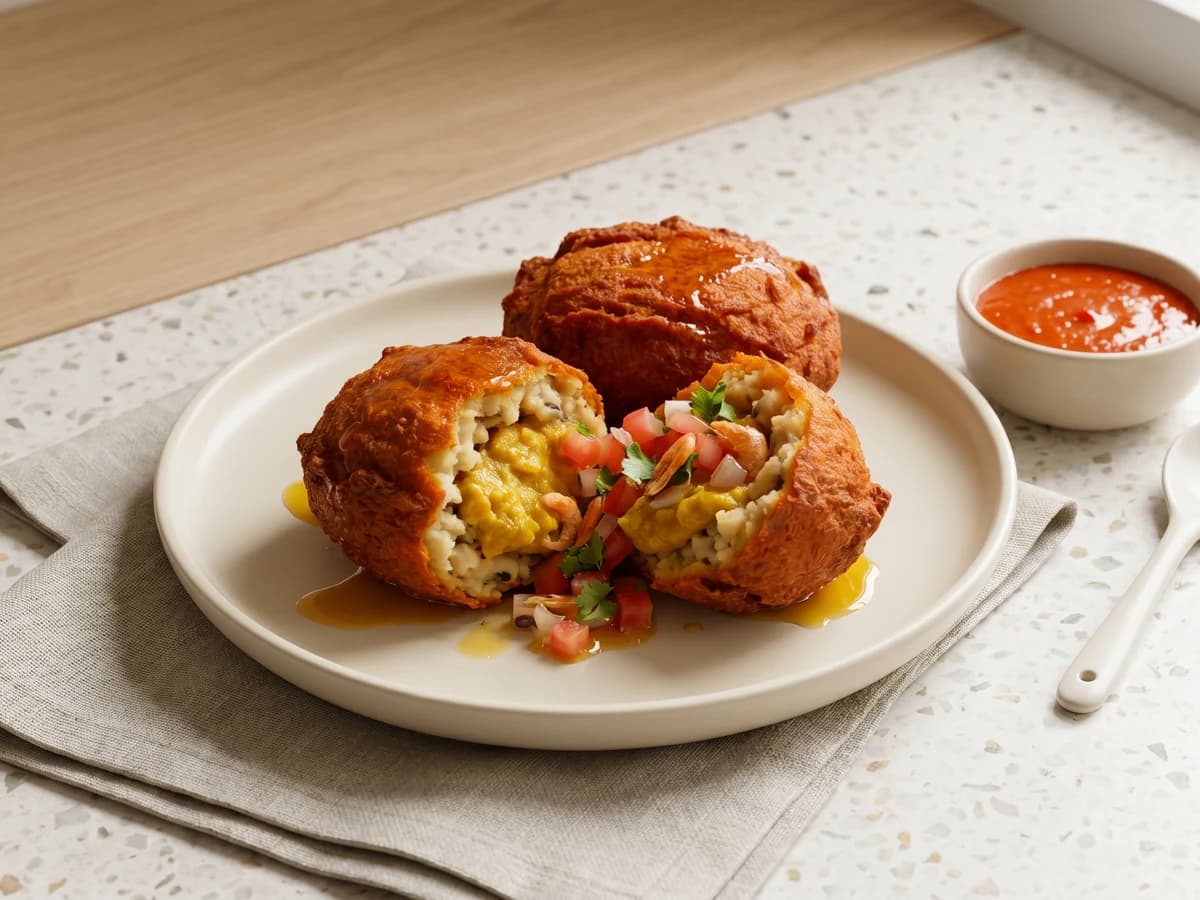
You think food of Iansã from the baianas' tabuleiro is not for your stove. Anota aí: soaked feijão-fradinho, real dendê, and hand-whipping make a home version learnable.

Chef Juliana
You think fried salgados belong to the birthday table you buy, not the one you make. Wrong. Learn the dough, seal the cheese, and the freezer starts working for you.

Chef Juliana
You think stuffed fried bolinhos are for the boteco cook, not your kitchen. Wrong. Mash the aipim warm, keep the filling dry, fry in small batches, and the tray disappears.