Chef Juliana
Abará
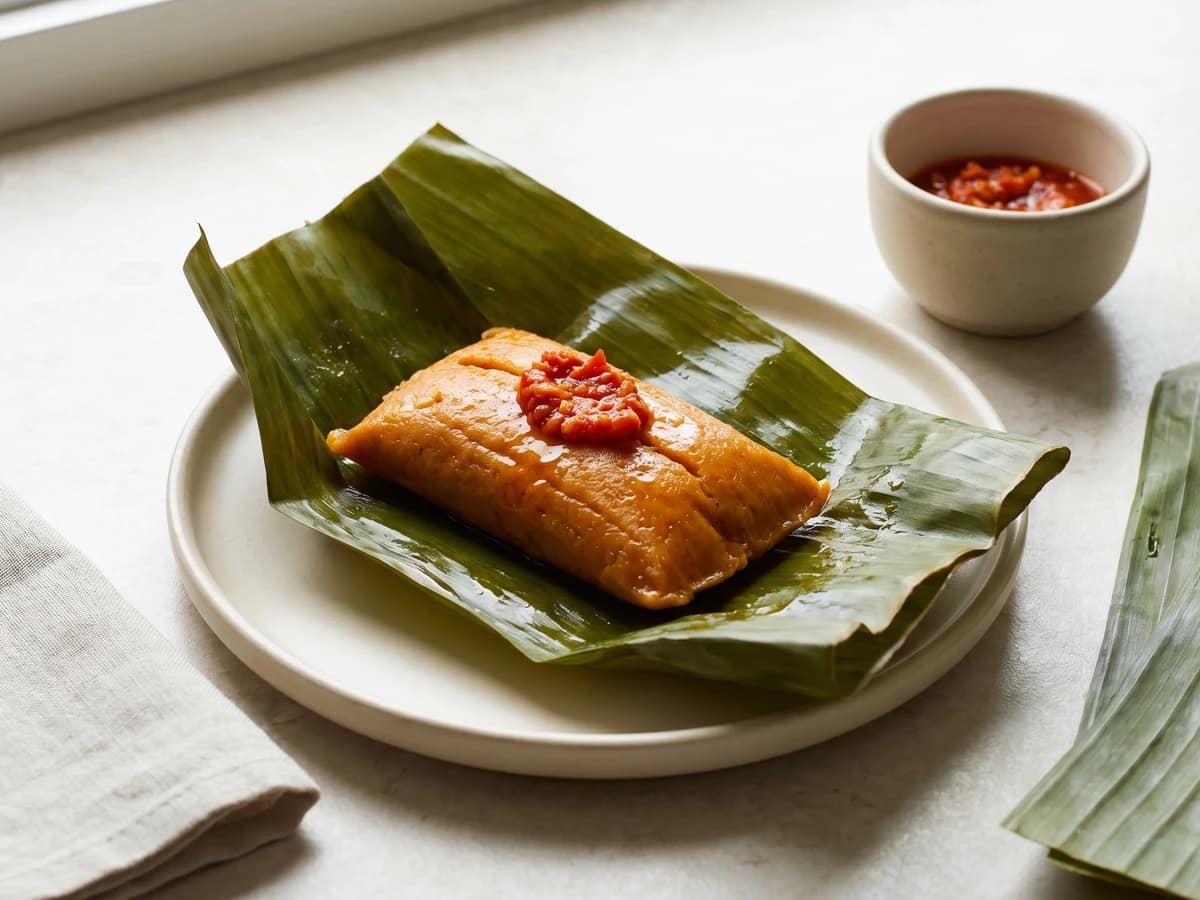
You think banana leaves and hand-whipped bean massa mean “isso não é pra mim.” Wrong. Soak, peel, beat, wrap, steam. Abará is learned by touch, not inherited by magic.
A cooking platform built around craft, culture, and the stories behind what we eat.
Created by
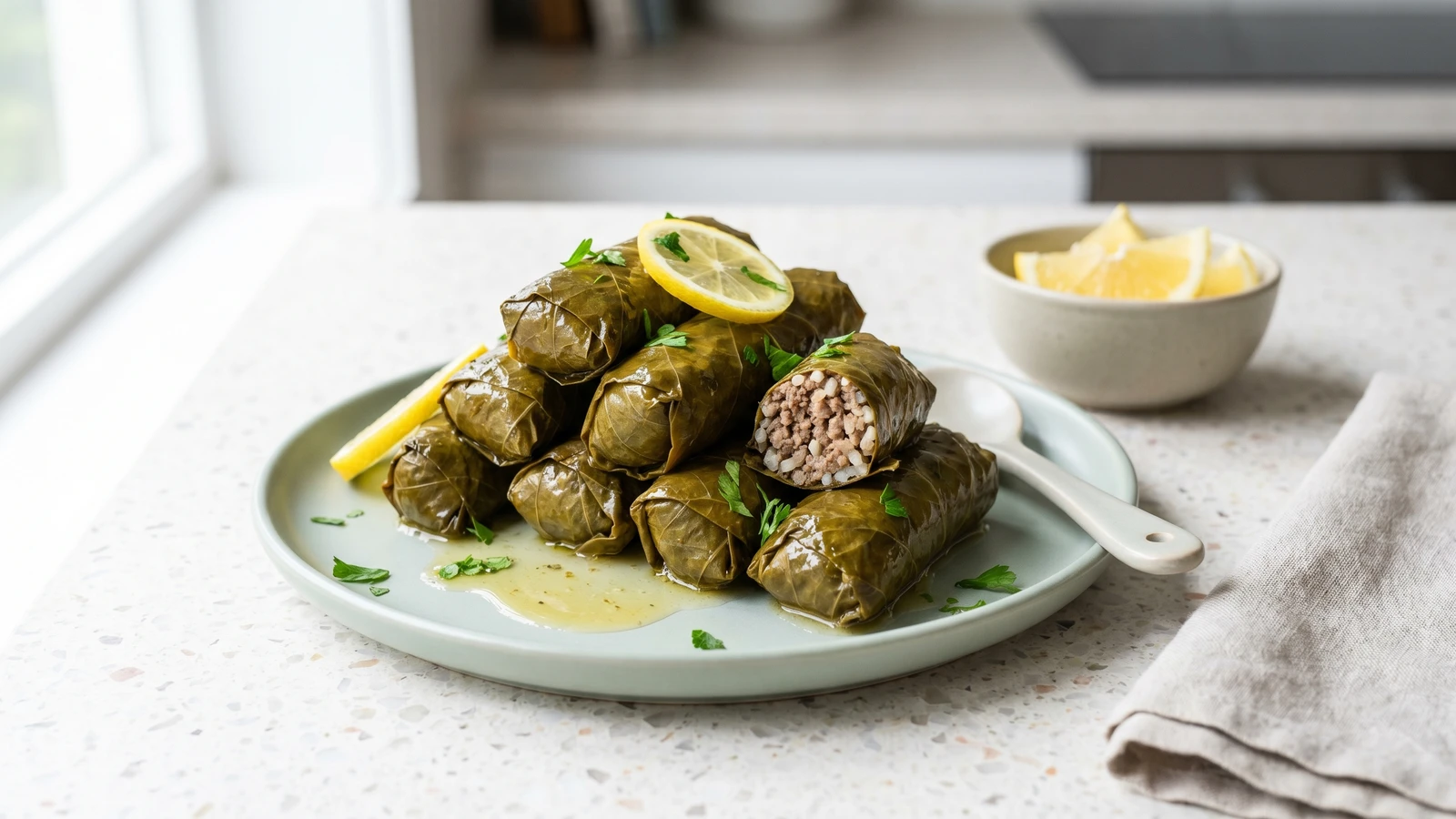
You think rolling grape leaves is delicate work for other people. Good. We'll take that apart one leaf at a time, with rice, beef, lemon, and patience.
You look at a pile of grape leaves and hear that little voice: isso não é pra mim. Too small, too neat, too much family knowledge you think you missed. I know that voice. I had it in my own kitchen, with my cheap caderno open and my first onions ruined into bitterness. Cozinhar não é dom, é um aprendizado. Anota aí: this is folding, not magic.
Charuto belongs beautifully on the Brazilian table because Brazil's table has always been made by people arriving, staying, feeding neighbors, and turning food into home. In São Paulo especially, the Lebanese and Syrian family lunch became part of the city's everyday appetite. You see charuto at a festa, yes, but put it beside arroz soltinho, feijão, salad, and something green, and suddenly it's not a fancy little package. It's comida de verdade doing what the pê-efe always does: rice, beans, meat, vegetables, balance, and nobody leaving hungry.
The method is simple, but it asks you to slow down. Soften the leaves so they bend without tearing. Mix the rice raw with the beef because it swells and cooks inside the roll. Roll tight enough to hold, loose enough to let the rice grow. Simmer gently because boiling throws all your good work around the pot like laundry in a storm.
Rolling these is the afternoon, and that's the point. Make a tray, freeze some, feed people later, and keep one warm roll for yourself before the plate reaches the table. The cook's tax exists for a reason.
Charuto de folha de uva entered Brazilian home cooking through Levantine immigration, especially Lebanese and Syrian families who settled in cities such as São Paulo from the late nineteenth century onward. The Portuguese name charuto, cigar, comes from the rolled shape, while the dish shares ancestry with stuffed grape leaves found across the Eastern Mediterranean. In Brazil, cabbage leaves often stand in for grape leaves when vines are not available, which says something practical and very Brazilian: the method travels, then the market decides the leaf.
Quantity
1 jar, about 40 to 50 leaves
rinsed well
Quantity
1 cup
rinsed and drained
Quantity
350 g
Quantity
1 medium
finely grated or very finely chopped
Quantity
2 cloves
minced
Quantity
1 medium
seeded and finely chopped
Quantity
1/2 cup
chopped
Quantity
2 tablespoons
chopped
Quantity
2 tablespoons, plus 3 tablespoons for the pot
Quantity
1 1/2 teaspoons
Quantity
1/2 teaspoon
Quantity
1/2 teaspoon
Quantity
2
juiced, about 1/4 cup
Quantity
2 cups, plus more as needed
Quantity
1 large
sliced into 1/4-inch rounds
Quantity
1
sliced into rounds
| Ingredient | Quantity |
|---|---|
| grape leaves in brinerinsed well | 1 jar, about 40 to 50 leaves |
| long-grain white ricerinsed and drained | 1 cup |
| ground beef | 350 g |
| onionfinely grated or very finely chopped | 1 medium |
| garlicminced | 2 cloves |
| tomatoseeded and finely chopped | 1 medium |
| fresh parsleychopped | 1/2 cup |
| fresh mintchopped | 2 tablespoons |
| olive oil | 2 tablespoons, plus 3 tablespoons for the pot |
| salt | 1 1/2 teaspoons |
| black pepper | 1/2 teaspoon |
| ground allspice (optional) | 1/2 teaspoon |
| lemonsjuiced, about 1/4 cup | 2 |
| water or light homemade broth | 2 cups, plus more as needed |
| potatosliced into 1/4-inch rounds | 1 large |
| lemonsliced into rounds | 1 |
Unroll the grape leaves gently and rinse them under cool water, separating them one by one. If they taste very salty, soak them in a bowl of cool water for 15 minutes, then drain. Brined leaves are the honest Tuesday shortcut here: they save you the vine and the season, but they bring salt with them, so you rinse first or the filling will taste tired before it even cooks.
Bring a wide pan of water to a simmer, drop in the leaves for 2 minutes, then drain them flat on a clean towel. Keep torn leaves aside for lining the pot. The leaves should bend like cloth, not crack like paper, because a stiff leaf splits when you roll and lets the rice escape.
In a bowl, mix the rinsed rice, ground beef, onion, garlic, tomato, parsley, mint, 2 tablespoons olive oil, salt, pepper, and allspice if using. Use your hand or a spoon until the mixture looks evenly speckled and a little loose. The rice goes in raw because it swells inside the leaf and drinks the lemony cooking liquid; cooked rice would turn heavy and pasty.
Line the bottom of a heavy pot with the potato slices, the lemon slices, and any torn grape leaves. This protects the charutos from direct heat, adds flavor to the liquid, and saves you from a scorched bottom layer. Nobody needs a burnt leaf teaching them humility today.
Lay one grape leaf shiny side down, stem end facing you. Cut off any tough stem. Put 1 tablespoon filling near the base, fold the sides over, and roll away from you into a small firm cylinder, about the thickness of your thumb. Don't pack it like you're mailing valuables. The rice needs room to grow, or the leaf tears and the filling pushes out.
Arrange the rolls seam side down in tight circles or rows over the potato layer. Keep them snug, but don't crush them. A tight pot keeps the rolls from floating open; a crowded angry pot squeezes the rice before it has cooked. There is a difference, and the spoon can feel it.
Pour the lemon juice, 3 tablespoons olive oil, and 2 cups water or light homemade broth over the rolls. The liquid should come just to the top layer, not drown it. Put a small heatproof plate on top to hold everything in place. That weight is not decoration; it keeps the rolls steady while the rice cooks.
Bring the pot just to a quiet bubble over medium heat, then lower the heat, cover, and simmer for 55 to 70 minutes. Listen for a soft blip, not a wild boil. Boiling knocks the rolls around and can split the leaves; a low simmer lets the rice swell, the beef cook through, and the lemon settle into everything.
Turn off the heat and let the covered pot rest for 15 minutes before moving anything. The rolls firm up as they sit, and the rice finishes taking in the liquid. Lift them out with a spoon, not tongs, and serve warm or at room temperature with a spoonful of the lemony pot juices.
1 serving (about 290g)
Culinary guides, cultural storytelling, and the editorial depth that makes cooking meaningful.
Discover Culinary ExplorerChef Juliana
You think banana leaves and hand-whipped bean massa mean “isso não é pra mim.” Wrong. Soak, peel, beat, wrap, steam. Abará is learned by touch, not inherited by magic.

Chef Juliana
You think food of Iansã from the baianas' tabuleiro is not for your stove. Anota aí: soaked feijão-fradinho, real dendê, and hand-whipping make a home version learnable.

Chef Juliana
You think fried salgados belong to the birthday table you buy, not the one you make. Wrong. Learn the dough, seal the cheese, and the freezer starts working for you.

Chef Juliana
You think stuffed fried bolinhos are for the boteco cook, not your kitchen. Wrong. Mash the aipim warm, keep the filling dry, fry in small batches, and the tray disappears.