Chef Juliana
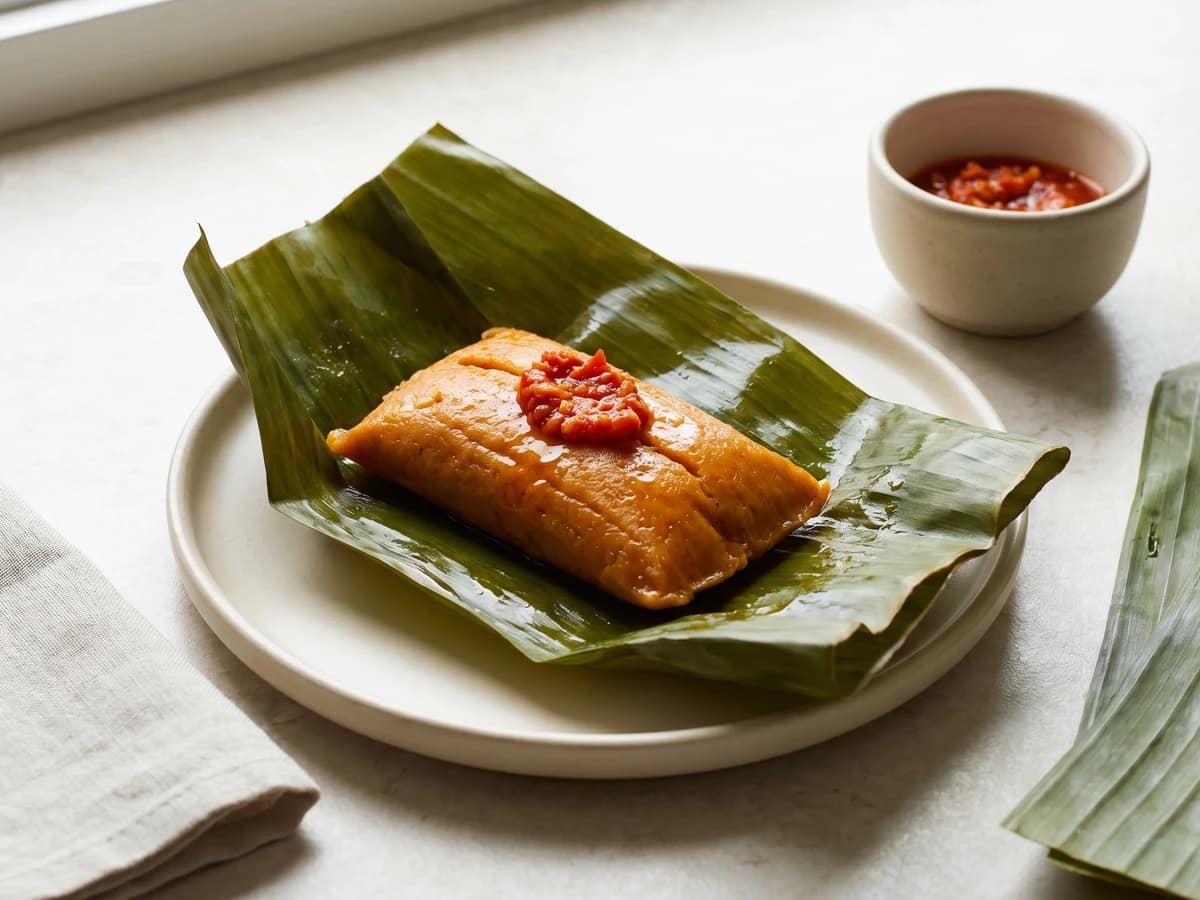
Abará
You think banana leaves and hand-whipped bean massa mean “isso não é pra mim.” Wrong. Soak, peel, beat, wrap, steam. Abará is learned by touch, not inherited by magic.
A cooking platform built around craft, culture, and the stories behind what we eat.

Created by
You think shaping dough is where dinner starts laughing at you. It isn't. Soft dough, seasoned beef, a hot oven, and a little patience solve this snack properly.
You hear "isso não é pra mim" the second dough enters the conversation. I know. I said it too, before my cheap caderno got stained with oil and panic. But cozinhar não é dom, é um aprendizado, and esfiha aberta is exactly the kind of recipe that proves it: a simple dough, a real filling, and steps you can see with your own eyes.
This is the São Paulo version a gente learned to love from Syrian and Lebanese families who fed the city so well that the city refused to let the food stay only theirs. I teach it with respect for where it came from and with the home-cook plainness it deserves. No mystique. No powdered seasoning pretending to be dinner. Beef, onion, tomato, parsley, lemon, salt. Comida de verdade, folded into a snack.
The method matters because dough listens to small things. Let it rise until puffy because yeast needs time to make the crumb soft. Drain the filling because wet meat turns the center soggy. Press a rim into each round because the edge holds the juices where they belong. That's not restaurant magic. That's arithmetic with flour.
Put these on the table with a salad, rice and beans if you're resolving dinner, or just a pile of them for game day. The pê-efe is still the school where a gente learns balance, rice, beans, a good meat, something green, but not every meal needs to sit in four corners of the plate. Sometimes the same real-food thinking arrives as a warm tray of esfihas and everybody reaching before you say they're ready.
Esfiha came to Brazil with Syrian and Lebanese immigrants in the late nineteenth and early twentieth centuries, especially through São Paulo, where Arab-Brazilian bakeries and snack counters became part of everyday city eating. In the Levant, related meat pies are often called sfiha or lahm bi ajin, with regional differences in dough, shape, and seasoning. Brazil made the open round esfiha widely familiar through neighborhood bakeries and fast snack shops, but the roots belong to the families who carried the technique across the ocean.
Quantity
3 cups, plus more for dusting
Quantity
1 tablespoon
Quantity
2 teaspoons
Quantity
1 teaspoon
Quantity
3 tablespoons
Quantity
1 cup
Quantity
1 tablespoon
for dusting the tray
Quantity
1 pound
not too lean
Quantity
1 medium
finely chopped
Quantity
1 medium
seeded and finely chopped
Quantity
1/3 cup
chopped
Quantity
2 tablespoons
Quantity
1 tablespoon
Quantity
1 teaspoon, plus more to taste
Quantity
1/2 teaspoon
Quantity
1/2 teaspoon
Quantity
1/4 teaspoon
Quantity
as needed
for serving
| Ingredient | Quantity |
|---|---|
| all-purpose flour | 3 cups, plus more for dusting |
| sugar | 1 tablespoon |
| instant yeast | 2 teaspoons |
| salt | 1 teaspoon |
| oil | 3 tablespoons |
| warm water | 1 cup |
| cornmeal or fine semolinafor dusting the tray | 1 tablespoon |
| ground beefnot too lean | 1 pound |
| onionfinely chopped | 1 medium |
| ripe tomatoseeded and finely chopped | 1 medium |
| fresh parsleychopped | 1/3 cup |
| lemon juice | 2 tablespoons |
| oil | 1 tablespoon |
| salt | 1 teaspoon, plus more to taste |
| ground black pepper | 1/2 teaspoon |
| ground cumin | 1/2 teaspoon |
| ground cinnamon (optional) | 1/4 teaspoon |
| lemon wedges (optional)for serving | as needed |
Put the flour, sugar, yeast, and salt in a large bowl and stir so the yeast isn't sitting in one salty corner. Add the oil and warm water, then mix until a shaggy dough forms. The water should feel warm like a bath, not hot, because heat wakes the yeast and too much heat kills it. Anota aí: yeast is alive, not magical.
Turn the dough onto a lightly floured counter and knead for 8 to 10 minutes, pushing it away with the heel of your hand and folding it back. Stop when it feels smooth, elastic, and a little tacky, like a soft earlobe, not dry like modeling clay. Kneading builds the structure that traps the gas from the yeast, so the esfiha bakes soft instead of heavy.
Oil the bowl lightly, put the dough back in, cover it, and let it rise in a warm spot until puffy and almost doubled, about 1 hour. Press it gently with one finger. If the dent slowly fills back in, it's ready. This rest is what makes the crumb soft and easy to bite, so don't rush it unless you want little bread plates with an attitude.
While the dough rises, mix the raw beef with the onion, tomato, parsley, lemon juice, oil, salt, pepper, cumin, and cinnamon if using. Use your hand or a fork and mix just until everything is evenly spread. It should smell bright from the lemon and onion, not like a spice drawer fell in. The acid seasons the meat and helps it cook tender in the short oven time.
Set the filling in a sieve over a bowl for 15 to 20 minutes, then press it gently to remove extra liquid. You want it moist, not wet. Tomato, onion, and lemon give flavor, but too much liquid soaks the dough before the oven can set it, and then you get a sad middle and think you failed. You didn't. You just skipped the draining.
Heat the oven to 230°C (450°F). Dust a baking tray with cornmeal or fine semolina. Punch down the dough, divide it into 12 equal pieces, and roll each piece into a ball. Flatten each ball into a round about 4 inches wide, leaving the center thinner and pressing a thicker rim around the edge. That rim is the little wall that keeps the beef juices on the esfiha instead of on the tray.
Spread about 2 tablespoons of filling over each dough round, pressing it gently into the center and stopping before the rim. Keep the layer thin enough that you can still see the shape of the dough underneath. A thick mound looks generous but cooks unevenly, and raw beef hiding under a hill is not hospitality.
Bake the esfihas for 12 to 18 minutes, rotating the tray once, until the rims are golden, the bottoms are lightly browned, and the meat has lost its raw shine. The high heat sets the dough fast and cooks the thin meat layer before it dries out. If your oven runs gentle, give them a few more minutes, but pull them before the filling turns dry and pebbly.
Let the esfihas sit on the tray for 5 minutes, then serve with lemon wedges. The rest lets the juices settle back into the meat so your first bite tastes full instead of leaking onto your hand. Eat warm, with something green beside it if this is dinner. A pile of esfihas and a salad can resolver o jantar without pretending to be anything fancy.
1 serving (about 100g)
Culinary guides, cultural storytelling, and the editorial depth that makes cooking meaningful.
Discover Culinary ExplorerChef Juliana
You think banana leaves and hand-whipped bean massa mean “isso não é pra mim.” Wrong. Soak, peel, beat, wrap, steam. Abará is learned by touch, not inherited by magic.
Chef Juliana
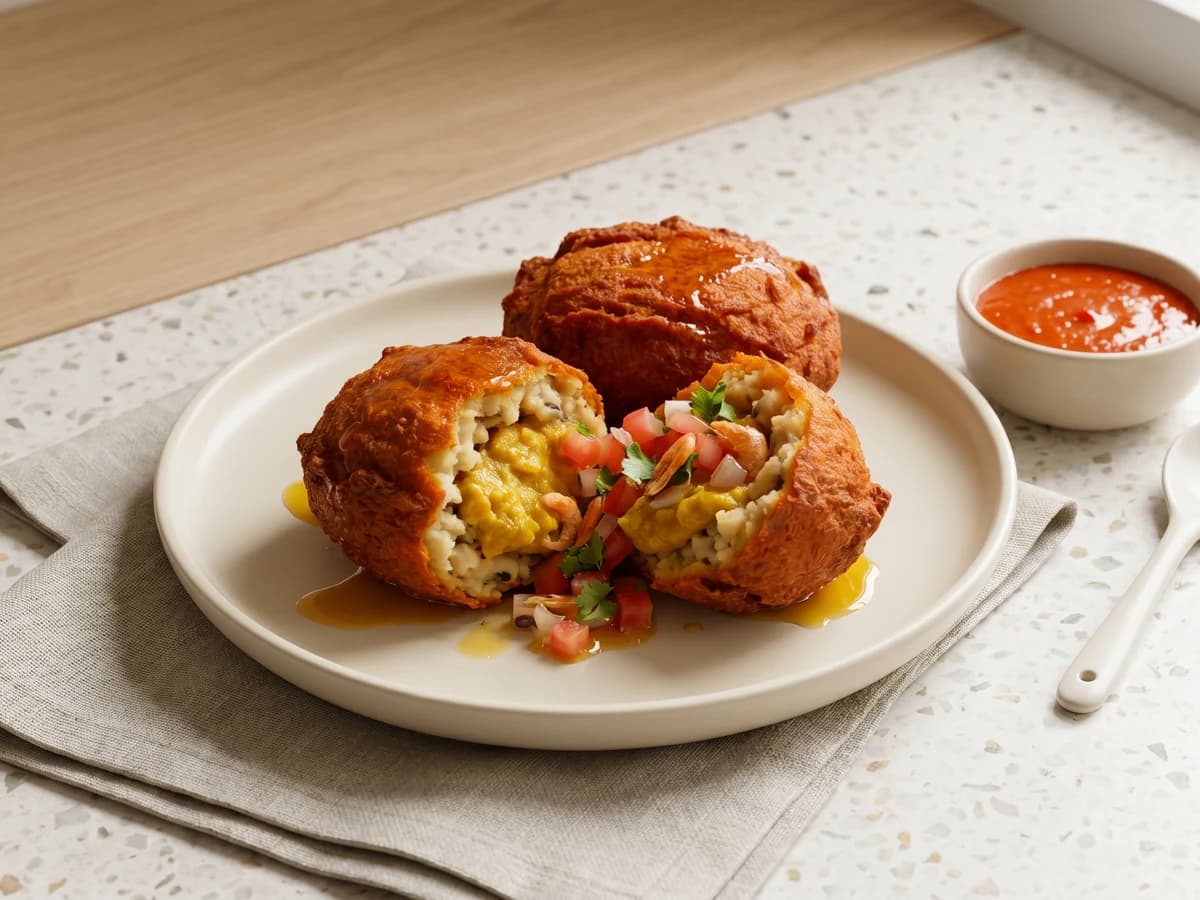
You think food of Iansã from the baianas' tabuleiro is not for your stove. Anota aí: soaked feijão-fradinho, real dendê, and hand-whipping make a home version learnable.

Chef Juliana
You think fried salgados belong to the birthday table you buy, not the one you make. Wrong. Learn the dough, seal the cheese, and the freezer starts working for you.

Chef Juliana
You think stuffed fried bolinhos are for the boteco cook, not your kitchen. Wrong. Mash the aipim warm, keep the filling dry, fry in small batches, and the tray disappears.