Chef Lesia
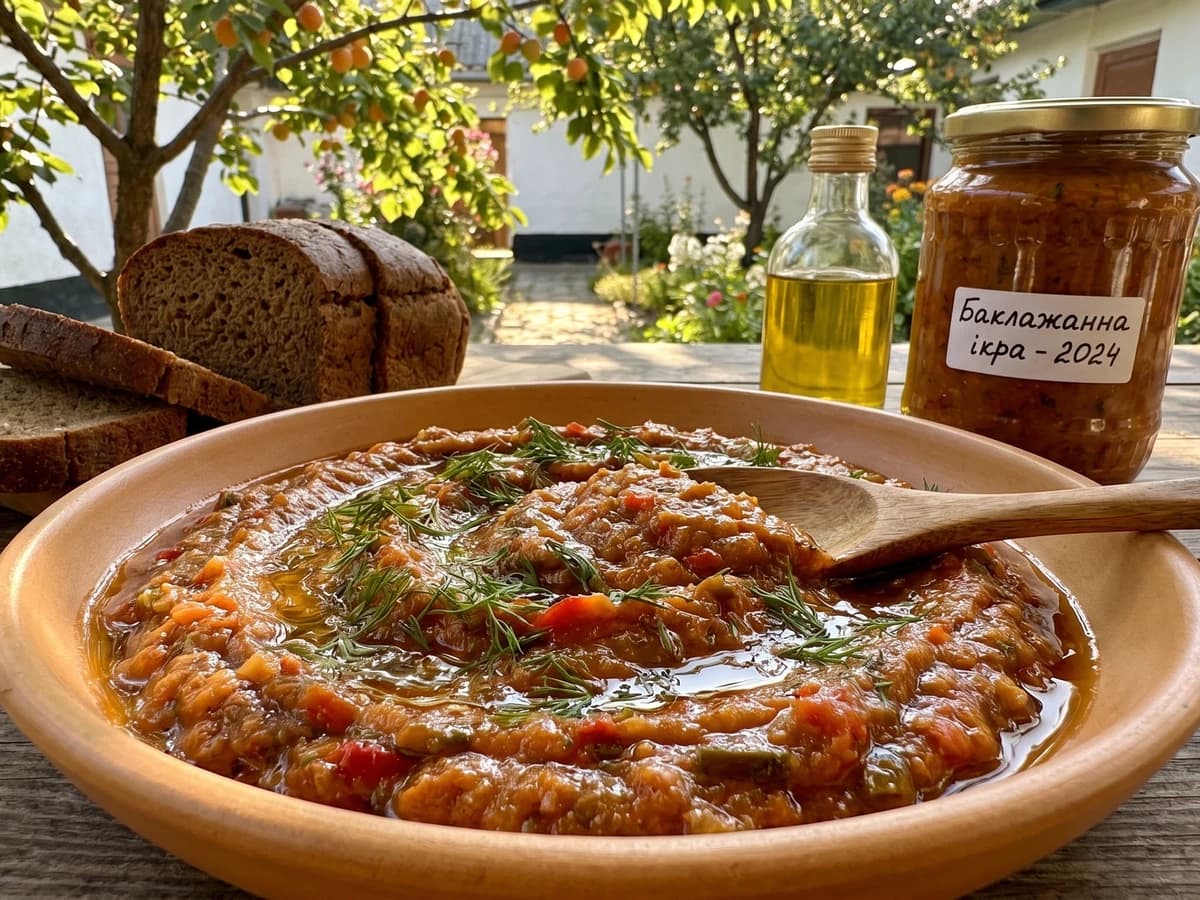
Baklazhanna Ikra (баклажанна ікра, eggplant caviar)
Eggplants collapse into silk, tomatoes give up their summer, and the pan turns sweet and smoky enough that a spoon dragged through leaves a clean path.
A cooking platform built around craft, culture, and the stories behind what we eat.
Created by
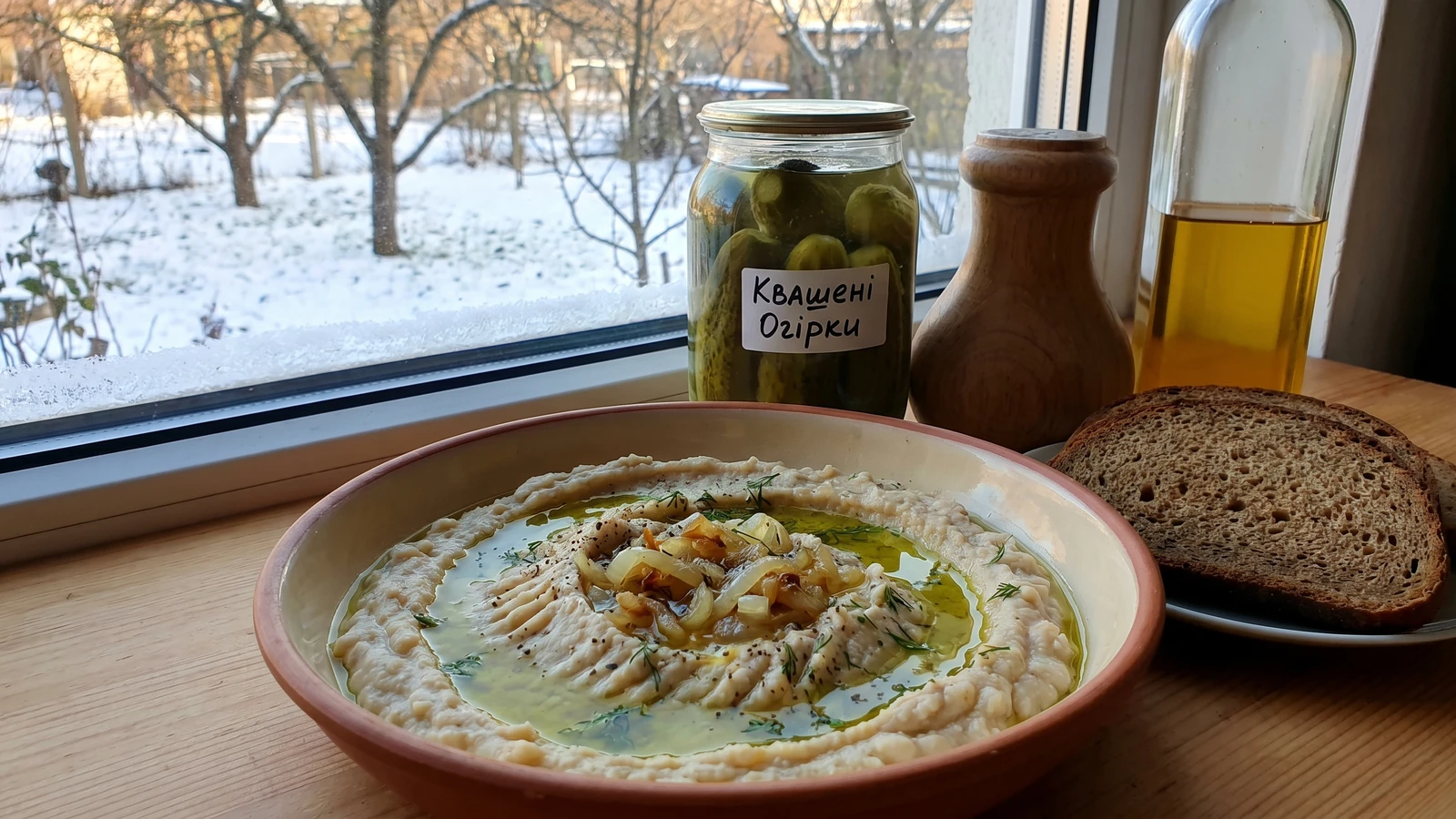
A pale bowl of beans turns loud when hot onion oil runs through it: sweet, garlicky, green-gold with sunflower oil, ready for rye bread, pickles, and anyone who thinks meatless food should whisper.
The pale bowl is a trick. White beans look quiet, almost apologetic, until hot onion oil runs through them and the smell turns sweet, nutty, a little garlicky, the kind of smell that makes people cut rye bread before you've found the knife. This is fasting food with elbows. It fills the table without meat, without butter, without making a performance of its thrift.
The dish works because the beans are mashed warm and the zasmazhka, the slow-sweated flavour base, goes in at the end. Add it to the bean pot early and its sweetness wanders off into the water; fold it in warm, oil and all, and it sits brightly through the mash. Aunt Nadia would write only "oil, enough" and then, bless her, nothing else, so I learned the look: glossy, soft, able to hold a spoon mark but not stiff enough to sulk.
Serve it in a deep bowl with pickled cucumbers, fermented tomatoes if a jar is open, radishes in spring, and black bread. In January, when the garden has gone into jars, this is supper. In August, it sits next to tomato salad and dill so loud you smell it from the gate. Make more than you think; cold spoonfuls vanish from the fridge.
Common beans, kvasolia, reached Ukrainian lands after the sixteenth-century Columbian exchange and by the eighteenth and nineteenth centuries were settled garden crops from Podillia and Halychyna to Bukovyna and the southern steppe. The word pashtet is a borrowed urban word, but mashed beans with fried onion belong to the fasting table: the long meatless seasons before Christmas and Easter, when cooks made beans, mushrooms, oil, and ferments carry the meal. In sunflower country, especially the south and east, unrefined oil gives the spread its nutty green-gold character, a regional signature no neutral oil can copy.
Quantity
300g
rinsed and soaked overnight, or 3 x 400g tins white beans, drained
Quantity
1
Quantity
2 large
finely diced
Quantity
1 small
finely grated
Quantity
6 tablespoons, plus more to finish
Quantity
2 to 3 cloves
finely grated
Quantity
1 teaspoon, plus more to taste
Quantity
1/2 teaspoon
Quantity
1 to 2 tablespoons
Quantity
small handful
finely chopped
Quantity
to serve
Quantity
to serve
| Ingredient | Quantity |
|---|---|
| dried small white beansrinsed and soaked overnight, or 3 x 400g tins white beans, drained | 300g |
| bay leaf | 1 |
| onionsfinely diced | 2 large |
| carrotfinely grated | 1 small |
| unrefined sunflower oil | 6 tablespoons, plus more to finish |
| garlicfinely grated | 2 to 3 cloves |
| fine sea salt | 1 teaspoon, plus more to taste |
| freshly ground black pepper | 1/2 teaspoon |
| fermented cucumber brine or sauerkraut brine (optional) | 1 to 2 tablespoons |
| fresh dillfinely chopped | small handful |
| dark rye bread (optional) | to serve |
| fermented or pickled cucumbers (optional) | to serve |
If you're using dried beans, cover them with plenty of cold water and leave them overnight. They should swell and lose that little stone-hard look. Drain them before cooking. If you're using tinned beans, rinse them, then warm them gently later with a splash of water and the bay leaf so they don't go into the mash cold.
Put the soaked beans in a pot with the bay leaf and cover with fresh water by a few fingers. Bring them up slowly, then keep them at a gentle burble until the skins loosen and one bean smears easily against the side of the pot. It should sound soft, not rattly. Salt lightly only once the beans are tender, then scoop out and save a mug of the cooking liquid before draining.
Pour the sunflower oil into a wide pan and add the onions with a pinch of salt. Cook them low and slow until they turn soft gold and the smell changes from sharp to sweet. Add the grated carrot and cook until it melts into the onion, then stir in the garlic for the last minute only, just until it wakes up.
Tip the warm beans into a bowl or food processor, remove the bay leaf, and add the hot zasmazhka with all its oil. Mash by hand for a rougher spread, or pulse in short bursts for a smoother one. Add saved bean liquid spoon by spoon until it loosens into a thick pâté that holds a spoon mark. Stir in the pepper and enough salt to make the beans taste awake.
Taste it while warm, then add one spoon of fermented cucumber brine or sauerkraut brine if the bowl needs lifting. Let it sit for at least a short while so the garlic settles into the beans. Taste again. Garlic grows as it stands, the little show-off, so stop just before you think it is perfect if you're serving it tomorrow.
Spoon the pashtet into a shallow bowl, drag the back of a spoon through the top, and pour a little green sunflower oil into the ridges. Scatter with dill and black pepper. Put out rye bread, pickled cucumbers, and whatever fermented jar is open. Enough for eight guests or one hungry Ukrainian.
1 serving (about 215g)
Culinary guides, cultural storytelling, and the editorial depth that makes cooking meaningful.
Discover Culinary ExplorerChef Lesia
Eggplants collapse into silk, tomatoes give up their summer, and the pan turns sweet and smoky enough that a spoon dragged through leaves a clean path.

Chef Lesia
The salt hits first, then the pasture: sheep's milk turned into a white, crumbly cheese that tastes of grass, weather, and the mountain air that made it.

Chef Lesia
The first cheese from the mountain vat is barely cheese yet: sweet milk caught into a warm springy round, unsalted, alive with whey, waiting to become brynza if you let it.

Chef Lesia
Roasted beets turn almost black at the edges, then grind with garlic and walnuts into a crimson spread so dense the spoon leaves a path through it.