Chef Lesia
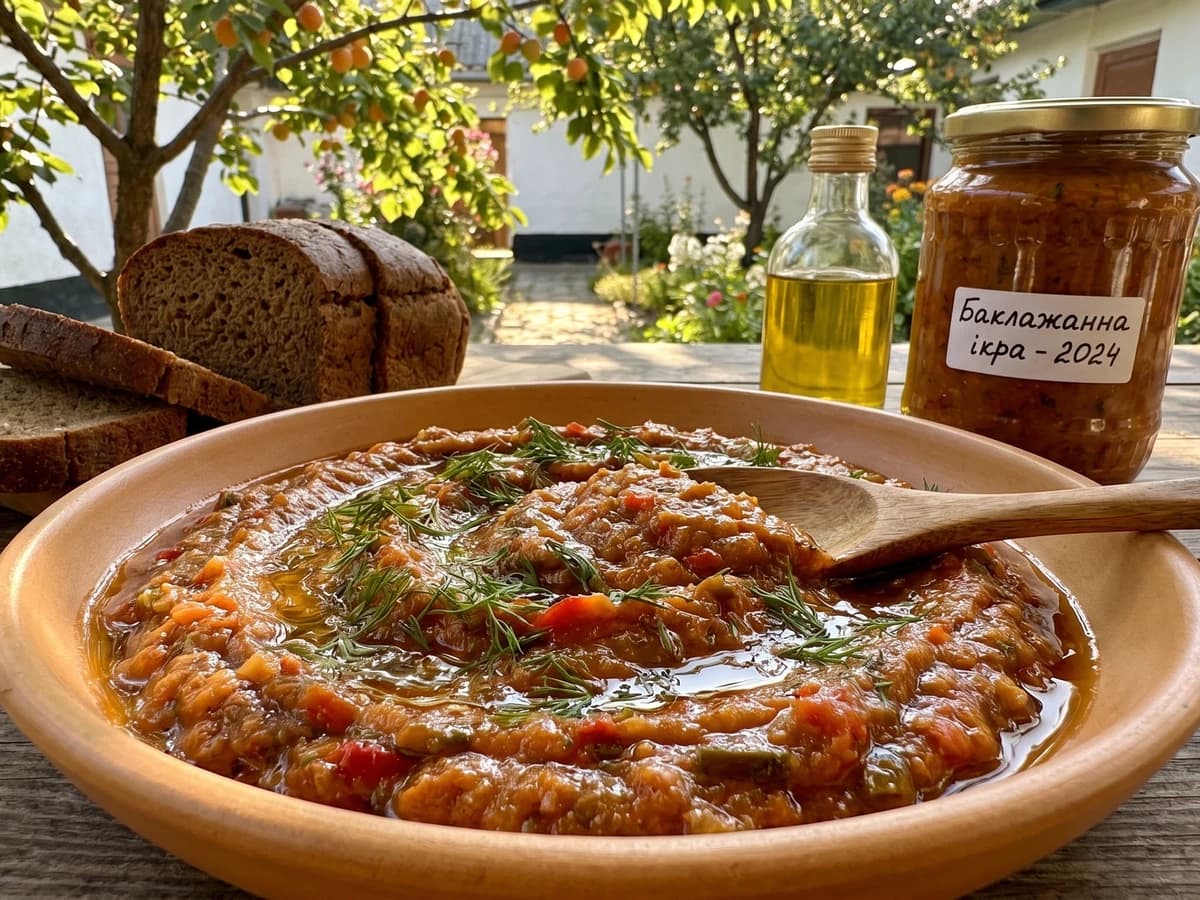
Baklazhanna Ikra (баклажанна ікра, eggplant caviar)
Eggplants collapse into silk, tomatoes give up their summer, and the pan turns sweet and smoky enough that a spoon dragged through leaves a clean path.
A cooking platform built around craft, culture, and the stories behind what we eat.

Created by
The prunes are not decoration. They cut through the rich pork and beef in dark sweet seams, so each cold slice tastes fuller, cleaner, and ready for black bread.
Agood holiday pâté looks quiet until you cut it. Then the knife finds the prunes, dark and glossy inside the pale meat, and suddenly the whole slice makes sense: rich pork, deeper beef, onion sweetness, black pepper, and fruit that keeps the fat from becoming heavy. This is food for the cold table, the one that waits while people arrive, take off boots, kiss everyone twice, and ask what smells so good.
This is a western Ukrainian dish in my kitchen, Galician in its bones, not southern-steppe food pretending to be local. Halychyna cooks with its own pantry: pork, dried fruit, black bread, mushrooms, a little Central European shadow from old borders, all made Ukrainian by the hands that kept cooking it. My Aunt Nadia wrote one version as "meat, onion, prune, bake until it sounds right," which is both maddening and completely fair. When the baked pâté is ready, it pulls slightly from the sides and gives a soft little sigh under the spoon.
The one why is this: cook the meat gently first, then grind it fine with the onions and soaking liquid. Raw ground meat bakes up tight and grainy; cooked meat, ground with its own juices, sets into something sliceable but tender, a spread if you press it on bread, a proper cold slice if you cut it thick.
Make it ahead. It needs the night in the fridge, and so do you.
Baked meat pâtés entered western Ukrainian home cooking through the kitchens of Halychyna, where Ukrainian, Polish, Jewish, and Austrian imperial foodways sat at the same market stalls and borrowed from one another without asking permission. Prunes have long belonged to the winter pantry of the Carpathian and Galician regions, where dried fruit brought sweetness to festive meat dishes when fresh fruit was gone. On Christmas and New Year tables, a cold sliced pashtet is practical as much as celebratory: it is made before the guests arrive, then served with rye bread, pickles, horseradish, and sharp things from jars.
Quantity
600g
cut into large chunks
Quantity
400g
cut into large chunks
Quantity
200g
trimmed
Quantity
2 large
sliced
Quantity
2 tablespoons
Quantity
2
Quantity
6
Quantity
1 teaspoon, plus more to taste
Quantity
120ml
Quantity
150g
divided
Quantity
2 slices
crusts removed
Quantity
120ml
Quantity
2
Quantity
2 cloves
grated
Quantity
1 teaspoon
Quantity
1/2 teaspoon
Quantity
1/4 teaspoon
Quantity
2 tablespoons
for the tin
Quantity
for greasing
Quantity
to serve
| Ingredient | Quantity |
|---|---|
| pork shouldercut into large chunks | 600g |
| beef chuckcut into large chunks | 400g |
| chicken liverstrimmed | 200g |
| onionssliced | 2 large |
| unrefined sunflower oil or pork fat | 2 tablespoons |
| bay leaves | 2 |
| black peppercorns | 6 |
| fine sea salt | 1 teaspoon, plus more to taste |
| water or light stock | 120ml |
| soft pitted prunesdivided | 150g |
| white breadcrusts removed | 2 slices |
| milk | 120ml |
| eggs | 2 |
| garlicgrated | 2 cloves |
| freshly ground black pepper | 1 teaspoon |
| ground allspice | 1/2 teaspoon |
| grated nutmeg | 1/4 teaspoon |
| breadcrumbsfor the tin | 2 tablespoons |
| butter or pork fat | for greasing |
| rye bread, pickles, and grated horseradish (optional) | to serve |
Warm the sunflower oil or pork fat in a wide heavy pot. Brown the pork and beef in batches until the edges take on a deep savoury smell, then lift them to a plate. Don't rush the pan. The brown bits at the bottom are what will make the pâté taste cooked through, not just ground up.
Add the sliced onions to the same pot with a pinch of salt. Let them soften in the fat until they go sweet and golden at the edges, scraping the pan as they collapse. Add the garlic only at the end, just until its sharp smell turns round.
Return the pork and beef to the pot with the bay leaves, peppercorns, salt, and water or stock. Cover and cook very gently until the meat breaks apart when pressed with a spoon. It should not be bubbling angrily. You want a low murmur, the kind Aunt Nadia called "until it sounds right."
Tuck the trimmed chicken livers into the hot pot for the final few minutes, turning them until they lose their raw shine but stay tender inside. Overcooked liver tastes metallic and bossy. Just cook it until the smell changes from sharp to mellow.
While the meat cools a little, soak the bread in the milk until it falls apart between your fingers. Remove the bay leaves and peppercorns from the pot. Keep every spoonful of onion and cooking juice; that is not waste, that is the pâté learning to be tender.
Pass the cooked pork, beef, livers, onions, soaked bread, and pot juices through a meat grinder twice, or pulse in a food processor until fine but not whipped. The mixture should look soft and slightly sticky, not dry crumbs. Beat in the eggs, black pepper, allspice, and nutmeg, then taste a tiny cooked spoonful in a pan and adjust the salt.
Chop half the prunes and fold them through the pâté mixture. Leave the rest whole or halved, depending on their size. Grease a loaf tin and dust it with breadcrumbs, then pack in half the mixture, lay the larger prune pieces down the centre, and cover with the rest. Press firmly so there are no hidden air pockets.
Set the loaf tin in a roasting tray and pour hot water into the tray to come halfway up the sides. Bake at 170C until the pâté is set, pulling slightly from the tin, and gives that soft little sigh when pressed with the back of a spoon. If the top browns too quickly, cover it loosely with foil.
Cool the pâté in the tin, then weight it lightly with a board and a couple of tins and refrigerate overnight. Slice it cold and thick. Serve with rye bread, pickles, grated horseradish, and something sour enough to wake the whole plate up.
1 serving (about 140g)
Culinary guides, cultural storytelling, and the editorial depth that makes cooking meaningful.
Discover Culinary ExplorerChef Lesia
Eggplants collapse into silk, tomatoes give up their summer, and the pan turns sweet and smoky enough that a spoon dragged through leaves a clean path.

Chef Lesia
The salt hits first, then the pasture: sheep's milk turned into a white, crumbly cheese that tastes of grass, weather, and the mountain air that made it.

Chef Lesia
The first cheese from the mountain vat is barely cheese yet: sweet milk caught into a warm springy round, unsalted, alive with whey, waiting to become brynza if you let it.

Chef Lesia
Roasted beets turn almost black at the edges, then grind with garlic and walnuts into a crimson spread so dense the spoon leaves a path through it.